


 Česky (CZK)
 Slovensky (EUR)
 Deutsch (EUR)
 Austria
 Belgium
 Bulgaria
 Croatia
 Denmark
 Estonia
 Finland
 France
 Germany
 Greece
 Hungary
 Italy
Italy Latvia
 Lithuania
 Luxembourg
 Netherlands
 Poland
 Portugal
 Romania
 Slovenia
 Spain
Spain Sweden










Dashi, phở, bone broth: how to understand Asian broths and when each makes sense
In Asian cuisine, broth is much more than just "soup water" – it is often the main flavor of the entire dish. In this guide, we will compare the basic types of broths (from Japanese dashi through Vietnamese phở to long-simmered bone broth), explain the difference between broth, soup, and sauce base, and add practical tips on how to achieve clarity, depth, and balanced saltiness at home without unnecessary mistakes.
Why broths are so important in Asian cuisine
Whoever understands broths understands a large part of Asian cooking. Many dishes do not primarily rely on a complicated recipe but on a quality liquid base – and often this base determines whether the final dish feels deep, clean, and "finished."
Asian broths are not just one thing. They can be:
- light and almost transparent (emphasis on clarity and precision),
- dark and long-simmered (emphasis on body and depth),
- spiced and aromatic (character created by spices and aromatics),
- plant-based and mushroom (depth built on umami ingredients),
- fish and marine (time-sensitive, with a clear taste of the sea).
An important shift in thinking is simple: in many dishes, broth is not a backdrop but the center – carrying umami, connecting other ingredients, and defining the character of the whole bowl.
Broth is not automatically soup (and certainly not always "just" a base)
Broth
Broth is a liquid base – its purpose is to carry flavor, umami, and aroma. It can be very minimalist (typically dashi) or extremely complex and slowly built (bone or aromatic styles). By itself, it often is not yet a finished dish.
Soup
Soup is a finished dish where broth is just one (albeit key) part. A good example is phở: the final bowl is created not by "cooking everything in one pot," but by combining broth, noodles, meat, herbs, and table seasoning. Broth is the center, but soup is the whole.
Basic sauce
In Asian cuisine, the liquid base is often used as a building block for further flavor: some sauces or seasoning blends rely on flavor development from broth (or broth helps connect other components).
Practical tip: when a dish should taste "like from a bistro," very often the trick is not in the spices – but in quality, properly built liquid base.
Main types of broths: from clarity to body
To not get lost in the topic, it is useful to perceive broths as a spectrum. There is no single "best" style – only the right style for the given dish.
Light quick broth: clarity, delicacy, precision
Typical for cuisines that want clarity, delicacy, and precision. It is not about hours of cooking, but about controlled extraction of flavor. A model example is Japanese dashi, which shows that delicacy does not mean weakness – just a different approach.
Long-simmered bone broth: depth and body
This includes most of the richer and deeper styles. The extraction of bones, connective tissues, and sometimes meat and aromatics is important. The result is usually a broth that is fuller-bodied, rounder, and often significantly richer – suitable where the bowl should have weight and structure.
Spiced broth: spices must be noticeable but not noisy
Spiced broth is not just "strong broth." It is a broth whose character is deliberately shaped by spices and aromatics – typically in some Vietnamese or Chinese styles. A key discipline is balance: spices should be distinct but should not overwhelm clarity and drinkability.
Plant-based and mushroom broth: not a poor substitute
In Asian cuisine, plant-based broths often do not aim to "imitate meat" but to have their own, full-depth – for example, thanks to seaweed, mushrooms, legumes, or dried ingredients. If you want lightness without emptiness, this is a very strong direction.
Fish and marine broth: intense but time-sensitive
Fish and marine broths tend to be more pronounced and are often used where a clear taste of the sea is desired but not heaviness. At the same time, they are sensitive to timing and handling – "clean sea taste" can easily turn into something coarse.
Dashi: a different way of thinking about broth
Dashi is a good example that broth does not have to mean long cooking. In Japanese tradition, it is a thoughtful, clean, and umami-rich base. It is not an aggressive extraction but a precise capturing of the essence of the ingredient – and mainly about clarity.
- Dashi is a base, not a finished soup.
- It can be made from various ingredients.
- Quality depends on clarity, not overcooking.
- Delicacy does not mean weakness.
A well-known combination kombu (seaweed) + katsuobushi (dried fish flakes) is also important as a demonstration of the umami synergy principle: several "unobtrusive" ingredients together create a deeper flavor than would correspond to their strength judged separately.
In practice, dashi often appears as a base for soups – typically miso soup, where dashi and miso combine into a simple but flavorful result. If you want to try at home how the "light broth world" tastes, it makes sense to start here.
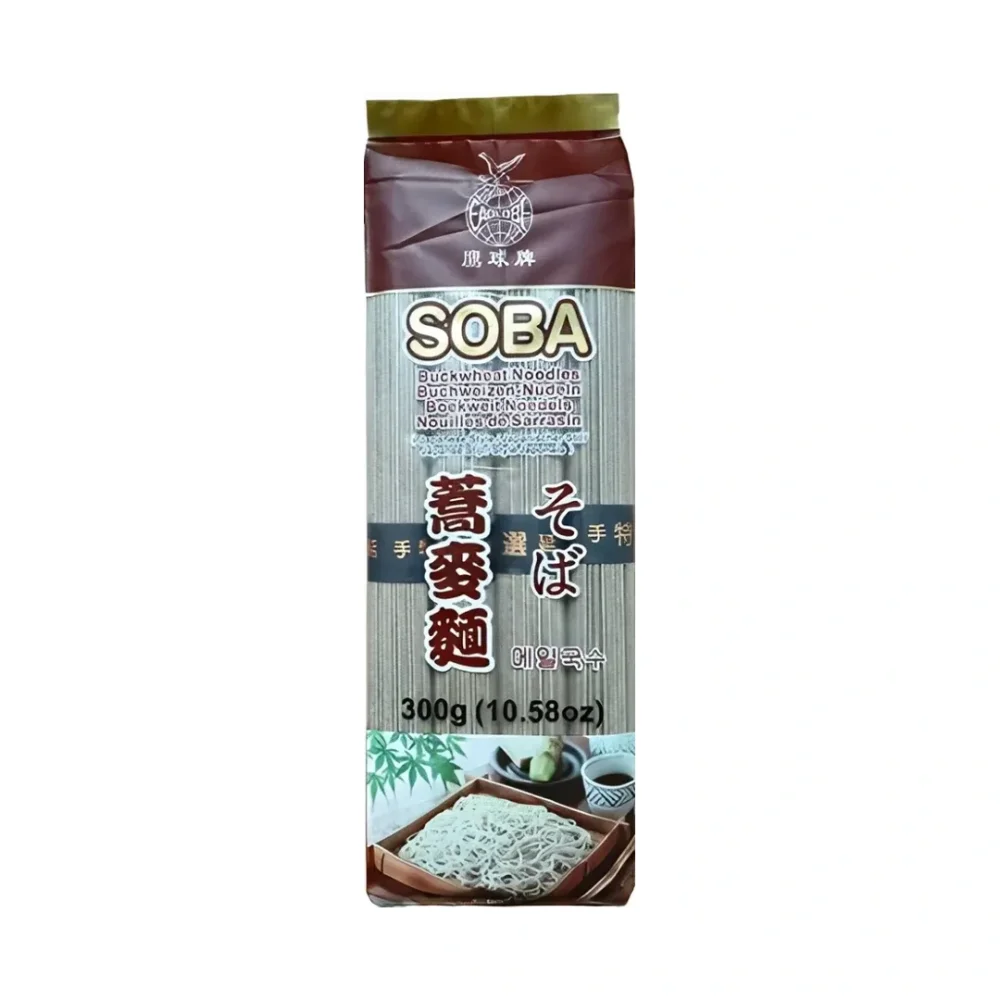
And if you are also tempted by colder or summer versions of working with broth: in Asia, there are also chilled broths and cold dipping soups for noodles. For this style, buckwheat soba noodles are suitable, which you can use both in a light broth and in colder variations – for example, Eaglobe soba noodles 300 g.
👃 Phở and other long aromatic broths: when broth is the center of the whole bowl
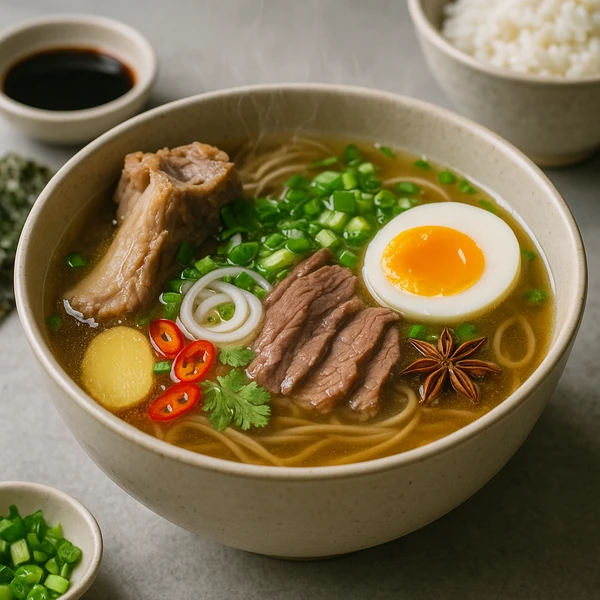
At the other end of the spectrum are broths built by longer simmering and aromatic layering. Phở is an excellent model example because it shows several important principles at once:
- Broth is the center of the dish.
- Spices must be noticeable but not noisy.
- Clarity is as important as depth.
- The final bowl is created only by combining broth, noodles, meat, herbs, and table seasoning.
The latter is often a crucial "aha" for home cooking: phở is not one flavor enclosed in a pot. It is a system where the broth holds the axis and other components (rice noodles, herbs, meat, seasoning) join it so that they remain discernible.
The Vietnamese view of soups also shows that strength doesn’t have to be in thickness or spiciness, but in the clarity and balance of the broth. And that there are other Vietnamese strong broth soups that work differently – for example, bún bò Huế, more robust and built on a different logic.
This type of dish also includes working with "table seasoning" – that is, adjusting the bowl right at mealtime. In Southeast Asia, fish sauce often serves for this: in small amounts, it adds saltiness, depth, and umami and functions more as a concentrated tool than "extra fish flavor."
Bone broth and richer broth styles: depth without losing control
When talking about "bone broth," in the context of Asian cooking it is useful to stick to its practical meaning: it is a long-simmered bone brothwhere flavor and body are deliberately extracted from bones and connective tissues (and sometimes meat and aromatics). Such a base is suitable wherever broth should be more than clear and light – it should be supportive, round, and rich.
At the same time, it is true that richer broth often is not a "finished solution." In some soup systems (typically ramen), additional components are added to the broth to complete the final impression. That is why it is good not to transfer expectations from one world to another: what is great for ramen style might not be what you want in dashi or phở.
How to choose the right broth at home and start working with it right away
The quickest path to a good result with broth is always the same: first name the type of bowl you want. Only then does it make sense to choose a broth style.
1) I want a light, clear bowl (or a base that can be further shaped)
Go for a quick, clear broth (dashi logic). In practice, this means mainly watching two things: not over-extracting (so flavor doesn’t turn harsh) and maintaining clarity.
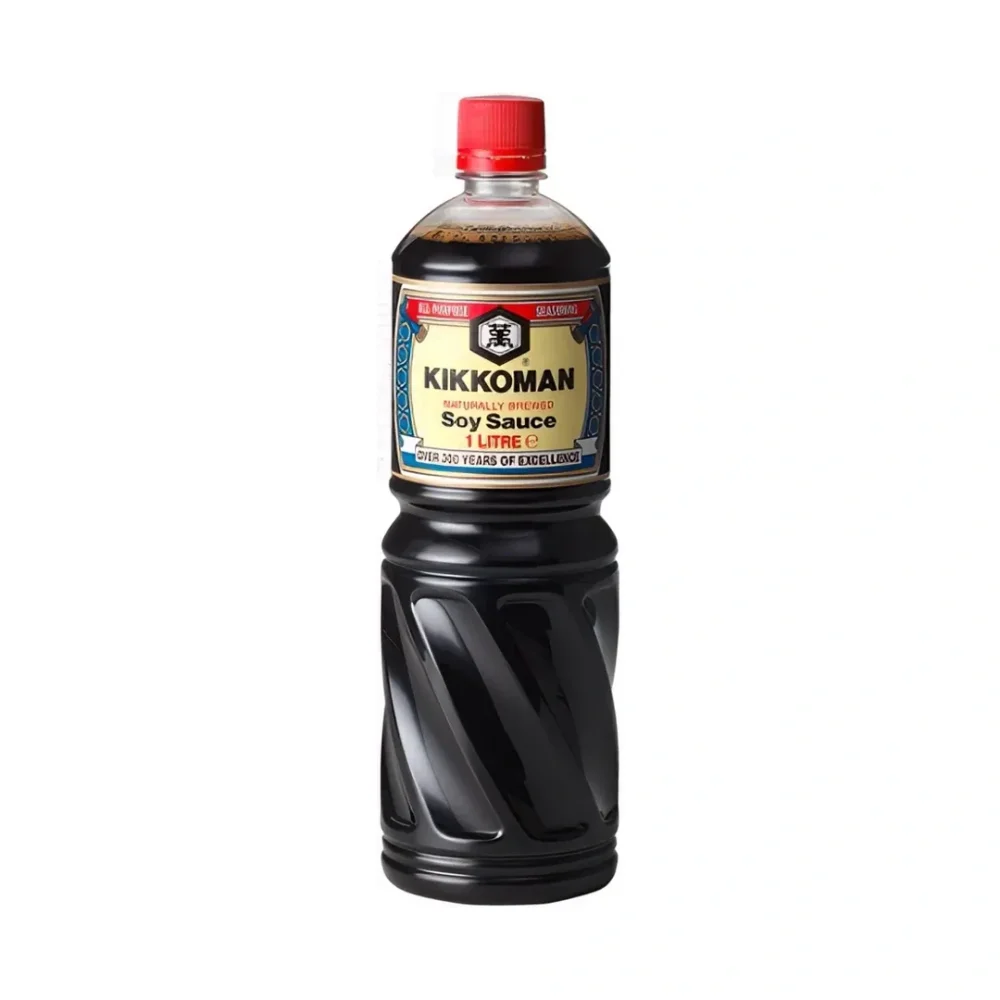
Light broths are often seasoned afterward and in small steps – because even a small amount of seasoning is highly "visible" in a clear base. For fine adjustment of saltiness and umami, a quality Japanese soy sauce, for example, Kikkoman soy sauce (shoyu) can work well – important is to add gradually so as not to overpower the character of the broth.
2) I want a soup as the main dish where broth is the "main flavor"
Think like with phở: broth is the center, but the final bowl is assembled last. The practical consequence is that part of the "wow effect" is created not just by the broth itself but by the contrast of noodles, meat/tofu, herbs, and table seasoning.
Here it pays to remember the rule: spices must be noticeable but not noisy. If you feel that the broth is "perfume," usually the spices have stopped supporting and started dominating.
3) I want a richer, structured bowl
Then the bone broth direction makes sense. Keep in mind that such a base is flavor-wise richer and can more easily "overpower" delicate components. All the more, it is important that the broth is not just strong but also clear and well controlled.
How not to cloud or over-salt the broth (practically, without magic)
- Clarity often breaks down at cooking intensity: rapid boiling tends to worsen clarity and cleanness. A gentler simmer is usually safer if you want a more transparent result.
- For long broths, continuous monitoring helps: skimming impurities and subsequent straining will keep the flavor "cleaner."
- Be careful with salt: especially if you plan to reduce or season the broth further (with soy sauce, fish sauce, etc.). It is safer to adjust saltiness closer to final use.
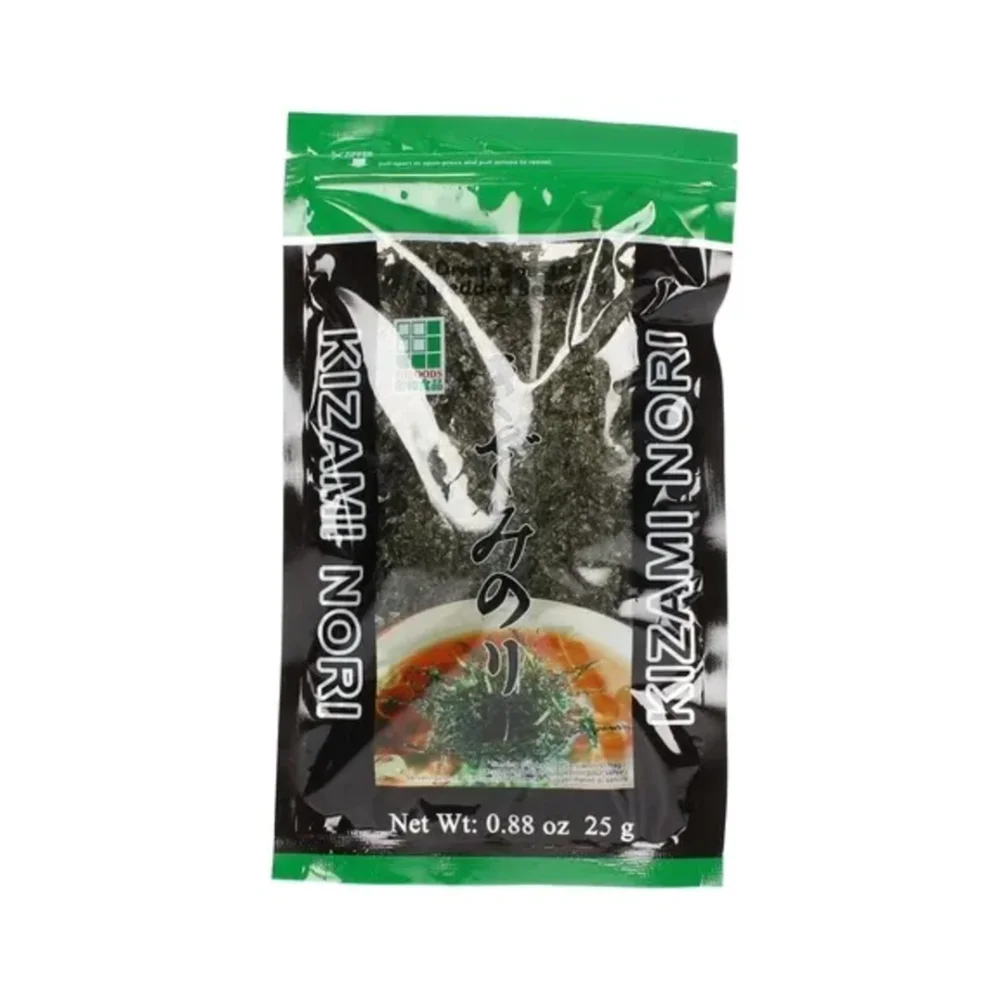
A small but practical detail: if you want to quickly add a marine umami tone without big recipe changes, sometimes even a simple sprinkle is enough. Finely cut nori suits rice, noodles, and soups – for example, JH foods Kizami Nori seaweed.
Most common mistakes and misunderstandings (and how to recognize them in taste)
"Broth = soup"
In dashi, this misunderstanding leads to people expecting "ready soup strength" – and then unnecessarily overpushing the broth. Dashi is a base: its strength is in pure umami, not aggressive intensity.
Excessive extraction: when delicacy turns harsh
In quick, clear styles, overcooking is a typical mistake. The basic rule is: quality depends on clarity, not overcooking.
In spiced broths, "loud" spices
Phở logic is unforgiving here: spices must be noticeable but not overpowering. When after the first spoonful, the broth flavor disappears and only spice remains, the most precious has been lost – drinkability and balance.
Over-salting the base
A common problem especially when the broth is further adjusted, seasoned, or reduced. In clear broth, salt and umami multiply – what is "just right" in the pot can be too much in the finished bowl.
Trying to cram all styles into one bowl
Dashi and long aromatic broths like phở are good opposites: they are not "better vs. worse," they just work with different time, intensity, and texture. Once you try to merge them into one, usually what is best about each disappears.
What to take away from the article
- In many Asian dishes, broth is the main flavor – it determines the character of the whole bowl.
- Broth is not automatically soup: phở is assembled at the end, dashi is typically a base, not a "finished dish."
- There are several main worlds of broths: light and quick, long-simmered bone, spiced aromatic, plant/mushroom, and fish/marine.
- Dashi stands on clarity and precise extraction, phở on a combination of clarity and aromatics – spices should be noticeable but not noisy.
- Most mistakes come from overcooking, losing clarity, and over-salting – and they are often fixed just by choosing the right style for the dish in advance.

Read next
If you want to explore this topic further, continue with these related blog guides and articles:
