


 Česky (CZK)
 Slovensky (EUR)
 Deutsch (EUR)
 Austria
 Belgium
 Bulgaria
 Croatia
 Denmark
 Estonia
 Finland
 France
 Germany
 Greece
 Hungary
 Italy
Italy Latvia
 Lithuania
 Luxembourg
 Netherlands
 Poland
 Portugal
 Romania
 Slovenia
 Spain
Spain Sweden










Basics of broths in Asian cuisine: how they work and why they often determine the taste
In Asian cuisine, broth is often not just "liquid under the noodles." It is a building block that carries umami, connects ingredients, and determines whether the dish feels clean and precise or just vaguely salty. In this guide, we'll clarify the difference between broth, soup, and "basic sauce," go through the main types of Asian broths (including dashi), and most importantly: how to start with them at home without common mistakes.
Why broths are so important in Asian cuisine
Many Asian dishes are based on a simple set of ingredients but on a very thoughtful liquid base. The broth is what decides whether a bowl of noodles, simple vegetables, or a few pieces of meat will feel "complete" – with clear flavor, warmth, aroma, and depth.
In practice, broth can function in several roles at once:
- as the main flavor of the dish (typically in broth soups and noodle bowls),
- as a supporting base for sauce (broth adds depth without heaviness),
- as a cooking medium (noodles, vegetables, dumplings),
- as a quick way to "finish off" meat or tofu, where the flavor unifies in the liquid.
This is a good reason to treat broth as a standalone culinary tool, not as a byproduct or "something poured into a pot."
Broth is not automatically soup: a difference that will save you a lot of disappointment
In European thinking, everything often blends into one idea of "soup = broth." In Asian cuisine, however, it pays to distinguish three things because each has its own logic and different level of seasoning:
Broth (base)
Broth is a liquid that is flavorfully "carrying" by itself but is often not final. In some styles the goal is cleanliness, delicacy, and precision; elsewhere, on the contrary, body and deep extraction. Importantly, broth can be intended for further use: for soup, sauce, braising, or as a cooking medium.
Soup (finished meal)
Soup is the result: broth + a specific food construction. In iconic Asian soups (for example Vietnamese phở), the key is not only "strength," but precisely clean and aromatic broth, proper layering of flavors, and how the broth connects noodles, herbs, and other components.
Basic sauce (flavor skeleton)
Asian sauces are often not just a seasoning "on top." In many dishes, they form a flavor skeleton – and broth can enter it as an element that adds depth and volume without making the sauce heavy. Therefore, it commonly happens in the kitchen: broth turns into soup, or broth and seasoning create a sauce base – and that same base works in different ratios for noodles, braising, and dips.
Main types of broths in Asian cuisine (and what to expect from them)
Asian broths are not one universal style. Even basic orientation will help you choose the right path and not try to make "light" into "strong" at all costs – or vice versa.
Light quick broth: clarity, delicacy, precision
Typical for cuisines and dishes where transparency and precisely readable flavorare desired. It's not about many hours of cooking but about controlled extraction – that is, pulling out the essentials without overpowering by overcooking.
In such a broth, noodles, herbs, tender vegetables, or delicate meat stand out. It also works well in "worlds" where soup can be the main dish (which is common in Asia: from breakfast to street food).
Long-simmered bone broth: body, roundness, richness
A large part of richer and deeper styles falls into this category. Important is the extraction of bones, connective tissue, possibly meat and aromatics. The result is usually more full-bodied, rounder, and richer – and often forms the basis of dishes where you want the "broth to carry the bowl" even without many additional components.
👃 Spiced broth: character is created not only by "strength" but also by aroma
Spiced broth is not just a synonym for "very salty" or "very fatty." It is a broth whose character is shaped by spices and aromatics – typically so that the result is a specific style, not a general "Asian" flavor.
An example of this thinking is Vietnamese phở, where strength is not chased by thickness but cleanliness and balance. Alongside this, there are also more robust Vietnamese broth soups, such as bún bò Huế, which have a different logic (a stronger, "firmer" character).
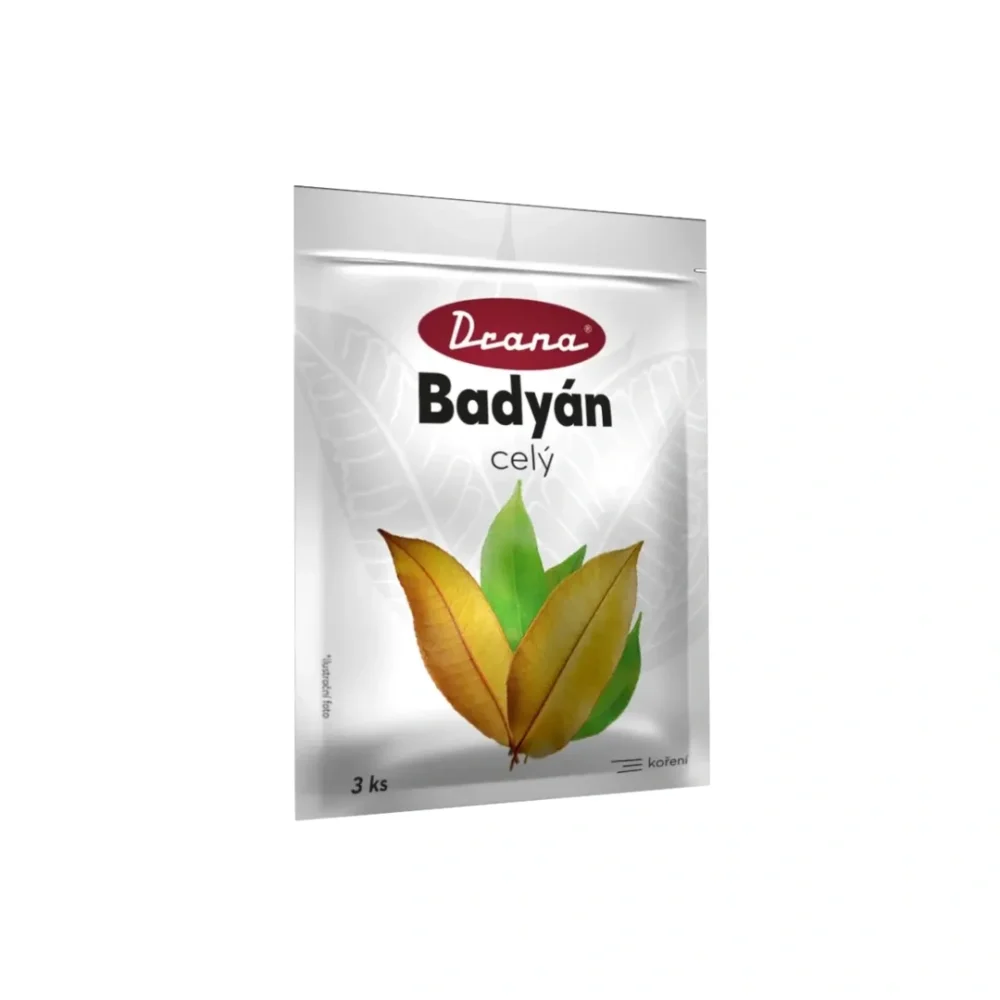
For a home illustration of spiced aromatics, a whole star anise can be useful – it is easy to remove and the flavor can be kept under control. If you want to try such an aroma without complicated steps, use whole star anise more as a gentle "directional" element, not as the main flavor.
Plant-based and mushroom broth: it is not a poor substitute
Plant and mushroom broths in Asian cuisine are often not an emergency option. When done well, they can have significant depth thanks to seaweed, mushrooms, legumes or dried ingredients.
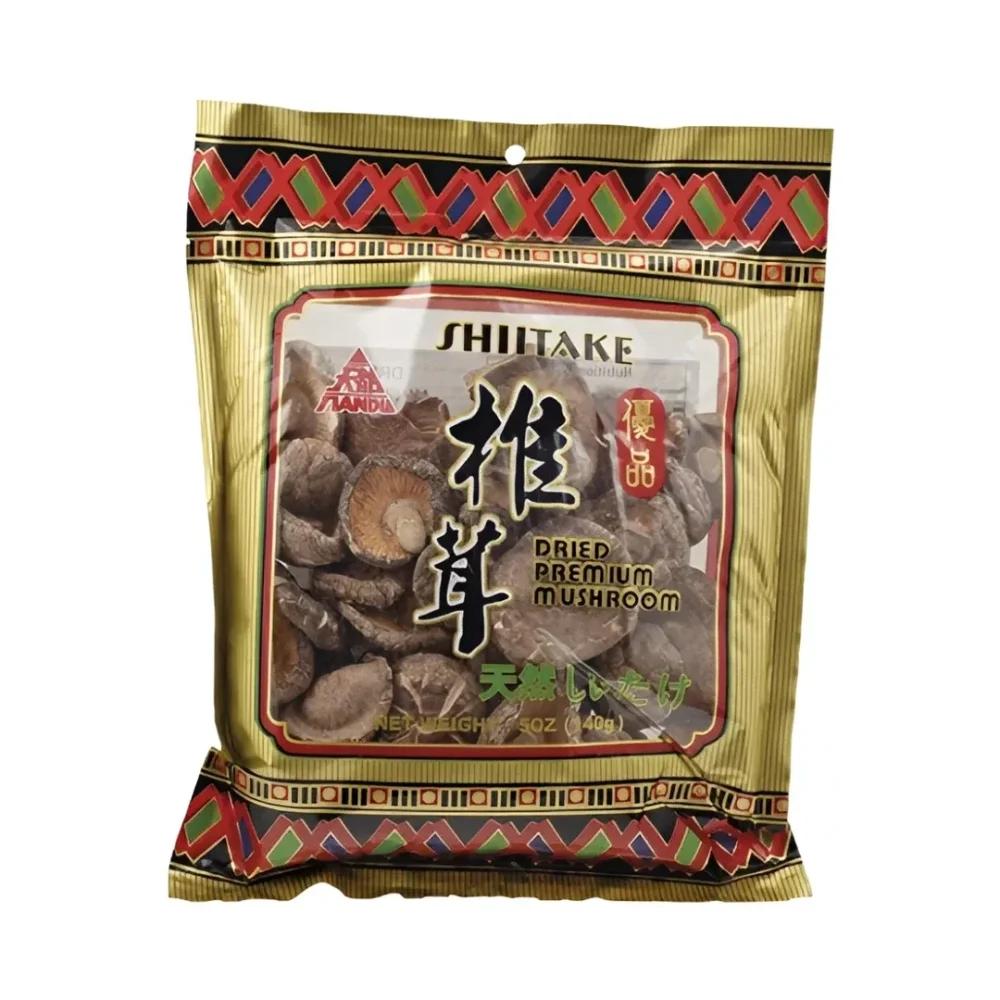
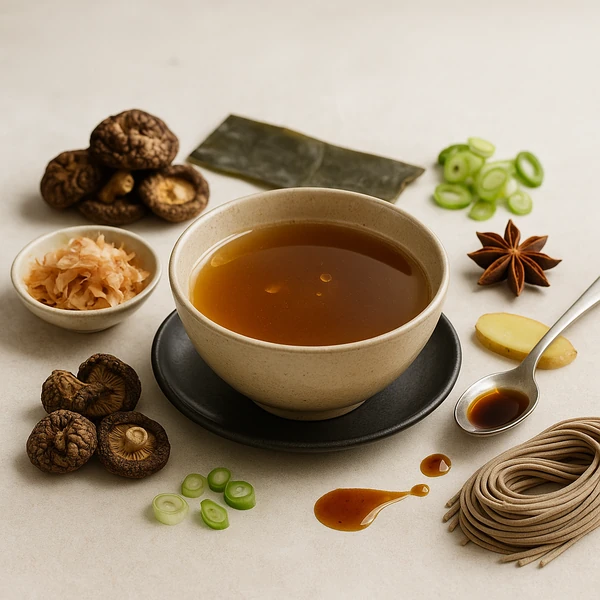
Typically, umami ingredients are used in small amounts, which significantly enhance the "body" of the flavor. A practical example: dried shiitake has a strong umami flavor, and only a small amount is needed for the broth – it’s exactly the type of ingredient that can make a simple base a convincing broth.
Fish and seafood broth: pronounced, but sensitive to time
Fish and seafood broths tend to be more pronounced and are often used where the taste of the sea should be distinct but not heavy. At the same time, they are sensitive to time – if overdone, they can taste rough.
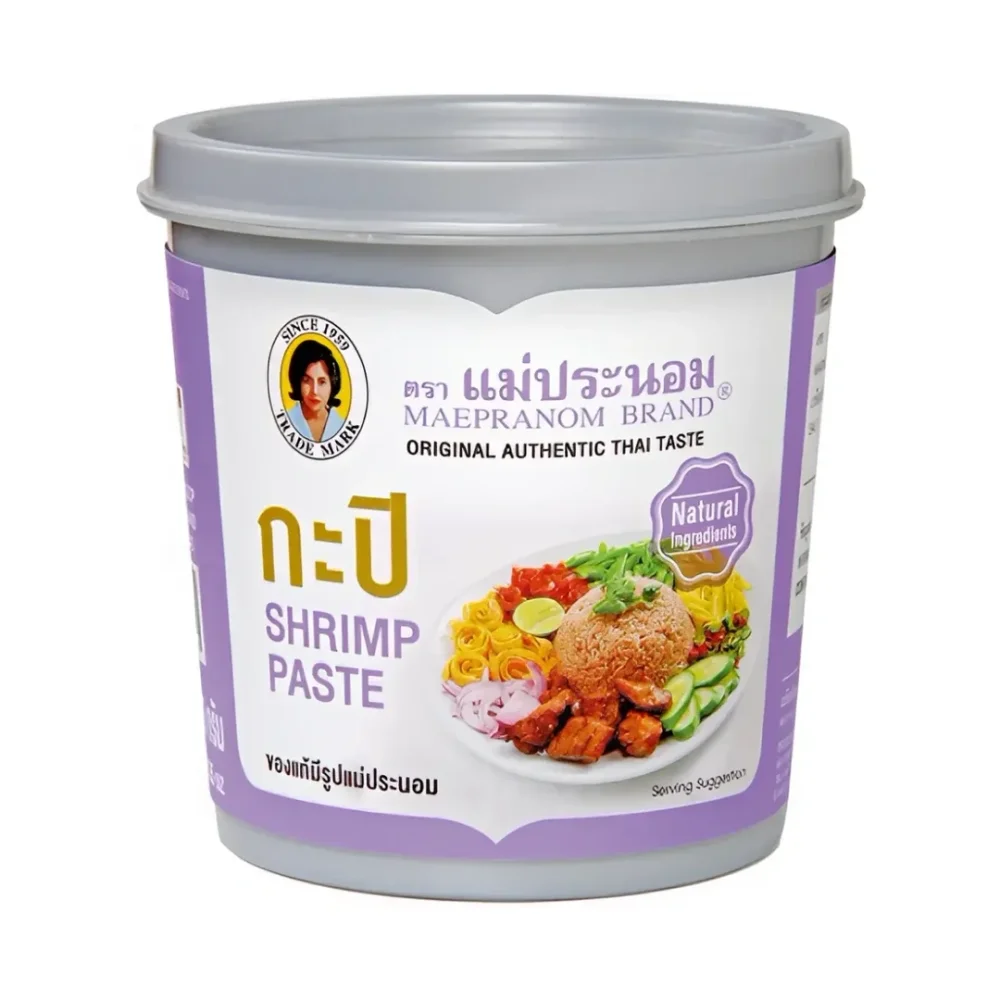
Intense seasonings that are used in small amounts also belong to the marine umami world. A typical example is shrimp paste: it is strong, salty-umami, and only a small amount is needed to shift the flavor of broth or soup towards coastal and Southeast Asian profiles.
Dashi: a different way to think about broth
Dashi is a key example that broth does not have to mean long cooking. In Japanese tradition, dashi is a thoughtful, clean, and umami-rich base, which does not rely on aggressive extraction but on precise capturing of the ingredient’s essence.
For home understanding, these points are especially important:
- dashi is a base, not a finished soup,
- can be made from different ingredients,
- quality depends on cleanliness, not overcooking,
- delicacy does not mean weakness.
The classic combination of kombu and katsuobushi is often mentioned because it well demonstrates the principle of umami synergy: several inconspicuous elements together create a deeper flavor than their "strength" assessed separately would suggest.
How to use broth in practice: soups, noodles, hotpot, and sauces
In Asian cooking, it is useful to stop thinking "I have broth = I make soup." Broth is a liquid base with which you can work depending on the type of dish you are building.
Broth soups as main meals (not just appetizers)
In many Asian countries, soups are full main dishes, common breakfasts, street food, and home comfort food. And they often differ precisely in:
- the type of liquid base,
- the role of noodles or rice,
- whether they are light and clear, or hearty and full,
- the method of seasoning.
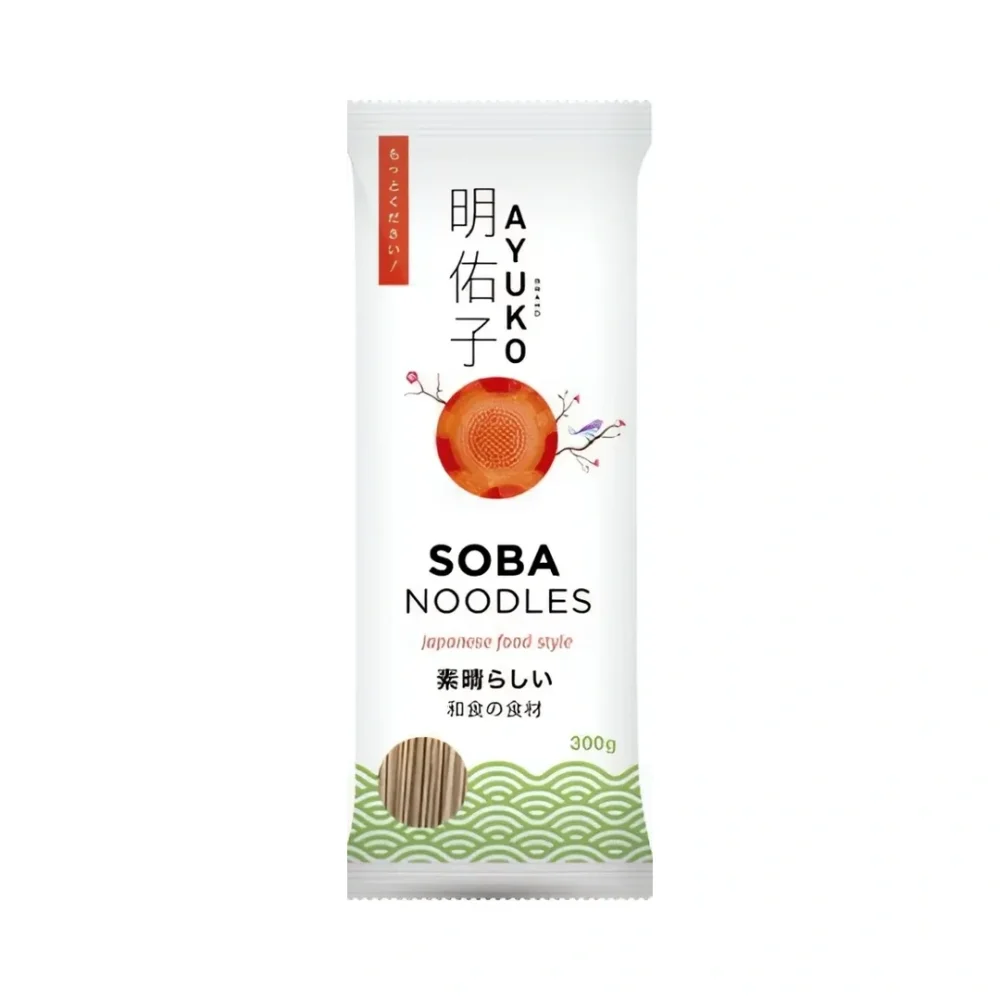
As a friendly home start, noodles are practical, working well in broths and cold variations. For example, soba noodles can be used both in warm broth bowls and in cooler summer styles.
Hotpot: broth as a flavor base and "social space"
The Chinese world of soups and broths includes hotpot (huoguo) – it is not a classic soup in the European sense but a table cooking system in broth where diners create their bites gradually. From a culinary technique perspective, it is a great reminder that broth can be both a flavor base and a medium in which cooking takes place.
Cold soups and chilled broths: broth doesn't have to be "wintery"
Cold soups or chilled broths are not a fringe specialty in Asia. This includes Korean naengmyeon, some Japanese summer soups and broths, or light seasonal variants. This also changes the domestic perspective: broth does not have to be heavy and warming – it can be refreshing when built on clarity and precision.
How broth connects with sauces (and why it makes sense)
In practice, the following very often happens:
- broth turns into soup,
- broth and seasoning create a sauce base,
- broth adds depth to the sauce without heaviness,
- the sauce returns direction and concentration to the broth,
- the same base is used in varying ratios for noodles, braising, and dips.
For home orientation, it is useful to think about sauces by their role (not by the color of the bottle). Some sauces mainly salt and carry umami, others connect and round out, some are sweet-salty and richer, and some sauces are meant for finishing – that is, highlighting at the end.
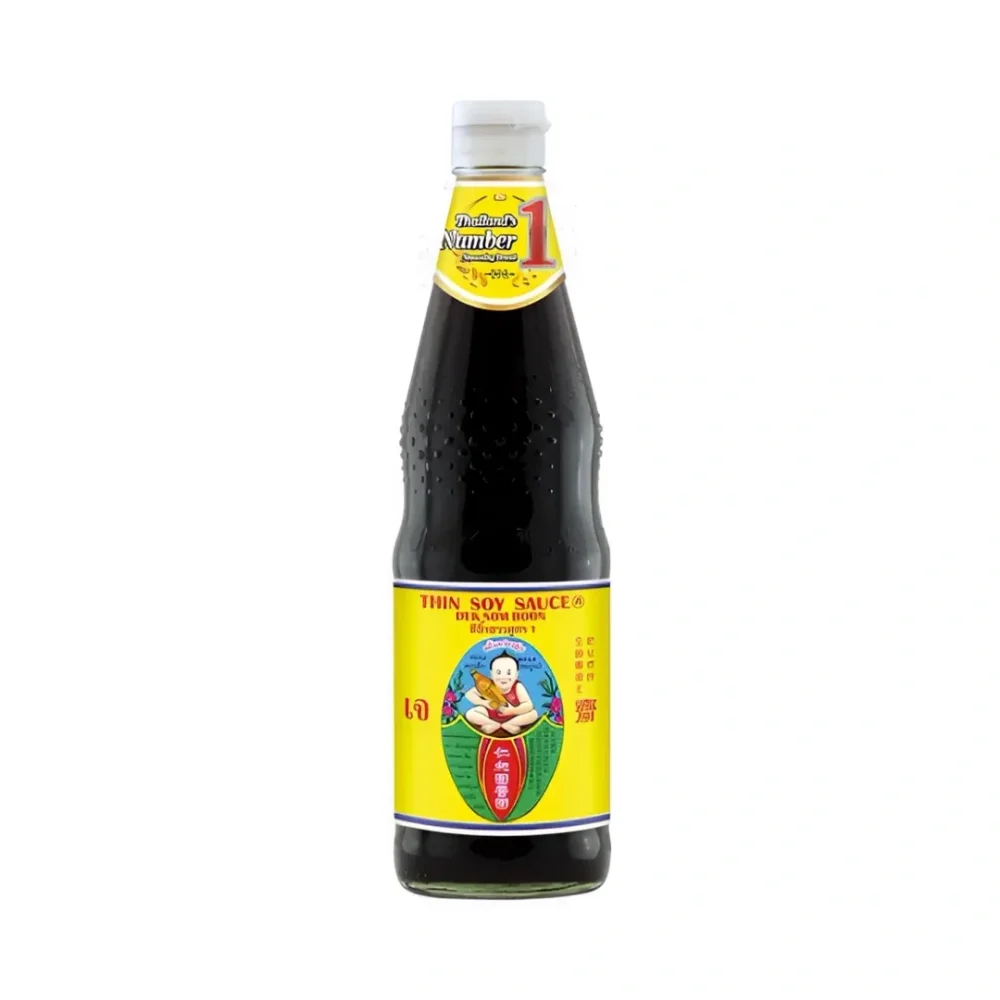
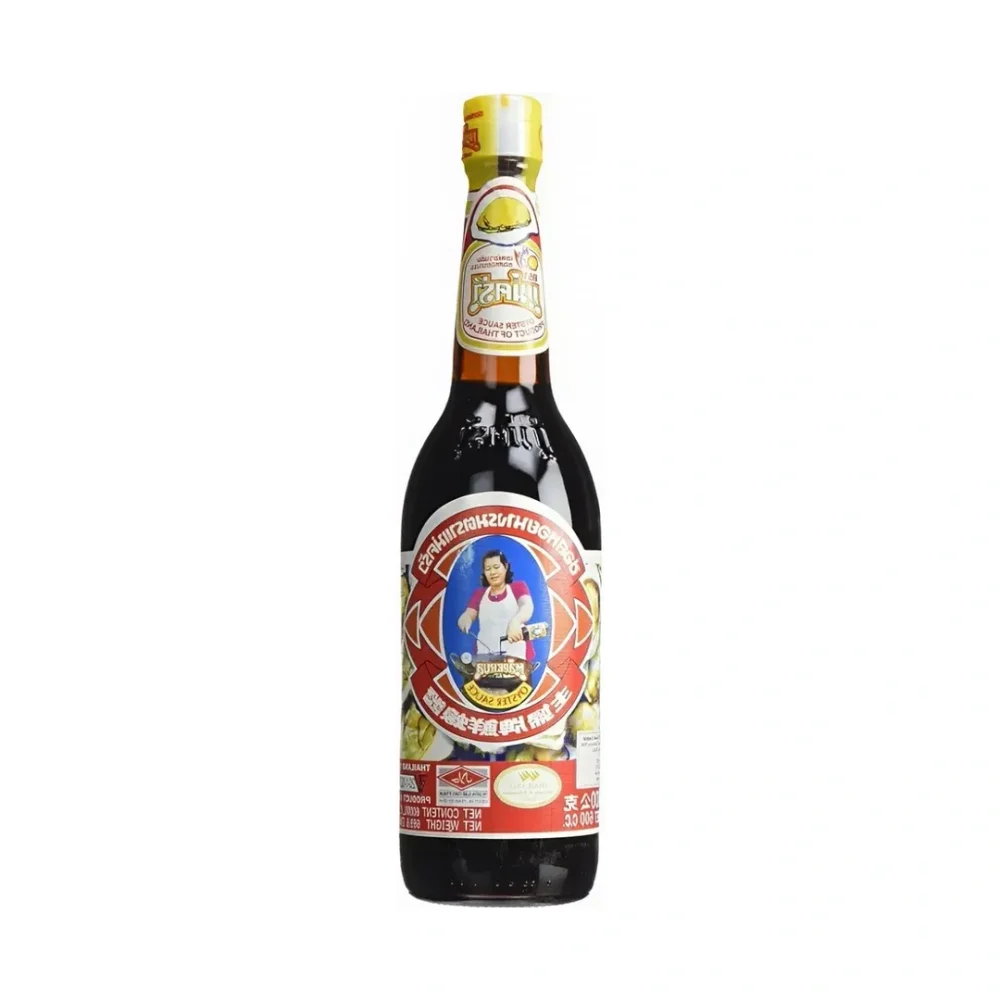
If you want to quickly show how broth "lifts" a sauce, it can be understood by a simple principle: you take a base that has direction (like soy or spicy), and use the broth to give it volume and drinkability, without having to "push" everything with salt. As an example of a working seasoning without significant darkening, you can use light soy sauce Dek Som Boon. And for rounding and a lightly sweet-salty effect in sauce bases, oyster sauce is often used – for example oyster sauce Maekrua.
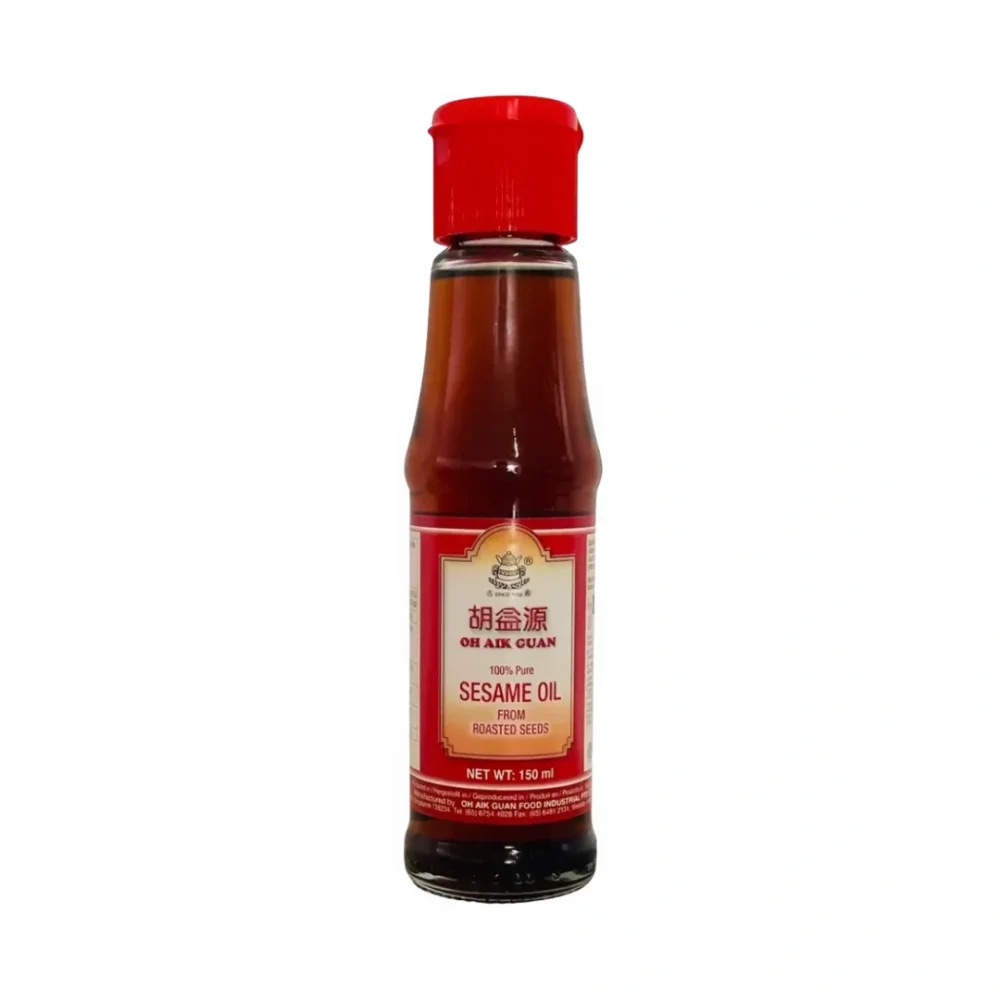
At the very end, it is appropriate to work with an aromatic finishing touch: typically a few drops of a strong oil that opens the dish with its aroma. Exactly this role is often played by sesame oil – more as a final accent than a base that is cooked for a long time.
Most common mistakes: cloudiness, oversalting, overcooking, and confusion of seasonings
With broths, the biggest difference between "good" and "excellent" is often in the details. And at the same time, many mistakes can be easily fixed if you know what actually went wrong.
1) Cloudy broth is not always a disaster – but it is often a sign of lost control
If the goal is a clear, clean broth (typically in styles where the broth should be precise and aromatic), cloudiness usually means the extraction was too aggressive or uncontrolled. A household rule that holds well even without "laboratory" rules: when you want clarity, you aim for controlled extraction, not boiling "to the max".
2) Oversalting: the quickest way for broth to lose depth
The broth should carry umami and character, not just saltiness. When oversalted, it often flattens and begins to taste "harsh." Therefore, it is practical to think about seasoning as composing roles: something carries saltiness and umami, something adds aroma, something is finishing. ⚠️ If you are unsure, it is safer to add intense seasonings in small doses and taste, rather than trying to "catch up" the flavor with one big addition.
3) Overcooking and loss of clarity (typically with dashi logic)
Dashi is a good reminder that "more boiling" does not mean "more flavor." In these finer styles, quality is based on clarity and precision. Once the broth is overdone, you often do not gain more depth, but rather coarseness and tired flavor.
4) "Dark and salty" does not mean interchangeable: sauces are different tools
One common mistake is the assumption that when two sauces are dark and salty, they will function similarly. Dark color can mean completely different things (different style, different sweetness ratio, different thickness, different source of umami). For working with broth, it is more useful to ask yourself:
- What is the main source of saltiness?
- What carries the umami?
- What adds color?
- What adds sweetness?
- What is finishing and what is the working base?
This will help you avoid unnecessarily "coloring" or overloading the broth with a sauce that was meant to have a different role.
What to take away from the article
- In Asian cuisine, broth is often a carrier of the dish's identity – not just a liquid in which "something floats."
- It pays to distinguish broth, soup, and basic sauce: each has a different role and degree of final seasoning.
- The main types of broths (light quick, long-simmered bone, spiced, plant/mushroom, fish/sea) have different logic – and there is no need to forcibly unify them.
- Dashi shows that delicacy can be flavorfully deep when based on clarity and precision, not overcooking.
- The most common home mistakes are cloudiness, oversalting, overcooking, and confusing seasonings by color or name – thinking in roles (saltiness, umami, color, finishing) helps.

Read next
If you want to explore this topic further, continue with these related blog guides and articles:
