


 Česky (CZK)
 Slovensky (EUR)
 Deutsch (EUR)
 Austria
 Belgium
 Bulgaria
 Croatia
 Denmark
 Estonia
 Finland
 France
 Germany
 Greece
 Hungary
 Italy
Italy Latvia
 Lithuania
 Luxembourg
 Netherlands
 Poland
 Portugal
 Romania
 Slovenia
 Spain
Spain Sweden










The simplest first meals from various Asian cuisines: choose your "entry door" and your first guaranteed success
Starting with Asian cooking is surprisingly easy – if you don't choose five cuisines at once and instead of "exotic" select one dish that has few steps, forgives minor mistakes, and teaches you one important principle. This guide will help you choose the first cuisine according to taste and time and show several proven starter types of dishes (mainly rice bowls) on which you can quickly build a home routine.
First, choose one cuisine (and thus one first victory)
Beginners often make one fundamental mistake: they want to start with "Asian cuisine" as one package. In practice, the individual cuisines (Japanese, Chinese, Korean, Vietnamese, Thai, Indian, Filipino…) work differently: they have a different cooking rhythm, different flavors, and different requirements for basic ingredients.
It is wiser to choose one entry door – a cuisine or style that suits you. And only then add other directions.
A short test: how to choose your first cuisine
- Which flavors do you already like? More clean and clear, or bold and spicier, or spicy and rich?
- How much time do you want to devote to cooking? Is speed more important to you, or do you want to learn technique (wok, broth, sauces)?
- How complex a pantry do you want to build? Do you want a few universal things, or don’t mind gradually adding specialized ingredients?
- Do fresh herbs and aromatics suit you? Some styles rely more on them than others.
A good "first meal" is usually one that has few steps, doesn’t punish small mistakes, has accessible ingredients and at the same time teaches you one key thing (for example, working with rice, order in a wok, or balancing a sauce).
🌶️ What are the most rewarding "first meals": rice bowls and rice dishes
In many parts of Asia, rice is not just a side dish – it is often the center of the meal and the main "canvas" on which the topping or sauce shines. That is why rice dishes make a great start: they are easy to repeat, can be varied, and quickly show you how the given cuisine thinks about flavor and structure.
1) Rice bowl with one distinct topping (Japanese style "donburi")
This family of dishes works simply: rice below, one main component or composition on top. This logic includes donburi and its well-known variants (for example gyudon, oyakodon, katsudon). For starters, it is straightforward: you can practice rice, one sauce, and one topping.
2) Composed and mixed rice dishes (Korean "bibimbap" and various "fried rice" worlds)
Here, the rice is mixed or composed of multiple ingredients. This category includes bibimbap and also various styles of "fried rice." An important note for beginners: "fried rice" is not the same everywhere – Chinese fried rice dishes and, for example, nasi gorenghave different principles.
3) Flavored and "regionally aromatic" rice as the base of the whole meal (e.g., "nasi lemak")
In this family, the flavor is already carried by the rice itself (typically coconut, aromatic, or otherwise flavored). An example is nasi lemak: it’s not "just rice with coconut," but a whole meal with its own logic.
4) Festive and layered rice dishes (e.g., "biryani")
Biryani is not just spiced rice – it is a broader and more important category, often based on pronounced seasoning and layering. For the very first Asian cooking, it may be more challenging than a bowl like donburi, but for people attracted to spices, braising, and richer dishes, it can be a great "first big project."
Specific first dishes by cuisine: what to choose and what it teaches you
Below are not full recipes but a practical selection of starters designed to give you quick success while building skills transferable to other dishes.
Japanese start: donburi (rice bowl with topping)
- Why it is a good beginning: clear structure of the dish, training rice texture and simple sauce; easy to repeat.
- What to watch out for in practice: rice should be the "center of the plate" – its aroma and texture matter more than people expect.
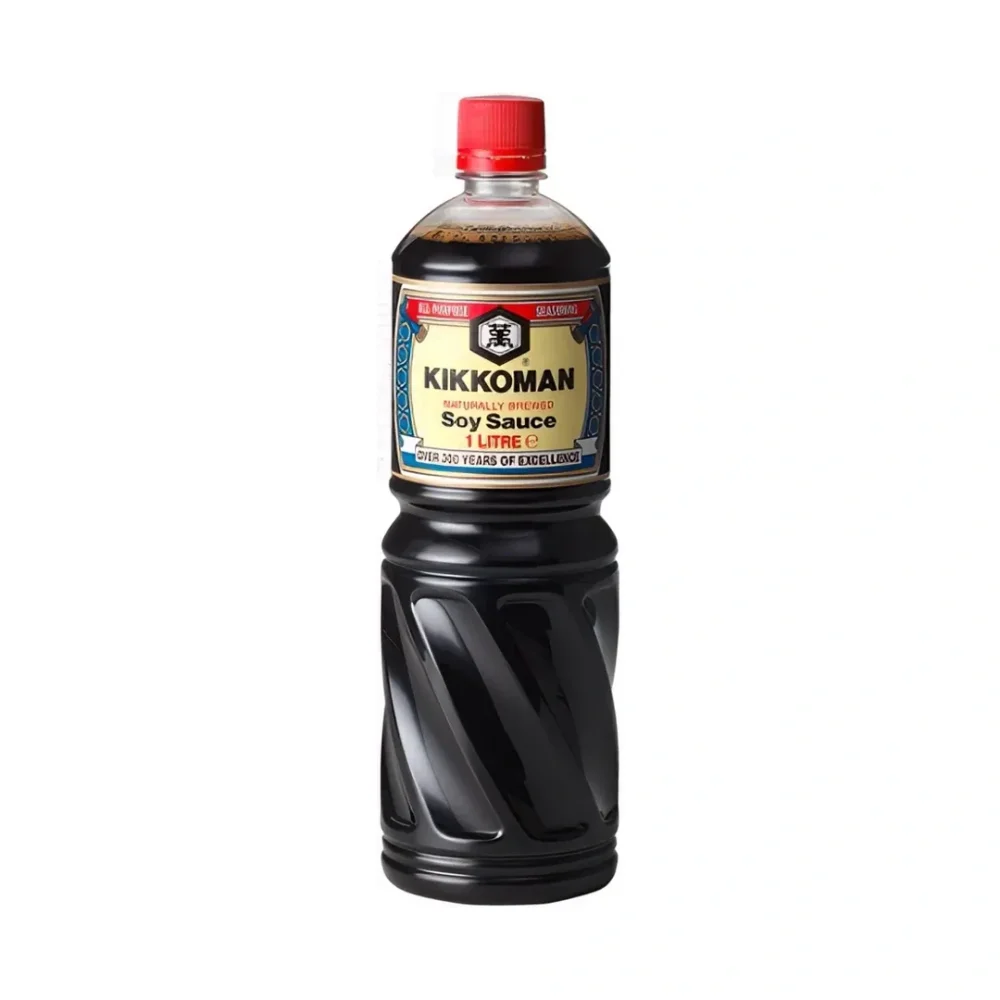
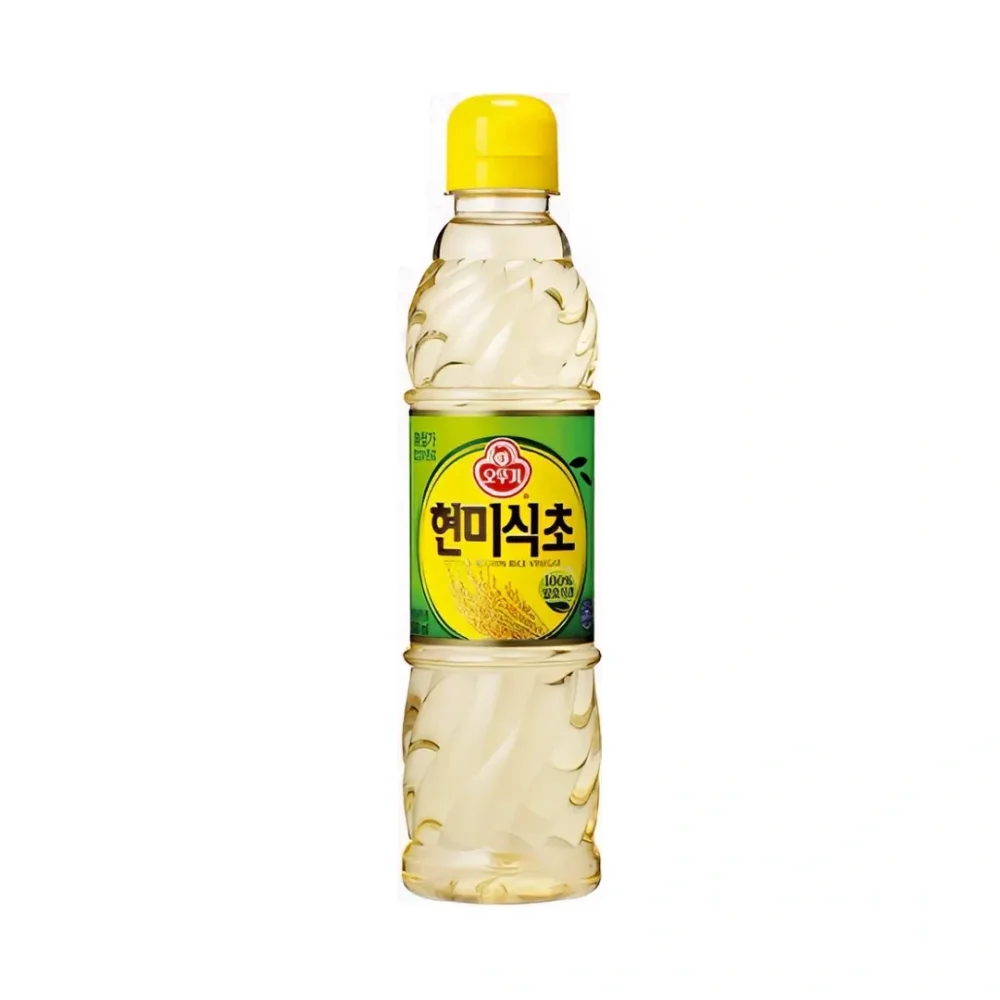
- What will be useful for your base: quality soy sauce as universal saltiness and umami (for example Kikkoman soy sauce) and mild acidity, which is useful beyond sushi (for example brown rice vinegar Ottogi).
- Rice: if you want to go explicitly in the Japanese direction, it makes sense to start in the sushi rice category.
Tip for seasoning: in "cleaner" styles, it is better to add seasonings gradually. Start with a smaller amount (e.g., a teaspoon) and adjust directly in the bowl – you’ll learn faster what does what.
Korean start: bibimbap (composed bowl that makes sense at home too)
- Why it is a good beginning: teaches you to think of rice as the center of the meal and how the combination of multiple components works in one bowl.
- What to watch out for in practice: bibimbap is not "Korean donburi." Both are rice bowls, but their serving and seasoning differ – bibimbap typically focuses more on layering and mixing multiple flavors and textures.
- Pantry logic: if Korea grabs you, it makes sense to add cuisine-specific fermented bases only once you know you'll really use them (and they won’t be too specialized for you).
Southeast Asia: nasi goreng as the "school" of fried rice
- Why it is a good beginning: trains working with rice in a hot pan and the principle that "fried rice" has various forms and is not universally interchangeable.
- What to watch out for in practice: don’t try to turn one style into another merely by swapping one sauce – cuisines have their own flavor logic.
- How to help balance flavor: for Southeast Asia, sweet and sour elements are often useful in the home pantry; an example of an ingredient that can balance sauces and marinades is tamarind.
🍜 Southeast Asia: nasi lemak (when you want rice to be the "main ingredient" )
- Why it is a good beginning: shifts your thinking from "rice as side dish" to "rice as the base of the whole meal" – this is key in Asia.
- What to watch out for in practice: nasi lemak is not just flavored rice but a whole meal system. If you enjoy it, it’s a good direction for further exploration of "aromatic rices" and bowls.
Indian start: biryani (when you want spices, braising, and richer dishes)
- Why it is a good beginning: if you are attracted to spices and richer dishes, biryani is a distinct category that shows a completely different style of working with rice than East Asian bowls.
- What to watch out for in practice: don’t take biryani as "quick rice." It’s rather a dish that teaches patience and working with a spice base.
- Rice: for this direction, it naturally makes sense to start with basmati rice.
Practical onboarding: how to start without an unnecessarily wide pantry
An Asian pantry is not a list of exotic items you have to buy at once. It makes more sense to think functionally: have at home something for saltiness and umami, something for acidity, something for sweetness, something for fat and aroma, a starchy base (rice, noodles) and something for final texture. Thanks to this, you can repeat flavor principles without constant improvisation.
First layer: universal base (which you will use often)
- Saltiness and umami: soy sauce (if you want a universal start, one option is Kikkoman soy sauce).
- Acidity: rice vinegar (for example brown rice vinegar Ottogi), which is milder and easy to dose.
- Spiciness (optional): if you want pure spiciness without "side flavors," chili paste like Sambal Oelekcan be useful. Start really with small amounts (like the tip of a teaspoon) and add gradually.
- Starch: rice according to the direction you cook (e.g. sushi rice or basmati rice).
Second layer: add according to the direction you actually cook
Only when you know you will cook a specific cuisine repeatedly does it make sense to expand your pantry purposefully (for example, with cuisine-specific pastes, vinegars, or other seasonings). This is the easiest way to avoid having a "museum of bottles" at home without clear use.
Final seasoning vs. cooking base: two different roles
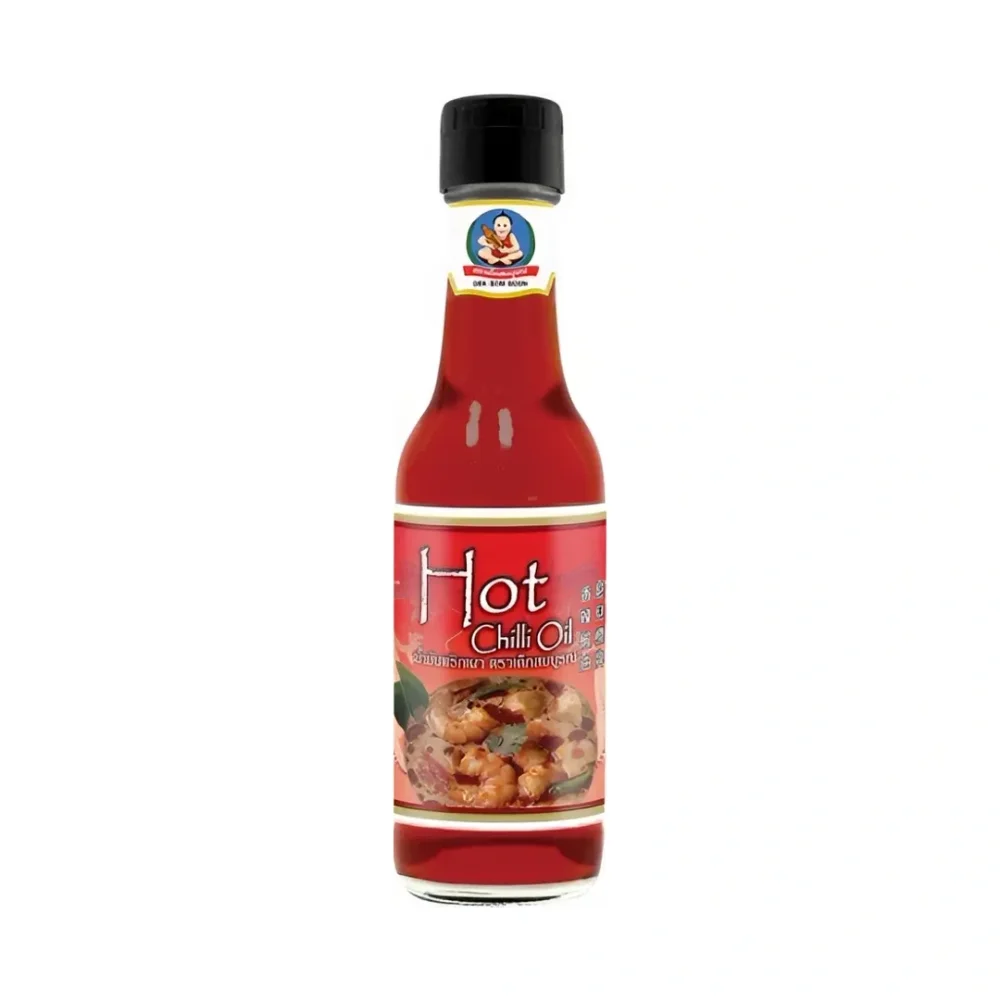
A common source of disappointment is confusing "table sauces" with cooking bases. For example, spicy seasoning on a plate can be great but is not automatically the base on which you build the flavor of the whole meal. If you want simple final seasoning that works as the last touch, chili oil like Dek Som Boon chili oil – a few drops can change a bowl of rice or noodles without further cooking.
Most common beginner mistakes (and how to avoid them)
- The attempt to start with five cuisines at once: the result is usually chaos in the pantry and with techniques. Choose one cuisine or one style and one family of dishes (e.g., rice bowls).
- Buying too wide a pantry without a plan: instead of twenty random sauces, watch for functions (saltiness/umami, acidity, fat, and aroma…).
- Choosing recipes based on the photo, not on technical difficulty: “quick” is not the same as “simple.” Even quick meals can require good preparation and pacing.
- Underestimating chopping and preparation: for skillet dishes, the order and readiness of ingredients matter; for bowls, the quality of rice and seasoning matters.
- Expecting all Asian dishes to be interchangeable: bibimbap and donburi are not "the same thing in another country" and “fried rice” is not one single thing.
Shopping mistakes: read the label and watch what you buy
Asian ingredients often have striking packaging, but the small text matters. A practical rule: the ingredient list is in descending order by quantity – the first ingredients therefore mostly determine the product's character. This is the fastest filter to know whether you are buying a base or rather a seasoned product.
- Don't buy according to the picture of a finished dish: the photo on the packaging is not a usage instruction.
- Don't buy “by country” without understanding the type: just because something is Japanese or Thai doesn’t by itself say if it fits with your first meal.
- Don’t make first attempts with large packages of specialties: especially with intense fermented seasonings.
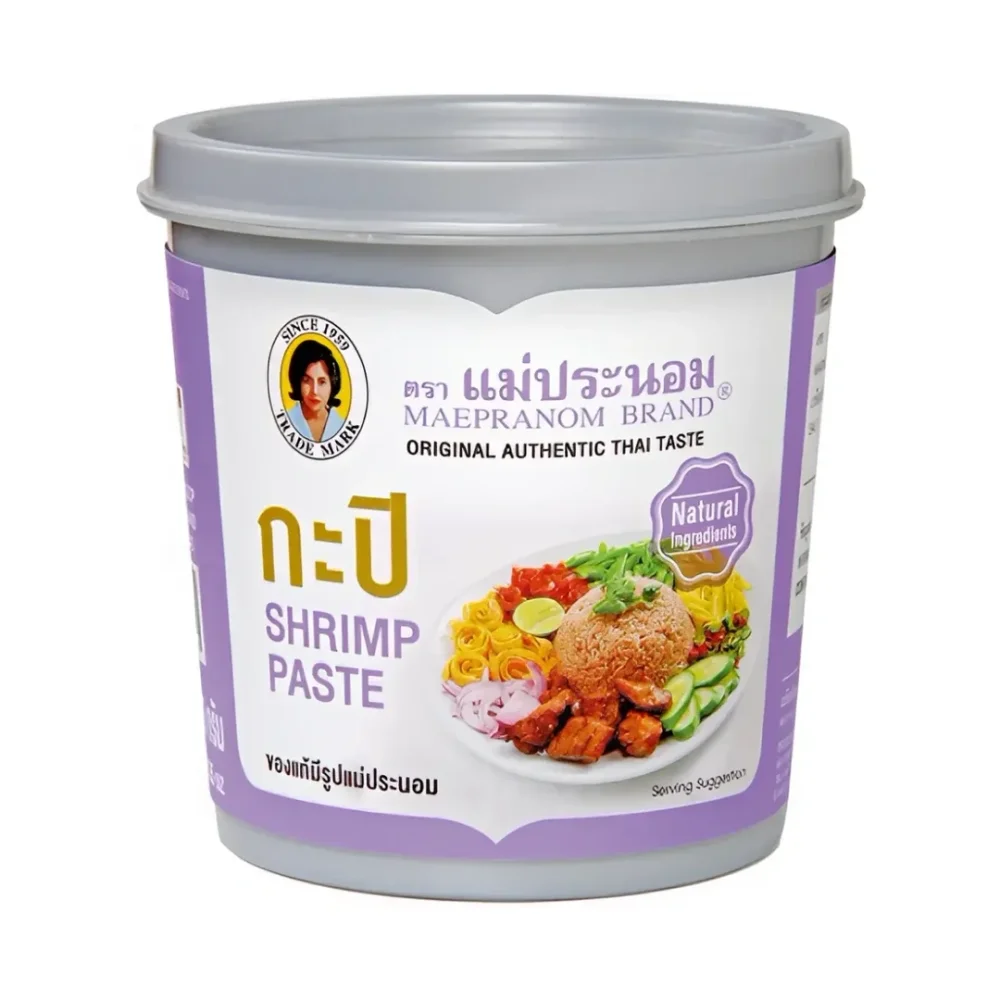
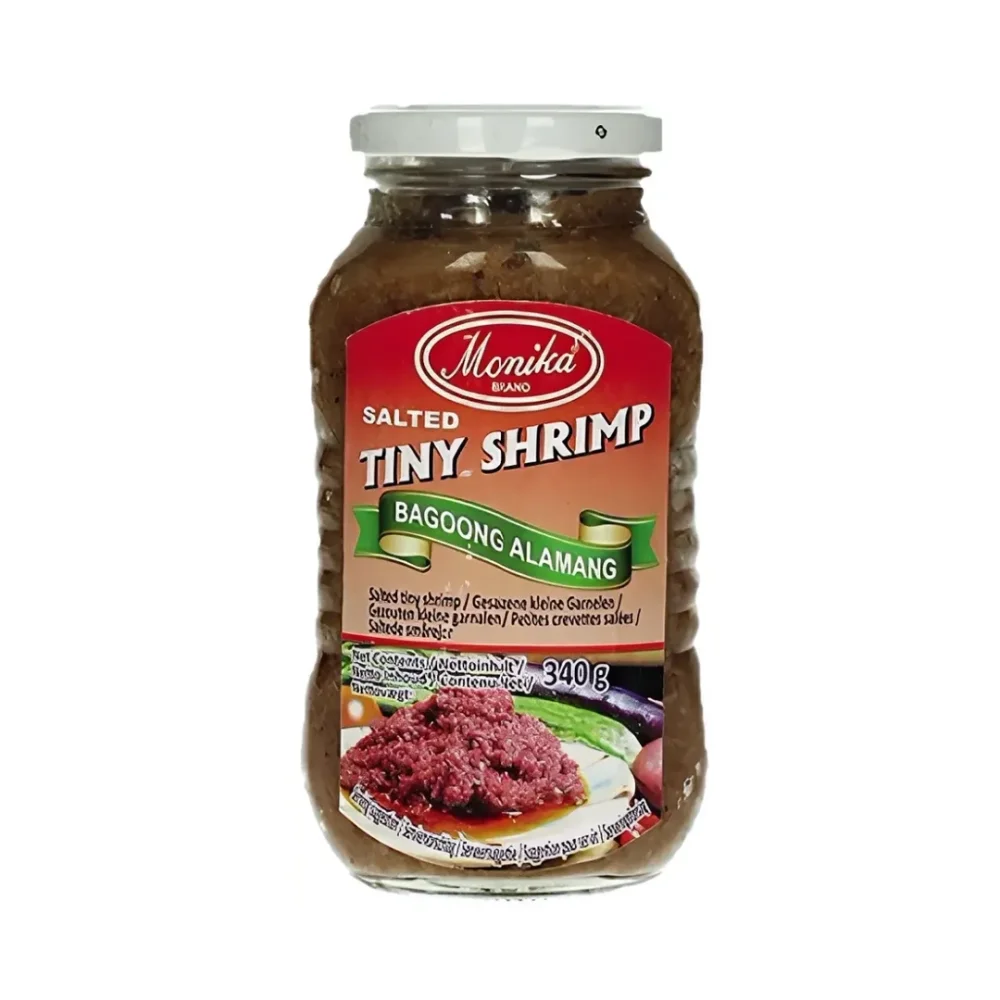
A typical example of an ingredient that is great but for many people too specialized as a first purchaseis served by, for example, shrimp paste or very strong salted shrimp. They are not “bad” – it’s just better to come to them once you already know which dishes you will use them in and in what quantity.
What to take away from the article
- The fastest way to success is to select one cuisine (or style) and one first dishthat has few steps and teaches one key principle.
- For a complete start, often the most rewarding are rice bowls and rice dishes: donburi (Japan), bibimbap (Korea), various “fried rice” styles including nasi goreng, fragrant rice like nasi lemak, and spiced dishes like biryani.
- Build the pantry functionally and in layers: first universal basics, then cuisine-specific specialties.
- Avoid typical mistakes: don’t start with five directions at once, don’t buy without a plan, and remember that similar-looking dishes (bibimbap vs. donburi) are not the same.

Read next
If you want to explore this topic further, continue with these related blog guides and articles:
