


 Česky (CZK)
 Slovensky (EUR)
 Deutsch (EUR)
 Austria
 Belgium
 Bulgaria
 Croatia
 Denmark
 Estonia
 Finland
 France
 Germany
 Greece
 Hungary
 Italy
Italy Latvia
 Lithuania
 Luxembourg
 Netherlands
 Poland
 Portugal
 Romania
 Slovenia
 Spain
Spain Sweden










Takoyaki, satay and other handheld foods: how to navigate Asian street food
Asian street food is often simplified to “something to eat with your hands.” But its strength lies elsewhere: in speed, in a single stall’s specialization in a few dishes, in a clear local identity and in a flavor you “read” from the first bite. In this guide we’ll show where takoyaki, satay and other street classics belong — and how to choose a style that will taste good at home too.
🌶️ What is typical for Asian street food (and why it matters)
Street food in Asia is not just “food from the street.” In many places it is an important everyday way of eating that combines speed and affordability with surprising flavor precision. It is typically recognized by several traits:
- quick preparation or quick finishing of the dish in front of the customer,
- high specialization (the stall makes one to a few dishes, but makes them over and over),
- strong link to place (city, neighborhood, community, a specific market),
- distinct, easily readable flavor,
- a large role for sauces, dips and final seasoning,
- importance of texture and contrast (crispy vs. soft, juicy vs. “dry,” etc.).
It’s also important that street food often doesn’t emerge as a “simplified version of a restaurant.” On the contrary: in street, hawker or market settings some recipes are honed into their most characteristic forms.
Street food is not just handheld food: where the “handheld” world meets bowls and soups
One of the most common mistakes is to narrow street food to something you eat while walking. The same world of fast urban and market food also includes noodle and rice bowls, soups and broths, grilled meats, fried foods, pancakes and flatbreads, sweet desserts and drinks — and dishes that are made “on the street” but eaten at a table in a hawker or market setting.
Takoyaki, bánh mì or pav bhaji are “on the street” differently than, say, phở or laksa — but all fall into the same logic: fast food, pronounced flavor, clear identity and often an emphasis on final sauce or seasoning.
Takoyaki, gỏi cuốn and pav bhaji: three different handheld food logics
Takoyaki (Osaka): the iconic “quick bite” with sauce and texture
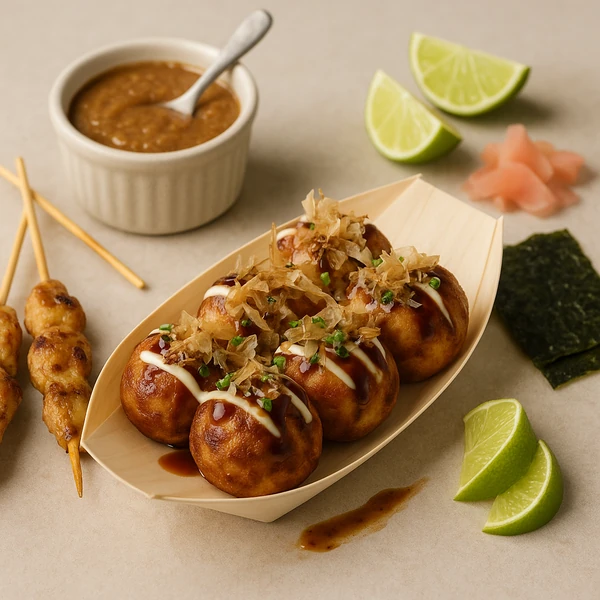
Osaka is iconically associated with takoyaki. It’s a classic Osaka fast food that is typically bought at a stall and eaten right on the street. Takoyaki is characterized by batter based on dashi broth, a piece of octopus and final layers of sauce, mayonnaise and bonito flakes. In practice it’s a good example of how street food works with “finishing” at the end: the final sauce and topping are not decoration but a substantial part of the resulting flavor and experience.
Gỏi cuốn (Vietnam): freshness, herbs and a dip instead of long cooking
“Cold” in the Asian context does not automatically mean raw, light or bland. On the contrary: cold dishes often rely on herbs, acidity, a chili accent, umami bases (for example fish sauce or soy seasoning) and above all on textural contrast.
Vietnam is a very strong example of this logic. Gỏi cuốn (fresh Vietnamese rolls) are typically built on rice paper, fresh herbs, rice noodles, vegetables and a filling (for example shrimp, pork or a vegetarian variant). Their strength is not in cooking but in freshness, texture and the right dip.
Pav bhaji (Mumbai): a “ready base” that also works as a quick home version
Street food often carries regional identity so strongly that the dish’s name becomes tied to the city. In that sense pav bhaji is linked to Mumbai. Practically it’s a style that also well illustrates the “quick” side of street food: a richer spiced base that is quickly served and complemented with whatever makes sense at the moment (for example bread or rice).
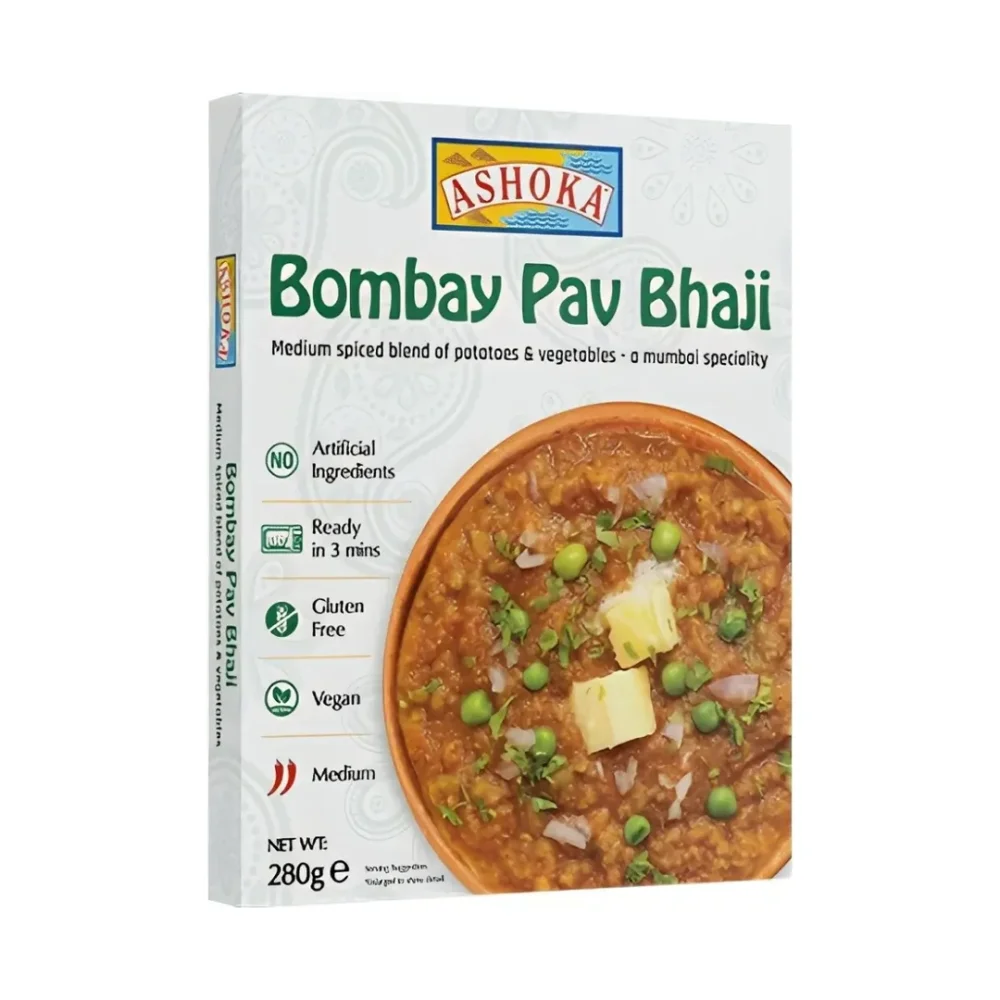
If you want to start at home without long preparation, a ready base helps, such as Ashoka Instant Bombay Pav Bhaji — just heat it and then decide on the “vehicle” for the plate (bread or rice).
Satay and other names that act as a “map” of the region
Just as takoyaki evokes Osaka, other names in Asian street food act as quick navigation. In the Malay-Indonesian space this is visible with satay and in some cities (for example Kuala Lumpur or Penang) you’ll find it alongside other well-known hawker-scene items. The point in this context is mainly orientational: the dish’s name often immediately tells you where you are — and what style of flavor and service to expect.
How to choose a “handheld” dish (and how to transfer the same logic home)
Street food is well chosen according to the situation: what you want to taste, how rushed you are and whether you want something warm or refreshing. It helps to look at street food as a combination of base + final seasoning + textures.
1) Watch the specialization: “one dish, one rhythm”
Because street food is often built on high specialization, the result is usually most reliable where something is prepared over and over and quickly finished in front of the customer. At home you can mimic this logic by choosing one style and simplifying steps: either quick “mix and eat,” or quick “fry and finish with sauce.”
2) Sauce and dip are not details: add them so they don’t ruin the texture
With handheld dishes it’s easy to overdo the sauce. Yet texture and contrast are crucial for street food. For noodle dishes a simple rule applies: too much sauce destroys the texture, too little sauce makes the dish dry and “disconnected.” Practical steps at home:
- Start with a smaller amount of sauce.
- Toss so everything is coated but not drowned.
- Then adjust to taste (preferably in stages).
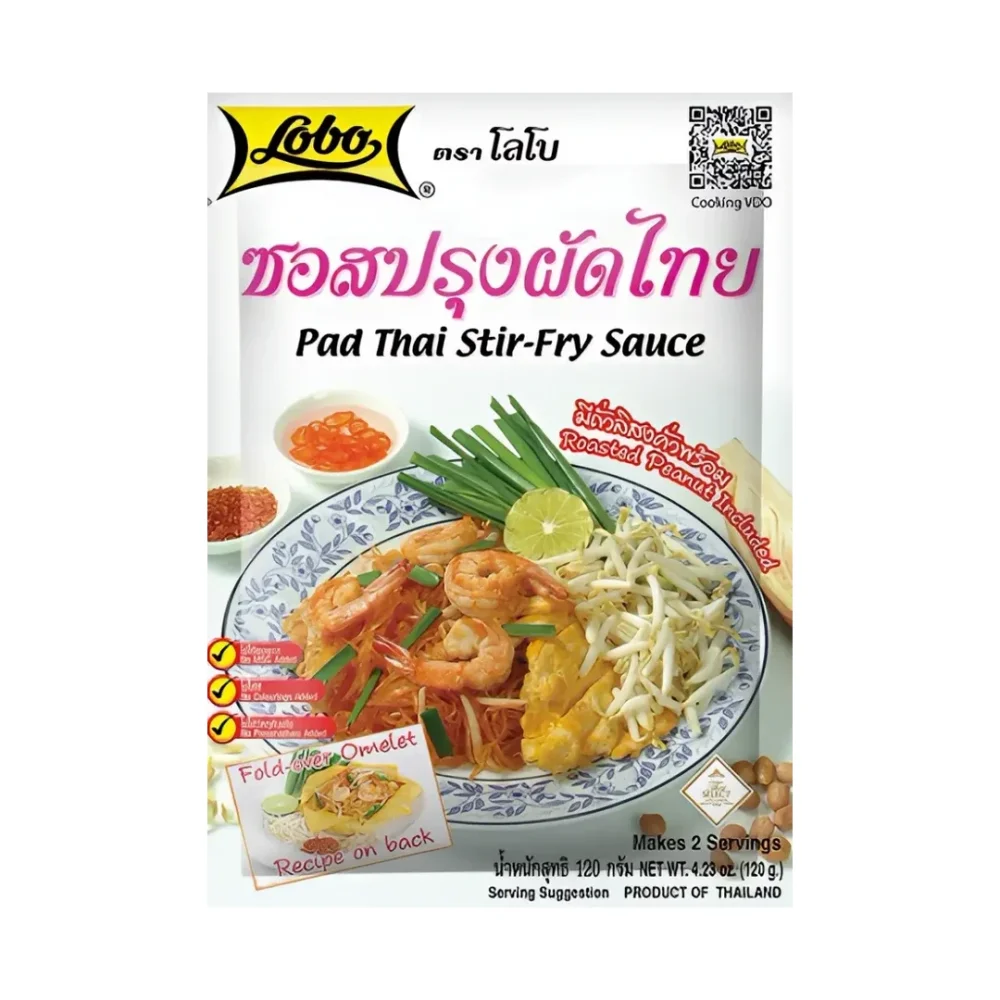
For quick “street-style” noodles, a sauce that binds well to the noodles during frying can help — for example Lobo roasted peanut sauce for Pad Thai.
3) Choose cold and lukewarm variants when you want freshness (not “diet”)
Cold dishes make a lot of sense in hot and humid climates, but also in everyday urban life: they are quick, refreshing and flavorfully lively. If you want to start simply at home in this spirit, stick to three things typical for cold dishes: herbs, acidity and a dip. And above all think about texture: soft elements (noodles, tofu, filling) need a crispy counterpoint (fresh vegetables, a pickled component).
4) Crispiness as a shortcut to “street” flavor
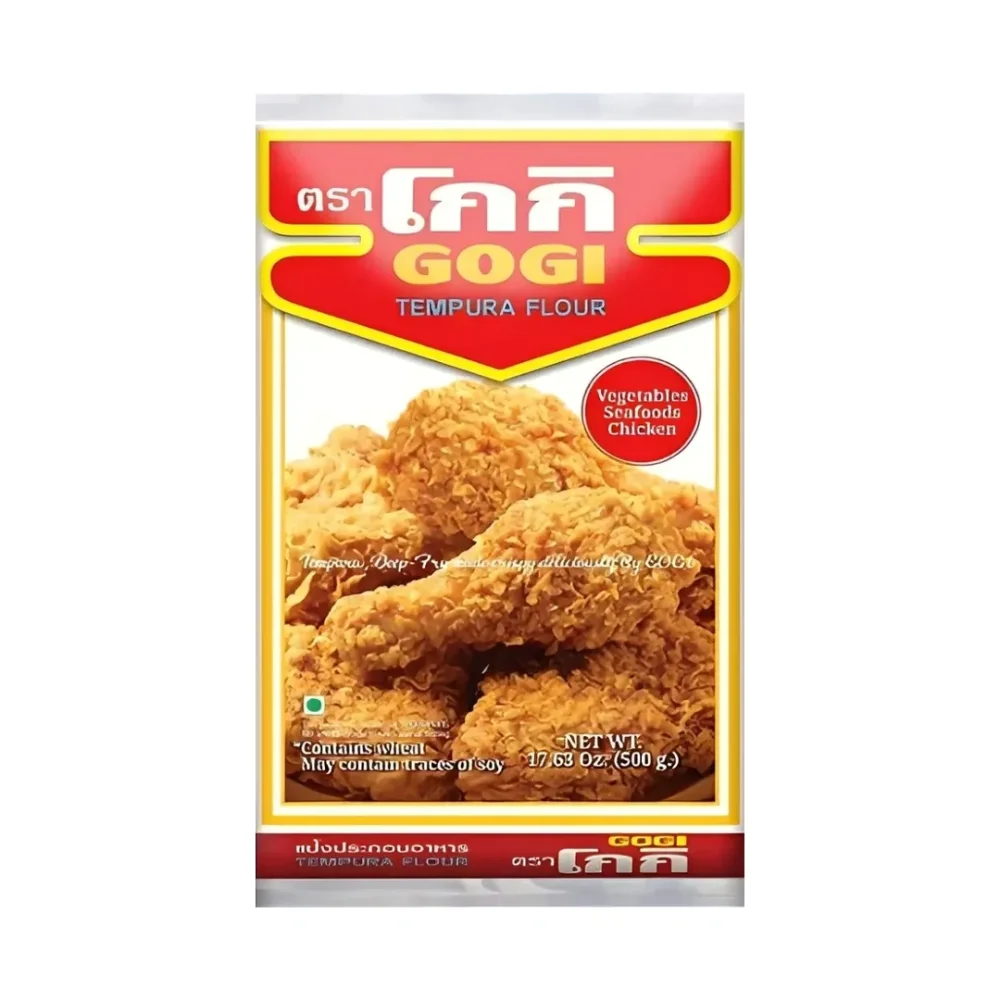
Fried foods naturally belong in the street food world. If you’re tempted by a home version, the most practical thing is to have a mix for a light batter with a crispy crust on hand — for example Gogi Tempura. The point is contrast: crispy outside, juicy inside, and a clear seasoning at the end.
5) When you want a quick “dry” style without broth
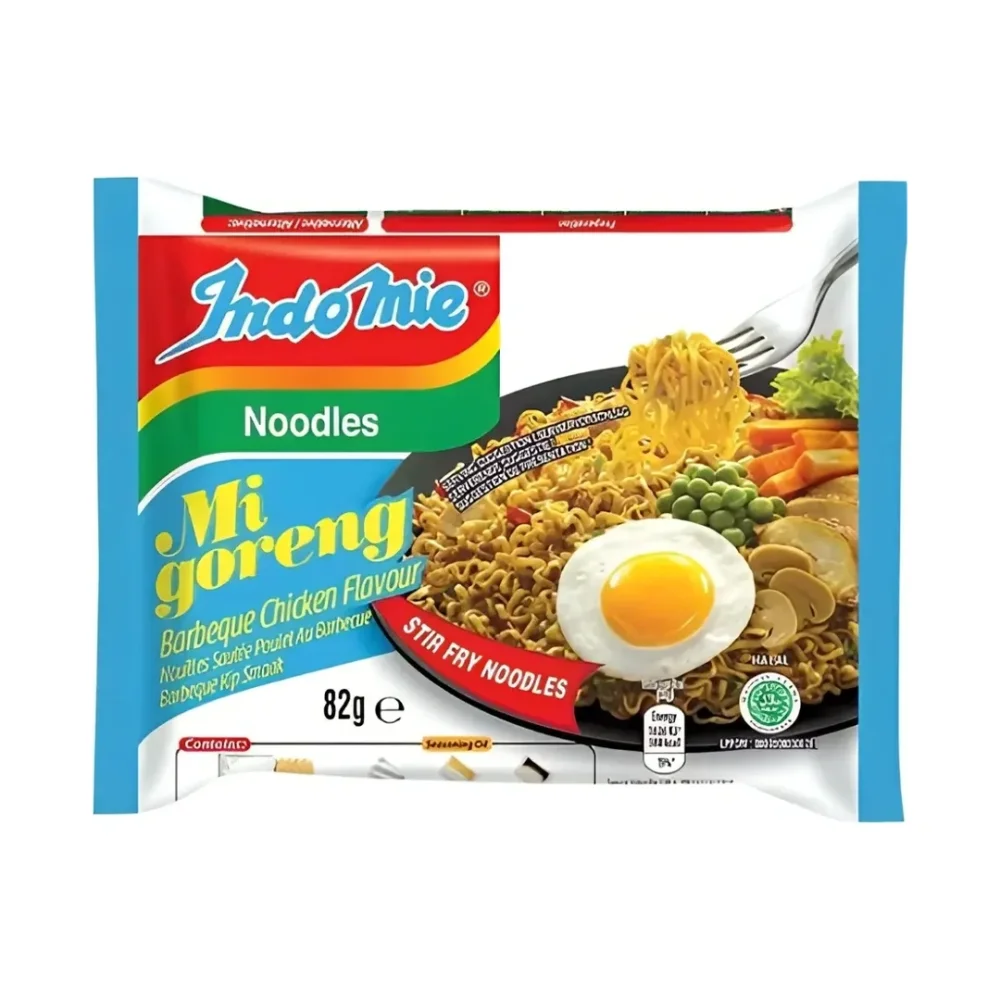
Not all quick street dishes have to be served in a bowl with broth. In the Asian world there are also “dry” and tossed noodle styles where the sauce and tossing are key. As a simple start at home instant mi goreng–style noodles without broth work well, for example IndoMie Mi Goreng Barbeque Chicken Noodles — the flavor profile is created when you finally toss with the seasoning mix.
6) Small toppings and “something to bite”: minor detail, big effect
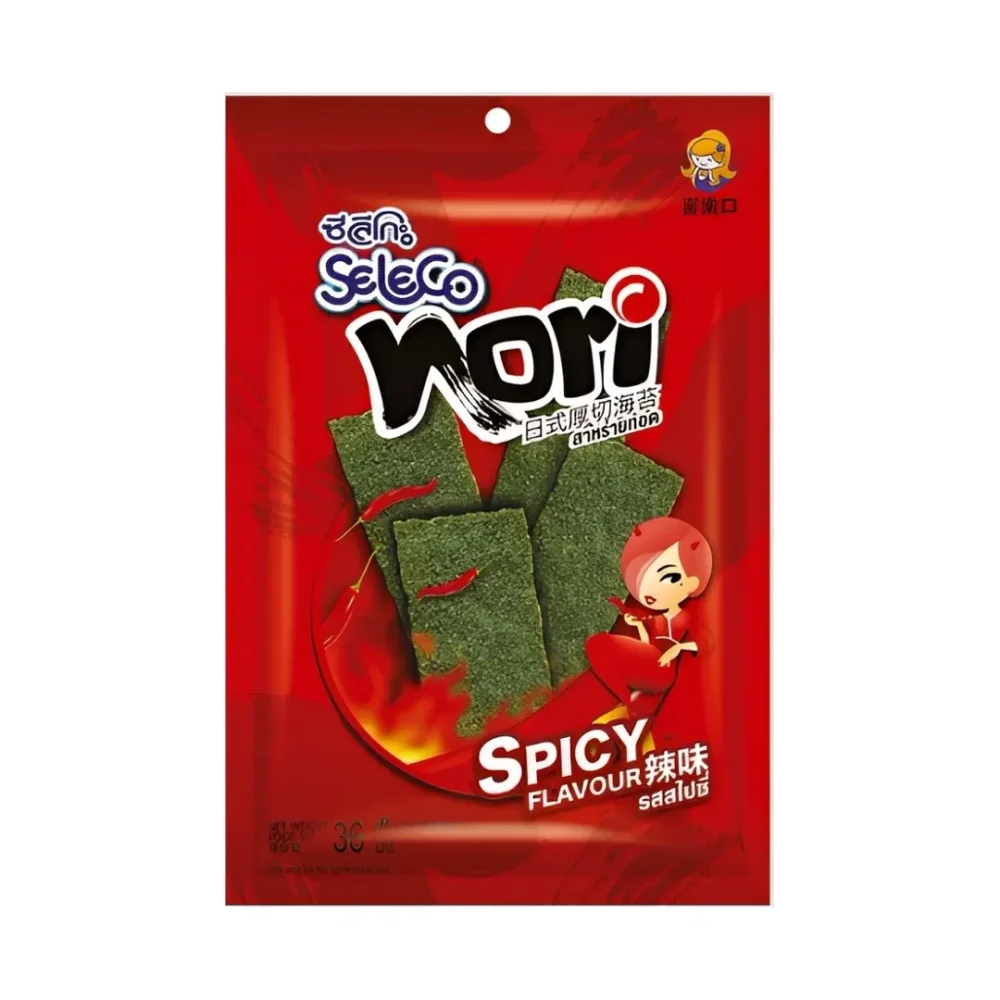
Street food often rests on giving the final bite something extra: a crunch, a spicy accent or “salty umami.” A simple topping that can also be used as a savory snack is roasted seaweed — for example Seleco seasoned and spicy seaweed. Besides snacking it’s good for quickly topping rice, noodles or soup bowls when you want to add contrast.
7) Sweet-fruity dip as a counterpoint to meat or vegetables
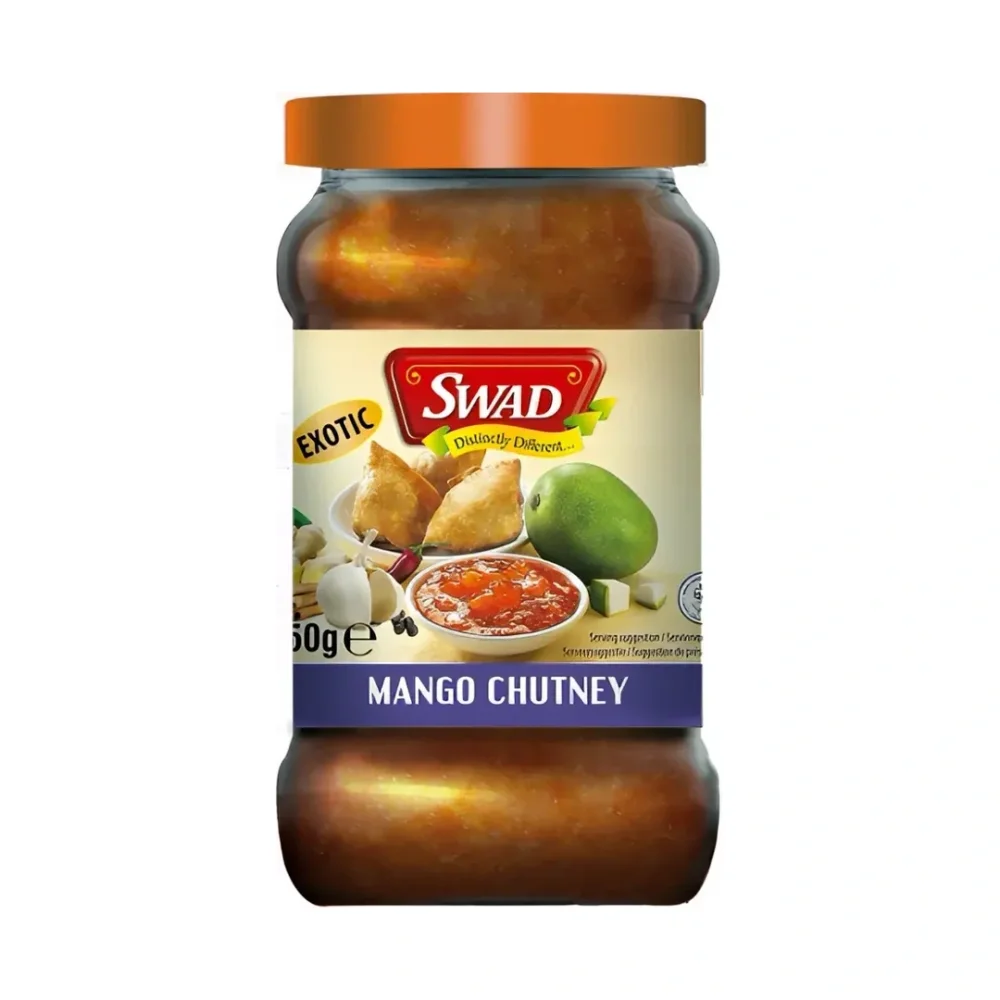
The street food world also includes pronounced dips that give a dish a “finished” feel without complicated cooking. If you’re looking for a sweet-fruity contrast, mango chutney can work well as a dip for meat or vegetables — for example SWAD Mango Exotic Chutney Sauce.
💡 Common mistakes and what to watch out for
- “Street food = handheld food.” No. It also includes bowls, broths, soups, rice dishes, sweets and drinks — and often dishes you eat at a table in a hawker or market environment.
- “Street food is always simplified.” Often the opposite is true: it’s on the street that some recipes are honed into their most characteristic forms.
- “Cold food is bland.” In the Asian context cold cuisine is often very lively: herbs, acidity, chili, umami bases and emphasis on texture are often more important than the cooking itself.
- Drowning texture in sauce. With dry noodles and quick dishes too much sauce can ruin the structure. Add in stages and check consistency.
- Ignoring the dish’s “local identity.” In street food the name often denotes place as well (takoyaki – Osaka, pav bhaji – Mumbai, satay – the Malay-Indonesian area). Don’t expect the same name to taste and look identical everywhere.
What to take away from the article
- Asian street food is everyday fast food with strong specialization, local identity and emphasis on sauces, final seasoning and texture.
- “Handheld food” is only part of the street food world: alongside takoyaki or gỏi cuốn there are also bowls, soups, rice dishes, sweets and drinks.
- Takoyaki shows the logic of final sauces and toppings, gỏi cuốn relies on freshness, herbs and a dip, pav bhaji on a rich spiced base and quick service.
- At home it pays to think like a street food stall: pick one style, keep the composition simple and work with contrasts (crispy vs. soft, fresh vs. rich, sauce vs. texture).

Read next
If you want to explore this topic further, continue with these related blog guides and articles:
