


 Česky (CZK)
 Slovensky (EUR)
 Deutsch (EUR)
 Austria
 Belgium
 Bulgaria
 Croatia
 Denmark
 Estonia
 Finland
 France
 Germany
 Greece
 Hungary
 Italy
Italy Latvia
 Lithuania
 Luxembourg
 Netherlands
 Poland
 Portugal
 Romania
 Slovenia
 Spain
Spain Sweden










Guide to Asian Dishes and Recipes: How to Navigate Rice, Noodles, and Soups
Searching for an "Asian recipe" is often confusing because it is not one cuisine or one type of dish. In practice, you can start simply: learn to read the three most common families of Asian dishes – rice dishes, noodle dishes, and soup bowls. In this guide, we will compare them according to serving logic, taste, and home use, so recipes stop being random clicks and start making sense for you.
1) How to Think About Asian Dishes: The "Body of the Dish" and What Supports It
The fastest orientation in Asian recipes is not by country but by what is the main part of the dish and how it is composed:
- Rice as the Center of the Plate: rice is not just a side dish but the framework on which the rest is built (toppings, sauces, dips, herbs).
- Noodles as the Main "Mass": the type of noodles determines whether they are eaten in broth, with sauce, "dry," or cold.
- Soup as a Whole Meal: soup is not just a starter; often it is a complete bowl where both the broth and what goes into it are equally important.
Once you notice which family a recipe belongs to, you can more easily guess what is key in it (and what can be adjusted to taste). And most importantly: you will stop making the typical mistake of only asking "which sauce to buy" instead of understanding, what type of dish it is supposed to become.
2) When Rice Is the Main Dish (and Not Just a Side)
In European conception, rice is often a side dish. In Asian logic, however, it can be the main dish in several ways: when it forms the basis of a bowl with toppings, when it is seasoned and cooked as a full dish, when combined with meat/vegetables/egg/sauce into one dish, when it has a festive (layered) serving form, or when it becomes its own category (for example, fried or coconut rice). The key point is that rice often functions as a stable, neutral center around which other flavors and textures are assembled.
3) Four Main Worlds of Asian Rice Dishes
3.1 Rice with Topping in One Bowl
The "bowl where rice is at the bottom and the topping clearly visible on top" type is one of the clearest ways to start. The advantage: the logic is simple – rice carries the sauce and juices from the toppings, and the taste is built on top. This includes the famous Japanese donburi (bowls with clear internal serving logic).
3.2 Mixed and Composed Rice Dishes
Here, rice is not just a "base" but part of a mixture: it can be stirred with other ingredients, or the whole dish is composed so the parts combine only when eating. An important detail: dishes that look similar in photos (rice + something) can behave completely differently in seasoning and serving – a typical example is that bibimbap and donburi are not "almost the same", even though both look like bowls with rice.
3.3 Coconut, Flavored, and Regionally Aromatic Rice
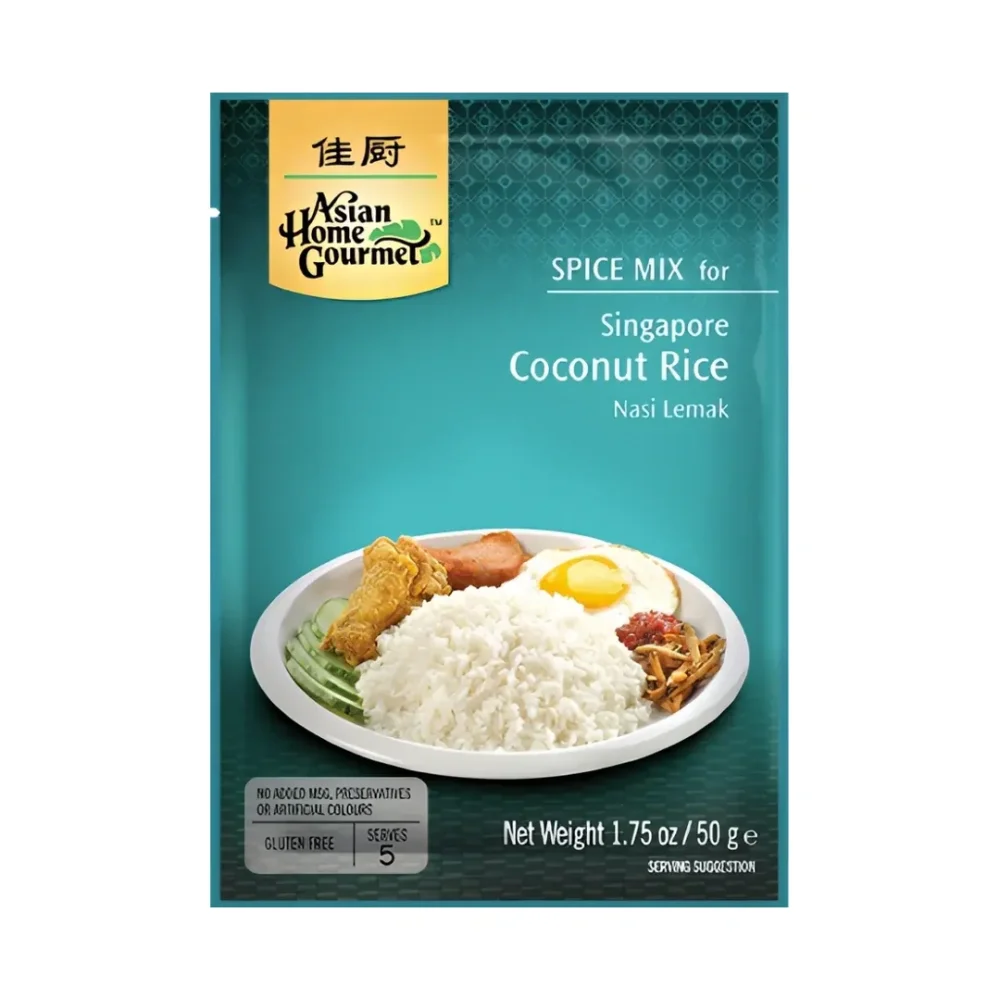
In this group, rice is cooked to have its own aroma and character – it is not just a "neutral base." Typically, coconut milk and spice bases appear here, making rice a standalone flavor component. An important note: nasi lemak is not just rice with coconut – it is a complete dish (and culturally strong category) in which rice carries a significant part of the dish's identity. If you want to understand the principle of flavored coconut rice at home without complicated study, a simple start with a ready-made spice base helps, for example, AHG paste for Nasi Lemak Coconut Rice (use it as a reference "flavor frame" and then adjust the rest according to how pronounced you want the rice to be).
3.4 Festive and Layered Rice Dishes: The World of Biryani
Biryani is important because it shows a completely different logic than the "bowl with topping." It is a layered, aromatic rice dish of Persian origin that developed into many regional variations in South Asia. Typical for biryani is that rice is the main body of the dish, layering rice and other ingredients is part of the technique, and the aroma of spices, fat, meat, or vegetables penetrates the entire dish. Therefore, biryani is not "just spiced rice" – it is a broader and culturally significant category.
4) Four Main Worlds of Asian Noodle Dishes (and Why Noodles Are Not Interchangeable)
Asian noodle dishes are not one technique. They differ by the type of noodles used, whether they are eaten in broth or with sauce, how the noodles are heat-treated (boiling, blanching, rinsing, soaking, frying), and what texture they should have. Therefore, blindly substituting noodles is one of the most common causes of disappointment.
4.1 Noodle Soups and Broth Bowls
This includes soup bowls like phở, ramen or laksa and many other regional variants. The typical thing is that the broth is as important as the noodles, toppings are not just decoration, and the texture of the noodles must withstand contact with hot liquid. When this doesn't work, it doesn't just look "less authentic" – it is simply a worse dish (soft noodles, bland bowl, collapsed layers).
4.2 Stir-Fried and Wok Noodle Dishes
This family relies on quick heat treatment, high temperature, and good timing. It includes, for example, pad thai, char kway teow, mie goreng or "chow mein style." Although all are "from a pan," they are not the same: they differ in noodle type, flavor profile, and seasoning logic.
4.3 Dry, Mixed, and Dipped Noodles
Noodles here are often eaten with minimal liquid – sauce, oil, paste, or dip is important. This is where it is well visible why the material and shape of noodles matter: some noodles suit thick sauce, others a light oil base, and others for "dipping."
4.4 Cold and Seasonal Noodles
Cold noodles are not a "backup option." They are distinct categories (for example, cold soba or naengmyeon in chilled broth), where a different texture and type of refreshment than hot bowls are key.
5) Soups in Asia: Four Worlds and Why Broth Is the Base, Not a Detail
Asian soups are not just "something warm to start with." In many countries, they function as a full main meal, breakfast, or street food. The basic orientation is similar to noodles: it’s about the type of liquid base, the role of noodles or rice, the method of seasoning, and whether the soup is light and clear or thick and "stew-like."
5.1 Clear and Broth Soups
Delicate, clean soups where the goal is a transparent taste and right balance. In the Japanese context, the way of thinking about the base is important – a typical example is dashi, which represents "soup logic" built on a pure, targeted base.
5.2 Thicker Soups and "Stew" Style
Soups closer to braised dishes than to clear broth: thick, with a pronounced body and often filling enough to replace the main course.
5.3 Coconut and Curry Soups
A coconut base does not automatically mean a "heavy dish." A well-made coconut soup can feel lively – it depends on seasoning, balance, and how aromatics are handled.
5.4 Sour and Refreshing Soups
Sourness can function as the main driver of flavor in a soup. From a practical perspective, it’s important to adjust the taste gradually for these soups because the line between "lively and fresh" and "overdone" is thin.
6) How to Choose the Right Type of Dish and Start at Home (Practical Onboarding)
If you don’t want to start with the most complicated, it’s useful to stick to some simple decisions: what you want the result to be (rice bowl, noodles in broth, quick pan, soup), how strong a flavor you want, and how much time you want to spend.
6.1 Choice According to Situation: Hearty Bowl, Quick Pan, or Light Dish?
- If you want a hearty broth bowl: it makes sense to aim for ramen, phở, laksa, or other regional soup noodles – i.e., dishes where broth is the carrier.
- If you want a quick pan: choose from wok noodles (pad thai, char kway teow, mie goreng, chow mein style). Count on the fact that the type of noodles and sauce will fundamentally change the result.
- If you want something lighter or cold: cold soba, naengmyeon, cold noodle salad bowls, or lightly dipped noodles.
- If you want "certainty" and readable composition: rice bowls (donburi logic) – rice at the bottom, topping on top, final seasoning at the end.
6.2 "One Good Paste or Base" Instead of Ten Random Sauces
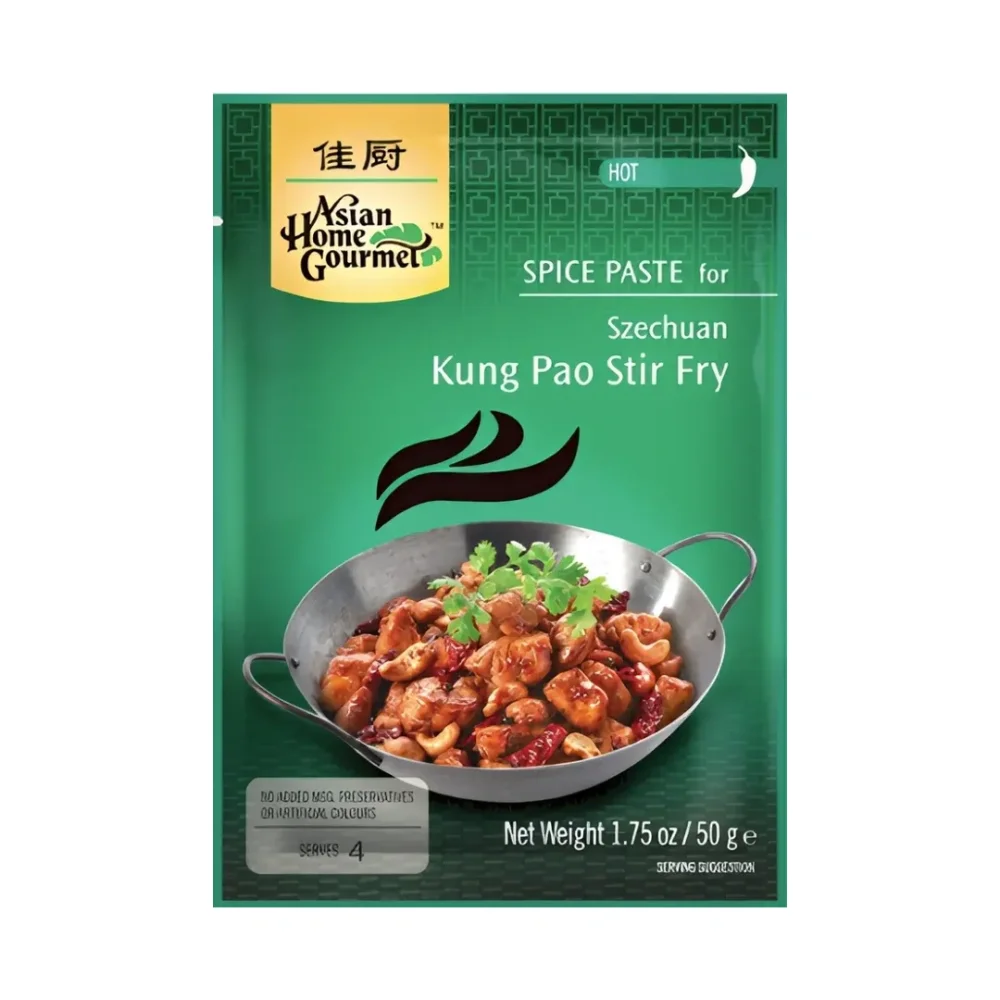
For soups, a simple rule applies: broth is the base, not a detail. Similarly, for stir-fry and quick pans, it often helps to have one clear flavor base (paste/concentrate) and build the rest around it. A practical example can be AHG Kung Pao Stir-Fry Paste: use it as a sauce start for quick frying and adjust other ingredients (meat/tofu, vegetables, possibly rice or noodles as the "body" of the dish) to taste.
👃 6.3 Final Seasoning: Add Spiciness and Aroma in Small Doses
For spicy and sour dishes (whether soups, noodles, or rice bowls), the safest approach is "taste and layer." Instead of adding spiciness all at once at the beginning, add it in small amounts and leave room to adjust it on the plate. For quick seasoning without major effect on the dish structure, these are suitable:
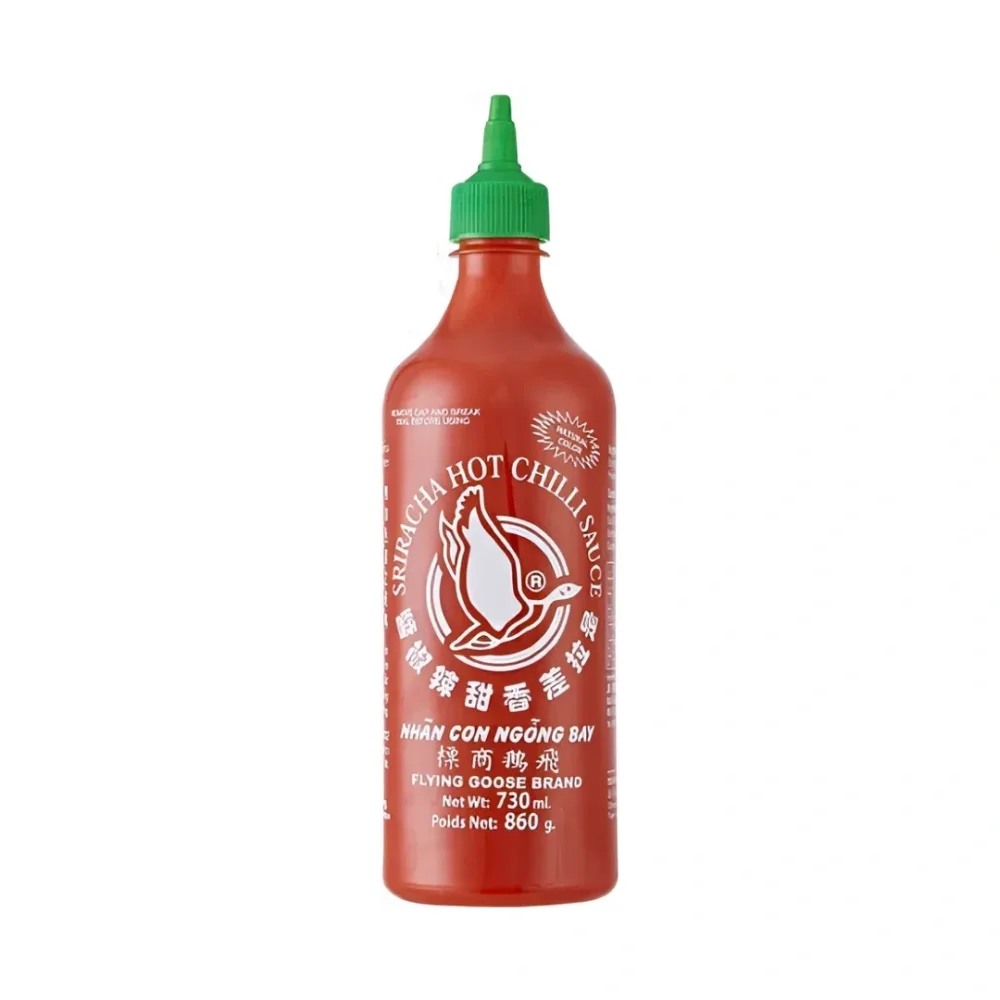
- chili sauce as direct seasoning or part of a dip – for example, Flying Goose Sriracha Chili Sauce (typically works on noodles, rice, and simple dips and marinades),
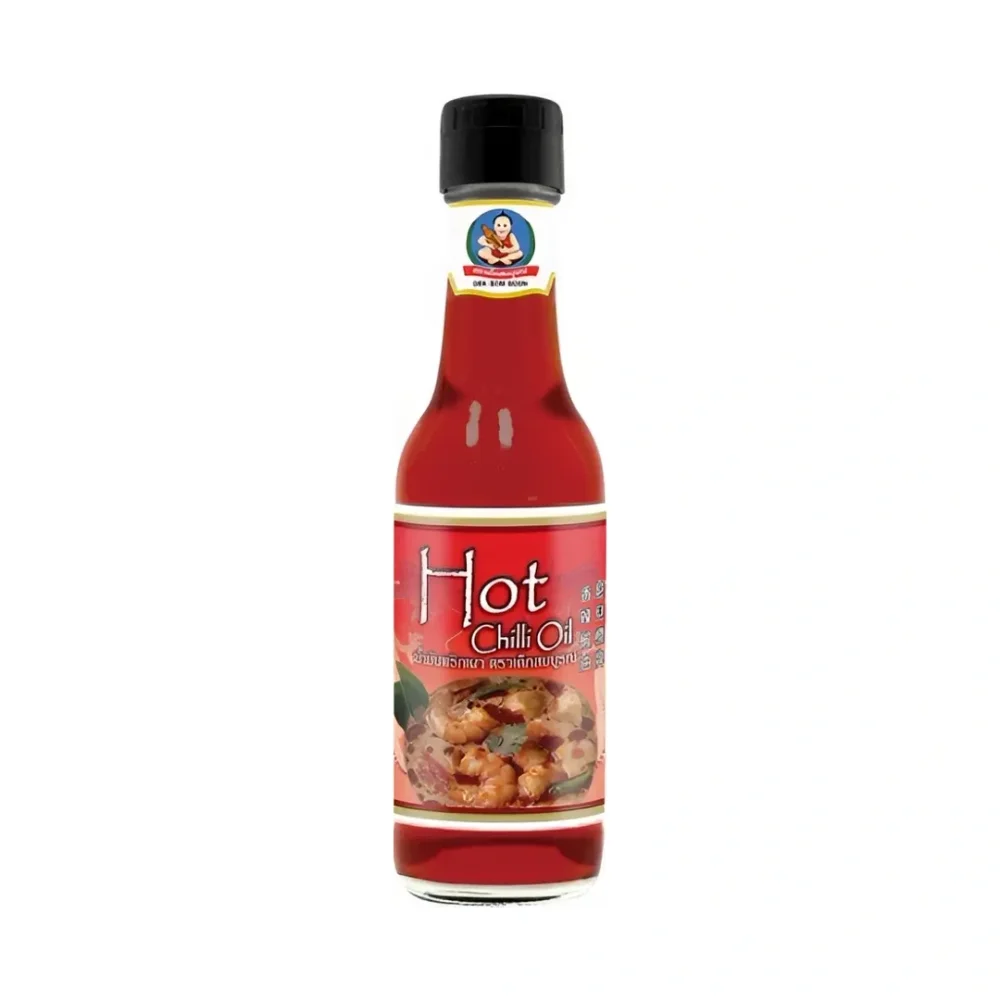
- chili oil as an aromatic finishing touch on the plate – for example, Dek Som Boon Chili Oil, where often a very small amount is enough for a strong aroma.
6.4 Rice as a Base: Why It Pays to Monitor Aroma and Storage
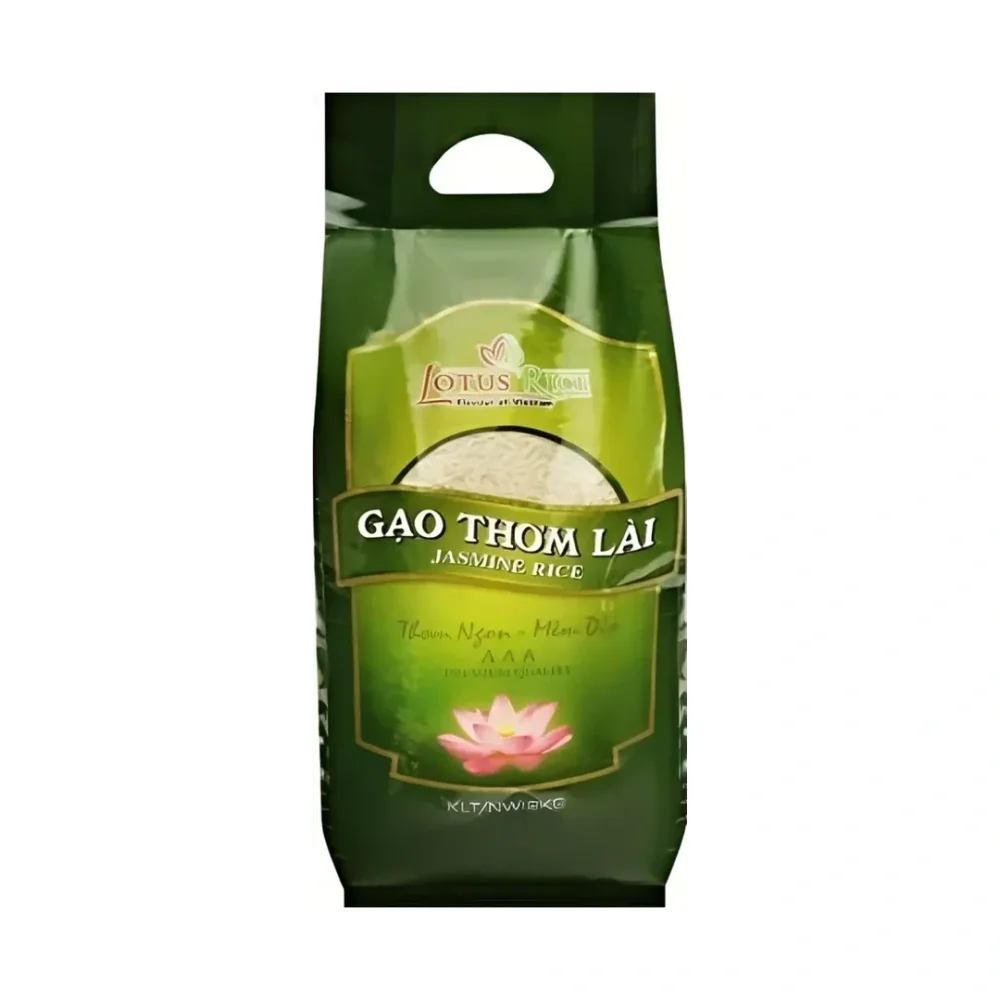
Rice dishes often rely on rice being "just filler." But rice has to hold sauce, juice, and contrasts – and for aromatic types, it’s a shame when poor storage causes them to lose aroma. Uncooked rice should be kept dry, well sealed, and protected from odors; aromatic types can lose character under bad conditions. A universal base for many styles of rice dishes is often jasmine rice – an example is ESSA Lotus Jasmine Rice, which after cooking functions as a soft, fragrant center that absorbs sauces well.
6.5 Quick "Bowl" Principle: Rice + Topping + Dip/Dressing
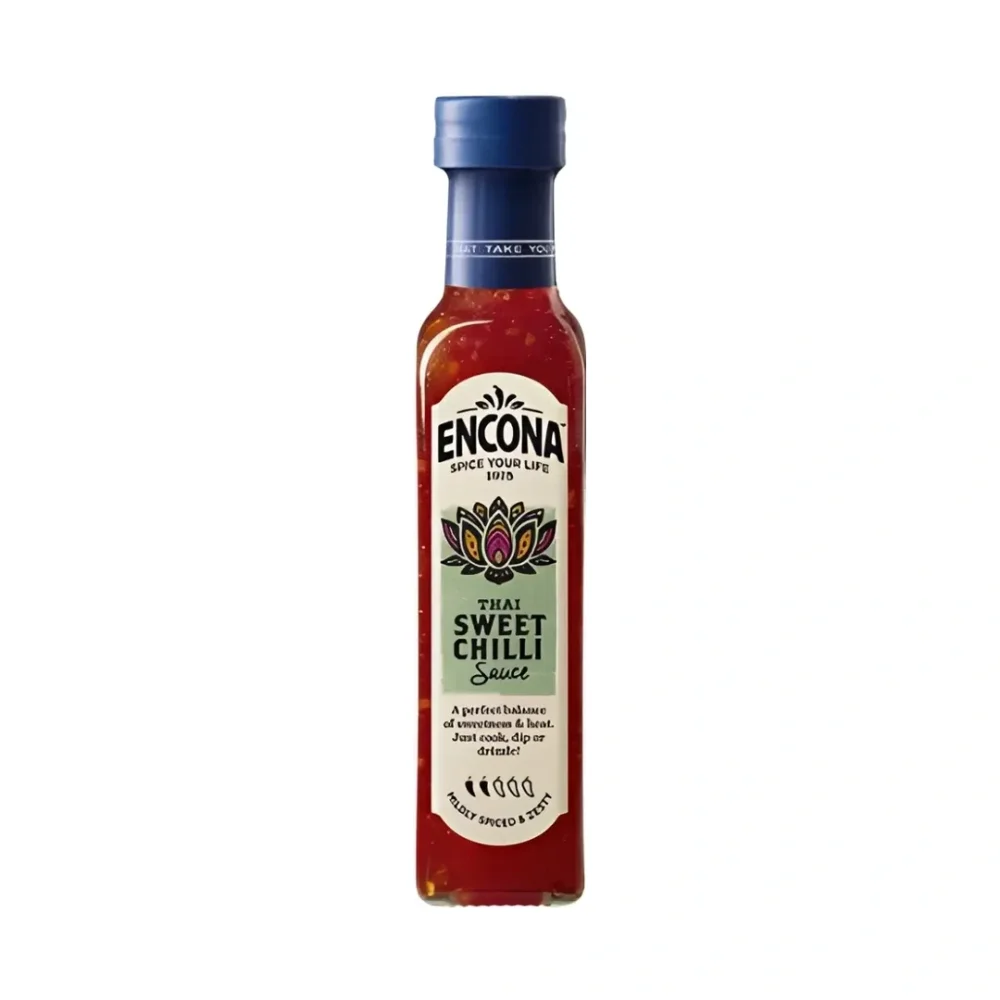
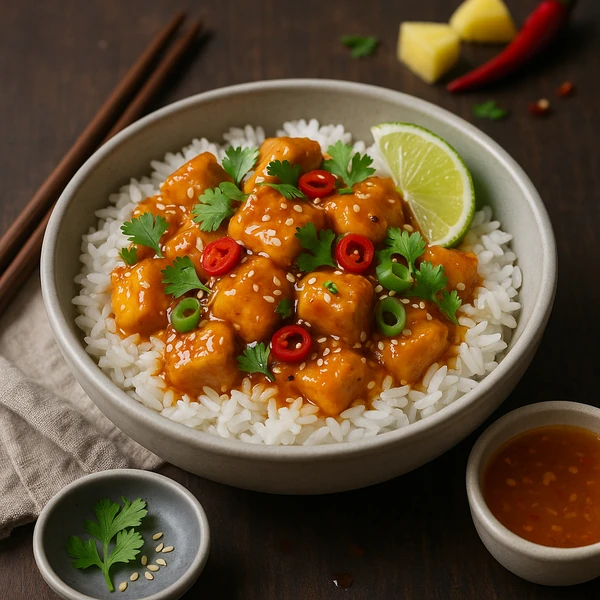
If you want to build a simple bowl at home without complicated cooking, think in three steps: cooked rice as the base, a strong topping (meat/tofu/vegetables/egg), and finally a dip or dressing. For sweet-spicy dips (e.g., for spring rolls or as a quick seasoning touch for a bowl), sauces like sweet Thai chili are suitable – specifically Encona Sweet Thai Chili Sauce. But consider it an addition: it should enhance the bowl, not overpower it.
6.6 Storage: Safety, Quality, and Texture Are Not the Same
Storage in Asian cuisine often decides the outcome more than it seems. It is important to distinguish three levels: a product can be safe to eat but already lose some aroma/freshness/structure – and only then can it actually be spoiled. For many ingredients, it pays to protect them from what takes away quality:
- Heat: for example, fermented pastes (miso and similar) can darken in heat and the taste changes.
- Light: some sauces and oils can lose freshness faster without protection from light.
- Air (oxidation): pastes are sensitive to air contact – it helps to limit the "open surface" and use a clean spoon.
- Moisture: dry ingredients (rice, dried noodles, starches, seaweed) are usually not "dramatic," but moisture takes away their structure and usability.
A practical detail many people don’t know: some fermented pastes (like miso) can tolerate freezing well – they don’t become rock hard and can still be relatively easily scooped. This makes sense especially for larger packages or when cooking irregularly.
7) The Most Common Mistakes That Ruin the Impression of Asian Dishes
- "Rice is just a side dish." In many Asian cuisines, no – it’s often the very structure of the dish.
- "Fried rice is the same everywhere." It’s not. Nasi goreng, Chinese styles of fried rice, and other variants have different logic and taste.
- "Biryani is just spiced rice." It’s not – it is technically and culturally a much broader category, based among other things on layering and aroma penetration throughout the dish.
- "Bibimbap and donburi are almost the same." They are not – both are rice bowls, but they function differently in serving, seasoning, and meaning.
- "Nasi lemak is just rice with coconut." It isn’t – it’s a complete dish and a cultural symbol.
- "All noodles are interchangeable." They aren’t – the material and shape of noodles determine the texture and suitability for broth, sauce, stir-frying, or cold serving.
- "Pad thai, chow mein and mie goreng are almost the same." They aren’t – they can all be stir-fried, but differ in noodle type, flavor profile, and context.
- "Noodle soups are all about the broth." No – the texture of noodles, toppings, and serving style are equally important.
- "Ramen summarizes the entire Asian noodle culture." No – it’s just one famous branch.
- "Asian soups are mainly spicy." No – many of them are mild, clear, or only slightly pronounced.
- "Soup is just a starter." In Asia very often it isn’t – it can be the main dish.
- "Ramen, phở and laksa are basically similar." They aren’t – they are based on different logic of broth, noodles, and seasoning.
- "Coconut soup is always heavy." Not necessarily – a well-made coconut soup can feel lively.
- "Just buy noodles and some sauce." No – the broth decides for soups and in noodle dishes generally the type of noodles and the preparation method.
8) What to take away from the article
- For quick orientation, divide Asian dishes by “body”: rice, noodles, soup – each has a different logic.
- Rice in Asia is often not a side dish but the framework of the meal (a bowl with toppings, flavored rice, fried rice, layered festive styles like biryani).
- Noodles are not interchangeable: the type of noodles determines texture and whether they belong in broth, on a wok, “dry” or cold.
- The base of soups is broth; start with simpler logics and adjust the flavor gradually, especially for sour and spicy styles.
- One well-chosen paste or base often helps more than a pile of random sauces.
- Storage is not a detail: heat, light, air, and humidity can spoil aroma and texture before the ingredient becomes "inedible."

Read next
If you want to explore this topic further, continue with these related blog guides and articles:
