


 Česky (CZK)
 Slovensky (EUR)
 Deutsch (EUR)
 Austria
 Belgium
 Bulgaria
 Croatia
 Denmark
 Estonia
 Finland
 France
 Germany
 Greece
 Hungary
 Italy
Italy Latvia
 Lithuania
 Luxembourg
 Netherlands
 Poland
 Portugal
 Romania
 Slovenia
 Spain
Spain Sweden










How to start with Japanese cuisine: simple orientation, first purchase and first meals
Japanese cuisine is not "just sushi." It is a way of cooking based on respect for ingredients, purity of flavors, seasonality, work with texture, and the effort to highlight the natural character of the food rather than overpowering everything with heavy seasoning or sauce. This guide will give you a practical start: how to navigate washoku and umami, which ingredients make the biggest difference, and how to set your first steps so that Japanese cooking doesn’t frustrate you right from the beginning.
1) Introduction: why Japanese cuisine is great to start with (and how it can surprise you)
Beginners often want to start with "Asian cuisine" as one bundle, but in practice, this doesn't work: individual cuisines differ in taste, technique, and which ingredients are repeated. Japanese cooking has its own logic – often more delicate seasoning, emphasis on balance, and making sure each component has a clear role in the dish.
The good news is that once you understand a few principles and get a few functional basics, you can cook meals at home that will truly feel "Japanese," without having to fill your pantry with dozens of bottles.
🌶️ 2) First orientation: what is typical for Japanese cuisine
Respect for ingredients and "purity of flavors"
Japanese cuisine typically works to bring out the natural character of ingredients. Instead of covering everything with a strong sauce or seasoning, the flavor is built gradually: a good base, balanced saltiness, depth, and then fine tuning.
A practical rule for home cooking: when something doesn’t taste "Japanese," it often isn’t because you’re missing another sauce. More often the problem is that you've added too much saltiness or “ready-made flavor” too quickly and overwhelmed the rest.
Washoku: it’s not just a set of recipes
The term washoku is used for traditional Japanese food culture. For the home cook, the most valuable aspect is practical: washoku guides you to a more balanced meal composition and respect for ingredients. It’s not about “having the right recipe,” but understanding how parts of the meal work together so they don’t fight each other.
What a typical composition of a Japanese meal looks like (practically for a beginner)
To start, you can simplify it: one main dish and something that balances the meal. You don’t have to put together a five-course feast. It’s enough to think in terms of "main bowl/plate + something lighter on the side" and gradually learn how the flavors complement rather than overpower each other.
It is important that the "side" is often not just decoration: it can soften, lighten, or cleanse the impression of the main dish. When you understand this, you start to see why some Japanese dishes are flavor-wise delicate but don’t feel “empty.”
Umami: why so many dishes in Japan rely on it
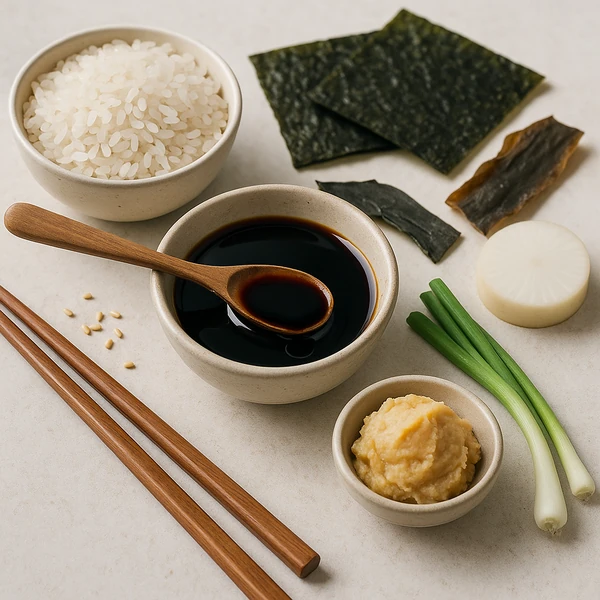
Umami is important because it gives the dish “fullness” even without heavy seasoning. For a beginner, one key idea is crucial: umami usually doesn’t come from a single “miracle” ingredient, but from a combination of flavor sources and a well-built base (often referred to as the flavor/broth base known as dashi).
Once you learn to monitor depth and balance, Japanese dishes will taste “more correct” even with less seasoning.
3) Basics and variants: what to start building on (and how products differ)
Three pillars of ingredients: rice, soy, sea
- Rice – in Japanese logic is more than a side dish. It is a calm base on which delicate flavors stand out.
- Soy products – help season without unnecessary heaviness (often fermented or liquid bases).
- Seaweed and seafood products – often not just decoration but part of the flavor base and source of umami.
Basic vs. seasoned products: a difference that saves disappointment
One of the most important rules for home cooking: watch whether you are buying a basic product, or already a seasoned product. You cannot work with them the same way. If you reach for a ready-seasoned version instead of a “base,” the dish can easily turn out too salty or unbalanced in flavor, even if you follow the procedure correctly.
This typically applies to liquid seasonings: if once you cook with one type of soy sauce and another time with a different style, you cannot automatically dose the same. Treat the change of type as a reason to add more cautiously and taste more often.
Soy sauce is not “one thing”: why style matters
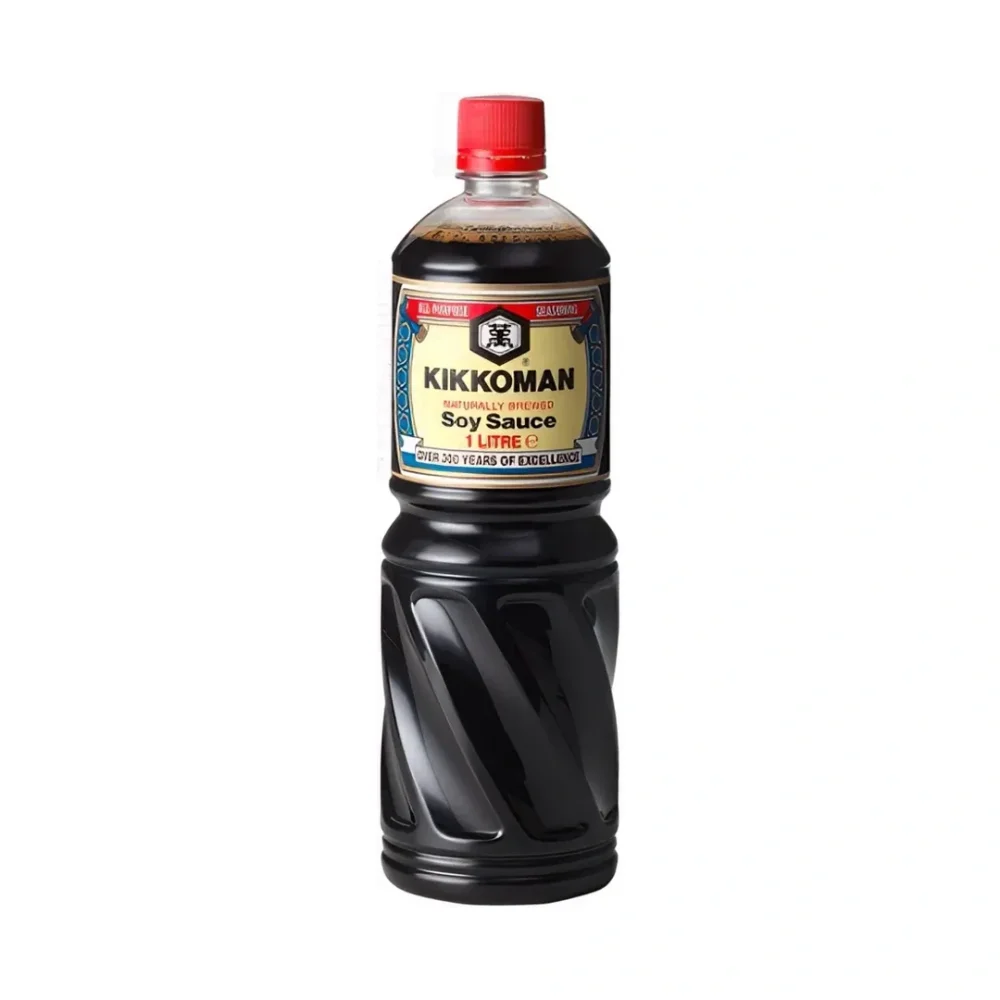
Under the same name, more styles, different saltiness levels, and aromas can hide. For a start, it helps to stick to one “reference” sauce and build your dosing sense on it. Shoyu is often used as a universal Japanese base; a practical example is Kikkoman soy sauce (shoyu) – treat it as a source of saltiness and umami but don’t pour it "by eye."
Practical rule: when adjusting taste, add liquid seasoning in small amounts (even just a few drops), stir, taste, and only then continue. It is much easier to add than to fix oversalted food.
Mirin, sake and “rice wines”: why there’s confusion
In Japanese cooking, terms mirin and sake appear, and there is often much confusion about “rice wine.” To start, take away the main point: mirin is not the same as other cooking wine and cooking sake is typically handled differently than sake for drinking.
If a recipe calls for any of these and you are not sure, first clarify the role in taste (sweetness, aroma, sauce base) and only then choose the specific ingredient. A universal “just pour something in” often leads to unbalanced flavor.
4) Practical onboarding: first steps, first purchase and first “Japanese” plates
Step 1: choose 2–3 starter dishes (not twenty)
Japanese cuisine is learned well by repetition. To start, choose two quick certainties and one “weekend” dish. The goal is not perfection right away – the goal is to understand the flavor base, find out what you like, and adjust.
- Miso bowl as a quick flavor orientation – a good start for “calibration”: notice that the taste relies more on depth and balance than spiciness or strong seasoning.
- Simple ramen bowl at home – treat it as practice working with the base and dosing saltiness. If the bowl tastes “just salty,” you usually need to adjust the base and the seasoning addition method, not add more sauce.
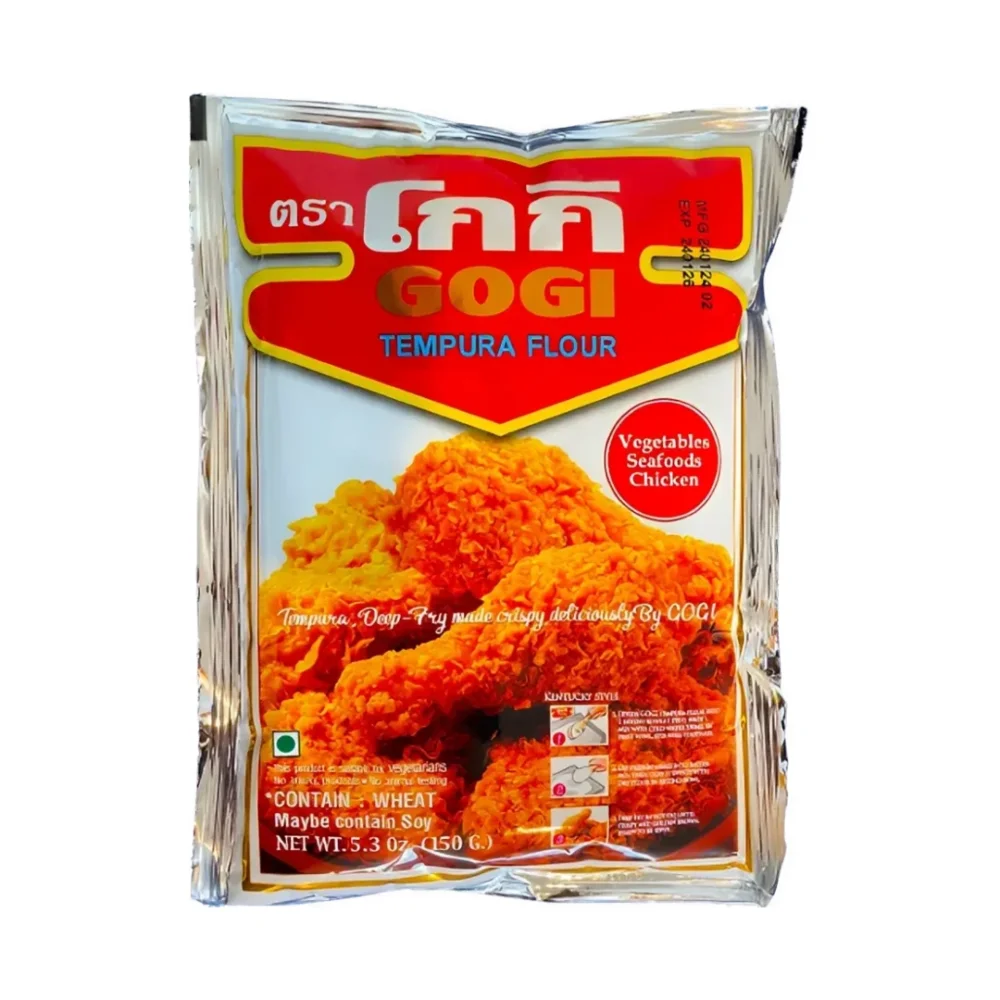
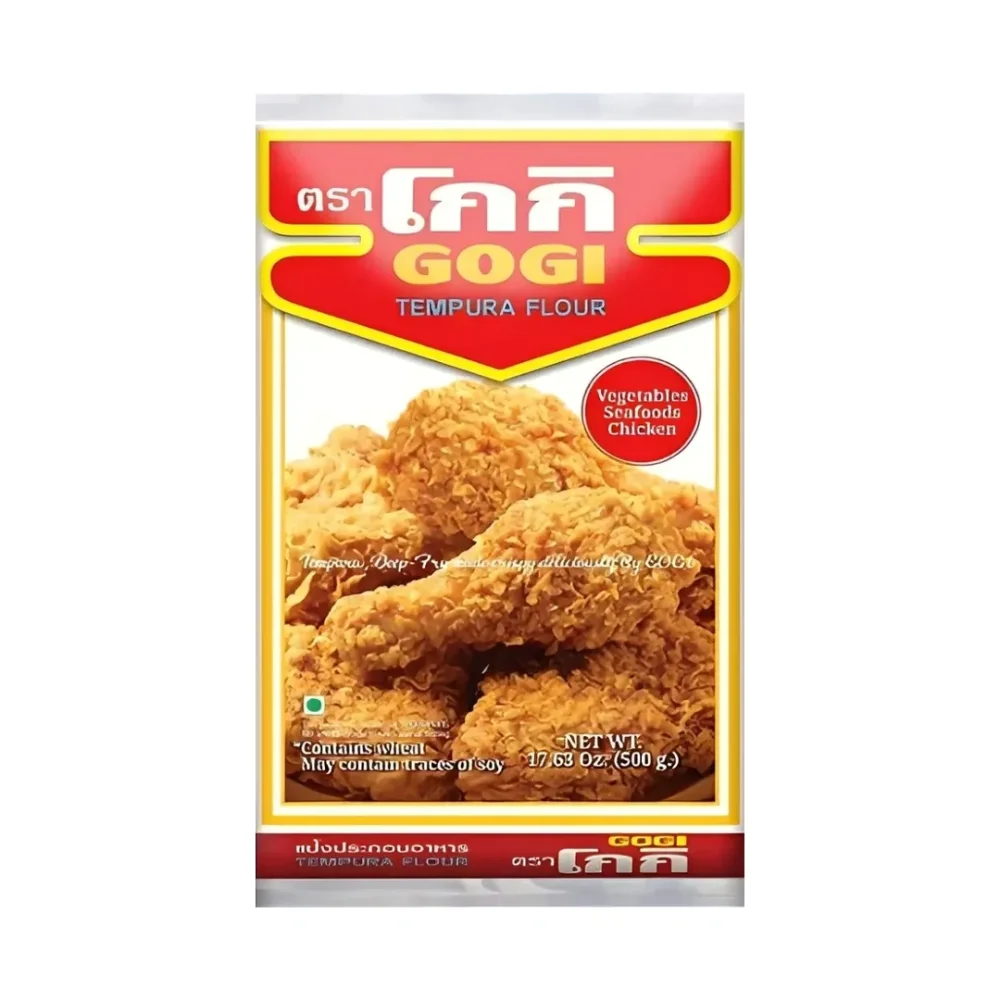
- Tempura when you want to practice texture – tempura is very much about final lightness and crispness. For first attempts, a ready-made mix can help because it stabilizes the base and you can focus on technique. For a smaller home test, try Gogi Tempura 150 g; if you know you’ll fry more often, bigger packaging makes sense like Gogi Tempura 500 g or Golden Turtle Chef Tempura 1 kg.
If you don’t want to fry right away but want a “Japanese” flavor without complicated adjustments, a practical bridge is Japanese curry (mildly spiced, often slightly sweet). Again, the same logic helps you: build the plate on a starch base and treat the seasoning as a frame to learn to balance.
Step 2: build a small “Japanese pantry” by function
The point is not to buy everything at once. The point is to have a few items that come back in several dishes and have clear functions:
- starch base (rice, or noodles),
- soy/fermented element for seasoning (typically soy sauce; shoyu can serve as a reference starting point),
- sea element for flavor depth (often addressed when you want to build your own flavor base),
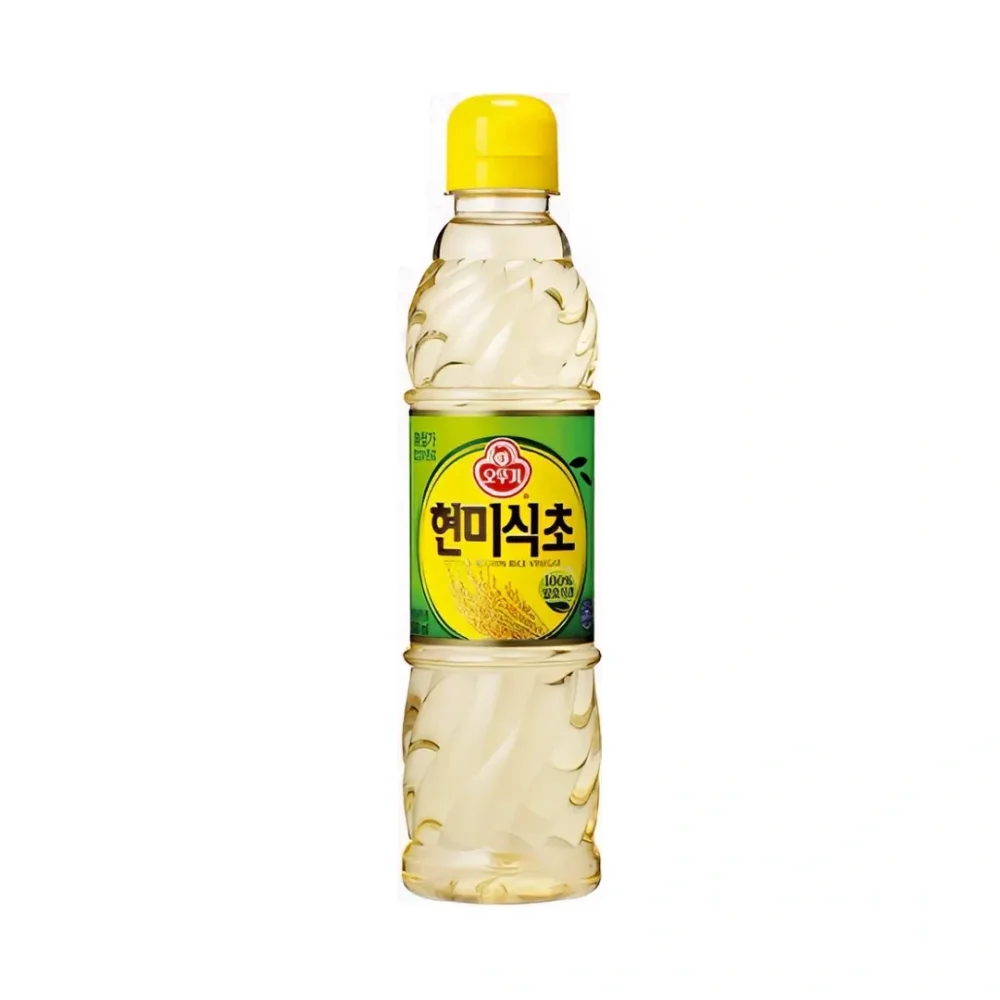
- something for mild acidity, if you want to balance and “cleanse” the impression (Japanese logic often uses rice vinegar; a practical start can be Otoki brown rice vinegar).
Once you have done a few repetitions and start to feel what your bowl lacks (depth, balance, aroma), it makes sense to move on to working with the flavor base (often called dashi) and balancing flavors using ingredients like mirin and sake. It works best when you already have a “calibrated” simple version of the dish.
🍜 Step 3: how to dose and taste ingredients for it to work at home
Japanese cuisine is sensitive to how quickly you add salt and “ready” seasoning. A simple routine helps: taste and add in small steps.
- Add liquid seasoning drop by drop – it’s easy to “overdo it” with soy bases and sauces and overwhelm milder components. When changing types, treat it as a reason to dose even more gently.
- Add paste bases by teaspoons – with miso start with a smaller amount and adjust. Practically, add half a teaspoon, stir, taste, and only then continue.
- Build the base first, then fine-tune – first check if your dish lacks depth and balance, then add more seasoning.
Step 4: when to help yourself with “ready flavor” (and when it destroys balance)
Ready mixes and sauces make sense when you know their role in the dish. They can help you in two ways at the start:
- Taste calibration – a finished profile hints how a balanced bowl or sauce might taste.
- A quick frame to learn on – you have a typical flavor “shape” and can focus on plate composition and technique.
At the same time, if you are learning the principle of “cleaner flavors,” don’t pour everything with sauce automatically. First taste the base, then adjust.
For days when there’s no time, ready meals can work as emergency inspiration – but treat them more as helpers and flavor profile orientation rather than a substitute for gradually learning to work with the basics.
🌶️ Step 5: equipment – what is useful but you don’t have to overdo it
You don’t need specialized Japanese equipment to start. More important than the “right” tool is safe and accurate cutting and the ability to work cleanly. If you want to add practical kitchen items (bowls, chopsticks, small tools), a guide can be the category home supplies.
5) Common mistakes and misunderstandings (and how to fix them fast)
1) I start "Japanese" by trying everything at once
Japanese cuisine works as a system. If you throw ramen, tempura and "some sauces" together without understanding the basics, you’ll easily end up with everything being complicated and nothing tasting balanced. Fix: choose 2–3 dishes to repeat and improve them step by step.
2) I overpower the taste with sauce or seasoning
Japanese logic often relies on more delicate seasoning. Fix: first build the base (balance, saltiness, umami), then fine-tune. Taste in small steps.
3) I mix basic and seasoned products and don’t understand why the dish is oversalted
A common source of disappointment: you think you’re buying “just an ingredient,” but it’s already seasoned. Fix: check whether you have a base or a ready seasoning – and adjust dosing and expectations accordingly.
4) Confusing mirin, sake and “rice wine”
There is confusion about rice wines and it’s not good to solve it by “just pouring something in.” Fix: clarify whether the recipe wants sweetness (typically the role of mirin), aroma, or cooking wine, and don’t treat them as universal substitutes. Especially remember mirin is not the same as other cooking wine.
🍳 5) I choose an ingredient based on packaging instead of use
“Good ingredient” is not automatically the one with the most striking design. The right choice is mainly about function, type, and whether you really need it for specific starter dishes. Fix: shop deliberately for 2–3 dishes you want to repeat, not “just stock up for Japanese.”
6) What to take away from the article
- Japanese cuisine is based on respect for ingredients, purity of flavors, seasonality, and balancing – not on pouring everything with sauce.
- Washoku is more than recipes: it helps you think about balanced meal composition (one main element and accompaniment).
- Start with pillars: rice, soy products, sea element – and watch the difference between basic and seasoned products.
- The quickest first success is often a miso bowl, a simple ramen evening or first tempura (or Japanese curry as a “bridge”) – mainly when you repeat and adjust, not jump between ten things.
- Watch out for common confusions: mirin vs. sake vs. other “rice wine.” Before substituting anything, clarify the flavor role the ingredient has in the dish.

Read next
If you want to explore this topic further, continue with these related blog guides and articles:
