


 Česky (CZK)
 Slovensky (EUR)
 Deutsch (EUR)
 Austria
 Belgium
 Bulgaria
 Croatia
 Denmark
 Estonia
 Finland
 France
 Germany
 Greece
 Hungary
 Italy
Italy Latvia
 Lithuania
 Luxembourg
 Netherlands
 Poland
 Portugal
 Romania
 Slovenia
 Spain
Spain Sweden










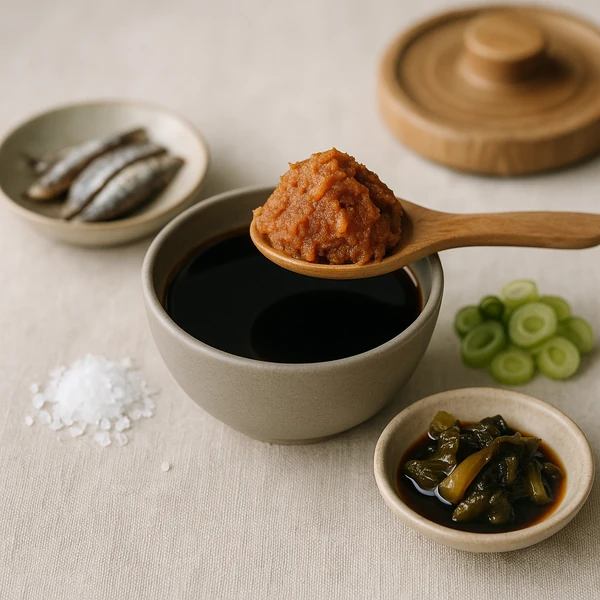
How flavor fermentation works: why miso, kimchi, or fish bases make food "complete"
Fermentation in the kitchen is not just a way of preservation. In Asian traditions, it is mainly about creating flavor: umami, acidity, aroma, depth, and often a new texture. In this article, we will clearly explain what happens during fermentation, why different ferments taste completely different (and cannot be substituted), and how to practically use them at home so that food is not just salty but truly "layered."
Fermentation as "flavor creation": what happens beneath the surface
Fermentation is a controlled transformation of raw materials through microorganisms and their enzymes. In foods, bacteria, yeasts, and molds are most commonly involved. For cooks, the most important aspect is the result: microorganisms break down sugars, starches, or proteins and produce new flavors, aromas, and textures that were not present in the original material.
That's why fermentation in Asian kitchens is used as a shortcut to "ready-made flavor": it can bring acidity, stronger umami, greater aromaticity, a finer (or conversely stronger) texture, and often better storage. Most importantly: fermentation allows a large palette of sauces, pastes, side dishes, and bases for soups and sauces to be created from relatively few ingredients.
Fermentation is not one thing: four types, four completely different tastes
One of the most common misconceptions is the idea that "fermented" always means a similar taste. In reality, several fundamentally different processes are hidden under that word. That's why you cannot lump all ferments together.
- Vegetable fermentation in a salty environment – typically leads to acidity and a change in texture: from crisp freshness to a deeper, more pronounced "mature" flavor.
- Fermentation of soy and grains using koji (mold Aspergillus oryzae) – creates a base of deep umami flavor, typically in Japanese fermentations (e.g., miso, shoyu) and related styles.
- Maturation/fermentation of fish bases – the result is usually a concentrated, intensely umami seasoning, used in small amounts.
- Fermentation of legumes using molds – a typical example is tempeh (fermentation of soybeans using the mold Rhizopus), where not only flavor but also texture changes significantly.
They share the trait that from a simple ingredient they create a flavor-wise and functionally more complex base. They differ, however, in what exactly they break down (sugars/starches/proteins), which microorganism dominates, and what type of flavor it creates.
Kimchi: acidity, spiciness, umami, and working with the "age" of the ferment
Fermented vegetables are widespread across regions in Asia and appear in many forms. The best-known example is kimchi – Korean fermented vegetables. Importantly, "kimchi" is not a single product: there are dozens to hundreds of types depending on region, season, main ingredient, and seasoning. The most common is kimchi from Napa cabbage, but versions with radish, cucumber, or spring onion are also common.
The typical flavor of kimchi is based on a combination of:
- acidity produced by fermentation,
- saltiness,
- chili spiciness,
- garlic, ginger, and aromatic vegetables,
- umami, which can also come from fermented seafood ingredients.
From a practical perspective, it is crucial to perceive the age of the ferment: kimchi can be fresh and crisp but gradually becomes deeper, more acidic, and more pronounced. This is also reflected in its use: younger kimchi often works as a side dish and freshness element, while older kimchi typically adds more "depth" to the dish and is suitable where a stronger, more acidic base is desired.
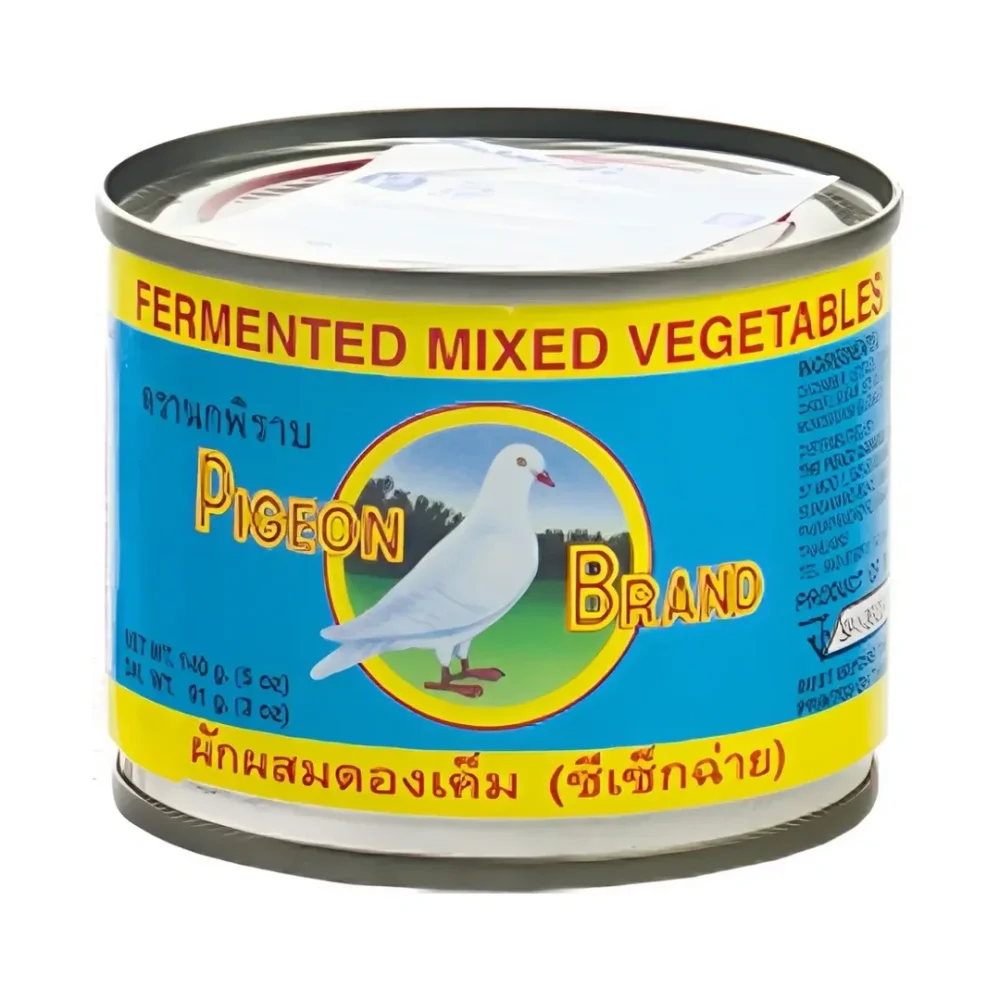
If you want a homemade shortcut to fermented vegetables as a side to rice or noodles, ready-made fermented vegetable bases can make sense, for example, Pigeon Brand fermented vegetable mix in soy sauce. Flavor-wise, it is not the same as a specific type of kimchi, but it demonstrates the same principle: fermentation adds acidity/depth, and such a side then "lifts" an otherwise simple bowl of rice or noodles.
Koji and miso: umami that cannot be replaced by salt
In Japanese (and partly broader East Asian) cuisine, the essential term is koji: a raw material inoculated with the mold Aspergillus oryzae, which breaks down starches and proteins and prepares the foundation for deep flavor and umami. Without koji, it is difficult to talk about classic Japanese fermentations such as miso or shoyu (Japanese-style soy sauce).
Miso is a Japanese fermented paste, most often made from soybeans, salt, and koji. It may also contain rice or barley and exists in many styles. What is important for its flavor is that:
- fermentation creates deep umami,
- even within one "category," there are regional and stylistic differences,
- the length of maturation and the type of koji fundamentally change the result.
In the kitchen, miso is used in soups, sauces, marinades, glazes, dips, and sometimes even in sweet modern applications. Practically, it is good not to think of miso as a "salty paste" but as a concentrated fermented base, which has its own character.
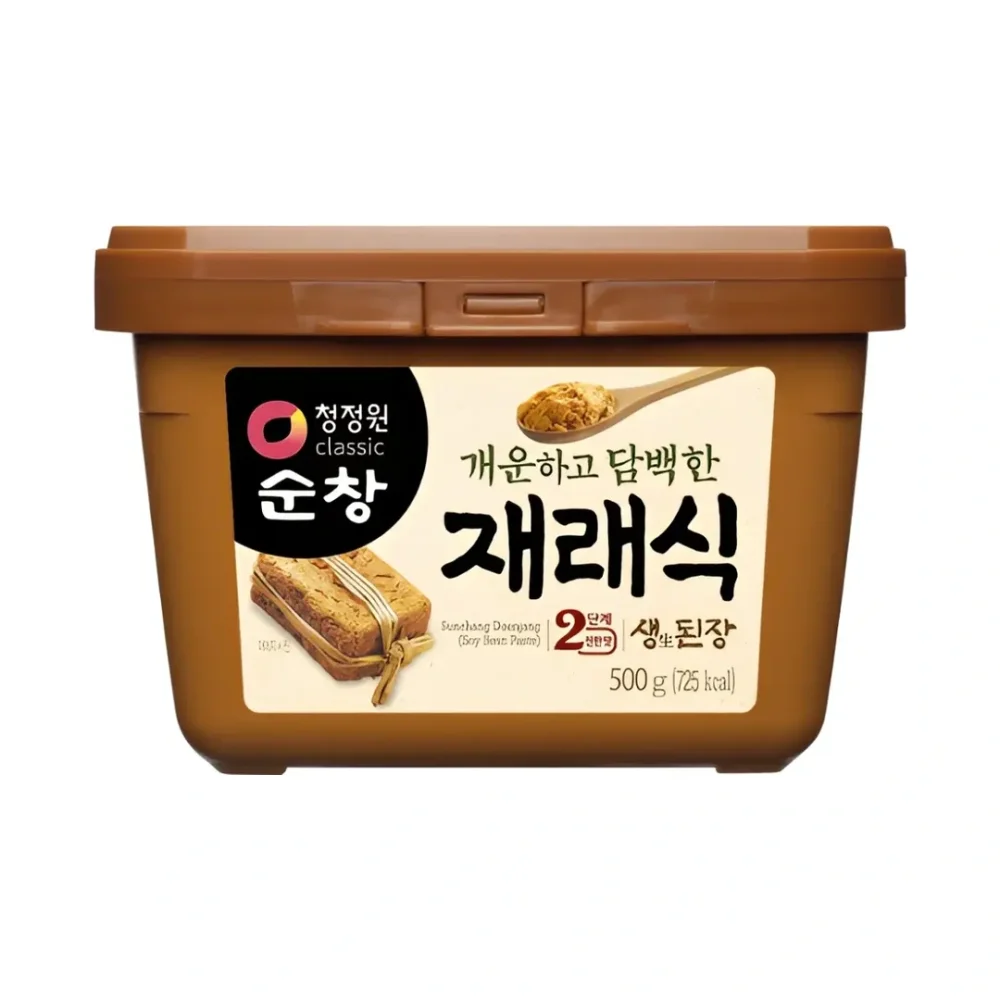
A specific example for home cooking might be O'Food soy miso paste – from which you can easily understand how a small spoonful can change the impression of soup, sauce, or marinade: food starts to feel "more cohesive," not just salty.
Meju and "jang" traditions: why fermented bases are not interchangeable
In Korean tradition, similarly central is meju – fermented blocks of soybeans, from which so-called jang products (e.g., ganjang, doenjang) are made. Meju is a good example that fermentation is not just a production technique but also cultural knowledge passed down through families: flavors can differ regionally and "familially."
This is also an important practical rule: fermented bases are not interchangeable. It is not just that "they are made from different ingredients." Each product:
- is made using a different technology,
- belongs to a different cuisine,
- has a different flavor,
- and has a different role in dishes.
Typical misunderstandings are, for example, the notions that miso is the same as doenjang, that fish sauce is the same as soy sauce, that kimchi is the same as "pickled cabbage" or that tempeh is the same as tofu. In practice, this leads to food tasting "out of region": it might be salty but loses clarity and character.
Why fermentation works so well in Asian cooking (even when you cook simply)
Fermentation in Asian kitchens usually fulfills several roles at once:
- Umami and depth: fermented products often carry a strong umami flavor that can "bind" even simple food and give it a sense of fullness.
- Complex flavor without complex cooking: a few drops of fish sauce or a spoonful of miso can add depth that would otherwise require long simmering or reduction.
- Preservation: historically, fermentation helped store food outside of season and harvest (vegetables, fish bases, "jang" products, etc.).
- Regional identity: many ferments are so closely associated with a specific cuisine and community that they become part of cultural identity.
This is also nicely illustrated by the idea that some ferments are standalone dishes (e.g., kimchi), while others act more like the "engine under the hood" (e.g., miso or fish bases): they are concentrated on their own but in small amounts start the flavor of the entire dish.
Practically at home: how to start using ferments so they help (and don’t overpower everything else)
The most useful approach is to treat ferments as seasoning bases and work with them in small doses. One extra spoonful often means a completely different result. 🧠
1) Start with one ferment and learn its "range"
If you want to quickly understand what fermentation does to flavor, pick one base (e.g., miso or fermented vegetables) and use it a few times in similar dishes. Notice what happens:
- where the food gets "body" and umami,
- where saltiness or acidity jumps out,
- how the impression changes with different amounts.
🍳 2) Approximate dosing: better less and gradually more
Ferments are often concentrated. In practice, it works well to:
- Miso for soup/sauce: start with about 1 teaspoon per portion and adjust. More important than the exact number is "taste and add."
- Fermented vegetables as a side: add in smaller portions and balance with a neutral component (rice, noodles) and something fresh (herbs, spring onion) so acidity doesn’t feel one-sided.
- Fermented fish bases: really in tiny amounts and taste continuously. Here it’s doubly true that the goal is not "fish flavor" but umami depth.
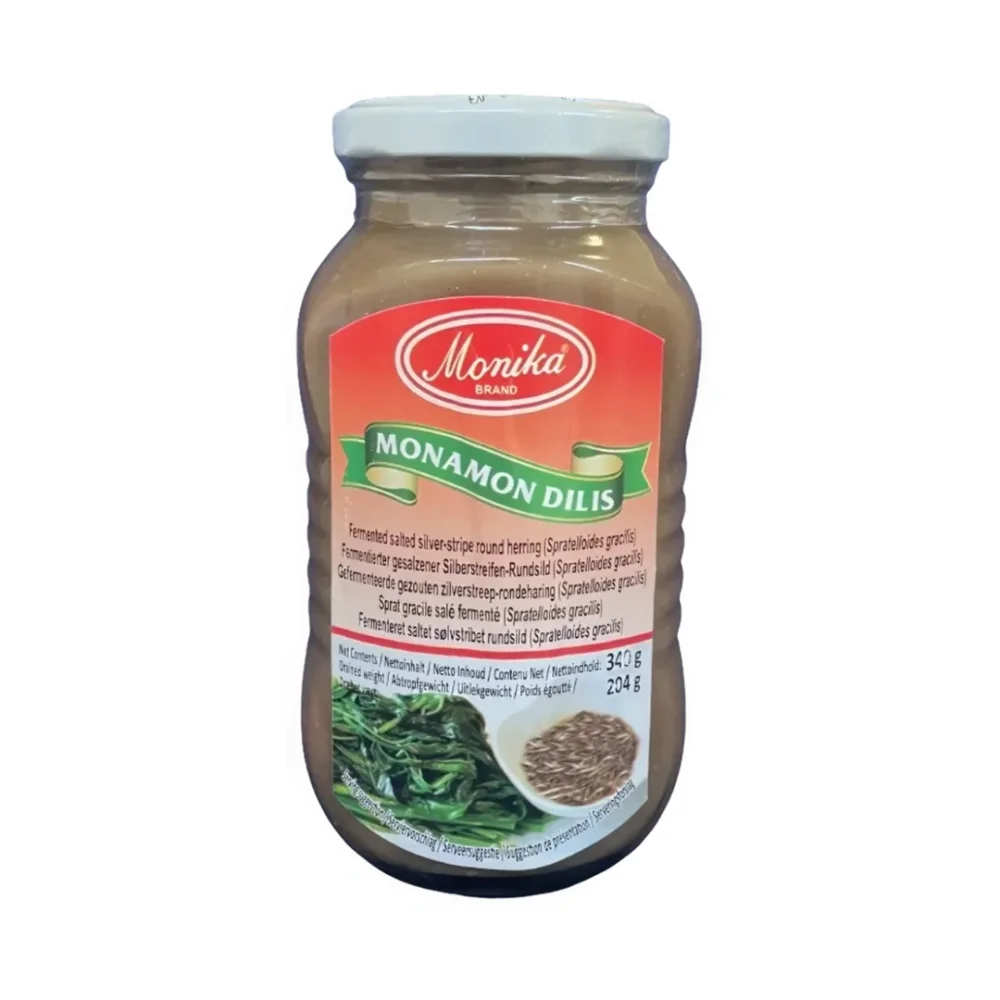
A concrete example of a fish ferment used in small amounts in soups, sauces, or rice is fermented salted anchovies Monika. With such bases, it is common to add a small amount, stir, let it meld for a while, and only then decide if more is needed.
3) Heat, stirring, and time: how not to lose finer nuances
For some ferments, it is important how you handle them during cooking. A typical example is miso: if you overheat or "boil it at full power," you can easily lose the finer nuances and mostly just get saltiness. A practical habit is to mix miso separately (e.g., in a bit of hot liquid from the pot) and add it only when you want to season rather than cook long.
4) Ferment as part of the "building of flavor" (not the only magic)
Fermentation can add depth, but the final dish is usually best when other pillars stand alongside the ferment:
- acidity and freshness (e.g., herbs, pickles),
- texture (crispy vs. soft elements),
- fat (gives body and connects flavors),
- aromatics (garlic, ginger, onion – depending on the style).
A practical mini-demo without a recipe: if you have a bowl of rice and something simple in a pan, it is often “lifted” by the combination of a small amount of fermented base + something fresh + contrasting texture. This is also why fermented side dishes and seasonings work so well in everyday cooking in Asia.
5) Soy sauce: not just saltiness, but also function in color and texture
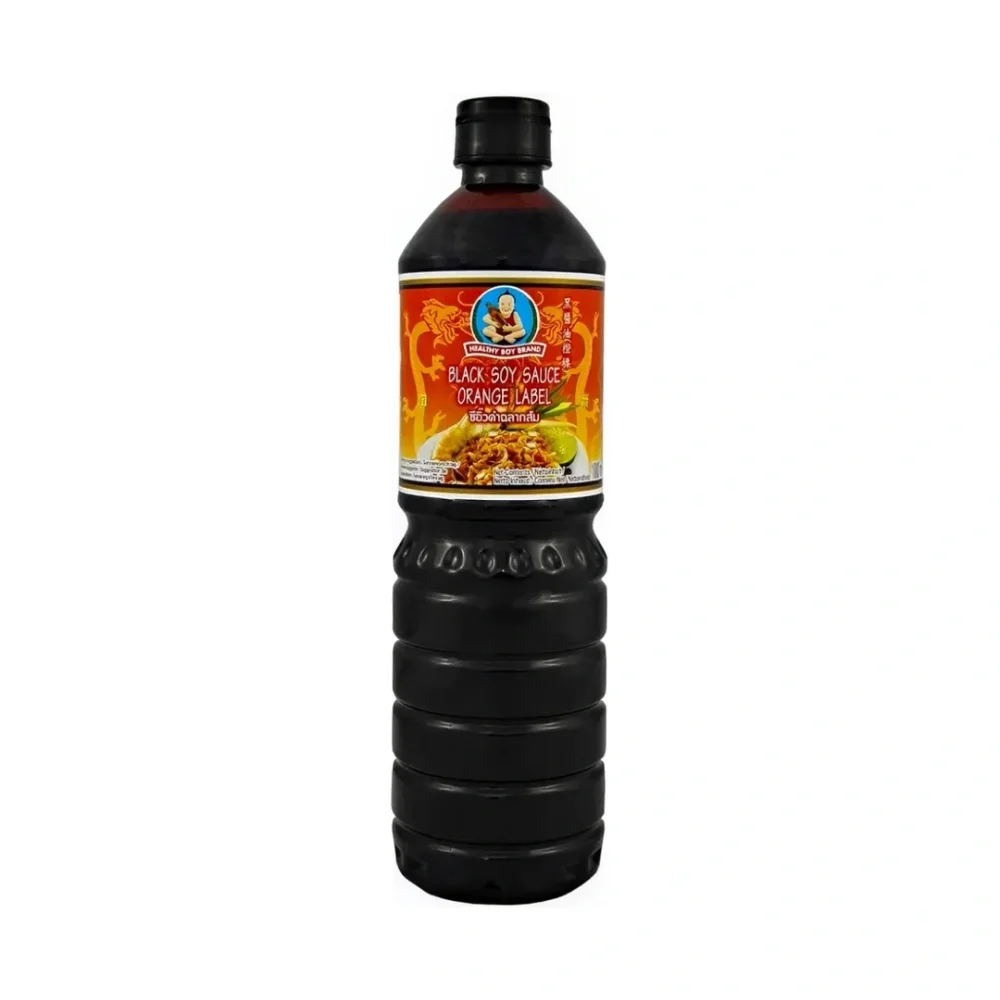
Fermented liquid seasonings also have different roles. In soy sauce, besides saltiness, often important is also fullness and sometimes even color and the “mouthfeel.” If you cook stir-fry or noodles and want a richer color and fuller impression, it makes sense to use the dark style, for example Dek Som Boon dark soy sauce – typically a smaller amount is enough, and you can season to taste gradually.
At the same time, this is a good place to remind about the “non-interchangeability”: soy sauce and fish sauce are not the same. Even though both can be salty and umami, they play different roles in food and push it in a different flavor direction.
Common mistakes and misunderstandings: why the food then tastes “off”
Fermented ≠ automatically probiotic
Fermented foods may contain live microorganisms and some can be sources of live cultures. At the same time, it holds that not every fermented food is automatically probiotic. For cooking practice, it is safe to stick to what can be verified on the plate: fermentation changes taste, aroma, and texture and can improve storability.
Confusions “by name”
A large part of the frustration with ferments arises from people confusing them because they are “brown, salty, and umami.” But it is precisely the differences that make Asian cuisines understandable. When you replace miso with doenjang (or vice versa), or when you substitute soy sauce for fish sauce, it doesn’t create “the same dish, just a bit different” – often a completely different profile emerges.
Too much ferment at once
When you combine several strong ferments in one small bowl (e.g., miso + strong fermented vegetables + fish base), you easily overpower all other components, and the result is mainly saltiness and “heaviness.” A practical rule: one main ferment as the engine and others just as subtle adjustments.
In vegan/vegetarian cooking, watch out for hidden animal ingredients
Fermentation is a great tool to build umami even without meat and fish. At the same time, it holds that many Asian seasonings may hide animal components: typically fish sauce, oyster sauce, some stocks (dashi) or shrimp pastes. If you cook vegan, it’s worth keeping this rule in mind whenever you reach for “umami shortcuts.”
What to take from the article
- Fermentation in the kitchen is mainly making flavor: umami, acidity, aroma, depth, and often also new texture.
- “Fermented” does not mean one flavor – fermentation of vegetables in salt works differently, koji fermentation (miso/shoyu) is different, fish bases differ, and so does tempeh.
- Ferments are regionally and functionally specific: miso is not doenjang, soy sauce is not fish sauce, and kimchi is generally not just “pickled cabbage.”
- In practice, it works to start with one ferment, dose in small amounts, and perceive how it changes the whole dish.
- Fermented foods are not automatically probiotics – for cooking, the important thing is mainly what they do with flavor and structure.

Read next
If you want to explore this topic further, continue with these related blog guides and articles:
