


 Česky (CZK)
 Slovensky (EUR)
 Deutsch (EUR)
 Austria
 Belgium
 Bulgaria
 Croatia
 Denmark
 Estonia
 Finland
 France
 Germany
 Greece
 Hungary
 Italy
Italy Latvia
 Lithuania
 Luxembourg
 Netherlands
 Poland
 Portugal
 Romania
 Slovenia
 Spain
Spain Sweden










How to store rice at home: to preserve its aroma, taste, and predictable texture
In many Asian cuisines, rice is not just a "side dish" but the foundation around which the whole meal is built. That is why it makes sense to store it so that it remains dry, fragrant (for aromatic types), and above all consistent when cooking. In the article, you will find a practical system for the home pantry, guidance on rice types, and the most common mistakes that lead to bland taste or unexpected texture.
Why deal with rice storage (and not treat it as an anonymous commodity)
Rice is one of the most important foods in the world and in many Asian cuisines functions as a full part of the flavor, texture, and "rhythm" of a meal. It can be delicate and unobtrusive, but also distinctly aromatic, elastic, sticky, fluffy, creamy, or chewy. What we often perceive just as "rice" is actually a group of varieties and usage styles that differ in aroma, starch structure, and behavior when cooking.
Good storage isn’t just about order in the pantry. It’s a way to keep at home what really matters in rice: especially the aroma in aromatic types, and for all types, dryness and stable conditions that ensure rice behaves predictably in the pot.
What does "good" rice storage mean: dryness, darkness, and stable conditions
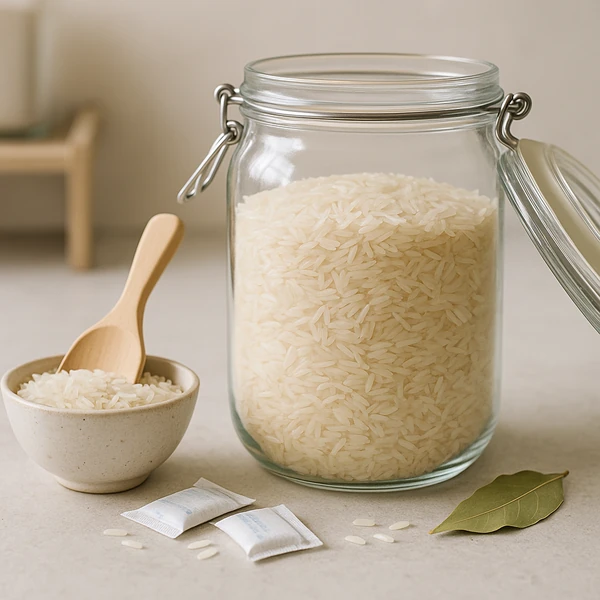
In the logic of the home Asian pantry, rice belongs in the pantry. The practical rule is simple: the pantry should be dry, darker, and stable. The biggest enemies are usually moisture, light and also long standing near the stove (heat and temperature fluctuations).
Where to place rice at home
- In a dry pantry or cupboardwhere the temperature does not change and there is no steam.
- Away from heat sources: not next to the stove, oven, or places where water is often boiled and steam rises.
- Out of direct light: not on glass shelves or places where the sun shines for long periods.
Why this also relates to taste
For aromatic rices (typically jasmine or basmati), aroma is a crucial part of the result. If after opening the package you hardly smell anything, it can be disappointing. Storing in darker and stable conditions helps keep rice in the condition you chose it for: to taste clean and have the typical aroma and texture of its type.
Which types of rice are worth keeping separately at home (and why)
One of the most practical things you can do for “rice storage” is to be clear about what types you actually keep at home and what they are used for. For everyday Asian home cooking, it makes a lot of sense to keep at least three basic types at home:
- Jasmine rice for curry, stir-fry, and versatile Southeast Asian use (roughly: Jasmine rice).
- Basmati for Indian dishes and fluffy side dishes (see Basmati rice).
- Sushi rice or sticky rice depending on whether you more often cook Japanese bowls and sushi, or desserts and Southeast Asian dishes with an elastic sticky texture (see Sushi rice).
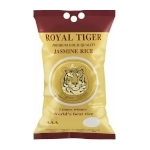
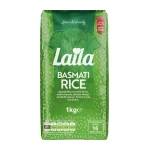
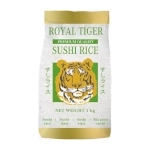
Important detail: sticky rice has very little or almost no amylose, and therefore after cooking it is elastic and cohesive. It is precisely the type suitable for Thai and Laotian curries or for grilled meat with sauce, when you want to pick up bites with a “piece” of rice. On the contrary, rice with a higher amylose content tends to be fluffier, firmer, and less sticky.
Four reference “labels” to watch on rice also for storage
When you have multiple types at home, it’s worth considering rice according to at least these four criteria (and keep them separate so they don’t get mixed during cooking):
- Grain length and shape: long-grain is often fluffier, short- and medium-grain more cohesive.
- Aroma: jasmine and basmati are typically cultivated for aroma.
- Starch behavior: more amylopectin = stickier and more elastic feel; more amylose = firmer and fluffier result.
- Grain processing: white rice behaves differently than natural, and parboiled is different too (it's not just about nutrition, but also taste, absorption, and cooking time).
Practical system at home: how to choose rice so you can also “maintain” it
Storage is helped a lot by the decision at purchase: rice shouldn’t just be taken as the cheapest item and then stored “somehow” at home. It’s much better to start from the dishes you cook and keep the right type at home accordingly:
- If you want a fragrant and tender side dish with sauce, jasmine rice makes sense.
- If you want a fluffy, longer, and elegant rice, basmati makes sense.
- If you want an elastic, sticky texture, sticky rice makes sense.
- If you want to shape, eat with chopsticks, or make sushi, short-grain sushi rice makes sense.
Quality control that shows even in the pantry
Quality isn’t defined by brand alone. With rice, it pays to look for signs that tell you whether you will get a stable result (and whether rice will be easy to work with at home):
- Grain cleanliness: the package shouldn’t have too much dust and broken grains.
- Uniformity: similar grain size and color means more predictable cooking.
- Aroma: essential for aromatic rices; if weak, the result tends to be flatter.
- Origin and designation: for some types, origin is important (e.g., certified Thai Hom Mali).
When you want to use rice as the basis of the whole meal
In many Asian cuisines, rice is the framework, not just accompaniment. Sometimes it forms the base of a bowl with toppings (Japanese donburi logic), elsewhere it carries flavor itself (for example nasi lemak, where rice gains identity from coconut milk and pandan), and in other places it also has a symbolic role (Sri Lankan milk rice / kiribath). If you cook such dishes, it makes even more sense to have rice reliably stored in the pantry and to be clear about the type.
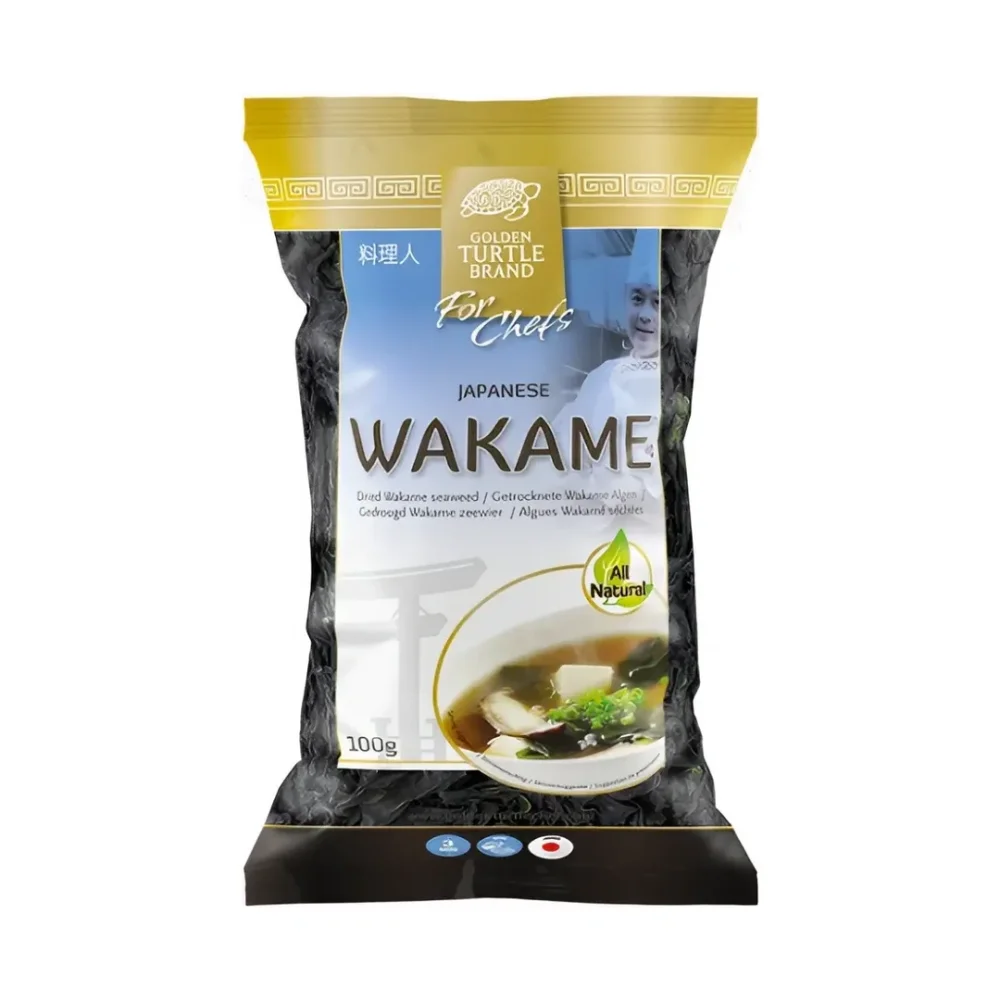
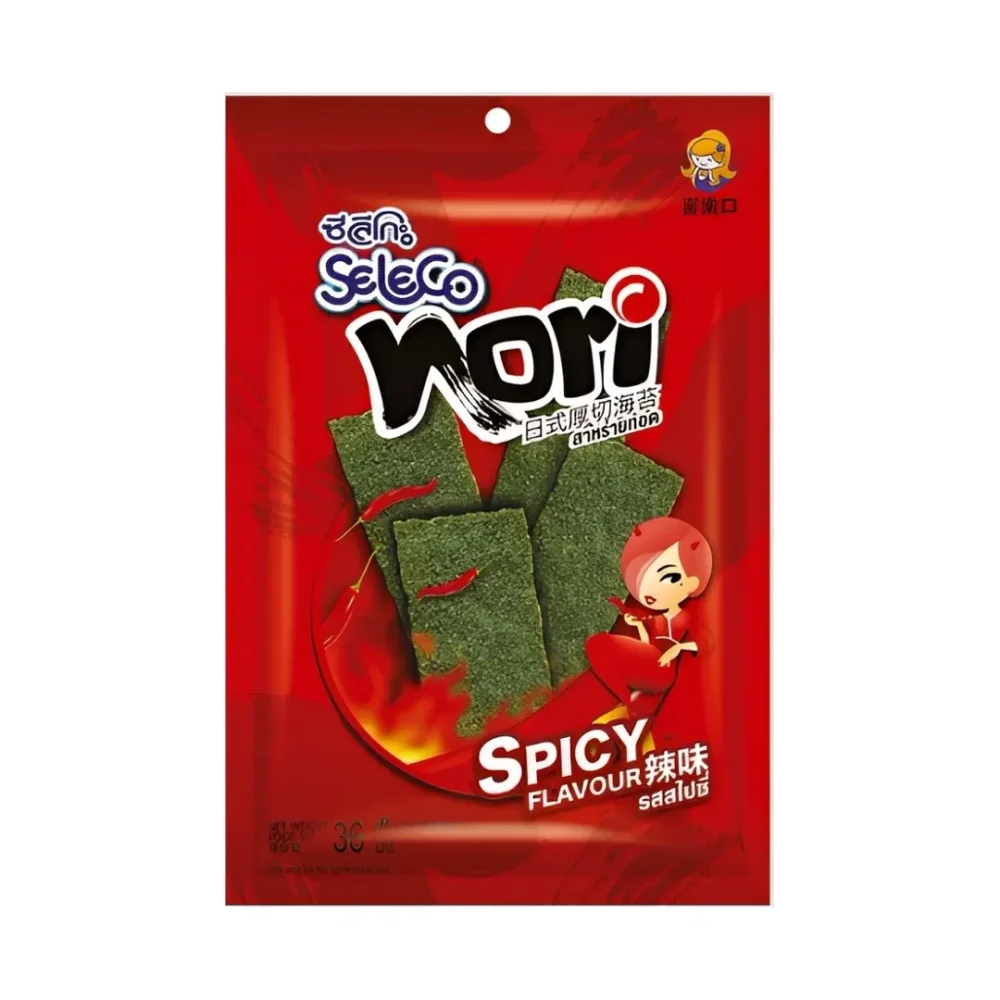
For quick rice bowls, it’s good to have small seasonings at hand that work as a final layer of flavor or texture on the rice – for example dried wakame for bowls and soups (Golden Turtle Chef Dried Wakame Seaweed 100 g) or crispy flavored seaweed as a simple topping (Seleco Spiced and Spicy Seaweed 36 g). And if you often serve rice with a strong sauce, it’s practical to also have a seasoning base for Japanese-style curry at home (e.g. S&B Medium Hot Curry Seasoning Paste 220 g).
If you cook often: why large packs are more sensitive to a bad place
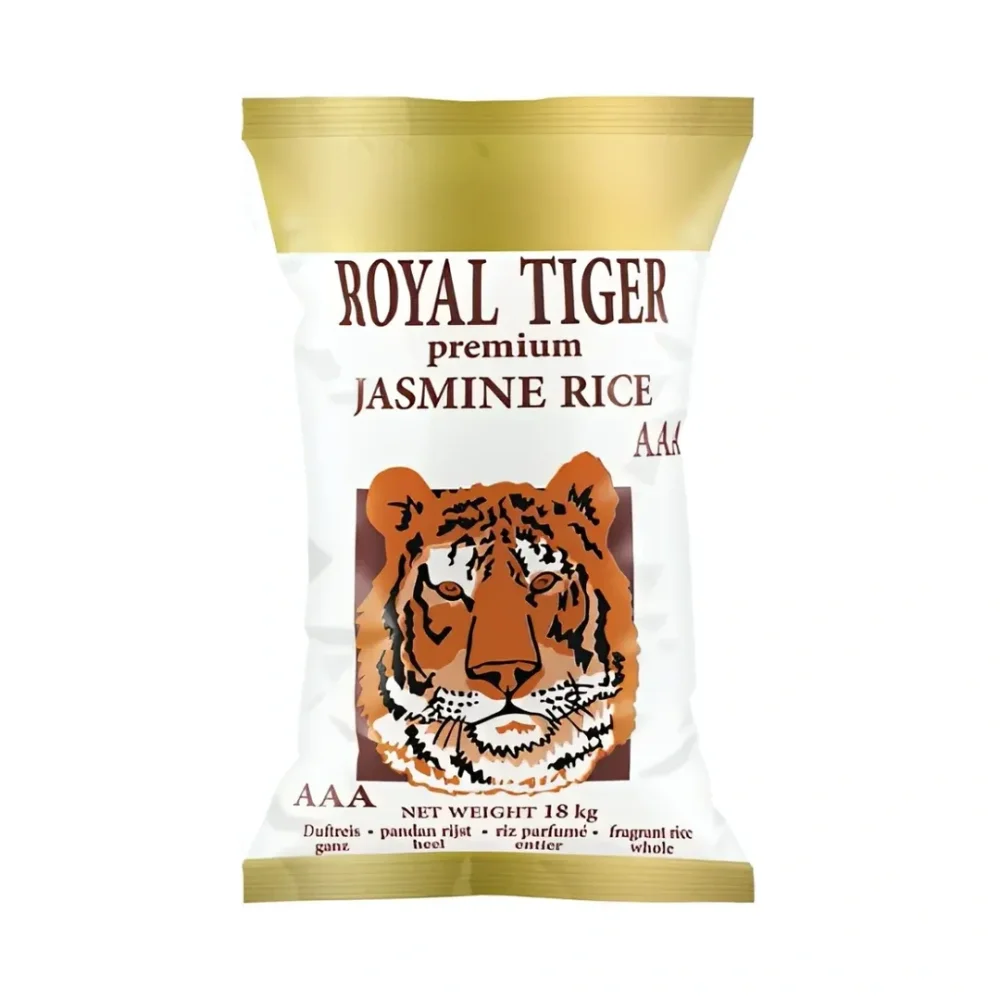
The bigger the rice stock you keep at home, the more it pays off to take care of the "zone" in the pantry: dryness, darkness, stability, and no long standing near the stove. This applies doubly to large packs of aromatic rice, since aroma is part of the value. A typical example of a large pack for frequent cooking is Royal Tiger Jasmine Rice 18 kg – such a stock deserves a really good place in the pantry, not "provisionally by the countertop."
Most common mistakes in rice storage (and how to fix them)
- Rice is stored long-term near the stove. The problem isn’t just heat, but also steam and changing conditions. Solution: move it to a more stable, drier cupboard or pantry.
- Rice is in a bright place. Light is an unnecessary stressor for pantry ingredients. Solution: darker cupboard/pantry, ideally away from sunlight.
- You treat all rice as one type and store it without distinction. Then it easily happens that you use the wrong rice for the wrong dish. Solution: keep at least three basic types separate (jasmine, basmati, sushi/sticky) and choose according to the dish.
- You expect "some rice" to produce any result. Texture is often determined by starch: more amylose = fluffier and firmer; less amylose = softer and stickier. Solution: match the rice type with the goal (fluffy side dish vs. sticky sushi rice vs. elastic sticky rice).
- You confuse sticky rice and sushi rice. They are similar but their roles in dishes are different. Solution: treat sushi rice as the basis for shaping and eating with chopsticks; sticky rice as a specifically elastic, cohesive rice for Southeast Asian use and desserts.
What to take away from the article
- Rice is not just one thing: it varies in aroma, starch, processing, and cooking behavior – so it makes sense to store it at home by distinguishing types.
- Key for storage is the pantry: dryness, darkness, stable conditions. The biggest enemies are moisture, light, and long standing near the stove.
- For the home Asian kitchen, it’s practical to keep at least three types: jasmine, basmati and sushi or sticky depending on what you cook.
- Texture is largely determined by starch: more amylose = fluffier rice, less amylose = stickier rice; sticky rice has minimal amylose and after cooking it is elastic and cohesive.
- Mistakes are often trivial: rice next to the stove, in the light, or "everything together" regardless of the type. The fix is usually simple and immediately reflects in the result.

Read next
If you want to explore this topic further, continue with these related blog guides and articles:
