


 Česky (CZK)
 Slovensky (EUR)
 Deutsch (EUR)
 Austria
 Belgium
 Bulgaria
 Croatia
 Denmark
 Estonia
 Finland
 France
 Germany
 Greece
 Hungary
 Italy
Italy Latvia
 Lithuania
 Luxembourg
 Netherlands
 Poland
 Portugal
 Romania
 Slovenia
 Spain
Spain Sweden










Why food doesn't taste like in a restaurant: the most common causes (and what to do about them at home)
You cook noodles or "something like" an Asian stir-fry, but the result is flatter, heavier, or flavor-wise indefinite – while in a restaurant it tastes clear and "lively." Often it is not one secret trick, but several repeated beginner mistakes: a poorly chosen style of cuisine, missing final seasoning, uncontrolled spiciness, and unfinished preparation of ingredients. In the article, we break it down into specific steps that can be done right at the next cooking.
Home cooking does not have to copy a restaurant to the last detail. But when you understand, exactly what makes the taste "restaurant-like" (clarity, cleanliness, contrast, and proper timing of seasoning), you will reliably approach it – without randomly pouring sauces and without unnecessary disappointment.
What "like in a restaurant" actually means (and why it is harder at home)
"Like in a restaurant" usually doesn't mean "more spicy" or "more soy sauce." It is more often a combination of these things:
- The flavor is clear – you know whether the dish is based on purity, fermentation, herbs, sweet and sour, or on braising and vinegar.
- The dish has contrast – something lifts it (acidity, freshness, chili, dip), so it doesn’t feel heavy or "muddy."
- Seasoning is layered and timed – part of the flavor develops during cooking, but part is added at the end or at the table.
- The texture fits – ingredients are not all overcooked in one sauce, aromas are not burnt, and the dish is more stir-fried than braised in its own juices.
Beginners often hit one fundamental thing: they want to start "Asian cuisine" as one package. But in practice, it makes much more sense to choose specific entry doors – a style that matches what you like and how you want to cook. Only then can you achieve the flavor at home.
First style, then country: choose your "entry door"
When at home you randomly mix different directions (a bit "Japanese", a bit "Thai", a bit "Korean"), the result often feels indefinite. Here are four practical starting points, each with a different flavor logic – and thus a different type of "restaurant" result:
Japanese entry: cleaner flavors, fewer ingredients, greater emphasis on the base
Japanese style fits if you want a clear flavor, a calmer pace, and don't want to immediately build a large pantry. A typical mistake leading to the impression "it’s better in the restaurant": at home it starts to be overdone (too much sauce, too many seasonings) and the purity is lost.
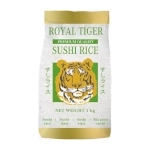
A practical detail that makes a big difference: Japanese dishes often rely on properly cooked rice and gentle, stable seasoning. If you want to go this way, starting with the right choice of rice helps – for example from the category sushi rice.
Thai and Vietnamese entry: freshness, herbs, and balancing acidity
Here, the "restaurant" effect often comes from the contrast sweet, sour, salty, and spicy and working with fresh aromatics. The result tends to be light and aromatic – but at the same time more demanding on the sense of balance and what is added only at the end (acidity, chili, dips, final seasoning).
Korean entry: pronounced flavor, fermented bases, sesame
Korean style fits if you prefer stronger and clear flavors and don't mind working boldly. A beginner learns here to distinguish the main component and accompanying seasonings and understand that "a lot of flavor" is not the same as "a lot of sauce."
Filipino entry: home-style dishes, braising, vinegar–garlic–soy
The Filipino entry is practical when you want comfortable home-style meals, clear flavor, and less pressure on complicated techniques. It teaches one very useful thing that often lacks at home: working with acidity as a building element, not just as "a bit of vinegar at the end."
Flavor is often decided at the table: dips, table sauces, and final seasoning
One of the biggest home deviations compared to a good restaurant is that at home we try to "solve everything in the pan." But in many Asian cuisines, dips and table sauces are a full part of the flavor system. A small bowl next to the food is not decoration – it can add contrast, open up flavor, lift freshness, or fix flatness.
Cooking sauce vs. table dip vs. final seasoning
- Cooking sauce builds the base (the flavor "cooks" into the food).
- Table dip is added only at service – it's concentrated and used in small amounts.
- Final seasoning is intentionally small but has a big impact (typically acidity, chili, aromatics).
If you swap these roles, two typical home mistakes arise: either the dish is "poured over" and heavy (dip ends up in the pan too much), or the dish is technically well cooked but flavor-wise flatter (because the final contrast is missing).
Why sometimes a dip is almost more important than the main dish (Thai example)
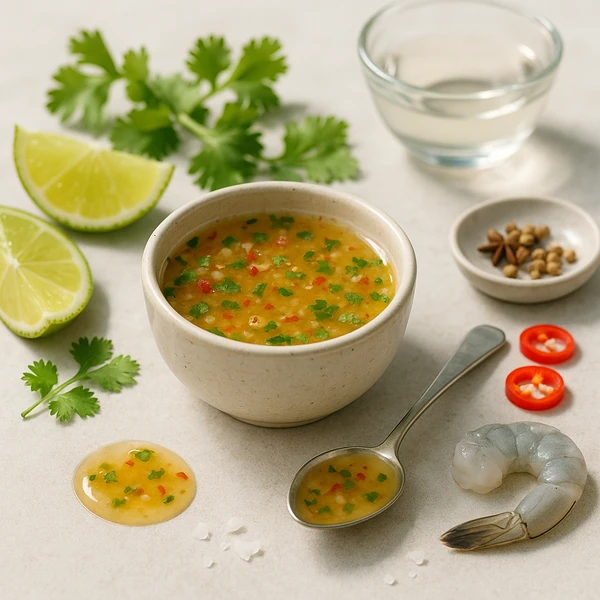
Thai logic shows it most clearly: a dip like nam chim seafood (chili, garlic, fish sauce, lime, sugar) is not just "a sauce for fish," but a separate layer that combines saltiness, acidity, spiciness, and a slight sweetness. There are sweeter versions like nam chim kai (often with chicken) and the broader world of nam prik, which is not "Thai sambal" but a separate category of dips and relishes.
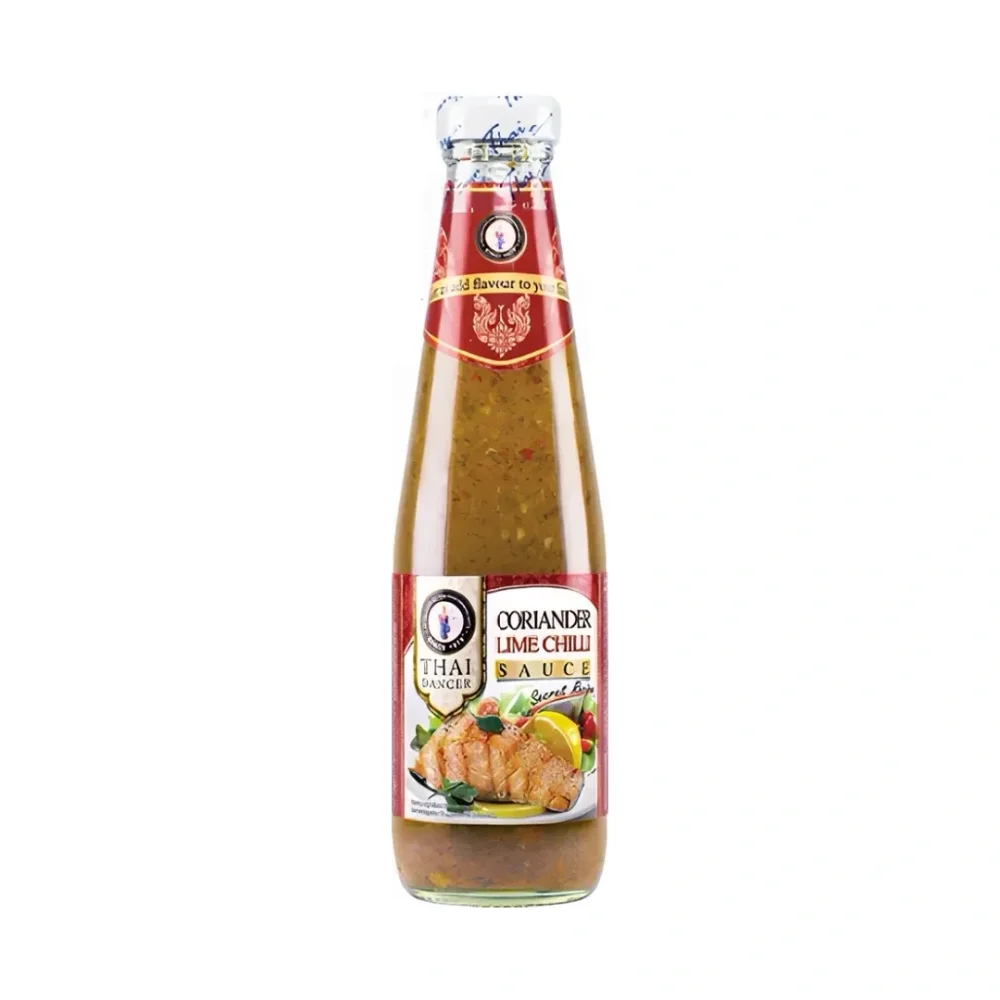
A home shortcut that makes sense for the first step: to have one prominent, concentrated table sauce on hand and use it in small amounts at service. An example of such seasoning type could be Thai Dancer lemon chili sauce with coriander – it typically works as a "live" complement to rice, noodles, meat, or vegetables when the dish lacks juice.
India: chutney, raita, and pickle as a trio of contrast
The Indian world of accompanying seasonings reminds that "table sauce" doesn't have to be just a liquid. Chutney works as contrast (can be fruity, herbal, coconut, sour, or spicy), raita as a cooling counterpoint to spicier dishes and pickle/achar as a very concentrated sour-spicy layer used in small doses. The shared lesson: contrast is often dosed much lessthan a beginner thinks – but it makes a big difference.
Acidity as "liveliness": rice vinegar and when to use black vinegar
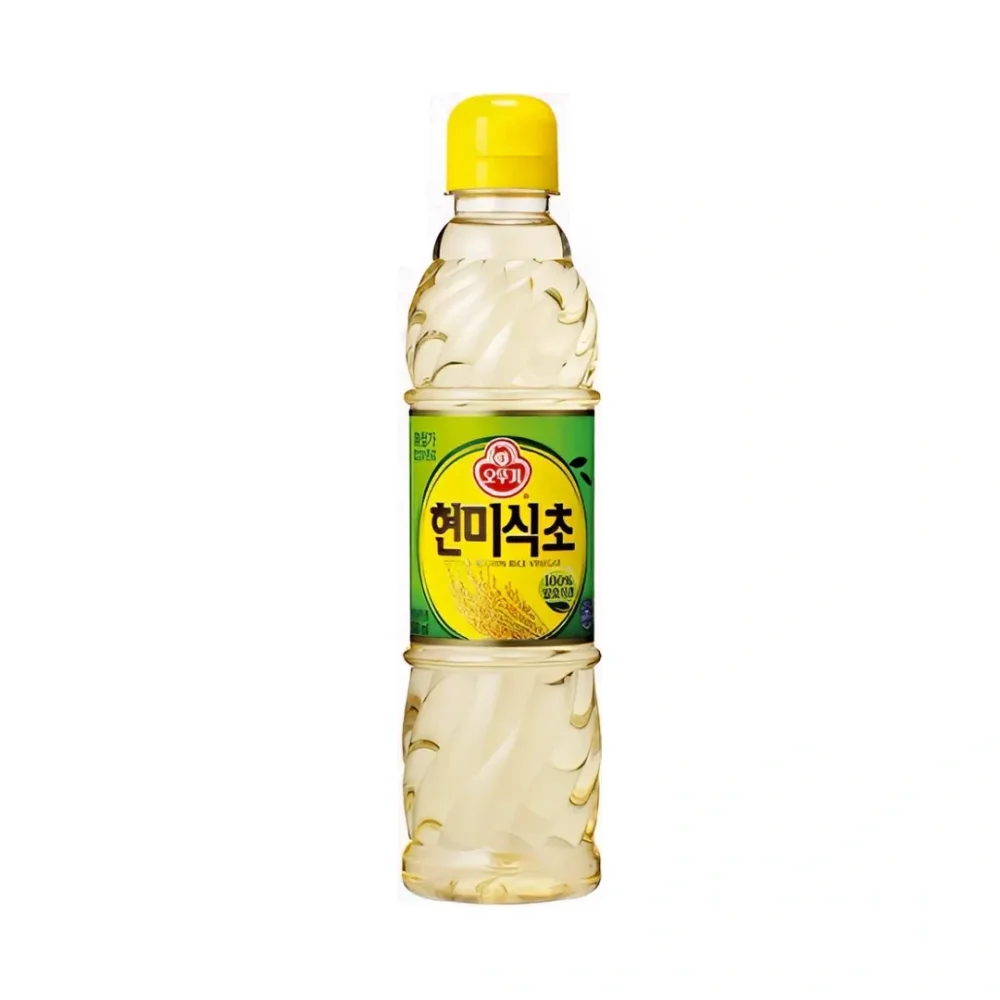
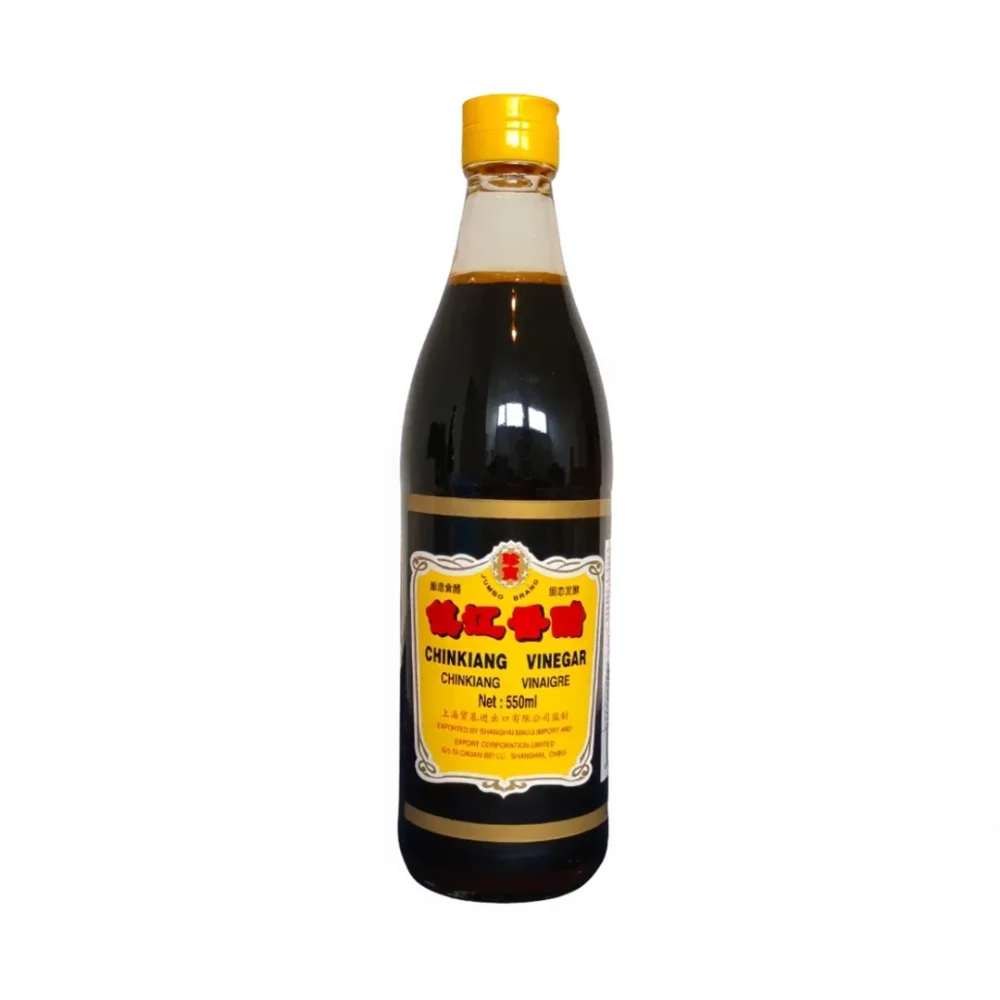
A common reason for flatness at home is the lack of delicate acidity. For first steps, rice vinegar with a balanced profile is practical, for example Ottogi brown rice vinegar (also suitable for sushi rice, dressings, and marinades without overpowering other flavors). For darker sauces and dressings, black rice vinegar Jumbo is also used, black rice vinegar Jumbo – it is typically different, and the simple replacement of "just vinegar for vinegar" can shift home flavor completely off the intended style.
Spiciness: add gradually, not as a flavor replacement
Spiciness in Asian cuisine is not a self-purposeful "attack on the tongue." In a properly constructed dish, it is just one of the layersthat can add energy, contrast, or depth – but only when controlled.
Why chili "burns" and why it’s hard to improvise with it at home
Spiciness in chili is caused by capsaicinoids (especially capsaicin), which activate the TRPV1 receptor – the body uses it also to perceive harmful heat. Practical consequence: spiciness is not a taste like salty or sweet. It can linger and spread differently from common tastes, so sometimes the dish tastes right but "burns too much," and other times it barely burns but is distinct and full.
Scoville is orientation, not culinary truth
Scoville (SHU) helps roughly know that some peppers differ from others. But in cooking, maturity, processing (fresh vs. flakes vs. paste vs. sauce), amount of fat and liquid, acidity, and sugar also matter. The same spiciness can then act aggressively or "roundly," depending on how the dish is constructed.
How to increase spiciness without ruining the dish
- Increase in small steps. It’s much easier to add spiciness than to save it later.
- Add a small amount of chili flakes or powder.
- Add a spoonful of sambal only to part of the dish or just one portion.
- Use chili oil only at the finish.
- Offer fresh chili separately at the table so everyone can adjust to taste.
- Try combining a small dose of spiciness with an enhancement of saltiness or acidity – this makes the dish feel "livelier," not just sharper.
Important note: Sometimes a dish doesn’t feel flat because it’s not spicy enough. Often it lacks salt, acidity, or freshness – and spiciness can’t replace these.
How to tone down spiciness without ruining the dish
- Add fat or creaminess.
- Add volume of neutral ingredients (rice, noodles, coconut milk, broth).
- Add light sweetness.
- Add some acidity if the dish can handle it.
- Divide the dish and dilute/adjust part separately.
Less effective methods: just add water without further adjustment, add more salt to "mask," or add a random sauce that breaks the flavor.
The result is made on the cutting board: chopping, order, and dry surface
In fast Asian techniques, decisions are often made not at the stove, but before – in preparation. If you chop only during cooking, you have no chance to get the timing right: aromatics will burn before firmer ingredients are done, and instead of stir-frying, braising happens.
Mise en place the Asian way: prepare first, then cook
For stir-fry, fried rice, quick noodles, or briefly stir-fried vegetables, a simple rule applies: everything must be prepared in advance (chopped, measured, separated by hardness and cooking time). Otherwise, rhythm and clarity of the result are lost.
Size and shape change the result more than you expect
- Big differences in size = part is soft to overcooked, part is raw.
- Cutting must fit the technique: it's cut differently for salad than for a quick stir-fry.
- Even smaller pieces help sauce coat food evenly and ensure a stable flavor in every bite.
🍜 Dryness, moisture, and surface of ingredients: why it "braises" instead of stir-frying
Beginners often make the mistake of throwing everything into the pan right after washing. But for some ingredients, it is crucial drying – especially in quick cooking, where the problem is excessive moisture (stir-fry, tofu, mushrooms, meat that should brown, or vegetables that should stay fresh). When the ingredient is wet, it releases water and instead of frying, it starts to steam – and this reduces the flavor "sharpness" of the result.
The most common mistakes that make a dish "non-restaurant quality" (and how to fix them)
- Mixing styles without intention (a bit of everything) → choose one "entry door" and stick to its logic for at least a few consecutive cooks.
- Substituting cooking sauce with table dip → use concentrated dips in small amounts and often only at serving; do not pour them over the pan.
- Attempting to save flatness just by spiciness → instead of "adding chili," first check saltiness, acidity, and freshness; add spiciness in small steps.
- Poorly fixing burnt spiciness (water, random sauce) → better add fat/creaminess, volume of a neutral ingredient, mild sweetness, or split the dish.
- Cutting only during cooking → prepare everything in advance; fast techniques don't allow "catching up."
- Throwing wet ingredients into the pan → dry them, especially ingredients that need to brown or stay crispy.
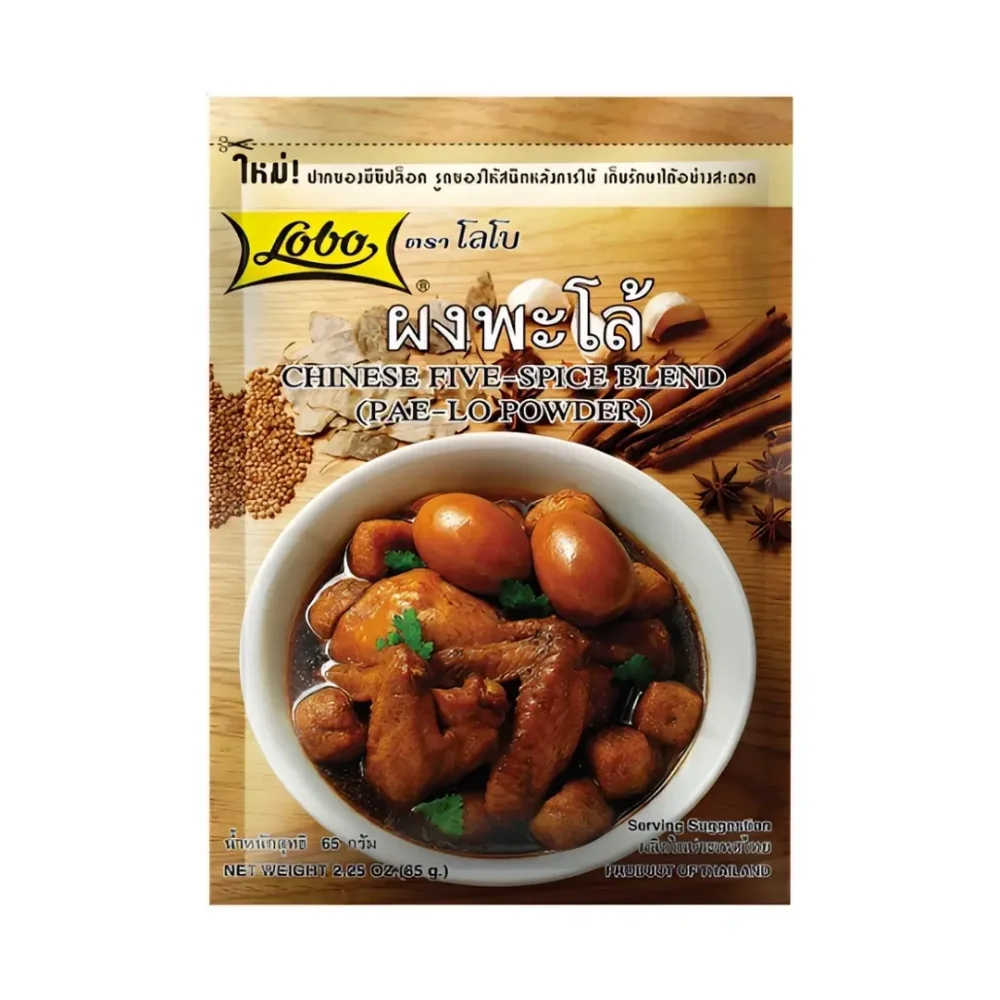
- "One universal seasoning will save it" → even a very aromatic mix like Lobo five-spice mix is just one specific profile; by itself it won’t create the right food style if technique, timing, and contrast are missing.
What to take away from the article
- "Like in a restaurant" often means readability and contrast, not necessarily more sauce or more spiciness.
- Don’t start with "Asian cuisine" generally: choose an entry style (Japanese / Thai-Vietnamese / Korean / Filipino) and cook according to it repeatedly.
- Keep in mind that part of the flavor is created at the table: dips, table sauces, and final seasoning are not an addition but a system.
- Add spiciness in steps and treat it as a layer that should not replace salt, acidity, or freshness.
- Fast techniques require good preparation: cutting in advance, correct size, and dry surface of ingredients.
- If you want to increase the "fullness" of flavor, look for concentrated and umami elements – in small doses. Sometimes people use flavor enhancers like Racha Churos glutamate for this, where moderation really matters.
Much of the "restaurant" effect at home does not come from one magical ingredient but from starting to do a few things consistently: choosing a style, preparing ingredients in advance, and leaving space for final seasoning.

Read next
If you want to explore this topic further, continue with these related blog guides and articles:
