


 Česky (CZK)
 Slovensky (EUR)
 Deutsch (EUR)
 Austria
 Belgium
 Bulgaria
 Croatia
 Denmark
 Estonia
 Finland
 France
 Germany
 Greece
 Hungary
 Italy
Italy Latvia
 Lithuania
 Luxembourg
 Netherlands
 Poland
 Portugal
 Romania
 Slovenia
 Spain
Spain Sweden










Most common beginner mistakes in Asian cooking (and how to fix them quickly)
Starting with “Asian cuisine” sounds tempting, but beginners often run into the same obstacles: they choose too many directions at once, buy ingredients without a plan, and then are disappointed by the result and the cooking pace. In this article you’ll find the most common mistakes, why they happen and, most importantly, concrete ways to fix them – from choosing your first cuisine to working with a wok and controlling heat so it’s managed, not a “tongue attack.”
🍳 1) Why mistakes in Asian cooking repeat: rhythm and prep decide before the sauce does
For many Asian dishes the result isn’t decided at the stove, but earlier on the cutting board. How you chop, what you have prepared in advance, how dry the ingredients are and in what order they go into the pan – these things often make a bigger difference than “which sauce I chose.”
This is typical especially for quick techniques, where there’s no time to look up ingredients while cooking: stir-fry in a wok, quick noodle dishes, fried rice, briefly sautéed vegetables, or bowls and cold dishes with multiple components. If you underestimate prep, it’s easy for aromatics to burn before the rest is done, for some parts to stay raw and others to overcook – and the sauce won’t save it.
2) What “starting well” actually means: choose an entry door, not a random recipe
You’ll make the biggest progress if you don’t imagine a “good start” as a single perfect recipe but as a functional system of first steps:
- Choose one main cuisine (and at most one or two supplementary ones).
- Build a small pantry foundation and a few dishes repeat, until they start to come out consistently.
- Only then expand the pantry – not the other way around.
Also, choosing your first cuisine shouldn’t be based on what “sounds exotic,” but on what flavors you already like, how much time you want to devote to cooking, how complex a pantry you want to build, whether you enjoy fresh aromatics and whether you’re more drawn to wok, broth, curry, grill or quick “bowl” dishes.
3) Biggest differences at the start: style first, country later
Beginners will benefit from clarifying the style (pace, technique, number of ingredients, work with aromatics) and only then choosing a specific cuisine. Individual cuisines differ in flavor, technique, cooking rhythm and ingredient demands – so it’s good to choose an entry that suits you.
I want cleaner, clearer flavors
For such a start a simpler approach with fewer ingredients per dish and more emphasis on quality of the base is suitable. In practice that means learning to not over-season where the result should be purity and clarity. A typical entry door is the Japanese style: calmer pace, less chaos in the pan and a big school of working with rice and delicate seasoning (including understanding the role of dashi).
I want quick pan dishes
If you’re attracted to quick “pan” dishes, you’ll hit the most common mistake right away: quick ≠ simple. Stir-fry is a fast technique but requires discipline: high heat, small amounts in the pan, correct order of ingredients, speed and good ingredients prepared beforehand. When mise en place is missing, speed turns into chaos.
I want bold, sweet-salty and spicier flavors
With bolder flavors the biggest risk is overdoing it (literally and figuratively): a beginner often chases interest with heat or sugar. In these styles it’s crucial to understand that spiciness is just one layer and must be controlled, otherwise it will overpower everything else.
I want freshness, herbs and balanced acidity
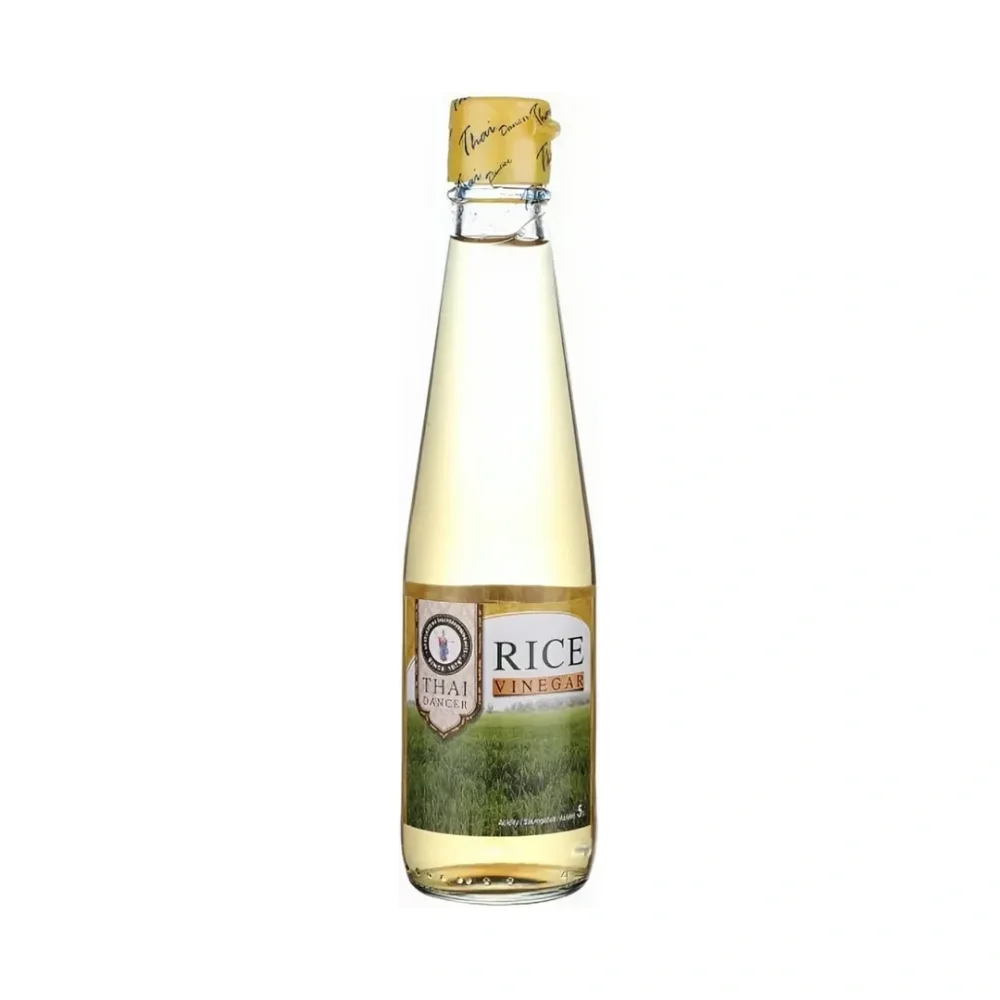
In fresh styles (where acidity and aromatics play a role) a common mistake is adding “something acidic” late, without tasting and without control. A practical safety brake is to use a gentle, clean acidity, which won’t drown the dish. For home seasoning rice vinegar is useful – for example Thai Dancer rice vinegar, which is typically used for sushi rice, dressings, marinades or quick pickling of vegetables.
I want spices, braising and heartier dishes
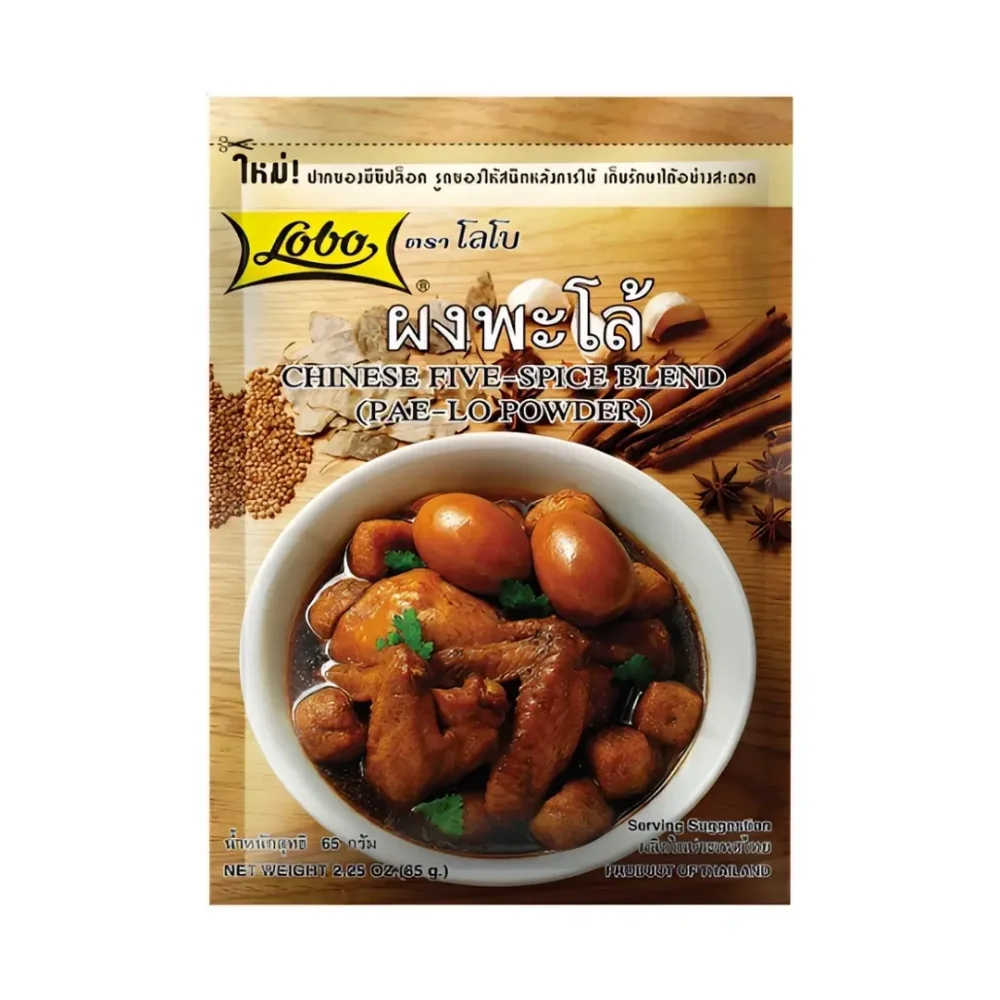
With heartier dishes the common opposite mistake is that a beginner lets spices “speak too much” and the dish becomes confused. Spice blends are already an aromatic profile and often a small amount is enough. If you want a stronger spiced character, a good example of an intense blend is Lobo five-spice blend – with such blends it’s useful to start cautiously and add gradually to taste.
4) Practical onboarding: how to set up your first weeks so mistakes don’t repeat
Step 1: Choose one main cuisine and stick to it
It’s not about “restricting yourself,” but about quickly gaining confidence. Choose one cuisine as your main and at most one or two supplementary ones. Then pick several dishes you’ll repeat (typically quick pan dishes, fried rice, noodles or a simple broth base – depending on what you enjoy). Repetition is the fastest way to learn rhythm and timing.
Step 2: Don’t overload your pantry – build it by cuisine
One of the costliest mistakes (in time and money) is buying “everything at once.” Better to build a small foundation and expand it when you know what you actually use. Ready-made flavor bases can help, but treat them as a tool, not a replacement for skill.
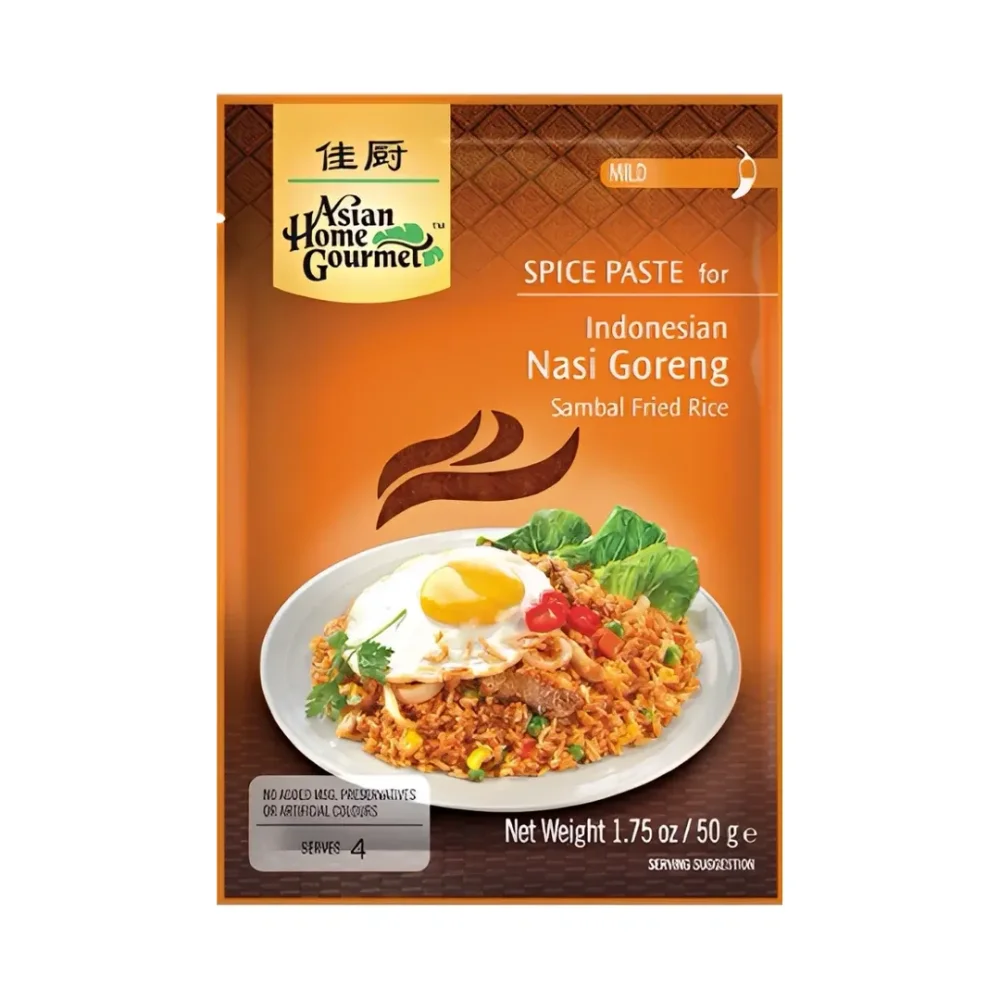
If you enjoy quick fried rice and want to simplify the start without buying ten individual ingredients at once, a typical example of a “base for one specific dish” is AHG Nasi Goreng rice paste: briefly sauté it in oil and mix with cooked rice. For beginners it mainly helps them practice timing and working with the pan without being overwhelmed by the ingredient list.
For orientation in basics (pastes, blends, seasonings) a guide can serve as Pastes and blends – useful more as a map than as a checklist of “buy everything.”
🍜 Step 3: Prepare ingredients in advance (mise en place, Asian style)
For quick techniques a simple rule applies: what isn’t prepared might as well not exist. Practically this means:
- slice everything before you turn on the stove,
- keep similarly firm ingredients together (so they go into the pan at the right time),
- ensure even sizes (evenness is more important than “fancy” shapes),
- don’t put wet ingredients into the pan (the pan will steam and instead of searing you’ll braise),
- have the sauce/starch ready beforehand, not “I’ll mix it later.”
Step 4: Add spiciness as a layer, not as a flavor rescue
The most common mistake is “I’ll add heat and the dish will be more interesting.” Sometimes the dish actually needs salt, acidity or texture – and heat just covers it. If you use heat, it helps to know that it isn’t just one thing:
- short, sharp heat (arrives quickly and fades quickly),
- warming, slower heat (often from dried/ground chiles or dishes where the chili is cooked down),
- deeper “oil-based” heat (from chili oils and pastes carried in fat),
- numbing/tingling (not a capsaicin heat – typically from Sichuan pepper; it’s good not to confuse “hot” and “numbing”).
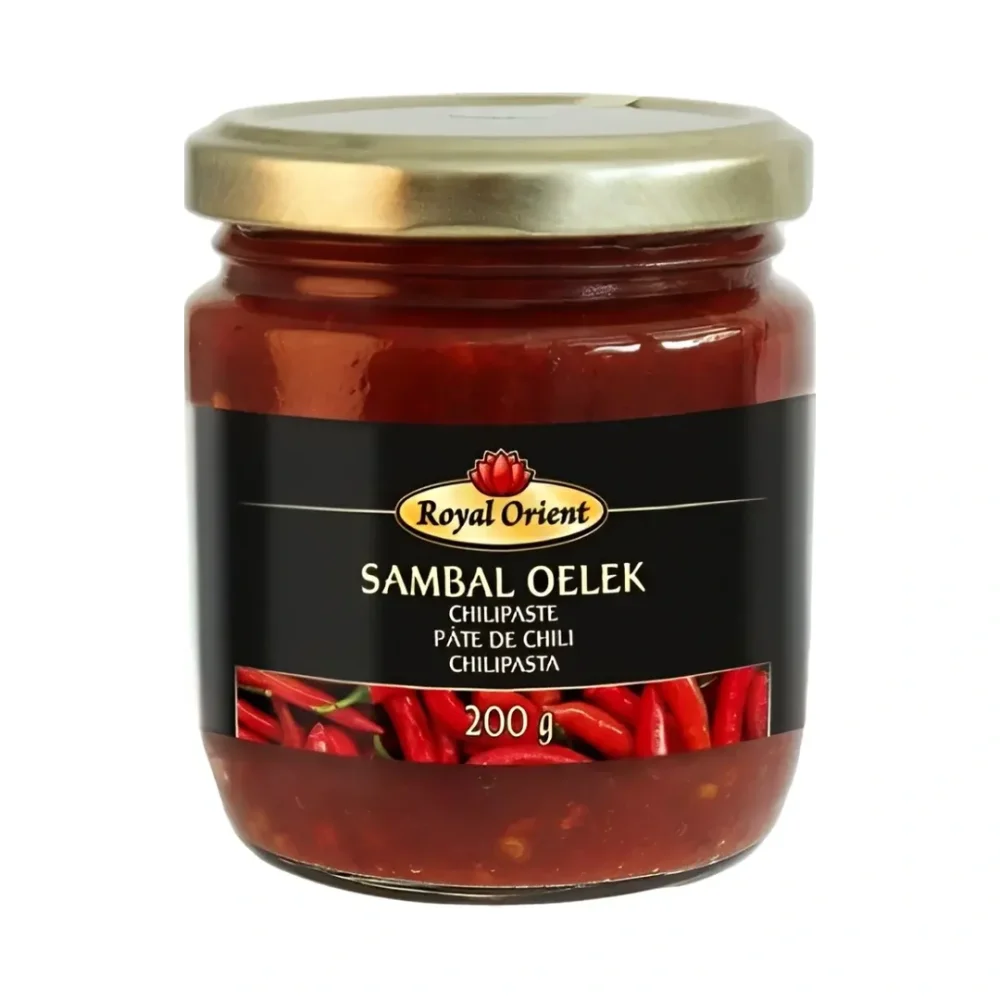
If you want to add pure heat without other flavors, a simple chili base like Sambal Oelek (crushed chiles with salt) is suitable. Add it in small amounts and taste as you go – heat in a finished dish often “spreads” more than you expect.
5) Most common beginner mistakes (and what to do about them specifically)
Mistake: Starting with five cuisines at once
Problem: each cuisine has a different rhythm, different bases and different habits. When you jump between styles you don’t have a chance to build confidence.
Fix: choose one main cuisine and at most one or two supplementary ones. Return to a few dishes and repeat them until you can make them without stress.
Mistake: Buying too broad a pantry without a plan
Problem: ingredients pile up but you don’t know what to do with them. You also tend to “add something” to use them up – and the dishes fall apart flavor-wise.
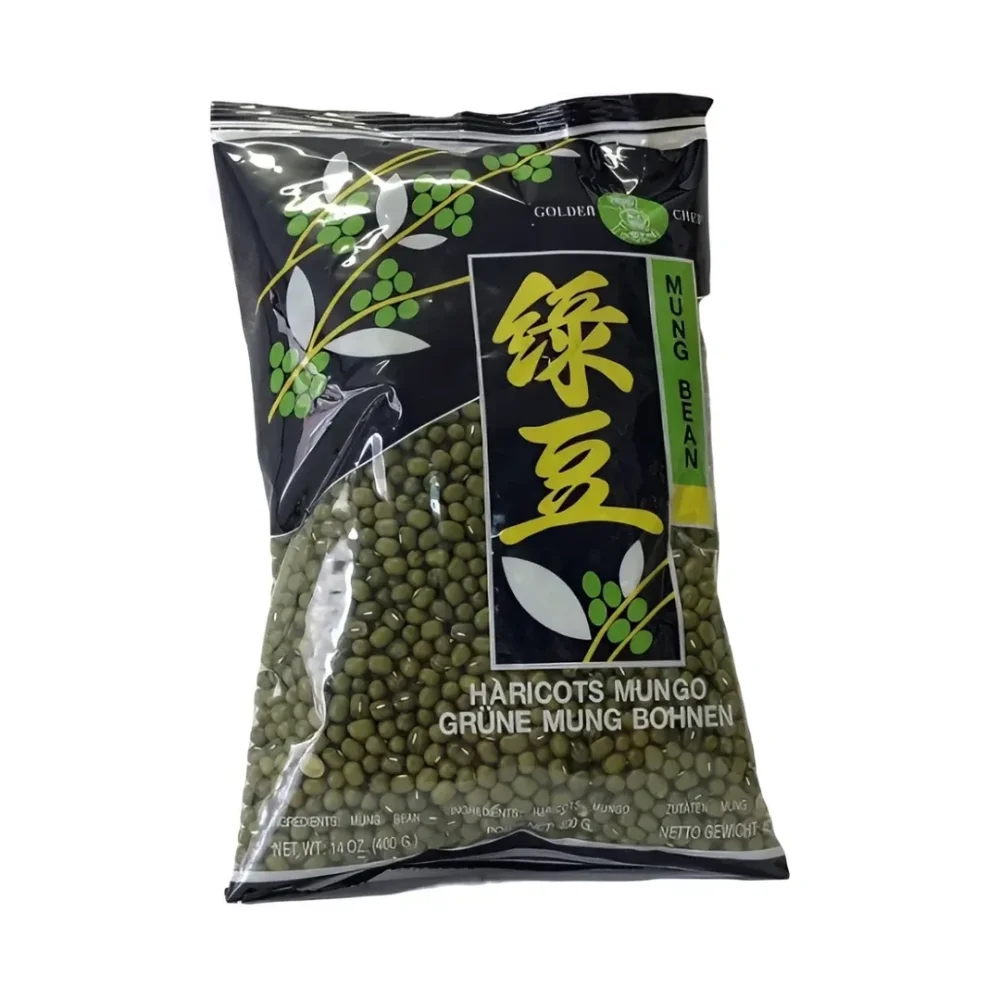
Fix: build your pantry by cuisine and by specific dishes. Add a new base only when you know you’ll cook more than one dish with it. An example of a more universal ingredient that can be used in many types of dishes is legumes – for example mung beans, which are good in soups, curries, salads and noodles and absorb spices well.
Mistake: Choosing a recipe based on the photo, not technical difficulty
Problem: some dishes look simple but rely on detail (timing, cutting, temperature, working with aromatics). A beginner then blames “bad ingredients” when it was a technique issue.
Fix: for quick dishes choose ones where you understand the sequence of steps and have them realistically prepared beforehand. If you want something “quick,” ask: Is it quick only at the stove, or also simple in preparation?
Mistake: Underestimating cutting and prep
Problem: large differences in piece size, cutting during cooking, wet ingredients in the pan, not separating hard and soft components. Result: some parts are raw, some overcooked, aromatics burned and the sauce doesn’t coat the dish evenly.
Fix: cut to suit the technique (different cut for wok, different for salad), monitor evenness and dry the surface of ingredients that should be seared.
Mistake: Not respecting that different cuisines have different rhythms
Problem: you transfer expectations from one technique to another. For example, with stir-fry you expect you have “time to keep stirring,” but in reality the first few minutes decide everything.
Fix: for each dish clarify beforehand whether it’s a fast high-heat technique, slow braise, steaming, deep-frying or a short simmer in broth – and adapt prep and cutting accordingly.
Mistake: Confusing “quick” with “simple” (especially with a wok)
Problem: there are too many ingredients in the wok/pan at once, the pan isn’t hot enough, the order of ingredients is confused and instead of searing everything stews.
Fix: cook in smaller batches, work with high heat, respect the order (first aromatics, then harder ingredients, then soft) and don’t add the sauce too early or in unnecessarily large amounts.
Mistake: Expecting all Asian dishes to be interchangeable
Problem: a beginner thinks “it’s Asian, that fits” – and starts mixing ingredients and procedures from different cuisines regardless of what the technique and rhythm require. The result often feels unanchored: neither “Japanese,” nor “Thai,” nor “Chinese.”
Fix: stick to one style per dish. If you want to experiment, change only one thing (e.g. one aromatic or one seasoning component) and keep the rest stable.
Error: Poor handling of spiciness (and trying to fix it with water)
Problem: “curry paste = a means to increase spiciness” (no; it’s a flavor base), “I’ll fix the heat with water” (usually not), “all chillies taste the same” (no) and “if it’s already spicy, I’ll add sugar and that’s it” (sugar can help, but a broader rebalance is often needed).
Fix: dose spiciness gradually and treat it as one layer. If a dish is “bland,” first check salt, acidity and texture. If a dish is “over-spiced,” water is usually not the best route – it often helps more to adjust the overall volume of the dish or work with other ingredients that mellow the heat (depending on the specific dish).
Error: Overdoing intense flavorings
Problem: some ingredients are very flavor-concentrated and a beginner uses them “like a sauce.” That then overwhelms the whole dish.
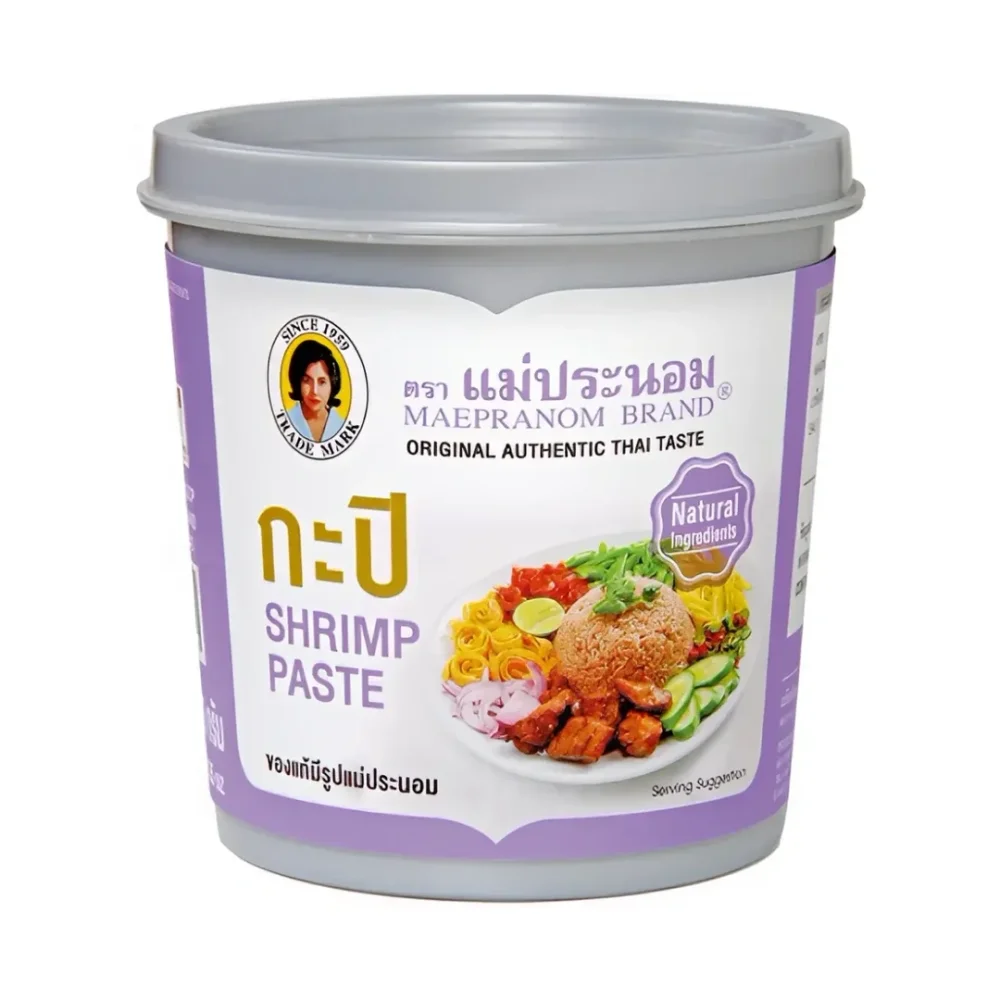
Fix: with intense umami seasonings, start very cautiously and add in small increments. A typical example is shrimp paste: it is salty-umami and strongly aromatic, so in a dish it should act as an accent, not the main flavor.
6) What to take away from the article
- The fastest route to good results is to choose one entry door (a cuisine/style) and repeat a few dishes, instead of jumping between five directions.
- In Asian cooking, often decisive is preparation in advance: knife work, dry surface of ingredients, order of steps and timing.
- Quick techniques (stir-fry, fried rice, quick noodles) are not automatically simple – they require discipline, heat and small portions.
- Spiciness is not just “more/less”: it has different types and in a dish functions as a layer that needs to be dosed and balanced.
- Build your pantry by cuisines and by dishes, not by randomly buying “everything Asian.”

Read next
If you want to explore this topic further, continue with these related blog guides and articles:
