


 Česky (CZK)
 Slovensky (EUR)
 Deutsch (EUR)
 Austria
 Belgium
 Bulgaria
 Croatia
 Denmark
 Estonia
 Finland
 France
 Germany
 Greece
 Hungary
 Italy
Italy Latvia
 Lithuania
 Luxembourg
 Netherlands
 Poland
 Portugal
 Romania
 Slovenia
 Spain
Spain Sweden










Jasmine, basmati and sushi rice: how they differ and when to use each
“Rice is rice” only holds until you want a really good curry, fluffy biryani or cohesive sushi. Jasmine, basmati and sushi rice differ in aroma, starch structure and how they behave when cooked — and that determines the final texture and how well the rice carries sauce, holds its shape or can be picked up with chopsticks.
Why the type of rice matters more than it seems
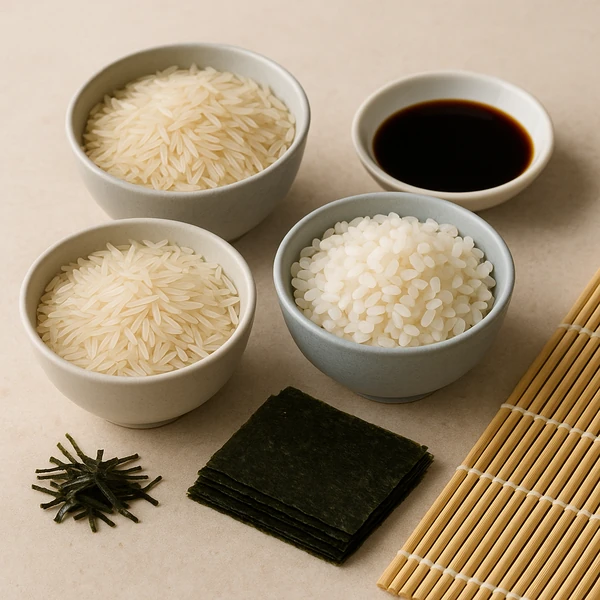
Rice is one of the world’s most important foods and in many Asian cuisines it’s not just “something on the side” but a full-fledged part of the dish’s flavor and texture. Sometimes it’s a neutral center of the plate, other times it frames the whole bowl: in sushi, rice bowls like donburi or fried rice. So it makes sense to choose rice based on what you expect from it: delicate softness and aroma, maximally separated grains, or cohesion that holds shape.
If you want to get an overview of the general rice types, a practical guide is the category Rice and rice products.
👃 How to orient yourself with rice: grain, aroma and starch (amylose vs. amylopectin)
With jasmine, basmati and sushi rice it’s not just about “grain length.” The differences you taste most often arise from a combination of three things:
- Grain shape and length (long-grain vs. short-/medium-grain) – influences how much the rice clings together and how it feels in the mouth.
- Aroma – both jasmine and basmati are aromatic rices, but they behave differently.
- Starch composition – mainly the ratio of amylose to amylopectin. It holds that rice with a higher amylose content tends to be looser, firmer and less sticky, whereas rice with a lower amylose content tends to be softer and stickier.
One more important clarification for orientation: the so-called glutinous rice usually has very little or almost no amylose, and after cooking it is elastic and very cohesive. But sushi rice is not automatically the same as glutinous rice. Sushi rice is stickier than basmati or jasmine, but behaves differently — the aim is cohesion without gumminess.
Jasmine rice: fragrant, tender and “sauce-friendly”
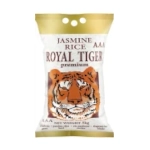
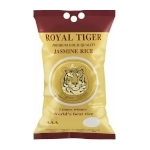
Jasmine rice is one of the best-known aromatic long-grain rices of Southeast Asia. It’s most often associated with Thailand, but there are other aromatic varieties (for example Vietnamese). Typical are its delicate floral aroma, tender texture and its ability to carry sauce well. After cooking it is usually soft and slightly cohesive, but with proper preparation it does not seem overcooked.
When jasmine rice makes the most sense (typical situations):
- Thai and Laotian curries,
- stir-fry dishes,
- grilled meat with sauce,
- bowls with braised meat or tofu,
- quick everyday meals where rice should be a fragrant and pleasantly soft base.
If you want to choose purely within this type, the practical category is Jasmine rice.
Basmati: long separated grains for a fluffy result
Basmati is an aromatic long-grain rice mainly associated with India and Pakistan. It is known for very long grains (they elongate when cooked) and a relatively dry, fluffy texture. Compared to jasmine rice it is usually less cohesive and feels "drier" and airier — which is exactly what you want for some dishes.
When basmati typically works best:
- Indian dishes with sauce where you want clearly separated grains,
- pilafs and biryani,
- roasted and grilled meats,
- dishes where the fluffiest possible result is desirable,
- situations when you don’t want the rice to stick or form a compact mass.
In practice basmati is ideal when you’re looking for an “elegant side” with clearly separate grains. Compared to jasmine it’s usually less suitable where rice is meant to readily absorb sauce and be more tender.
Sushi rice and other short-/medium-grain types: cohesion for shape and chopsticks
Short- and medium-grain rices have greater cohesion after cooking than long-grain types. That’s why they are used for sushi and other dishes where rice must hold shape and be picked up with chopsticks. They are suitable for example for:
- sushi,
- onigiri (rice triangles/balls),
- some Japanese and Korean rice bowls,
- dishes where you need to shape rice or pick it up without it falling apart.
For sushi it’s not only about the grain type but also about proper seasoning and cooling. The rice itself must be cooked so it is cohesive but not gummy.
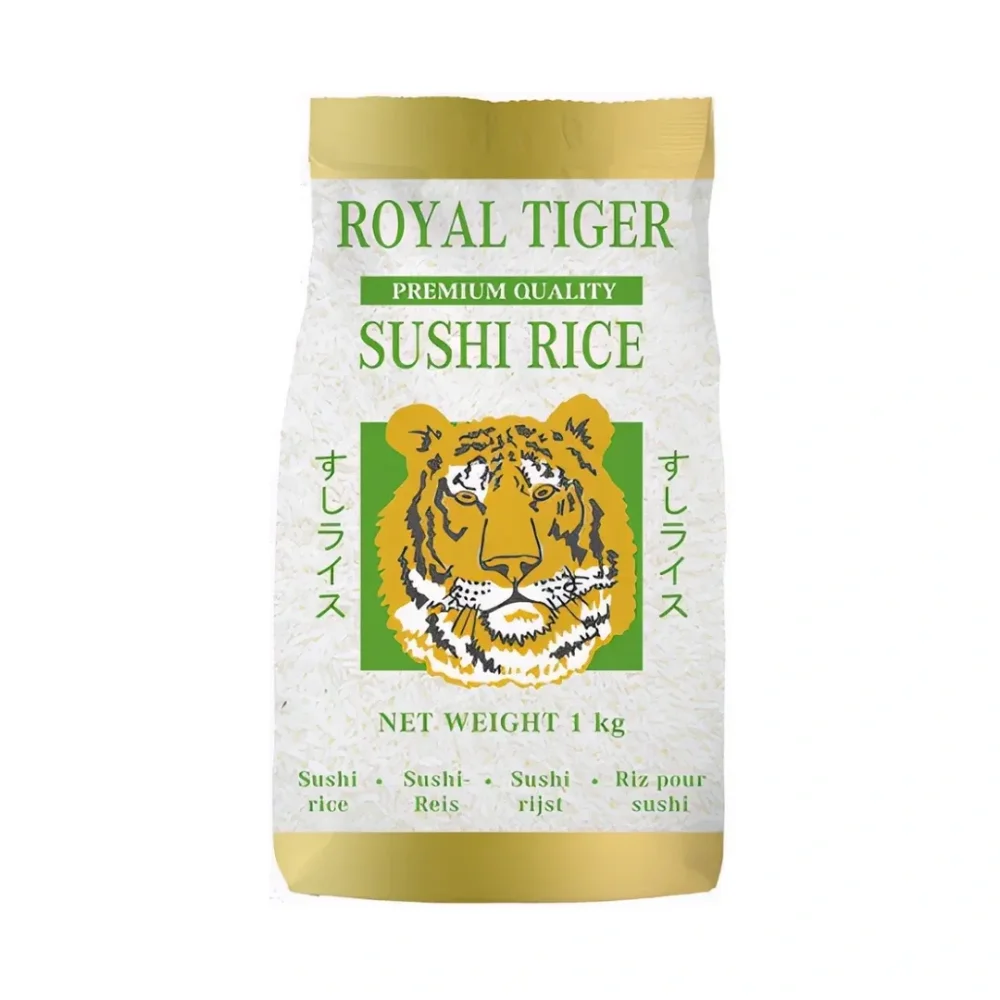
If you’re choosing specifically for sushi and similar dishes, the most direct guide is the category Sushi rice. As a concrete example of rice built for shaping (sushi, onigiri and rice bowls), you can use Royal Tiger sushi rice 1 kg.
How to choose and cook the right type at home (without unnecessary trial and error)
1) Quick choice based on what you want the rice to “do”
- I want fragrant, soft rice that carries sauce well → jasmine.
- I want the fluffiest result and separated grains → basmati.
- I want to shape / pick up with chopsticks / make sushi and onigiri → sushi rice (short- to medium-grain).
2) Common basics that help with all three
- Rinsing: for all types it makes sense to rinse the rice before cooking. For sushi rice careful rinsing is especially important.
- Absorptive cooking: for jasmine rice the absorptive method (a measured amount of water is absorbed during cooking) is often used. The goal is tender, soft but still shape-readable grains.
- Let the rice rest after cooking: jasmine rice typically benefits from a short rest under the lid.
- Don’t stir unnecessarily: for basmati be careful with stirring if you want to keep the fluffiest result.
3) What to watch additionally for each type
Jasmine: the goal is softness and tenderness without the impression of being overcooked. After resting you can gently fluff it so it remains pleasant and doesn’t become heavy.
Basmati: tolerates rinsing and short soaking well. If you want distinctly separated grains, watch the water amount and avoid “breaking” the rice with excessive stirring during cooking.
Sushi rice: bear in mind that “cook and done” is not enough. You need the right grain type, careful rinsing, precise work with water and subsequent seasoning and cooling. And one more important line from Japanese cuisine: sushi is not defined by raw fish – it is primarily seasoned rice with vinegar, to which other ingredients are added according to style.
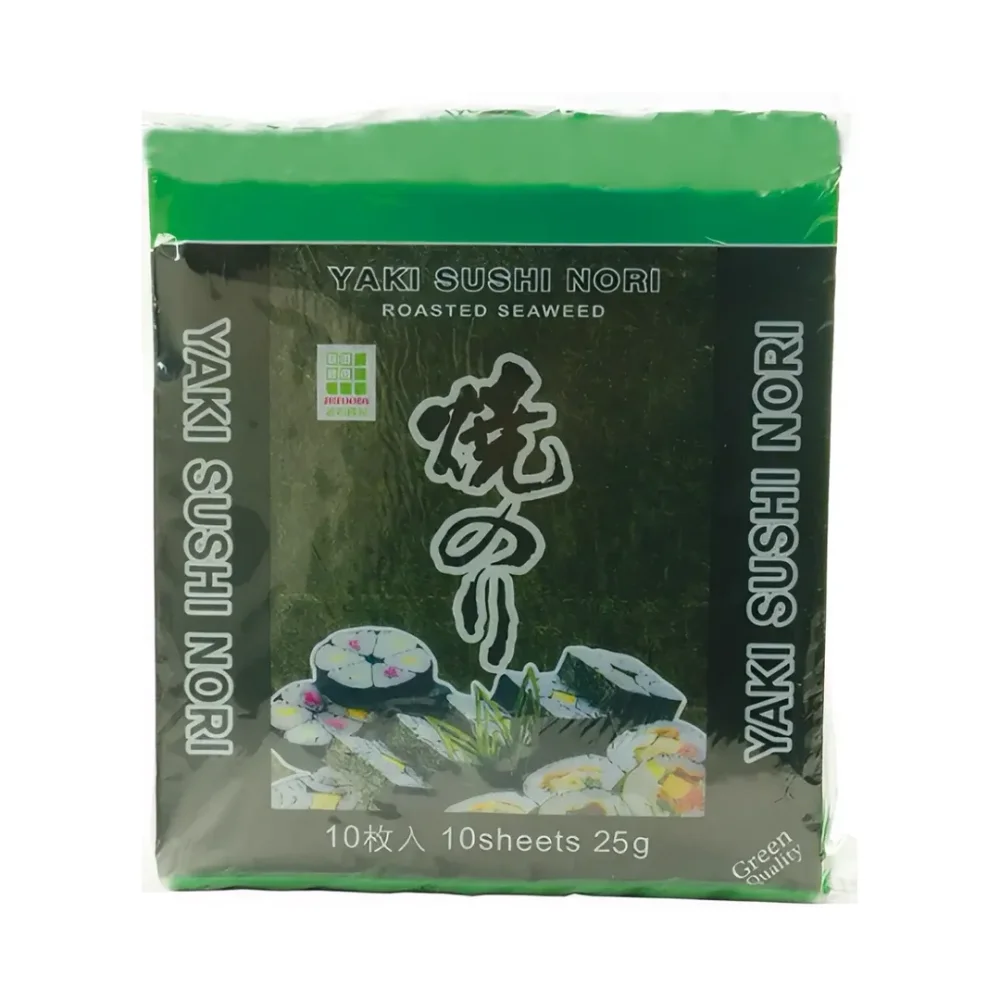
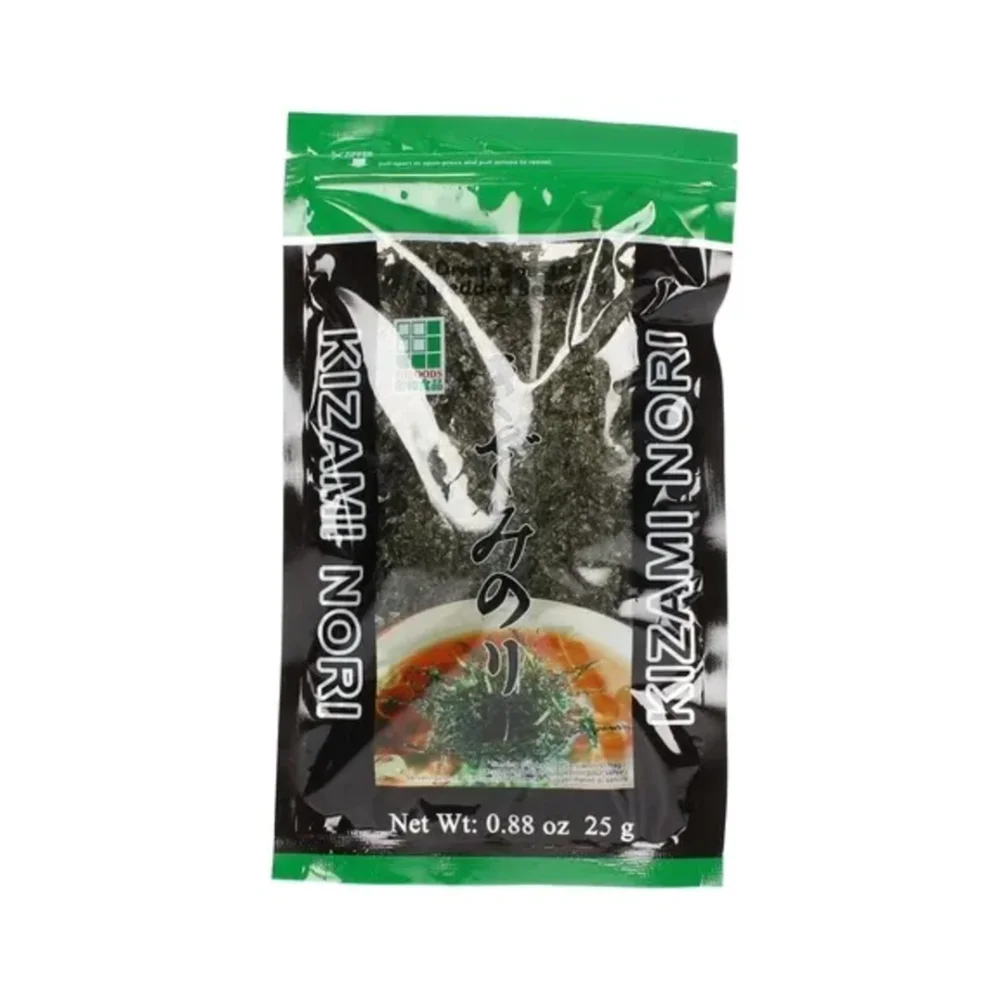
Seaweed “umami” notes are often added to sushi and rice bowls. For rolls, nori sheets are typical, for example JH foods Yaki Nori seaweed for sushi 25 g. For quick seasoning of rice (for example for a sushi bowl) finely sliced nori is also useful, for example JH foods Kizami Nori seaweed 25 g.
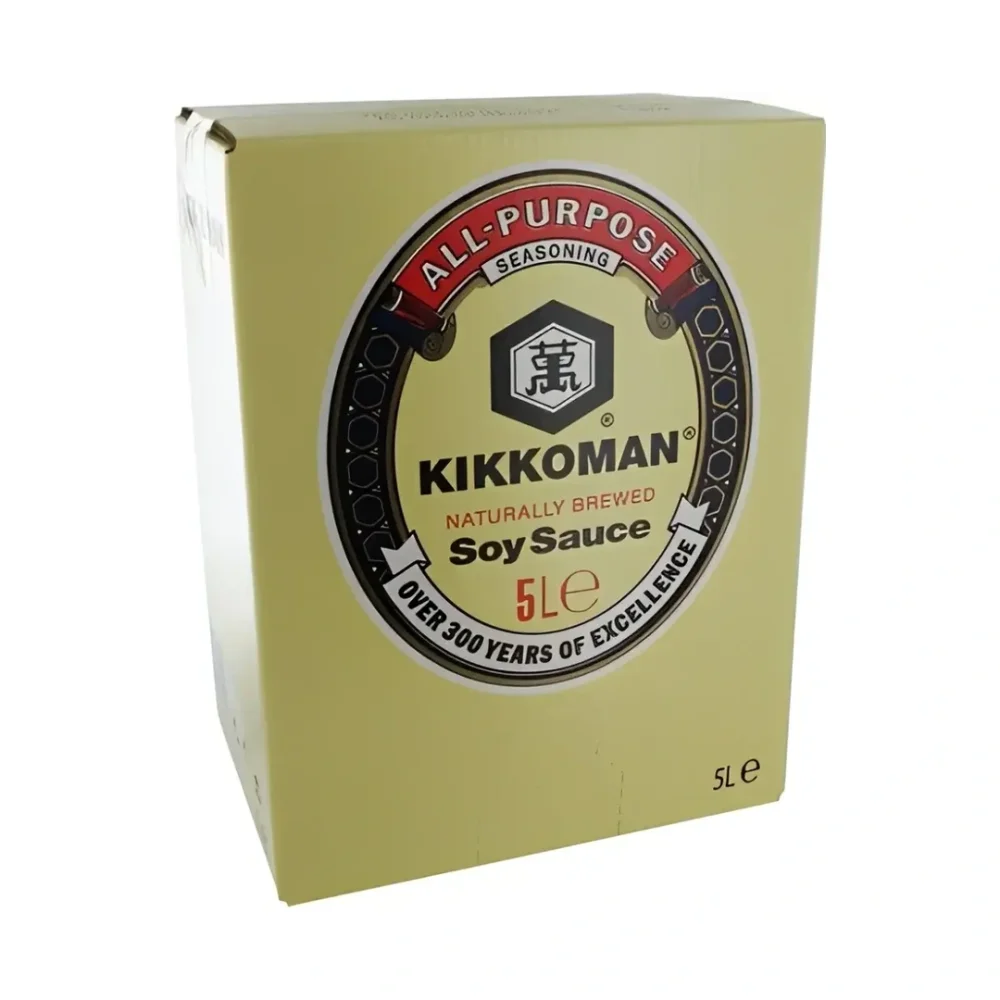
And if you’re wondering what to serve with rice or sushi: fermented seasonings play a large role in Japanese cooking, especially soy sauce and miso. To get oriented in types of soy sauce the category can be useful Japanese soy sauces (they typically add saltiness and umami and can enhance the flavor of ingredients). As a concrete example of a classic seasoning for Japanese dishes you can use Kikkoman soy sauce.
Most common misconceptions and mistakes (and how to quickly explain them)
- “Sushi rice = glutinous rice”: no. Short-/medium-grain rice for sushi is more cohesive than long-grain, but it is not automatically the same as glutinous rice (which has very little or almost no amylose and behaves differently).
- “Any rice will do for sushi if I cook it”: it won’t. For sushi the right grain type, rinsing, water management and especially subsequent seasoning and cooling are key so the rice is cohesive but not gummy.
- “Sushi means raw fish”: no. The base of sushi is seasoned rice with vinegar; fish can be part of it but is not the definition of sushi.
- Over-stirring basmati: basmati is often cooked to remain as fluffy as possible. Excessive stirring usually leads to broken grains and a less elegant result.
- Wrong texture choice for the sauce: jasmine rice tends to be more tender and carries sauce better; basmati is drier and more separated. If the sauce is the “main” thing for you, it’s a pity to choose rice that won’t take it well.
- Underestimating the role of rice in a dish: in many Asian styles rice is the very framework of the meal (bowls with toppings, mixed rice dishes, coconut rice, fried rice). When you hit the right type of rice, the whole impression often improves even without more complicated cooking.
What to take away from the article
- Jasmine rice is aromatic, tender and works great with sauces (curry, stir-fry, saucy dishes).
- Basmati is an aromatic long-grain rice aimed at the loosest, most separate grains (pilaf, biryani, a "drier" side-dish effect).
- Sushi rice (short- to medium-grain) is about stickiness and shape — and for sushi the proper seasoning and cooling matter too, not just cooking.
- Texture is strongly influenced by starch: more amylose = drier/looser, less amylose = stickier. Glutinous (sticky) rice is a distinct category and is not the same as sushi rice.
- The fastest route to a better result is to choose rice based on what it needs to do in the dish: carry sauce, be loose, or hold its shape.

Read next
If you want to explore this topic further, continue with these related blog guides and articles:
