


 Česky (CZK)
 Slovensky (EUR)
 Deutsch (EUR)
 Austria
 Belgium
 Bulgaria
 Croatia
 Denmark
 Estonia
 Finland
 France
 Germany
 Greece
 Hungary
 Italy
Italy Latvia
 Lithuania
 Luxembourg
 Netherlands
 Poland
 Portugal
 Romania
 Slovenia
 Spain
Spain Sweden










Chili
Products
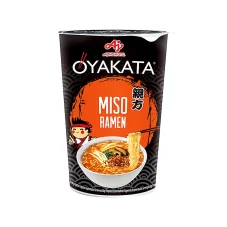
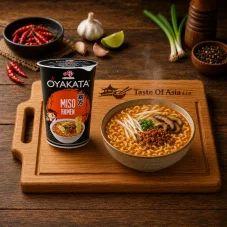


Oyakata Instant Miso Ramen Noodles 66 g
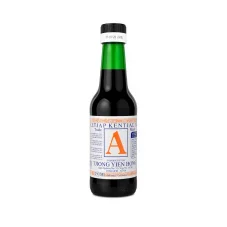
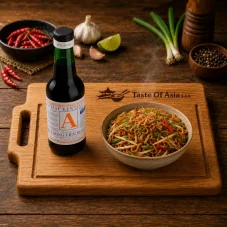
Sweet soy sauce Ketjap Manis 250 ml
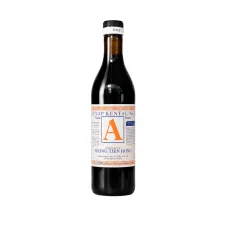
A-Merk Sweet soy sauce Ketjap Manis 500 ml
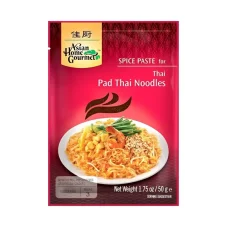
AHG Pad Thai Noodle spice paste 50 g
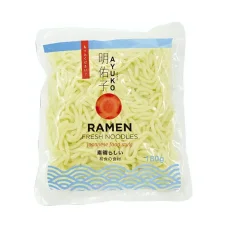
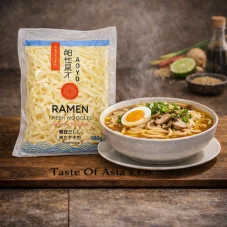
Ayuko Fresh Ramen Noodles 180 g

Royal Tiger jasmine rice 18 kg
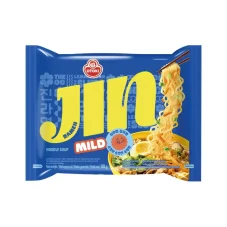
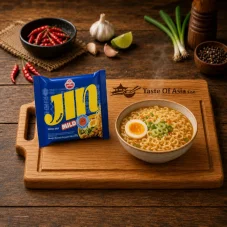
Otoki Instant Noodles Jin Ramen 120 g
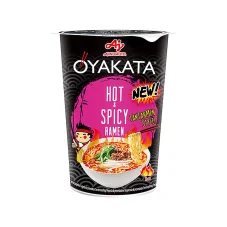
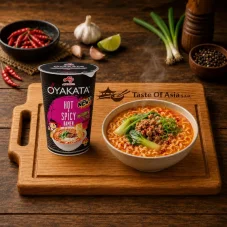

Oyakata Instant Hot & Spicy Tantanmen-Style Ramen 63 g
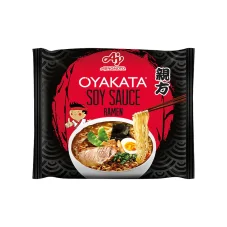
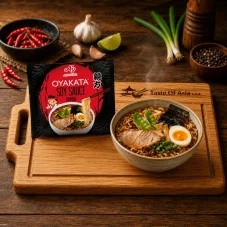
Oyakata Instant Ramen Noodles with Soy Sauce 83 g
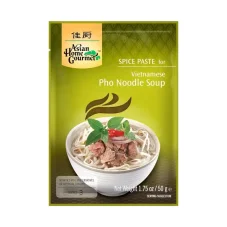
AHG Pasta for soup Pho 50 g
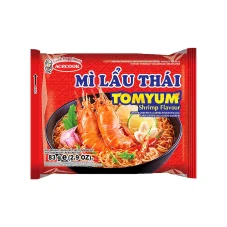


Acecook Tom Yum Instant Noodles with Shrimp Flavor 83 g
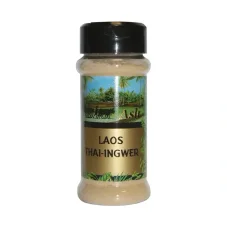
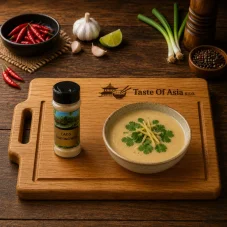
Asli Thai Ground Ginger 35 g

Non Food Bamboo steamer 15 cm
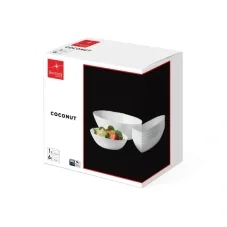

Bormioli Rocco Set of 7 plates Coconut
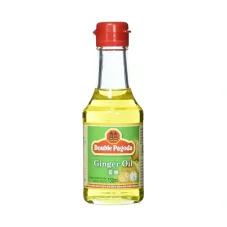
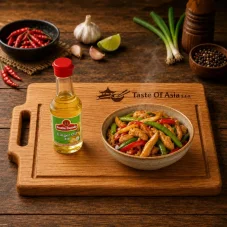
Ginger oil 150 ml

Non Food Strainer 7 cm

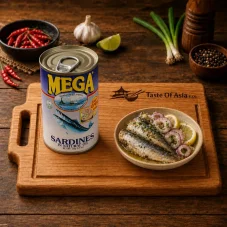
Mega Sardines in natural oil 155 g
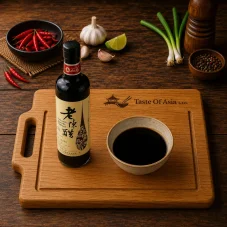
Shuita Vinegar aged 3 years 500 ml
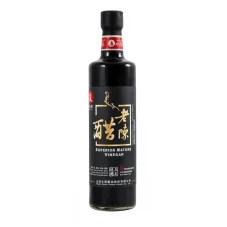
Shuita Vinegar aged 5 years 500 ml

Non Food Bamboo steamer 25 cm
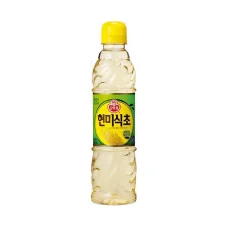
Otoki brown rice vinegar 500 ml
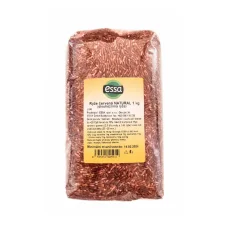
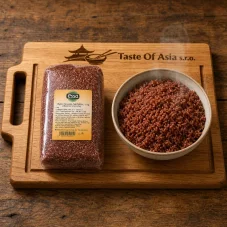
ESSA Red Rice 1 kg

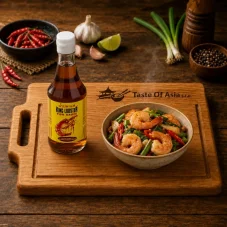
King Lobster Fish Sauce 200 ml

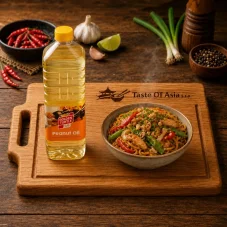

Golden Turtle Peanut oil 1 l
Articles
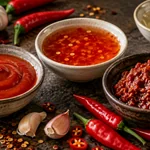
Chili sauce
Want to add a new dimension to your dishes? Chili sauces will liven up grilled foods, tacos, soups, or salads. With different levels of spiciness, everyone can find the right one for them. Whether you're looking for a mild flavor or intense heat, chili sauces will give your dishes an exciting taste experience.

Brown rice chili paste
Discover the unique flavor of brown rice chili paste! This article will guide you through the world of exotic flavors and show you how this spicy ingredient can spice up your favorite recipes. Read on to find out how it's made, where to use it, and why you should try it!
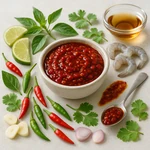
Chili sauces and chili pastes: how to understand them and use them correctly
"Chili" in Asian cuisine does not mean one universal sauce. Under the same word hide thin vinegar sauces for the table, thick fermented cooking pastes, fried and roasted mixtures with oil, chili oils, and coarse relishes. When you understand their role (not just spiciness), you will season more precisely and more often hit the flavor of a specific cuisine and dish.
Typical Korean ingredients: how to understand “jang”, chili, and fermented bases
Korean cuisine is not just "spicy and kimchi." It is built on a thoughtful use of fermented bases, contrasts of flavors, and the harmony of rice, soup, and several smaller side dishes at the table. In this guide, you will clarify which ingredients make the Korean flavor Korean, what functions they have in the food, and how to select and use them at home without unnecessary mistakes.
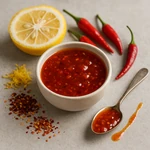
Sweet-Spicy Chili Sauce with Yuzu: Citrus Heat That Lifts Any Dish
Sweet-spicy chili sauce is already a kitchen shortcut for instant flavor—but add yuzu and it becomes something brighter and more versatile. The gentle sweetness helps it cling to food, the chili brings warmth, and yuzu adds a crisp citrus aroma that can make fried, grilled, or rich dishes taste lighter and more defined.
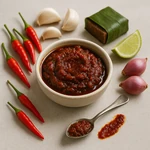
Sambal Trassi: Indonesian Chili Paste with a Bold Shrimp-Paste Umami Kick
Sambal trassi is one of those Southeast Asian condiments that can transform a plain bowl of rice into something deeply savory and exciting. It combines hot chili with the unmistakable, funky depth of trassi (also spelled terasi)—a fermented shrimp paste that brings saltiness and intense umami.
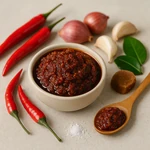
Sambal Badjak: Indonesian Chili Paste with Onion & Garlic (How to Use It Well)
Sambal Badjak is a cooked Indonesian-style chili paste that brings more than heat: it adds savory onion and garlic notes and a gentle sweetness that rounds out quick weeknight meals. Here’s what makes it different from simpler sambals and how to get the best flavor from just a spoonful.
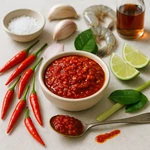
Sambal and fermented chili pastes: how to understand them and use them without mistakes
Chili paste can not only make food "spicy," but also give it a complete flavor, depth, and often umami. The key difference is whether the paste is fermented (and behaves like a concentrated base), or if it is more of a chili blend or chili paste in oil meant for quick seasoning. In this article, we compare the main types of fermented chili pastes in Asia, how to recognize them by their role in the kitchen, how to start using them at home, and how to avoid the most common mistakes.
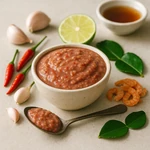
Nam Prik Kapi (Thai Shrimp Paste Chili Dip): the Bold Classic That Wakes Up Rice and Veg
Nam Prik Kapi is a punchy Thai chili dip built around fermented shrimp paste, lime, and fresh chilies. A small spoonful adds salty depth, citrus brightness, and serious heat—perfect for turning plain rice, crisp vegetables, and simple fish or eggs into a complete, satisfying meal.
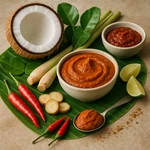
Taste of Singaporean cuisine: hawker energy, layers of umami, and final seasoning at the table
Singaporean cuisine is hard to summarize in one sentence – and that is exactly what makes it typical. It is a port, urban, and multicultural cuisine: Chinese, Malay, Indian, and Peranakan influences coexist side by side, but in practice, you recognize it best by how it works with sauces, broths, chili, coconut, and the "final touch" at the table. In the article, we will break down its flavor layers based on specific dishes (chicken rice, laksa, chili crab) and show how to bring this logic home without complicated recipes.
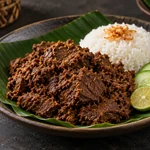
Beef Rendang Curry (Indonesian Slow-Cooked Coconut & Spice Stew)
Rendang is Indonesia’s famous slow-cooked beef cooked down in coconut milk, aromatics, and warm spices until the sauce turns deeply concentrated and clings to every piece. It takes time rather than effort—and the reward is rich, fragrant comfort with a gentle (or fiery) chili kick.
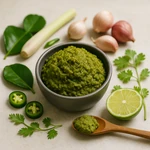
Thai Green Curry: the fresh, herbal classic for coconut sauces and quick stir-fries
Thai green curry is one of those flavors that instantly fills the kitchen: fragrant herbs, lively chili heat, and a silky coconut base. Learn what “green curry” really means, how to handle curry paste for maximum aroma, and how to use it beyond a classic bowl of curry and rice.
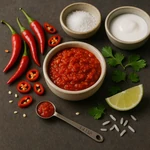
How to work with spiciness without ruining the food: add, tone down, and keep the flavor under control
Spiciness in Asian cuisine is not a contest of "the biggest fire," but one of the layers of flavor that is meant to enliven, highlight, and balance the dish. However, if you overdo the amount or choose the wrong type of chili base, you can easily end up with a dish that is sharp but flavorless—or downright inedible. In this article, you will find practical methods on how to safely increase spiciness, how to tone it down, and how to avoid common beginner mistakes.
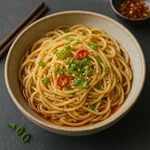
Spaghetti Aglio, Olio & Pepperoncino: a Fast, Spicy Pasta in Minutes
Aglio, olio & pepperoncino is the classic Italian “pantry pasta”: spaghetti tossed with fragrant garlic, olive oil, and chili. The whole dish comes together in the time it takes to boil pasta—provided you treat the garlic gently and use a splash of starchy pasta water to make everything glossy and cohesive.
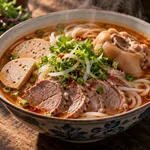
Bún Bò Huế (Vietnamese Spicy Beef & Pork Noodle Soup) — Recipe
Bún bò Huế is Vietnam’s bold, lemongrass-forward noodle soup from the former imperial city of Huế. This recipe walks you through a fragrant beef-and-pork broth, a quick chili oil for that signature red hue, and the fresh herb toppings that make each bowl taste bright, spicy, and deeply savoury.
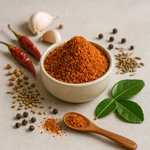
Seasoning Ground Meat: How to Turn a Plain Base into a Fragrant, Flavorful Dish (Including Asian Styles)
Ground meat is a weeknight workhorse—fast, versatile, and easy to portion. But it can taste surprisingly flat unless you build aroma and balance. This guide explains how to season ground meat on purpose: what flavors work, when to add spices, how to control heat and salt, and how to lean into Asian-inspired profiles with minimal effort.
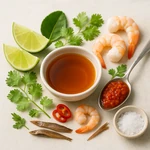
Basic sauces of Asian cuisine: how to understand them and use them correctly
The basic sauces of Asian cuisine are not just “something for seasoning.” In many dishes they form the very flavor backbone: they determine whether the result will be merely salty and flat, or deep, layered and flavorfully “anchored” in a particular cuisine. This guide will help you understand the roles of individual sauces, choose a sensible basic set for the home kitchen, and avoid the most common mix-ups.
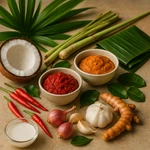
Typical Singaporean ingredients: what makes laksa, nasi lemak, and hawker dishes flavorful
Singaporean cuisine originated in a port city where different communities and their techniques have long met. Therefore, you won't find a single "national" pantry here, but a functional mix: rice and noodles, coconut, chili and sambal, soy and fish umami seasonings, aromatics like garlic and ginger – alongside ready-made pastes that have a clear role in specific dishes. In the article, you'll sort out what is typical for Singapore, what the main variants are, and how to start with these ingredients at home without unnecessary mistakes.
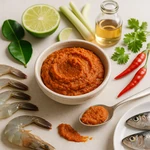
Curry pastes and when to reach for them: how to get the most out of them (and when not to)
Curry paste can be a great shortcut to a "ready-made" flavor – but only if you understand it as a base, not as a universal seasoning for everything. In the article, we clarify what to expect from curry paste, how it differs from other pastes and sauces (soy, fish, chili), and how to use it in practice so that the final dish is not just spicy or salty, but truly flavorfully built.
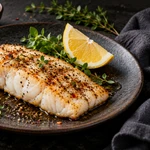
Seasoning Fish: How to Choose a Blend That Enhances (Not Overpowers) the Flavor
Fish cooks fast and tastes best when its natural sweetness and tenderness stay front and center. The trick is choosing seasonings that support the fish—whether you’re pan-frying a delicate white fillet, grilling salmon, or simmering seafood in a fragrant Asian-style sauce.
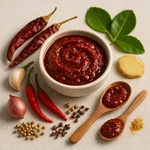
Devil’s Seasoning: How to Find Your Ideal Heat—and Make It Taste Great
“Devil’s seasoning” is a handy nickname for extra-spicy chili blends, pastes, and sauces that can turn plain rice, noodles, or a quick stir-fry into something exciting. The trick is choosing a heat level you’ll enjoy—and building flavor around it so the dish is bold, not just painful. This guide shows how to read spiciness cues, dose it confidently, and balance heat like Asian kitchens do.
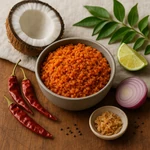
The taste of Sri Lankan cuisine: coconut, spices, acidity and “rice and curry”
Sri Lankan cuisine is not just “Indian curry on an island.” It is a distinct flavor landscape built on rice, coconut products, bold spices, chili and important accompaniments like sambol and various pickled or sour components. You understand it best not through a single iconic dish, but through the way of dining: several different curries and accompaniments mixed together on the plate.
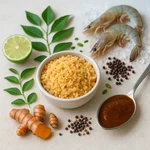
Typical Sri Lankan dishes: what to taste and how to understand them
Sri Lankan cuisine is not just "Indian curry on an island." It is based on rice, coconut products, strong spices, sourness, chili, and especially on the fact that one meal often consists of several smaller components (curry, sambols, pickles). In this guide, you will find the most typical Sri Lankan dishes and a simple key to recognize and understand them.
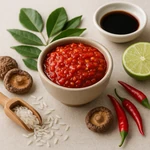
Island cuisines of Asia: what shapes them and how to navigate them
"Island cuisines of Asia" is not one style nor one typical flavor. It is a collection of regional cuisines that developed in island and coastal environments – where cooking is shaped by the sea, climate, local agriculture, as well as trade and migration. In this guide, we will focus on the island axis of Southeast Asia (Indonesia, the Philippines, Malaysia, and the Singaporean mix of influences) and show how to interpret these influences in the taste of food and how to assemble a foundation at home to orient yourself practically, not just based on impressions.
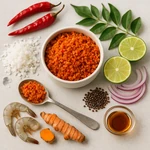
Sri Lankan curry and sambols: how they work together and why "rice & curry" doesn't make sense without them
Sri Lankan cuisine is not just "Indian curry on an island." It is built on rice, coconut, spices, chili, and mainly on a smart composition of the meal: alongside curry (in various forms) stand sambols, pickles, and other complements that precisely tune the heat, acidity, and contrast. Once you understand the role of sambol, Sri Lankan curries suddenly make much more sense.
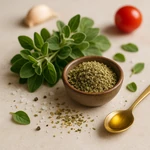
Oregano: How It Tastes, What It Pairs With, and Why It Works in Asian-Inspired Cooking
Oregano is a small herb with a surprisingly bold voice: warm, intensely aromatic, slightly peppery, and able to hold its own in rich sauces and marinades. Most people know it from pizza, but used with a light hand it can also bring depth to modern Asian-inspired “fusion” meals—especially where garlic, chili, soy, sesame, or tomato-based sauces are in play.
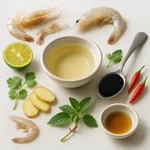
How to use vinegars in Asian cuisine: when to add acidity, with what, and why it matters
Vinegar in Asian cuisine is not an "extra sourness," but a practical tool that can enhance flavor, balance saltiness, and make the dish clearer. When you know when acidity should be part of the base and when it is just a final accent, you will decide much more confidently in sauces, dips, and marinades.
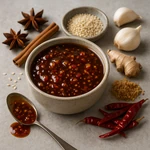
Spice for Honey-Glazed Ribs: Building a Sweet-Savory, Asian-Inspired Sticky Finish
Honey ribs feel “restaurant-level” because the flavor hits in layers: sweet up front, savory in the middle, and warm spice in the finish—plus that glossy, sticky glaze. The secret isn’t complicated technique; it’s choosing a spice profile that can season the meat and still shine after caramelization.
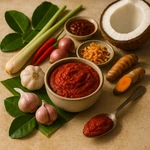
Singaporean street food: how to understand it through hawker culture, iconic dishes, and flavor logic
Singaporean street food is not just "fast food from the street." It is an urban system of dining and cooking that grew out of the multicultural environment of a port city – and it is best understood through hawker centers, specialized stalls, and several iconic dishes. In the article, we will clarify what is typical for Singapore, why Chinese, Malay, Indian, and Peranakan influences meet here, and how to take a practical guide from it: what to taste first and how to tackle Singaporean flavors at home without unnecessary mistakes.
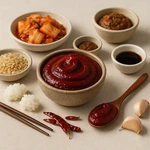
Taste of Korean cuisine: how spiciness, fermentation, rice, and “jang” work in practice
Korean cuisine is not just about spiciness and kimchi. We will explain the layers of flavors that make up Korean dishes – fermented bases (jang), types of spiciness, the role of rice, and working with textures – and provide specific, practical advice on how to safely put this together at home.
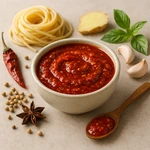
Spaghetti Seasoning That Won’t Bore You: How to Build Flavor (and Borrow from Asian Sauces)
Spaghetti is quick, reliable, and—if you’re not careful—predictable. The easiest way to keep it exciting is to think of “spaghetti seasoning” not as one fixed mix, but as a flavor direction you can repeat and tweak: herb-forward, garlicky, spicy, smoky, or umami-rich. And once you see spaghetti as “long noodles made from wheat,” it becomes surprisingly natural to season it with Asian-style sauces, pastes, and aromatics too.
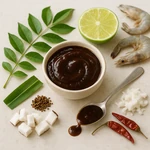
Typical Sri Lankan ingredients: what makes up the flavor of Sri Lanka and how to get started with it at home
Sri Lankan cuisine is not "Indian curry on an island." It is built on rice, coconut products, pronounced spices, chili and contrasts – alongside a gentle coconut component there is often acidity, heat and various sambols or pickled accompaniments. In this guide you will find typical Sri Lankan ingredients, their role in dishes, the main differences and practical tips on how to choose and use them.
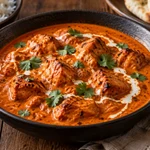
Murgh Makhani (Butter Chicken) Recipe: Creamy Tomato-Butter Curry at Home
Murgh Makhani—often called Butter Chicken—is a classic North Indian curry built on tender chicken, a velvety tomato sauce, warm spices, and a buttery finish. This home-cook friendly version keeps the flavor authentic while giving you practical options for the oven, pan, or grill.
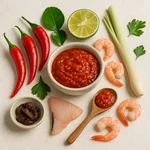
Typical Malaysian ingredients: how to recognize the "Malaysian" taste and how to recreate it at home
Malaysian cuisine is not a single uniform "national taste," but a practical mix of several traditions that meet and often blend in one territory and often even in one dish. This makes it all the more important to recognize the ingredients that keep reappearing in Malaysian cooking: rice and noodles, coconut, chili and sambal, aromatic herbs, tamarind and lime, and pronounced fermented marine components. In this article, we will arrange them according to their function, explain the differences, and add specific tips on how to start with them without unnecessary mistakes.
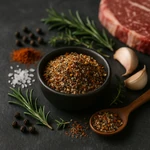
Steak Seasoning: How to Choose a Blend That Lifts the Meat (Including an Asian Twist)
A great steak doesn’t need much, but it does need the right touch. The goal of steak seasoning isn’t to cover the flavor—it’s to sharpen it, build a better crust, and add aroma that blooms in high heat. Here’s how to choose (and use) rubs, marinades, and finishing glazes—plus simple ways to steer your steak toward an Asian-style flavor profile without overcomplicating dinner.
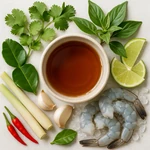
Typical Thai dishes: what they taste like and how to recognize them
"Typical Thai dishes" are not just a few famous names like pad thai, tom yum, or green curry. Thai cuisine is based on balancing contrasts – saltiness and umami, sourness, sweetness, spiciness, and herbal freshness – and it is this flavor logic that connects Thai dishes across styles and regions. In the article, we will show you how to navigate typical Thai dishes, what the main differences between the most common types of dishes are, and how to put together the Thai taste at home without unnecessary mistakes.
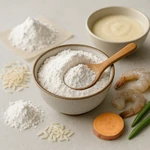
Asian ingredients and products: how to understand, choose and cook without disappointment
A good "Asian ingredient" is not the most expensive nor the one with the prettiest packaging. The difference mainly lies in whether you understand the function of the ingredient (what it is used for in food), its types and composition – and whether you select it for a specific use. This article is a practical guide: it will teach you to quickly read labels, distinguish between basic and flavored products, and choose the right type, for example with coconut, sesame, chili, and starches.
Seasoning Game Meat: How to Bring Out Rich Flavor (and Add an Asian Twist)
Game meat such as venison or wild boar has a deeper, more “forest” character than farmed meats—often leaner, sometimes slightly earthy, always worth treating with care. The right seasoning doesn’t mask that flavor; it frames it. Here’s a practical guide to classic pairings (juniper, pepper, herbs) plus Asian-inspired ideas—citrus, aromatics, chili, and layered umami—that can make game taste cleaner, rounder, and more modern.
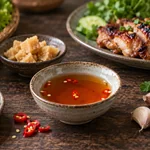
Fish sauce
Enrich your kitchen with fish sauce, which brings umami flavor to every dish. Discover its uses in soups, noodles, and other Asian dishes.
How to start with Sri Lankan cuisine: rice, coconut, sambols, and the smart first plate "rice and curry"
Sri Lankan cuisine is not "Indian curry on an island." It is based on rice, coconut products, bold spices, acidity, chili, and mainly on eating the whole as a combination of several small bowls – curry, sambols, and other accompaniments. If you want to start at home, you need to understand this logic: not chasing one perfect curry, but assembling contrasts so that the food begins to taste Sri Lankan.
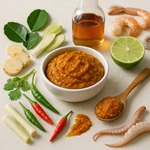
Typical Thai ingredients: what they taste like, what they are for, and how to use them at home
Thai cuisine is based on balancing contrasts: saltiness and umami, acidity, sweetness, spiciness, and herbal freshness. To make food taste "Thai," one spicy component is not enough – it is more important to know the role of each ingredient and how to work with it in small amounts. This guide provides an overview of typical Thai ingredients, their function in the dish, the main differences between similar products, and practical tips on how to start using them at home without unnecessary mistakes.
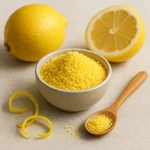
Ground Lemon Zest: How to Use It (and When It Beats Fresh)
Ground lemon zest is dried, finely milled lemon peel that delivers citrus aroma without adding liquid. It’s a smart pantry tool for baking, spice blends, creamy sauces, and Asian-style curries—especially when you want consistent results and zero grating.
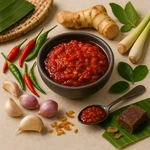
Taste of Indonesian cuisine: sambal, kecap manis, coconut, and rice as the center of the meal
Indonesian cuisine is not a single "national taste," but a broad family of regional styles spread across a vast archipelago. Yet, it repeatedly returns to several fixed points: rice as the center of the meal, chili and sambal, sweet-salty depth thanks to kecap manis, aromatic pastes, and coconut, which can both soften and intensely concentrate the flavor. In this article, we will put these pillars together so that when cooking at home for the first time, you know what you are actually looking for and why it tastes "Indonesian."
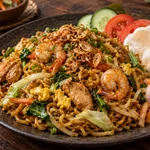
Bami Goreng Noodles (Indonesian-Style Fried Noodles) — Easy Weeknight Recipe
Bami Goreng is Indonesia’s beloved fried noodle dish: springy noodles tossed in a savory-sweet soy seasoning, quickly stir-fried with vegetables and your choice of chicken, shrimp, or tofu, then finished with egg and a squeeze of lime. This version is fast, flexible, and designed to work well on a home stovetop.
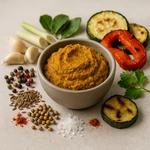
Seasoning for Grilled Vegetables: How to Choose a Blend (and Add an Asian Twist)
Grilled vegetables can taste effortlessly good—or surprisingly flat—depending on how you season them. This guide explains what makes a grill-friendly spice blend work, when to add it for the best aroma, and how to take the same vegetables in a more Asian direction using pastes, sauces, and smart finishing touches.
Trade influences in Asian cuisine: how ingredients, techniques, and flavors spread along routes
Asian cuisines were shaped by more than just climate and local agriculture – trade also played a crucial role. Spices, sugar, tea, citrus fruits, as well as techniques for working with grains and fermentation spread both by sea and land. In this article, we will show exactly what "trade influences" mean on the plate and how this perspective can help you better understand the differences between regions and cook smarter at home.
Asian cuisine by country: how to understand flavors, ingredients, and cooking styles
"Asian cuisine" is not a single cuisine but a whole map of styles: from delicate broths and umami to aromatic, spicy, and hot dishes. This guide provides you with a practical compass on how to navigate by countries and regions, how to choose a good starting point for cooking at home, and which universal ingredients will open the most doors without having to build a pantry full of dozens of specialties.
Typical Indonesian ingredients: what makes Indonesia Indonesian (and how to start with them at home)
Indonesian cuisine is a huge island world – from Sumatra through Java to Bali – yet it has a few common ingredients that you recognize at the first taste. In this guide, you will find an overview of key Indonesian ingredients, their role in the food, main differences (especially in sambal, kecap manis, and coconut products), and a practical guide on how to cook with them without unnecessary mistakes.
Why food doesn't taste like in a restaurant: the most common causes (and what to do about them at home)
You cook noodles or "something like" an Asian stir-fry, but the result is flatter, heavier, or flavor-wise indefinite – while in a restaurant it tastes clear and "lively." Often it is not one secret trick, but several repeated beginner mistakes: a poorly chosen style of cuisine, missing final seasoning, uncontrolled spiciness, and unfinished preparation of ingredients. In the article, we break it down into specific steps that can be done right at the next cooking.
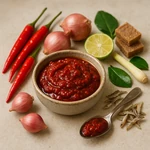
The taste of Malaysian cuisine: how to recognize it, why it is so diverse and how to build it at home
Malaysian cuisine cannot be reduced to one “typical” flavor. It is a living mix of Malay, Chinese, Indian, Peranakan and local Bornean influences – and you will often find them all on one plate. In this guide we will show you how to reliably recognize Malaysian taste, how it differs across dishes and regions, and how to practically construct its most important flavor pillars at home.
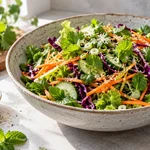
Salad Seasoning Blend
A bowl of greens can be a quick, light meal—or it can feel like “just vegetables.” A ready-made salad seasoning blend is the shortcut that bridges that gap: it adds aroma, rounds out flavor, and helps your dressing taste intentional even when you’re short on time.
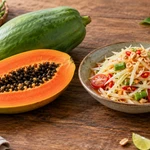
Papaya: How to Pick It, Prep It, and Use Ripe vs Green Papaya in Asian Cooking
Papaya can be two completely different ingredients. Ripe papaya is sweet, soft, and great for bowls and drinks; green papaya is firm, crisp, and behaves like a vegetable—perfect for tangy, spicy salads and quick stir-fries. Here’s how to recognize the right one, prepare it without hassle, and make it taste great from the first try.
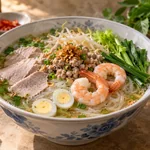
Hu Tieu Nam Vang: Vietnamese Pork & Prawn Noodle Soup (Phnom Penh Style)
Hu Tieu Nam Vang is a light yet deeply savoury noodle soup built on a clear aromatic broth, tender pork, sweet prawns, and a generous pile of fresh herbs. This version keeps the process home‑friendly, with an optional shortcut for busy days.
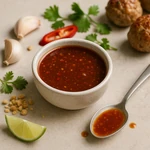
Sauce for Meatballs: How to Get the Flavor (and Texture) Right — with an Asian Twist
Meatballs are reliably good. The sauce is what makes them memorable: it adds aroma, keeps them juicy, and turns “just meatballs” into a dish you want to eat again tomorrow. Here’s a practical way to build a sauce that balances sweet–salty–sour–spicy, clings to the meatballs, and can lean Asian without feeling complicated.
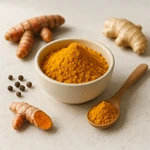
Ground Turmeric: How to Use It, What to Pair It With, and How to Get the Best Flavor
Ground turmeric is easy to recognize by its bold golden color—but its real value is the warm, earthy depth it adds to food. Used well, it can bring rice, vegetables, soups, and curries together into a cohesive, aromatic dish. Here’s how to cook with turmeric so it tastes rounded (not bitter), when to add it, and which flavor pairings make it shine.
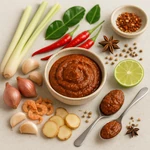
How to start with Malaysian cuisine: 5 logics to quickly get oriented at home
Malaysian cuisine is not one "typical taste," but a practical mix of several traditions meeting in one country – Malay, Chinese, Indian, Peranakan, and local Bornean. When you want to start with it at home, it doesn’t make sense to learn everything at once. In this guide, you will set simple orientation points (rice vs. noodles, coconut vs. broth, the role of sambal, accompanying sauces and dips) and pick a few first dishes to learn the Malaysian "system" fastest.
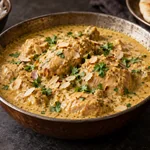
Chicken Korma Curry (Creamy, Mild Indian-Style Curry)
Chicken korma is a rich, gently spiced curry known for its velvety sauce made with yogurt, cream, and ground nuts. This approachable home recipe delivers a classic korma texture—fragrant, comforting, and mild enough for most spice levels.
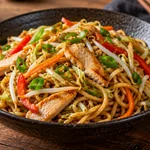
Chow Mein Recipe: Stir-Fried Noodles with Vegetables (and Your Choice of Protein)
Chow mein is all about speed and heat: springy noodles, crisp-tender vegetables, and a savoury sauce that clings to every strand. This flexible recipe shows you the core technique, then lets you swap chicken for beef, tofu, shrimp—or go veggie-heavy.
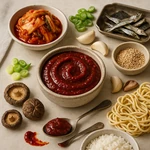
Basics of the Korean pantry: how to understand jang, kimchi, sesame, and soy sauce
The Korean "pantry" is not a list of exotic groceries, but a set of flavor foundations that make even simple dishes start to make sense. When you understand how fermented pastes and sauces (jang) work, the role of kimchi, why sesame is often used only at the very end, and how Korean soy sauces differ, Korean cuisine will come together for you into a clear system – not a random spicy mix.
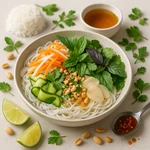
Asian salads and cold dishes: why they taste "alive" and how to understand them
Asian salads and cold dishes are not just a light side dish or "vegetables with dressing." In many cuisines, they serve as a full meal – based on freshness, herbs, acidity, umami base, chili, and especially texture. In this guide, you will clarify what is typical for cold Asian cuisine, what the main forms are (from rolls to cold noodles), and how to assemble a bowl at home so that it tastes complete, not just "mixed."
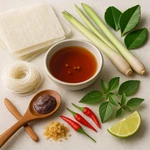
Typical Vietnamese ingredients: what makes Vietnamese food "Vietnamese"
Vietnamese cuisine does not rely on one sauce or one famous dish. It is characterized by freshness, lightness, and the ability to layer multiple flavors so that the result feels lively: rice or rice noodles, herbs and leaves, acidity (lime, tamarind), fermented saltiness and umami (especially fish sauce), and contrasting textures. In this guide, you will find the most important Vietnamese ingredients, their function, and practical tips on how to start using them at home without unnecessary mistakes.
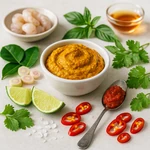
How to choose curry paste according to the dish: from quick coconut curry to slow braising
"Curry paste" is not one universal ingredient. Different types of bases can be hidden under the same name – from Thai aromatic pastes (which are briefly sautéed in fat) to Indian curry bases or Japanese curry roux. In this guide, you will orient yourself mainly by the type of dish you want to cook and avoid the most common mistakes that lead to bland or "strangely" tasting curry.
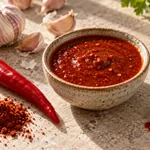
Cajun sauce
Add a spicy touch to grilled meat, fish, or vegetables with Cajun sauce. In this article, you will find its history, tips for use, and simple recipes for perfectly seasoning your dishes.
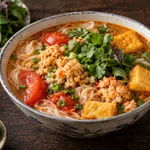
Bún Riêu (Vietnamese Crab & Tomato Noodle Soup) Recipe
Bún Riêu is a bright, savory Vietnamese noodle soup built on tomatoes, seafood umami, and a generous pile of fresh herbs. This home-friendly version keeps the signature sweet-sour balance and “riêu” crab clusters—without requiring hard-to-find ingredients.
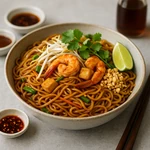
Pad Thai, Chow Mein, and Mee Goreng: how they differ (and what that means for cooking at home)
Three famous noodle dishes that look similar at first glance: "wok noodles." But the difference is not just in the country of origin. They differ in the type of noodles, the flavor of the sauce, and how exactly to work with heat and timing so the noodles remain elastic and the dish is neither dry nor "drowned."
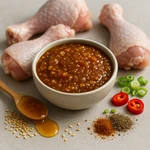
Spices for Honey-Glazed Chicken Drumsticks: How to Make a Sweet and Spicy Glaze
Chicken drumsticks are made for bold seasoning: the skin renders, the meat stays juicy, and a honey-forward spice mix turns the surface glossy and caramelized. This guide shows how to build (or use) a honey-spiced seasoning so your drumsticks come out sweet, savory, gently warm, and unmistakably “glazed”.
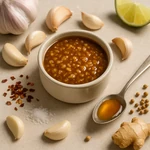
Garlic Marinade: How to Get the Most Out of It (Especially in Asian-Style Cooking)
Garlic marinade is one of those kitchen shortcuts that doesn’t feel like a shortcut: it can make chicken, pork, tofu, or vegetables taste deeper, smell incredible, and stay juicier—fast. The trick is knowing how garlic behaves with heat, how long to marinate different ingredients, and how to balance sweet, salty, and acidic notes for Asian-inspired results.
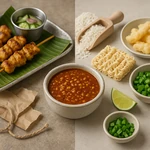
Street food from the market vs. street food at home: what cannot be copied (and what makes sense)
Asian street food is not just "food from the street." In many parts of Asia, it is an everyday way of eating, where speed, specialization, local identity, and especially taste "readable from the first bite" matter. That's why it is useful to distinguish market street food and home-style street food: at home, you usually won't replicate the same heat and rhythm of the stall, but you can very well imitate the flavor profile, the work with sauces, contrasts, and "right now" service.
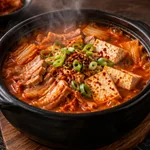
Kimchi Soup (Kimchi Jjigae) with Pork and Tofu
Kimchi soup is the kind of Korean comfort food that tastes bigger than its ingredient list: tangy, spicy, and deeply savory. This version uses pork and tofu for a hearty bowl you can cook on a weeknight—especially if you have well-fermented kimchi in the fridge.
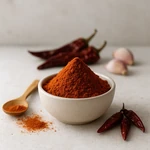
Smoked Sweet Paprika (Ground): How to Use It
Smoked sweet paprika is one of those spices that can make a simple meal taste like it spent time over charcoal. It brings gentle pepper sweetness, a warm red hue, and a distinct smoky aroma—without needing a grill. Here’s how to use it well, what it pairs with, how to avoid bitterness, and smart ways to fold it into Asian-style dishes.
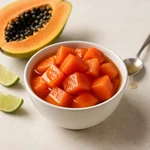
Papaya in Syrup: A Tropical Sweetener for Desserts, Drinks, and Bold Savory Pairings
Papaya in syrup is one of those pantry shortcuts that makes tropical flavor available any day of the year—no guessing ripeness, no peeling, no waste. Use the fruit for quick desserts and refreshing drinks, and don’t overlook the syrup itself: in small amounts it can balance citrus, spice, and salty notes surprisingly well.
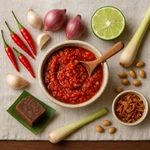
Sambal and Indonesian pastes: how to understand spiciness, depth of flavor, and proper use
Sambal in Indonesia does not mean one "chili paste," but a whole family of seasonings – from milder to very spicy, from fresh to cooked or fermented. In practice, sambal can function as a table condiment, but just as well as a base of a dish that transforms plain rice into a distinctive meal. In this article, we clarify the differences between types of sambal and ready-made pastes, how to choose them and how to start using them at home without the most common mistakes.

Barbecue seasoning: flavor that sticks to meat and vegetables
Great grilled flavor isn’t only about smoke and heat—it’s about how seasoning clings to the surface, browns evenly, and stays aromatic from the first flip to the final bite. Here’s a practical guide to choosing and using dry rubs, marinades, and finishing glazes, with simple ideas for adding an Asian-style punch to meat, tofu, and vegetables.
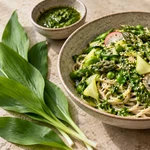
Wild Garlic (Ramsons): A Spring Herb With a Gentle Garlicky Aroma—And How to Use It in Asian Cooking
Wild garlic—also known as ramsons—is one of those short-season spring ingredients that can instantly make food taste brighter. It brings a fresh, leafy garlic character without the harsh bite of raw cloves, which makes it surprisingly easy to weave into quick Asian-style stir-fries, noodle dishes, coconut curries, and rice paper rolls.
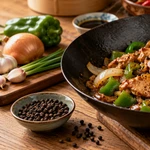
Black pepper that gives food zest and depth
Black pepper is easy to overlook because it’s always within reach—but used thoughtfully, it can make Asian dishes taste more complete: warmer, more aromatic, and more layered. Here’s what black pepper actually brings to the plate, how to choose between whole and ground, and when to add it so it stays fragrant instead of turning bitter.
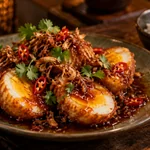
Kai Look Kuey (Thai Chicken Rice Dumplings) with Tamarind Dipping Sauce
Soft steamed rice dumplings filled with savory chicken and served with a bright sweet-sour tamarind sauce—this Thai-style snack is surprisingly simple to make at home and perfect for sharing.
What to take from Asian cuisine for quick everyday cooking
Asian cuisine is not just a collection of "exotic" recipes – it is mainly a set of practical habits that allow cooking quickly, tasty, and without feeling heavy. In this article, you'll find specific principles that you can bring home: from salty and warm breakfast to the "bowl" logic of meals and seasoning with sauces, acidity, and texture.
First purchase for the Asian pantry: what to buy to make cooking easy (and without unnecessary mistakes)
The Asian pantry is not a list of “exotic” items you have to buy all at once. It’s a thoughtful foundation that lets you repeatedly cook dishes with a clear character at home – even when you don’t have a full fridge. In this guide, you’ll clarify what is good to buy first, what to add later according to your favorite cuisine, and how to avoid typical shopping mistakes.
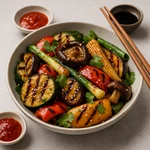
Asian-Style Grilled Vegetables (Easy Marinade Recipe)
High heat is the secret to truly great grilled vegetables: you get sweet, smoky flavor, crisp edges, and a juicy bite. This Asian-inspired version uses a quick soy-based marinade with optional Sriracha for heat—perfect as a side dish, or as the main event over rice or noodles.
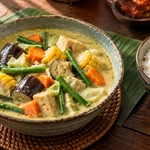
Sayur Lodeh: Indonesian Coconut Vegetable Curry (Easy, Flexible Recipe)
Sayur Lodeh is a comforting Indonesian-style vegetable curry made with coconut milk, aromatics, and a mix of everyday vegetables. It’s naturally plant-based, easy to adapt to what’s in your fridge, and tastes even better with steamed rice.
Thai soup Tom Yum
Tom yum is characterised by its distinct hot and sour flavours, with fragrant spices and herbs generously used in the broth.
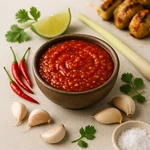
Orient Grill Seasoning: the spice blend that gives barbecue an exotic edge
When you want grilled food to taste instantly more “special,” a warm, aromatic spice blend can do more than an extra sauce ever will. Orient-style grill seasoning is made for high heat: it clings well, perfumes the grill, and works on meat, fish, tofu, and vegetables—either as a dry rub or a quick marinade.
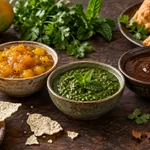
Chutney
Discover the magic of chutneys, sauces that will liven up any dish. Whether you like sweet mango, spicy garlic, or refreshing coriander, each variety adds a unique flavor. Learn how to use them with your favorite foods and discover new flavors.
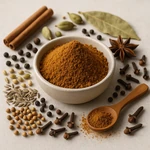
Garam Masala: the Fragrant Heart of Indian Cooking
Garam masala is one of the most recognizable spice blends from India—and one of the easiest ways to give everyday meals a distinctly Indian aroma. Used in the right amount and at the right moment, it adds warm, rounded depth to curries, lentils, roasted vegetables, and even simple rice without necessarily making food hot or fiery.
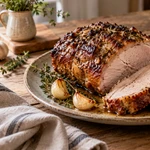
Seasoning Roast Pork Neck (Pork Collar)
Roast pork neck—also called pork collar—is naturally forgiving thanks to its marbling, but the difference between “nice” and “unforgettable” comes down to seasoning and timing. This guide shows you how to build flavor with a dry rub, a marinade, or a final glaze, plus a few easy Asian-leaning twists that still feel right for an oven roast.
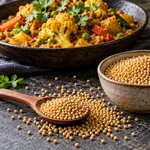
White Mustard Seeds: Flavor, Heat, and Smart Ways to Use Them in Cooking
White mustard seeds may look modest, but they can add a warm, gently peppery depth to everything from quick stir-fries to pickles and marinades. Here’s what they taste like, how they differ from brown/black mustard seeds, and when to use them whole versus ground—especially in Asian-inspired cooking.
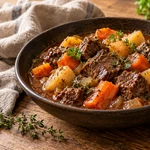
New ground spices: how they taste and what they are suitable for
Ground allspice (often called “allspice powder”) is one of those quiet pantry staples that can transform a dish with just a pinch. It’s sweet-warm, intensely aromatic, and surprisingly versatile—useful not only in Western soups and pickling, but also as a subtle depth booster in Asian marinades, stir-fry sauces, and rice.
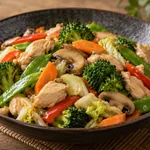
Quick Chop Suey (Chopsuey) Stir-Fry: Chicken, Tofu, or Whatever’s in Your Fridge
Chop suey is the ultimate “mix-and-match” stir-fry: tender protein, crisp vegetables, and a light savory sauce that clings to every bite. It’s fast, flexible, and perfect for using up leftover veg—served over rice or noodles for an easy weeknight meal.
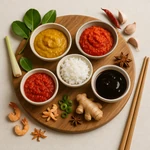
Regional Styles of Asia: How to Quickly Orient Yourself by Taste, Ingredients, and Dishes
"Asian cuisine" is not one universal flavor but a map of regional styles that arose under different climatic, agricultural, religious, and commercial conditions. In practice, this means that to understand (and cook well at home), knowing the base a region uses helps more than just the country names: rice vs. wheat, fermentation vs. coconut, spices vs. broths, herbs vs. umami. This guide will give you an orientation "compass" and concrete methods to choose the right direction even at home.
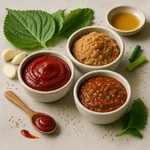
Gochujang, doenjang, and ssamjang: how to understand Korean fermented pastes
Korean “jang” – that is fermented sauces and pastes – are the flavor backbone of the entire cuisine. In practice, however, confusion often arises: gochujang, doenjang, and ssamjang look like “some dark pastes,” but each has a different role. In the article, we will show what to expect from them, how to use them in everyday cooking, and why it’s not worth mixing them up.
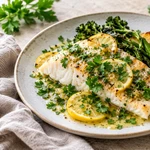
Parsley Leaf: the quiet herb that lifts soups, fish and marinades
Parsley leaf is easy to overlook because it rarely steals the spotlight—but that’s exactly why it’s so useful. A small pinch can brighten a broth, clean up a rich sauce, and add a fresh green finish to fish or grilled meats. Fresh and dried versions behave differently, so knowing when to use which makes everyday cooking noticeably more balanced.
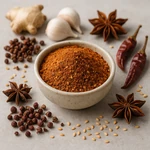
Chinese-Style Seasoning Mix: What It Tastes Like, What It’s For, and How to Use It Well
“Chinese seasoning” is a popular shortcut for fast stir-fries: it brings a warm, savory aroma and that familiar wok-style character even when you’re cooking with everyday ingredients. The trick is knowing when to add it, how much to use, and how to balance it so your dish doesn’t end up flat—or overly salty.
Where to start in Asian cuisine based on what you like (and how much time you want to cook)
The most common dead end for beginners is trying to start "Asian cuisine" as one package. In practice, however, individual cuisines (Japanese, Chinese, Korean, Vietnamese, Thai, Indian, etc.) work differently: they have different flavors, different cooking pace, and different pantry requirements. It is much better to choose your first entry door – according to the style of dishes you like – and only then deal with the details.
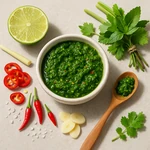
Fresh herbs, acidity, and spiciness: why cold Asian dishes taste "finished"
Asian cold cuisine is not a "diet salad" or randomly mixed vegetables. It is often a complete meal built on fresh herbs, active acidity, and a spicy spark – and mainly on a dressing or dip that holds the whole plate together. In the article, we clearly explain how these elements work, their variations, and how to assemble a cold bowl or noodle salad at home so it doesn’t taste "unfinished."
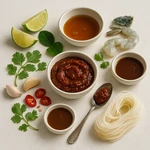
How to store sauces, pastes, and noodles: so they don't lose flavor or texture
For Asian sauces, pastes, and noodles, it's often not about whether they are "still edible." Much earlier, their aroma, flavor purity, or texture can change – and thus affect the overall outcome of the dish. The article provides a practical system for storing opened sauces and pastes at home, what to watch for with dried noodles, and how to avoid the most common mistakes.
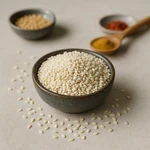
White Sesame Seeds: How to Use Them (and Why You’ll Want a Bag in Your Pantry)
White sesame seeds are one of those small ingredients that instantly make food feel more finished: a gentle nutty aroma, a subtle crunch, and a familiar “Asian kitchen” note on rice, noodles, salads, and stir-fries. Once you know when to toast them—and when not to—you’ll reach for them almost daily.
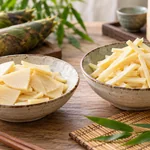
Bamboo shoots
Bamboo shoots are a great addition to any Asian cuisine. Would you like to learn how to prepare them properly and what they can offer your diet? In our article, you will learn all about their nutritional values, uses in the kitchen, and tips for selecting and storing them. Add them to your dishes and discover their fresh and crunchy taste!
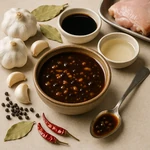
Filipino home-cooked meals: what they taste like and how to understand them
Filipino cuisine is home-style, practical, and surprisingly diverse. To understand it, knowing just one "national" dish is not enough – it is important to understand the role of rice, how acidity and saltiness work, why vinegar is so prominent, and how main dishes, soup, side dishes, and sauces interact on the table. The article provides guidance on typical home dishes (adobo, sinigang, kinilaw, sisig), regional differences, and specific tips on how to start cooking Filipino food at home.
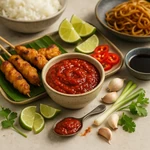
Asian Street Food: Basic Overview
Asian street food is not just "food from the street" for tourists. In many cities, it is an everyday way of eating: fast, affordable, often incredibly specialized, and closely connected to a specific place and distinctive taste. This overview will clarify what is typical for Asian street food, where you can encounter it, and how to quickly navigate it—even if you want to explore it mainly at home.
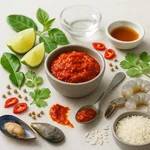
What to buy for the first thousand crowns for Asian cuisine: the basics you can really cook with
The first purchase "for Asian cuisine" does not have to be a bunch of random sauces. When you divide your budget (for example around a thousand crowns) according to functions – saltiness and umami, acidity, sweetness, spiciness, fat and aroma, plus rice or noodles – you get a base from which you can cook repeatedly without unnecessary improvisation. The article provides a practical plan: how to choose the entry style of dishes, what makes sense to buy immediately, what to wait for, how to read labels and how to avoid typical beginner mistakes.
