

 Česky (CZK)
 Slovensky (EUR)
 Deutsch (EUR)
 Austria
 Belgium
 Bulgaria
 Croatia
 Denmark
 Estonia
 Finland
 France
 Germany
 Greece
 Hungary
 Italy
Italy Latvia
 Lithuania
 Luxembourg
 Netherlands
 Poland
 Portugal
 Romania
 Slovenia
 Spain
Spain Sweden










Seasoning for Grilled Vegetables: How to Choose a Blend (and Add an Asian Twist)
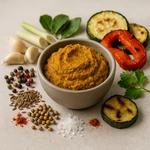
Why seasoning matters more than you think
Grilling does two delicious things to vegetables: it evaporates water (so flavors concentrate) and it browns the surface (so you get caramelized, slightly smoky notes). Seasoning should support that transformation—not cover it up. The right blend highlights sweetness in peppers and onions, deepens earthy flavors in mushrooms, and gives zucchini or eggplant a more “complete” taste that doesn’t rely on cheese or meat to feel satisfying.
It also solves a common problem: vegetables on the grill often cook at different speeds. A well-built seasoning blend helps unify the plate even when you’re grilling a mixed tray of quick-cooking and slow-cooking vegetables.
🌶️ What a “grilled vegetable seasoning” actually is
A grilled vegetable seasoning is usually a dry mix designed to perform at high heat. Compared to single spices (like just black pepper), a blend brings layers:
- Herbal top notes (oregano, thyme, rosemary, basil) for freshness
- Aromatic backbone (garlic, onion, cumin, coriander) for depth
- Color and warmth (paprika, mild chili, pepper)
- Seasoning & lift (salt, citrus peel, dried tomato, or a little sugar depending on the style)
Across many cuisines, grill blends evolved as practical shortcuts: consistent results, minimal prep, and reliable flavor even when cooking outdoors where tasting and adjusting is harder.
🔥 When to season: before, during, or after grilling?
The best flavor usually comes from using more than one timing. Think of seasoning in layers.
1) Before grilling: the “oil + dry blend” method
Toss vegetables with a small amount of oil first, then add your dry blend. Oil helps spices adhere and prevents dusty, uneven patches.
- Best for: zucchini, eggplant, peppers, onions, mushrooms, asparagus
- How much: start light; you can always finish with more
- Tip: if your blend contains salt, season a bit less—grilling concentrates saltiness
2) During grilling: controlled build-up
Midway through grilling, you can add a second light sprinkle or brush on a thin layer of seasoned oil. This is useful when the first coating has mellowed or when you want aroma without risking burnt herbs early on.
3) After grilling: finishing makes it taste “restaurant-level”
Some flavors are brightest when they don’t spend time over flame—especially citrusy notes, delicate herbs, and fermented/umami ingredients. Finishing turns grilled vegetables from “nice side dish” into “I’d eat this on its own.”
- Fresh herbs, toasted sesame, cracked pepper
- A squeeze of lemon or lime
- A tiny drizzle of a bold sauce (see Asian finishing ideas below)
🧂 How to choose a blend that works (not just “tastes salty”)
Not all blends behave the same on a hot grill. Use these checkpoints when choosing:
- Salt level: If salt is the first ingredient, it’s easy to overdo—especially on watery vegetables like zucchini. Salt-free or low-salt blends give you more control.
- Herb-to-spice balance: Heavy dried herbs can taste dull if they burn. If you grill hot and fast, look for more paprika/cumin/garlic and fewer fragile herbs—or plan to add herbs at the end.
- Added sugar: A little sugar helps browning, but sugary blends scorch quickly. If you like high-heat grilling, keep sugar low and glaze near the end instead.
- Texture: Very fine powders stick well but burn faster; coarse blends give nicer “speckled” flavor but may fall through grates unless oil helps them adhere.
- Vegetable match: Delicate vegetables prefer gentle blends; root vegetables and corn can handle stronger spice and smoke.
🍋 A simple way to “unlock” flavor: acid + umami
If grilled vegetables ever taste a little one-note, it’s usually missing one of these:
- Acid (lemon/lime, rice vinegar): brightens and makes spices taste clearer
- Umami (miso, soy sauce, fermented bean pastes): adds savory depth and makes vegetables feel more substantial
This is where Asian-style finishing really shines: many classic seasonings naturally combine acidity, sweetness, heat, and umami.
🍶 Asian-style directions (without overpowering the vegetables)
You don’t need to “turn it into a curry” to make it taste Asian-inspired. Choose one direction and keep it focused.
1) Curry-style marinade (pastes + oil)
Mix 1–2 teaspoons curry paste with 1–2 tablespoons oil. Add a splash of water or coconut milk if you want a thinner coating. Toss vegetables and grill over medium heat.
- Works well with: cauliflower, sweet potato, eggplant, mushrooms, green beans
- Why it works: pastes bring aromatics (ginger, lemongrass, spices) that survive heat better than delicate herbs
2) Miso-sesame finish (fast, glossy, savory)
Stir miso with a little warm water, add sesame oil, then brush lightly onto hot-off-the-grill vegetables. Finish with sesame seeds and sliced scallion if you have it.
- Works well with: eggplant, mushrooms, corn, onions
- Watch out: miso burns easily—treat it as a finish or a last-minute brush
3) Sweet-and-sour glaze (use at the very end)
Sweet-and-sour flavors love charred edges. Brush a thin layer onto vegetables during the last 1–2 minutes of grilling, then serve extra on the side as a dip.
- Works well with: peppers, pineapple, onions, carrots, baby corn
- Watch out: sugary sauces scorch quickly—keep heat moderate and timing short
4) Chili + citrus + soy (bright, punchy, minimal)
For a clean, modern profile: a few drops of soy sauce, a squeeze of lime, and a touch of chili (flakes or chili oil). This keeps vegetables tasting like vegetables—just more vivid.
✅ Practical pairing cheat sheet
- Zucchini & asparagus: light garlic-herb blend + lemon; or soy-lime-chili finish
- Eggplant: curry paste marinade; or miso-sesame finish
- Mushrooms: black pepper + garlic; finish with a little soy or miso for umami
- Peppers & onions: paprika/cumin blends; sweet-and-sour glaze near the end
- Cauliflower & sweet potato: warmer spices (curry, cumin, coriander) + a little acid to brighten
Common mistakes (and easy fixes)
- Seasoning too late with dry spices: dry blends need oil or surface moisture to stick. Fix: toss with oil first, then season.
- Burning garlic/herbs: very hot grills can scorch fine garlic and dried herbs. Fix: use medium heat, or add a second sprinkle after grilling.
- Overcrowding the grill: steaming prevents browning and dulls spice aroma. Fix: grill in batches so edges can caramelize.
- Too salty: salt concentrates as water cooks out. Fix: choose low-salt blends and finish with acid instead of more salt.
- Glazing too early: sweet sauces burn fast. Fix: glaze in the last minute or use as a dip.
Storage tips for spice blends and pastes
- Keep dry blends airtight, cool, and away from sunlight (heat and light fade aroma quickly).
- Use a dry spoon—steam from the grill tray can introduce moisture and cause clumping.
- For pastes and sauces, follow the label, but as a rule: refrigerate after opening, keep the rim clean, and avoid cross-contamination from raw marinades.
🥡 A quick “Asian-ish” finishing sauce you can memorize
If you want one reliable option for grilled vegetables, try this simple ratio and adjust to taste:
- 1 tbsp soy sauce
- 1 tbsp lime juice (or rice vinegar)
- 1–2 tsp sugar or honey
- 1 tsp sesame oil
- Chili to taste (flakes, fresh chili, or chili oil)
Toss hot grilled vegetables with just enough to coat lightly—don’t drown them. You should still taste the char and the vegetable itself.
Our picks (ingredient ideas to keep on hand)
- A low-salt garlic-herb grill blend for everyday vegetables
- A curry paste (yellow or green) for quick marinades
- A sweet-and-sour sauce or concentrate for last-minute glazing and dipping
Related categories (for building Asian flavor)
- Curry pastes and spice pastes
- Fermented umami seasonings (miso, soy-based sauces)
- Sesame and chili oils
FAQ
Should I salt vegetables before grilling?
For most mixed vegetables, it’s safer to salt lightly (or use a low-salt blend) and adjust after grilling. If you salt heavily upfront, watery vegetables can turn out overly salty once grilled.
Can I use the same seasoning for oven-roasted vegetables?
Yes. The same blends work well in the oven; just watch sugar and fine garlic at high temperatures, and consider finishing with acid after roasting.
How do I make grilled vegetables taste more “Asian” without changing the whole meal?
Finish with one focused element: soy-lime-chili, a small miso-sesame brush, or a quick sweet-and-sour glaze. Small amounts go a long way.

Recommended products1

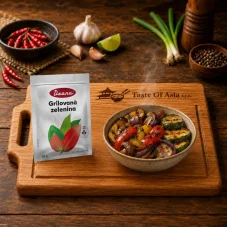
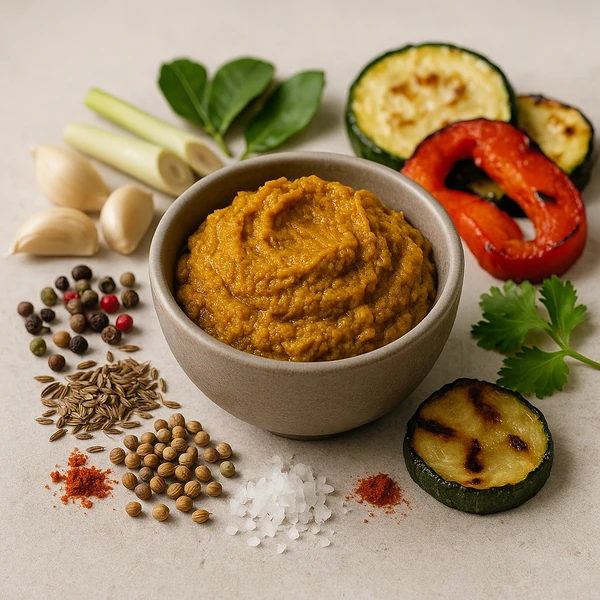
Drana Grilled Vegetables 30 g
Read next
If you want to continue with the same topic, here are more related articles to explore: