Česky (CZK)
 Slovensky (EUR)
 Deutsch (EUR)
 Austria
 Belgium
 Bulgaria
 Croatia
 Denmark
 Estonia
 Finland
 France
 Germany
 Greece
 Hungary
 Italy
Italy Latvia
 Lithuania
 Luxembourg
 Netherlands
 Poland
 Portugal
 Romania
 Slovenia
 Spain
Spain Sweden










Mulled Wine Spices: How to Choose a Blend, Get the Flavour Right, and Use It Beyond Hot Wine

Why mulled wine spice matters 🧡
“Mulled wine spices” isn’t about heat in the chilli sense. It’s a set of aromatic ingredients that build a warm, sweet-spiced profile with a bright citrus lift. Done well, the spice feels integrated with the wine and fruit; done poorly, it becomes medicinal (too much clove), bitter (pithy citrus or over-boiling), or flat (old, stale spices).
A fun detail: many of the classic “European winter” notes come from ingredients traded along Asian spice routes—cinnamon, cloves, star anise, cardamom, ginger. That’s why mulled wine can feel surprisingly familiar if you enjoy fragrant Asian broths, teas, or spice-forward desserts.
What’s typically in a mulled wine spice mix? 🧡
Every blend is a little different, but most are built from a few core spices. Knowing what each one does helps you tweak a ready-made mix or create your own.
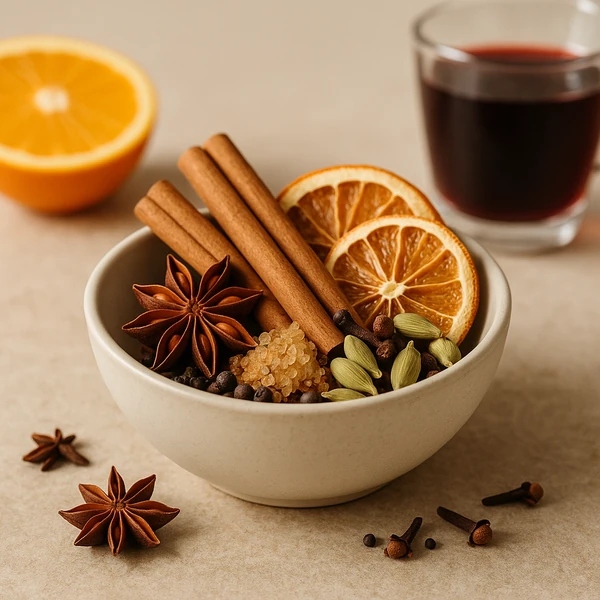
- Cinnamon: sweet woodiness and body. Sticks are easier to control than powder.
- Cloves: intense, numbing warmth. Powerful—easy to overdo.
- Star anise: liquorice-like fragrance that reads “wintery” immediately.
- Cardamom: floral, slightly menthol, lifts the aroma.
- Ginger: fresh warmth and a clean finish (great in alcohol-free versions).
- Black pepper: subtle heat and complexity when used sparingly.
- Citrus peel: brightness. Use peel/zest, not thick pith.
Some blends also include allspice, nutmeg, vanilla, or dried orange pieces. Those can be lovely, but they also make bitterness and “dusty” flavours more likely if boiled hard.
How to infuse without bitterness or harsh alcohol 🔥
The single most important technique is simple: heat gently, never boil. Boiling drives off delicate aromas, concentrates harshness, and can turn citrus bitter.
- Warm slowly on low heat until steaming (think 60–75°C / 140–167°F). If you see big bubbles, you’re too hot.
- Infuse, then stop: cover and steep 10–20 minutes off the heat. Taste after 10 minutes and decide if it needs longer.
- Sweeten at the end: add sugar, honey, or syrup gradually after the spices have infused. Sweetness can mask spice intensity, so adjusting early often leads to over-spicing.
- Mind the citrus: use thin peel or zest; avoid the white pith. If using slices, remove them once the aroma is there.
- Strain for balance: leaving spices in the pot too long (especially cloves) can push the drink into a sharp, mouth-drying direction.
Whole vs ground: which should you choose?
- Whole spices (sticks, pods, whole cloves): cleaner flavour, easier to strain, less risk of gritty texture.
- Ground blends: fast and convenient, but they can cloud the drink and intensify quickly; best for short infusions and careful dosing.
Flavour pairings that almost always work 🍊
Once the base aroma is right, you can shape the style—fruitier, drier, sweeter, or more “grown-up” and spice-forward.
- Orange + cinnamon: classic, crowd-pleasing.
- Apple or pear: softens the spice and makes the drink feel fuller.
- Honey or dark sugar: adds caramel notes and rounds edges.
- A splash of tea (black or oolong): adds structure and gentle tannin, especially if the wine is very soft.
- Vanilla: turns the profile more “dessert-like” (use a little).
Choosing the wine (so the spice doesn’t fight it)
You don’t need an expensive bottle, but you do want clean, drinkable wine. Very oaky reds or heavily sweet wines can become heavy once warmed. A medium-bodied red with moderate tannin is a safe choice. For white mulled wine, pick something aromatic but not overly acidic.
Alcohol-free and family-friendly versions 👨👩👧👦
Mulled wine spices shine without alcohol because fruit notes come forward and the aroma feels even clearer. The key is to watch sweetness—many juices are already sweet enough.
- Grape juice: closest “mulled” character; dilute slightly if it’s very thick.
- Apple juice or cider (non-alcoholic): excellent with cinnamon, ginger, and orange peel.
- Strong black tea: makes a spiced winter tea with a satisfying backbone.
Tip: for alcohol-free bases, a small squeeze of lemon at the very end can brighten the drink without turning it bitter.
Beyond the mug: other ways to use mulled wine spices 🍐
If you like the aroma, don’t limit it to one seasonal drink. The same spice profile works beautifully in desserts and quick pantry projects.
- Spiced simple syrup: simmer sugar and water, then steep spices off the heat and strain. Use in iced tea, sparkling water, cocktails, or drizzle over fruit.
- Poached fruit: pears, plums, apples, quince. Infuse the poaching liquid gently so it stays fragrant instead of bitter.
- Rice pudding or creamy porridge: add a small piece of cinnamon stick and a star anise while cooking, then remove before serving.
- Compote and jam tweaks: a little clove and orange zest can make everyday berries feel more complex (use restraint).
- Spiced whipped cream: steep spices in warm cream for 10 minutes, chill, strain, then whip.
A simple baseline method (no-fuss and adjustable) 🫖
This isn’t a strict recipe—think of it as a reliable starting point you can scale up or down.
- Base: 1 bottle red wine (or 1 litre juice/cider)
- Spices: 1–2 cinnamon sticks, 3–6 cloves, 1 star anise, optional 2–3 cardamom pods + a few slices of ginger
- Citrus: thin peel from 1 orange (avoid pith)
- Sweetener: to taste, added at the end
Warm gently until steaming, cover, steep 10–20 minutes off heat, taste, sweeten, strain, and serve.
Buying and storage tips (so it stays aromatic) 📦
- Trust your nose: a good mix smells vivid even dry. If it’s dull or dusty, it will taste dull.
- Check clove dominance: too much clove can overwhelm everything; balanced blends smell layered, not sharp.
- Choose whole spices for flexibility: easier to adjust and reuse for syrup or poaching.
- Store airtight, cool, and dark: light and moisture flatten aroma quickly. Keep away from the stove and don’t store in paper sachets once opened.
Common mistakes (and easy fixes) ✅
- It’s bitter: you likely boiled it or used too much pith. Next time: lower heat, steep off-heat, use peel/zest only.
- It tastes “medicinal”: too many cloves or too long an infusion. Use fewer cloves and strain earlier.
- It’s bland: old spices or too short an infusion. Use fresher whole spices and give it 10–20 minutes of covered steeping.
- It’s too sweet: sweeten last, in small additions, and consider adding a little tea or citrus zest for balance.
Our picks (pantry essentials)
- Cinnamon sticks for clean, controllable sweetness
- Whole cloves for intensity (use sparingly)
- Star anise for that unmistakable winter aroma
FAQ ❓
- Can I reuse the spices?
- For mulled wine, spices can be reused once if they’re still fragrant, but the second infusion will be noticeably softer. They’re often better repurposed into a syrup or fruit poaching liquid where a gentler flavour is welcome.
- Should I add citrus juice?
- Juice can turn the drink sharper and sometimes bitter when heated. For aroma, peel/zest is usually better. If you want acidity, add a small squeeze at the end.
- How long should I steep?
- Most mixes land well at 10–20 minutes off the heat, covered. Taste early—clove-forward blends can peak fast.
Our picks
Relevant internal links for this topic:

Recommended products1
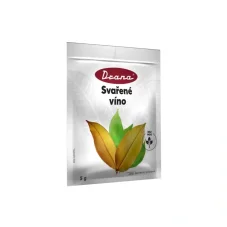
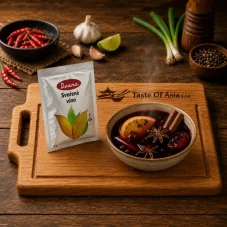
Drana Mulled Wine 5 g
Read next
If you want to continue with the same topic, here are more related articles to explore: