Česky (CZK)
 Slovensky (EUR)
 Deutsch (EUR)
 Austria
 Belgium
 Bulgaria
 Croatia
 Denmark
 Estonia
 Finland
 France
 Germany
 Greece
 Hungary
 Italy
Italy Latvia
 Lithuania
 Luxembourg
 Netherlands
 Poland
 Portugal
 Romania
 Slovenia
 Spain
Spain Sweden










Seasoning Game Meat: How to Bring Out Rich Flavor (and Add an Asian Twist)
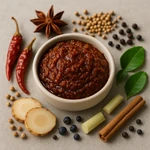
Why game meat needs a different approach 🦌
Compared with beef or pork, game meat tends to be leaner and more intensely flavored. That combination is the reason it shines in slow braises and roasts—but it also means seasoning can go wrong in two common ways: either it’s too timid (the dish tastes flat), or it’s too aggressive (the spices dominate and the meat feels harsh).
The goal is balance: keep the meat recognizable, soften any sharp edges, and add aroma that feels intentional rather than random.
A simple “flavor map” that works every time 🧭
If you’re unsure where to start, pick one main direction and support it with two to three accents:
- Forest & herb (classic): juniper, bay leaf, thyme, rosemary
- Warm & peppery: black pepper, allspice, clove (use lightly), toasted spice notes
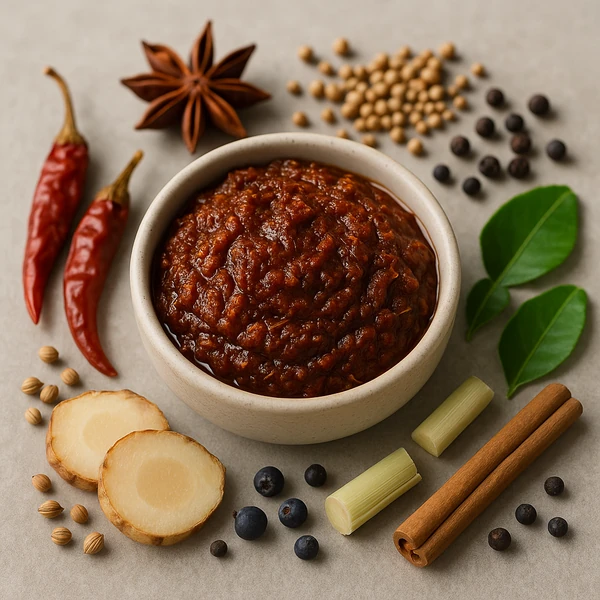
- Fresh & bright: ginger, lemongrass, citrus zest, a touch of vinegar
- Umami depth: soy sauce, miso, fish sauce (small amounts), mushroom stock
- Chili heat: adds lift, especially helpful for richer cuts
That structure keeps flavors clear—even when you bring Asian ingredients into the mix.
Classic seasonings for game (and what they actually do) 🌿
Juniper: the “piney” backbone
Juniper’s resinous aroma is a natural match for venison and hare. Use it with restraint: lightly crush a few berries so they perfume the dish without turning bitter.
Black pepper: sharpness and warmth
Freshly ground pepper reads “clean” and modern. Add early for mellow warmth, or late for a more vivid pepper bite.
Woody herbs: thyme and rosemary
These herbs echo the outdoorsy notes of game. They work best in roasts, braises, and pan sauces. If you’re using rosemary, keep it subtle—too much can feel medicinal.
Bay leaf and allspice: depth for sauces
Bay leaf and a hint of allspice are excellent in long-cooked dishes where you want aroma in the background rather than on the surface.
Asian-inspired routes that flatter game meat (without overpowering it) 🍜
Many Asian cuisines excel at layering salty, sweet, sour, spicy, and savory. For game, this is useful because you can make the meat feel rounder and less “heavy” without covering it up.
1) Citrus + aromatics (lightens lean venison)
Try ginger, lemongrass, citrus zest, or a splash of rice vinegar. These notes don’t fight the meat; they lift it. Great for backstrap/loin cooked quickly.
2) Umami-forward marinades (adds depth and juiciness)
A small amount of soy sauce or miso in a marinade builds savoriness. Pair with a bit of sugar or honey to encourage browning, especially for pan-seared cuts.
3) Chili + sweet (perfect for wild boar and sausages)
Richer game (wild boar, duck, some stew cuts) can handle more heat. A sweet-spicy element keeps the finish lively and helps the dish feel less dense.
4) Curry-style warmth (for braises and sauces)
Curry-like spice profiles—warming, aromatic, slightly sweet—work surprisingly well with slow-cooked venison. Think of them as an alternative to the traditional “pepper-juniper” sauce: still deep and savory, but with a different aromatic signature.
When to season: rub, marinade, or sauce? ⏱️
Dry rub (fast, clear flavor)
Best for steaks, medallions, and quick grilling. Use salt, pepper, and one or two aromatics (crushed juniper, dried thyme, or a pinch of warm spice). Let it sit 15–45 minutes before cooking so the surface seasons evenly.
Marinade (helpful for grilling and lean cuts)
A marinade is most useful when you want aroma + browning, not when you expect it to tenderize everything. Include:
- Fat: oil or yogurt/coconut milk (depending on style)
- Salt/umami: soy, miso, fish sauce, or plain salt
- Aromatics: ginger, garlic, spices
- Optional acid: citrus or vinegar (use gently for lean meat)
Typical time: 2–12 hours in the fridge, depending on cut thickness and acidity.
Seasoning in the sauce (safest for bold spices)
For stews, ragù, and braises, the easiest way to avoid “over-spicing” is to build aroma in the base—sweat onions, toast spices briefly, then simmer. The meat stays the star, and the sauce carries the complexity.
Quick pairing guide by cut and animal 🔥
- Venison loin/backstrap: pepper + citrus/ginger; quick sear; finish with a light pan sauce
- Venison shoulder/shank: juniper + bay + warm spices; slow braise; add umami (a little soy/miso) to deepen
- Wild boar: chili + sweet + garlic; works well grilled or in rich stews
- Ground game (burgers/meatballs): pepper + warming spice; consider a sweet-spicy condiment to keep it juicy
Common mistakes (and how to avoid them) ✅
- Using too many “dominant” spices at once. Juniper, clove-like notes, strong herbs, and chili all compete. Choose one lead and keep the rest quiet.
- Overcooking lean cuts. No spice blend can fix dryness. Cook hot and fast for loin/steaks; use moist heat for shoulders and shanks.
- Too much acid for too long. A very sour marinade can make the surface turn mushy or sharp. Use small amounts and shorter times.
- Forgetting balance. A touch of sweetness (honey, caramelized onion) or a bright finish (citrus, vinegar) can make game taste cleaner.
A practical “Asian twist” idea you can use tonight 🍽️
Sweet-spicy glaze for seared venison
Sear venison medallions in a hot pan, then remove to rest. In the same pan, add a spoon of something sweet (chutney works well), a splash of stock or water, and a small amount of chili sauce or flakes. Simmer briefly until glossy, then spoon over the rested meat. The result: deep flavor, bright finish, and a sauce that makes lean meat feel richer.
Our picks (useful shortcuts) 🛒
- Drana Tandoori Masala 500 g – a ready spice blend that works as a dry rub for venison skewers or as a base for a yogurt-style marinade when you want warmth without fuss.
- SWAD Chutney mango exotic sauce 350 g – an easy sweet element for quick pan sauces, glazes, or serving alongside grilled wild boar.
- Pasco Chutney mango hot sauce 320 g – sweet + heat in one jar; great with game burgers, sausages, or as a finishing spoonful on roasted venison.
FAQ
Does seasoning remove the “gamey” taste?
It can soften it, but the biggest factors are proper trimming, good handling, and the right cooking method. Seasoning helps most when it adds balance (umami, brightness, and controlled warmth).
What’s the safest Asian flavor profile for first-timers?
Go with ginger + citrus + a little soy. It’s forgiving, it brightens the meat, and it won’t dominate.
Should I salt game meat early?
For steaks and quick cooks, salting 30–60 minutes ahead is helpful. For braises, season in layers (meat + sauce) and adjust at the end.

Recommended products1

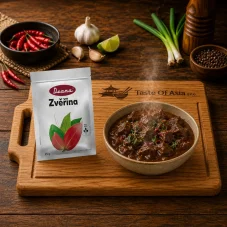

Drana Game Meats 25 g
Read next
If you want to continue with the same topic, here are more related articles to explore: