


 Česky (CZK)
 Slovensky (EUR)
 Deutsch (EUR)
 Austria
 Belgium
 Bulgaria
 Croatia
 Denmark
 Estonia
 Finland
 France
 Germany
 Greece
 Hungary
 Italy
Italy Latvia
 Lithuania
 Luxembourg
 Netherlands
 Poland
 Portugal
 Romania
 Slovenia
 Spain
Spain Sweden










Fresh herbs, acidity, and spiciness: why cold Asian dishes taste "finished"
Asian cold cuisine is not a "diet salad" or randomly mixed vegetables. It is often a complete meal built on fresh herbs, active acidity, and a spicy spark – and mainly on a dressing or dip that holds the whole plate together. In the article, we clearly explain how these elements work, their variations, and how to assemble a cold bowl or noodle salad at home so it doesn’t taste "unfinished."
Why cold dishes are so important in Asia (and why they aren’t "just lighter versions")
When it comes to Asian salads and cold dishes, it’s key to reset expectations: "cold" does not automatically mean raw, diet, or bland. On the contrary – cold or lukewarm dishes are often lively in flavor and technically precise. Very often they serve as main meals, quick lunches, and street food.
Why it makes sense:
- Climate: in warm and humid regions, dishes based on herbs, citrus, and acidity refresh and don’t feel heavy.
- Street food and everyday life: rolls, cold noodles, salads, and flavored bowls can be prepared quickly and eaten "on the go."
- Flavor logic: the cold format is an ideal space for herbs, acidity, chili, and light fermented or pickled components – that’s why a dish can have a strong character even without long cooking.
A short cultural note: Taiwan and night markets
The Taiwanese tradition of night markets shows that cold food doesn’t have to be "just a side dish": cold noodles, light bowls, and snack dishes with sauce rely on textures and contrasts. Cold components (including fruit and pickles) often work as a smart counterpoint to stronger, warmer flavors.
🌶️ What’s typical for Asian cold dishes: herbs, acidity, umami, chili, and texture
The Asian "cold plate" usually follows several recurring principles. When one is missing, the result often feels flat – even if the ingredients are good quality.
- Herbs and fresh vegetables are not decoration but a key part of the flavor.
- Acidity is not just "a little lemon" – it’s an active element that gives energy to the dish and lightens fat, noodles, and umami bases (e.g., fish sauce or soy sauces).
- Umami base (often fish sauce, soy, and other salty bases) gives the feeling of a "finished dish," not just seasoned vegetables.
- Spiciness (most commonly chili) is often the final spark that lifts aroma and finish.
- Texture is equal to taste: in one bowl, you meet soft (noodles), crunchy (vegetables), elastic (rice paper), delicate (herbs), and often a crunchy dot (nuts or seeds).
Important detail: salad in the Asian context doesn’t have to be leafy. Cold food often consists of rice noodles, rice paper, tofu, seafood, or grilled meat – and then vegetables, herbs, and dressing/dip are layered around them.
👃 Freshness: herbs and aroma as the "engine" of cold dishes
Freshness in cold cuisine is not created just by low temperature. It is mainly built by herbs, crisp vegetables, cucumber, citrus notes, and sometimes pickled components. In Asian cooking, herbs often have a clear role: to create a green contrast to heavier sauces and instantly add fragrance to the dish.
Herbs that are good to know how to distinguish (they are not perfectly interchangeable)
- Coriander leaves: one of the most important herbs in Asian cuisine. Suitable for salads, dips, and as a finishing sprinkle. Practical tip: stems often have a more pronounced flavor than leaves, so it’s worth using both (in appropriate amounts).
- Basils: "basil" in the Asian context means several types. Sweet basil tends to be milder and more versatile, Thai basil has an anise-like tone and holds flavor better under heat, Holy basil is usually pepperier and sharper. For cold cuisine, it’s useful to remember above all that it’s not just one interchangeable herb.
- Perilla and shiso: distinctive aromatic leaves that can serve both as herbs and as "edible wrappers," creating a strong contrast to rice, fish, or fried dishes.
What to do if you don’t have fresh herbs
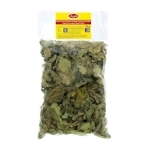
Fresh is ideal but not always at hand. Dried herbs work differently (less “green” and more spicy). If you want to have a base at home, it may make sense to keep at least some dried herbs in stock in the herbs category – but keep in mind that in cold dishes they don’t fully replace the effect of fresh greens added at the end.
Acidity: lime, vinegar, tamarind, and pickles – when to use what
Acidity in cold cuisine does two big things: adds energy and lightens – especially where there is fat (e.g., sesame or peanut dressings), umami bases, noodles, or grilled meat. But sources of acidity differ in character, which affects the result.
👃 Citrus: quick freshness and aroma
Lime or lemon gives a sharp, clean start. Suitable where you want the dish to feel as "alive" and light as possible. With citrus, it’s good to watch that it does not overpower the herbs – in milder bowls it’s often better to add acidity gradually.
Vinegar: pure acidity for dressings and quick pickles
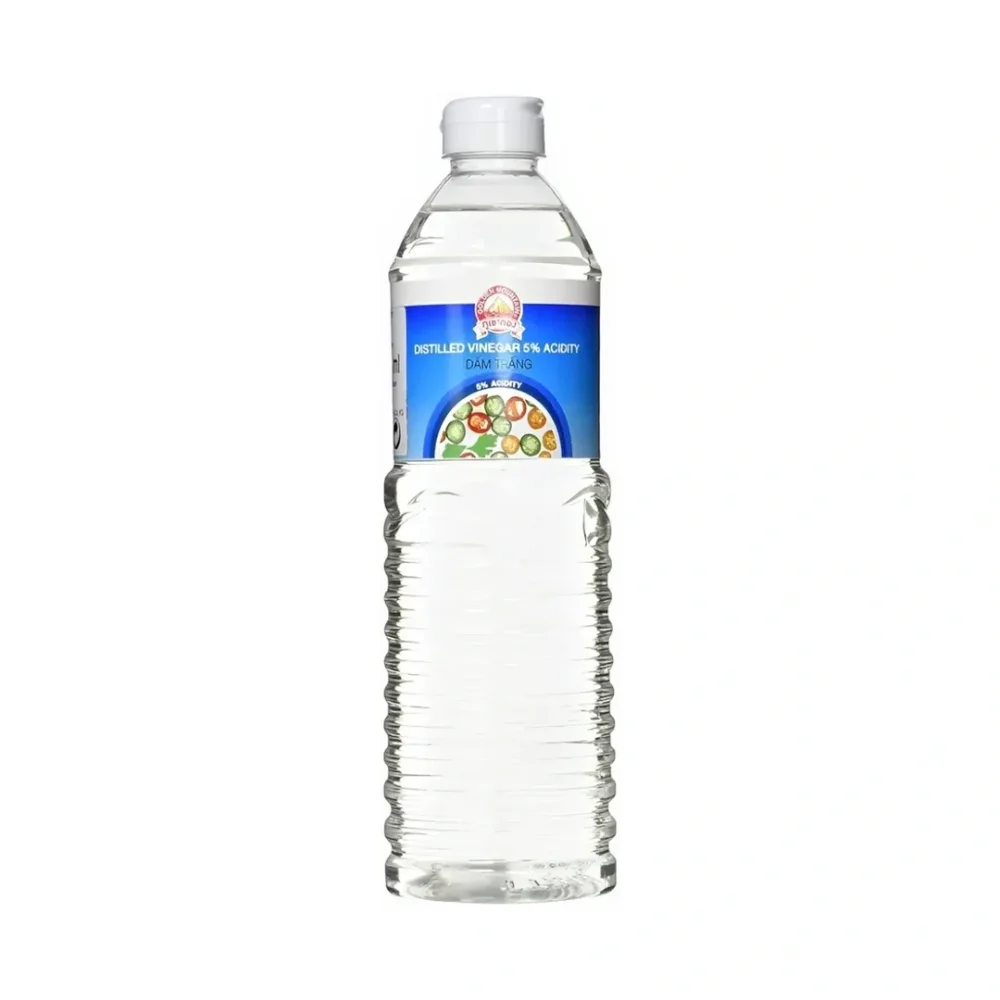
Vinegar is a more stable and clearer "axis" for dressings, especially when balancing sweet-salty flavors. For common home use in cold cuisine, Golden Mountain distilled vinegar (5% acidity) is also suitable – it’s a pure type of acidity that doses well into dressings or quick marinades.
Tamarind and pickled components: acidity with an extra layer
Tamarind adds acidity with its own character and “depth.” Similarly work pickled components – acidity with texture and often with additional aroma.
It’s important to know that in Asian cuisine pickling is not just one technique. It can be based on salting, lactic fermentation, vinegar, a combination of sugar and acidity, or the addition of chili and aromatic herbs – and sometimes very aromatic components. The result can range from fresh and slightly sour to intensely fermented or spicy.
Practical guide for choosing pickles according to the dish:
- For richer dishes, sourer and crunchier pickles fit (e.g., daikon, carrot, cucumber, cabbage), or quick pickles.
- For rice and bowl dishes, more intense pickles in small amounts often work (e.g., kimchi, achar, pickled mustard greens) – more as an accent than a large portion.
- For milder dishes, mild, less aggressive pickles tend to be better (e.g., light Japanese tsukemono).
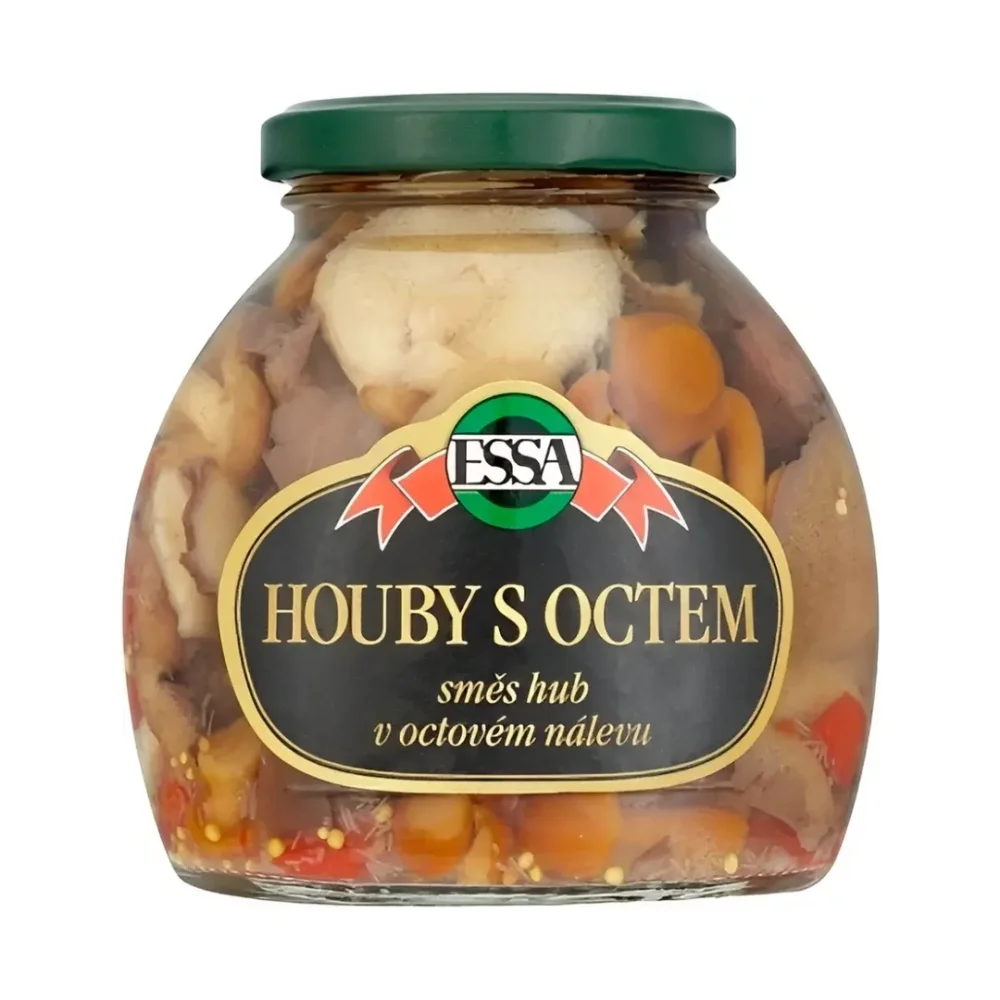
As a simple "acidic and textural" addition to cold salads or plated bowls, ready-made pickled components such as ESSA mushrooms in vinegar brine can work – but treat it as one component in small to medium amounts, not as the main ingredient.
Spiciness: chili and spices as the final spark (not the main flavor)
In many cold Asian dishes, spiciness is the "dot" that lifts aroma and prolongs the finish. The important thing is that heat often works best in combination with acidity and freshness: acidity lightens the dish, herbs open it up, and chili energizes it.
Alongside chili, Asian cooking also uses spices that create sharpness or warmth (e.g., pepper, ginger). Generally, flavor is not built only by salt and fat but through layering of roles: something gives immediate aroma, something the core of flavor, and something the finish.
Spicy accent through pickles: inspiration from India
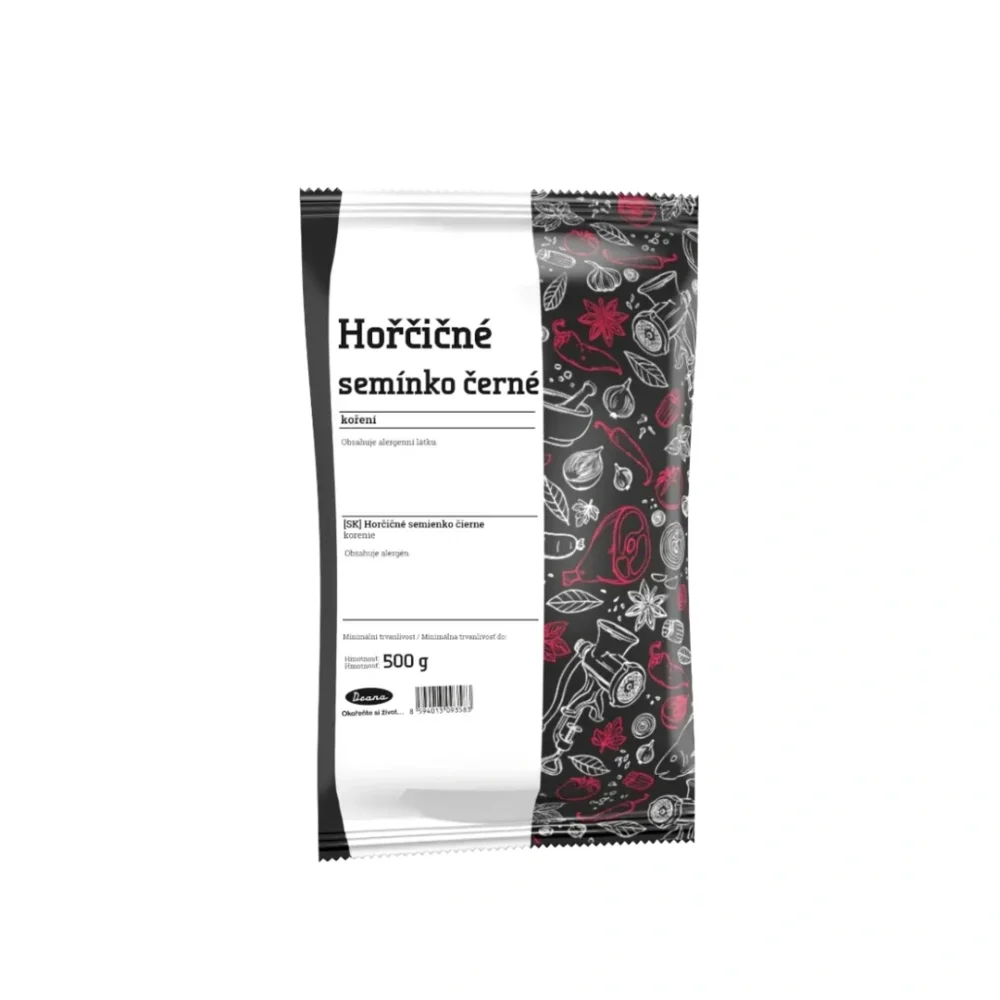
The Indian logic of pickles (achar) nicely shows that a "pickle" can function as a very intense spice layer in a small portion – often combining acidity, salt, spices, and oil. If you want to try to understand that style at home (for example when making your own quick pickles), it makes sense to have spices on hand that can add a spicy aromatic note, such as Drana black mustard seed. In Indian and Sri Lankan cuisine, spices are often briefly "awakened" by heating in fat – which changes their aroma and strength. But spices behave differently in purely cold dressings, so it’s better to start very carefully and rather add in small amounts.
How to assemble a cold bowl or noodle salad at home to taste balanced
The most common problem with homemade cold dishes isn’t bad ingredients but unclear structure: everything is "somehow" there, but nothing has a role. Simple layering helps – without needing a complicated recipe.
1) Start with the "body" of the dish: noodles, rice paper, tofu, seafood, or meat
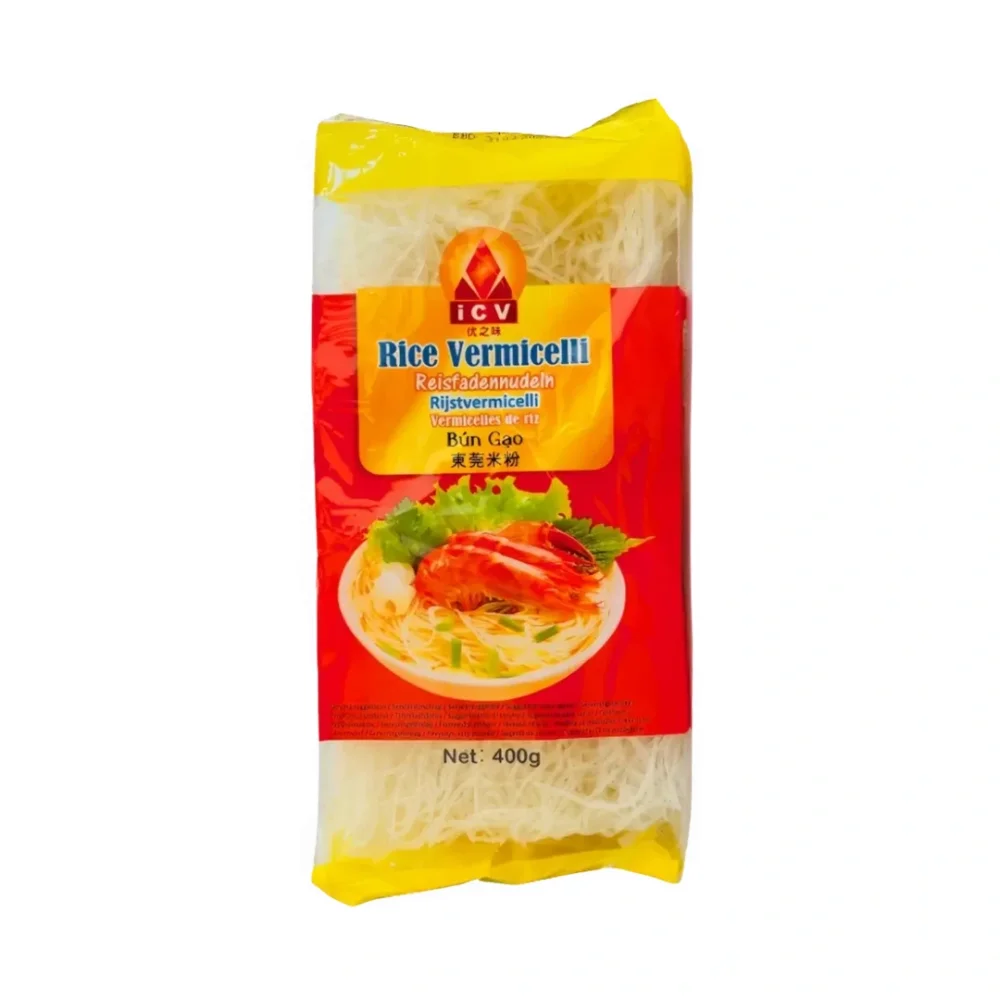
Cold dishes often rely on an elastic and delicate base. Thin rice noodles are typical for noodle salads – they mix easily with dressing and carry herbs and acidity well. A practical choice is, for example, Icv rice vermicelli noodles.
Practical tip: for cold noodles, it’s worth ensuring they are not soggy or watery – water then dilutes the dressing and "drowns" the flavor.
2) Add crunchiness and juiciness: cucumber, crisp vegetables, pickles
Texture is crucial in cold cuisine. The combination of soft (noodles) and crunchy (vegetables/pickles) often decides whether the dish feels lively or dull.
Here the preparation on the cutting board also plays a role: for cold dishes, important factors are tenderness, crispness, and ease of eating. The shape also influences how much dressing the ingredient holds.
3) The dressing or dip is as important as the "main" ingredient
Dressing in a cold dish is not just a sauce – it’s a binder of flavors. If you want a quick functional base without a recipe, it helps to think in proportions and proceed in small doses:
- acidity: start with about 1–2 tablespoons per serving (lime/lemon or vinegar) and adjust depending on how "heavy" the other components are,
- salty/umami base: add carefully by teaspoons (it’s easy to overdo in cold dishes),
- sweetness (if desired): just enough to smooth edges of acidity and umami, not to make the dressing taste like soda,
- spiciness: as the final accent, preferably after tasting the mixed bowl.
For cold dishes, it’s worth mixing the dressing separately and tasting it before pouring it over noodles/vegetables. Often a slight correction of acidity or a pinch of salt/umami base is enough to make everything "fall into place."
4) Add herbs at the end – and think about contrast
Herbs are supposed to provide freshness and aroma. In practice, it often works when you mix some in and put some on top as a final layer. For strong leaves (perilla/shiso), it helps not to overdo the amount – their role is similar to seasoning.
5) Cold plate as a contrast to hot food
Cold cuisine often also works as a smart accompaniment to heavier hot dishes: it lightens, adds acidity and crunchiness. If you need a quick everyday solution, you can prepare a simple cold herb-and-sour bowl or pickles as a contrast to your hot meal – and take the hot base, for example, from the category ready meals.
Most common mistakes in cold cuisine (and how to quickly fix them)
- Everything is "too delicate": there is usually a lack of acidity or umami base. Fix it with a small addition of lime/vinegar and only then adjust the saltiness.
- The food is heavy and sticky: acid is often too low compared to the fat (e.g. sesame/peanut dressing) or compared to the noodles. Add acidity gradually and consider adding an extra crunchy element (cucumber/pickles).
- Everything tastes "diluted": typically a water problem – wet vegetables, undried ingredients or soggy noodles. It helps to dry ingredients after washing and not let the noodles stand unnecessarily in water.
- Chaotic texture: too large or uneven pieces are hard to eat and dressings do not hold well. For cold dishes, a finer and more even cut pays off.
- Herbs wilt and turn bitter: they are often mixed in too early or stand for a long time in acidic dressing. Solution: add part of the herbs only when serving.
- The spiciness overpowers everything else: chili should be an accent. When overdone, it often helps to add a crunchy “neutral” element (cucumber), a little acidity and herbs that reopen the dish.
What to take away from the article
- Cold Asian food is not "vegetables with dressing" – it is often a full bowl with structure, umami base and clear flavor roles.
- Freshness is mainly made by herbs and aromatics; with some (coriander, basil, perilla/shiso) it is worth knowing the differences as they are not perfectly interchangeable.
- Acidity is an active tool: it adds energy and lightens fat, noodles, and grilled flavors. You can build it from citrus, vinegar, tamarind, and pickles.
- Spiciness works best as a finishing touch – in combination with acidity and herbs, it lifts aroma and finish.
- Texture matters: soft + crunchy + elastic + juicy. Without contrast, the dish will feel flat, even if properly seasoned.
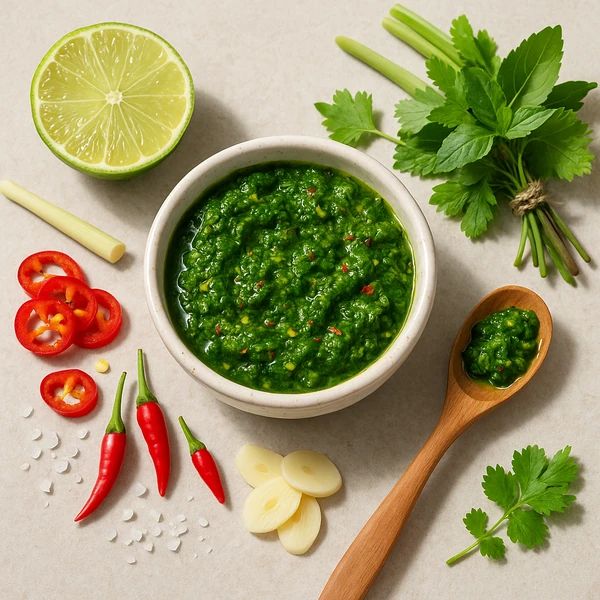
Main image: Cold Asian bowl with rice noodles, herbs, sour dressing, and spicy accent.

Read next
If you want to explore this topic further, continue with these related blog guides and articles:
