

 Česky (CZK)
 Slovensky (EUR)
 Deutsch (EUR)
 Austria
 Belgium
 Bulgaria
 Croatia
 Denmark
 Estonia
 Finland
 France
 Germany
 Greece
 Hungary
 Italy
Italy Latvia
 Lithuania
 Luxembourg
 Netherlands
 Poland
 Portugal
 Romania
 Slovenia
 Spain
Spain Sweden










Garam Masala: the Fragrant Heart of Indian Cooking
Some spices simply “season” a dish. Garam masala does more than that: it gives food a signature. A pinch can turn a basic tomato sauce into something that smells like a proper curry night; a spoon of lentils suddenly feels richer and more complete. The key is understanding what it is, why it smells so intense, and when to add it so the aroma stays vibrant.
🌿 What exactly is garam masala?
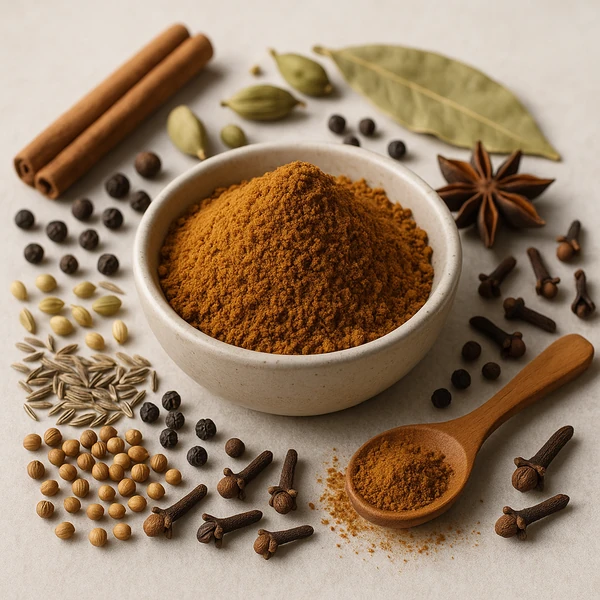
Garam masala is a classic South Asian spice blend, especially associated with Indian home cooking. There isn’t one fixed recipe—families and regions use different ratios and sometimes different spices altogether. That flexibility is part of its charm: garam masala is less a strict formula and more a style of “warm” aromatic seasoning.
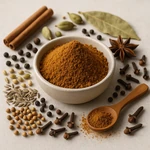
Most versions include a mix of fragrant spices such as cumin, coriander seed, black pepper, cardamom, cinnamon, cloves, and sometimes nutmeg, mace, or bay leaf. Traditionally, whole spices may be gently toasted and then ground, which boosts their aroma. In shops, you’ll typically find it as a fine powder ready to use.
👃 Flavor profile: warm, aromatic, not necessarily spicy
Despite the name, garam masala isn’t about heat from chili. “Garam” is often described as “warming” in an aromatic sense. Expect a rounded, slightly sweet-spiced fragrance (cinnamon/cardamom), a peppery backbone, and a deep, cozy finish. If you want chili heat, that’s usually added separately.
🍳 How to use garam masala (and when to add it)
How much to use
Start small—garam masala is potent. As a general guide, try 1/4–1/2 teaspoon for a 2-portion dish, then adjust. In creamy sauces or lentil stews you can often go a bit higher, but it’s easier to add than to remove.
The timing trick: late addition keeps the aroma alive
- Best for fragrance: stir in during the last 1–3 minutes of cooking, or sprinkle into the finished dish off the heat.
- Best for a more integrated taste: add earlier, so it melts into the sauce—use a smaller amount, as long cooking softens the top notes.
Where it shines
- Curries and sauces: tomato-based, creamy, or coconut-based.
- Lentils and chickpeas: dal, chana-style stews, bean dishes.
- Vegetables: roasted cauliflower, sautéed spinach, pan-fried potatoes.
- Rice and one-pot meals: a pinch at the end makes plain rice feel “finished”.
- Dips and yogurt sauces: a small pinch gives instant warmth and complexity.
🧩 Pairings that make garam masala taste “right”
Garam masala works best when it has something to lean on—sweetness, acidity, richness, or freshness. These combinations are especially reliable:
- Onion + tomato base: the classic backbone for many Indian-style sauces.
- Garlic + ginger: adds brightness and punch that balances the warm spices.
- Something creamy: yogurt, cream, coconut milk, or plant-based alternatives highlight the sweeter spice notes.
- A squeeze of lemon/lime: lifts heavy dishes and sharpens the aroma.
- Chili (optional): adds heat while garam masala provides the perfume.
🛒 Choosing a garam masala: what to look for
- Smell first (if possible): it should be fragrant and complex, not dusty or flat.
- Check the balance: some blends lean peppery, others more sweet-spiced (cinnamon/cardamom). Pick what suits your cooking style.
- Ingredient list matters: simpler isn’t always better, but you want recognizable spices rather than vague “spice mix”.
- Freshness: ground spices fade over time. If you cook Indian food often, a larger pack makes sense; otherwise, buy smaller and replenish sooner.
💡 Common mistakes (and how to avoid them)
- Overcooking it: simmering garam masala for a long time can mute its perfume. Add part at the end for a fresher impact.
- Using too much too early: strong blends can dominate and turn bitter-ish when heavily cooked. Start small; finish with a pinch.
- Confusing it with curry powder: they’re not the same. Curry powder often includes turmeric and is built to be a “one-mix solution”; garam masala is more of an aromatic finisher in many dishes.
- Trying to fry it hard in oil: delicate spices can scorch quickly. If adding early, keep the heat gentle and stir constantly.
📦 Storage: keep the fragrance, not the humidity
- Airtight container: oxygen is the enemy of aroma.
- Cool, dark cupboard: keep it away from heat sources and sunlight.
- Use your nose: if it smells faint, compensate by adding a small pinch at the end—or replace it for best results.
✨ A fast everyday idea: garam masala finishing yogurt
For a quick side sauce that works with roasted veg, chickpeas, or grilled meats:
- Mix plain yogurt (or a plant-based yogurt) with a small pinch of garam masala, a little salt, and a squeeze of lemon.
- Optional: add grated garlic or a little minced ginger for extra bite.
- Let it sit 5 minutes—garam masala blooms beautifully in cool, creamy bases.
Our picks
- Drana Garam Masala 500 g – a versatile option for curries, lentils, and late-stage finishing.
- Drana Tandoori Masala 500 g – if you want a different masala profile geared toward marinades and oven/grill cooking.
- Pasco Garlic marinade (Kashmiri Masala) 260 g – handy for quick marinades; finish the cooked dish with a pinch of garam masala if you want extra aroma.
❓ FAQ
Is garam masala hot?
Usually no. It’s primarily aromatic and “warming” rather than chili-hot. Heat is typically adjusted with chili powder, fresh chilies, or chili flakes.
Is it the same as curry powder?
No. Curry powder is a general-purpose blend common outside India, often including turmeric. Garam masala is typically more perfumed and is frequently added toward the end of cooking.
Can I use it on non-Indian dishes?
Yes—especially with roasted vegetables, soups, or legumes. Treat it like a finishing spice: start with a tiny pinch and build up.

Recommended products1
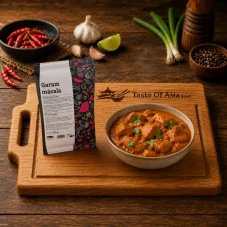
Drana Garam Masala 500 g
Read next
If you want to continue with the same topic, here are more related articles to explore: