


 Česky (CZK)
 Slovensky (EUR)
 Deutsch (EUR)
 Austria
 Belgium
 Bulgaria
 Croatia
 Denmark
 Estonia
 Finland
 France
 Germany
 Greece
 Hungary
 Italy
Italy Latvia
 Lithuania
 Luxembourg
 Netherlands
 Poland
 Portugal
 Romania
 Slovenia
 Spain
Spain Sweden










Filipino home-cooked meals: what they taste like and how to understand them
Filipino cuisine is home-style, practical, and surprisingly diverse. To understand it, knowing just one "national" dish is not enough – it is important to understand the role of rice, how acidity and saltiness work, why vinegar is so prominent, and how main dishes, soup, side dishes, and sauces interact on the table. The article provides guidance on typical home dishes (adobo, sinigang, kinilaw, sisig), regional differences, and specific tips on how to start cooking Filipino food at home.
Filipino cuisine is not just adobo. It is a vast island world where everyday home cooking, regional traditions, urban street food, and festive tables coexist. What is practical and approachable for home cooking: most dishes make sense only when you eat them with rice and when you pay attention to the basic flavor direction – acidity and saltiness.
What Filipino home-cooked food looks like: rice as the base and "ulam" as the main flavor
In Filipino logic, rice is not a "side dish." It is the center of the meal – a neutral support that balances saltier, sourer, stewed, fried, or grilled components. Alongside rice stands the main flavored dish (in some contexts the term ulamis used for it), optionally soup, and sides: sauces, dips, and sour or pickled elements.
For home dining, it is typical that there are several dishes on the table at once and each person assembles bites according to their taste. This makes sense even under Czech conditions: instead of one "ready portion," you prepare rice, one more pronounced dish, and something that adds contrast (for example, acidity).
Rice appears not only as plain cooked rice. In the Filipino environment, it is also common to have garlic rice sinangag, rice as the base of breakfast combinations, rice in desserts and rice cakes, rice flour, and sometimes rice noodles.
Why Filipino home meals are so diverse: islands, regions, and historical layers
The Philippines consists of thousands of islands – and this is one of the main reasons why different regional traditions exist side by side. Cooking is different in the north (Luzon), different in the central islands (Visayas), different in areas like Bicol, different in Mindanao, and different where Muslim tradition is stronger. Historical influences added on top: Spanish colonization, trade with China, connections with Mexico through the Manila galleons, and also the American period.
A practical consequence for the home cook: expect one recognizable identity (rice, acidity, saltiness, vinegar, pronounced seasonings), but do not expect "one universal sauce" or a single spice that solves everything. And one more important note (just once): "Asian cuisine" is not one thing – the Philippines has its own logic, which differs from mainland cuisines and neighboring island styles.
Island axis for comparison: Philippines vs. Indonesia and Malaysia/Singapore
If you like island Southeast Asia and want to understand it by taste, a brief comparison helps:
- Philippines: a prominent role of acidity, frequent use of vinegar and sour bases, working with saltiness (e.g., through soy and fish seasonings) and emphasis on eating intense food with rice.
- Indonesia: typically a strong role of chili seasoning in the form of sambal and frequent use of coconut (this comparison is especially useful when you enjoy spiciness and "table" seasoning).
- Malaysia/Singapore: strong "urban" mixture of influences and foods showing work with coconut bases and pronounced pastes (commonly mentioned dishes include nasi lemak or laksa).
For orientation in sharper chili pastes, a directory may be useful Sambal and chili pastes – even if your goal is primarily Filipino, it will help you understand why "island" cuisines often differ in how they season at the table.
Four typical Filipino dishes that well represent home cooking
The following four are good not only for "tasting" but mainly as a map: each dish shows a different principle of Filipino cooking.
Adobo: famous dish that is also a method
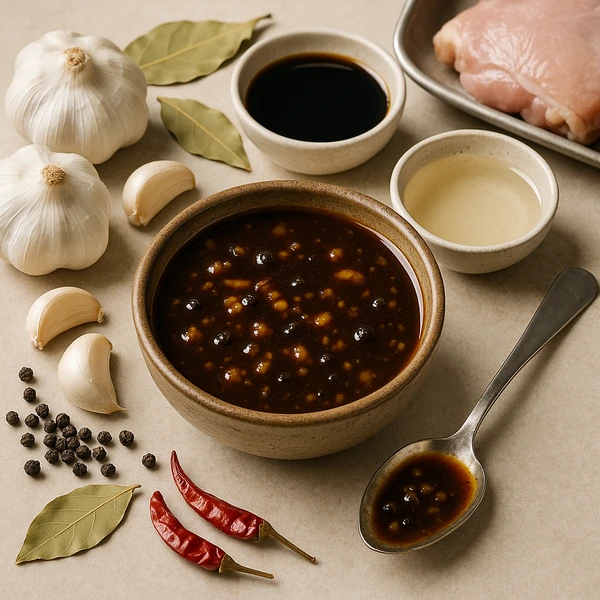
Adobo is considered an unofficial national dish, but it is important to understand that it is not one fixed recipe. Adobo is also a method: braising in a sour and salty base, historically connected with vinegar, salt, and preservation. Therefore, there are many home versions – they differ in proportions, type of meat, length of reduction, and final intensity.
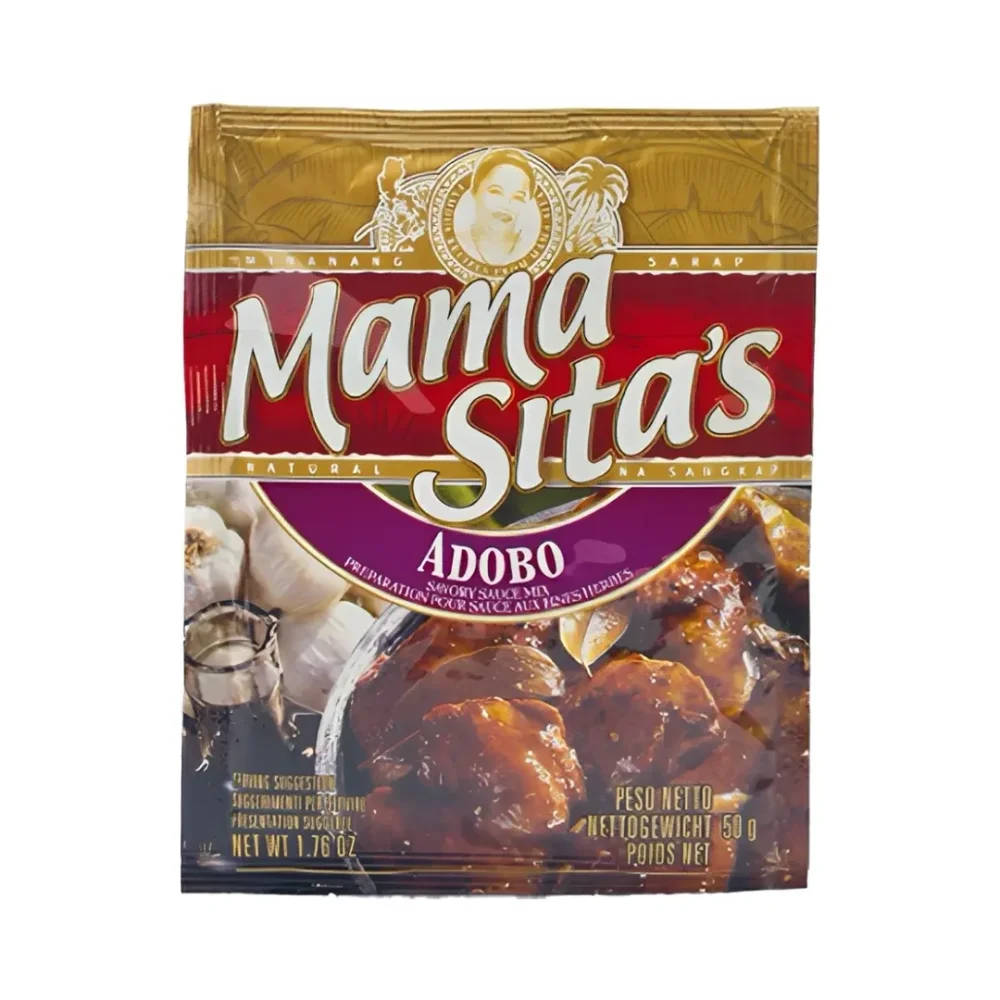
If you want to start without complicated spice tuning, a ready-made mix like Mama Sita's Adobo sauce mixcan be practical. Treat it as a "training" flavor base: it will show you how adobo typically aims for a salty-sour balance, which you can then more easily recreate with individual ingredients.
Sinigang: sour soup as a demonstration of how important acidity is
Sinigang is a sour soup or broth-based dish. It is one of the best examples that in Filipino cuisine, acidity is not "supplementary" but often fundamental. Sinigang can be with pork, fish, shrimp, or beef and usually relies on tamarind or other sour ingredients.
For home understanding, this is important: the goal is not to make a "lemon soup" but a balanced acidity, which is enjoyable with rice and highlights the flavor of the main ingredient.
Kinilaw: island approach to acidity (not just "Filipino ceviche")
Kinilaw shows the pre-colonial and island logic of Filipino cuisine: preparation of raw fish (or other ingredients) using acidic components. Important note: kinilaw is a distinct world, not just the "Filipino version" of a better-known concept from elsewhere.
In practice, this means acidity here does not only "season " but changes the character of the ingredient – therefore, when preparing at home, it is essential to use very fresh ingredients and not underestimate hygiene.
Sisig: urban, distinctive face of Filipino food
Sisig represents the characterful, urban aspect of Filipino cuisine and is mainly associated with Pampanga. Although it can appear as "one specific dish," it clearly shows a broader characteristic of Filipino dining: intense flavor, texture, and the need for something that balances it on the plate (typically rice and sides).
How to start cooking Filipino home meals at home: concrete onboarding without complicated theory
The easiest way is to base your first attempts on the same logic as the Filipino table: rice + one pronounced dish + contrast (acidity/sauce/sides). Here is a practical framework that works even without "perfect authenticity":
- Make rice as the base. Count on it to balance saltiness and acidity. Thanks to this, you can season the ulam more strongly without the result being "too much."
- Choose one dish that shows the principle: adobo (salty-sour braising) or sinigang (sour broth direction) are ideal starters.
- Add acidity gradually. For dishes where acidity is key, it makes sense to add small amounts and taste. A practical home tip: start with 1–2 tablespoons of the acidic component in the sauce base, stir, simmer briefly, and then adjust. This makes it easier to hit the point where the dish is "Filipino-fresh" but does not overwhelm everything else.
- Address salt and umami as "seasoning for the rice". Filipino cuisine often relies on salty seasonings (e.g., soy and fish), but it is easy to overdo it at home if you forget that rice is not an additional side but the main balancing element.
- Work with coconut milk where you want to soften and round. Coconut in Filipino cuisine makes sense as a tool for texture and fullness (not as "sweet coconut flavor" at any cost). If you want to have coconut ingredients on hand, a practical guide is Coconut milk.
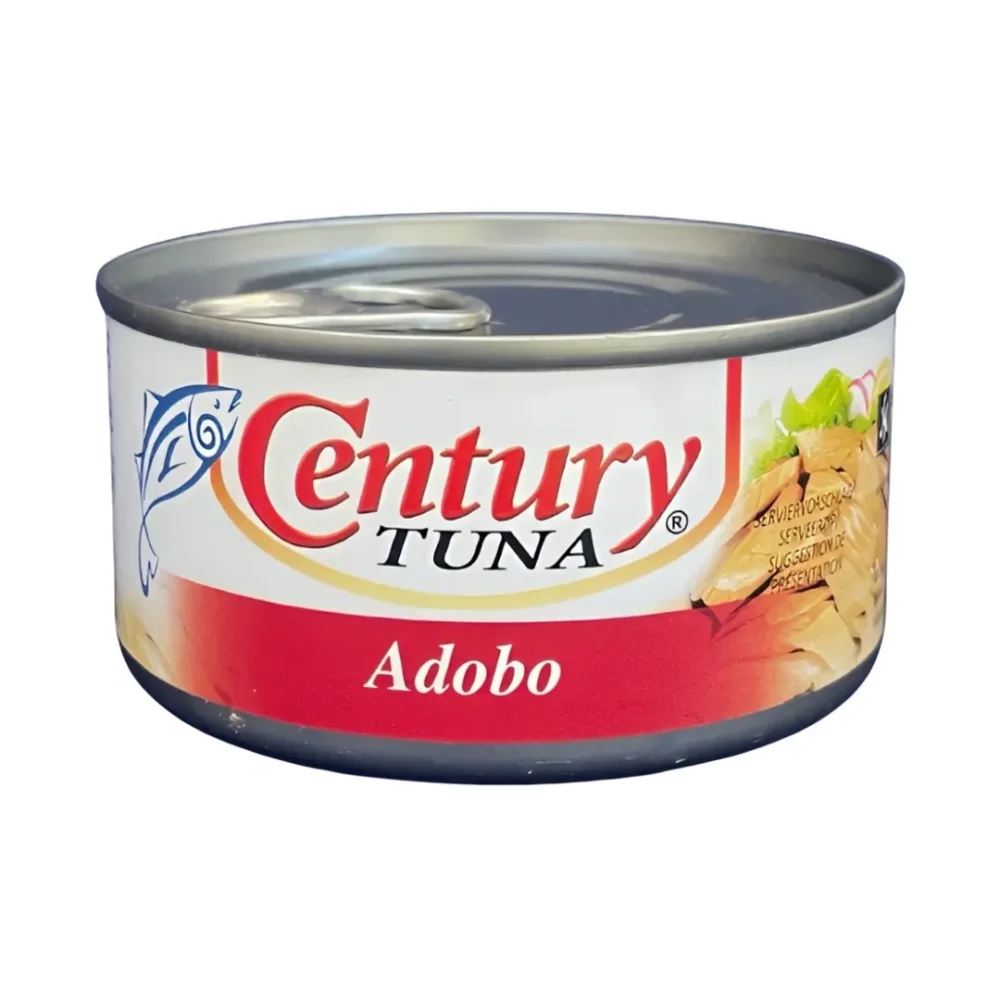
If you want to have a quick "rescue" option on hand that naturally acts as an ulam with rice, a ready meal in the style of adobo can work – for example Century Tuna adobo tuna chunks. It is not a substitute for home cooking but a useful reference point: you can easily verify how adobo typically targets the salty-sour flavor and how well it works with rice.
A small "island" bonus: when you want to add spiciness or inspiration from neighbors to the Filipino table
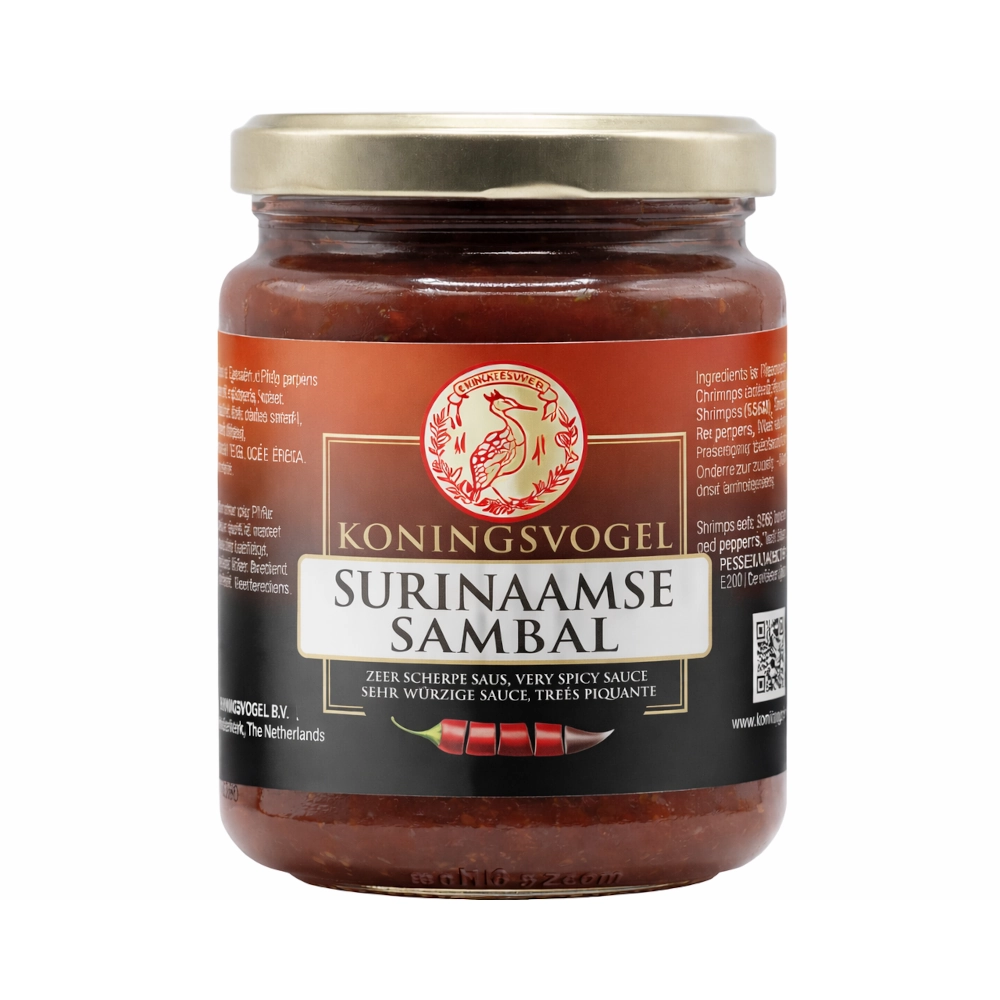
Filipino home meals are not automatically extremely spicy. But if you like spicy seasoning "at the table," you can borrow the island principle from Indonesia: chili paste as a supplement, not as the base of everything. Specifically, Koningsvogel chili paste Surinaamse Sambal – start really with teaspoons and treat it as an optional accompaniment to rice and ulam.
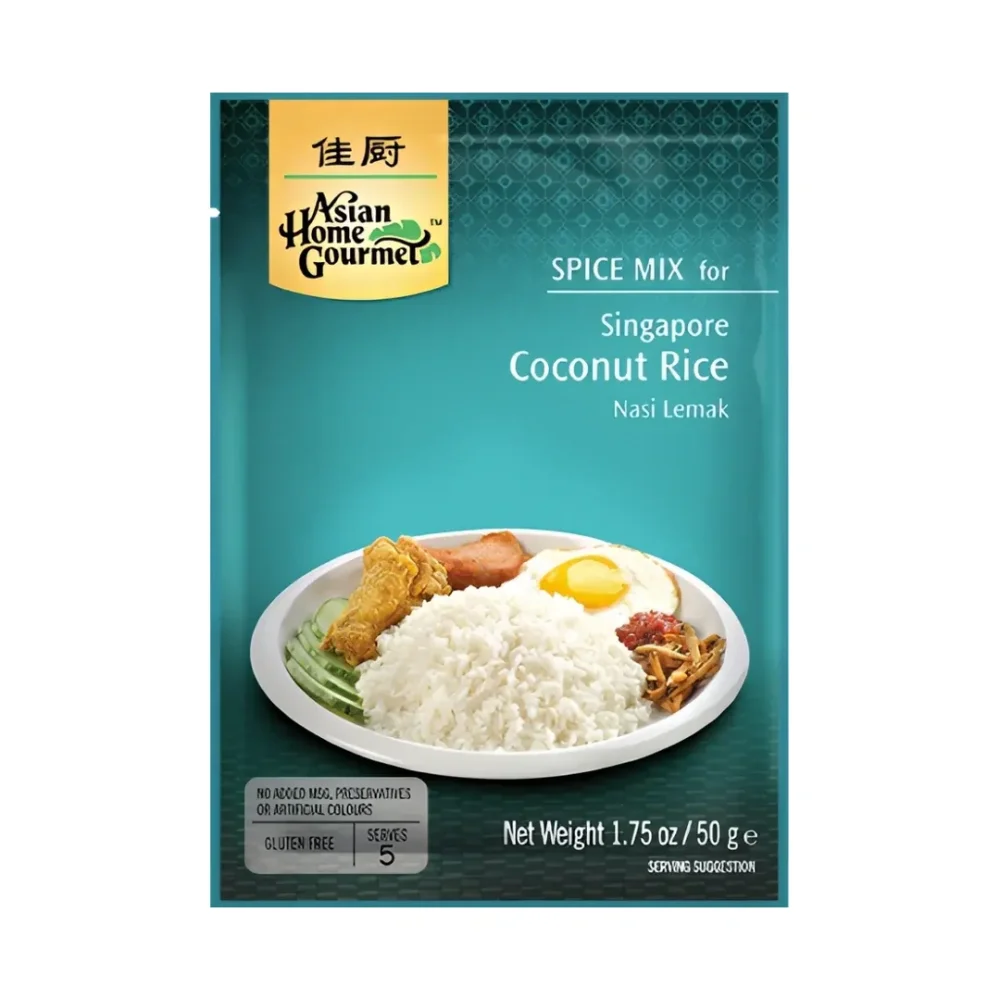
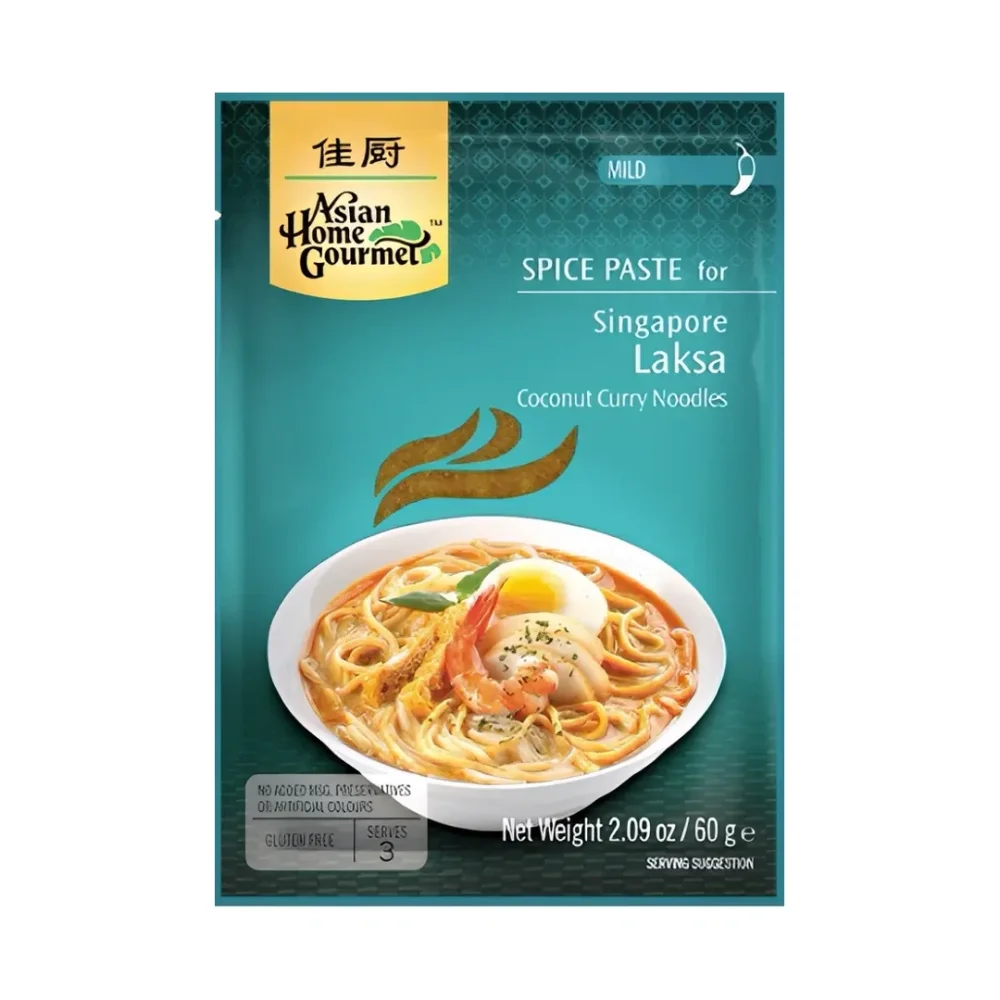
And if you are also attracted to the Malaysia-Singapore branch of island Southeast Asia (quite urban and "paste-based"), typical orientation points are nasi lemak and laksa. For a quick try of their flavor direction, ready pastes exist, for example, Nasi Lemak coconut rice paste or Laksa coconut curry noodle paste. But treat this as a flavor comparison within the island axis – Filipino home meals typically rely more on acidity and vinegar than on "curry pastes."
Sweet note and texture: nata de coco
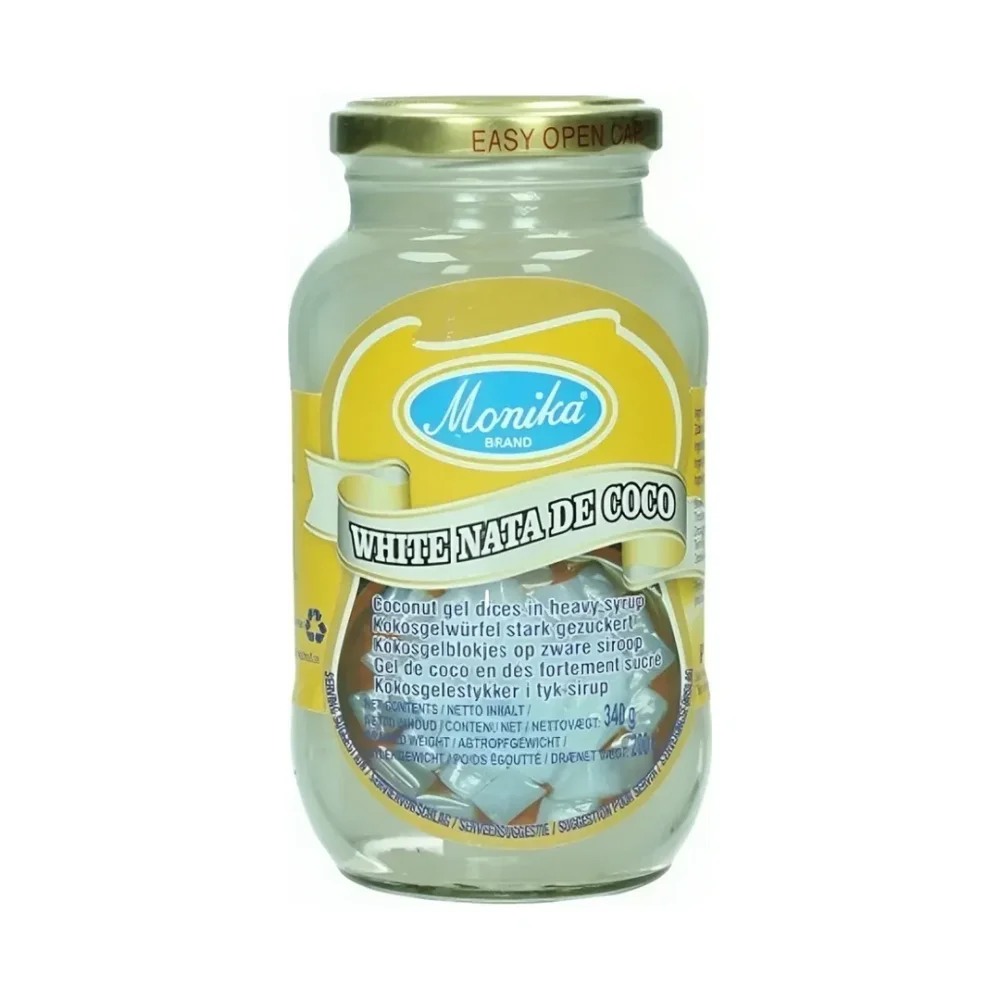
Filipino cuisine is also sensitive to texture. If you like contrasts and want a simple dessert element that illustrates this well, try nata de coco – coconut gel with a flexible structure. A practical example: Monika white nata de coco coconut gel works well in fruit salads, parfaits, or desserts in a glass.
💡 Common mistakes and what to watch out for
- "Adobo is one specific recipe." No. Adobo is also a method – braising in a sour-salty base. Home versions differ, and this is what makes it "Filipino."
- "Rice is just a side dish that doesn't matter." In the Filipino context, rice is the center of the meal. If you skimp on it, dishes will taste over-salted, over-soured, or "too intense."
- "Filipino = automatically spicy." The key is rather the relationship between saltiness and acidity, vinegar, and seasonings. Spiciness can be a supplement but is not the sole definition.
- "Sinigang is sour just because I put a lot of sour stuff in it." The point is balanced acidity, which is pleasant with rice and lets the main ingredient shine.
- "Kinilaw is the same as ceviche." Consider it a separate island concept. And at home, be strict about ingredient freshness and hygiene – the sour component is not a universal "safety guarantee."
- "Coconut milk = sweet coconut flavor." In many salty dishes, it's mainly about texture and mellowing. If you overdo the coconut, it will overpower the other flavors instead of rounding them out.
What to take away from the article
- Filipino home cooking is based on practical logic: rice as the center and one or more distinctive dishes to go with it.
- The key flavor axis is often sourness and saltiness – with a prominent role for vinegar and salty seasonings.
- Adobo is more than just one dish: it is a method of stewing in a sour-salty base.
- Sinigang shows how sourness can be the main building block of a soup/broth.
- Kinilaw and sisig remind you that Filipino cuisine is not just "one sauce," but a wide spectrum of styles from island techniques to urban energy.
- The best start at home: cook good rice, choose one representative dish, and adjust the sourness/saltiness gradually to taste.

Read next
If you want to explore this topic further, continue with these related blog guides and articles:
