


 Česky (CZK)
 Slovensky (EUR)
 Deutsch (EUR)
 Austria
 Belgium
 Bulgaria
 Croatia
 Denmark
 Estonia
 Finland
 France
 Germany
 Greece
 Hungary
 Italy
Italy Latvia
 Lithuania
 Luxembourg
 Netherlands
 Poland
 Portugal
 Romania
 Slovenia
 Spain
Spain Sweden










Typical Filipino dishes: adobo, sinigang, kinilaw and sisig (and how to understand them at the table)
Filipino cuisine has a clear identity, but it cannot be reduced to a single "national" dish. Typical Filipino dishes only make sense when you understand three things: rice is the center of the plate, sourness and saltiness are the main flavor axis, and vinegar and salty seasonings play an important role. In this article, we will show you four representative dishes (adobo, sinigang, kinilaw, sisig) and practically explain how to eat them and why they taste the way they do.
🌶️ What is really typical of Filipino cuisine (and why it cannot be summarized by one sauce)
Filipino cuisine is a broad island cuisine: it includes home everyday cooking, regional specialties, urban street food, and festive tables. Its "typicality" doesn't come from one universal spice mix but from the practical logic of dining and taste.
For orientation, it is useful to remember several reference points that repeat in typical dishes:
- Rice is the foundation – often the true center of the meal, not just a side dish.
- Sourness and saltiness are the flavor axis – many dishes rely on being more pronounced (salty, sour, sometimes peppery) and the rice "balances" it.
- Vinegar plays an exceptionally strong role – not only in flavor but also practically (historically connected with preservation).
- Salty seasonings are important – typically soy and fish seasonings and other salty components are used; fermented pastes are often mentioned for their importance.
- The aromatic base tends to be simple but consistent – garlic, onion, and black pepper appear across styles.
- Texture and complementary sauces – Filipino food often "lives" on the table: dips, sour complements, and contrast of textures are part of the experience.
This is good news for home cooking: Filipino dishes tend to be flavorfully expressive, but their principle is understandable – rice + pronounced "ulam" (main dish to rice) + possibly soup and sides.
Why Filipino dishes are so diverse: islands, regions, and historical influences
The Philippines consists of thousands of islands, and various linguistic, ethnic, and regional traditions have coexisted here long-term. Cooking is different in northern Luzon, different in central Visayas, different in the Bicol region, different in Mindanao, and different in areas with a stronger Muslim tradition.
Historical contacts and influences have also played a role: Spanish colonization, trade with China, connection with Mexico through the Manila galleons, and the American period. The result is not a "unified Filipino cuisine" but a cuisine that is diverse yet has a clear identity – especially in the use of sourness, saltiness, vinegar, and the logic of eating with rice.
Therefore, it makes sense to learn about the Philippines through specific typical dishes and their principles, rather than trying to find one common sauce or one universal "Filipino" flavor profile.
Rice as the center of Filipino meals: "what will go with the rice" instead of "what side dish will it be"
Rice is the real foundation in the Filipino context. In most dishes, it serves as a neutral support for more pronounced salty, sour, stewed, fried, or grilled components. Without understanding the role of rice, Filipino dining cannot be properly explained.
Rice appears in the kitchen in a variety of forms, which also indicate how broad the topic of "typical Filipino dishes" is:
- As cooked rice to strongly flavored dishes.
- As garlic rice sinangag (a typical example that rice can also be flavored itself and an "active" part of the plate).
- As a base for breakfast combinations (a practical, hearty start to the day).
- As part of desserts and rice cakes – rice is not just a savory chapter.
- As flour and doughs – other texture forms are also made from rice.
- As rice noodles in some dishes.
An important practical detail: with pronounced Filipino dishes it makes sense to taste them "with rice". What might be saltier or sourer by itself can be exactly balanced when taken together with rice.
Four typical Filipino dishes through which you understand the Philippines fastest
Adobo: a famous dish, but mainly a method
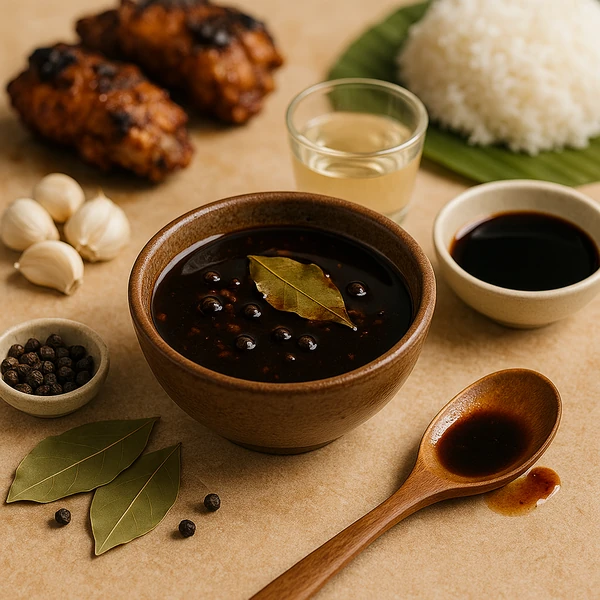
Adobo is probably the most famous Filipino dish and is often called the unofficial national dish. The key is to understand one thing: adobo is not just one recipe, but also a cooking method.
It is the logic of stewing in a sour and salty base, historically connected with vinegar, salt, and preservation. Therefore, adobo typically has a character that is:
- salty and sour (not a "sweet sauce"),
- deep and practical – the flavor is based on simple but precise pillars,
- well combinable with rice, which balances its intensity.
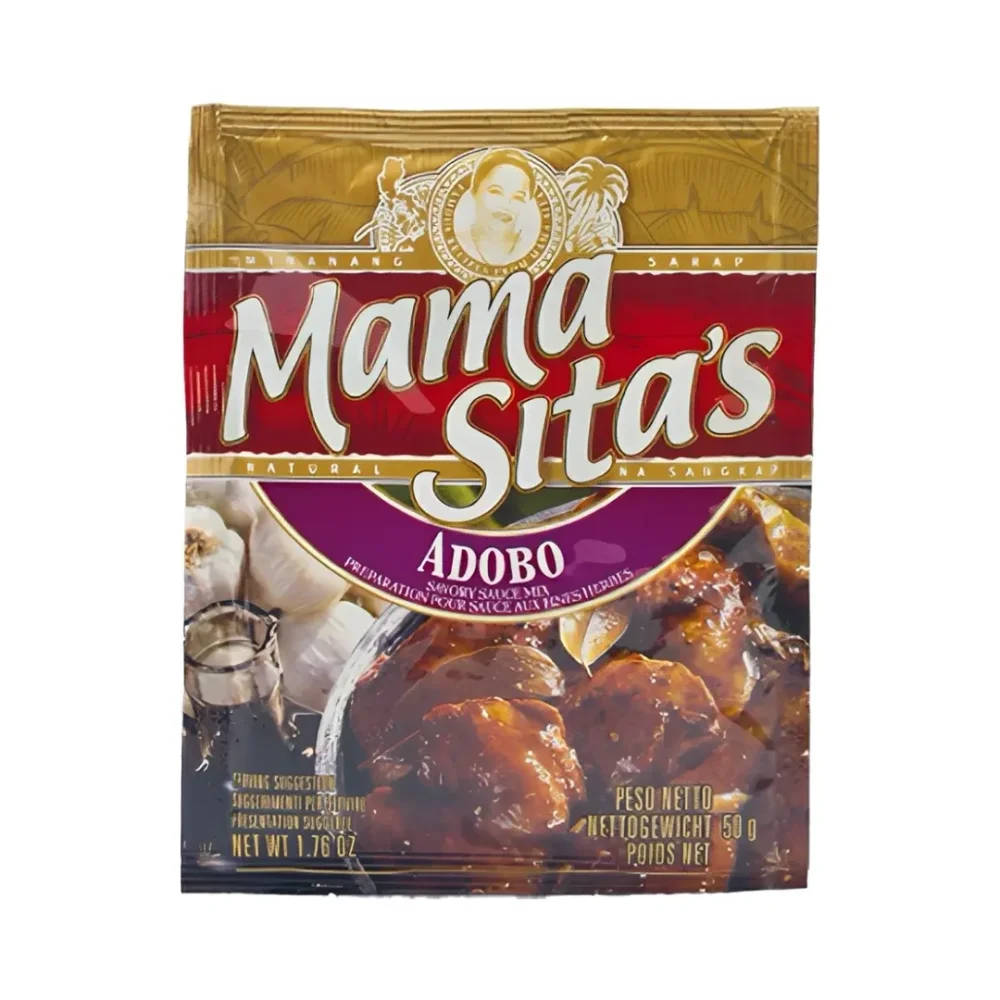
If you want to taste adobo as a flavor principle without complicated tuning, a practical start can be a ready-made base like Mama Sita's adobo sauce mix – you use it as a quick way to get the typical "sour-salty" profile, which then can be easily adjusted according to your own taste.
Sinigang: sour soup as the "center of the meal"
Sinigang is a sour soup or broth-based dish. It is one of the best examples of how important sourness is in Filipino cuisine – here it is not marginal but fundamental.
Sinigang can be made with pork, fish, shrimp, or beef and usually relies on tamarind or other sour components. It's also important how it's eaten: it often doesn't work just as a "first course," but as part of dining with rice – the sour broth and rice together create a balanced whole.
If you like soups, sinigang is a good "entry point" into Filipino cuisine because it clearly shows what Filipino sourness means in practice.
Kinilaw: sour preparation of raw fish – and it's not just "Filipino ceviche"
Kinilaw shows the pre-colonial and island logic of Filipino cuisine. It is a preparation of raw fish (or other ingredients) with sour components.
A common mistake is to see kinilaw just as a "local variant" of another well-known dish. In the context of the Philippines, it is important to perceive it as a separate world – with its own flavor habits and the role of sourness that is a natural pillar throughout the cuisine.
Sisig: the urban, pronounced face of the Philippines (associated with Pampanga)
Sisig represents a stronger, urban, and very characterful face of Filipino food. It is mainly linked to the region of Pampanga and belongs to dishes showing that "typical Filipino cuisine" is not just about broths and stewing, but also about city energy, fast service, and emphasis on intensity.
Although sisig can vary in different forms, for orientation remember the main point: it is a dish that shows the Filipino sense of boldness and texture and fits well into the social logic of a shared table.
Island axis of Southeast Asia: how the Philippines differ from Indonesia, Malaysia, and Singapore
Filipino cuisine belongs to the broader island and coastal Southeast Asia but its flavor logic is different from neighbors. For quick orientation (and better decisions about what to pick when you want "something island"), a simple contrast helps:
- Indonesia is often described through the world of sambal (chili pastes), sweeter soy lines like kecap manis, coconut and ingredients like tempeh.
- The Philippines relies significantly on vinegar and sourness, the adobo method, and generally the relationship "pronounced ulam + rice." (In practice, calamansi, a local citrus note, is often mentioned as part of the sour axis.)
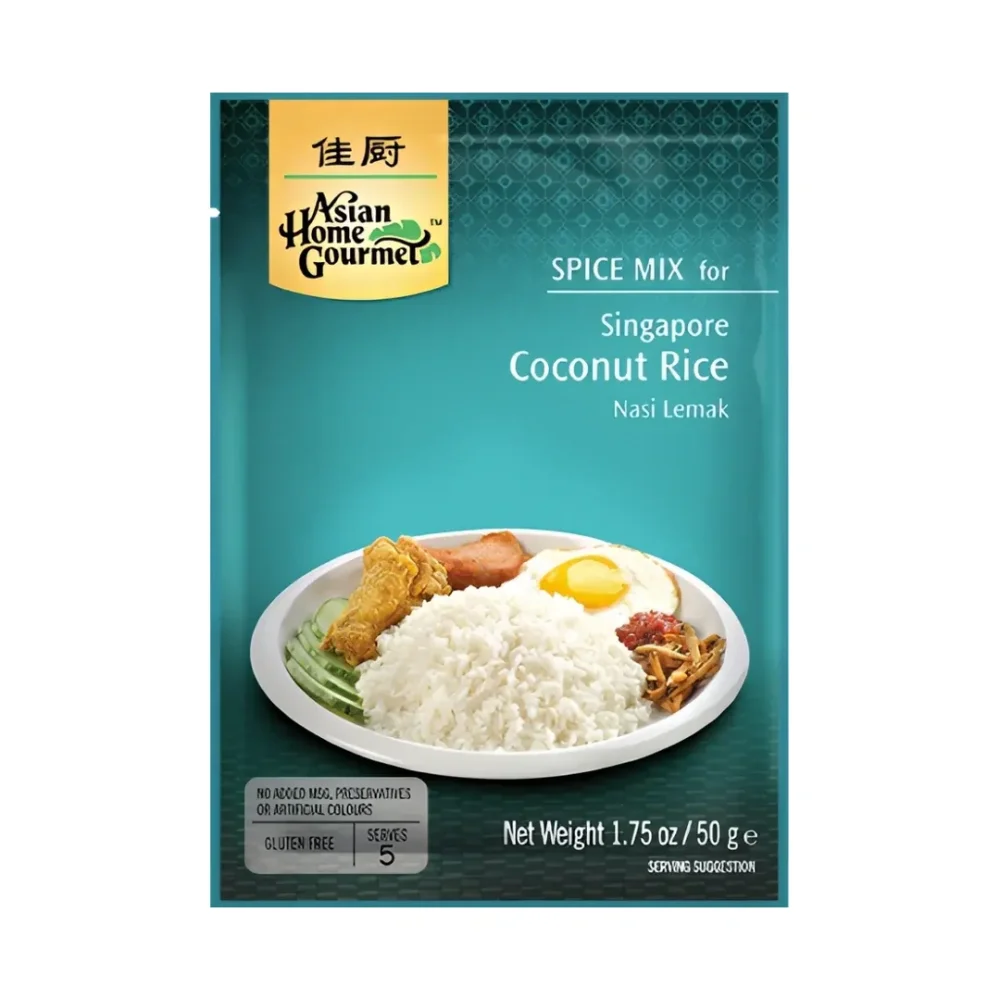
- Malaysia and Singapore are associated with dishes like nasi lemak (coconut rice) or laksa and a "hawker" mix of influences where different styles coexist.
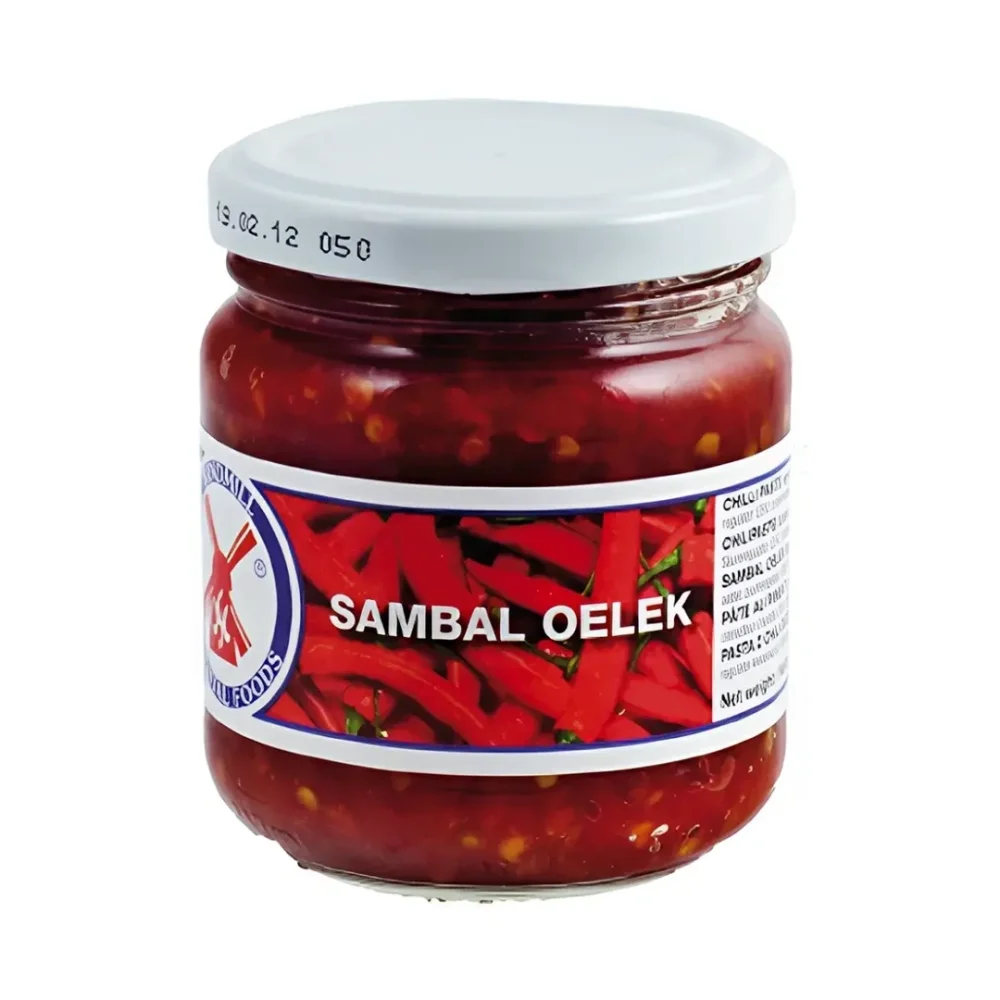
If you want to quickly taste at home the difference between the "spicy-paste" direction and the "sour-salty" Filipino direction, a purely practical contrast can help: for example, a simple chili paste like Sambal Oelek (typical for the Indonesian and wider regional context) versus the adobo profile that stands on sourness and saltiness.
And if you are more drawn to the Malaysian-Singaporean coconut line, there are ready-made bases for typical dishes like nasi lemak coconut rice paste. It is a different flavor world than the Philippines – and this comparison often helps clarify what you are really looking for.
How to start with Filipino dishes at home: table composition, taste and first "sure" choices
Filipino dining tends to be social: multiple dishes often appear on the table at once and everyone combines bites according to their own taste. If you want to bring the Filipino style home, you don't have to prepare a feast – just adopt the principle of composition:
- rice (as the center),
- main dish to rice (ulam – typically more pronounced),
- possibly soup (for example, sour sinigang style),
- pickled or sour sides,
- sauces and dips to fine-tune the bites.
A practical approach for first attempts (without turning it into a "recipe"):
- Start with rice and treat it as part of the seasoning. Cook it neutrally and plan to eat every bite with it. Filipino dishes are often tasted "together with rice," not in isolation.
- Choose one main dish and stick to its logic. For many people, the easiest start is either adobo (sour-salty stewed) or sinigang (sour soup/broth dish).
- Add sourness gradually and always test it with rice. In Filipino cuisine, sourness is central, but its "right" intensity is often only recognized when rice softens it.
- Count on salty seasonings as pillars, not as details. Filipino flavor often relies on saltiness and umami from soy and fish seasonings and other salty components – the goal is expressiveness balanced by rice.
- Don't forget texture. Even a simple dish can feel "Filipino" when alongside a soft stewed element you have something crispy or elastic to complement the experience.
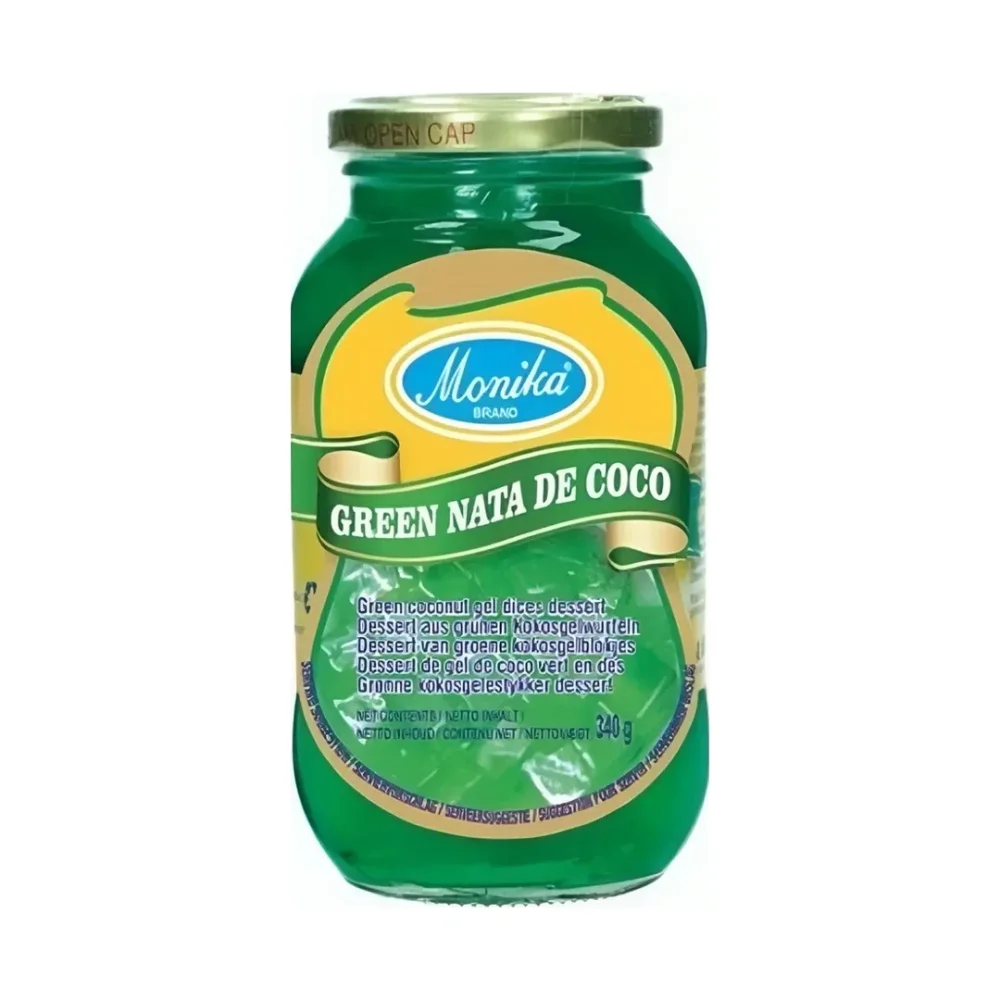
Tip for dessert and "texture" side of the Philippines: if you want to understand how important texture can be beyond main dishes, try ingredients like nata de coco (coconut gel) – it's a simple way to get a feel at home for the type of chewy dessert texture often used in sweet combinations.
💡 What to watch out for: common mistakes about Filipino dishes (and how to put them straight in your head)
- "Adobo is one specific sauce." No. Adobo is primarily a method – stewing in a sour-salty base. That's why it can differ from household to household and still be "adobo."
- "Rice is just a side dish that I can skip." With many Filipino dishes, you break the balance by doing that. Filipino intensity often relies on rice to carry and balance it.
- "Sourness is just a complement that is meant to be subtle." In dishes like sinigang, sourness is the center – and at the same time the reason why the dish works. If it seems "too much" to you, taste it again together with the rice.
- "Kinilaw is the same as other well-known acidic preparations of raw fish." Perceive it as a separate Filipino world. It's not just a label, but that sourness has its own culinary logic in the Philippines.
- "Island Southeast Asia tastes similar everywhere." Although the region shares some ingredients, the difference between the Filipino sour-salty axis and, for example, the Indonesian sambal world or the Malaysian-Singaporean coconut line is fundamental. It helps consciously choose whether today you want more "vinegar and sourness" or "pastas, chili, and coconut."
What to take away from the article
- Typical Filipino dishes are best understood through rice as the center of the dish and through the axis sourness + saltiness.
- Adobo is not one recipe, but a method: stewing in a sour-salty base where vinegar plays a big role.
- Sinigang shows how a sour soup can be the "main dish" and how naturally it connects with rice.
- Kinilaw is the Filipino world of working with sourness in raw ingredients – it is not useful to flatten it into a mere analogy to other cuisines.
- Sisig represents the urban, expressive face of the Philippines and is mainly associated with Pampanga.
- Filipino cuisine is diverse (islands, regions, history), but still has a clear identity – precisely because of how it works with rice, vinegar, sourness, and salty seasonings.

Read next
If you want to explore this topic further, continue with these related blog guides and articles:
