


 Česky (CZK)
 Slovensky (EUR)
 Deutsch (EUR)
 Austria
 Belgium
 Bulgaria
 Croatia
 Denmark
 Estonia
 Finland
 France
 Germany
 Greece
 Hungary
 Italy
Italy Latvia
 Lithuania
 Luxembourg
 Netherlands
 Poland
 Portugal
 Romania
 Slovenia
 Spain
Spain Sweden










How to start with Malaysian cuisine: 5 logics to quickly get oriented at home
Malaysian cuisine is not one "typical taste," but a practical mix of several traditions meeting in one country – Malay, Chinese, Indian, Peranakan, and local Bornean. When you want to start with it at home, it doesn’t make sense to learn everything at once. In this guide, you will set simple orientation points (rice vs. noodles, coconut vs. broth, the role of sambal, accompanying sauces and dips) and pick a few first dishes to learn the Malaysian "system" fastest.
Malaysian cuisine as a "system": why it may seem confusing at first
Beginners often look for one sentence type like "this tastes like this" for a new cuisine. With Malaysia it doesn’t work – and that’s not a flaw but the essence. Malaysian cuisine is a living whole made up of multiple culinary traditions that coexist long-term and practically: sometimes you choose them based on what you crave, other times they meet in one dish through sides, dips, and sauces.
First good news: diversity does not mean chaos. Malaysian food tends to be rich in flavor, but good food should have a clear identity – for example coconut, sour, sambal, broth, or wok-based. Second good news: as a beginner you don’t need to understand all cultural layers right away. You need a few simple orientation "logics" to start picking dishes and ingredients.
It’s also useful to briefly place Malaysia in the wider insular and port area of Southeast Asia. In practice, it will then be easier to explain why some dishes rely on sambal, coconut components, and distinctive seasonings. For orientation: Indonesia is often described through sambal, kecap manis (sweet soy sauce), coconut, and tempeh; the Philippines through vinegar, pronounced acidity, adobo, and calamansi; Malaysia and Singapore through nasi lemak, laksa, sambal, and a hawker (street food) mix of influences. This is not a "ranking of similarity," more a map to help avoid transferring expectations from one country to another.
🌶️ What is really typical for Malaysian cuisine (and what is good to know right away)
The most important feature of Malaysian cuisine is diversity. It can be coconut and mild, sour and spicy, broth-based and light, fried and smoky, very herbal, or richly spiced. Therefore, it is inaccurate to simplify it to one "curry" or one "national taste."
But if you need to orient quickly, stick to these key points:
- Multicultural origin – Malay base with very strong Chinese, Indian, Peranakan, and local influences.
- Distinctive role of rice and noodles – in one country you will encounter rice dishes, noodle soups, wok noodles, and "rice plates" with many side dishes side by side.
- Frequent combination of coconut milk, chili, aromatics, and fermented components – resulting in a full, “rounded” flavor but with a clear direction (coconut, sour, broth-based…).
- Emphasis on balance between saltiness, spiciness, sweetness, and sourness – often not all in one sauce but among broth, dip, and side dish.
- Strong street food and hawker tradition – many iconic dishes arise in environments where they are composed of multiple components (some broth, some dip, some side).
- Regional differences – the west coast of the peninsula, north, east, Melaka, Penang, and East Malaysia (Borneo) can feel different.
"Taste of Malaysia" in practice: how to recognize it on a plate
Malaysian taste often feels full, lively, and rounded. What do we mean by that in practice?
- Coconut softness – in some dishes it forms the base creaminess and a “soft” mouthfeel.
- Sambal or chili spiciness – spiciness is not just "heat" but often also a carrier of the dish’s identity (sambal can be a separate component, not just seasoning added at the end).
- Saltiness and umami – often come through sauces and fermented components that can “round out” the dish.
- Herbal aromatics – fragrance and freshness that balances richer parts.
- Sourness from tamarind or lime – sourness is often a key “direction” of certain dishes, not just decoration.
- Contrast between broth, dip, and side – a common model: something mild (e.g. rice/coconut), something spicy (sambal), something sour or salty (broth, sauce, accompaniment).
It is important to accept that this is not a unified flavor category. Assam laksa, nasi lemak, chicken rice, and banana leaf rice belong to one country but function completely differently in flavor. This is exactly what is typical for Malaysia.
Main “branches” and differences: Malay, Chinese, Indian, and Peranakan profiles
For starting at home, knowing detailed history or classification is not necessary, but it is very useful to ask for each dish: “Which flavor and cultural profile does it roughly belong to?”
In Malaysian cuisine, multiple layers and influences are commonly discussed. For basic orientation, take four profiles that strongly meet in Malaysia:
- Malay profile – one of the basic pillars of the cuisine, often linked with aromatics, coconut dishes, and strong seasoning.
- Malaysian Chinese cuisine – another very strong pillar; people often intuitively expect more noodles, wok rhythm, and a different type of "clean" taste.
- Indian influences – they are strong and practically present in Malaysia (often in the form of spiciness and a different type of “richness”).
- Peranakan influences – another important layer that reminds us that Malaysian cuisine is not just a sum of "separate cuisines" but their connection over time.
Add to this two home orientation axes that are even more practical to start with than the cultural map:
- Rice vs. noodles: rice dishes often rely on sides and accompaniments, noodles more often teach you to work with broth or wok sequencing.
- Coconut vs. broth-based dishes: coconut dishes teach creamy “roundness” and working with spiciness, broth dishes teach sourness, contrast, and layering of flavors.
How to start with Malaysian cuisine at home: 5 logics and 6 dishes that make sense to start with
If you want a quick yet respectful start, don’t try to “understand Malaysia” right away. Take a few logics and test them on a few representative dishes.
5 logics that will save you the most time (and mistakes)
- Rice vs. noodles: choose one rice and one noodle dish. You gain two different skill types and a different flavor type.
- Coconut vs. broth: pick one “coconut world” and one “sour-broth world.” Only then does it make sense to compare.
- The role of sambal: take sambal as a separate component of the dish (sometimes key), not as a universal “spicy sauce for everything.”
- Dish profile (Malay/Chinese/Indian/Peranakan): when you like something, ask: “Is it more coconut-based? more broth-based? more noodle? more rice plate with sides?” This way you automatically find other similar dishes.
- Dips and accompanying sauces: in Malaysian dishes, details outside the “main component” often decide – dip, sambal, sour component, something crunchy. It’s not decoration but a constructive element.
6 first dishes (and what each teaches you)
These are good “first steps,” because they are not just familiar names but teach different principles:
- Nasi lemak – don’t take it as “coconut rice.” It’s a whole dish and a cultural symbol. Great for starting because it teaches you why Malaysian plates often rely on a combination of a mild base (rice) and distinct accompaniments (sambal and other components).
- Chicken rice – a good orienting dish for a “cleaner” profile. It helps you understand why Malaysia isn’t just about spiciness and why sometimes simplicity, precision, and accompanying sauces are decisive.
- Curry laksa – a typical choice for the coconut, full, “rounded” noodle world. Teaches working with a pronounced base and spiciness so the dish keeps its identity.
- Assam laksa – a surprise for many: sour, lively, distinctly different profile from curry laksa. It’s great because right at the beginning it breaks the myth that "laksa = one dish."
- Roti canai – good start if you are attracted rather to the “snacky” and urban world (hawker culture). It also naturally leads you to how dips and sauces are used in Malaysia.
- Simple satay – teaches the logic of marinating, grilling/searing, and mainly that the accompanying sauce or dip is often as important as the meat itself.
- Cendol or other coconut dessert – a good complement to understand how coconut works in Malaysia beyond “savory curry.”
Practical tip for pace: pick two dishes for the first week (one rice, one noodle) and two more only after you clarify at home if you prefer coconut creaminess or sour broth liveliness.
First shopping and working with ingredients: how to choose smartly, not broadly
When starting out, the most expensive mistake is usually not buying the wrong brand but buying the wrong type of item for your use. Choosing well means choosing by function, not impression.
Read labels: for sauces and pastes, the small print matters
Asian ingredients usually have visually striking packaging, but what matters is the composition. Practical tip: the ingredient list is usually in descending order by weight. For the first purchase, it’s useful to check:
- what is at the top (what makes up the “body” of the product),
- whether you are buying basic ingredient, or already seasoned product (this will behave differently in a recipe),
- if key ingredients are not overwhelmed by sugar, starches, or additives,
- how allergens are marked.
Beware of “too specialized” items right at the start
Some ingredients are not bad – just not suitable as a first purchase. Warning signs are: very narrow usage, need for precise dosing, very dominant flavor without universality, or large packaging for something you won’t use at home. This applies doubly to Malaysian start because you are still setting whether you prefer rice plates with sides or noodle soups.
Chili is not chili: don’t automatically transfer products between cuisines
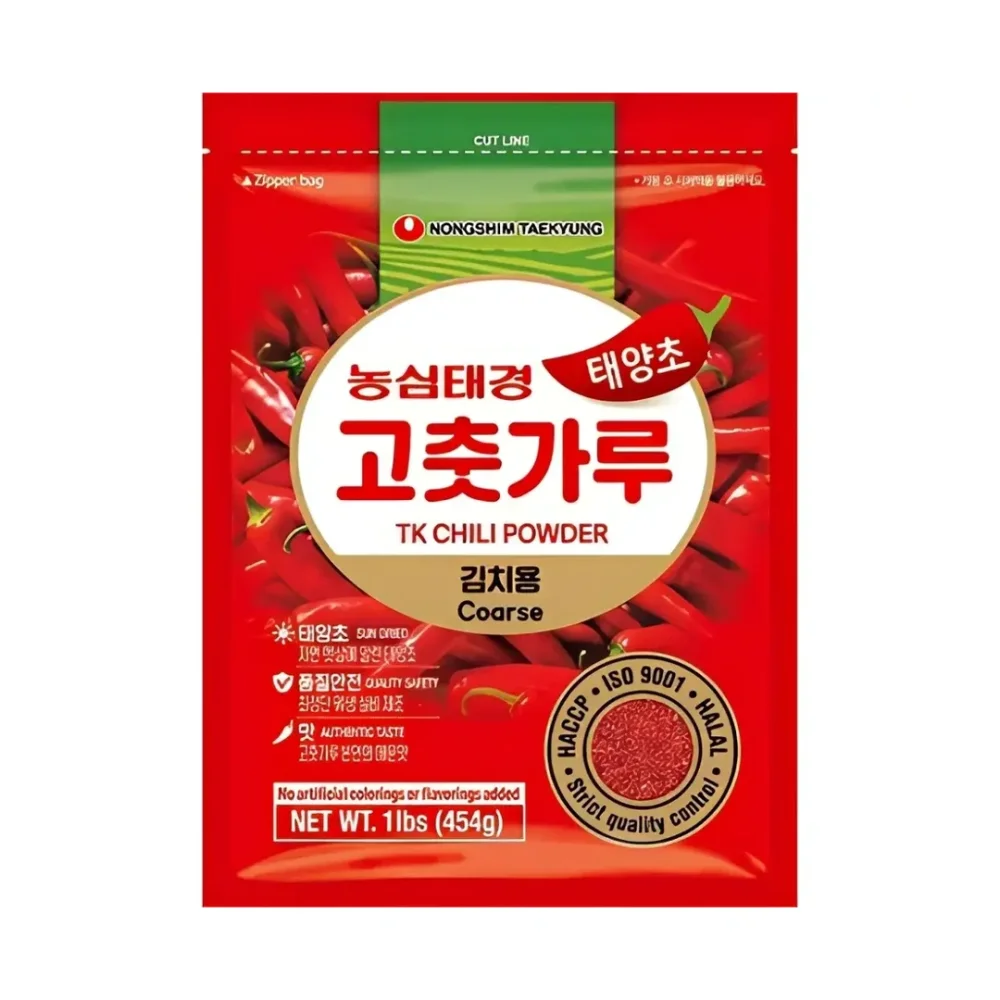
In Malaysian cuisine, spiciness and chili often play a role of identity (for example through sambal). At the same time, different chili products behave and taste differently depending on origin and processing. For example, if you come across Korean chili flakes, it’s fair to consider them a Korean ingredient with its own logic – not as a “universal Asian chili.”
As a specific example: coarsely ground chili pepper gochugaru is typically Korean and fits where you want a paprika-like flavor and grainy texture. Use it in Malaysian dishes rather as a conscious deviation, not as the “correct substitute” for the chili component that the recipe expects.
👃 Quick home shortcut for aromatics (when you don’t want to chop over and over)
Malaysian dishes often rely on aromatics. When starting and you know that preparation (chopping, cleaning, time) slows you most, it’s perfectly fine to look for sensible shortcuts – just make sure they don’t overpower the flavor profile.
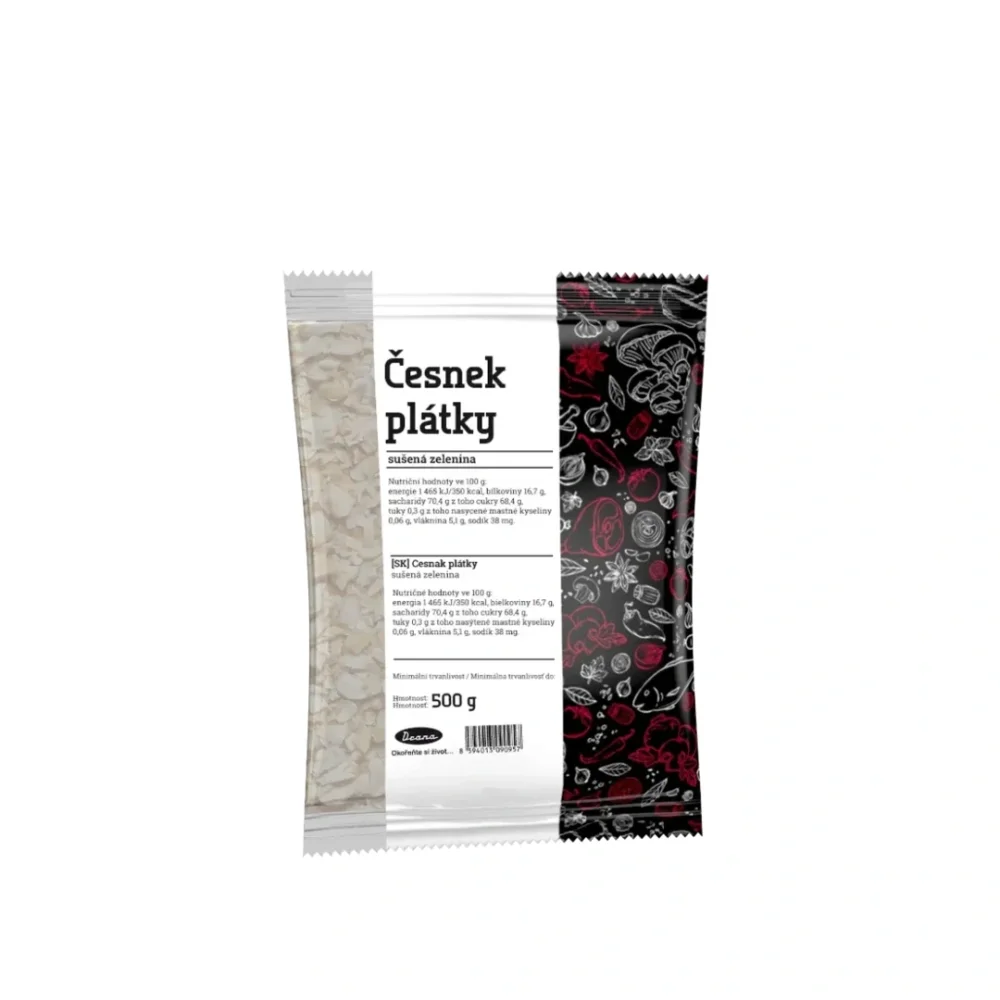
As a practical aid, for example, sliced garliccan make sense when you need to quickly scent the fat and build the base of the dish but don’t want (or can’t) chop fresh garlic every time. Use it sparingly: initially less, scent briefly, and adjust dosage according to further cooking.
Most common beginner mistakes and errors (and how to avoid them)
Mistakes specifically about Malaysian cuisine
- “Malaysian cuisine is one.” It isn’t. It’s a multicultural whole made up of multiple culinary traditions.
- “It’s basically Thai or Indonesian cuisine.” It’s not. It shares some ingredients and techniques with neighbors but created its own local system of dishes and combinations.
- “Nasi lemak is just coconut rice.” It’s not. It’s a whole dish and cultural symbol, not just a side.
- “Laksa is one dish.” It’s not. There are distinctly different laksa types, each with its own logic (e.g. curry laksa vs. assam laksa).
- “Malaysian food is just street food.” Street food and hawker culture are very important, but alongside them there is strong home and festive cuisine.
General mistakes when starting with Asian cooking that quickly show in Malaysia
- Trying to start with five cuisines at once – with Malaysia this is tempting (because "it has everything"), but better to pick 2–3 dishes and understand their logic deeply.
- Buying too broad a “pantry” without a plan – first decide if you want rice dishes with sides or noodle soups. Only then buy specialized items.
- Choosing recipes based on photos, not technical difficulty – for starting pick dishes with fewer steps, that don’t “punish” small deviations and teach one principle.
- Confusing “quick” with “easy” – some dishes are quick on the pan but require good prep and rhythm. This is common in the hawker world.
- Expecting all Asian dishes to be interchangeable – in Malaysia this is clearly seen: two dishes from the same country can taste completely different. No need to forcibly unify them.
What to take from the article
- Malaysian cuisine is not one taste but a system of multiple traditions – and that’s why it’s worth entering it through simple orientation logics.
- At the beginning, watch out for two axes: rice vs. noodles and coconut vs. broth dishes. They will help you choose the first recipes and ingredients without unnecessary shopping.
- Sambal and accompanying sauces/dips are not an extra detail, but often a structural element of the dish.
- Nasi lemak and laksa are great starting points, but don't confuse them with "basic coconut rice" or "one soup" – in Malaysia, the same names can hide significantly different logic.
- The most common shortcut to success: choose 2–3 representative dishes and understand their flavor direction (coconut, sour, broth, sambal) instead of trying to "cover Malaysia" in a weekend.

Read next
If you want to explore this topic further, continue with these related blog guides and articles:
