Česky (CZK)
 Slovensky (EUR)
 Deutsch (EUR)
 Austria
 Belgium
 Bulgaria
 Croatia
 Denmark
 Estonia
 Finland
 France
 Germany
 Greece
 Hungary
 Italy
Italy Latvia
 Lithuania
 Luxembourg
 Netherlands
 Poland
 Portugal
 Romania
 Slovenia
 Spain
Spain Sweden










Devil’s Seasoning: How to Find Your Ideal Heat—and Make It Taste Great
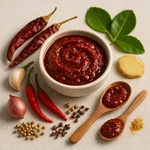
🌶️ What “devil’s seasoning” actually means
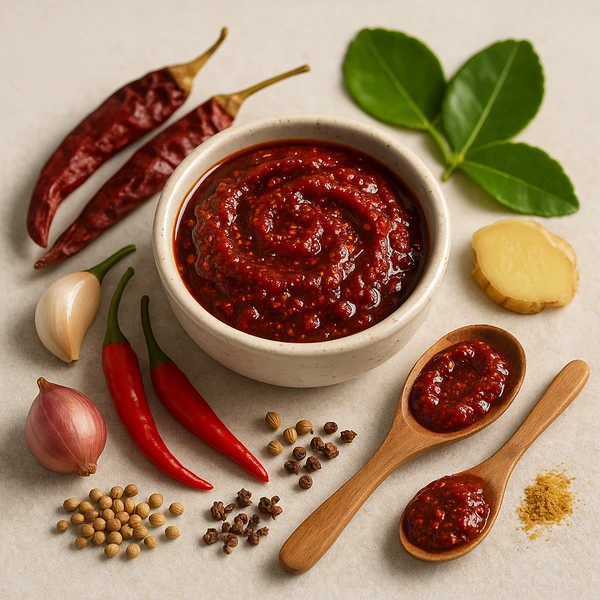
There isn’t one official product called devil’s seasoning. In everyday cooking, it’s a label people use for very hot chili-forward seasonings—anything from a dry sprinkle to a concentrated paste or a pourable chili sauce. What they share is intensity: a strong chili kick plus aromatics (garlic, onion, spices, citrus notes, fermented depth) that make the heat feel “alive” rather than flat.
In many Asian cuisines, heat is rarely a standalone stunt. It’s one part of a bigger pattern—salty, sweet, sour, spicy, and umami—so the goal isn’t maximum burn. The goal is a dish that stays delicious from the first bite to the last.
🧠 Heat isn’t one thing: quick burn vs. deep linger
Two seasonings can feel equally “hot” and still behave differently in food. Pay attention to how the heat arrives and how long it lasts:
- Front-of-tongue sharpness often comes from chili powder, black pepper, or vinegar-based sauces. It hits fast and can fade faster.
- Slow, warming heat is common in pastes and oil-based chili condiments; it builds as you eat and lingers.
- Roasty, smoky heat can show up in blends using toasted chilies; it tastes deeper and pairs well with grilled or stir-fried flavors.
- Bright, citrusy heat (sometimes with lemongrass or lime leaf notes) feels lighter and works well with seafood, salads, and noodle bowls.
This matters because the same spoonful can feel manageable in a fatty curry, but overwhelming on plain noodles.
🍳 How to judge spiciness before you commit
Many chili blends don’t list a clear Scoville rating, so use practical cues:
1) Read the ingredient order
- If chili (or multiple chilies) comes first, expect a serious kick.
- Blends that start with garlic/onion/sugar/salt are often more rounded and easier to dose.
- Look for “boosters” like black pepper, mustard, or ginger—they can sharpen the burn.
2) Check the form: powder vs. paste vs. sauce
- Dry blends can spike quickly and may taste harsher if not paired with oil or sauce.
- Pastes usually bring more aroma and depth (they often include aromatics and spices). They can intensify as they cook.
- Sauces vary widely: some are vinegary and bright; others are thick, sweet, and sticky. Sweetness can mask heat at first—then it catches up.
3) Do a micro-test (the safest method)
Mix a tiny pinch (or a rice-grain-sized dab of paste) into a teaspoon of warm oil or broth and taste. This gives you a clearer picture than tasting the seasoning straight from the jar, which can be misleading.
🥥 How to add heat with flavor (not brute force)
The most reliable approach is to treat chili seasoning like perfume: build in layers. Here are the methods that work across rice, noodles, stir-fries, and sauces:
Bloom it in oil for aroma
For dry blends or thick pastes, warm a tablespoon of neutral oil in a pan, then add the seasoning for 10–30 seconds until fragrant. This spreads the flavor evenly and softens any raw, dusty edge. Keep the heat moderate—burnt chili turns bitter fast.
Add early for “integrated” heat
If you want the whole dish to carry a steady warmth (curries, braises, soups), add a small amount early and let it simmer. Heat becomes rounder and more unified over time.
Finish late for “spark”
If you want a lively kick on top (noodles, rice bowls, grilled skewers), add a little at the end or at the table. This preserves brightness and keeps you in control portion-by-portion.
Make a quick chili slurry for even distribution
Stir dry seasoning with a teaspoon of oil, soy sauce, or stock before mixing it into noodles or rice. This prevents hot “pockets” and helps the flavor coat every bite.
✅ The balance formula: five ways to tame heat without killing it
When a dish is too hot, the fix is rarely “more water.” Use one (or a combination) of these balancing levers:
- Sweetness (a little sugar, honey, or a sweet sauce) rounds sharp edges and makes heat feel less aggressive.
- Acidity (lime juice, rice vinegar, tamarind) brightens flavors and stops the burn from tasting heavy or one-note.
- Fat & creaminess (coconut milk, peanut butter, sesame paste, a drizzle of oil) helps “carry” chili compounds so they feel smoother.
- Salt & umami (soy sauce, miso, fish sauce, fermented pastes) pulls attention back to savoriness and complexity.
- Starch dilution (more rice, noodles, potatoes, tofu) reduces heat per bite without changing the core flavor too much.
Practical rescue tip: if you overshot, don’t try to correct the whole pot at once. Split off a portion and adjust that first so you can find the right direction.
⚠️ Common mistakes that make “devil’s seasoning” unpleasant
- Adding a big dose upfront: heat blooms over time. What tastes fine at minute 5 can feel extreme at minute 15.
- Burning the spices: scorched chili and garlic turn bitter. Lower the heat and keep it moving.
- Using dry seasoning on dry food: powders cling unevenly. Add a little oil or sauce before tossing noodles or rice.
- Confusing heat with flavor: if it “burns but tastes empty,” add aromatics (garlic/ginger), umami (soy/miso), and acidity (lime/vinegar).
- Forgetting personal tolerance: the same dish can feel wildly different depending on fatigue, alcohol, or an empty stomach. Start modestly.
🧊 Storage: keep the heat fresh, not stale
- Dry blends: airtight container, cool and dark. Moisture is the enemy; it dulls aroma and can cause clumping.
- Pastes: once opened, keep tightly sealed and refrigerated. Use a clean spoon to avoid contamination.
- Sauces: follow label guidance; many keep well in the fridge after opening. Flavor can change as air enters—close the cap promptly.
🍜 A simple “devil’s” noodle toss (optional quick idea)
When you want heat that still tastes balanced, try this flexible 5-minute method:
- Cook noodles and reserve a few tablespoons of noodle water.
- In a bowl, mix: 1–2 tsp chili seasoning/paste (start small), 1 tbsp soy sauce, 1 tsp sugar, 1–2 tsp vinegar or lime juice, and 1 tbsp oil (sesame or neutral). Add a splash of noodle water to loosen.
- Toss with hot noodles. Taste.
- Adjust: more lime for brightness, more sugar for roundness, more oil for smoothness, or more seasoning for heat.
This approach makes the spiciness feel intentional because you’re building a sauce, not just sprinkling fire on top.
🌶️ Quick pantry checklist for “devil’s seasoning” cooking
If you like spicy food often, you’ll get the most control by keeping three types of heat on hand:
- A finishing sauce for table heat and quick snacks
- An aromatic paste for stir-fries, soups, and curries
- A dry blend for rubs, popcorn-style toppings, and fast seasoning
With those, you can turn the same basics—rice, noodles, vegetables, tofu, eggs—into completely different meals without guessing every time.
FAQ
Is “devil’s seasoning” always extremely hot?
Not always. The name usually signals bold heat, but many blends are designed to be layered and balanced. Start with a small dose and build.
When should I add chili paste to a stir-fry?
Often best right after aromatics (garlic/ginger) so it can briefly fry in oil and release fragrance—then add your main ingredients and a splash of liquid to prevent burning.
What’s the easiest way to reduce heat after the fact?
Add more base (rice/noodles), then round with fat (coconut milk or oil) and a touch of sweetness. Adjust acidity last to keep the dish lively.

Recommended products1
Drana Devil spice 30 g
Read next
If you want to continue with the same topic, here are more related articles to explore: