

 Česky (CZK)
 Slovensky (EUR)
 Deutsch (EUR)
 Austria
 Belgium
 Bulgaria
 Croatia
 Denmark
 Estonia
 Finland
 France
 Germany
 Greece
 Hungary
 Italy
Italy Latvia
 Lithuania
 Luxembourg
 Netherlands
 Poland
 Portugal
 Romania
 Slovenia
 Spain
Spain Sweden










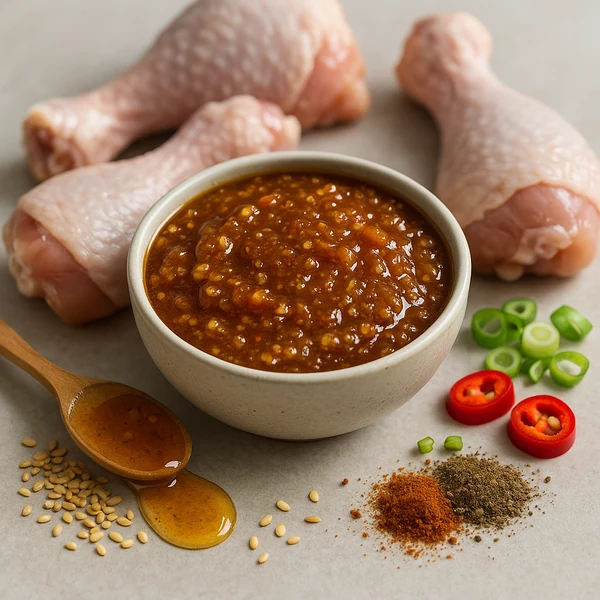
Spices for Honey-Glazed Chicken Drumsticks: How to Make a Sweet and Spicy Glaze
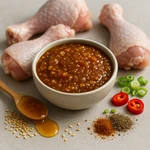
Why honey works so well on drumsticks 🍯
Drumsticks are forgiving: bone-in, dark meat holds moisture, and the skin gives you a natural “canvas” for spice and glaze. Add honey and you get three things at once:
- Shine and stickiness as sugars concentrate on the surface
- Caramelized aroma that reads instantly “roasted” or “grilled”
- Balance—sweetness rounds out salt, chili heat, and aromatic spices
This sweet–savory logic shows up across many Asian cuisines (think glazed barbecue, soy-honey marinades, and sticky wings): sugar or honey isn’t there to make it dessert-like—it’s there to amplify browning and make flavors feel fuller.
What a “honey-spiced” chicken seasoning should taste like 🌶️
A good honey-spiced blend is sweet, salty, aromatic, and gently warming. The sweetness should feel like a glaze, not candy. The savory base keeps it dinner-appropriate, and a small amount of heat prevents the flavor from tasting flat.
Common flavor notes you’ll often find (or can build) include:
- Sweet: honey (or brown sugar as backup)
- Salty/umami: salt plus soy-sauce-like savoriness (often from garlic, onion, or fermented notes in sauces)
- Aromatics: garlic, ginger, pepper, sometimes five-spice-style warmth
- Heat: chili flakes or mild chili powder (optional, but helpful)
Three reliable ways to use honey-spiced seasoning 🔥
1) Dry rub (fastest)
Pat drumsticks dry, season generously, and rest for 15–30 minutes. This is ideal when you want crisp edges and you’re short on time.
2) Quick paste marinade (most even flavor)
Mix the seasoning with a little neutral oil and a splash of water to make a paste. Coat drumsticks thoroughly and marinate for 30 minutes to overnight. The paste clings better than dry spices, so you get more consistent coverage.
3) Two-stage glaze (most “restaurant-style”)
Season at the start, then brush on a honey glaze near the end. This gives you strong flavor and a shiny finish without burning the sugars.
Oven, grill, or air fryer? How to avoid burnt honey 🍗
The main challenge with honey is that it browns quickly. The trick is to cook the chicken through first, then glaze late.
- Oven: Roast until nearly done, then glaze and finish at a slightly higher heat for color.
- Grill: Cook over indirect heat most of the time. Brush glaze only in the last minutes and watch closely.
- Air fryer: Great for crisp skin, but sugars can darken fast. Glaze at the very end and keep the finishing step short.
Practical rule: if you see fast darkening before the meat is done, your glaze went on too early or the heat is too direct.
What to serve with sweet–savory glazed drumsticks 🥢
Because the chicken has a bold, slightly sticky surface, pair it with sides that either absorb sauce or cut sweetness:
- Plain rice (or lightly seasoned rice) to soak up juices
- Noodles with a simple garlic-oil or soy-based toss
- Quick stir-fried vegetables (broccoli, peppers, snap peas) for crunch
- Fresh finishers: spring onion, toasted sesame, lime, or a cucumber salad
Choosing (or mixing) the right seasoning: what to look for ✅
If you’re buying a ready-made honey-spiced chicken blend, check the label and decide what you want the end result to be.
- Sugar/honey content: higher sweetness gives faster browning and more shine, but needs closer heat control.
- Salt level: some blends are designed as a complete seasoning; others expect soy sauce to be added. Taste your glaze/marinade before it hits the chicken.
- Chili heat: mild heat improves balance. If you cook for kids, pick a gentle blend and add chili at the table.
- Aromatics: garlic and ginger read “Asian-style” instantly and pair well with honey.
Common mistakes (and easy fixes) 🧯
- Glaze burns before the chicken is done: apply glaze later, switch to indirect heat, or lower the finishing temperature.
- Flavor is sweet but flat: add a savory booster—soy sauce, fish sauce, or a pinch more salt (start small).
- Skin turns soft: dry the drumsticks well and avoid drowning them in wet marinade. Use a two-stage approach: roast first, glaze later.
- Uneven seasoning: use a paste (oil + spice) so the coating spreads evenly.
Mini “Asian-style” honey glaze you can make in 2 minutes ✨
Use this as a finishing brush-on glaze for 6–8 drumsticks:
- 2 tbsp honey
- 1½ tbsp soy sauce
- 1 tsp rice vinegar or lime juice
- 1 small garlic clove (grated) or ½ tsp garlic powder
- Optional: a pinch of chili flakes
How to use: Warm briefly (microwave or small pan) just until fluid, then brush onto nearly-cooked chicken and finish for a few minutes until glossy. Discard any glaze that touched raw chicken (or boil it if you used it as a marinade).
Storage and make-ahead tips 🧂
- Dry blends: keep sealed, cool, and dark. Aroma fades faster if stored near heat or steam.
- Mixed paste or glaze: refrigerate and use within a few days. Stir before using—honey settles.
- Leftover cooked drumsticks: reheat gently and re-glaze at the end for shine.
Our picks
If you’re browsing the shop, look for a honey-forward chicken seasoning or a sweet–savory barbecue-style blend that’s designed for roasting and grilling. Choose one with clear guidance on whether it’s a dry rub, a marinade mix, or both.
Related categories
Spice blends for chicken, seasoning mixes for rice and noodles, and stir-fry flavor bases are the most natural companions to honey-glazed drumsticks—especially if you like building quick “rice bowl” plates with vegetables.
FAQ
Can I use this approach on wings or boneless chicken?
Yes. Wings glaze beautifully; just glaze late to prevent burning. For boneless chicken pieces, cook faster and use slightly less sugar-heavy glaze.
How long should I marinate?
Even 30 minutes helps. Overnight gives deeper seasoning, especially with a paste marinade. If your mix is very salty, keep the marination shorter to avoid over-seasoning.
Is honey the only option?
No—brown sugar, coconut sugar, or a sweet chili-style sauce can create a similar glossy finish. Honey is simply the most direct route to shine and caramel aroma.

Recommended products1
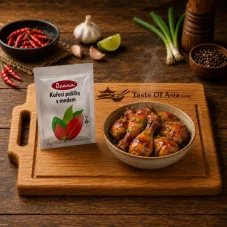
Drana Chicken Drumsticks with Honey 25 g
Read next
If you want to continue with the same topic, here are more related articles to explore: