

 Česky (CZK)
 Slovensky (EUR)
 Deutsch (EUR)
 Austria
 Belgium
 Bulgaria
 Croatia
 Denmark
 Estonia
 Finland
 France
 Germany
 Greece
 Hungary
 Italy
Italy Latvia
 Lithuania
 Luxembourg
 Netherlands
 Poland
 Portugal
 Romania
 Slovenia
 Spain
Spain Sweden










Seasoning for Pork Roast: How to Get Juicy Meat and a Bold, Crackly Crust
Why seasoning matters more than you think
A good pork roast is built on two things: moisture inside and flavor on the outside. The outside is where seasoning does most of its work—salt draws out a little moisture, spices cling to the surface, fat renders, and the heat turns everything into an aromatic crust. That crust then perfumes the pan juices, which become your natural “sauce.”
Many people season pork the same way they season everything else: a quick sprinkle right before it goes into the oven. That works, but it rarely delivers the deep, rounded flavor you associate with a truly memorable roast. A purpose-made blend (or a well-planned DIY mix) lets you control three outcomes: salt penetration, crust color and crunch, and how the drippings taste.
🌶️ What “pork roast seasoning” usually is
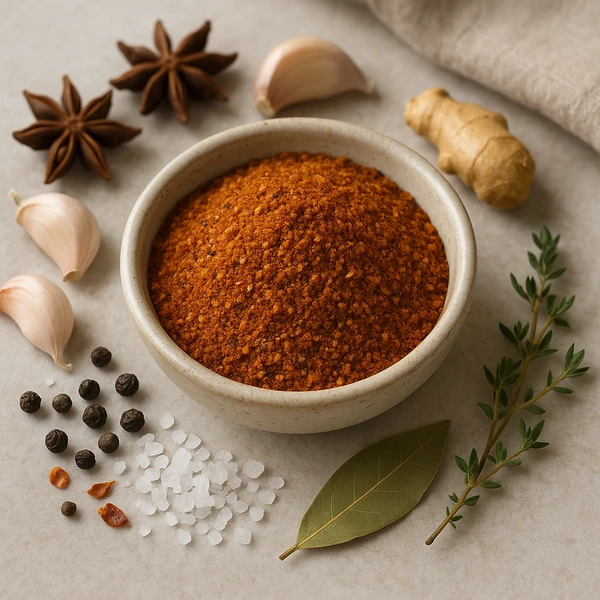
In practical terms, pork roast seasoning is a balanced spice blend designed to sit comfortably on roasted pork—especially cuts with some fat. It often includes:
- Salt (sometimes already mixed in): boosts flavor and helps the meat stay juicy if given time.
- Alliums (garlic/onion): the familiar savory base that makes roast pork taste “complete.”
- Pepper and warm spices: add bite and depth (black pepper, paprika, caraway, coriander, cumin, etc.).
- Herbal notes: can lighten and freshen heavier cuts (marjoram, thyme, rosemary).
- A touch of sweetness (optional): helps browning and a more dramatic crust, but needs temperature control to avoid scorching.
Asian cuisines use the same principle—tailored blends for specific meats—but often lean into high-aroma “warm” spices (such as star anise, cinnamon-like notes, clove, fennel) and savory depth (soy-style umami, roasted aromatics). Used subtly, these flavors don’t turn your roast into a completely different dish; they simply make the aroma more complex.
🧂 How to season pork roast so it actually works
1) Dry rub (the simplest method)
Dry rub means seasoning the surface thoroughly, then roasting. For best results:
- Pat the meat dry. Moisture on the surface dilutes the rub and slows browning.
- Lightly oil the surface (a thin film). This helps spices stick and browns more evenly.
- Massage the blend in, including folds and creases.
- Rest time (optional but powerful): 30–60 minutes at room temperature before roasting, or 8–24 hours covered in the fridge for deeper flavor.
If your blend contains salt and you plan to rest overnight, you’re essentially doing a light dry brine, which improves juiciness—especially useful for leaner cuts.
2) Seasoning the pan juices (for a more flavorful gravy)
Instead of putting 100% of the spices on the surface, reserve a small portion for the roasting pan. Add it to onions, garlic, or the initial splash of stock/water. This builds a more aromatic base for the drippings and prevents the crust from becoming overly intense.
3) Quick marinade/paste (for lean cuts or extra insurance)
For pork loin or very lean roasts, a paste can help: mix the spice blend with oil and a small amount of liquid (stock, apple juice, or even a spoon of soy sauce if you want an Asian-leaning note). The goal isn’t to soak the meat; it’s to create an even, clingy coating that browns well and protects the surface from drying out.
🔥 Building a crust: what creates “that” roasted edge
A dramatic crust is not only about heat—it’s about surface conditions. Use this checklist:
- Dry surface: pat dry, don’t season wet meat.
- Enough fat: a thin layer of fat (or a light oiling) carries aroma and browns better.
- Salt in the right moment: salt early for juiciness, but keep the surface dry for browning.
- Smart sweetness 🍯: a pinch of sugar or sweet paprika can deepen color, but too much can burn, especially above 200°C/390°F.
- Finish with high heat: roast gently to cook through, then increase heat briefly to set the crust (or use a short broil/grill finish if your oven allows).
Tip: If you love a bold crust but fear burning spices, use a two-step approach: roast with a simpler, salt-forward rub first, then brush a thin spiced oil on the surface for the last 10–15 minutes.
Asian-inspired notes that pair beautifully with pork (without taking over)
Pork is naturally sweet and rich, which makes it a great canvas for warm, aromatic spices. If you want a gentle Asian twist, focus on background fragrance, not strong heat.
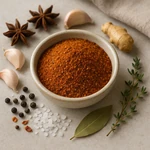
- Star anise: highly aromatic, slightly sweet, licorice-like. Use sparingly—one pod in the pan juices can be enough for a whole roast.
- Five-spice direction: a pinch of a five-spice style blend can add “roast duck” warmth to pork. Keep it subtle and balance it with black pepper and garlic.
- Ginger + garlic: fresh, savory, and friendly. Great for pan juices or a finishing glaze.
- Soy-style umami: a teaspoon or two in a marinade/paste deepens the drippings and makes leftovers especially good in noodles or rice.
Think of these as supporting actors: the pork should still taste like pork, only more fragrant.
⏱️ Choosing the right approach by cut
- Shoulder / neck / butt: forgiving, fatty, loves bold rubs and longer roasting. You can push spices harder here.
- Leg: can be leaner; use a paste/marinade or dry-brine overnight if possible.
- Loin: easiest to dry out—prioritize salt timing and gentler heat, and consider finishing sauce/drippings as your flavor amplifier.
Common mistakes (and quick fixes)
- Seasoning right before roasting and expecting deep flavor: give salt time (even 30–60 minutes helps), or season the pan juices too.
- Burnt spices on the surface: lower the oven temperature and roast longer, then finish hot; or reduce sugar-heavy spices.
- Uneven seasoning: measure your blend, spread it in your palm, and apply like you’re “painting” the surface.
- Slicing immediately: rest the roast 10–20 minutes so juices redistribute; you’ll lose less moisture on the board.
🍽️ What to serve with pork roast (including leftover-friendly options)
Classic sides work, but pork roast also plays well with lighter, Asian-leaning pairings:
- Steamed rice: perfect for soaking up spiced drippings.
- Noodles: toss cooked noodles with a spoon of pan juices, shredded pork, and quick-stir-fried vegetables.
- Crunchy greens: a simple cucumber salad, lightly pickled vegetables, or sautéed cabbage cuts the richness.
Leftover idea: Warm sliced pork in a little pan juice, then serve over rice with scallions and a squeeze of lime (or a splash of rice vinegar). It tastes intentional, not like “day two.”
Optional: a simple “works every time” seasoning blueprint
If you want a reliable starting point for a homemade blend, use this structure and adjust to taste:
- Base: salt + black pepper + garlic powder
- Warm depth: paprika + coriander (or caraway)
- Herbal lift: thyme or marjoram
- Asian whisper (optional): a pinch of five-spice style warmth or one star anise pod in the roasting pan
Start mild and scale up next time. With roast pork, a small change in aroma can read as “restaurant-level” because the heat amplifies fragrance.
Our picks (spice ideas to look for)
- A classic pork roast blend with garlic, pepper, paprika, and herbs for an all-purpose profile.
- Whole star anise for perfuming pan juices—use one pod at a time.
- A five-spice style blend for a subtle warm, sweet-spiced background (best used sparingly).
Related categories
- Spice blends for roasting and grilling
- Whole spices (for pan juices and slow roasts)
- Rice and noodle seasonings for turning leftovers into quick meals
❓FAQ
Should I season pork roast the night before?
If your seasoning contains salt, overnight resting (covered in the fridge) improves juiciness and makes flavor more even. Just keep the surface as dry as possible for better browning.
Why did my crust taste bitter?
Most often it’s scorched spices (or too much sugar) at high heat. Roast a bit lower and finish hot, or reserve sweet spices for the final minutes.
Can I add Asian flavors without making it taste “foreign”?
Yes—use tiny amounts of warm aromatics (star anise, five-spice direction) and keep garlic/pepper as the main profile. Add the aromatics to the pan juices rather than heavily coating the surface.

Recommended products1
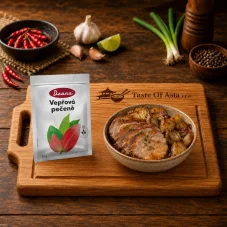
Drana Pork Roast 30 g
Read next
If you want to continue with the same topic, here are more related articles to explore: