


 Česky (CZK)
 Slovensky (EUR)
 Deutsch (EUR)
 Austria
 Belgium
 Bulgaria
 Croatia
 Denmark
 Estonia
 Finland
 France
 Germany
 Greece
 Hungary
 Italy
Italy Latvia
 Lithuania
 Luxembourg
 Netherlands
 Poland
 Portugal
 Romania
 Slovenia
 Spain
Spain Sweden









Pad Thai, Chow Mein, and Mee Goreng: how they differ (and what that means for cooking at home)
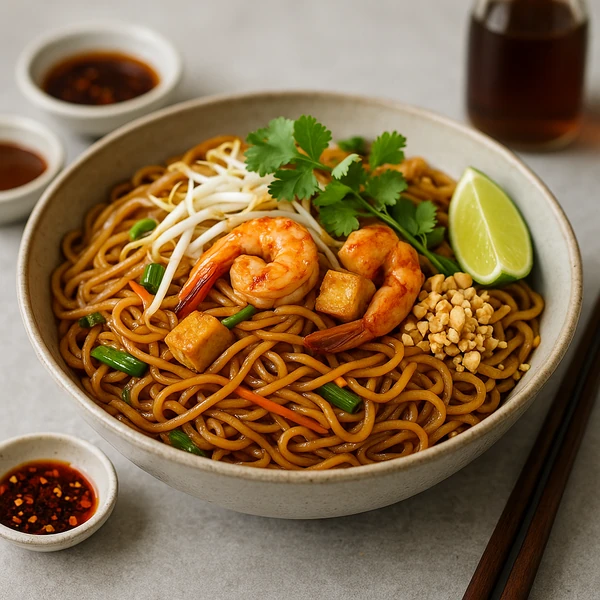
Three famous noodle dishes that look similar at first glance: "wok noodles." But the difference is not just in the country of origin. They differ in the type of noodles, the flavor of the sauce, and how exactly to work with heat and timing so the noodles remain elastic and the dish is neither dry nor "drowned."
Why Pad Thai, Chow Mein, and Mee Goreng are so often confused
Pad Thai, Chow Mein, and Mee Goreng belong to the world of quick stir-fried (wok) noodles – dishes where the noodles are briefly and intensely mixed with sauce and other ingredients. This similarity leads to the idea that it's "basically the same" and you just need to swap the sauce.
But with Asian noodle dishes, the noodles are often the centerpiece of the whole dish, not just a side. The final impression holds together through a combination of:
- what the noodles are made of (and their elasticity or fragility),
- how they are pre-prepared (cooking, blanching, soaking, rinsing),
- the role of the sauce (whether it should be light, thick, or rather "almost dry"),
- how quickly you work in the pan (the timing and order of steps is often more important than a long list of ingredients).
That's why it makes sense to first understand the "logic of the dish" and only then decide which specific noodles to use.
Quick guide: wok noodles are not soup noodles
Asian noodle dishes do not form a single cuisine or technique – they are entire families of dishes. Within them, there is a fundamental difference between noodles for broth and noodles for the pan. For wok noodles (and thus for our three dishes), it is crucial that the noodles:
- withstand stirring with sauce and fat,
- don’t collapse after pre-cooking (or pre-soaking) during the final heating,
- maintain texture even under quick, more "aggressive" heat.
Typically, wheat wok noodles, wider rice noodles, or some other elastic types work well in the pan. And there's a simple rule: in the wok, you only "finish" the noodles – you don’t try to fix noodles that you overcooked beforehand.
Pad Thai: rice noodles and a sauce that must maintain contrast
Pad Thai is the most globally known Thai noodle dish and perfectly shows the "wok logic": the flavor doesn’t rely only on one dominant component but on a contrast that feels lively. In one dish, it should combine sweet, salty, sour, often with a mildly nutty impression and a gentle spiciness.
The base usually consists of rice noodles – but the result is mainly determined by:
- the sauce (its flavor profile and concentration),
- timing (when you add what and how long the food stays in the pan).
Most common mistakes with Pad Thai
Pad Thai is a typical example of a dish that can be well approximated at home but is easily "broken" by three mistakes:
- overcooked noodles – then they fall apart or stick in the wok,
- sauce that's too wet – the dish loses its "wok energy" and the texture becomes mushy,
- loss of acidity or contrast – the taste feels flat even if the dish is salty and sweet enough.
Practical shortcut to Thai balancing
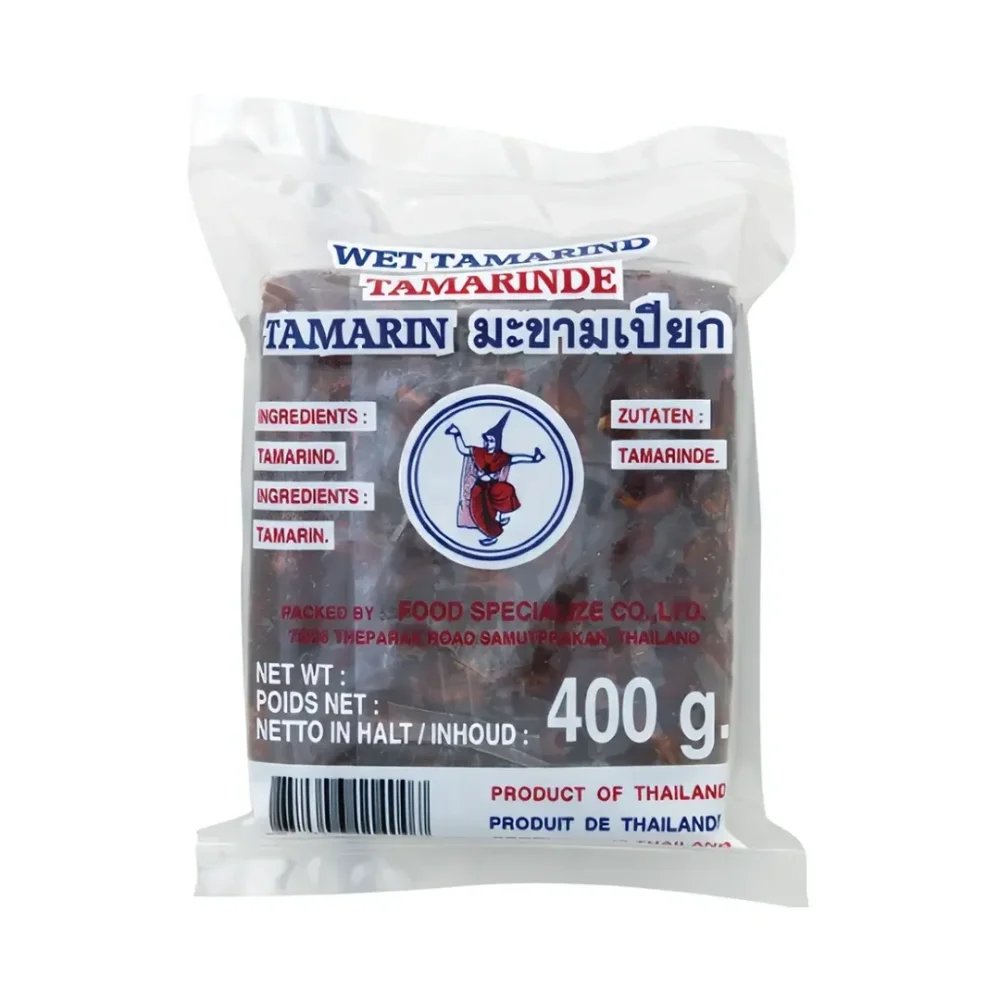
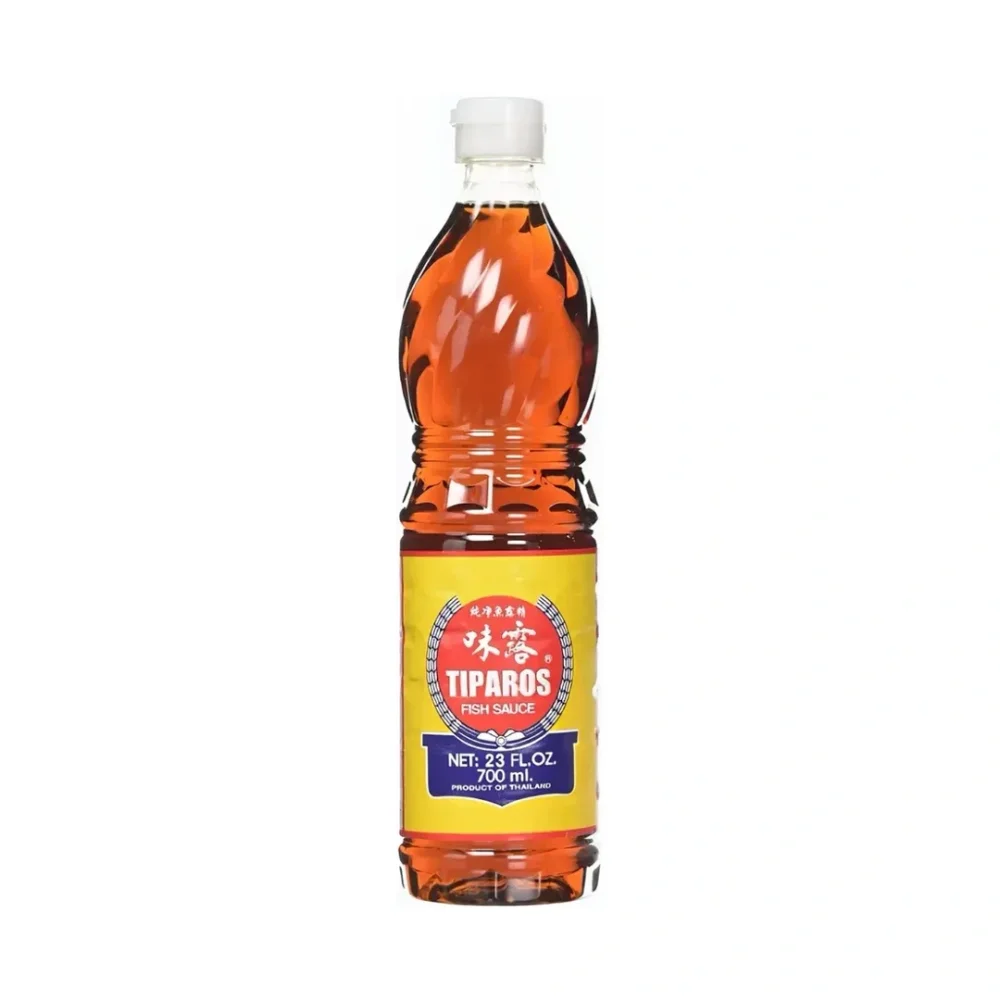
In Thai cuisine, it generally pays to season gradually and be aware of how saltiness/umami, acidity, sweetness, and spiciness affect each other. For "sour-sweet" balancing of sauces, tamarind pulp is often used in practice – for example Thai Dancer Tamarind 400 g. Saltiness and umami are typically adjusted with fish sauce; a specific bold option can be Tiparos fish sauce 700 ml.
Chow Mein: wheat wok noodles with emphasis on texture
Chow Mein is often understood in home cooking as "Chinese wok noodles" – a dish based on wheat noodles, which are quickly stir-fried and mixed with other ingredients. It is important to know that "wheat noodles" are not one type: it's a huge family including many styles (including chow mein), differing in thickness, elasticity, and how well they tolerate quick frying.
What is useful as a home rule for chow mein (regardless of the specific regional variant):
- choose noodles based on function (for wok, not for broth),
- do not overcook them beforehand – they should finish cooking briefly in the wok,
- watch the sauce ratio – wheat noodles tolerate mixing, but even here it's easy to "drown" the dish.
In other words: while Pad Thai is very sensitive to balancing sweet–salty–sour flavors, chow mein in home practice usually mainly differs in the quick pan cooking and the right texture of wheat noodles.
Mee Goreng: Indonesian style fried noodles with a darker, sweeter profile
Mee Goreng (often also spelled mie goreng) is among the most famous Indonesian noodle dishes. The Indonesian noodle world adopted wheat and other noodle traditions but transformed them into its own flavor system. Mie goreng often features:
- a sweeter and darker profile,
- a prominent role kecap manis (sweet soy sauce),
- chili,
- eggs,
- fried or crispy toppings as a contrast to the soft noodles.
It’s good to read this as a “flavor map”: mie goreng often stands on a darker sweet-salty axis lifted by chili and textural contrast. And precisely because of this, even though it is technically still noodles from the pan, it will not taste like Pad Thai – and it shouldn't.
How to choose which of these three dishes to cook (and how to start at home)
If you want wok noodles and are deciding between these three directions, it helps to think about three questions: which noodles, how "wet" the dish is and what flavor contrast.
1) If you want the sweet–salty–sour contrast: choose Pad Thai
- Keep in mind the key is the sauce and timing, not just "noodles and something with them."
- Add the sauce rather gradually (in smaller portions) so the noodles don’t remain in an overly wet environment.
- If you feel the dish is "good but flat," it usually lacks acidity or contrast – adjust in small steps, not by adding a large amount at once.
2) If you want classic "wok noodles" mainly about texture: choose Chow Mein
- Don’t focus just on the name, but the type of noodles for wok – they must withstand stirring and brief high heat.
- Don’t prepare the noodles "fully cooked" before the final pan step. They should finish briefly in the wok, otherwise they will easily break or stick.
3) If you want a darker, sweeter profile with chili and egg: choose Mee Goreng
- The flavors often rely on a darker sweet-salty axis (kecap manis) and chili; eggs and a crunchy element fit well with this.
- With these flavors, it’s easy to "over-sweeten" into a heavy impression – it helps to dose sauces in smaller portions and taste continuously.
A practical detail that improves all three dishes: working with spiciness
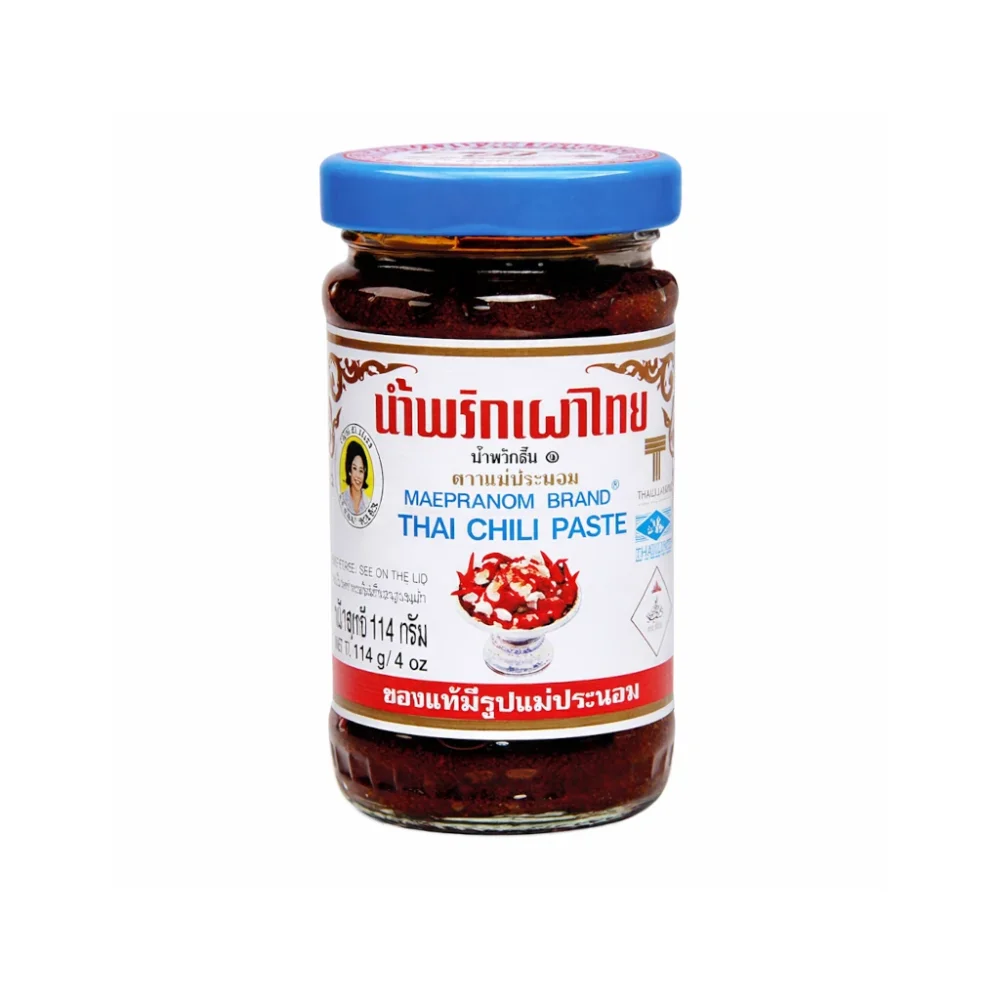
Spiciness is good to treat as a regulator, not an obligation. If you want to add spiciness easily and controllably (even at the end), a small amount of chili paste in oil can work, for example Maepranom chili paste in oil 114 g. Add in small portions and sense how the overall flavor balance changes.
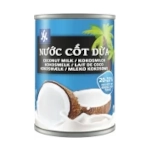
And if, on the other hand, you’re looking for a creamy noodle dish based on curry and coconut, that’s a different noodle world (for example, curry noodle soups). In that case it makes more sense to start by selecting a coconut base – a guide can be the coconut milk.
Most common mistakes with stir-fry noodles (and how to fix them quickly)
1) Choosing noodles based on the dish name, not the function
One of the most common mistakes is buying "some Asian noodles" and expecting them to work for everything. But different noodles are suitable for broth and different ones for wok. For these three dishes, you always need noodles that can withstand stirring and brief high heat.
2) Overcooking before final heating
Noodles are often ruined already in the pot (or during prep) and in the wok they are just "finished." The result is breakage, sticking, or a gummy mass. A proven rule: leave the noodles a bit firmer, because they will finish cooking in the wok.
3) Sticking after draining
Some noodles quickly stick together into a block after draining. It helps to either use them quickly or gently "loosen" them after draining so they separate (and not let them stand too long).
4) Wrong ratio of sauce to noodles
Delicate noodles easily drown in a heavy sauce, while thicker ones may seem dry if there is too little sauce. For all three dishes, it is safer to add the sauce gradually and watch when the noodles hold both flavor and texture.
5) Ignoring the ingredients
A common mistake is assuming all rice noodles are gluten-free or that every soba is purely buckwheat. The specific ingredients matter. For more sensitive dietary restrictions, it pays to read the label even on noodles that "look obvious."
What to take away from the article
- Pad Thai is based on rice noodles and a precise balance of flavors; it is mostly ruined by overcooking the noodles, too wet a sauce, and loss of sour contrast.
- Chow Mein in home cooking depends mostly on the right wheat noodles for the wok and texture; not overcooking and not drowning in sauce is half the success.
- Mee Goreng typically aims for a darker, sweeter profile with chili, egg, and crispy toppings; flavor-wise it is a different goal than Pad Thai.
- In the wok it applies: noodles should be prepared so that final stir-fry is quick – and sauce is better added gradually than by a big "drenching."

Read next
If you want to explore this topic further, continue with these related blog guides and articles:
