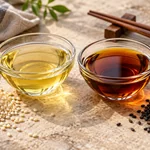
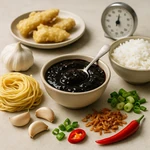
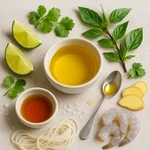
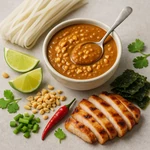
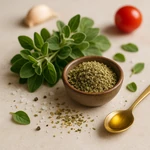
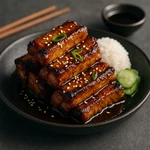
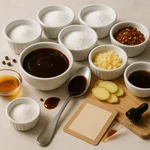
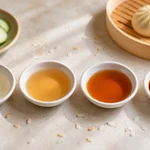
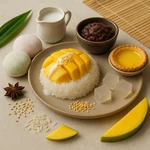
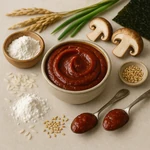
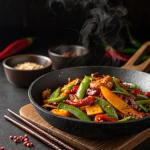
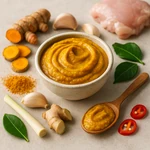
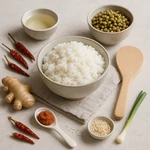
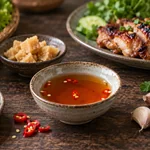
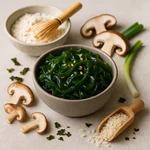
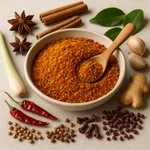
Sesame oil is a great way to enrich your dishes with a rich flavor while reaping health benefits. Full of healthy fats and antioxidants, this oil is ideal for seasoning, marinating, and cooking. Try it in Asian and European recipes and discover how it can enrich your culinary experiences.
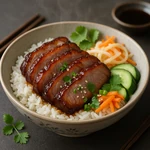
Pork neck (also sold as pork collar) is naturally marbled, which makes it one of the most forgiving cuts for oven roasting. This recipe keeps the prep simple, delivers a juicy sliceable roast, and finishes with a fragrant, lightly crisp crust—plus an optional sweet-salty glaze if you want a subtle Asian-inspired twist.
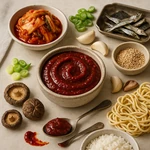
The Korean "pantry" is not a list of exotic groceries, but a set of flavor foundations that make even simple dishes start to make sense. When you understand how fermented pastes and sauces (jang) work, the role of kimchi, why sesame is often used only at the very end, and how Korean soy sauces differ, Korean cuisine will come together for you into a clear system – not a random spicy mix.
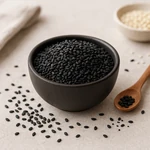
Black sesame seeds may be tiny, but they bring a surprisingly bold, nutty aroma, a gentle crunch, and instant visual contrast. Learn what makes them different from white sesame, when to use them whole vs. ground, how to toast them without bitterness, and easy ways to use them in both savory dishes and desserts.
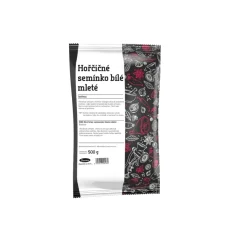
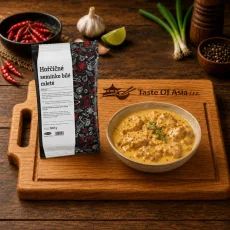
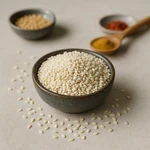
White sesame seeds are one of those small ingredients that instantly make food feel more finished: a gentle nutty aroma, a subtle crunch, and a familiar “Asian kitchen” note on rice, noodles, salads, and stir-fries. Once you know when to toast them—and when not to—you’ll reach for them almost daily.
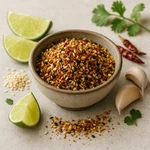
A bowl of greens can be a quick, light meal—or it can feel like “just vegetables.” A ready-made salad seasoning blend is the shortcut that bridges that gap: it adds aroma, rounds out flavor, and helps your dressing taste intentional even when you’re short on time.
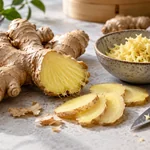
Ginger is a wonderful natural remedy that will enrich your health and taste buds. Read about its benefits, how to use it in the kitchen, and what forms it comes in.
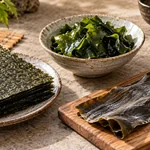
Discover the power of the ocean on your plate! Seaweed brings unique flavors and nutritional properties to the kitchen. From sushi to soups, its uses are endless. Add this natural ingredient to your diet to boost your health and enrich your meals!
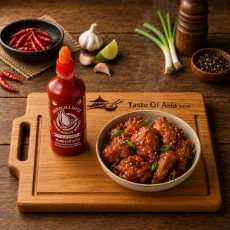
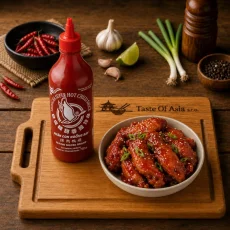
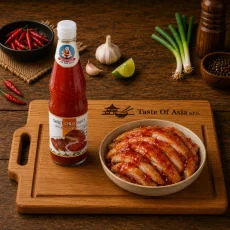
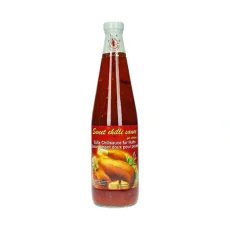
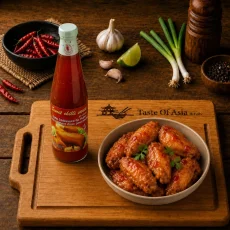
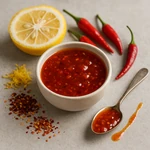
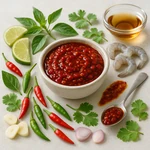
Sweet-spicy chili sauce is already a kitchen shortcut for instant flavor—but add yuzu and it becomes something brighter and more versatile. The gentle sweetness helps it cling to food, the chili brings warmth, and yuzu adds a crisp citrus aroma that can make fried, grilled, or rich dishes taste lighter and more defined.
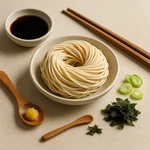
Broth, toppings, aroma oil—ramen gets a lot of attention for what’s on top. But the real backbone of the bowl is the noodle: springy, satisfying, and able to carry flavor. Here’s a practical guide to ramen noodles (fresh, dried, instant), how to cook them for the ideal bite, and how to use them not only in soup but also in quick stir-fries and “no-broth” bowls.
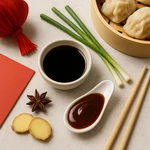
Discover the secret to a unique flavor that will transform any dish. This sauce combines the freshness of citrus with the saltiness of soy sauce, adding a new dimension to your cooking. Try it and see how easily it can enhance your favorite meals!
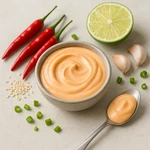
Sriracha Mayo blends the garlicky chilli kick of Sriracha with the rich, smooth texture of mayonnaise. The result is an easy, all-purpose dip and drizzle that works just as well with sushi and poke as it does with fries, sandwiches, or noodle bowls.
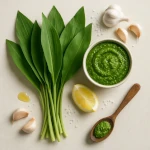
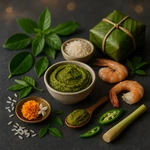
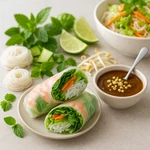
Wild garlic—also known as ramsons—is one of those short-season spring ingredients that can instantly make food taste brighter. It brings a fresh, leafy garlic character without the harsh bite of raw cloves, which makes it surprisingly easy to weave into quick Asian-style stir-fries, noodle dishes, coconut curries, and rice paper rolls.
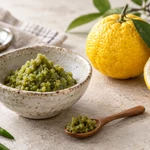
Discover the secrets of yuzu paste—a citrus ingredient that will give your dishes a fresh and exotic flavor. Read on to learn how to use it in marinades, sauces, or cocktails and take your cooking to the next level!
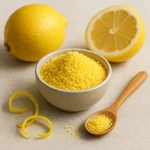
Ground lemon zest is dried, finely milled lemon peel that delivers citrus aroma without adding liquid. It’s a smart pantry tool for baking, spice blends, creamy sauces, and Asian-style curries—especially when you want consistent results and zero grating.
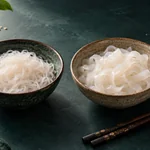
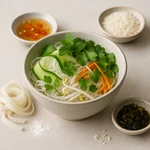
Shirataki noodles—often called konjac noodles—are translucent, springy strands made from the konjac root. They’re naturally low in digestible carbs and quick to prepare, but they do have their own “rules”: rinse well, dry them properly, and let your sauce do the talking. Here’s how to use shirataki in soups, stir-fries, and cold salads without disappointment.
Rice vinegar is the secret to authentic Asian flavors! In our article, you will learn how to use it in cooking, why it is ideal for sushi, and how it can enrich your recipes. Read on to find out how this unique vinegar will take your dishes to the next level!
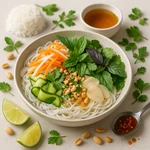
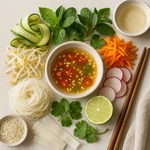
Asian salads and cold dishes are not just a light side dish or "vegetables with dressing." In many cuisines, they serve as a full meal – based on freshness, herbs, acidity, umami base, chili, and especially texture. In this guide, you will clarify what is typical for cold Asian cuisine, what the main forms are (from rolls to cold noodles), and how to assemble a bowl at home so that it tastes complete, not just "mixed."
Discover the intense flavor of black vinegar and brown rice vinegar, two specialties that will bring rich flavors to your dishes. Find out how they differ and get inspired by recipes that use their smoky and nutty tones for exceptional marinades, sauces, and stir-fry dishes!
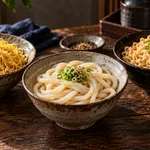
Discover the history, production, and different types of wheat noodles that dominate world cuisine. Learn how to prepare them properly and use them in popular recipes such as Kake Udon, Miso Ramen, or Zaru Soba. Read more about their versatile uses!
Asian cold cuisine is not a "diet salad" or randomly mixed vegetables. It is often a complete meal built on fresh herbs, active acidity, and a spicy spark – and mainly on a dressing or dip that holds the whole plate together. In the article, we clearly explain how these elements work, their variations, and how to assemble a cold bowl or noodle salad at home so it doesn’t taste "unfinished."
Fast Asian meals are not a "simplified restaurant," but a distinct world built on quick finishing, bold flavors, sauces, and texture. Once you understand the main formats (noodles, rice bowls, soups, cold dishes), you can make smart choices at home – and realistically fit into 30 minutes without compromising on taste.
In Asian cooking, oil is often not just "something for the pan." Sometimes it is purely a working medium for high temperature, other times a carrier of aroma added only at the very end. This is the most common source of errors: people buy oil of the right category but the wrong type for the specific technique. In this guide, you will clarify how to think about oil when frying, deep-frying, and grilling – practically and without unnecessary myths.
“Street food style at home” is not about copying stalls to the last detail. It’s about understanding why Asian street food works: speed, clear flavor, sauces and final seasoning, contrast of textures, and serving immediately without unnecessary complexity. The article contains a practical guide on how to transfer this logic to the home kitchen – even if you don’t cook from scratch.
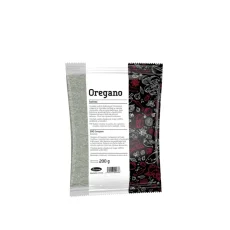
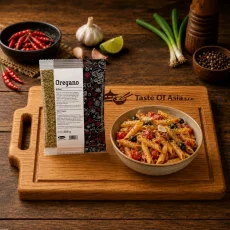
Oregano is a small herb with a surprisingly bold voice: warm, intensely aromatic, slightly peppery, and able to hold its own in rich sauces and marinades. Most people know it from pizza, but used with a light hand it can also bring depth to modern Asian-inspired “fusion” meals—especially where garlic, chili, soy, sesame, or tomato-based sauces are in play.
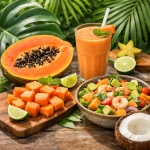
Papaya can be two completely different ingredients. Ripe papaya is sweet, soft, and great for bowls and drinks; green papaya is firm, crisp, and behaves like a vegetable—perfect for tangy, spicy salads and quick stir-fries. Here’s how to recognize the right one, prepare it without hassle, and make it taste great from the first try.
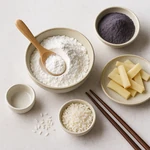
A good "Asian ingredient" is not the most expensive nor the one with the prettiest packaging. The difference mainly lies in whether you understand the function of the ingredient (what it is used for in food), its types and composition – and whether you select it for a specific use. This article is a practical guide: it will teach you to quickly read labels, distinguish between basic and flavored products, and choose the right type, for example with coconut, sesame, chili, and starches.
Light and balanced Asian dishes are not “diet versions” of classics or flavorless meals. In many parts of Asia, lightness is a natural result of how a dish is composed: what forms the base (rice or noodles), what carries the protein, what adds freshness, acidity, texture, and how a sauce or broth is used so that the ingredients are not overwhelmed.
Cooking for more people on a workweek is less about “perfect recipes” and more about how to smartly build a meal: so it’s satisfying without feeling heavy, and can be easily adjusted to the tastes at the table. In many Asian cuisines this practicality is natural – based on a bowl or plate where there is a place for a base, a protein, vegetables, freshness, acidity, texture and precise seasoning.
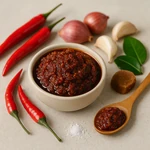
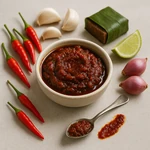
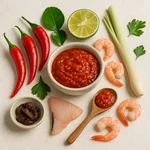
Sambal Badjak is a cooked Indonesian-style chili paste that brings more than heat: it adds savory onion and garlic notes and a gentle sweetness that rounds out quick weeknight meals. Here’s what makes it different from simpler sambals and how to get the best flavor from just a spoonful.
Discover the power of almond oil in the kitchen! Ideal for cooking, baking, and seasoning, almond oil offers a delicate flavor and nutritional benefits. Read on to learn how to use it in your everyday cooking!
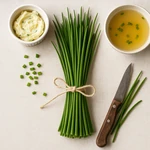
Chives may look like a modest garnish, but they can quietly transform a dish: a clean, green aroma and a soft onion note that doesn’t overpower broths, noodles, rice bowls, or creamy dips. The key is knowing when to add them—and how to keep that fresh flavor intact.
Immerse yourself in the world of this delicious ingredient, which not only tastes great but also offers a host of health benefits. Discover how it is made and what advantages it brings to your health and everyday diet!
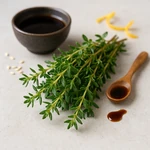
Thyme may look modest, but it brings a deep, savory herbal note that can make simple food taste more “finished”. Learn how thyme behaves in cooking (fresh vs. dried), the best timing for adding it, and pairing ideas—including smart ways to use it alongside umami-rich Asian pantry staples.
These oven-baked ribs get their “restaurant shine” from a simple two-step method: slow, covered roasting until tender, then quick high-heat glazing with a honey–soy sauce reduction scented with garlic and ginger. The result is deeply savory, gently sweet, and irresistibly sticky.
"Light" Asian food is not about being small or bland. Often, it's actually a full bowl or plate that satiates but doesn’t feel heavy: it’s based on rice or noodles in a reasonable ratio, complemented by vegetables and herbs, with flavor carried by broth or precise seasoning, and the whole is held together by acidity, umami, and contrast of textures. In this guide, you’ll find practical orientation and specific "families" of dishes that make sense for everyday – from warm breakfast bowls to cold noodle salads.
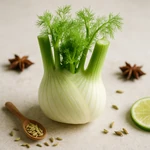
Fennel is one of those ingredients that can feel like two things at once: a crisp vegetable and a deeply aromatic spice. Whether you’re working with the fresh bulb or fennel seeds, a small amount can make dishes taste brighter, rounder, and more “complete”—which is exactly why it shows up in so many Asian flavor traditions.
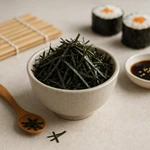
Kizami nori is roasted nori seaweed cut into delicate strips and used as a quick finishing garnish. A small pinch can lift the aroma of rice bowls, noodle soups, and salads—adding gentle brininess, subtle roastiness, and clean umami without changing the whole dish.
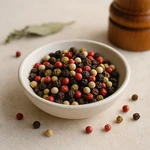
Whole mixed peppercorns (often called “four-pepper” or “rainbow pepper”) are a simple way to add both fragrance and gentle heat to everyday cooking. Used at the right moment—and freshly crushed—they can make stir-fries, soups, sauces, and even rice taste more vivid without overpowering the main ingredients.
Festive meals in Asia often act as a cultural code: they have symbolism, a fixed time of year, a specific form of service, and a strong connection to family, community, and ritual. In the article, you will get oriented on what festive dishes across Asia have in common, why the New Year is so culinarily important, and what types of festive meals represent Japan, Korea, and Muslim Southeast Asia. At the end, you will find practical tips on how to assemble a "festive Asian table" at home with respect to the context, even if you don't cook the traditional recipe down to the last detail.
Family Asian cooking doesn't have to mean a pile of exotic ingredients or "diet" versions of favorite dishes. In practice it's often enough to understand a simple logic: build the plate on rice or noodles in a reasonable proportion, add a clear protein, give vegetables real space, use the sauce more as a binder than a flood – and finish the whole meal with freshness, acidity, texture and umami.
Festive meals are not just "better versions" of everyday cuisine – in many cultures they function as a cultural code: they carry symbolism, define rituals, and confirm family continuity. The article focuses primarily on Asia: it explains common types of festive dishes, shows specific examples, and offers practical advice on how to meaningfully prepare some traditions at home.
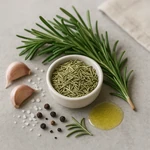
Rosemary is one of those herbs that can make a dish taste “finished” with almost no effort. Used sparingly, its piney, resinous aroma deepens roasted meats, vegetables, and olive-oil based marinades—and it can be surprisingly effective in modern Asian-inspired grilling and umami-rich sauces, too.
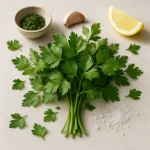
Parsley leaf is easy to overlook because it rarely steals the spotlight—but that’s exactly why it’s so useful. A small pinch can brighten a broth, clean up a rich sauce, and add a fresh green finish to fish or grilled meats. Fresh and dried versions behave differently, so knowing when to use which makes everyday cooking noticeably more balanced.
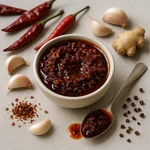
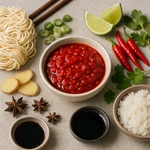
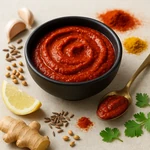
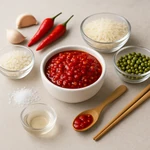
Chilli paste in oil is the “one-spoon upgrade” for weeknight noodles, rice bowls, soups, and stir-fries. It delivers heat, deep roasted aroma, and a flavour-carrying oil in one jar—so you can build a more complex taste without making a full sauce from scratch.
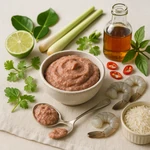
Sambal trassi is one of those Southeast Asian condiments that can transform a plain bowl of rice into something deeply savory and exciting. It combines hot chili with the unmistakable, funky depth of trassi (also spelled terasi)—a fermented shrimp paste that brings saltiness and intense umami.
Serving is not just "nice extra dishes." For many Asian dishes, it directly determines how they will be eaten: whether they will keep the temperature, whether it will be easy to combine rice with sauce or broth with noodles, and whether the communal meal in the middle of the table will work naturally or chaotically. In this article, you will find a practical home model that makes sense even without collecting and without the feeling that you need a complete exotic set.
What is fruit dip and why is it so popular? Discover how it can add a new dimension of flavor to fruit! From fresh yogurt to creamy sweet varieties—get inspired and find out why fruit dips are a hit at every party and a favorite part of healthy snacks.
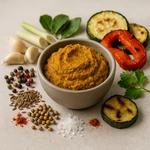
Grilled vegetables can taste effortlessly good—or surprisingly flat—depending on how you season them. This guide explains what makes a grill-friendly spice blend work, when to add it for the best aroma, and how to take the same vegetables in a more Asian direction using pastes, sauces, and smart finishing touches.
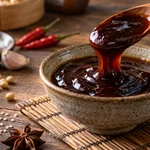
Hoisin sauce is the sweet-savoury, deeply aromatic condiment that can make a simple stir-fry taste restaurant-level in minutes. Learn what’s inside, what it pairs with, and how to avoid common mistakes—plus a few fast ways to use it beyond dipping.
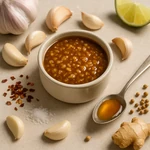
Garlic marinade is one of those kitchen shortcuts that doesn’t feel like a shortcut: it can make chicken, pork, tofu, or vegetables taste deeper, smell incredible, and stay juicier—fast. The trick is knowing how garlic behaves with heat, how long to marinate different ingredients, and how to balance sweet, salty, and acidic notes for Asian-inspired results.
In Asian sauces, the small print on the label often matters more than the big name on the front. When you learn to read the ingredients practically (not academically), you’ll quickly recognize whether you’re buying a fermented "base" for cooking or a ready-made flavoring full of sugar, starches, and aromas. The result: sauces that make sense for your dishes and less disappointment at home.
Asian cold dishes are not "lighter versions" of hot cuisine nor just vegetables with dressing. Their strength lies in freshness, herbs, acidity, a strong umami base (often from soy or fish sauces), clever textures, and a dip or dressing that holds the whole meal together. In summer, this gives you a quick lunch, dinner, or practical meal to-go – and often a full main dish, not just a side.
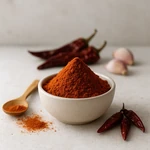
Smoked sweet paprika is one of those spices that can make a simple meal taste like it spent time over charcoal. It brings gentle pepper sweetness, a warm red hue, and a distinct smoky aroma—without needing a grill. Here’s how to use it well, what it pairs with, how to avoid bitterness, and smart ways to fold it into Asian-style dishes.
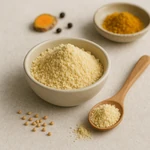
Ground white mustard seed is a quiet workhorse in the spice cupboard: it brings a gentle heat, a warm mustard aroma, and extra “body” to sauces and marinades. Used well, it can deepen everything from salad dressings and rubs to Asian-style curries and stir-fry sauces—without overpowering the dish.
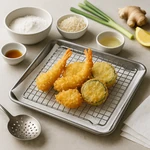
Deep frying should not be synonymous with "heavy and greasy food." In Asian cuisines, frying is a key technique precisely because it can create clean crispiness and texture contrast – when done technically correctly. The article provides a practical guide on what to watch for regarding oil temperature, batch work, ingredient preparation, and draining so that the result is not unnecessarily soaked.
A good "Asian pantry" is not about having dozens of sauces and pastes at home. It's about a few functional basics that repeat across many dishes: something for saltiness and umami, something for acidity and sweetness, something aromatic, something starchy and a few quick guarantees for texture. Here is a practical ten that will let you cook a surprisingly wide range of Asian dishes even from common fresh ingredients.
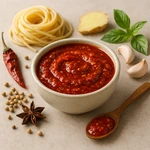
Spaghetti is quick, reliable, and—if you’re not careful—predictable. The easiest way to keep it exciting is to think of “spaghetti seasoning” not as one fixed mix, but as a flavor direction you can repeat and tweak: herb-forward, garlicky, spicy, smoky, or umami-rich. And once you see spaghetti as “long noodles made from wheat,” it becomes surprisingly natural to season it with Asian-style sauces, pastes, and aromatics too.
Asian desserts often can't be squeezed into familiar categories like “cake,” “pudding,” or “cookie.” Instead of heavy buttery pastries, they feature rice, coconut, starches, legumes, fruit, syrups, and especially texture – elastic, gel-like, pearl-like, or icy. This guide will help you understand what is typical for Asian sweets, the main dessert families, and how to practically navigate them.
Vegan food in the Asian style does not have to be a compromise or a “substitute” for regular cuisine. In many parts of Asia, vegetarian and vegan cooking has its own traditions – and above all its own way of building flavor fullness: through umami, fermentation, working with texture, the right fat, acidity, and herbs. This article will show how to practically use these principles at home so that the food remains distinctive even without meat, fish, and dairy products.
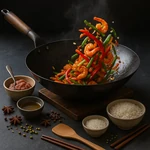
This Sichuan-style stir-fry is all about contrast: tender slices of chicken, crisp vegetables, and a bold, glossy sauce with chilli heat and that signature tingly “mála” kick from Sichuan peppercorns. It’s fast, weeknight-friendly, and easy to adapt to whatever you have in the fridge.
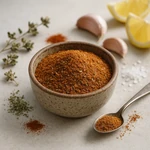
“Golden chicken” seasoning isn’t one single fixed recipe—it’s a style of spice blend designed to make chicken taste warmly seasoned (not aggressively hot) and look appetizingly golden. Here’s what creates that effect, how to use the blend for roasting, pan-frying, or quick Asian-style stir-fries, and how to pair it with sauces so the result stays juicy and balanced.
The hardest part at the beginning of Asian cooking is not the "exotic" but the decision of exactly where to start. Different Asian cuisines vary in flavors, techniques, and how much you need to have stocked at home. In this guide, you will find a practical way to choose your first cuisine, how to build a reasonable minimum "Asian pantry," and which habits (cutting, preparation, working with temperature) will quickly raise your level.
“Special” ingredients in Asian cuisine are often not extravagances but practical flavor building blocks: they add umami, interesting texture, or just a subtle contrast at the end. When you know what function to expect from them, they stop being unclear and start being useful. This guide will mainly walk you through seaweed and mushrooms (including dried) and show a few typical pitfalls people encounter when choosing.
Asian cuisine is not just about spiciness or "exotic" ingredients. It is often defined by the work with aroma: freshness, warmth, earthiness, citrus notes, bitterness and long aftertaste. Spices and herbs are not just a supplement – in many dishes they form the very backbone of flavor. And just as important as what you use is also when and how you use it.
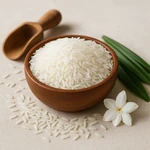
In many Southeast Asian meals, rice isn’t just a side dish—it’s the foundation that carries sauces, balances heat, and makes a bowl feel complete. ST25 is a premium Vietnamese jasmine-style rice known for its gentle floral aroma, tender bite, and everyday versatility. Here’s what makes it different, what to pair it with, and how to cook it (pot or rice cooker) without guesswork.
"Low-fat" Asian food often does not mean tasteless food or a small portion. In many Asian cuisines, lightness is achieved differently: through broth, herbs, acidity, smart seasoning, and a good ratio of rice or noodles to vegetables and other components.
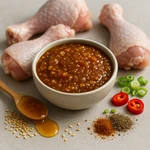
Chicken drumsticks are made for bold seasoning: the skin renders, the meat stays juicy, and a honey-forward spice mix turns the surface glossy and caramelized. This guide shows how to build (or use) a honey-spiced seasoning so your drumsticks come out sweet, savory, gently warm, and unmistakably “glazed”.
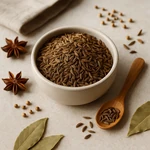
Caraway can be subtle or boldly aromatic depending on when you add it and how much you use. This guide explains what caraway tastes like, how it’s different from cumin (often confused because of similar names), and practical ways to work it into rice, noodles, pickles, and spice blends with an Asian twist.
“Northern vs. southern tastes” is a useful shorthand for quickly orienting yourself in Asian food — but we mustn’t take it as an exact map. In this article we’ll show what this concept really means, why it arose, what the typical differences in ingredients and techniques are, and how to extract practical tips for home cooking.
Asian street food is not just "food from the street." In many parts of Asia, it is an everyday way of eating, where speed, specialization, local identity, and especially taste "readable from the first bite" matter. That's why it is useful to distinguish market street food and home-style street food: at home, you usually won't replicate the same heat and rhythm of the stall, but you can very well imitate the flavor profile, the work with sauces, contrasts, and "right now" service.
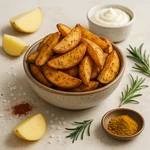
“American potatoes” in Central Europe usually means oven-baked potato wedges with bold seasoning: crisp on the outside, fluffy inside, and made for dipping. This guide breaks down what makes wedges truly crunchy, how to season without burning spices, and how to pair them with punchy (including Asian-inspired) sauces.
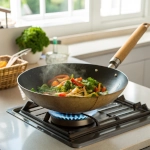
A wok isn’t just a “deep frying pan.” Its shape is designed for intense heat, quick movement, and big flavor—especially in stir-fries, fried rice, and noodles. Here’s how a wok works, what material and bottom shape to pick for your stove, and how to keep it performing for years.
Tandoori masala is a bold Indian spice mix made for high heat: aromatic, warmly spiced, and often gently hot. Combine it with yogurt and citrus for a quick marinade that works just as well in a home oven or on the grill as it does in a traditional tandoor.
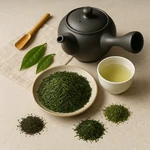
Choosing green tea means recognizing the basic styles, knowing what to look for on the packaging, and being able to properly prepare and store the tea at home. This guide will explain how to start, what types of teas exist, what to pay attention to when buying, and how to avoid the most common mistakes. 🍵
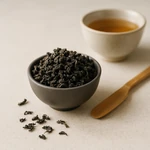
Oolong is the tea people return to when they want variety without switching to a different drink. Depending on how it’s made, it can taste fresh and floral or warm, toasty, and deep—one reason you may even see it labeled as “black tea oolong.” Here’s what that means, how to choose a style you’ll enjoy, and how to brew oolong so its aroma really shows.
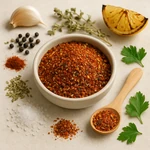
Argentina Grill seasoning is the kind of spice blend you reach for when you want instant smoky, roasty “grill energy” on meat, tofu, or vegetables—without planning a marinade. What’s surprising is how naturally it fits into fast Asian-style cooking too: stir-fries, noodles, fried rice, and quick pan sauces all benefit from its warm, savory backbone.
A good Asian ingredient is not automatically the most expensive one or the one with the "most authentic" packaging. In home cooking, it is much more important whether you have chosen the right type for a particular dish (and whether you understand what the ingredient does in the dish). This guide summarizes practical rules that will help you decide more confidently about sauces, pastes, rice, or tofu – and with less risk of disappointment.
Malaysian cuisine is not a single uniform "national taste," but a practical mix of several traditions that meet and often blend in one territory and often even in one dish. This makes it all the more important to recognize the ingredients that keep reappearing in Malaysian cooking: rice and noodles, coconut, chili and sambal, aromatic herbs, tamarind and lime, and pronounced fermented marine components. In this article, we will arrange them according to their function, explain the differences, and add specific tips on how to start with them without unnecessary mistakes.
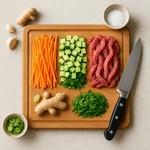
For many Asian dishes, the outcome is decided not on the pan but already on the cutting board. The size, thickness, and especially the uniformity of the cuts affect the cooking speed, texture, and whether different ingredients cook evenly. This guide summarizes practical rules and typical mistakes in cutting vegetables, meat, and herbs – so you cook more confidently and without unnecessary dead ends.
Sri Lankan cuisine is not "Indian curry on an island." It is based on rice, coconut products, bold spices, acidity, chili, and mainly on eating the whole as a combination of several small bowls – curry, sambols, and other accompaniments. If you want to start at home, you need to understand this logic: not chasing one perfect curry, but assembling contrasts so that the food begins to taste Sri Lankan.
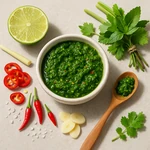
"Chili" in Asian cuisine does not mean one universal sauce. Under the same word hide thin vinegar sauces for the table, thick fermented cooking pastes, fried and roasted mixtures with oil, chili oils, and coarse relishes. When you understand their role (not just spiciness), you will season more precisely and more often hit the flavor of a specific cuisine and dish.
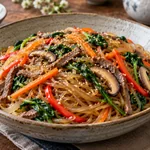
Discover a delicious recipe for Japchae with sauce – the perfect combination of rice noodles, fresh vegetables, and great flavor that will delight every lover of Korean cuisine.
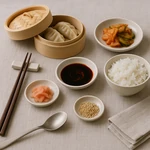
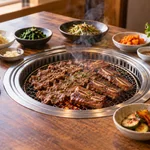
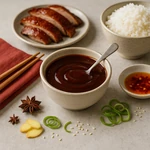
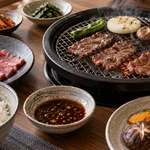
Discover the magic of Korean BBQ! With delicious sauces and tasty side dishes, you'll enjoy an unforgettable grilling experience full of flavors you'll love.
In Asian cuisine, it often matters not only what you cook but mainly how. The same ingredient can taste completely different depending on whether you quickly stir-fry it at a high temperature, slowly simmer it in broth, steam it, or briefly sear it and then braise it. In this guide, you will align key techniques, learn to recognize their differences, and get practical tips on how to avoid typical home cooking mistakes.
Festive meals in Asian cultures are not just "better versions" of regular dinners. They often function as a cultural code: they have symbolism, a fixed place in the calendar, a family dimension, and sometimes even service rules. In this article, you will find a practical guide on how to transfer these principles to a home menu in a way that makes sense even without perfect "authenticity" – and at the same time, you don't spoil the taste with a failed improvisation.
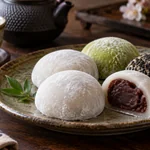
Discover delicious and traditional Japanese delicacies! Mochi, with its soft texture and various fillings, is the perfect way to enjoy a sweet moment. This delicate rice delicacy with anko or matcha filling will win you over with its taste and texture.
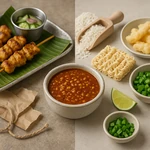
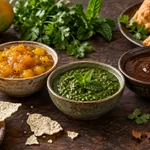
Discover the magic of chutneys, sauces that will liven up any dish. Whether you like sweet mango, spicy garlic, or refreshing coriander, each variety adds a unique flavor. Learn how to use them with your favorite foods and discover new flavors.
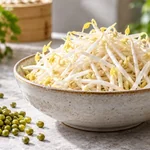
Discover the benefits of mung bean sprouts! In this article, you will learn how to easily grow them at home and how to use them in various dishes, from salads to stir-fries. Ideal for healthy and tasty cooking!
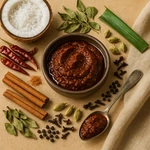
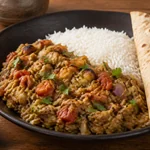
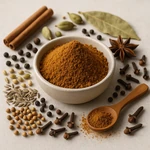
Garam masala is one of the most recognizable spice blends from India—and one of the easiest ways to give everyday meals a distinctly Indian aroma. Used in the right amount and at the right moment, it adds warm, rounded depth to curries, lentils, roasted vegetables, and even simple rice without necessarily making food hot or fiery.
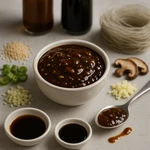
Japchae is loved for its glossy noodles, crisp vegetables, and that unmistakable sweet‑savory aroma. Whether you’re using a ready-made sauce or mixing your own, the right japchae-style seasoning is what helps glass noodles absorb flavor, stay silky, and taste balanced—not bland or watery.
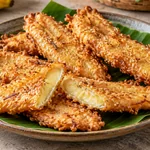
Kloay Kaak fried bananas are a delicious sweet dessert with a crispy coating and a soft banana filling. This Thai dish is ideal for a quick and tasty treat. Perfect for any occasion!
Discover the taste of Japan with our recipe for Yakiniku – juicy meat, delicious marinades, and grilling right at your table! Simple, quick, and irresistibly delicious!
Gyros seasoning isn’t only for pita nights. This herb-forward blend can instantly give chicken, pork, vegetables, or chickpeas a warm Mediterranean character—and it also fits surprisingly well into quick rice bowls and noodle stir-fries. Here’s what it tastes like, how to use it, and how to avoid the most common mistakes.
Cookies
This site uses cookies to provide services, customize ads, and analyze traffic. Your consent to the use of cookies will significantly help us to improve our services. More information



 Česky (CZK)
 Slovensky (EUR)
 Deutsch (EUR)
 Austria
 Belgium
 Bulgaria
 Croatia
 Denmark
 Estonia
 Finland
 France
 Germany
 Greece
 Hungary
 Italy
Italy Latvia
 Lithuania
 Luxembourg
 Netherlands
 Poland
 Portugal
 Romania
 Slovenia
 Spain
Spain Sweden