


 Česky (CZK)
 Slovensky (EUR)
 Deutsch (EUR)
 Austria
 Belgium
 Bulgaria
 Croatia
 Denmark
 Estonia
 Finland
 France
 Germany
 Greece
 Hungary
 Italy
Italy Latvia
 Lithuania
 Luxembourg
 Netherlands
 Poland
 Portugal
 Romania
 Slovenia
 Spain
Spain Sweden










How to work with festive meals in the home menu
Festive meals in Asian cultures are not just "better versions" of regular dinners. They often function as a cultural code: they have symbolism, a fixed place in the calendar, a family dimension, and sometimes even service rules. In this article, you will find a practical guide on how to transfer these principles to a home menu in a way that makes sense even without perfect "authenticity" – and at the same time, you don't spoil the taste with a failed improvisation.
When you say at home "let's make a festive Asian menu," it's easy to slip into just choosing a few enticing recipes. But festive meals often aren't just about what you cook, but rather why, when, and how you eat it.
That's exactly why it's worth thinking about festive meals as a whole: what occasion it has, how it is shared, what the “core” is, what accompaniments balance it, and what must remain stable for it to still feel festive (not just randomly composed).
Festive meals as a cultural code: what to handle before the recipe
Across Asia, festive meals are not uniform, but they share common features. In practice, the most important thing for the home menu is to understand these few rules:
- Food is part of a ritual, not just a feast. Even at home, it helps to give the meal a clear framework: "today we celebrate" (whether it's New Year, an anniversary, a family reunion, or simply the end of a tough period).
- The symbolism of ingredients and shapes is often as important as the taste. You don't have to know all the meanings, but it's good to know that with festive meals it's sometimes not about “improvement” but a wish (for happiness, longevity, abundance, protection, a new beginning).
- Family, sharing, and joint preparation belong to the “recipe.” Festive meals tend to be collective, shared, and homemade; preparation can be as important as the meal itself.
- They are tightly linked to specific times of the year. With some dishes, it mainly makes sense because they are "properly timed."
- They tend to be more conservative than everyday cooking. This is key for the home menu: with festive meals, less improvisation and more certainty often work better.
A practical tool before planning: try to write down four sentences on paper – when it is eaten, who will share it, what the main “message” should be (abundance, hospitality, family gathering…), and why it should be festive for you. Only then choose the dishes.
Different types of festive situations: New Year, harvest, and “open house”
The easiest way to orient yourself in festive meals is not a list of dishes but understanding the "celebration model." Selected examples show that a celebration can have a completely different social dynamic – and the menu adapts accordingly.
New Year as the strongest culinary moment
New Year in the Asian context often behaves as the most significant culinary moment of the year. Not because everything has to be complicated, but because food carries the meaning of a new beginning, wishes for the coming period, and often the need to be together.
In Japan, foods mentioned in connection with New Year include osechi, ozoni or toshikoshi soba. For the home menu, take mainly this principle: the New Year's menu often relies on the idea that some things “must be,” even if it's a small portion or a simplified version.
Korea: Chuseok and songpyeon
Another type of festive framework is holidays connected with family and the yearly cycle. In the Korean context, the significant holiday mentioned is Chuseok and the food associated with it songpyeon.
For the home menu, the important thing is mainly that in such holidays, food is strongly linked to family gatherings and intergenerational transmission: some things are done because without them the holiday "would not be complete," not because they are the most practical.
Southeast Asia: Hari Raya / Eid and festive feasts
In the Malaysian, Indonesian, Singaporean, and broader Muslim context, great importance has Hari Raya / Eid. Here another festive model is well illustrated: food as hospitality and an "open house" for visitors.
In such a framework, food can serve several roles at once:
- marking the end of fasting or discipline,
- opening the space for visitors,
- emphasizing hospitality,
- connecting family and community.
For the home menu, this is very practical: if you expect many people (or don't know who will stop by), you need dishes that can be easily sharedand replenished continuously and that are not sensitive to exact timing. In this context, festive rice dishes, satay and grilled specialties, ketupat and similar sides, coconut and spiced dishes, as well as festive sweets and snacks, are mentioned.
How to build a cohesive festive menu at home
A festive menu at home doesn't have to be "the most complicated." On the contrary: it often works better when it has a clear core, a few recurring flavors, and space for sharing.
1) Choose the occasion and adapt the style of service accordingly
There is a difference between a menu for four people who want to sit at the table and a situation where visitors come gradually. Practical questions:
- Will the meal be eaten all at once, or over time? Ongoing visitors call for dishes that keep warm or are good even lukewarm.
- Should there be emphasis on shared preparation? For festive meals, it makes sense to include guests or family in assembling, decorating, or serving.
- Is it about a “ritual” or hospitality? The ritual framework tolerates fewer changes and more tradition; hospitality tolerates more variability but must be generous and shared.
2) Build the menu as “core + accompaniments” (and improvise least on the core)
Festive meals tend to be more conservative – and it's worth respecting this at home. Make one clear core (the main menu element) and around it, accompaniments that add contrast and a sense of abundance.
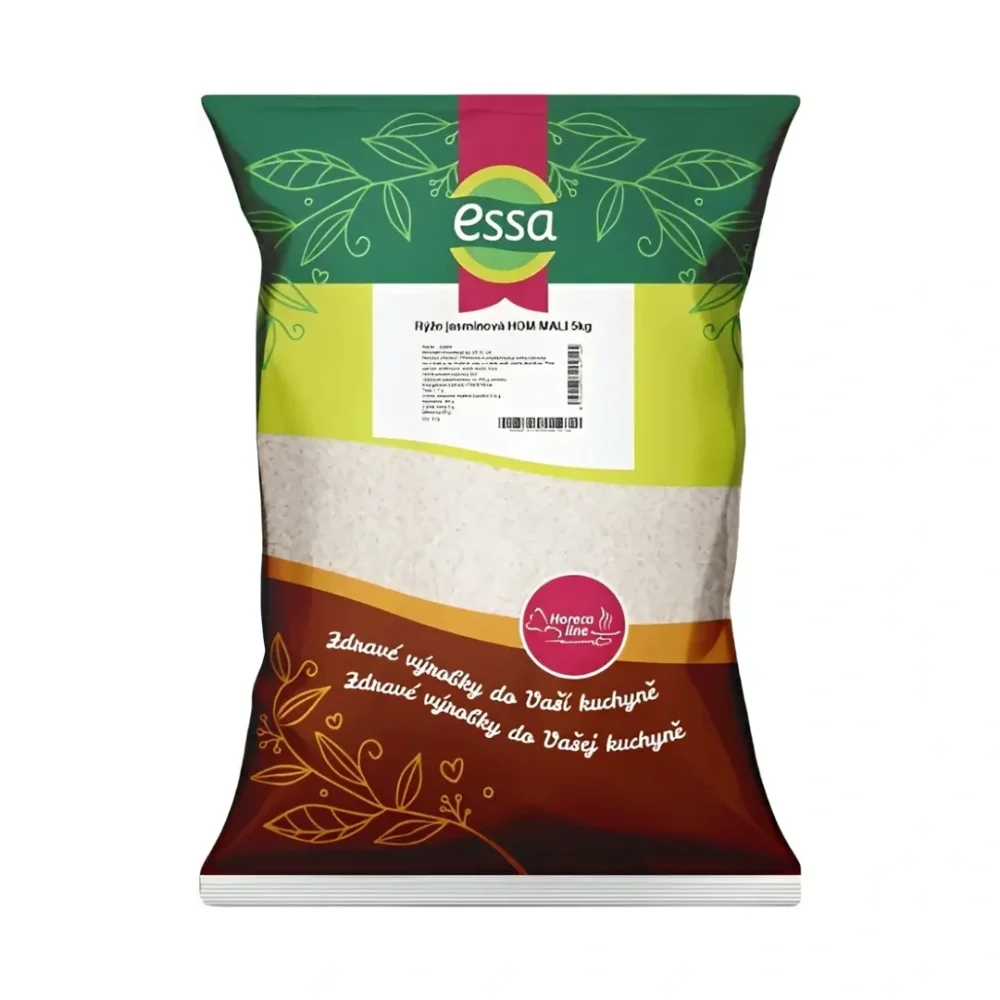
As a stable “core,” a neutral base often works well, on which sauces and sides build. A typical example is rice: if you want a firm menu point, you can start with Hom Mali jasmine rice, which combines well with more intense dishes and also helps balance spiciness or richness.
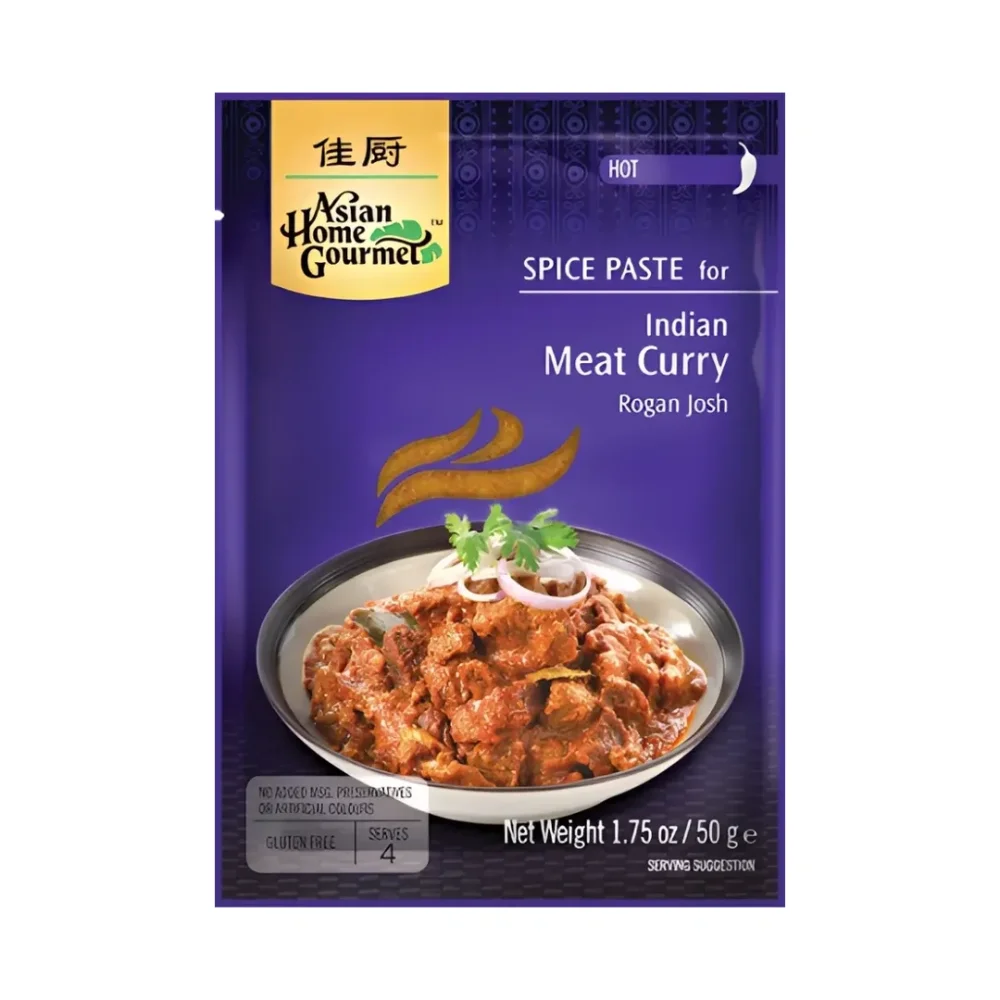
Ready-made spice pastes can also serve as a practical “bridge” to more prominent main dishes. If you need a reliable base for a spicy sauce without lengthy fine-tuning, it is one of the easiest ways to keep the flavor firmly under control – for example with Rogan Josh paste (use it as a spice base and keep the rest of the menu simpler).
3) Add contrast: cold and fresh elements create “festive balance”
The festive table often looks richer not because it has more meat, but because temperatures and textures alternate. Cold and fresh dishes in the Asian context are not "dietary sides" – they often rely on herbs, acidity, dip or dressing, and thoughtful textural contrast.
In practice, this means: when the main dish is spicy, warm, or heavier, add something that gives the meal energy:
- freshness (herbs, cucumber, vegetables),
- acidity (citrus, vinegar, pickled components – in amounts that lift the dish, not overpower it),
- texture (crunchy vs. soft, juicy vs. elastic).
You don't have to make it "recipe science": sometimes one well-seasoned cold component is enough to stop the entire table from seeming monochromatic.
4) Spiciness as a festive “spark”: how to add it safely
Spiciness in Asian cuisine is not a gratuitous attack on the tongue. It is a layer that can add energy and contrast – but only when controlled. Also typical for a festive menu is that people at the table have different tolerances.
The reliable method is simple: increase spiciness in small steps and leave some for the finish or on the table. It works well to:
- add spiciness pinch by pinch (in flakes or powder),
- separate part of the sauce and make a “spicier version” for just part of the table,
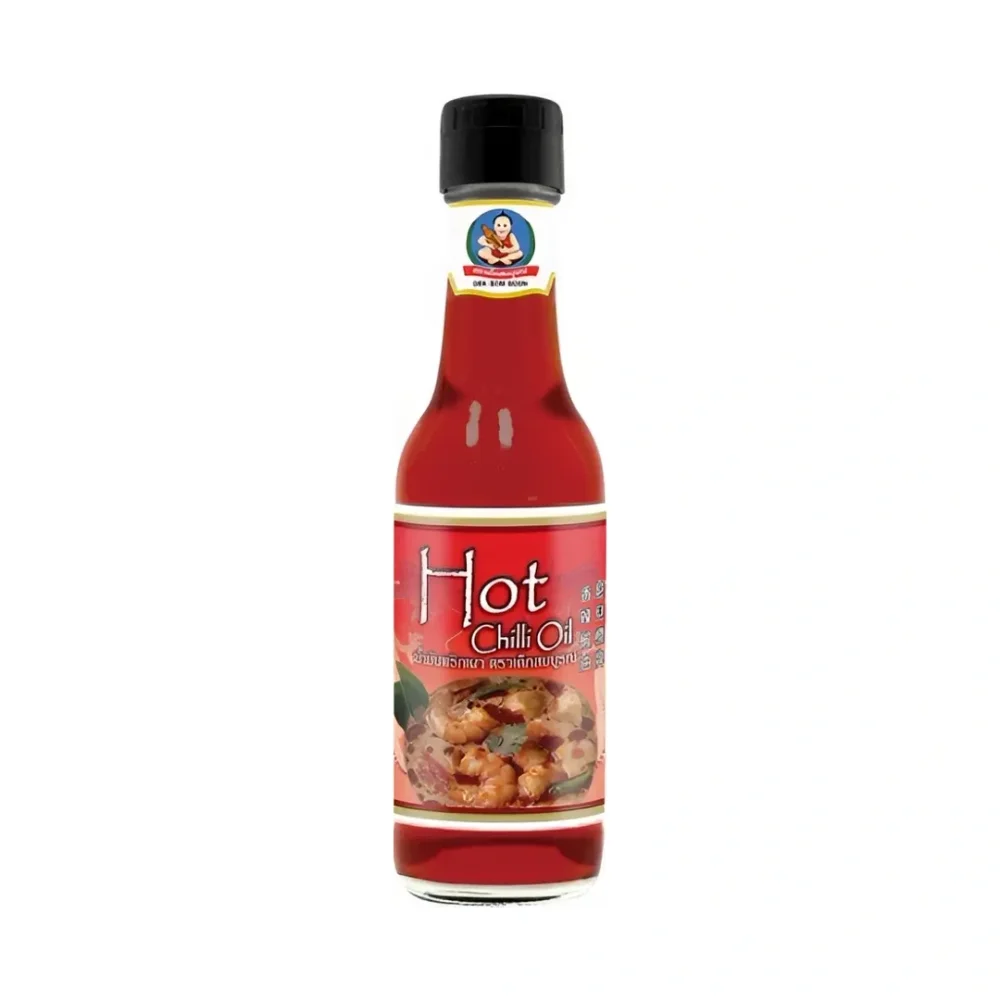
- use chili oil at serving – for example a few drops of chili oil in the portion instead of "heating up" the whole pot,
- if you want the food to feel livelier, not just increase spiciness but also check saltiness, acidity, and freshness (often the problem is right there).
And if it's overdone? The best way is to increase the amount of a neutral component (rice, noodles, broth), add fat/creaminess, or maybe light sweetness; it's less effective just to add water or “drown out” everything else with salt.
5) Quick seasoning without breaking the menu: when does it make sense to reach for a ready-made sauce
Festive cooking is often about capacity: energy goes into organization, timing, and service. Therefore, it makes sense to have one or two “safe shortcuts” that help you add flavor without breaking the character of the meal.
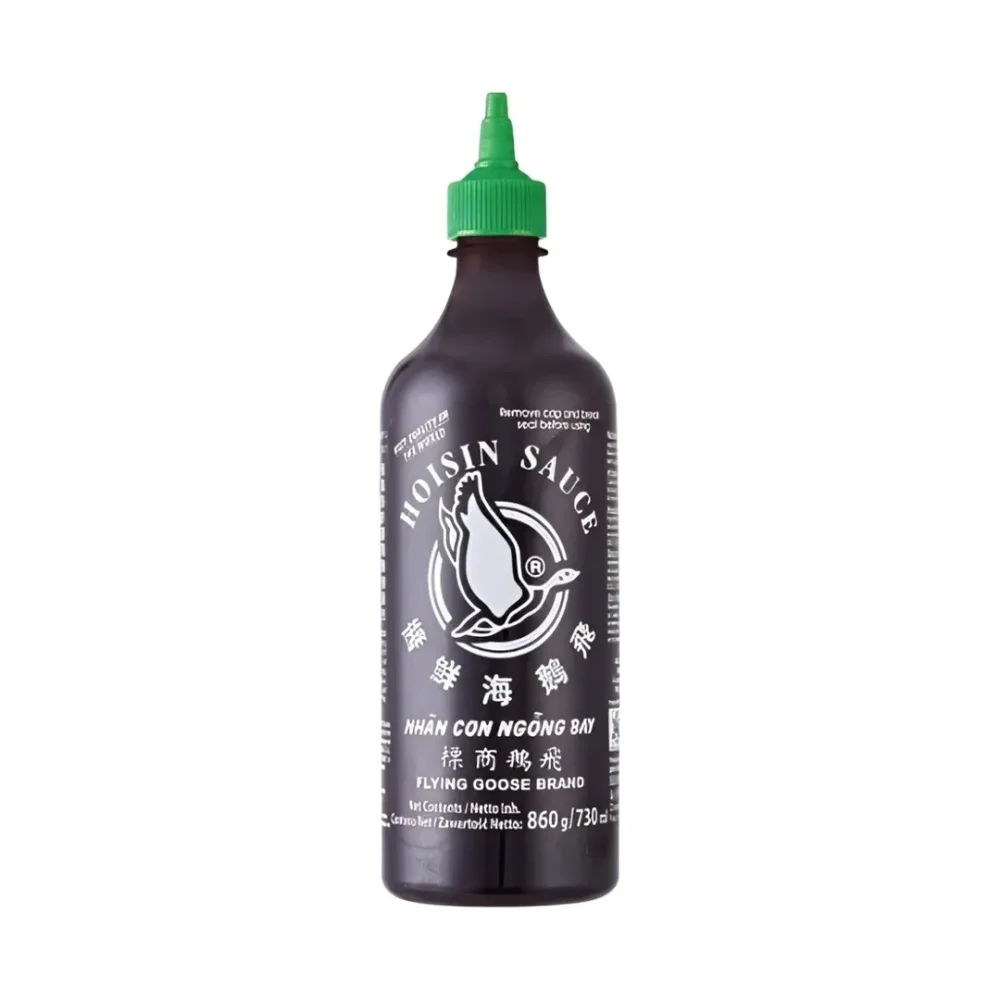
A practical example: if you need a sweet-salty accent as a dip or quick glaze, hoisin saucemay be handy. The key is to use it deliberately (as one role on the table), not to pour it into everything.
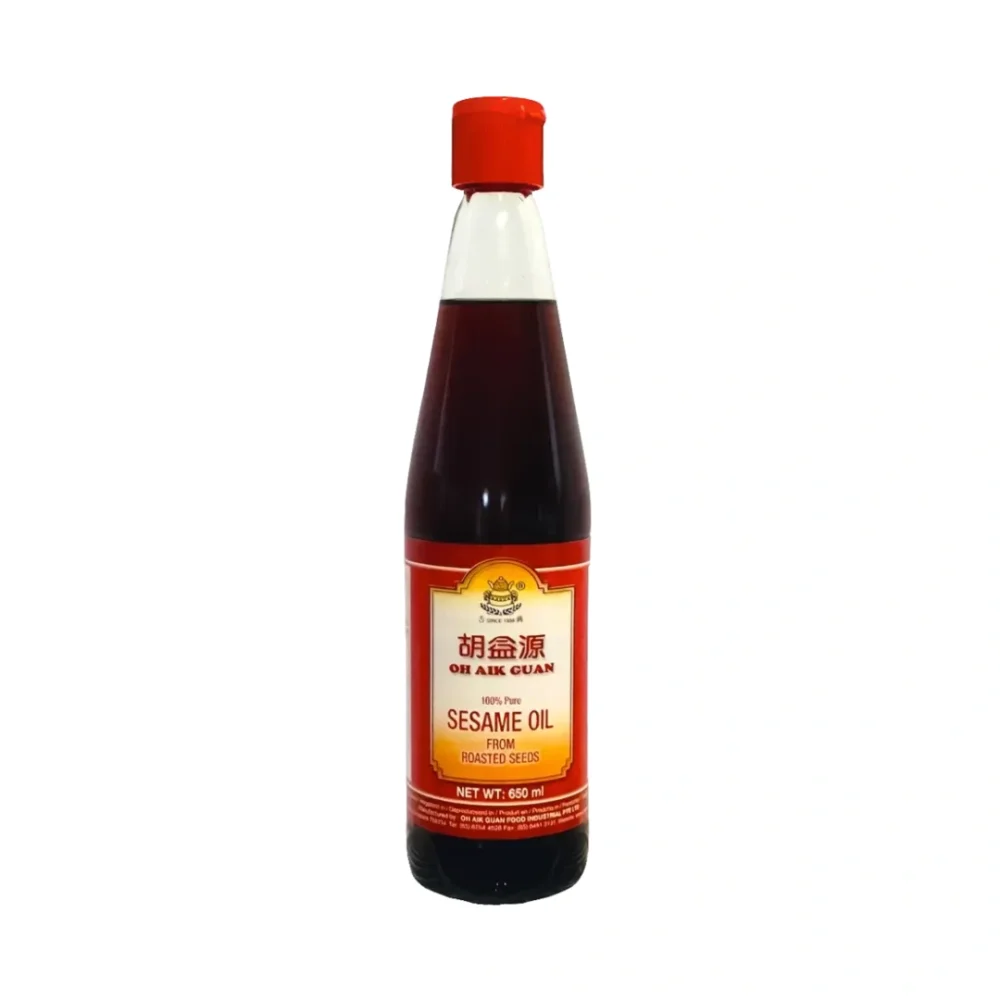
Similarly, it pays to work with aromatic oils as a finishing layer: a few drops of sesame oil at the end often do more than some “random” spices in the middle of cooking.
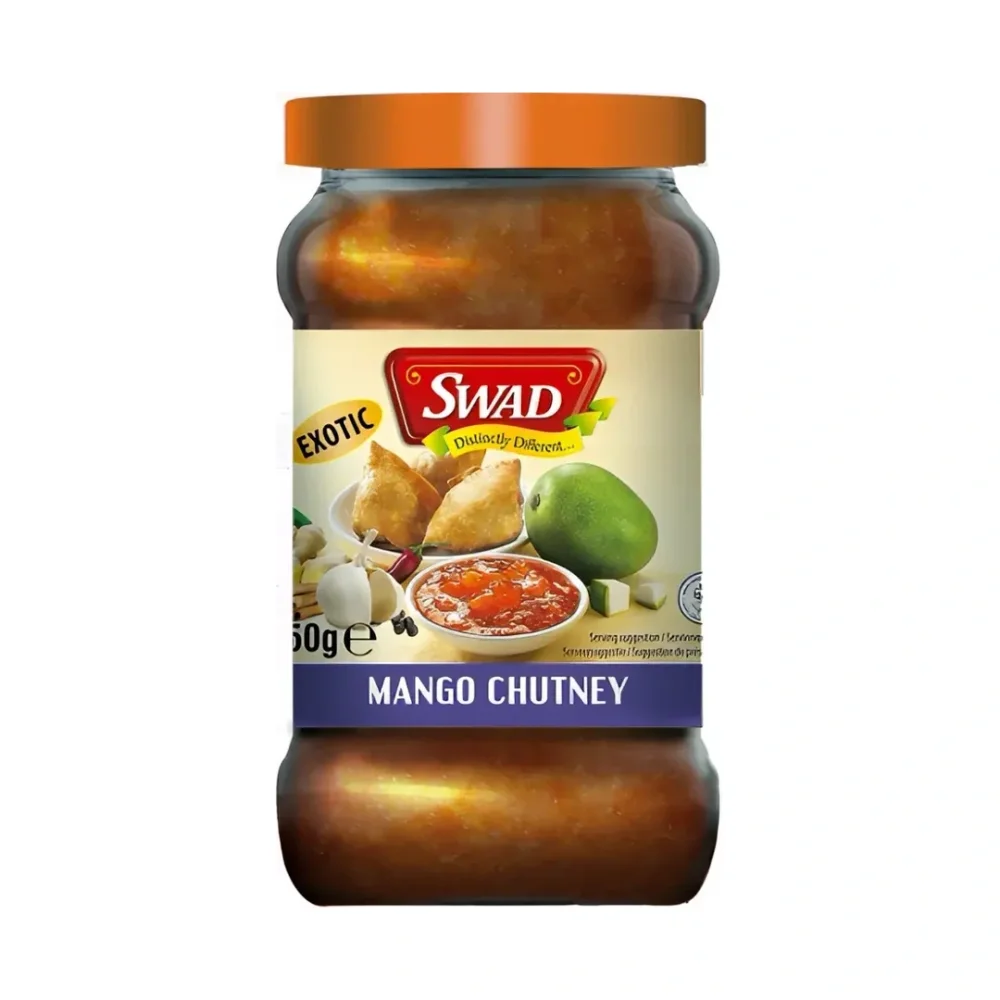
And if you want a sweet contrast on the table (which can also help soften the impression of spiciness), you can use a more pronounced sweet-fruity sauce like mango chutney – again as a separate element for scooping or a small side, not as an all-purpose sauce.
Common mistakes: why festive menus sometimes don't work (and how to fix it)
- Mistake: focusing only on the recipe, not the context. The result then seems like a random “taste of Asia.” Fix: define what type of celebration you want (ritual vs. hospitality), and choose the style of service and number of dishes accordingly.
- Mistake: too much improvisation in the festive core. Festive meals tend to be more conservative; when you put too many novelties in the main element, stability is lost. Fix: make the core simple and certain, and move creativity to the accompaniments (fresh, acidic, crunchy).
- Mistake: spiciness “the same for everyone.” This is the fastest way to exclude part of the table from the meal. Fix: add spiciness in steps and leave some on the table (oil, flakes, fresh chili separately).
- Mistake: the food is heavy and monotonous. Without contrast, even a well-cooked sauce can feel "flat." Fix: add one cold/fresh element with distinct acidity and texture (it doesn't have to be complicated).
- Mistake: the celebration turns into logistical stress. When you try to cook everything to the minute, the family and shared dimension typical of festive meals is lost. Fix: choose dishes that can be prepared ahead, and leave some “finishing” for the table (serving, seasoning, final aroma).
What to take away from the article
- Festive food is not just a recipe – it is a combination of ritual, symbolism, time of year, and shared dining.
- The New Year is often a culinary highlight and it makes sense to approach it as a menu with a clear 'core' (in the Japanese context, osechi, ozoni, and toshikoshi soba are mentioned).
- Family and preparing together are part of the experience: some dishes are made because without them the celebration would not be complete.
- Southeast Asia demonstrates a model of hospitality (Hari Raya/Eid): the menu often needs to work for guests and the wider community as well.
- For a home menu, it is most practical to build a 'core + accompaniments', add contrast with a cold/fresh element and keep the spiciness under control.
- Add spiciness in small steps and leave some for the finale or on the table – a festive menu then suits more people.

Read next
If you want to explore this topic further, continue with these related blog guides and articles:
