


 Česky (CZK)
 Slovensky (EUR)
 Deutsch (EUR)
 Austria
 Belgium
 Bulgaria
 Croatia
 Denmark
 Estonia
 Finland
 France
 Germany
 Greece
 Hungary
 Italy
Italy Latvia
 Lithuania
 Luxembourg
 Netherlands
 Poland
 Portugal
 Romania
 Slovenia
 Spain
Spain Sweden










Holidays and festive meals in Asia: why they are not just "better dinners" and how to understand them
Festive meals in Asia often act as a cultural code: they have symbolism, a fixed time of year, a specific form of service, and a strong connection to family, community, and ritual. In the article, you will get oriented on what festive dishes across Asia have in common, why the New Year is so culinarily important, and what types of festive meals represent Japan, Korea, and Muslim Southeast Asia. At the end, you will find practical tips on how to assemble a "festive Asian table" at home with respect to the context, even if you don't cook the traditional recipe down to the last detail.
Festive meal as a cultural code: ritual, symbolism, and family
The most important thing is to change the perspective: festive meals in Asia are not just a more luxurious version of everyday food. They often have their own meaning, a specific place in the calendar, and are part of a ritual—something that is "done in a certain way" because it affirms relationships, tradition, and identity.
Although individual cuisines and regions differ, in practice festive meals are often recognized by these traits:
- They carry wishes and meaning – typically happiness, longevity, abundance, or protection.
- They are firmly tied to a specific time of year (holiday, New Year, harvest, religious calendar, life transitions).
- They have a family and shared nature – important is communal dining, visits, or a community dimension.
- They are often prepared at home or within a broader community; the preparation can be as important as the food itself.
- They are based on symbols, not just taste – shape, composition, style of service, and choice of ingredients can carry meaning.
That is exactly why for festive meals it pays to ask different questions than for a "regular recipe": When is it eaten? Who prepares it? What does it symbolize? Why does it make sense precisely then?
Why festive meals are often conservative (and why that matters)
One thing that might surprise a European reader: festive meals tend to be less open to experimentation than everyday cooking. The reason is not a "lack of creativity," but the function of the food.
- The food carries meaning and the family expects a specific taste and form.
- Changing the recipe can mean losing symbolism or continuity.
- At a holiday, identity is often confirmed – not invented anew.
In practice, this means that even though urban dining can be modern and fast, many people return to more traditional, "firmly established" foods for holidays.
The New Year as the strongest culinary moment
In many parts of Asia, the New Year (and the period around it) is one of the biggest culinary peaks. It is not just about a "richer table," but a moment when wishes for the coming period are reflected in what and how people eat—and with whom.
This is where it is clearest why festive meals are a "cultural code": they have a set time, a shared character, and often symbolic logic. And although specific foods differ across regions, the principle is usually similar: communal dining, continuity, and meaning.
Japan: toshikoshi soba, osechi, and ozoni – different types of "festive food"
Japan is a useful example because it shows that "festive food" is not just one recipe. Different types of dishes associated with the turn of the year and New Year's period can coexist—and each plays a slightly different role in how the holiday is experienced and shared.
Toshikoshi soba
The mere existence of a dish specifically named for a particular season shows a typical feature of Asian holidays: the dish is eaten not just because it tastes good, but because it belongs to a moment that repeats every year.
Osechi
Osechi reminds us that festive meals can also be defined by how they are conceived and served – as a whole with its own logic, not just as "one dish on a plate."
Ozoni
Ozoni is another dish linked to the New Year's context. For the reader, it is important mainly that festive cuisine can consist of multiple layers: something "main," something "traditionally fixed," and something shared as a family norm.
🍳 Korea: Chuseok and songpyeon – when preparation and sharing matter
Across Asia, a strong common line among festive meals is that they are collective, shared, and family significant. Recipes are often passed down generations, and preparation can be part of what makes a holiday a "holiday."
The Korean holiday Chuseok and dish songpyeon are a good example of this logic: some dishes are not made because they are the most practical, but because without them the festive table would not be complete. This is key for orientation—festive meals are often not just about taste but also about what the food means for the family.
Southeast Asia: Hari Raya / Eid and the "open house" as part of the feast
In the Malay, Indonesian, Singaporean, and broader Muslim context, Hari Raya / Eid holds an important place. Here, festive food is often more than just a family dinner: it can conclude a period of fasting or discipline, open the home for visitors, and emphasize hospitality.
Typically, the food serves several roles at once:
- the end of a certain period (for example, fasting),
- a social framework for visits and gatherings,
- community connection – the food "flows among people."
The menu often features more festive rice dishes, satay and other grilled specialties, ketupat and similar sides, coconut and spiced dishes, as well as festive sweets and snacks. It's important to understand that in many parts of Asia, festive meals are strongly linked to visits and an open house—not just to one table in a small circle.
How to assemble a "festive Asian table" at home: rice, noodles, and cold dishes as building blocks
If you don't want (or can't) cook a specific traditional festive recipe in detail, you can still approach the logic of festive dining: have a clear "center," several shared bowls, and thoughtful contrasts of flavors and textures. It helps in practice to think like this: 1 main base + 2–4 smaller shared bowls.
Start from the "center": rice is not secondary
In a huge part of Asia, rice is the staple food that shapes how food is thought about. It is not just a side dish: it is often a stable, neutral center of the plate, around which other flavors are arranged. This applies also to the festive table—from simple to very ceremonial.
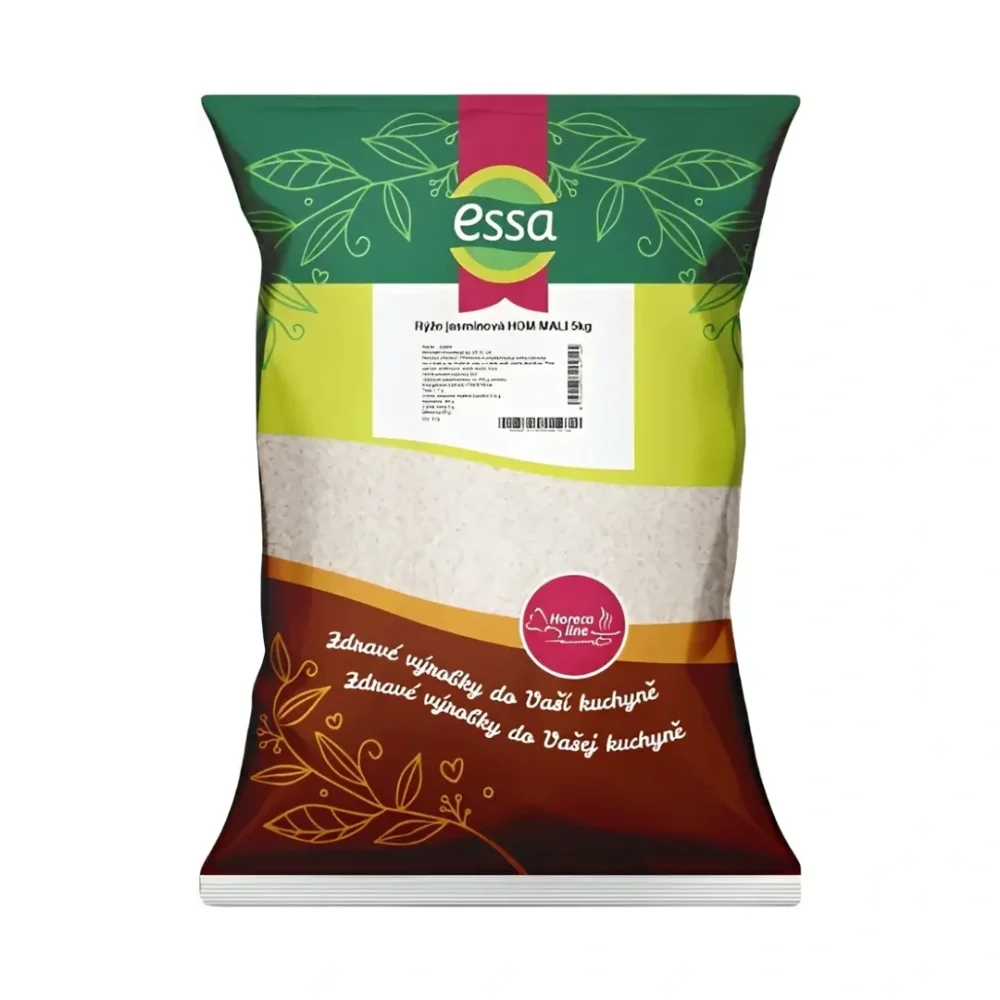
For a home "festive table," it is useful to choose one type of rice that you can cook consistently and that combines well with sauces and shared bowls. If you want an aromatic, versatile base, it makes sense to reach for Hom Mali jasmine rice, for example ESSA Jasmine Rice Hom Mali. In the context of festive dining, more important than a "perfect recipe" is that the rice tastes pure and works as a support for the other bowls.
If you want to treat rice more festively, the principle of layered and aromatic rice dishes like biryani is inspiring: it shows the logic where rice is not just a side, the main body of the dish, carries the aroma of spices, and layering is part of both technique and the final impression.
Noodles: the broth vs. sauce decides (and thus the noodle type)
Noodle dishes in Asia are whole families of dishes. For home use, the most practical way is to distinguish whether the base is broth, or sauce. This determines what type of noodle will behave well and what kind of experience you actually create.
- Broth bowls: the broth must be flavor-clean and the noodles must withstand contact with hot liquid.
- Wok and "dry" noodles: noodles must accept the sauce but not drown in it—too much sauce destroys texture, too little makes the dish disjointed.
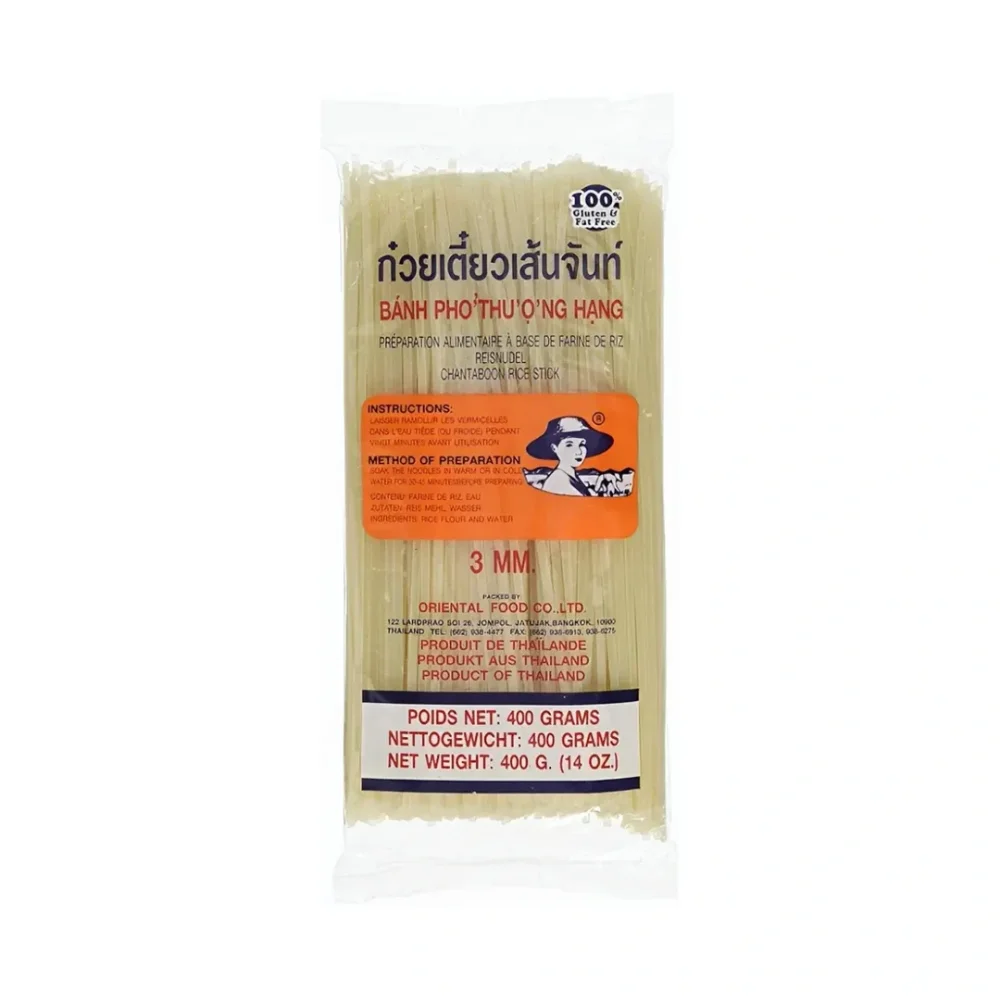
If you want one more universal type for multiple styles (stir-fry, soup, and cold bowls), medium-width rice noodles can be useful, for example Farmer Brand Rice Noodles 3 mm. A practical rule for a "festive" impression: watch the texture and serve them on time—noodles are the center of the dish, not a detail.
Cold dishes and salads: freshness, acidity, and texture
Cold Asian dishes are not just "vegetables with dressing" nor necessarily an appetizer. They are often flavor-vibrant and technically precise—based on herbs, acidity, chili accents, umami base, and especially contrasts of textures.
For a home festive table, cold bowls are great because they:
- help to lighten heavier flavors,
- add contrast to warm dishes,
- can be prepared ahead and work well for sharing.
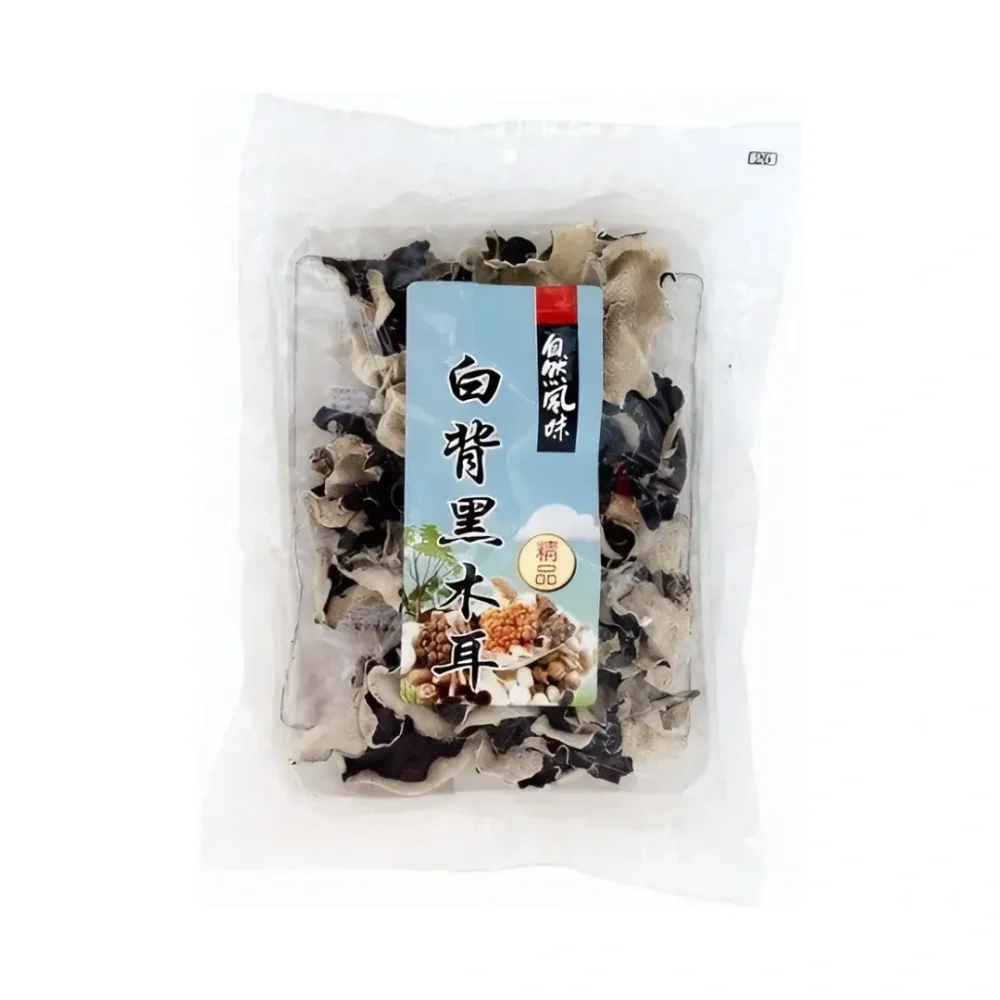
If your bowl "lacks something finished," often it is texture. One very practical ingredient for salads and stir-fry that adds flexible crispness without dominant flavor is wood ear mushroom, for example Mountains Wood Ear Mushroom. It's not about "flavoring" the whole salad, but about lifting the mouthfeel experience.
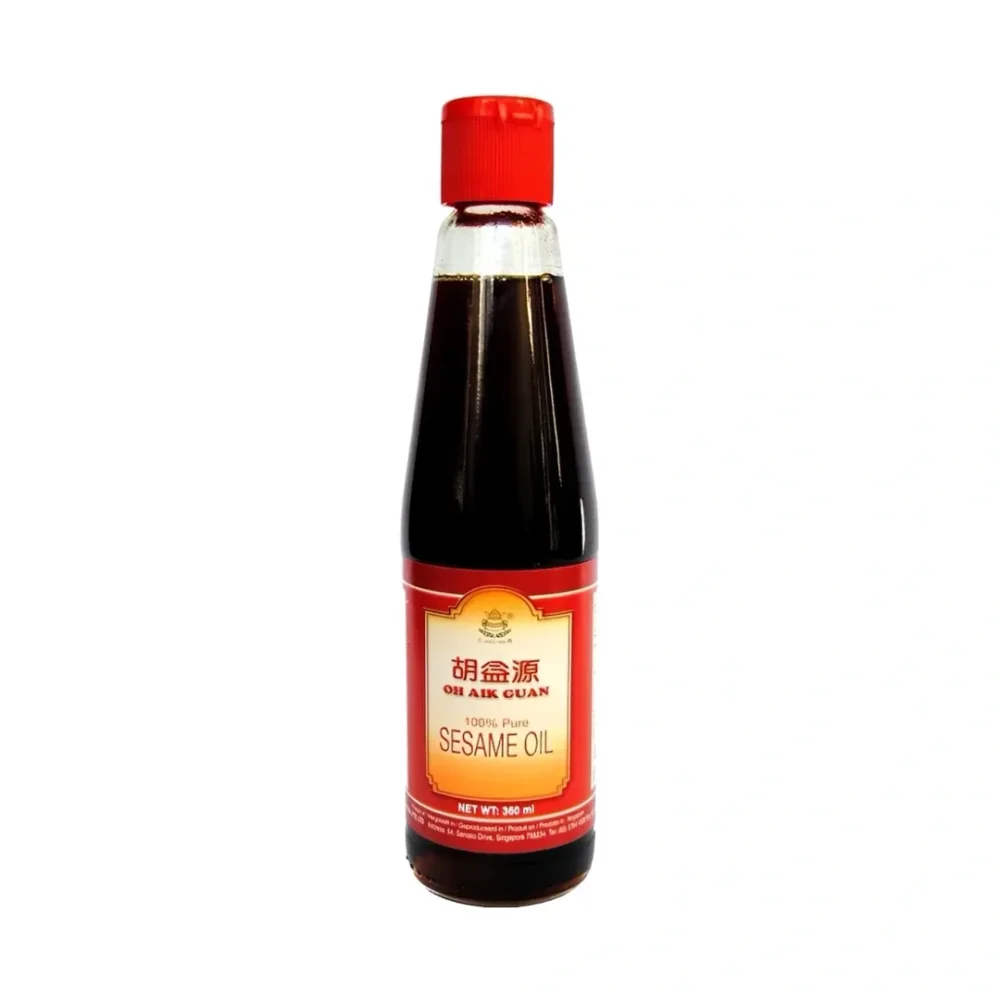
And when you want to quickly add a nutty aroma to the dressing or final seasoning, it is recommended to use sesame oil very sparingly—drop by drop. A practical example is Oh Aik Guan sesame oil: start with a few drops, mix, and only then add more if needed, because it easily overwhelms more delicate ingredients.
Common mistakes and misunderstandings (and how to spot them early)
- "It's just a better version of everyday food." For festive meals, context often decides: when it is eaten, with whom, what it symbolizes. If you turn it into just a "spectacular recipe," you may lose the main meaning.
- Too free experimenting where continuity is expected. Festive meals tend to be conservative precisely because they confirm identity. If you cook for a family that knows the tradition, it's better to change only additions and keep the "core."
- Sauce that drowns the texture. For noodle and rice dishes, the sauce should unite, not overwhelm. When the dish is "heavy" and lacks structure, it is often enough to reduce the liquid and add something crunchy or herbal.
- Poorly chosen type of noodle for the given style. Not all noodles behave the same: it depends on what they are made of and whether they are meant to carry broth or sauce. When noodles fall apart or are mushy, the problem is usually a mismatch of "noodle × technique."
- Cold bowl without acidity or contrast. Cold dishes often rely on freshness, acidity, and texture. If the result seems bland, usually one of these pillars is missing.
What to take away from the article
- Festive meals in Asia are often ritual and symbol, not just "better dinners."
- They typically carry wishes (happiness, abundance, longevity), are tied to the time of year, and have a shared family character.
- New Year is often one of the strongest culinary moments – food here serves as a way to 'make' a holiday.
- Japan (toshikoshi soba, osechi, ozoni), Korea (Chuseok, songpyeon), and Southeast Asia (Hari Raya / Eid) show different forms of the same principle: fixed time, meaning, and sharing.
- At home, you can approach the festive logic even without the exact reconstruction of tradition: 1 clear base + 2–4 shared dishes, emphasis on texture and thoughtful contrasts.

Read next
If you want to explore this topic further, continue with these related blog guides and articles:
