


 Česky (CZK)
 Slovensky (EUR)
 Deutsch (EUR)
 Austria
 Belgium
 Bulgaria
 Croatia
 Denmark
 Estonia
 Finland
 France
 Germany
 Greece
 Hungary
 Italy
Italy Latvia
 Lithuania
 Luxembourg
 Netherlands
 Poland
 Portugal
 Romania
 Slovenia
 Spain
Spain Sweden










Spices in Asian cuisine: how to understand aromas, herbs and the right use
Asian cuisine is not just about spiciness or "exotic" ingredients. It is often defined by the work with aroma: freshness, warmth, earthiness, citrus notes, bitterness and long aftertaste. Spices and herbs are not just a supplement – in many dishes they form the very backbone of flavor. And just as important as what you use is also when and how you use it.
🌶️ What is a spice and what is an herb (and why it matters)
In everyday kitchen language, "spices" often mean dried aromatic parts of plants (such as seeds or tougher parts), while "herbs" typically refer to leaves and "green" aromatic elements. In Asian cooking, fresh aromatics are also very often used (for example lemongrass, galangal, ginger) and leaves that create a distinct profile without direct acidity (for example makrut lime leaves).
The reason why it is useful to distinguish these is practical: spices often behave differently than herbs. Tougher spices release flavor more slowly and steadily, while many leafy herbs make sense to add only at the end to keep them fresh and "green". The timing is one of the main differences in Asian cuisine between food that is just salty and spicy, and food that is aromatic and layered.
Why spices and herbs are so important in Asia: flavor is built by layering
In much of Asia, flavor is not created just by salt and fat. It is more common to build the flavor in layers: something hits you immediately in the aroma, something holds the "middle" taste, and something returns in the aftertaste. Spices and herbs can create several planes at once – and the individual components usually have clear roles.
- Sharpness and warmth can be brought by elements like pepper, chili, ginger or sansho.
- Fresh, citrus and sweet aromatic tones are often built through coriander, fennel or cardamom.
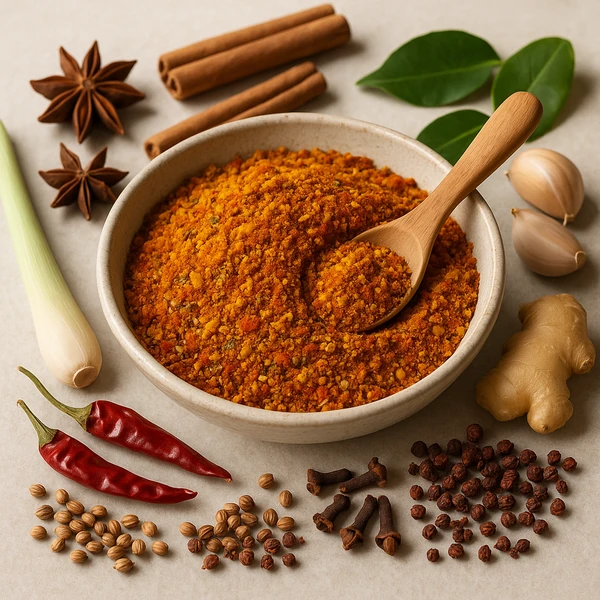
- Long, "spiced" aftertaste can also be based on spices that people usually associate more with sweet: cinnamon, star anise and cloves appear in many cuisines even in savory stews and broths.
- Freshness and green contrast are provided by herbs like basil, perilla, mint, shiso or coriander leaves – often deliberately against heavier sauces.
- Citrus profile without acidity is created by lemongrass and makrut lime leaves: the food smells "citrusy" but is not necessarily acidic.
At the same time, there is no single universal "Asian spice." Different regions work with aroma differently: India and Sri Lanka often focus on roasting whole spices, Southeast Asia heavily relies on fresh aromatics and pastes, elsewhere the key final touch is herbs.
Basic types of spices most commonly appearing in Asian cooking
This section is not a "list of everything", but an indicative map of several spices that repeatedly appear in Asian kitchens – and it makes sense to understand their role, not just their name.
Pepper: more than just heat
Pepper in Asian cooking often does not function just as a hot element. It can add dry, aromatic sharpness and enhance the food's aroma. Importantly, pepper can be part of the base (worked into cooking) as well as the final touch (when the aroma is meant to "pop").
Coriander: seed vs leaves (and a totally different effect)
Coriander is a good example of how one plant can provide two distinct layers of flavor. The seed is often associated with a warmer, rounder aroma and can be roasted or crushed into mixtures. The leaves typically add freshness and a "green" contrast – and therefore make sense to be added near the end.
Cumin: a different logic than Czech caraway
Cumin is among spices that "awaken" with heat in certain cuisines. It is vital to understand the difference between raw and briefly toasted spices on fat: flavor can change significantly just by warming.
👃 Cardamom: fresh aromatic and long aftertaste
Cardamom appears in Asian cuisines as a tool for fresh, aromatic tone. In the context of layering flavors, it often adds a brighter, "cleaner" layer that can lift even richer bases.
Cloves and cinnamon: spices also for savory dishes and broths
It is a common mistake to think of cinnamon and cloves as purely "sweet" spices. They appear in many savory stews and broths where they help create a deeper, longer profile. That's why it makes sense to handle them as expressive building blocks – a small amount can do a lot of work.
How spices are most commonly used in Asian cuisine (and how to replicate it at home)
The difference between "I have spices" and "I know how to work with spices" is usually technique. There are four very practical methods repeatedly used in Asian kitchens that you can also apply in home cooking.
👃 1) Awakening spice in fat: spices as aroma for the entire base
In Indian and Sri Lankan cuisine many spices "awaken" by briefly heating in fat: seeds start to smell and release essential oils. This changes their flavor – and then the base of the dish tastes different than if you added spices only to the finished sauce.
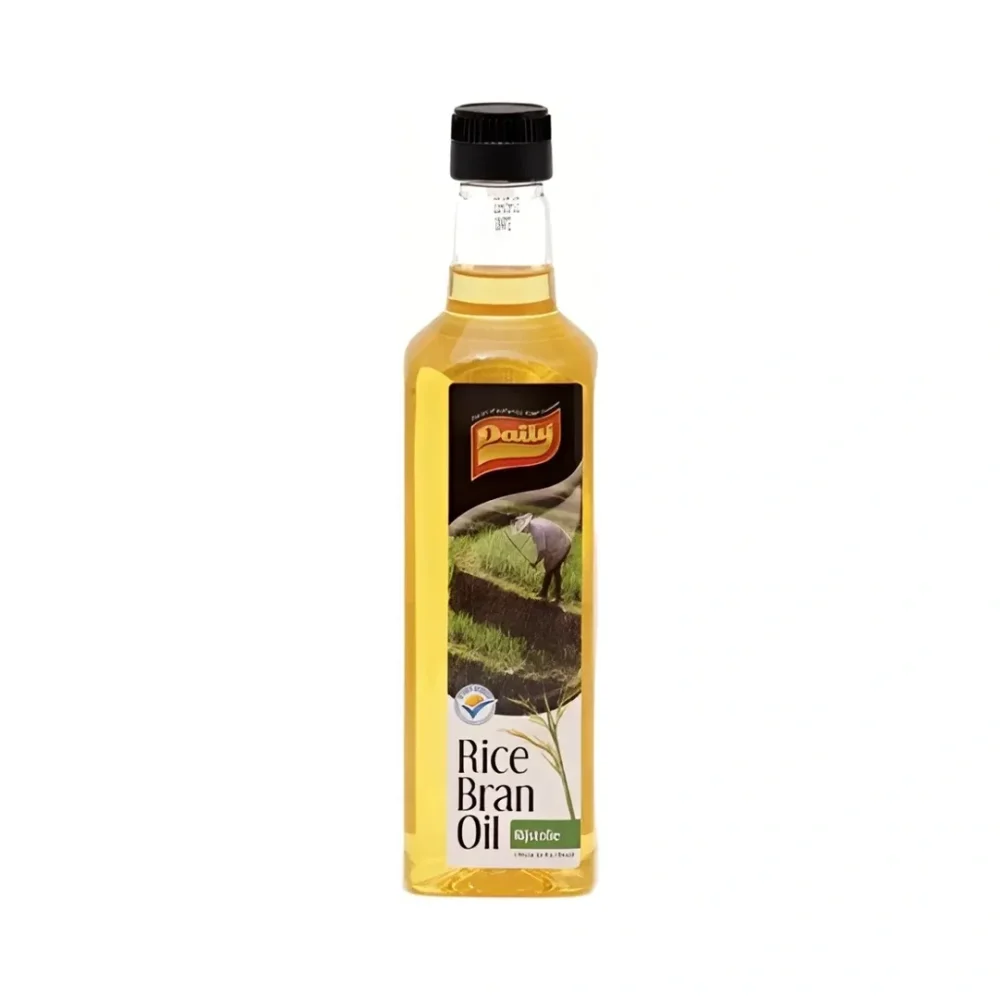
In practice, it is useful to remember that fat is an aroma carrier. If you want a cleaner aromatic effect, it makes sense to use a more neutral oil that won't overpower the spices – for example Daily rice oil.
👃 2) Dry roasting: enhancing nuttiness and aroma (but without burning)
Some seeds or blends are briefly dry roasted to enhance aroma. It's common with coriander, cumin, fennel, sesame or pepper. But it's easy to make a mistake here: light toasting is correct, blackening and smoky bitterness is not.
A home rule that works well: the goal is not "color", but "aroma." Once the aroma rises significantly, it's time to take the spices off the pan.
3) Crushing and grinding into pastes: flavor and texture in one
Southeast Asia works a lot with pastes. Fresh aromatics (such as lemongrass, galangal, chili, garlic, shallot and coriander roots) combine with other spices and sometimes fermented components. The result is not just a blend of flavor but also a specific texture that "carries" the dish.
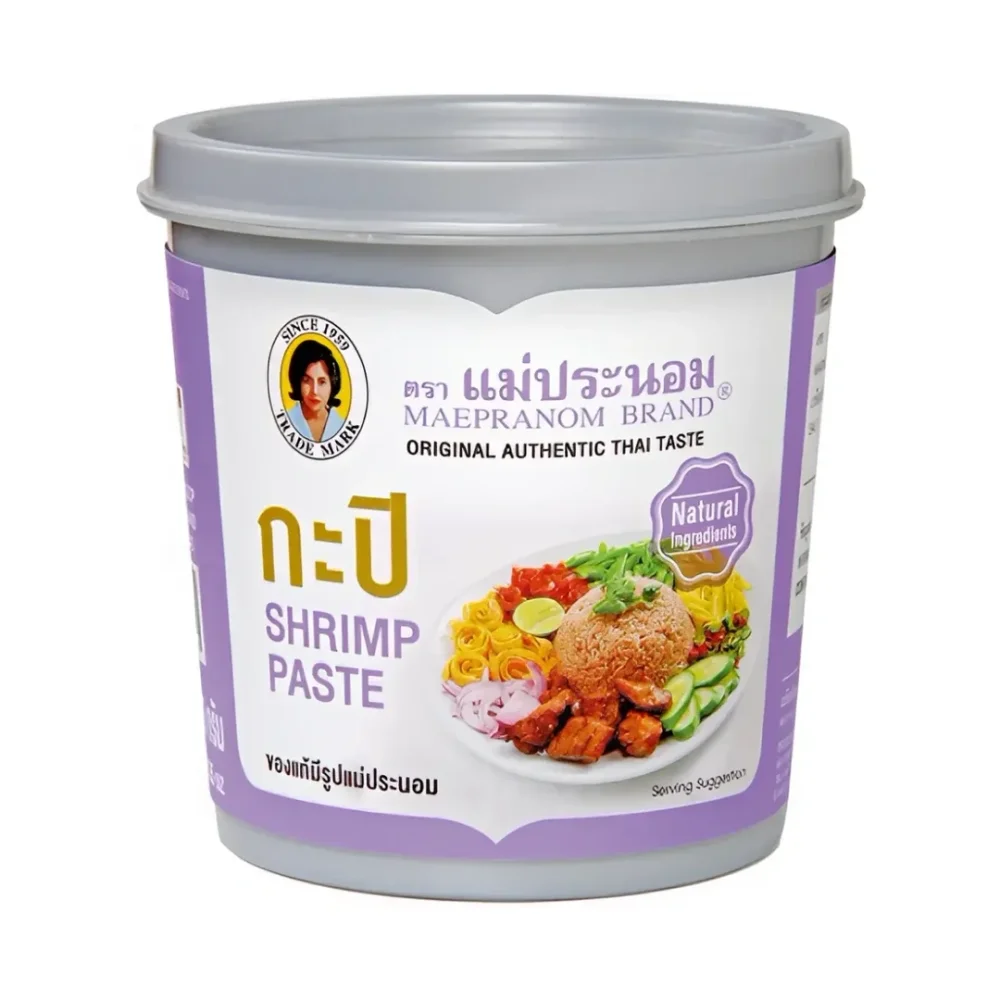
A notable example of a fermented ingredient used in small amounts that can fundamentally change a dish's character is Maepranom shrimp paste. In such cases it makes sense to start cautiously: the goal is to add depth, not overpower other aromatics.
👃 4) Final fresh touch: herbs as "green brake" and aroma enhancer
Many dishes get their typical impression only at the end: fresh herbs add freshness and contrast to heavier sauces. This layer often doesn't function as "extra seasoning", but rather as balancing. When missing, the dish may seem flat or overloaded.
Where spices shine most: broth, sauce, rice
Spices in Asian cuisine often serve more than just seasoning the surface. They can be released more slowly, aromatize fat, broth or rice, can be removed after cooking and help with even flavor distribution in sauce, marinade or batter. On the other hand, some "fast" elements can make a strong impact even in small amounts.
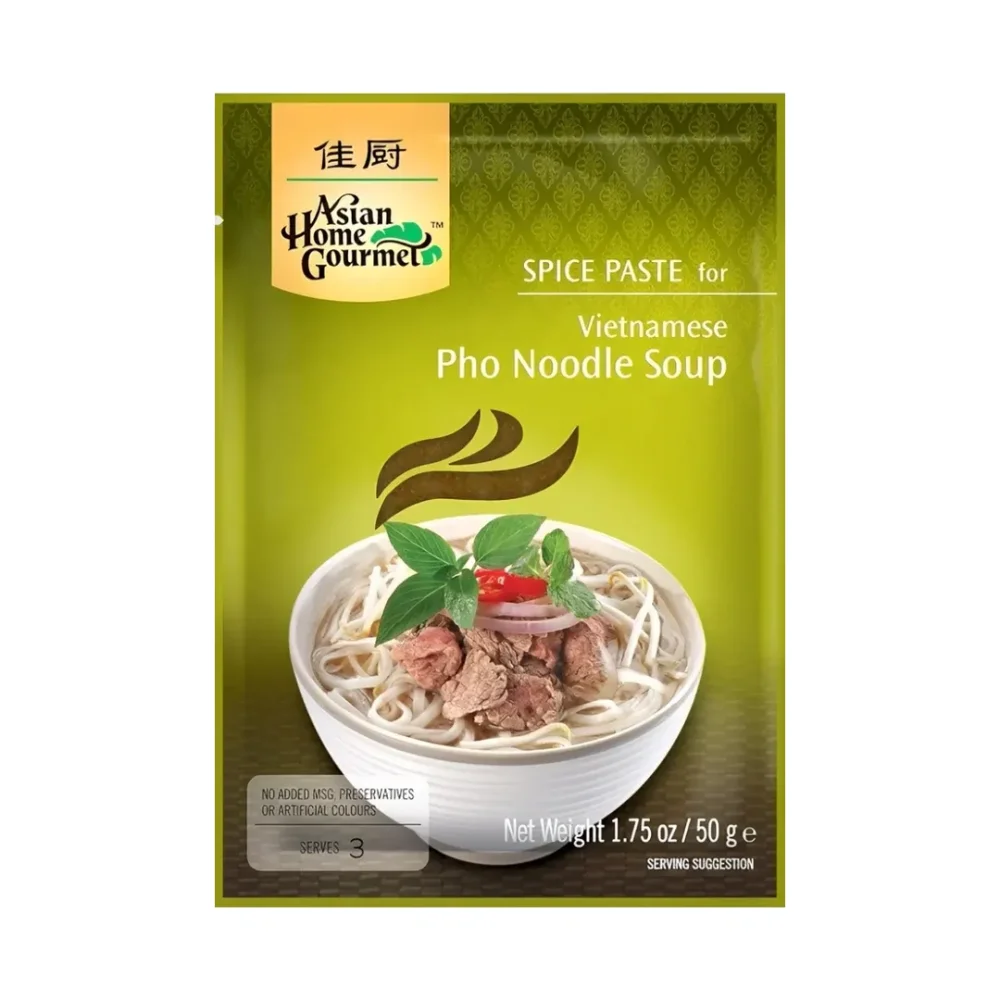
If you want to quickly understand the principle of spiced broth at home, it can be useful to try a ready-made base as a starting point and then enhance it with herbs and other layers. A practical example is Pho AHG soup paste: it shows how significantly spices and aromatics can shape the character of broth, although the final impression is often completed by fresh herbs at serving.
Spices and seasoning are not the same as marinating (and why people often mix it up)
Marinating is working with the flavor and surface of the ingredient before cooking. It does not always mean extending storage or deeply changing the inside of the ingredient. In home cooking it often helps to add basic saltiness and umami in advance, unify surface flavor, support color and caramelization, or bind aromatic components to fat or liquid.
It is useful to separate three things that are often confused:
- marinating (preliminary work with the ingredient),
- seasoning during cooking (adjusting flavor during heat treatment),
- final seasoning (perfecting after cooking or directly in the bowl).
In some Asian styles, part of the flavor comes from the final seasoning – for example herbs or table condiments. That's why it doesn't make sense to "rush all the flavor" just into the marinade.
How to recognize quality spices and herbs and how to care for them at home
For spices, look mainly for aroma, purity and liveliness. Good spices should smell clearly when rubbed or lightly heated. If they are dull, musty, dusty or have just an indistinct "storage" smell, they will taste flat in the dish.
What to watch for in whole and ground spices
- With whole spices check if they look full and not faded, are not crumbled to dust, do not contain too many stems/peels and truly smell when broken.
- With ground spices check aroma intensity after opening, color (faded means "tired"), free-flowing without clumps and also date and storage method.
For quick orientation in types, you can use the guides Spices and Spice blendsBlends make sense where you want to quickly build a profile; single spices are great for control and "fine-tuning" flavor step by step.
👃 What applies to fresh herbs and aromatics
For fresh herbs and aromatics a simple check applies: leaves should be firm, not wilted, the color vibrant, stems must not be slimy and aroma must be clear even with gentle rubbing. For lemongrass or spring onion, the base should not be dry and soft.
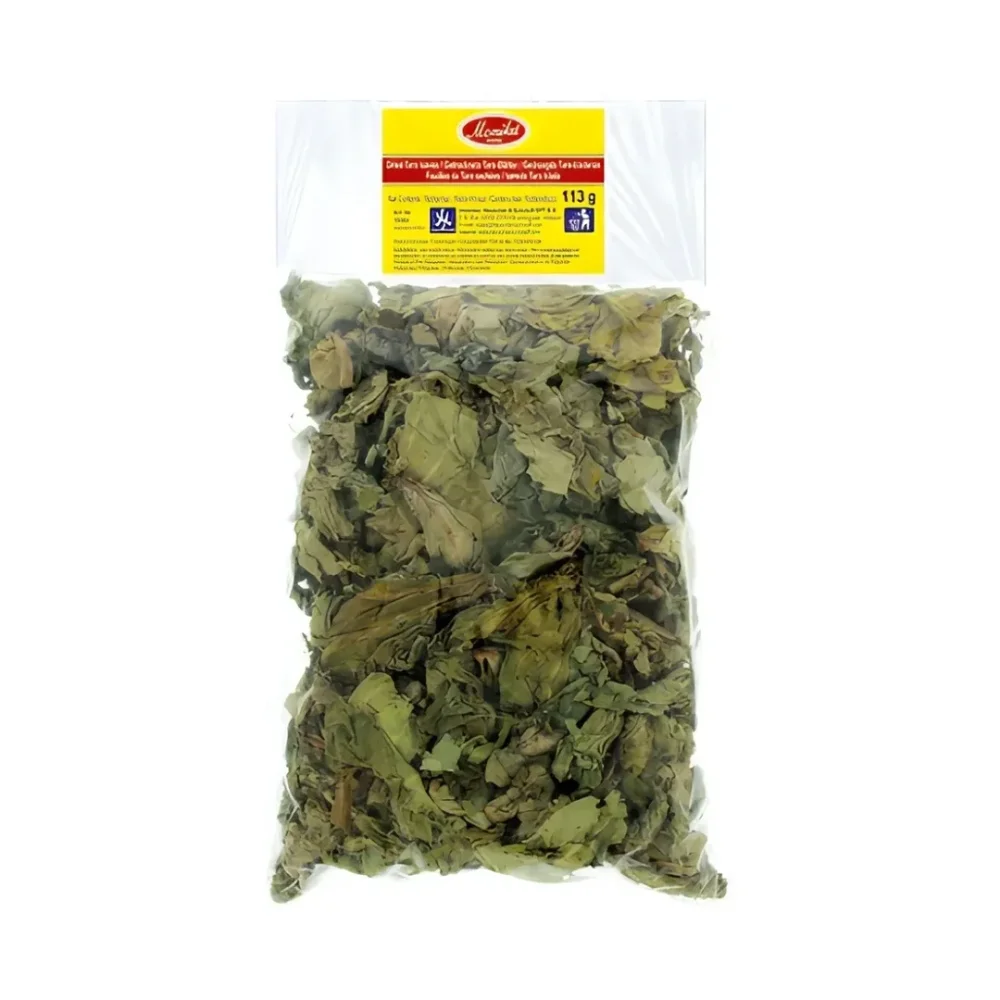
For dried herbs and single-ingredient "leafy" items, the guide Single-ingredientis useful. And if you want to see how a leafy ingredient may work in soups, broths or coconut curry as a "flavor carrier", an interesting example is Monika dried taro leaves, which after soaking and boiling absorb a spiced base well.
Storage: dry, dark and away from heat
Spices are best kept dry, dark and away from direct heat. Sealable containers are more important than a decorative transparent shelf above the stove. Whole spices generally last longer than ground. Leafy herbs and spice blends lose aroma faster than whole hard pieces or seeds.
If you use something little, it is more practical to buy smaller amounts and replenish stock more often. Fresh herbs are best used as soon as possible; some aromatics (like lemongrass, galangal and ginger) last longer and some can also be frozen.
Common mistakes and misunderstandings (and how to quickly fix them)
- Burnt spices from the pan: both in dry roasting and "awakening" in fat there is a difference between toasting and blackening. If spices become bitter, you can't "sweeten" or "salt" it out – better to start over with lower heat and shorter time.
- "Asian = chili": spiciness is just one axis. When food is hot but lacks aroma and aftertaste, it often lacks the right aromatic spices, herbs and timing.
- Cinnamon and cloves only for sweet dishes: in many savory stews and broths they add depth. The mistake is usually in quantity – expressive spices are safer to dose carefully and build flavor gradually.
- Marinade as a universal solution: marinating is a tool with a specific purpose. In Asian cooking part of the flavor is often built during cooking and part during final seasoning. If you "put all the flavor" into marinade, you may lose control of the result.
- Wet marinade where you want strong searing: dry seasoning makes sense when you don't want to add much moisture and want better searing. With wet marinades, remember that too wet a surface can slow searing and higher sugar content burns easier.
- Herbs cooked "from the start": many fresh herbs have a main role in the final touch. If cooked long, they lose freshness and the dish can seem heavier and flatter than it needs to be.
- Oversalted or "overloaded" spiced broth: broth carries the dish's identity but saltiness can easily overshoot. It's sensible to season in steps and leave some aromatics and herbs for the end.
What to take away from the article
- Spices and herbs in Asian cuisine often don’t act as a supplement but as the basic flavor framework – from aroma to long aftertaste.
- The key is technique: spices can be "awakened" in fat, dry roasted, crushed into pastes and herbs often function as the final fresh layer.
- Learn to distinguish marinating, seasoning during cooking and final seasoning – Asian dishes often depend on this combination.
- Spice quality is mainly recognized by aroma, purity and liveliness; storage (dry, dark, away from heat) matters more than it seems.
- Most common mistakes are burnt spices, overuse of expressive notes and wrong timing of herbs – usually avoided by building flavor gradually.

Read next
If you want to explore this topic further, continue with these related blog guides and articles:
