

 Česky (CZK)
 Slovensky (EUR)
 Deutsch (EUR)
 Austria
 Belgium
 Bulgaria
 Croatia
 Denmark
 Estonia
 Finland
 France
 Germany
 Greece
 Hungary
 Italy
Italy Latvia
 Lithuania
 Luxembourg
 Netherlands
 Poland
 Portugal
 Romania
 Slovenia
 Spain
Spain Sweden










Caraway
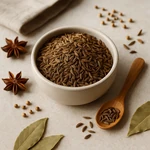
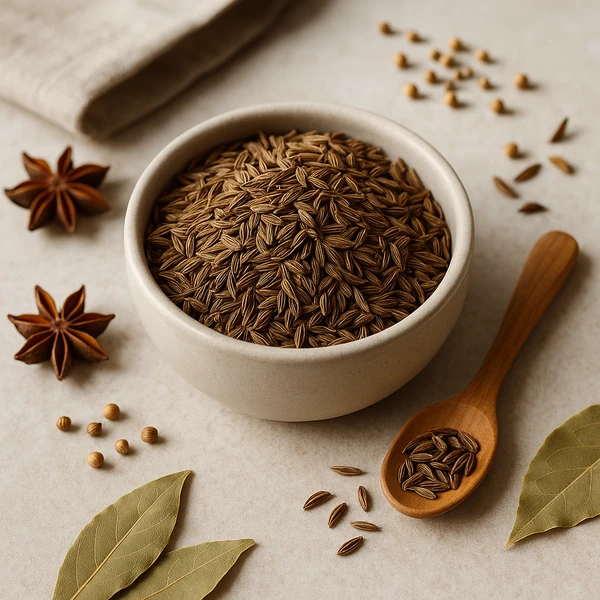
What is caraway, exactly? 🌿
Caraway is the dried seed of a plant in the parsley family (the same broad family as fennel, dill, and anise). It’s commonly used whole or lightly crushed, and it delivers a warm, aromatic lift that can make simple staples—like rice, cabbage, or lentils—taste more complex with very little effort.
In much of Europe, caraway is strongly associated with bread, potatoes, and hearty dishes. But its flavor profile also fits surprisingly well into modern “pan-Asian” home cooking, especially when you use it as a background note rather than the main event.
How does caraway taste and smell? 👃
Flavor: warm and slightly sweet, with a gentle peppery bite and a distinct licorice/anise-like edge (think: a distant cousin of fennel, but more savory).
Aroma: intense and resinous when crushed; rounder and more balanced after a quick toast.
Texture: whole seeds stay noticeable in the dish; crushed or ground caraway blends in and reads “stronger” per teaspoon.
Caraway vs cumin: the quick, reliable difference 💡
These two are mixed up all the time—especially in multilingual contexts—yet they’re not interchangeable 1:1.
- Caraway tastes more aromatic and slightly sweet, with an anise/fennel vibe.
- Cumin (the spice common in Indian, Middle Eastern, and many Chinese regional dishes) is earthier, warmer, and more “roasted-nutty,” without the licorice note.
Practical rule: If a recipe is built around cumin (for example, many Indian curries or Xinjiang-style lamb skewers), swapping in caraway can make the dish taste unexpectedly sweet or herbal. On the other hand, using a pinch of caraway alongside other spices can add a pleasant top note—especially in rice, vegetables, and pickles.
Whole, crushed, or ground: what to choose 🧂
- Whole seeds: best for tempering in oil, simmered dishes, rice, broths, and pickling. They release flavor gradually and are harder to overdo.
- Crushed/ground: better for marinades, rubs, spice blends, and dishes where you want even distribution (sauces, patties, dumpling fillings). Because the surface area is larger, the flavor hits faster and stronger.
Toast for maximum aroma: warm whole caraway in a dry pan for 20–40 seconds until fragrant, then add oil or your aromatics. Don’t wait until it darkens—caraway can turn bitter if pushed too far.
Using caraway in Asian-inspired cooking ✨
Caraway isn’t a “standard” pantry spice in most East and Southeast Asian cuisines, but it can work beautifully as a bridging flavor—familiar, yet able to make a dish taste new. The key is dosage: start small and build.
1) Rice and pilaf-style sides 🍚
Add a small pinch of whole caraway to hot oil or ghee first, then stir in rice. The aroma spreads through the pot without dominating. This is especially useful for plain steamed rice that will be served with richly flavored toppings or sauces.
2) Noodles and stir-fries (in tiny amounts)
Caraway can add a warm, slightly sweet aroma to noodle dishes when used like a background spice. Toast a few seeds, crush them, then add near the end so the aroma stays bright. It pairs well with garlic, ginger, spring onion, and mild chili heat.
3) Lentils, beans, and vegetable dishes 🥬
Caraway is excellent with ingredients that benefit from aromatic “lift”: cabbage, carrots, mushrooms, chickpeas, and lentils. It also plays well with onions and slow-cooked tomato bases—use whole seeds early, or a pinch of crushed caraway midway through cooking.
4) Quick pickles and brines
A few seeds in a pickle jar (cucumber, daikon, carrot) add depth and a rounded spice note. Keep the quantity conservative—caraway can take over a delicate brine.
Pairings that usually work (and what can clash) ✅
Great companions: coriander seed, black pepper, turmeric, chili flakes, bay leaf, mustard seed, garlic, ginger, toasted sesame notes, and coconut milk (which softens sharp edges).
Use caution with: strongly sweet spices (too much cinnamon/clove) and intensely floral aromatics—caraway’s licorice edge can become “perfumy” if stacked with similar profiles.
Common mistakes (and how to avoid them) ⚠️
- Using too much ground caraway: start with a pinch; you can always add more, but you can’t remove it.
- Adding whole seeds too late: if you want the flavor throughout the dish, toast/temper early. Add late only when you want a more noticeable “spark” on top.
- Substituting caraway for cumin without adjusting: if a recipe calls for cumin and you only have caraway, try using much less and consider blending it with coriander seed to round it out.
Storage and freshness 🕰️
- Keep caraway in an airtight container away from heat and light; the seeds readily absorb surrounding odors.
- Whole seeds stay aromatic longer than crushed or ground.
- If you buy crushed caraway, consider smaller working jars and keep the rest tightly sealed to slow flavor loss.
A simple usage idea: “caraway-scented rice oil” (no recipe fuss)
Heat 1–2 tablespoons of neutral oil, add 1/4 teaspoon whole caraway, and toast briefly until fragrant. Use that oil to start fried rice, vegetable stir-fries, or to coat cooked rice before adding toppings. It’s a quick way to introduce caraway without committing to a strongly spiced dish.
Our picks (caraway) 🛒
- Drana Caraway Whole 500 g – great for tempering in oil, rice, broths, and pickling.
- Drana Caraway Crushed Diskont 500 g – convenient for marinades, spice blends, and even distribution in sauces.
- Drana Caraway Whole Diskont 500 g – a bulk-friendly option if you use whole seeds often.
FAQ
Can I replace cumin with caraway?
Sometimes, but not directly. Caraway is more aromatic and slightly sweet with a licorice note; cumin is earthier. If you must substitute, use a smaller amount of caraway and taste as you go.
Is toasting caraway necessary?
Not necessary, but highly effective. A quick dry toast unlocks aroma and makes the flavor feel rounder and less sharp.
Whole or crushed—what’s safer for beginners?
Whole seeds are generally more forgiving because they release flavor more slowly and are easier to control.

Recommended products9

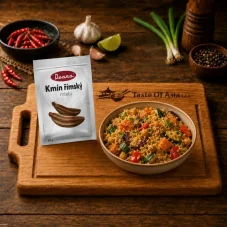
Drana Cumin Ground 20 g
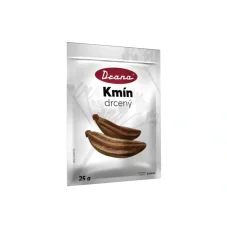
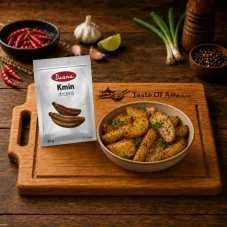
Drana Caraway Crushed 25 g

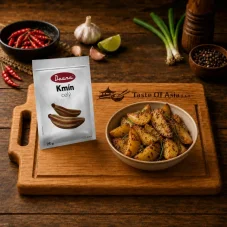
Drana Caraway Whole 25 g

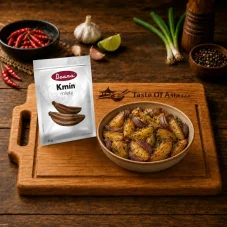
Drana Caraway Ground 25 g

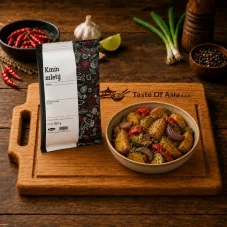
Drana Caraway Ground 500 g

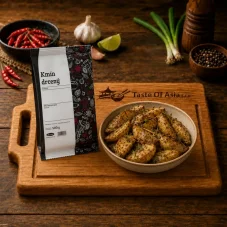
Drana Caraway Crushed 500 g

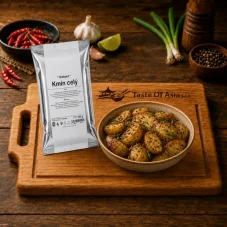
Drana Caraway Whole Diskont 500 g

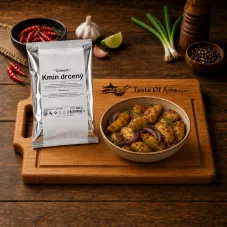
Drana Caraway Crushed Diskont 500 g

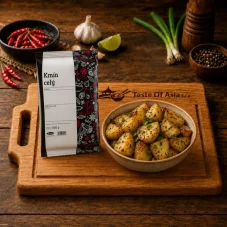
Drana Caraway Whole 500 g
Read next
If you want to continue with the same topic, here are more related articles to explore: