


 Česky (CZK)
 Slovensky (EUR)
 Deutsch (EUR)
 Austria
 Belgium
 Bulgaria
 Croatia
 Denmark
 Estonia
 Finland
 France
 Germany
 Greece
 Hungary
 Italy
Italy Latvia
 Lithuania
 Luxembourg
 Netherlands
 Poland
 Portugal
 Romania
 Slovenia
 Spain
Spain Sweden










Frying without unnecessary greasiness: what really decides crispiness
Deep frying should not be synonymous with "heavy and greasy food." In Asian cuisines, frying is a key technique precisely because it can create clean crispiness and texture contrast – when done technically correctly. The article provides a practical guide on what to watch for regarding oil temperature, batch work, ingredient preparation, and draining so that the result is not unnecessarily soaked.
Why fried food is sometimes greasy (and why it’s not "normal")
Just because something is fried doesn’t mean it has to be heavy and soaked with oil. In Asian cuisine, frying is mainly used for texture: it creates a crispy "first layer" and contrast to a soft or juicy center. When it fails, it’s usually not about "too much oil" as such, but about technique – typically the wrong oil temperature, overloaded batch, or a wet ingredient.
Practically: the more you lose control over heat and moisture during frying, the more crispiness turns into greasiness.
Frying in Asian cuisine is not just one technique: main types explained
Under the label "frying," several distinct methods are hidden in practice. It’s important to distinguish in Asian cuisines because each type of frying creates a different texture and requires different discipline:
- Light frying in a small layer of fat – when you want to quickly brown the surface but don’t aim for deep crispiness.
- Quick searing – brief intense contact with hot fat for aroma and color.
- Deep frying – typical for dishes where you want a continuous crispy crust (e.g., tempura, spring rolls, crispy pieces of meat or vegetables, tofu, street food snacks).
- Double frying – used when you want extra pronounced crispiness and better crust stability (often for crispy fried pieces).
- Frying of doughs, dumplings, tofu, and desserts – frying is not just about meat; the technique crosses different ingredients.
For "frying without unnecessary greasiness," it’s good to keep one key thing in mind: deep frying can paradoxically be cleaner and less greasy than hesitant frying in a small amount of oil if you control temperature and dosing.
Deep frying without unnecessary greasiness: 5 keys that make the difference
1) Correct oil temperature (and mainly: don’t let it drop)
In deep frying, temperature decides whether the surface quickly "sets" to crispiness or if frying drags on and the result feels greasy. The key is not just to heat the oil but to keep it within a reasonable range even after adding ingredients. If the oil visibly loses energy after adding a batch (bubbling weakens and frying “slows down”), it’s a sign that the batch was too large or the oil wasn’t hot enough.
2) Don’t overload the batch
Home frying often fails due to a simple ambition: "I'll fry everything at once." But a large batch sharply cools the oil, and instead of quick crispiness, a heavy, oil-laden layer begins to form. Practical rule: fry more smaller batches and allow the oil to regain temperature between them.
3) Properly prepare and dry the ingredient
Moisture is the enemy of crispiness. Before putting the ingredient in the oil, it’s worth preparing it so that the surface is as “dry” as possible: dry it, let the marinade drain, and only then bread or dip into batter. In frying, this is not a cosmetic detail – it’s the difference between a crispy surface and a greasy impression.
4) After frying, let rest and drain
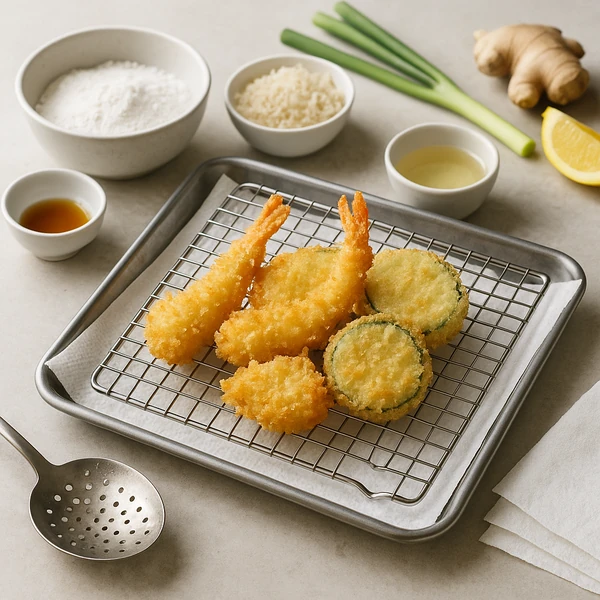
The proper finish is part of the technique: fried pieces need a moment for excess fat to drain and for the surface to "tighten" into crispiness. When you pile fried items right away, the bottom layers steam and crispiness quickly disappears.
5) Crispiness as the "first layer of flavor"
Frying in Asian dishes often works as an immediate flavor and texture start: it crunches right at the first bite, while inside juiciness remains. When greasiness appears instead, it usually means that the crispy layer wasn’t built quickly and cleanly enough – precisely what temperature, dosing, drying, and resting address.
Coating and batter: why rice flour sometimes works and other times panko
In practice, it’s not just about "coating something." The coating is a tool to control the surface, crispiness, and how the food behaves after frying. Two typical Asian directions (both make sense, just in different places):
- Batters and flour-based mixtures – suitable when you want a more continuous crispy crust and smoother surface. For home Asian-style experiments, also often used is Farmer Brand rice flour, because it’s commonly used in batters and mixtures for Asian recipes.
- Panko breadcrumbs – typical for decidedly crispy coatings, where you want a “airier” structure and clear crunchy sound. A practical example is Golden Turtle Chef panko.
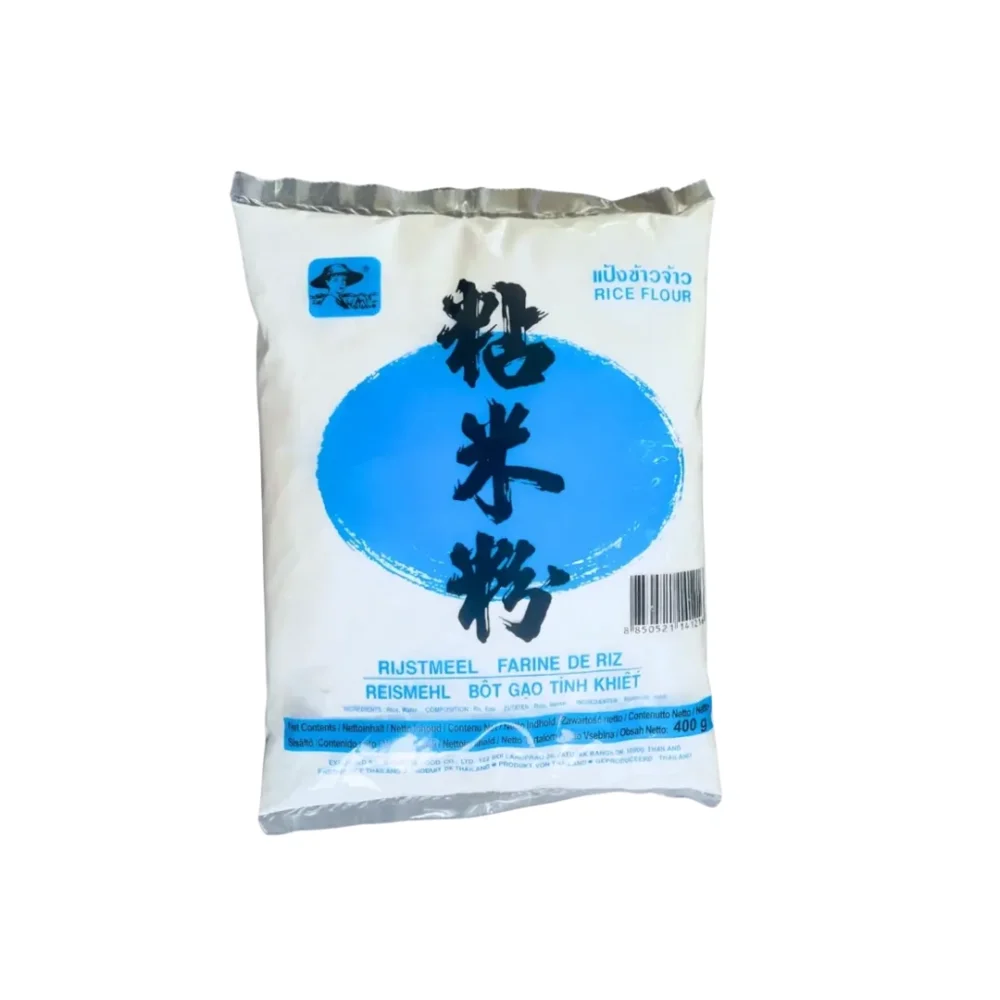
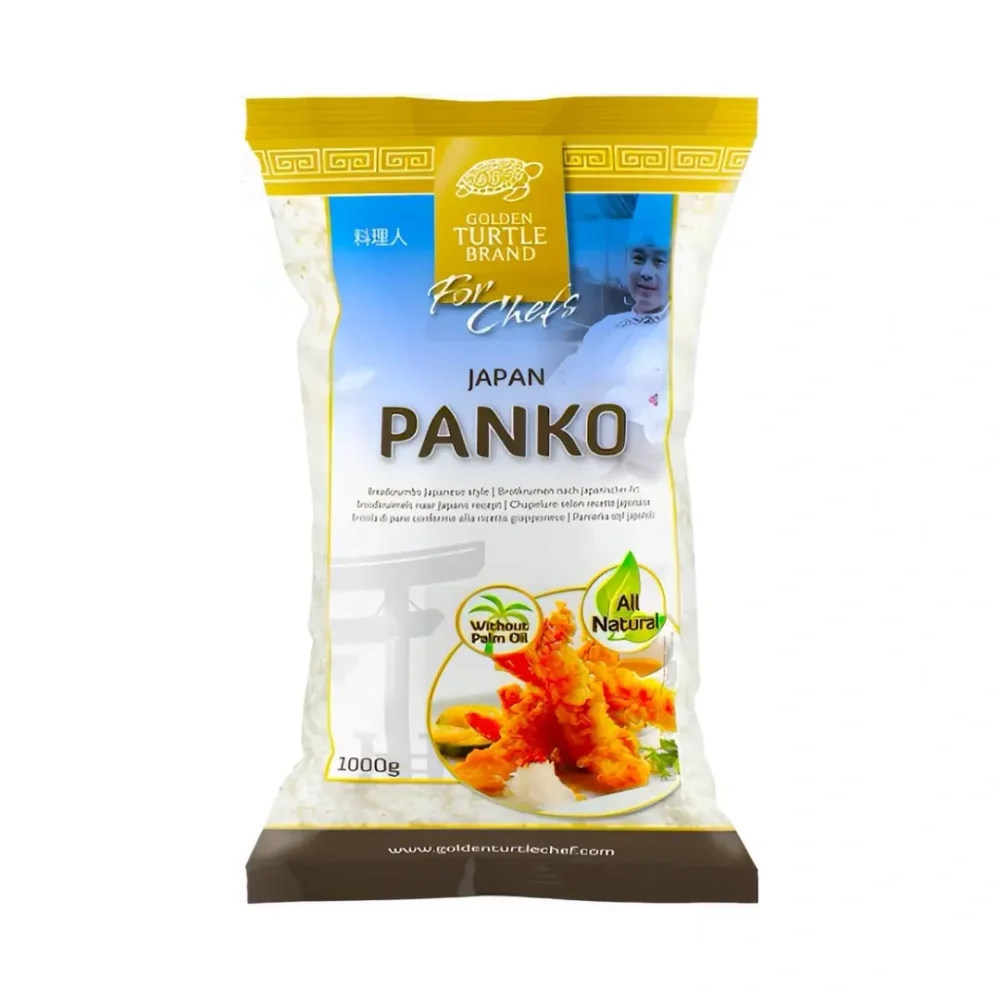
Important note: the type of coating alone will not save you from bad oil temperature or wet ingredients. Consider it a fine-tuning of texture, not a substitute for technique.
A helpful home workflow: how to start so the oil doesn’t "break down"
Asian cooking techniques generally rely on precise temperature control and good pre-preparation of ingredients. For frying, this applies doubly – if you start improvising over hot oil, it’s usually too late.
- Prepare everything in advance: ingredient cut, dried, breading/batter ready, draining spot prepared.
- Fry in smaller batches: the goal is for the oil not to lose temperature after adding the ingredient.
- Give the oil time between batches: a short break often does more than more minutes of frying in “tired” oil.
- Distinguish what should be deep-fried and what only needs quick searing: some things should be deeply crispy, others just briefly browned. Clarifying this often leads to using less oil and fewer steps automatically.
If you’re interested in "less oil" as an alternative, it’s worth knowing quick searing and stir-fry (short intense frying) too. Typically done with ingredients like noodles – and it helps to be clear on what type of noodles you actually need. A practical guide is the category Noodles.
Common mistakes leading to greasy results (and how to recognize them in time)
- Oil isn’t hot enough or drops after adding a batch: frying is “lazy,” pieces stay pale a long time, and crispiness builds slowly. The solution is almost always a smaller batch and regaining temperature control.
- Batch is too large at once: besides temperature drop, there’s an issue with even cooking. Solution: fry in multiple rounds and let oil regain strength between.
- Wet ingredient or wet coating: typically poorly drained marinade or undried surface. Solution: really dry the ingredient before coating and with “wet” ingredients expect the technique to be more sensitive.
- Poor draining (steaming): when hot pieces pile on each other, the bottom softens and starts feeling heavy. Solution: leave space so they can drain and "rest."
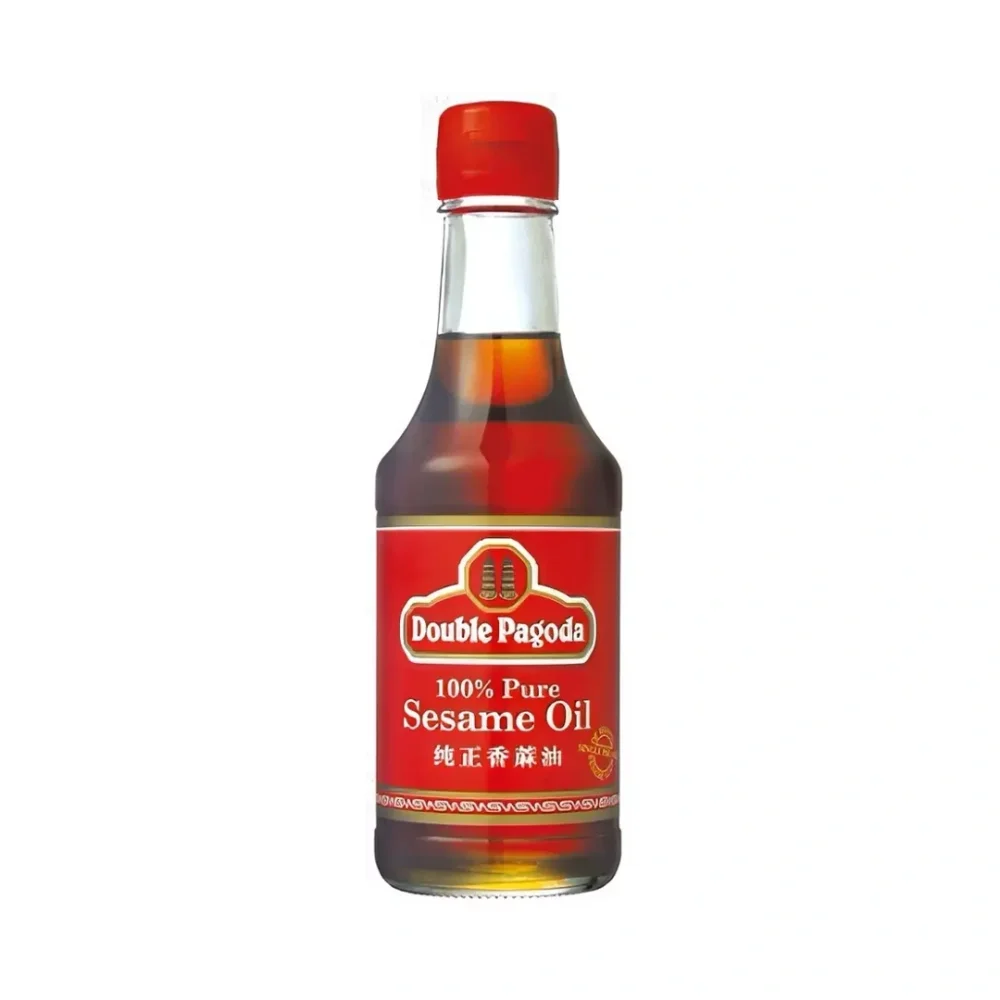
- Seasoning and sauces stored near heat and light ⚠️: with aromatic seasonings (and generally with Asian “pantry”), quality often deteriorates before the item is truly spoiled. A practical consequence is that even well-fried food can taste worse due to tired aroma. A typical example of finishing seasoning is sesame oil – for example, Double Pagoda sesame oil is mainly intended for finishing seasoning, so it benefits from reasonable storage away from direct heat.
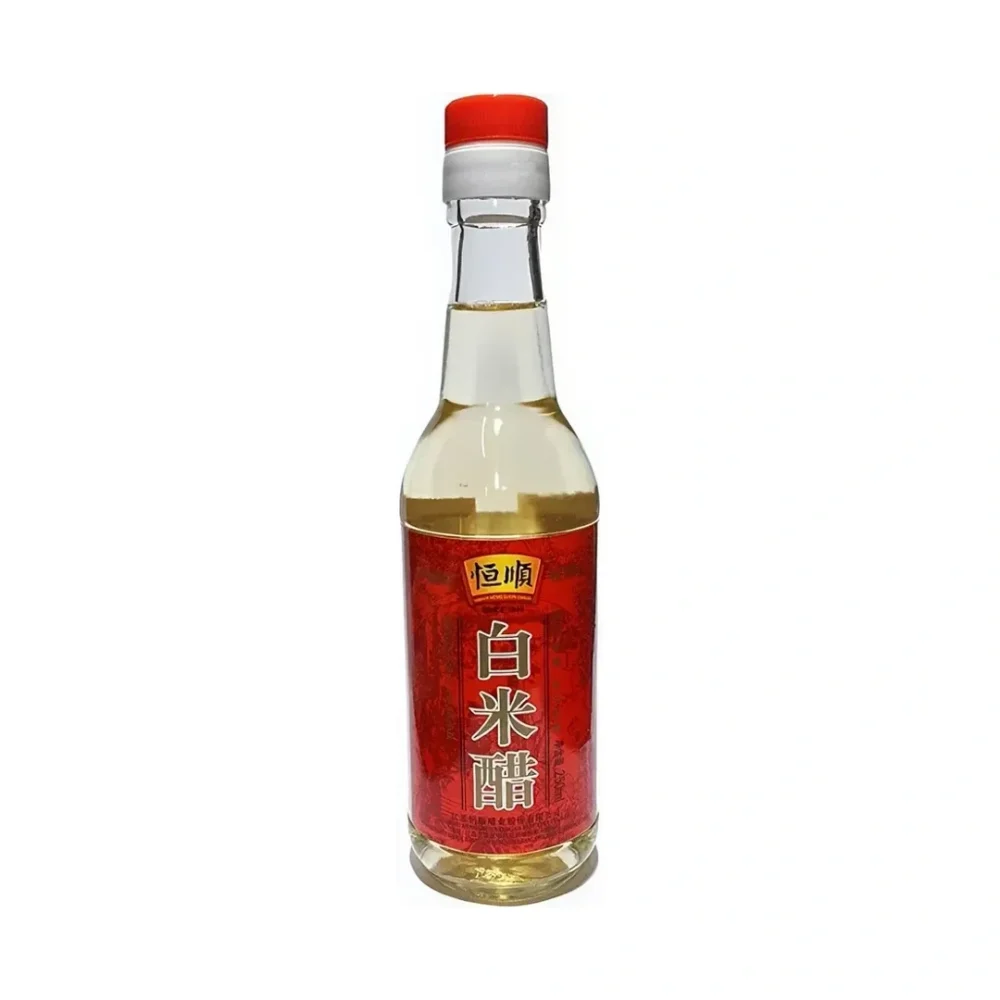
Serving tip: fried foods often pair well with a contrast in the form of an acidic component in a dip or dressing. If you want a simple, mild acidic base for sauces and marinades, a typical helper is rice vinegar – such as Heng Shun rice vinegar. It doesn’t solve frying technique but can help make the dish taste lighter and cleaner.
Key takeaways from the article
- Frying is not about “lots of oil” – greasy results usually mean loss of control over temperature, batch size, or ingredient moisture.
- Frying in Asian cuisine has several variations (light frying, quick searing, deep frying, double frying), each leading to a different texture.
- For less greasy deep frying, key factors are: correct oil temperature, not overloading the batch, drying the ingredient, and resting with draining.
- Coating (batter/rice flour vs. panko) is a texture tool – but it won’t replace good technique.
- Equally important as frying itself is the finish: draining, avoiding steaming, and seasoning that keeps the dish tasting “clean.”

Read next
If you want to explore this topic further, continue with these related blog guides and articles:
