


 Česky (CZK)
 Slovensky (EUR)
 Deutsch (EUR)
 Austria
 Belgium
 Bulgaria
 Croatia
 Denmark
 Estonia
 Finland
 France
 Germany
 Greece
 Hungary
 Italy
Italy Latvia
 Lithuania
 Luxembourg
 Netherlands
 Poland
 Portugal
 Romania
 Slovenia
 Spain
Spain Sweden










What is eaten at celebrations in different countries
Festive meals are not just "better versions" of everyday cuisine – in many cultures they function as a cultural code: they carry symbolism, define rituals, and confirm family continuity. The article focuses primarily on Asia: it explains common types of festive dishes, shows specific examples, and offers practical advice on how to meaningfully prepare some traditions at home.
🌶️ What is truly typical for festive meals in Asia
- Symbolism: ingredients, shapes, and colors carry specific meanings (wishes for longevity, fertility, wealth, etc.).
- Time reference: many dishes are closely linked to the time of year (New Year, harvest, religious holidays).
- Family ritual: preparation and consumption are often collective, recipes are passed down through generations.
- Conservatism: festive meals tend to rely more on established recipes than experiments — change can mean loss of symbolism.
- The role of texture and division: some festive dishes (e.g., rice cakes, noodles, or sliced fruits) carry meaning in their shape or way of serving.
These general rules help to understand why at holidays sometimes "what" you eat is more important than "how" it tastes.
New Year as the strongest culinary moment
In many Asian cultures, the transition into the new year is the moment when specific wishes are embedded into the food. Below are three well-documented examples from Japan and Korea.
Japan: osechi, ozoni and toshikoshi soba
Toshikoshi soba
Toshikoshi soba are buckwheat noodles traditionally eaten at the turn of the year. The long shape of the noodles is interpreted as a symbol of longevity and "cutting off" the old year — it is a simple yet symbolically strong ritual.
Osechi
Osechi are compiled boxes (made up of several smaller dishes), where each item has its meaning — for example, something for wealth, something for health. These boxes are often prepared or stored so that the family cooks as little as possible on New Year's Day and can spend time together.
Ozoni
Ozoni is a soup containing rice cakes (mochi) or other rice cakes and local broths; its composition varies regionally, but in the New Year context it serves as the “sacred” first hearty bite of the new year.
Korea: Chuseok and songpyeon
Chuseok (harvest festival) is an example of a celebration connected with family and sharing the harvest. Songpyeon are symbolic rice cakes in shape and filling — often made together in the family, and their shapes can carry wishes for the coming year. Preparation is an intergenerational ritual.
India: diversity of festive meals and their logic
Indian cuisine is a collection of regional traditions; this also applies to festive dishes. Different parts of India celebrate differently — in the north, culinary focus is often on festive rice and meat dishes (biryani, pilaf), where the tradition of tandoor baking is strong, roasted meats or kebabs appear; southwestern and southern regions work more with rice, coconut, and local sweets. Sweet dishes often complement the festive menu and are an important part of the ritual.
Cold dishes, salads, and noodles at celebrations
In more humid and warmer parts of Asia, festive menus can include cold or lukewarm items — they refresh and balance heavy dishes. Examples that appear in various contexts include Vietnamese rolls gỏi cuốn, Thai papaya salad som tam, Indonesian gado-gado (salad with peanut sauce) or Korean cold noodles naengmyeon. For cold dishes, dressing often decides: an umami component (fish sauce, soy sauce), acid (lime, vinegar), sugar, and chili in a delicate balance.
How to prepare festive food at home — practical advice
1) Choose a focus and stick to it
Do not try to make a "big mix" of traditions. A better approach is to pick one traditional core (e.g., Japanese New Year menu or Korean harvest set) and complement it with a few neutral items that make the feast balanced.
2) What to buy first (practical shortcuts)
For home preparation of festive flavors, it is useful to have a few universal ingredients that ease work and add authentic taste:
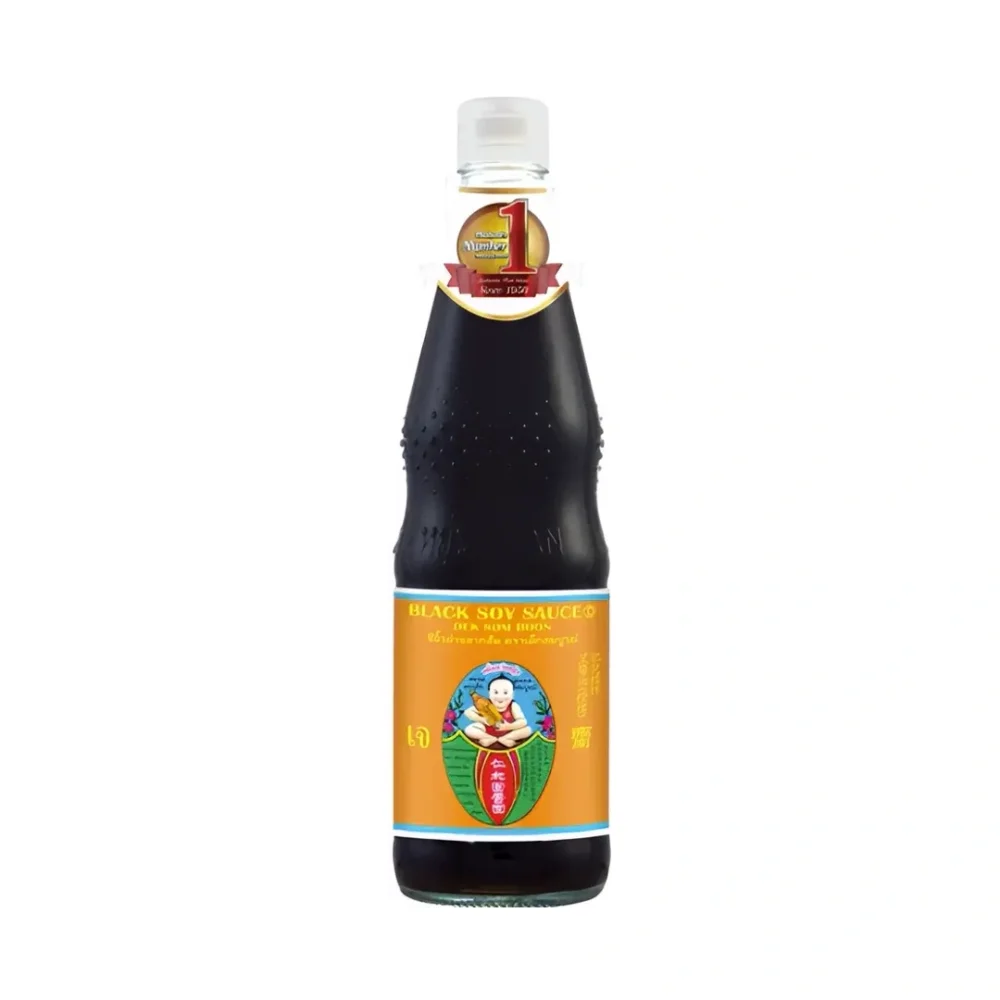
- Dek Som Boon Dark Soy Sauce (700 ml) — for depth of flavor and darker color in glazes and stir-fry.
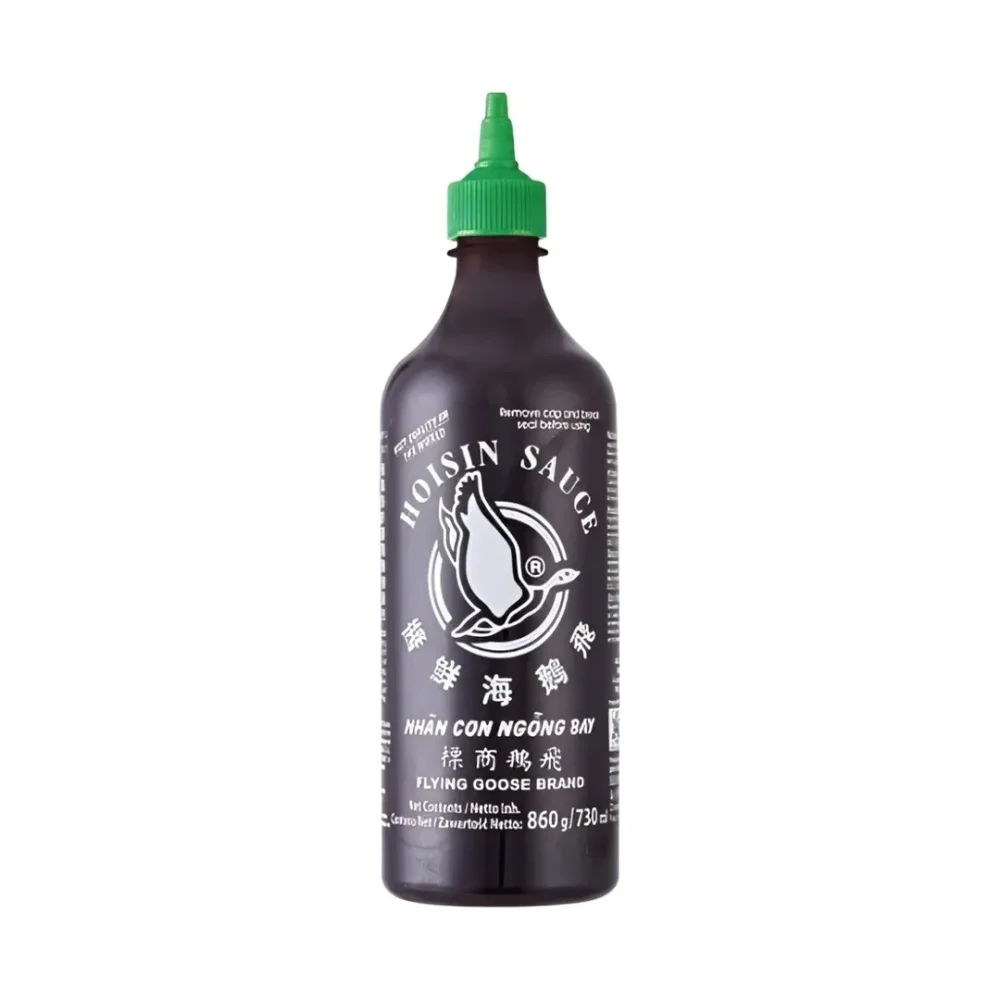
- Flying Goose Hoisin Sauce (730 ml) — suitable as a sweet and sour glaze or quick addition to meat and tofu.
- AHG Chow Mein Fried Noodle Paste (50 g) — quick seasoning for fried noodles and stir-fry, a practical shortcut for larger preparations.
If you don't have time for extensive preparation, a quality ready-made base or canned product can help (see category Ready-made Meals), which you can complement with fresh toppings.
3) Approximate portions and basic ratios (roughly)
For planning a feast (approximate values per person):
- Dry rice: 60–100 g (depending on whether rice is the main dish — for biryani choose rather 80–100 g).
- Meat (roasted/stewed): 120–180 g (count according to guest type and other dishes).
- Vegetable sides/salads: 150–250 g (fresh and cooked together).
Simple ratio for a quick stir-fry sauce for 4 people: about 4 tablespoons soy sauce, 2 tablespoons oyster or hoisin sauce (or a combination), 1–2 tablespoons sweetener (sugar, honey), 1 tablespoon starch thickeners or a little water, a bit of chili oil for seasoning. Adjust according to salt and intensity of used ingredients.
4) Timing and storage
Many festive items can be prepared partly in advance: marinades, sides or some baked items. Conversely, crispy elements and fresh herbs should be served fresh right before serving. For dishes whose essence is freshness (cold salads, rolls), plan assembly at the last moment.
5) Substitutions and what to replace only cautiously
Some ingredients can be substituted: dark soy sauce for regular soy gives color and depth; hoisin can work as a quick glaze. On the other hand, central symbolic elements (e.g., rice cakes in songpyeon or mochi in ozoni) are better replaced only in extreme cases and guests should be informed about their origin.
Common mistakes and warnings
- Experimenting too radically: changing the main element can lose symbolic meaning — if you want to innovate, do so with respect to the original meaning.
- Over-salting or overcooking noodles: noodles easily lose texture — cook them slightly less and rinse with cold water if needed.
- Insufficient allergen labeling: festive menus often contain nuts, fish, seafood, gluten — clearly inform guests.
- Incorrect timing: many items require assembly just before serving; preparing everything ahead without strategy leads to awkwardness at the table.
- Underestimating the number of sides: festive menus often involve interplay of several components — one large main dish may not be enough.
What to take away from the article
- Festive meals are cultural codes — symbolism and family ritual are more important than culinary novelty.
- In Asia, there are strong ties between specific holidays and dishes (New Year, harvest), so it is good to know the context before changing a recipe.
- When preparing at home, choose one traditional circle and complement it with a few well-chosen shortcuts (good dark soy base, hoisin, or fried noodle paste).
- Plan timing and storage: what can be done in advance and what to assemble just before serving.
- Avoid excessive experiments with key symbolic items and do not forget to label allergens.

Read next
If you want to explore this topic further, continue with these related blog guides and articles:
