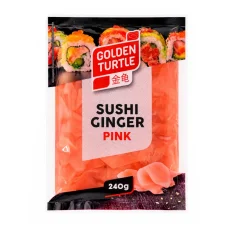
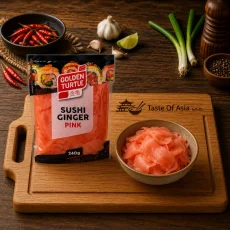
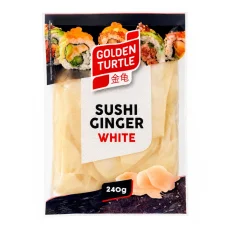
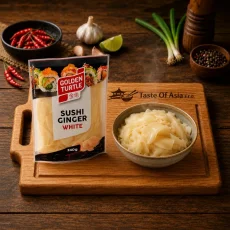
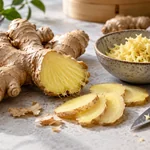
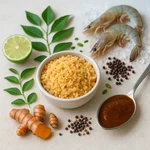
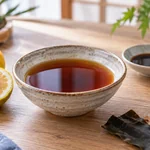
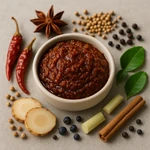
Ginger is a wonderful natural remedy that will enrich your health and taste buds. Read about its benefits, how to use it in the kitchen, and what forms it comes in.
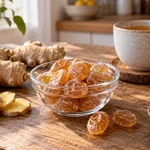
Discover the secrets of health and flavor in every bite! Ginger candies are not only a great treat, but also a natural aid for your digestion and immunity. Read our article and find out how ginger candies can help you in your everyday life and why they should be a staple in your home!
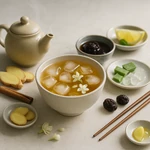
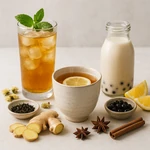
Immerse yourself in the world of Korean ginger tea! This spicy and refreshing drink is ideal for warming up on cold days. Read about how Koreans use ginger for its unique flavor and beneficial properties.
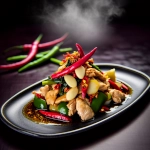
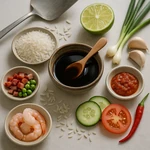
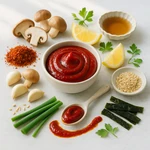
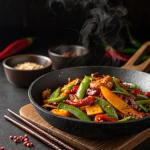
This chilli ginger garlic stir-fry is the kind of dinner you can cook faster than you can order takeaway: sizzling aromatics, crisp-tender vegetables, and a glossy sweet-sour-soy sauce. Make it with tofu, chicken, or just vegetables—one pan, big flavor.
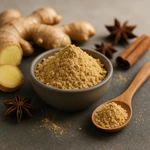
Ground ginger is one of those quiet pantry spices that can make a dish taste instantly more “Asian”—warm, gently peppery, and lightly citrusy. Used well, it boosts curries, marinades, stir-fries, and dipping sauces without adding fibrous bits or extra prep. Here’s how to choose it, when it beats fresh ginger, and how to add it so it actually smells and tastes vibrant (not dusty or bitter).
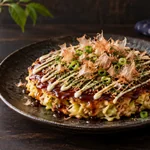
Discover the taste of Japan with Okonomiyaki – an easy and delicious savory pancake that you can customize to your liking. Quick, delicious, and perfect for any occasion!
"Chinese cuisine" is not a single uniform tradition, but a wide family of regional styles. Nevertheless, certain ingredients are repeated in it, without which home cooking with Chinese influences often sounds flat or "un-Chinese." In this guide, you will find an overview of the most typical ingredients, their function in dishes, the main differences, and practical tips for first use.
"Low-fat" Asian food often does not mean tasteless food or a small portion. In many Asian cuisines, lightness is achieved differently: through broth, herbs, acidity, smart seasoning, and a good ratio of rice or noodles to vegetables and other components.
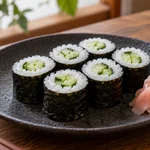
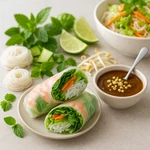
Asian salads and cold dishes are not just a light side dish or "vegetables with dressing." In many cuisines, they serve as a full meal – based on freshness, herbs, acidity, umami base, chili, and especially texture. In this guide, you will clarify what is typical for cold Asian cuisine, what the main forms are (from rolls to cold noodles), and how to assemble a bowl at home so that it tastes complete, not just "mixed."
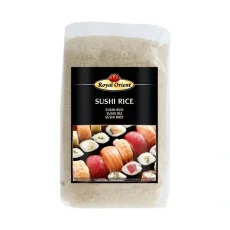
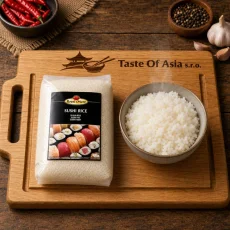
Discover the secrets of perfect sushi rice! In our new article, you will learn everything you need to know—from its history and cultivation to proper preparation and tips for use. Whether you are a sushi lover or a beginner, our advice will help you prepare the best sushi right at home. Don't miss it! Click and read more!
Roast pork neck—also called pork collar—is naturally forgiving thanks to its marbling, but the difference between “nice” and “unforgettable” comes down to seasoning and timing. This guide shows you how to build flavor with a dry rub, a marinade, or a final glaze, plus a few easy Asian-leaning twists that still feel right for an oven roast.
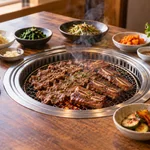
Discover the magic of Korean BBQ! With delicious sauces and tasty side dishes, you'll enjoy an unforgettable grilling experience full of flavors you'll love.
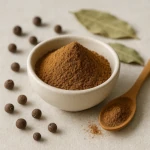
Ground allspice (often called “allspice powder”) is one of those quiet pantry staples that can transform a dish with just a pinch. It’s sweet-warm, intensely aromatic, and surprisingly versatile—useful not only in Western soups and pickling, but also as a subtle depth booster in Asian marinades, stir-fry sauces, and rice.
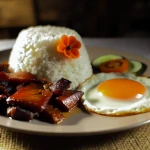
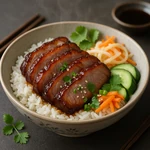
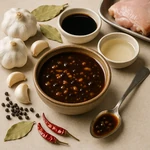
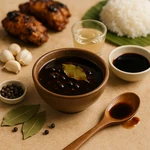
Tocino is a Filipino classic: thin slices of pork cured in a sweet-salty marinade, then pan-cooked until glossy and lightly caramelized. This homemade version is easy to prep ahead and perfect for a comfort-food breakfast with rice and a fried egg.
"Light" Asian food is not about being small or bland. Often, it's actually a full bowl or plate that satiates but doesn’t feel heavy: it’s based on rice or noodles in a reasonable ratio, complemented by vegetables and herbs, with flavor carried by broth or precise seasoning, and the whole is held together by acidity, umami, and contrast of textures. In this guide, you’ll find practical orientation and specific "families" of dishes that make sense for everyday – from warm breakfast bowls to cold noodle salads.
Asian cold cuisine is not a "diet salad" or randomly mixed vegetables. It is often a complete meal built on fresh herbs, active acidity, and a spicy spark – and mainly on a dressing or dip that holds the whole plate together. In the article, we clearly explain how these elements work, their variations, and how to assemble a cold bowl or noodle salad at home so it doesn’t taste "unfinished."
Taiwanese cuisine is not just bubble tea and night markets. It is a distinct, lively, and very diverse world where local styles meet various Chinese regional influences, a prominent Hakka layer, indigenous traditions, Japanese heritage, and modern urban food culture. If you really want to understand the Taiwanese taste, it pays to focus less on "spices" and more on broth, precise seasoning, and especially texture.
Discover the secrets of aged vinegar! How does this delicately fermented elixir affect the taste of your dishes, and what can it offer your kitchen? Find out how different vintages of vinegar bring unique properties and how you can use them to create perfect dishes. Read our article and get tips on how to incorporate aged vinegar into your everyday cooking!
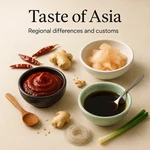
Regional style in Asia is not a minor detail – it is the key to why the same "Asian" dish can be based on broth and fermentation in one place, and elsewhere on coconut, herbs, or spices. In this article, we will create a practical map: what creates regional differences, how they appear in everyday food, and how to choose a direction that will work for you at home according to your taste.
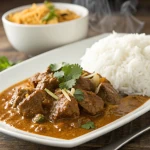
Rendang is Indonesia’s famous slow-cooked beef cooked down in coconut milk, aromatics, and warm spices until the sauce turns deeply concentrated and clings to every piece. It takes time rather than effort—and the reward is rich, fragrant comfort with a gentle (or fiery) chili kick.
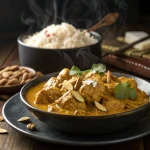
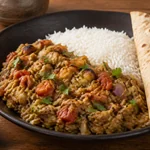
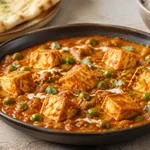
Chicken korma is a rich, gently spiced curry known for its velvety sauce made with yogurt, cream, and ground nuts. This approachable home recipe delivers a classic korma texture—fragrant, comforting, and mild enough for most spice levels.
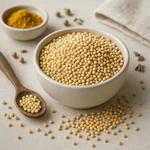
White mustard seeds may look like a minor pantry item, but used well they add fragrance, gentle heat, and a savory “lift” to curries, dals, stir-fries, and pickles. Here’s what they taste like, how they differ from darker mustard seeds, and when to use them whole or ground.
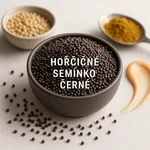
Black mustard seeds may look modest, but a small pinch can transform a dish—especially when briefly “bloomed” in hot oil until they start to pop. Learn what makes them different, how to use them without bitterness, and where they shine in everyday Asian-inspired cooking.
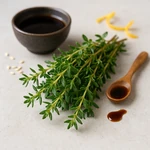
Thyme may look modest, but it brings a deep, savory herbal note that can make simple food taste more “finished”. Learn how thyme behaves in cooking (fresh vs. dried), the best timing for adding it, and pairing ideas—including smart ways to use it alongside umami-rich Asian pantry staples.
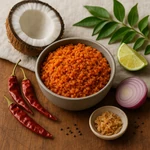
Sri Lankan cuisine is not just “Indian curry on an island.” It is a distinct flavor landscape built on rice, coconut products, bold spices, chili and important accompaniments like sambol and various pickled or sour components. You understand it best not through a single iconic dish, but through the way of dining: several different curries and accompaniments mixed together on the plate.
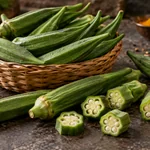
Discover the secrets of a tropical plant that not only provides nutritional value but also adds a unique flavor and texture to your dishes. In our article, you will learn everything about okra—how to use it in the kitchen, what health benefits it has, and why it should be part of your diet. Don't miss this great tip for enriching your diet!
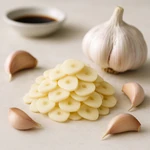
A few thin slices of garlic can do three jobs at once: perfume hot oil in seconds, add a pleasant bite to sauces, and bring a crunchy finish to noodles, rice, soups, and stir-fries. Here’s how to use garlic slices the way many Asian kitchens do—fast, controlled, and full of flavor.
On menus and in home cooking, three names for “pan” rice often meet: nasi goreng, fried rice and Cantonese rice. They sound similar but do not mean the same thing. In this guide we'll clarify what is a technique (fried rice), what is a specific national style (nasi goreng) and why it makes sense to ask for clarification with “Cantonese rice.” And most importantly: how to choose the right rice and how to achieve good flavor at home without cooking “by one universal recipe.”
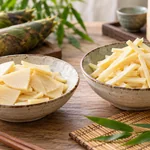
Bamboo shoots are a great addition to any Asian cuisine. Would you like to learn how to prepare them properly and what they can offer your diet? In our article, you will learn all about their nutritional values, uses in the kitchen, and tips for selecting and storing them. Add them to your dishes and discover their fresh and crunchy taste!
Asian cold dishes are not "lighter versions" of hot cuisine nor just vegetables with dressing. Their strength lies in freshness, herbs, acidity, a strong umami base (often from soy or fish sauces), clever textures, and a dip or dressing that holds the whole meal together. In summer, this gives you a quick lunch, dinner, or practical meal to-go – and often a full main dish, not just a side.
Sri Lankan cuisine is not just "Indian curry on an island." It is based on rice, coconut products, strong spices, sourness, chili, and especially on the fact that one meal often consists of several smaller components (curry, sambols, pickles). In this guide, you will find the most typical Sri Lankan dishes and a simple key to recognize and understand them.
“Street food style at home” is not about copying stalls to the last detail. It’s about understanding why Asian street food works: speed, clear flavor, sauces and final seasoning, contrast of textures, and serving immediately without unnecessary complexity. The article contains a practical guide on how to transfer this logic to the home kitchen – even if you don’t cook from scratch.
Fermentation in the kitchen is not just a way of preservation. In Asian traditions, it is mainly about creating flavor: umami, acidity, aroma, depth, and often a new texture. In this article, we will clearly explain what happens during fermentation, why different ferments taste completely different (and cannot be substituted), and how to practically use them at home so that food is not just salty but truly "layered."
Asian cuisine is not just a collection of "exotic" recipes – it is mainly a set of practical habits that allow cooking quickly, tasty, and without feeling heavy. In this article, you'll find specific principles that you can bring home: from salty and warm breakfast to the "bowl" logic of meals and seasoning with sauces, acidity, and texture.
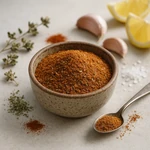
Gyros seasoning isn’t only for pita nights. This herb-forward blend can instantly give chicken, pork, vegetables, or chickpeas a warm Mediterranean character—and it also fits surprisingly well into quick rice bowls and noodle stir-fries. Here’s what it tastes like, how to use it, and how to avoid the most common mistakes.
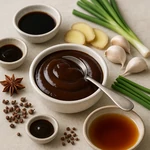
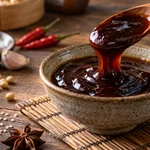
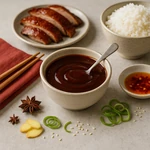
Hoisin sauce is the sweet-savoury, deeply aromatic condiment that can make a simple stir-fry taste restaurant-level in minutes. Learn what’s inside, what it pairs with, and how to avoid common mistakes—plus a few fast ways to use it beyond dipping.
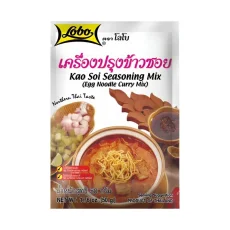
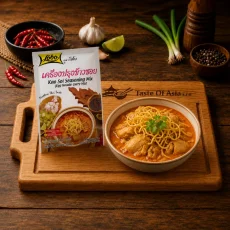
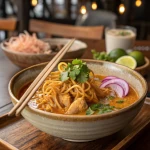
Khao Soi is a comforting Northern Thai curry noodle soup known for its creamy coconut broth, tender meat, and a crunchy noodle topping. This home-friendly version keeps the signature sweet-salty-spicy balance and the fun “mix-your-own” garnishes at the table.
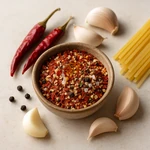
Aglio, olio, peperoncino: garlic, oil and chilli. It’s a minimalist Italian flavour trio that tastes bold, warm and clean when done right. In a ready-made seasoning blend, you get the same idea in a quicker, more consistent form—useful not only for spaghetti, but also for stir-fried noodles, rice bowls and quick wok dinners.
Taiwanese cuisine is not just bubble tea and night markets. It is an independent and vibrant culinary world where local cooking meets various Chinese regional influences, a distinctive Hakka layer, indigenous traditions, Japanese heritage, and modern urban food culture. That's why it makes sense to start with the ingredients: how they taste, their role in the dish, and how to recognize if you've chosen the right type.
Asian cuisines were shaped by more than just climate and local agriculture – trade also played a crucial role. Spices, sugar, tea, citrus fruits, as well as techniques for working with grains and fermentation spread both by sea and land. In this article, we will show exactly what "trade influences" mean on the plate and how this perspective can help you better understand the differences between regions and cook smarter at home.
Sri Lankan cuisine is not just "Indian curry on an island." It is built on rice, coconut, spices, chili, and mainly on a smart composition of the meal: alongside curry (in various forms) stand sambols, pickles, and other complements that precisely tune the heat, acidity, and contrast. Once you understand the role of sambol, Sri Lankan curries suddenly make much more sense.
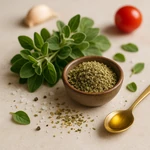
Oregano is a small herb with a surprisingly bold voice: warm, intensely aromatic, slightly peppery, and able to hold its own in rich sauces and marinades. Most people know it from pizza, but used with a light hand it can also bring depth to modern Asian-inspired “fusion” meals—especially where garlic, chili, soy, sesame, or tomato-based sauces are in play.
Sri Lankan cuisine is not "Indian curry on an island." It is based on rice, coconut products, bold spices, acidity, chili, and mainly on eating the whole as a combination of several small bowls – curry, sambols, and other accompaniments. If you want to start at home, you need to understand this logic: not chasing one perfect curry, but assembling contrasts so that the food begins to taste Sri Lankan.
Chinese cuisine represents many different worlds of flavors. In this article, you will find an overview of the main groups of typical dishes, representative dishes (what they are and how they taste), practical tips for starting at home, and the most common mistakes to avoid.
Curry is not a specific sauce or a single “typical” dish. In different parts of Asia, it means different ingredients, different techniques, and a different final flavor profile – from slowly built South Asian sauces through Thai curries based on pastes to Japanese curry thickened with roux. This guide will help you understand the main differences and choose your curry style based on what you expect from it.
When you say “Asian cuisine,” many people mainly imagine coastal flavors – fish sauce, seafood, or coconut. However, a large part of Asia is inland, mountainous, or steppe, and it is precisely there that cooking styles developed that rely on grains (both rice and wheat), doughs, dumplings, long-simmered broths, and bold seasoning. In this article, we will clarify what “inland Asia” means in cooking, what the main differences are (mainly along the China–India axis), and how to build a usable foundation for home cooking from these principles.
Vietnamese cuisine does not rely on one sauce or one famous dish. It is characterized by freshness, lightness, and the ability to layer multiple flavors so that the result feels lively: rice or rice noodles, herbs and leaves, acidity (lime, tamarind), fermented saltiness and umami (especially fish sauce), and contrasting textures. In this guide, you will find the most important Vietnamese ingredients, their function, and practical tips on how to start using them at home without unnecessary mistakes.
Light and balanced Asian dishes are not “diet versions” of classics or flavorless meals. In many parts of Asia, lightness is a natural result of how a dish is composed: what forms the base (rice or noodles), what carries the protein, what adds freshness, acidity, texture, and how a sauce or broth is used so that the ingredients are not overwhelmed.
Pork neck (also sold as pork collar) is naturally marbled, which makes it one of the most forgiving cuts for oven roasting. This recipe keeps the prep simple, delivers a juicy sliceable roast, and finishes with a fragrant, lightly crisp crust—plus an optional sweet-salty glaze if you want a subtle Asian-inspired twist.
Discover the secrets of fermented spirit vinegar! This versatile helper can be used not only in the kitchen, but also for cleaning and gardening. In this article, you will learn how it can save you money, replace chemical cleaning products, and even contribute to a more sustainable household.
Indian cuisine is not just one "typical" flavor but a whole map of regional styles – from delicate lentil dhals to fragrant rice plates and hearty sauces and marinades. If you want to start at home, the quickest way isn't to buy dozens of spices but to understand a few basic directions, one key technique (tadka), and choose a few initial dishes that teach you principles, not just one recipe.
Sri Lankan cuisine is not "Indian curry on an island." It is built on rice, coconut products, pronounced spices, chili and contrasts – alongside a gentle coconut component there is often acidity, heat and various sambols or pickled accompaniments. In this guide you will find typical Sri Lankan ingredients, their role in dishes, the main differences and practical tips on how to choose and use them.
Sweetened rice vinegar is a secret ingredient that will give your dishes a unique sweet and sour taste! In this article, you will learn how to best use it in the kitchen, what flavor combinations it offers, and in which recipes you can try it. Explore the possibilities of this Asian specialty and get inspired for your next culinary creations.
You might be surprised that the “same” ingredient behaves completely differently in various Asian countries: in some places it is the main dish, elsewhere just a flavoring; sometimes fermentation is emphasized, other times herbs or spices. It's neither a coincidence nor a matter of “right vs. wrong,” but a logic of the environment, available crops, trade influences, and the daily rhythm of life. In the article, we will show how to read these relationships and how to practically use them in home cooking.
The Asian pantry is not a list of “exotic” items you have to buy all at once. It’s a thoughtful foundation that lets you repeatedly cook dishes with a clear character at home – even when you don’t have a full fridge. In this guide, you’ll clarify what is good to buy first, what to add later according to your favorite cuisine, and how to avoid typical shopping mistakes.
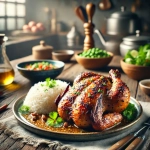
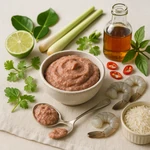
Kai Yang is Thailand’s iconic grilled chicken: deeply aromatic from garlic, coriander and lemongrass, juicy inside, and lightly charred outside. This recipe gives you a practical, grill-friendly method plus a quick Nam Jim Jaew dipping sauce to serve alongside sticky rice.
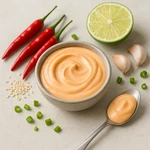
Sriracha Mayo blends the garlicky chilli kick of Sriracha with the rich, smooth texture of mayonnaise. The result is an easy, all-purpose dip and drizzle that works just as well with sushi and poke as it does with fries, sandwiches, or noodle bowls.
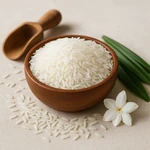
In many Southeast Asian meals, rice isn’t just a side dish—it’s the foundation that carries sauces, balances heat, and makes a bowl feel complete. ST25 is a premium Vietnamese jasmine-style rice known for its gentle floral aroma, tender bite, and everyday versatility. Here’s what makes it different, what to pair it with, and how to cook it (pot or rice cooker) without guesswork.
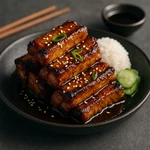
These oven-baked ribs get their “restaurant shine” from a simple two-step method: slow, covered roasting until tender, then quick high-heat glazing with a honey–soy sauce reduction scented with garlic and ginger. The result is deeply savory, gently sweet, and irresistibly sticky.
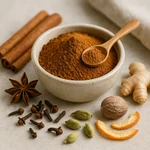
Gingerbread spice is a warm, aromatic blend built around cinnamon, ginger, clove and other “sweet” spices. It’s famous for gingerbread—but it’s just as useful in oatmeal, hot drinks, fruit desserts, and even subtly spiced savory dishes. Here’s what’s usually inside, how to dose it, and how to keep it fragrant all season.
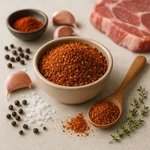
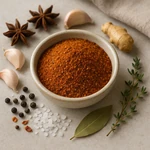
Pork roast can feel like a special occasion dish or an easy weeknight dinner—often the only difference is how you season it. Learn what “pork roast seasoning” really means, how to apply it for maximum aroma and crust, and how to add a subtle Asian-inspired edge (think warm spices and savory depth) without losing that classic roasted-pork character.
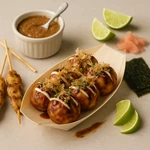
Asian street food is often simplified to “something to eat with your hands.” But its strength lies elsewhere: in speed, in a single stall’s specialization in a few dishes, in a clear local identity and in a flavor you “read” from the first bite. In this guide we’ll show where takoyaki, satay and other street classics belong — and how to choose a style that will taste good at home too.
Vietnamese cuisine is not a single uniform flavor – striking differences between the north, central region, and south are one of the main reasons the same “Vietnamese” dish can taste slightly different each time. In this article we will show what is typical for the north, how the central region is more pronounced, and why the south is often described as sweeter. And most importantly: how to use these differences when choosing ingredients and seasoning at home.
Asian drinks are not just "something sweet with ice." They often have a tea base, work with distinctive aromas (citrus, ginger, jasmine), with temperature and sometimes even texture – so they can be both a drink and a small snack. In this guide, we'll clarify what makes sense to drink in summer, winter, and how to choose a drink based on the type of meal so that the whole feels balanced and "complete."
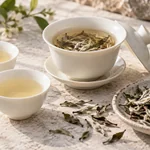
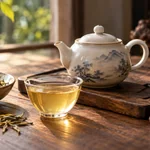
Discover the magic of white tea – a drink that enchants with its delicate flavor and soothing effects. Ideal for relaxation, meditation, or evening tranquility.
Korean cuisine is not just "spicy and kimchi." It is built on a thoughtful use of fermented bases, contrasts of flavors, and the harmony of rice, soup, and several smaller side dishes at the table. In this guide, you will clarify which ingredients make the Korean flavor Korean, what functions they have in the food, and how to select and use them at home without unnecessary mistakes.
Fermented foods are not just a "healthy trend" – in Asian cuisines, they are mainly practical flavor bases that can speed up cooking and add depth to the meal. The key is not to start ambitious fermentation projects, but with one well-chosen ferment and small amounts: a teaspoon of paste, a few drops of sauce, a little side dish. The article clarifies the difference between fermented and probiotic, goes through the main types of ferments, and shows specific ways to use them in everyday meals.
Fermentation is one of the key methods in Asian kitchens to create depth of flavor, umami, aroma, and a "finished taste" – often even in dishes that rely on only a few ingredients. This guide will help you navigate the main groups of fermented bases (from soy sauces through pastes to fish and marine ferments), understand their role, and avoid common mistakes in selection and use.
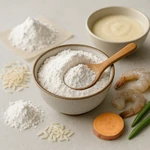
Discover the world of rice flour! In this article, you will learn about its history, production, and use in Asian cuisine and gluten-free diets. Find out about its health benefits and how to use it in various dishes.
Ground meat is a weeknight workhorse—fast, versatile, and easy to portion. But it can taste surprisingly flat unless you build aroma and balance. This guide explains how to season ground meat on purpose: what flavors work, when to add spices, how to control heat and salt, and how to lean into Asian-inspired profiles with minimal effort.
Fish cooks fast and tastes best when its natural sweetness and tenderness stay front and center. The trick is choosing seasonings that support the fish—whether you’re pan-frying a delicate white fillet, grilling salmon, or simmering seafood in a fragrant Asian-style sauce.
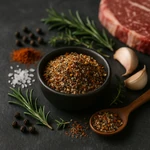
A great steak doesn’t need much, but it does need the right touch. The goal of steak seasoning isn’t to cover the flavor—it’s to sharpen it, build a better crust, and add aroma that blooms in high heat. Here’s how to choose (and use) rubs, marinades, and finishing glazes—plus simple ways to steer your steak toward an Asian-style flavor profile without overcomplicating dinner.
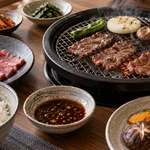
Discover the taste of Japan with our recipe for Yakiniku – juicy meat, delicious marinades, and grilling right at your table! Simple, quick, and irresistibly delicious!
Discover the secrets of Korean plum tea! A delicious, refreshing drink with a rich history that will enchant you with its delicately sweet and sour taste. Find out how it is made, what its beneficial effects are, and why this tea is so popular in Korea.
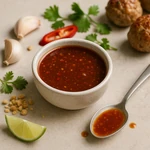
Meatballs are reliably good. The sauce is what makes them memorable: it adds aroma, keeps them juicy, and turns “just meatballs” into a dish you want to eat again tomorrow. Here’s a practical way to build a sauce that balances sweet–salty–sour–spicy, clings to the meatballs, and can lean Asian without feeling complicated.
Family Asian cooking doesn't have to mean a pile of exotic ingredients or "diet" versions of favorite dishes. In practice it's often enough to understand a simple logic: build the plate on rice or noodles in a reasonable proportion, add a clear protein, give vegetables real space, use the sauce more as a binder than a flood – and finish the whole meal with freshness, acidity, texture and umami.
Filipino cuisine is home-style, practical, and surprisingly diverse. To understand it, knowing just one "national" dish is not enough – it is important to understand the role of rice, how acidity and saltiness work, why vinegar is so prominent, and how main dishes, soup, side dishes, and sauces interact on the table. The article provides guidance on typical home dishes (adobo, sinigang, kinilaw, sisig), regional differences, and specific tips on how to start cooking Filipino food at home.
Filipino cuisine has a clear identity, but it cannot be reduced to a single "national" dish. Typical Filipino dishes only make sense when you understand three things: rice is the center of the plate, sourness and saltiness are the main flavor axis, and vinegar and salty seasonings play an important role. In this article, we will show you four representative dishes (adobo, sinigang, kinilaw, sisig) and practically explain how to eat them and why they taste the way they do.
A good "Asian ingredient" is not the most expensive nor the one with the prettiest packaging. The difference mainly lies in whether you understand the function of the ingredient (what it is used for in food), its types and composition – and whether you select it for a specific use. This article is a practical guide: it will teach you to quickly read labels, distinguish between basic and flavored products, and choose the right type, for example with coconut, sesame, chili, and starches.
Festive meals in Asian cultures are not just "better versions" of regular dinners. They often function as a cultural code: they have symbolism, a fixed place in the calendar, a family dimension, and sometimes even service rules. In this article, you will find a practical guide on how to transfer these principles to a home menu in a way that makes sense even without perfect "authenticity" – and at the same time, you don't spoil the taste with a failed improvisation.
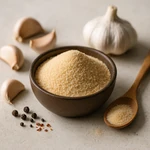
Ground garlic is one of those pantry staples that earns its place: it’s quick, consistent, and easy to dose—ideal for weeknight stir-fries, marinades, soups, and dry seasoning blends. Here’s how it differs from fresh garlic, when to add it to avoid bitterness, and how to pair it for the most fragrant results.
Discover the refreshing taste of Korean tea with aloe vera! This unique drink combines a traditional Korean recipe with natural ingredients. Read on to find out how aloe vera in tea can refresh and invigorate you.
Are you interested in Korean lemon tea? This refreshing drink full of citrus flavor is popular all over the world. Read more about its traditional preparation and interesting facts that will surprise you!
Asian drinks today include much more than just sweet lemonades with ice. Alongside the traditional tea culture, there are urban "café" drinks where the tea base, texture (pearls, jelly, pieces of fruit), work with aroma and color, and the option to customize sweetness and ice all play a role. In this guide, we will clarify what is typical for modern Asian drinks, how hot and cold variants differ, what “real tea” means, and what mistakes to watch out for.
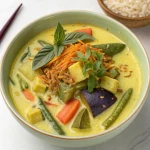
Sayur Lodeh is a comforting Indonesian-style vegetable curry made with coconut milk, aromatics, and a mix of everyday vegetables. It’s naturally plant-based, easy to adapt to what’s in your fridge, and tastes even better with steamed rice.
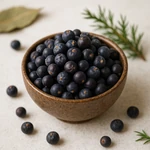
Whole juniper berries bring a distinctive evergreen, resinous aroma and a gently bitter-spicy edge that can transform stews, roasts, stocks, and pickles with just a few berries. Used with restraint, they add depth to rich meats and also work surprisingly well in modern soy-based marinades.
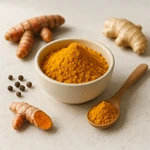
Ground turmeric is easy to recognize by its bold golden color—but its real value is the warm, earthy depth it adds to food. Used well, it can bring rice, vegetables, soups, and curries together into a cohesive, aromatic dish. Here’s how to cook with turmeric so it tastes rounded (not bitter), when to add it, and which flavor pairings make it shine.
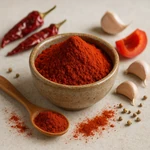
Sweet paprika is often treated as a “background” spice, but it can do three very practical things at once: deepen colour, add gentle sweetness, and round out sharp flavours—without extra heat. That’s exactly why it fits not only European staples, but also many everyday Asian stir-fries, noodle dishes, rice bowls, and soups.
Singaporean cuisine originated in a port city where different communities and their techniques have long met. Therefore, you won't find a single "national" pantry here, but a functional mix: rice and noodles, coconut, chili and sambal, soy and fish umami seasonings, aromatics like garlic and ginger – alongside ready-made pastes that have a clear role in specific dishes. In the article, you'll sort out what is typical for Singapore, what the main variants are, and how to start with these ingredients at home without unnecessary mistakes.
Discover the magic of yellow teas – a delicious drink with a unique taste and a range of health benefits. Learn about their history, types, and complex production process. Ideal for supporting digestion and the immune system.
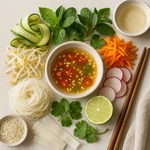
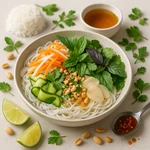
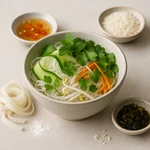
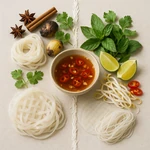
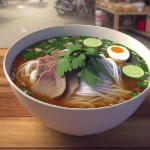
Pho is Vietnam’s iconic noodle soup: a clear, fragrant broth poured over silky rice noodles, topped with herbs, lime, and your choice of beef (pho bo) or chicken (pho ga). This home-friendly recipe focuses on the two things that matter most—building aroma in the stock and assembling bowls with fresh garnishes.
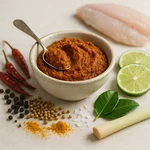
This Sichuan-style stir-fry is all about contrast: tender slices of chicken, crisp vegetables, and a bold, glossy sauce with chilli heat and that signature tingly “mála” kick from Sichuan peppercorns. It’s fast, weeknight-friendly, and easy to adapt to whatever you have in the fridge.
Garlic marinade is one of those kitchen shortcuts that doesn’t feel like a shortcut: it can make chicken, pork, tofu, or vegetables taste deeper, smell incredible, and stay juicier—fast. The trick is knowing how garlic behaves with heat, how long to marinate different ingredients, and how to balance sweet, salty, and acidic notes for Asian-inspired results.
Discover the secret to a unique flavor that will transform any dish. This sauce combines the freshness of citrus with the saltiness of soy sauce, adding a new dimension to your cooking. Try it and see how easily it can enhance your favorite meals!
Game meat such as venison or wild boar has a deeper, more “forest” character than farmed meats—often leaner, sometimes slightly earthy, always worth treating with care. The right seasoning doesn’t mask that flavor; it frames it. Here’s a practical guide to classic pairings (juniper, pepper, herbs) plus Asian-inspired ideas—citrus, aromatics, chili, and layered umami—that can make game taste cleaner, rounder, and more modern.
Cookies
This site uses cookies to provide services, customize ads, and analyze traffic. Your consent to the use of cookies will significantly help us to improve our services. More information



 Česky (CZK)
 Slovensky (EUR)
 Deutsch (EUR)
 Austria
 Belgium
 Bulgaria
 Croatia
 Denmark
 Estonia
 Finland
 France
 Germany
 Greece
 Hungary
 Italy
Italy Latvia
 Lithuania
 Luxembourg
 Netherlands
 Poland
 Portugal
 Romania
 Slovenia
 Spain
Spain Sweden