Česky (CZK)
 Slovensky (EUR)
 Deutsch (EUR)
 Austria
 Belgium
 Bulgaria
 Croatia
 Denmark
 Estonia
 Finland
 France
 Germany
 Greece
 Hungary
 Italy
Italy Latvia
 Lithuania
 Luxembourg
 Netherlands
 Poland
 Portugal
 Romania
 Slovenia
 Spain
Spain Sweden










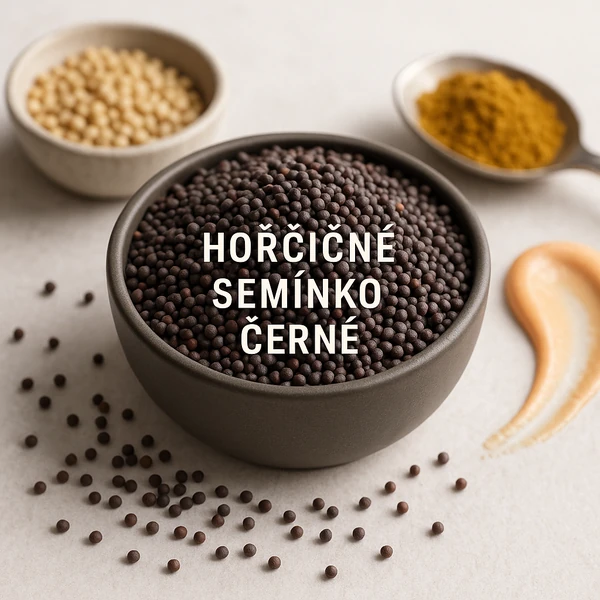
Black Mustard Seeds: Tiny Grains, Big Flavor
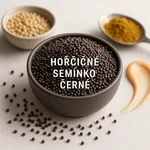
Black mustard seeds are one of those spices you often notice only after the first crackle in the pan. In a few seconds, hot oil draws out a warm, spicy aroma that builds a strong foundation for vegetables, lentils, rice dishes, pickles, and marinades—without needing a long simmer.
This guide focuses on practical use: what black mustard seeds taste like, how to “wake them up” correctly, how they compare to lighter mustard seeds, and how to store them so they stay fragrant.
🌶️ What are black mustard seeds?
Black mustard seeds are the small, dark seeds of mustard plants used as a spice, typically in whole form. They’re especially common in Indian and South Asian cooking, where they’re added to hot oil at the start of cooking to release flavor quickly.
You may also see mustard seeds sold as yellow/white or brown. Black seeds are generally the most assertive: smaller, darker, and more intense when handled correctly.
🍽️ Flavor and aroma: what to expect
Whole seeds (heated in oil): aromatic, toasty, and pleasantly pungent with a warm, peppery edge. When the seeds begin to pop, the sharpness rounds out and becomes more complex.
Crushed or ground seeds: more direct “mustard heat.” Crushing exposes compounds that create a sharper pungency, especially when moisture is present. This is why ground mustard behaves differently than whole seeds tempered in oil.
Important: black mustard seeds can turn bitter if they’re scorched. The goal is brief blooming—not deep frying.
🍳 The essential technique: blooming (tempering) in hot oil
The most useful way to use black mustard seeds is to heat them in oil (or ghee) until they pop. This technique is often called tadka/tarka (also known as baghaar/tempering, depending on the region).
- Start with a small amount: for a pot or pan serving 2–4 people, begin with about 1/4–1/2 teaspoon.
- Heat oil to medium-high: the oil should shimmer but not smoke.
- Add the seeds and watch closely: they’ll start to sizzle, then pop. This usually takes seconds, not minutes.
- As soon as popping becomes steady, add the next ingredients: onion, garlic, ginger, chilies, curry leaves, or spices. This cools the oil slightly and helps prevent burning.
Kitchen safety tip: popping seeds can splatter. If needed, use a splatter guard or briefly cover the pan with a lid.
🧂 Where black mustard seeds work best (everyday uses)
- Vegetable stir-fries: bloom the seeds first, then add sliced cabbage, green beans, cauliflower, or eggplant. Finish with a squeeze of lemon or a splash of vinegar for balance.
- Lentils and beans: use tempered mustard seeds to start a simple dal or chickpea stew—especially good with garlic, ginger, and chilies.
- Rice dishes: add to hot oil with aromatics, then fold into cooked rice for an instant upgrade.
- Pickles and quick pickled vegetables: add whole seeds to brines or briefly bloom them and pour the spiced oil over vegetables for extra depth.
- Marinades: lightly crush the seeds to bring more punch into marinades for tofu, chicken, or grilled vegetables.
🛒 Choosing the right form: whole vs. ground
Whole seeds are the best all-round choice for Asian cooking because they’re easy to control and ideal for tempering in oil.
Crushed seeds (lightly cracked in a mortar) give a stronger mustard kick while still keeping some texture. This is a good middle ground for marinades or spice rubs.
Ground mustard is the most intense and blends into sauces quickly, but it loses aroma faster in storage and can dominate a dish if overused.
🌗 Black vs. yellow/white mustard seeds: which should you use?
- Black mustard seeds: bolder aroma and a deeper, warmer pungency—excellent for tempering in oil and building a dish from the start.
- Yellow/white mustard seeds: milder and softer in flavor—useful when you want gentle mustard notes in pickling, spice blends, or sauces without as much heat.
In many recipes you can substitute one for the other, but adjust the quantity: if you swap black seeds for yellow/white, start with less and taste as you go.
✅ Common mistakes (and how to avoid them)
- Burning the seeds: if they turn very dark quickly or smell acrid, the oil is too hot or the seeds stayed in the pan too long. Work fast and add your next ingredients as soon as popping begins.
- Adding seeds to cold oil and walking away: it’s harder to control the moment they bloom. Stay at the stove—this step is quick.
- Overusing: black mustard seeds are powerful. A small pinch can be enough, especially in lighter dishes.
🥄 A simple “starter” you can use in many dishes
Try this flexible base for vegetables, lentils, or rice:
- Heat 1–2 tablespoons of oil.
- Add 1/4–1/2 teaspoon black mustard seeds.
- When they pop, add chopped garlic/ginger and optional chili.
- Add your main ingredients (vegetables or cooked lentils), season with salt, and finish with lemon or vinegar.
It’s a small technique that creates a noticeably more layered aroma, even in quick weeknight cooking.
🧺 Storage: keep the aroma longer
- Store airtight in a cool, dark cupboard away from the stove.
- Keep dry: moisture dulls aroma and can cause clumping or spoilage.
- Whole seeds keep longer than ground. If you love the sharper mustard bite, crush only what you need right before cooking.
❓ FAQ
- Do I have to toast black mustard seeds?
- For most Asian-style dishes, yes—brief blooming in oil is the easiest way to unlock their signature aroma. In pickles or brines, you can also use them whole without toasting.
- Why do my mustard seeds taste bitter?
- They likely burned. Use medium-high heat, watch for the first steady popping, and immediately add other ingredients to stop the seeds from scorching.
- Can I use black mustard seeds in non-Asian cooking?
- Absolutely. They’re great in roasted vegetables, vinaigrettes (especially with citrus), and homemade flavored oils—just keep the quantity modest.

Recommended products1
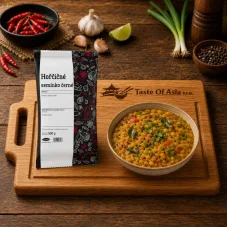

Drana Black Mustard Seeds 500 g
Read next
If you want to continue with the same topic, here are more related articles to explore: