

 Česky (CZK)
 Slovensky (EUR)
 Deutsch (EUR)
 Austria
 Belgium
 Bulgaria
 Croatia
 Denmark
 Estonia
 Finland
 France
 Germany
 Greece
 Hungary
 Italy
Italy Latvia
 Lithuania
 Luxembourg
 Netherlands
 Poland
 Portugal
 Romania
 Slovenia
 Spain
Spain Sweden










Mature vinegar
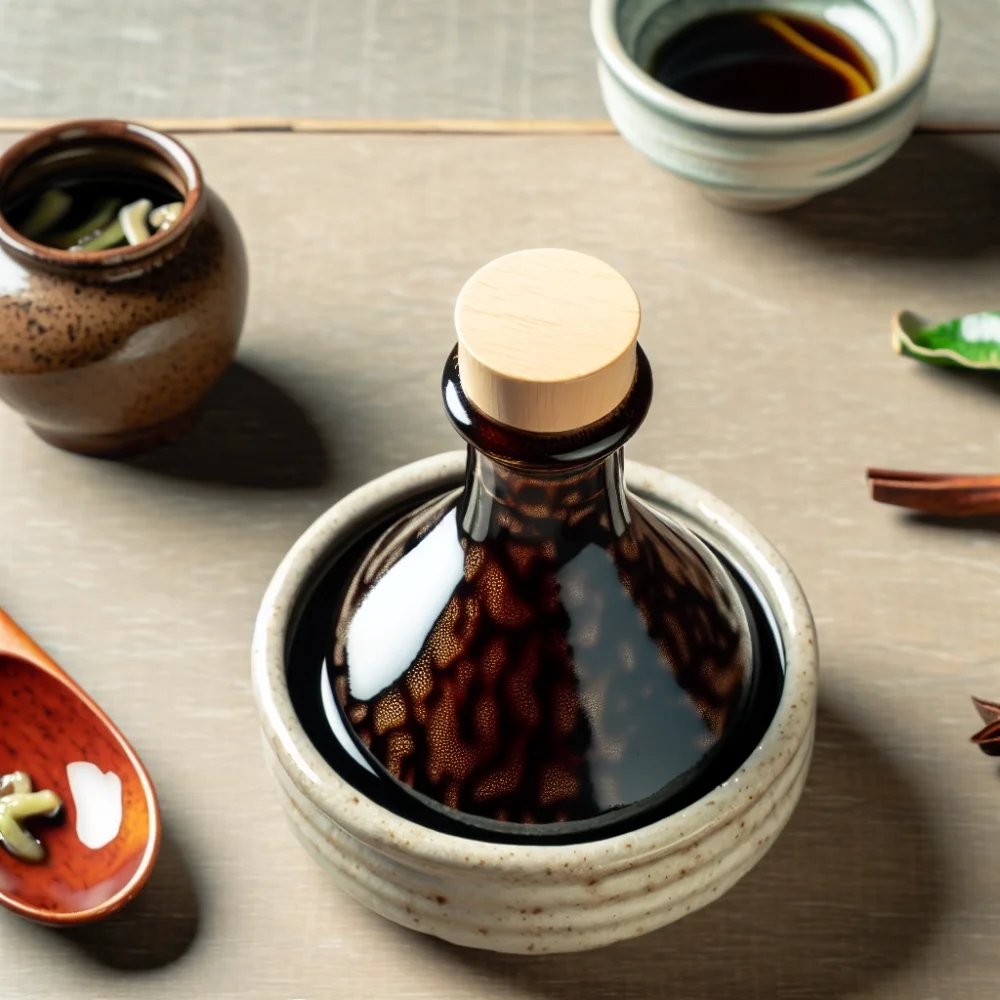
🧴 Aged vinegar: deeper flavour for dips, noodles and a finished sauce
Aged vinegar is vinegar that’s allowed to mature after fermentation. That extra time changes everything. The acidity becomes rounder, deeper and often slightly umami instead of just sharp. In everyday cooking it’s the kind of ingredient that can make a simple bowl of noodles taste restaurant-level without complicated seasoning.
Find Asian pantry essentials at Asian Food Shop
💡 Tip: If you want more flavour but don’t want to add more salt, aged vinegar is one of the fastest tricks
🕰️ History and origin
In many Asian cuisines, especially Chinese cooking, matured and darker vinegars have a long tradition. Vinegar isn’t used only as “acid”, but as a structural flavour element that makes dips taste finished and sauces feel fuller. Aging adds aromatic depth, sometimes gently sweet, sometimes with a lightly toasted impression.
🧪 How it’s made and common styles
Aged vinegar can come from different bases, but in Asian cooking it’s often a rice-style vinegar that’s matured for extra complexity. Typical traits include:
- aging that softens sharpness and builds aroma
- for some styles, a darker colour that develops over time
- flavour depth that builds sauces beyond pure acidity
For more inspiration, browse Vinegars
👃 Flavour profile
- 🍂 deeper and more aromatic than a light vinegar
- 🍯 often gently sweet and rounded
- 🥟 perfect for dips where acidity should build flavour, not dominate
✅ Tip: With aged vinegar, smaller amounts usually go a long way. Start with a teaspoon and adjust
🍳 How to use it
🥟 Dumpling dips and quick sauces
Aged vinegar is a great base for a dip with Soy sauces and a touch of sugar. It also works with garlic and chilli for a fast, punchy dip.
🍜 Noodles and fast flavour
In noodles, aged vinegar makes a sauce taste bold without long cooking. Pair it with Oils and a bit of heat from Chilli sauce.
🥗 Quick pickles
For quick-pickled vegetables, aged vinegar is excellent when you want depth, not just sharp acidity.
🔥 Hot dishes
Add it closer to the end. The aroma stays fresher and the acidity won’t taste cooked.
🫶 Everyday note
Think of aged vinegar mainly as a flavour tool. Its character can help dishes taste brighter with less salt. If you’re sensitive to acidity, use smaller amounts and adjust to taste.
✅ How to choose an aged vinegar
- ⏳ longer aging usually means a rounder taste
- 🥟 for dips and sauces you’ll want deeper complexity
- 🍜 for punchy vinegars, less is more
- 🧴 keep it tightly closed after opening to preserve aroma
🛒 Our picks
- Shuita Vinegar aged 3 years 500 ml a versatile option for dips, noodles and quick pickles
- Shuita Vinegar aged 5 years 500 ml deeper and rounder for sauces and dressings
- Jumbo Rice vinegar black 550 ml a darker profile for bold Chinese-style flavours
🍜 Recipe: Sichuan-style noodles with aged vinegar, garlic and chilli
A simple, authentic-leaning sauce where aged vinegar does the heavy lifting. Tangy, spicy, aromatic and seriously addictive.
Ingredients
- wheat noodles 250 g
- aged vinegar 2 to 3 tbsp
- soy sauce 2 tbsp
- chilli sauce 1 to 2 tsp to taste
- oil 2 tbsp
- garlic 2 to 3 cloves
- ginger about 10 g
- spring onion 2
- sugar and salt a pinch of sugar and salt to taste
- sesame to finish optional
- reserved noodle cooking water as needed
Method
- Cook the noodles according to the pack. Reserve a few tablespoons of the cooking water.
- Mix aged vinegar, soy sauce, chilli sauce, a pinch of sugar and 2 to 3 tbsp of reserved water.
- Finely chop garlic and ginger. Slice spring onion thinly.
- Drain the noodles and toss immediately with the sauce.
- Add garlic, ginger and most of the spring onion. Drizzle with oil and mix well.
- Season with salt and add a little more vinegar if you want extra tang.
- Finish with sesame and the remaining spring onion.
✅ Tip: Add the final spoon of vinegar right at the end. The sauce will taste brighter and the aroma stays clean

Recommended products2
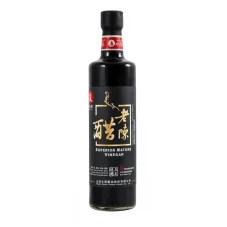
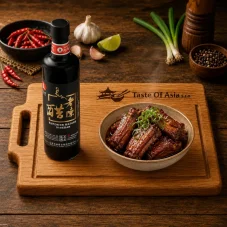
Shuita Vinegar aged 5 years 500 ml
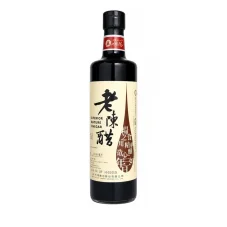
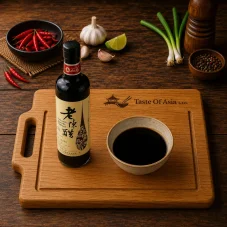

Shuita Vinegar aged 3 years 500 ml
Read next
If you want to continue with the same topic, here are more related articles to explore: