


 Česky (CZK)
 Slovensky (EUR)
 Deutsch (EUR)
 Austria
 Belgium
 Bulgaria
 Croatia
 Denmark
 Estonia
 Finland
 France
 Germany
 Greece
 Hungary
 Italy
Italy Latvia
 Lithuania
 Luxembourg
 Netherlands
 Poland
 Portugal
 Romania
 Slovenia
 Spain
Spain Sweden










rice vinegar
Products
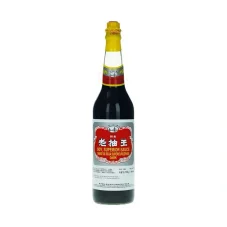


Haiyin Bridge Soy Sauce Dark Superior 600 ml
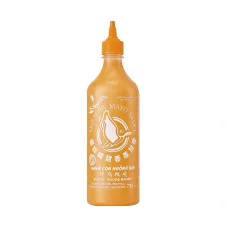

Flying Goose Chilli Sauce Sriracha Mayo 730 ml
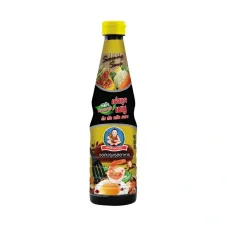

Dek Som Boon Universal seasoning 700 ml
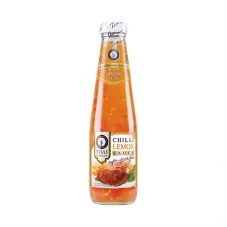
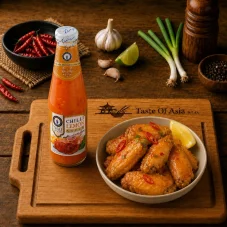
Thai Dancer Lemon Chilli Sauce 300 ml
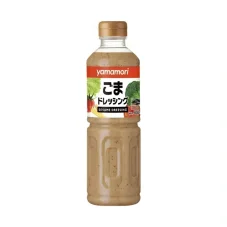
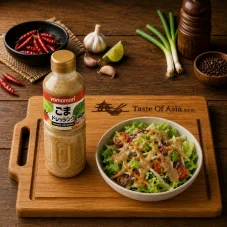
Yamamori Roasted Sesame Dressing 500 ml

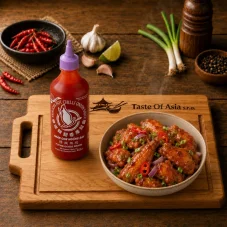
Flying Goose Chilli Sauce Sriracha with Onion 455 ml


Dek Som Boon Chilli Oil 250 ml
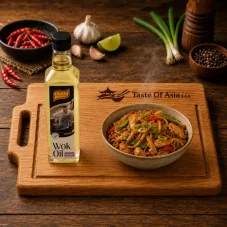
Daily Wok oil 500 ml
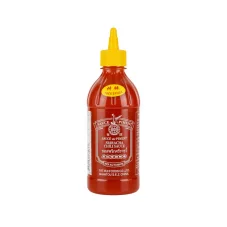
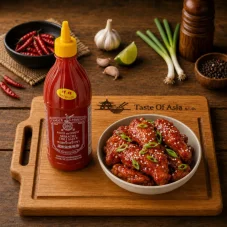
Eaglobe Sriracha extra hot chili sauce 430 ml
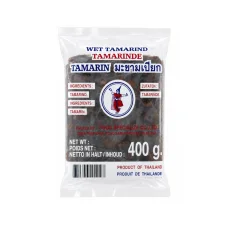
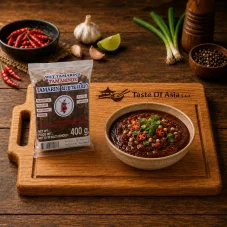
Thai Dancer Tamarind 400 g
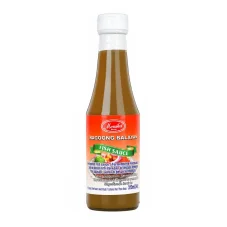
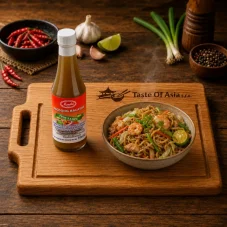

Monika Fermented fish sauce Balayan 310 ml
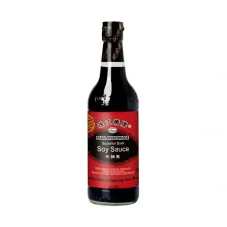
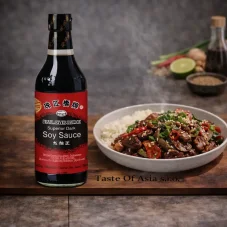
P.R.B. Soy Sauce Dark Superior 500 ml
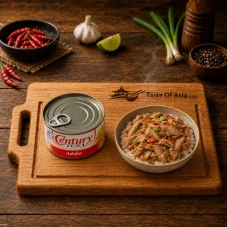
Century Tuna Adobo tuna flakes 180 g
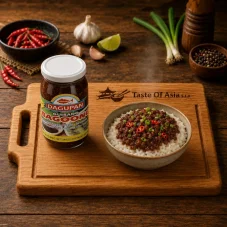
Dagupan Fried shrimp paste 230 g
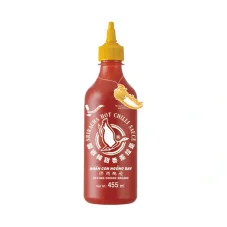
Flying Goose Sriracha chili sauce with mustard 455 ml
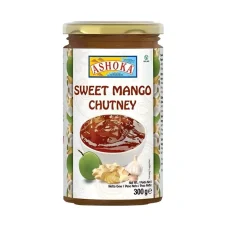
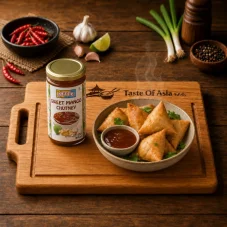
Ashoka Chutney Mango Sweet 250 g
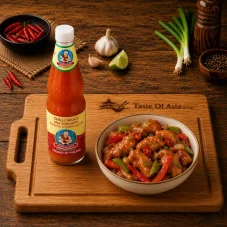
Dek Som Boon Hot Chilli sauce 700 ml
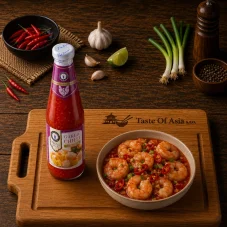
Thai Dancer Garlic Chilli sauce 300 ml
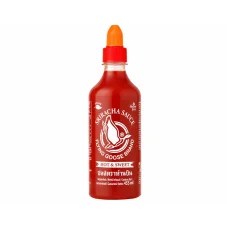
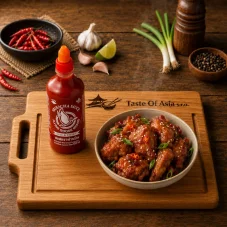
Flying Goose Chilli Sauce Sriracha Sweet and Hot 455 ml
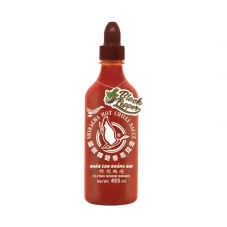
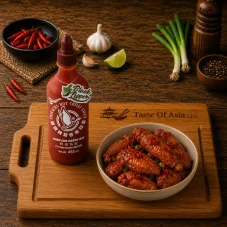
Flying Goose Sriracha chili sauce with black pepper 455 ml

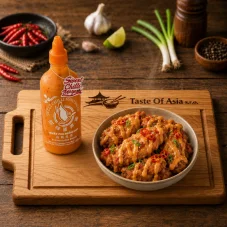
Flying Goose Chilli Sauce Sriracha Sweet Mayo 455 ml
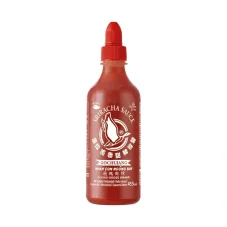
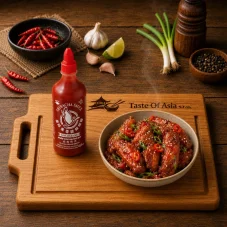
Flying Goose Chilli Sauce Sriracha Gochujang 455 ml

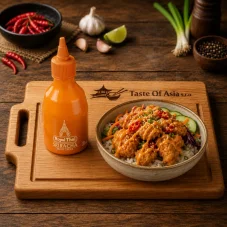
Royal Thai Chilli Sauce Sriracha Mayo 200 ml
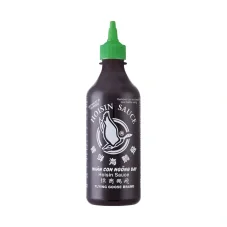
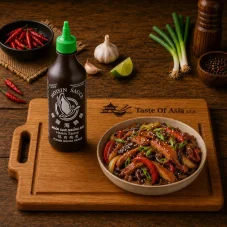

Flying Goose Hoisin sauce 455 ml
Articles

Black rice vinegar and brown rice vinegar
Discover the intense flavor of black vinegar and brown rice vinegar, two specialties that will bring rich flavors to your dishes. Find out how they differ and get inspired by recipes that use their smoky and nutty tones for exceptional marinades, sauces, and stir-fry dishes!

Rice Vinegar
Rice vinegar is the secret to authentic Asian flavors! In our article, you will learn how to use it in cooking, why it is ideal for sushi, and how it can enrich your recipes. Read on to find out how this unique vinegar will take your dishes to the next level!

Sweetened rice vinegar
Sweetened rice vinegar is a secret ingredient that will give your dishes a unique sweet and sour taste! In this article, you will learn how to best use it in the kitchen, what flavor combinations it offers, and in which recipes you can try it. Explore the possibilities of this Asian specialty and get inspired for your next culinary creations.

Apple cider vinegar and distilled vinegar
Find out the difference between apple cider vinegar and distilled vinegar and how to use them in the kitchen! Both types of vinegar have their own specific properties that will enrich your cooking. Read our article for more information!
Mature vinegar
Discover the secrets of aged vinegar! How does this delicately fermented elixir affect the taste of your dishes, and what can it offer your kitchen? Find out how different vintages of vinegar bring unique properties and how you can use them to create perfect dishes. Read our article and get tips on how to incorporate aged vinegar into your everyday cooking!
Fermented spirit vinegar
Discover the secrets of fermented spirit vinegar! This versatile helper can be used not only in the kitchen, but also for cleaning and gardening. In this article, you will learn how it can save you money, replace chemical cleaning products, and even contribute to a more sustainable household.
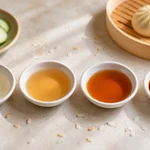
All about vinegar
Where did the vinegar come from? What are the typical vinegars in Asia and how are they used?
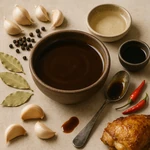
The taste of Filipino cuisine: acidity, vinegar, rice, and umami that hold the food together
Filipino cuisine is often simplified to "adobo," but its typical flavor is much broader and above all very practical: rice as the center of the meal, pronounced acidity (often from vinegar), saltiness and umami from soy and fish seasonings, garlic-onion aroma, and a sense for texture as well as complementary sauces. In the article, we will show you how to recognize these flavors in typical dishes and how to safely start with them at home without unnecessary mistakes.
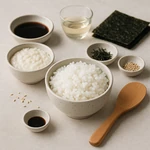
Coconut rice vs. sushi rice: why rice itself makes a difference in “ready” rice dishes
In Asian cuisines rice is often not “something for the sauce,” but the very framework of the dish. With coconut rice (typically nasi lemak style) and sushi rice you can clearly see how dramatically flavor, texture and even what we consider a finished meal can change—simply depending on which rice you choose and how you treat it.
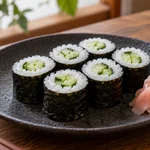
Sushi rice
Discover the secrets of perfect sushi rice! In our new article, you will learn everything you need to know—from its history and cultivation to proper preparation and tips for use. Whether you are a sushi lover or a beginner, our advice will help you prepare the best sushi right at home. Don't miss it! Click and read more!
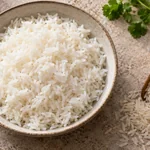
Jasmine rice
Discover the secrets of jasmine rice! Learn how to prepare it properly, what its health benefits are, and why it should be a staple in your kitchen. Read our article and get tips for great recipes!
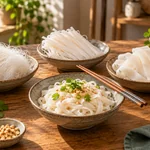
Rice noodles
Discover the fascinating world of rice noodles! Whether it's delicate vermicelli noodles, wide slices, or tapioca varieties, these noodles are the basis of many Asian dishes. In our article, you will learn about their history, how they are made, and how you can incorporate them into your own culinary creations. Immerse yourself in traditional flavors and textures that will introduce you to the secrets of Asian cuisine!
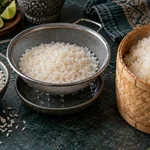
Sticky rice
Discover the secrets of sticky rice! Do you know how this type of rice changes traditional dishes? Read about how it is grown, prepared, and used in selected Asian specialties.
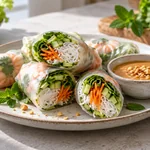
Rice paper
Thin slices are a great ingredient for anyone looking for simplicity, versatility, and flavor variety. Use them to make fresh spring rolls, delicious appetizers, or even sweet desserts. Find out how easily they can become the basis for your favorite dishes!

Basmati Rice
Are you wondering why basmati rice is so popular? This aromatic, long-grain rice has a rich history and is perfect for many dishes. Read about its origins, varieties, and the best ways to prepare it!

Rice oil
Discover the secrets of rice bran oil! This versatile oil is becoming increasingly popular not only in the kitchen, but also in cosmetics. In our article, you will find out what makes rice bran oil so special, what properties it has, where you can use it, and why it should be a staple in your household.

Brown rice
Why does brown rice deserve a place in your kitchen? This article will introduce you to all its benefits, ways to prepare it, and tips on how to incorporate it into your favorite dishes. Discover how brown rice can enrich your diet and give it that extra something!
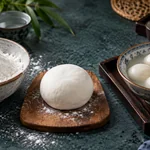
Glutinous rice flour
Discover the world of rice flour! In this article, you will learn about its history, production, and use in Asian cuisine and gluten-free diets. Find out about its health benefits and how to use it in various dishes.
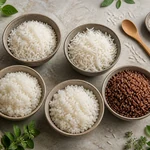
All about rice
We all love rice. In this article, we look at premium varieties like Jasmine and Basmati rice.
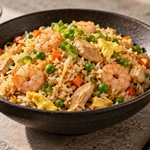
Cantonese Fried Rice (Quick Canton-Style Rice with Egg, Chicken & Veg)
This Canton-style fried rice is the kind of flexible, weeknight-friendly dish you can build from what’s already in your fridge: cold rice, eggs, a little meat (or seafood), and crisp vegetables. The key is simple technique—high heat, quick cooking, and rice that’s properly cooled—so every grain stays separate and flavorful.
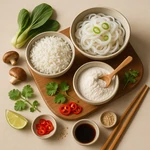
Asian rice dishes: a basic overview (from bowls to festive rice)
In many Asian cuisines, rice is not "just a side dish," but the center of the entire meal. In this overview, you will clarify the main types of rice dishes (bowls with toppings, mixed dishes, fragrant flavored rices, and festive layered dishes) and understand why texture and aroma of the rice are as important as what lies on top.
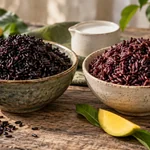
Black and Riceberry rice
Discover the secrets of black rice! This healthy and delicious type of rice is full of antioxidants, fiber, and minerals. Read our article and find out why it should be part of your kitchen!

Brown rice chili paste
Discover the unique flavor of brown rice chili paste! This article will guide you through the world of exotic flavors and show you how this spicy ingredient can spice up your favorite recipes. Read on to find out how it's made, where to use it, and why you should try it!
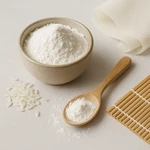
Rice Flour in Asian Cooking: How to Use It (and How It Differs from Glutinous Rice Flour)
Rice flour is one of those quiet pantry staples that becomes incredibly useful the moment you start cooking Asian dishes more often. It can lighten batters, add crispness to coatings, thicken sauces without a wheat taste, and create textures—from delicate and tender to pleasantly chewy—that regular wheat flour simply can’t replicate.
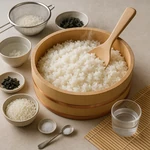
How to cook Asian rice correctly: grain type, texture, and methods for jasmine, basmati, sushi, and sticky rice
"Rice is just rice" does not work in Asian cooking. The same pot and the same method will sometimes give you a fragrant, tender side dish for curry, other times a mushy mess, or on the contrary dry separate grains that don't suit the dish. In this guide, you will clarify how to choose rice and cook it at home so that it has the right aroma, cohesion, and texture – for jasmine, basmati, sushi, and sticky rice.
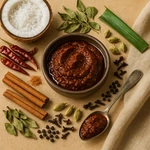
How to start with Sri Lankan cuisine: rice, coconut, sambols, and the smart first plate "rice and curry"
Sri Lankan cuisine is not "Indian curry on an island." It is based on rice, coconut products, bold spices, acidity, chili, and mainly on eating the whole as a combination of several small bowls – curry, sambols, and other accompaniments. If you want to start at home, you need to understand this logic: not chasing one perfect curry, but assembling contrasts so that the food begins to taste Sri Lankan.
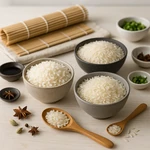
How to choose rice for sushi, curry, and fried rice: texture, aroma, and the right type of grain
Rice in Asian cuisine is not "just a side dish." In sushi, it determines whether the rice holds its shape and can be eaten with chopsticks; in curry, it affects how the sauce meets the aroma and tenderness; and in fried rice, it decides whether you get a loose wok dish or a sticky mash. This guide will help you choose the type of rice based on the dish – and understand why one universal rice is usually not enough.
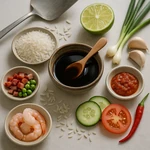
Nasi goreng, fried rice and “Cantonese” rice: how to tell them apart and what to expect on the plate
On menus and in home cooking, three names for “pan” rice often meet: nasi goreng, fried rice and Cantonese rice. They sound similar but do not mean the same thing. In this guide we'll clarify what is a technique (fried rice), what is a specific national style (nasi goreng) and why it makes sense to ask for clarification with “Cantonese rice.” And most importantly: how to choose the right rice and how to achieve good flavor at home without cooking “by one universal recipe.”
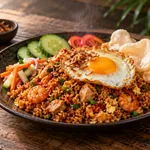
Nasi Goreng (Indonesian Fried Rice) – Easy Weeknight Recipe
Nasi Goreng is Indonesia’s iconic fried rice: smoky, savoury-sweet, and endlessly adaptable. The key is simple—use cold, dry rice and cook everything fast over high heat for that irresistible “wok” aroma.
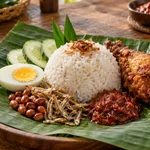
Nasi Lemak (Malaysian Coconut Rice) with Sambal, Anchovies & Peanuts
Nasi lemak is Malaysia’s iconic comfort meal: fragrant coconut rice served with spicy sambal, crunchy peanuts, salty fried anchovies, cucumber, and egg. This home-friendly version keeps the classic balance of creamy, hot, sweet, and crisp—perfect for brunch, lunch, or a quick “rice bowl” dinner.
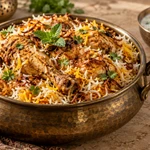
Indian Chicken Biryani Rice (Layered, Aromatic & Restaurant-Style at Home)
Biryani is the iconic Indian layered rice dish where fragrant basmati, warmly spiced meat, and caramelized onions come together in one pot. This home-friendly version keeps the classic “par-cook, layer, steam” method—so you get fluffy grains and deep flavor without complicated equipment.
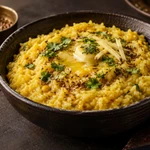
Indian Khichdi (Rice & Lentil Comfort Bowl) – Easy One-Pot Recipe
Khichdi is India’s classic “comfort in a bowl”: rice and lentils gently cooked with warming spices until soft, nourishing, and easy to digest. This simple one-pot recipe is ideal for a light dinner, meal prep, or days when you want something soothing but still satisfying.
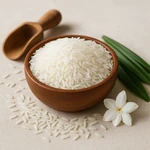
Hom Mali Jasmine Rice: Thailand’s Fragrant Classic That Elevates Any Meal
Hom Mali is the jasmine rice people remember: naturally fragrant, gently sweet, and soft without turning mushy. Learn what “Hom Mali” really means, how it differs from other rice styles, and how to cook it so the aroma and texture shine—whether you’re serving curry, stir-fry, or a simple bowl with herbs and lime.
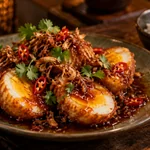
Kai Look Kuey (Thai Chicken Rice Dumplings) with Tamarind Dipping Sauce
Soft steamed rice dumplings filled with savory chicken and served with a bright sweet-sour tamarind sauce—this Thai-style snack is surprisingly simple to make at home and perfect for sharing.
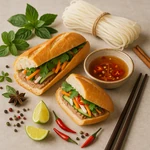
Typical Vietnamese dishes: how to navigate rice, noodles, soups, and street food
Vietnamese cuisine often overlaps with what is common for a large part of Asia: rice and noodles are not just side dishes, soup is often a full meal, and street food is a thoughtful system of quick specialties. In this guide, we will show a practical map of typical groups of dishes, according to which you can orient yourself both on the menu and at home and more easily choose what you will enjoy.
ST25 Jasmine Rice: Vietnam’s Fragrant Staple and How to Cook It Right
In many Southeast Asian meals, rice isn’t just a side dish—it’s the foundation that carries sauces, balances heat, and makes a bowl feel complete. ST25 is a premium Vietnamese jasmine-style rice known for its gentle floral aroma, tender bite, and everyday versatility. Here’s what makes it different, what to pair it with, and how to cook it (pot or rice cooker) without guesswork.
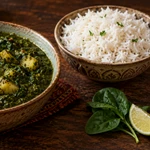
Spinach & Potato Curry with Steamed Rice (Easy One-Pot Curry Paste Method)
This spinach and potato curry is a comforting, meat-free dinner built around a simple curry paste base. Potatoes make it hearty, spinach brings color and freshness, and steamed rice soaks up the creamy sauce—perfect for an easy weeknight meal you can adjust from mild to spicy.
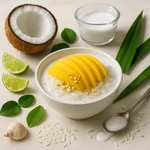
Coconut and rice desserts across Asia: how to navigate flavors and textures
Coconut and rice are among the most common "building blocks" of Asian desserts – but it’s not just about taste. In many countries, texture is equally important (and often more so): the elasticity of mochi, the slipperiness of tapioca pearls, firm agar jelly, or the icy layer of shaved ice desserts. This article provides an overview of the main types of coconut and rice sweets across Asia and practical tips on how to quickly understand them at home.
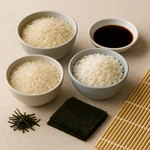
Jasmine, basmati and sushi rice: how they differ and when to use each
“Rice is rice” only holds until you want a really good curry, fluffy biryani or cohesive sushi. Jasmine, basmati and sushi rice differ in aroma, starch structure and how they behave when cooked — and that determines the final texture and how well the rice carries sauce, holds its shape or can be picked up with chopsticks.
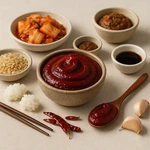
Taste of Korean cuisine: how spiciness, fermentation, rice, and “jang” work in practice
Korean cuisine is not just about spiciness and kimchi. We will explain the layers of flavors that make up Korean dishes – fermented bases (jang), types of spiciness, the role of rice, and working with textures – and provide specific, practical advice on how to safely put this together at home.
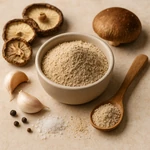
Mushroom Seasoning: the Quiet Umami Boost for Rice, Noodles, Soups, and Stir-Fries
Mushroom seasoning is one of those pantry shortcuts that makes everyday food taste like it had more time, more stock, and more depth. A small pinch can lift rice bowls, noodle sauces, soups, and quick wok meals with a savory, rounded “umami” finish—without turning the dish into something that tastes obviously mushroomy.
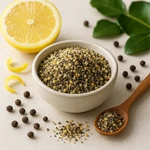
Lemon Pepper: The Bright Citrus Twist That Lifts Fish, Wok Dishes, and Rice
Lemon pepper is a simple seasoning with a surprisingly big impact: the warmth of black pepper meets a clean citrus aroma, making dishes taste lighter and more “awake.” Used well, a small pinch can sharpen stir-fries, refresh fried rice, and bring out the best in fish, chicken, tofu, and vegetables.
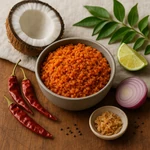
The taste of Sri Lankan cuisine: coconut, spices, acidity and “rice and curry”
Sri Lankan cuisine is not just “Indian curry on an island.” It is a distinct flavor landscape built on rice, coconut products, bold spices, chili and important accompaniments like sambol and various pickled or sour components. You understand it best not through a single iconic dish, but through the way of dining: several different curries and accompaniments mixed together on the plate.
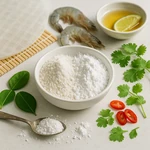
How to work with rice and tapioca flour: texture, techniques, and common mistakes
Rice and tapioca flour are fundamental building blocks in many Asian sweets – not because they "replace wheat," but because they help create specific textures: elastic, sticky, slippery, jelly-like, or pudding-like. If you approach them with the same logic as cake flour, you will often end up disappointed. This guide will help you understand how to think about them, how to choose the right technique (steaming, setting, baking…), and what to avoid.
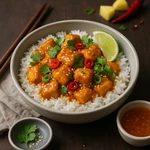
Guide to Asian Dishes and Recipes: How to Navigate Rice, Noodles, and Soups
Searching for an "Asian recipe" is often confusing because it is not one cuisine or one type of dish. In practice, you can start simply: learn to read the three most common families of Asian dishes – rice dishes, noodle dishes, and soup bowls. In this guide, we will compare them according to serving logic, taste, and home use, so recipes stop being random clicks and start making sense for you.
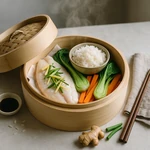
Steaming fish, vegetables, and rice: a gentle technique that makes a big difference
Steaming (cooking with steam) is one of the most important techniques in Asian cuisines – and also one of the most underestimated. When done correctly, it gives the food a pure flavor of the ingredient, juiciness, and a delicate texture without the need for a large amount of fat. In this guide, we will explain why fish, vegetables, and certain types of rice are steamed, how the goals differ for each, and what to watch for at home to avoid dry or overly soft results.
History of Asian cuisines: what shaped flavors from rice fields to big cities
“The history of Asian cuisines” is not a single timeline and a few famous dishes. It is the story of how climate, available crops, seas and rivers, religion, trade, migration and urban life gradually created very different cooking styles. The article will help you navigate the main differences (rice vs. wheat, coast vs. inland, fermentation vs. coconut vs. spices) and give you practical tips on how to choose a direction at home according to taste and how to get started.
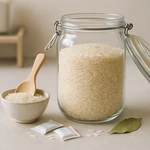
How to store rice at home: to preserve its aroma, taste, and predictable texture
In many Asian cuisines, rice is not just a "side dish" but the foundation around which the whole meal is built. That is why it makes sense to store it so that it remains dry, fragrant (for aromatic types), and above all consistent when cooking. In the article, you will find a practical system for the home pantry, guidance on rice types, and the most common mistakes that lead to bland taste or unexpected texture.

Typical Korean dishes: how to understand them by rice, noodles, soups, and street food
Korean cuisine is often presented as a list of “iconic” names. For practical orientation, however, it works much better to understand in what format the food comes to the table: a bowl of rice, a noodle bowl, soup as a main dish, or a quick/street food approach. In this guide, we will show the main groups of typical Korean dishes, how to recognize them, what to expect from them, and how to start making them at home without unnecessary mistakes.
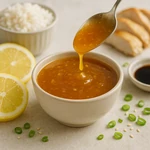
Sauce for Chicken and Rice: How to Nail an Asian-Style Flavor at Home
Chicken with rice can be a quick weeknight dinner or true comfort food—the difference is the sauce. Below you’ll find practical “building blocks” for common Asian-inspired sauce styles (bright and tangy, soy-umami, curry, or tomato-spiced), plus easy ways to thicken, balance flavors, and keep chicken juicy.
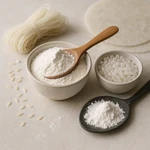
Rice flour, tapioca, and starches: how to choose the ingredient for the right texture
Flour and starch in Asian cuisine often do not play the "main role" in flavor but very often decide on the most important thing: texture. The choice between rice flour, sticky rice flour, and starches determines whether the dough will be elastic, the coating crispy, the sauce shiny, the soup delicate, or the result glassy translucent.
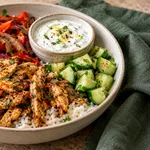
Gyros Seasoning: Flavor Profile, Best Uses, and Why It Works with Rice and Noodles
Gyros seasoning isn’t only for pita nights. This herb-forward blend can instantly give chicken, pork, vegetables, or chickpeas a warm Mediterranean character—and it also fits surprisingly well into quick rice bowls and noodle stir-fries. Here’s what it tastes like, how to use it, and how to avoid the most common mistakes.
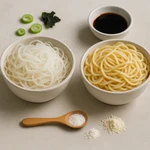
Rice vs. wheat noodles: when to choose which (and why it's not just "about taste")
Rice and wheat noodles behave similarly at first glance, but they serve completely different roles in the bowl. The difference is not just in the ingredient – it reflects in elasticity, "bite", behavior in broth, in the wok, and how easily the noodles overcook. This guide will help you pick the right type based on the dish (pho, pad thai, ramen, udon, mie goreng…) and avoid the most common mistakes.
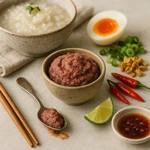
Breakfast in Asian cuisine: why rice, noodles, and hot porridge are eaten in the morning
Asian breakfast is not a single universal category. Depending on the country and region, morning can mean a bowl of rice with side dishes, noodle broth, delicate rice porridge (congee), pancakes made of fermented dough, coconut rice, or even toast and coffee. Often common is that breakfast is salty, warm, practical, and in many places connected to street food.
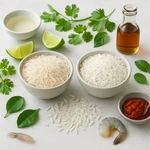
How to recognize quality jasmine and basmati rice: aroma, grain, origin, and behavior after cooking
Both jasmine and basmati rice are aromatic varieties where quality is more apparent than anywhere else: in aroma, grain uniformity, and especially in how the rice behaves after cooking. The article features a practical checklist for selection, explanations of the differences between jasmine and basmati, and the most common reasons why home rice sometimes disappoints even from a “good” package.
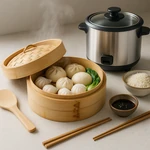
Steamers, rice cookers, and other helpers: what you will really use at home (and why)
Good equipment for Asian cooking is not about "having a special set," but about choosing a few tools that really change the outcome or significantly simplify the work. This applies twice as much for steaming and rice: the right steamer and a sensible approach to cooking rice will help you maintain texture, moisture, and cooking rhythm – without unnecessary purchases based on impressions.
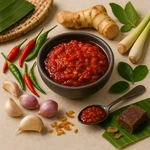
Taste of Indonesian cuisine: sambal, kecap manis, coconut, and rice as the center of the meal
Indonesian cuisine is not a single "national taste," but a broad family of regional styles spread across a vast archipelago. Yet, it repeatedly returns to several fixed points: rice as the center of the meal, chili and sambal, sweet-salty depth thanks to kecap manis, aromatic pastes, and coconut, which can both soften and intensely concentrate the flavor. In this article, we will put these pillars together so that when cooking at home for the first time, you know what you are actually looking for and why it tastes "Indonesian."
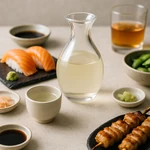
How to pair sake (and related rice wines) with Asian food: a practical guide without confusion
Pairing sake with food is surprisingly easy – until the topic of "rice wine" comes up. This is where most misunderstandings arise: sake does not behave like regular grape wine, mirin is not "sweet sake," and some bottles labeled as cooking wine have a completely different role in the kitchen. In the article, we will clarify the terms and then translate it into practice: when sake works naturally at the table, when it makes more sense to focus on sweetness and glaze (mirin), and when acidity (vinegar, citrus, tamarind) or tea can help you with Asian dishes.
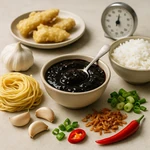
Fast Asian meals in 30 minutes: how to choose and assemble noodles, rice, and cold bowls
Fast Asian meals are not a "simplified restaurant," but a distinct world built on quick finishing, bold flavors, sauces, and texture. Once you understand the main formats (noodles, rice bowls, soups, cold dishes), you can make smart choices at home – and realistically fit into 30 minutes without compromising on taste.
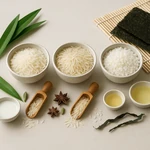
How to choose rice according to the dish: a simple choice, a big difference on the plate
Rice in Asian cuisines is often not just "something to go with the main dish" – it is the foundation upon which the rest of the dish is built. If you choose the wrong type, the sauce won't soak in, the bowl is hard to eat with chopsticks, or the planned fried rice turns into mush. In this guide, you will quickly get oriented in rice types and especially how to select them according to the specific dish.
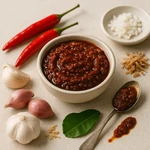
Nasi Goreng Chilli Paste: What It Tastes Like and How to Use It for Indonesian Fried Rice
Nasi goreng is one of Southeast Asia’s most loved “use-what-you-have” dishes—fragrant fried rice that can be mild, smoky, or seriously spicy. A nasi goreng chilli paste gives you that street-food style flavour base in minutes: warm it in oil, toss in cold rice, and build the rest from whatever’s in your fridge.
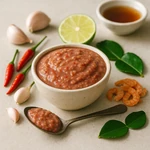
Nam Prik Kapi (Thai Shrimp Paste Chili Dip): the Bold Classic That Wakes Up Rice and Veg
Nam Prik Kapi is a punchy Thai chili dip built around fermented shrimp paste, lime, and fresh chilies. A small spoonful adds salty depth, citrus brightness, and serious heat—perfect for turning plain rice, crisp vegetables, and simple fish or eggs into a complete, satisfying meal.
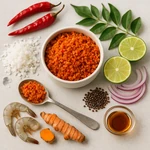
Sri Lankan curry and sambols: how they work together and why "rice & curry" doesn't make sense without them
Sri Lankan cuisine is not just "Indian curry on an island." It is built on rice, coconut, spices, chili, and mainly on a smart composition of the meal: alongside curry (in various forms) stand sambols, pickles, and other complements that precisely tune the heat, acidity, and contrast. Once you understand the role of sambol, Sri Lankan curries suddenly make much more sense.
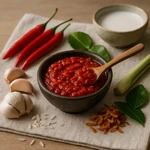
How to start with Indonesian cuisine: rice, sambal, kecap manis, and a few dishes that will teach you the most
Indonesian cuisine is not one "uniform" flavor, but a huge world of regional styles across the islands. The good news is that starting at home is surprisingly easy if you don't try to cook everything at once. In the article, we will show what is typical for Indonesia, how to recognize its flavor, what the most important differences are (including a brief orientation in island Southeast Asia), and how to choose your first ingredients and first dishes without unnecessary mistakes.
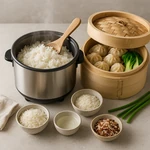
How to choose a rice cooker and steamer: what will really make cooking easier (and what is just "nice equipment")
A rice cooker or steamer is not mandatory equipment – you can cook good rice in a pot and improvise with steam. However, they are among the tools that people often retrospectively call extraordinarily practical: they increase the consistency of the result, reduce errors, and especially free up hands for the rest of the cooking. In the article, we clarify when a rice cooker makes sense, when a pot is enough, and how to think about steaming in a way that matches what you actually cook at home.
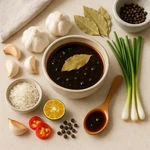
Typical Filipino ingredients: what makes the taste of the Philippines and how to start with them at home
Filipino cuisine is not just adobo. It is island "home" cooking based on rice, pronounced acidity (often from vinegar), salty seasonings with a touch of fermentation, and an aromatic base of garlic, onion, and pepper. In this guide, you will clarify which ingredients are truly typical for the Philippines, their role in dishes, how to recognize the right type, and what to avoid with your first purchases.
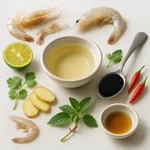
How to use vinegars in Asian cuisine: when to add acidity, with what, and why it matters
Vinegar in Asian cuisine is not an "extra sourness," but a practical tool that can enhance flavor, balance saltiness, and make the dish clearer. When you know when acidity should be part of the base and when it is just a final accent, you will decide much more confidently in sauces, dips, and marinades.
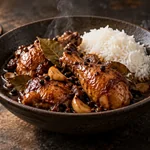
Recipe for Adobo with Sauce
Discover the taste of the Philippines! Adobo is a traditional dish that combines unique ingredients and rich history. Try this delicious recipe that will transport you straight to the Philippines—perfect for any occasion!
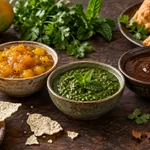
Chutney
Discover the magic of chutneys, sauces that will liven up any dish. Whether you like sweet mango, spicy garlic, or refreshing coriander, each variety adds a unique flavor. Learn how to use them with your favorite foods and discover new flavors.
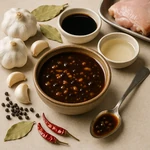
Filipino home-cooked meals: what they taste like and how to understand them
Filipino cuisine is home-style, practical, and surprisingly diverse. To understand it, knowing just one "national" dish is not enough – it is important to understand the role of rice, how acidity and saltiness work, why vinegar is so prominent, and how main dishes, soup, side dishes, and sauces interact on the table. The article provides guidance on typical home dishes (adobo, sinigang, kinilaw, sisig), regional differences, and specific tips on how to start cooking Filipino food at home.
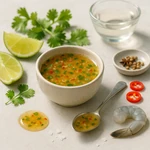
Why food doesn't taste like in a restaurant: the most common causes (and what to do about them at home)
You cook noodles or "something like" an Asian stir-fry, but the result is flatter, heavier, or flavor-wise indefinite – while in a restaurant it tastes clear and "lively." Often it is not one secret trick, but several repeated beginner mistakes: a poorly chosen style of cuisine, missing final seasoning, uncontrolled spiciness, and unfinished preparation of ingredients. In the article, we break it down into specific steps that can be done right at the next cooking.
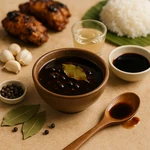
Typical Filipino dishes: adobo, sinigang, kinilaw and sisig (and how to understand them at the table)
Filipino cuisine has a clear identity, but it cannot be reduced to a single "national" dish. Typical Filipino dishes only make sense when you understand three things: rice is the center of the plate, sourness and saltiness are the main flavor axis, and vinegar and salty seasonings play an important role. In this article, we will show you four representative dishes (adobo, sinigang, kinilaw, sisig) and practically explain how to eat them and why they taste the way they do.
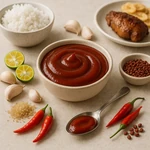
How to start with Filipino cuisine: flavor logic, first dishes, and mistakes beginners make
Filipino cuisine is not just adobo – it is a practical, "homey" island cuisine built on rice, strong sourness, and salty umami seasoning. In this guide, you will clarify how typical Filipino flavor works, how it differs from neighboring island styles (Indonesia, Malaysia, Singapore), and most importantly: what to start with at home so that your first attempts make sense and have quick success.
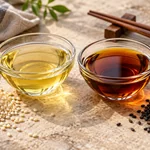
Sesame oil
Sesame oil is a great way to enrich your dishes with a rich flavor while reaping health benefits. Full of healthy fats and antioxidants, this oil is ideal for seasoning, marinating, and cooking. Try it in Asian and European recipes and discover how it can enrich your culinary experiences.
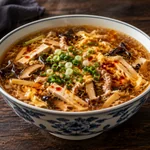
Hot & Sour Soup (Quick Chinese-Style Recipe)
Hot & Sour soup is all about contrast: a warming chilli kick balanced by bright vinegar, plus satisfying textures from mushrooms, tofu, and silky egg ribbons. This home-friendly version comes together fast and is easy to adjust—make it sharper, hotter, or heartier depending on what you crave.
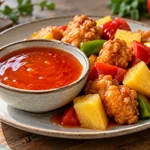
Sweet and sour sauce
Discover the secrets of sweet and sour sauces. Learn how to make them and use them in various dishes, from fried foods to noodles and dips. This article will show you how to add new dimensions to your favorite meals.
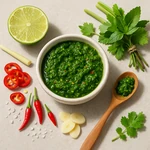
Fresh herbs, acidity, and spiciness: why cold Asian dishes taste "finished"
Asian cold cuisine is not a "diet salad" or randomly mixed vegetables. It is often a complete meal built on fresh herbs, active acidity, and a spicy spark – and mainly on a dressing or dip that holds the whole plate together. In the article, we clearly explain how these elements work, their variations, and how to assemble a cold bowl or noodle salad at home so it doesn’t taste "unfinished."
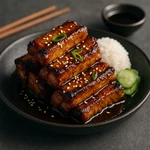
Sticky Honey Soy Ribs (Sweet-Salty Glaze That Clings to Your Fingers)
These oven-baked ribs get their “restaurant shine” from a simple two-step method: slow, covered roasting until tender, then quick high-heat glazing with a honey–soy sauce reduction scented with garlic and ginger. The result is deeply savory, gently sweet, and irresistibly sticky.
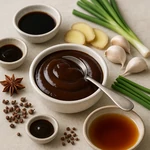
Typical Chinese ingredients: what forms the basis of flavor and how to use them at home
"Chinese cuisine" is not a single uniform tradition, but a wide family of regional styles. Nevertheless, certain ingredients are repeated in it, without which home cooking with Chinese influences often sounds flat or "un-Chinese." In this guide, you will find an overview of the most typical ingredients, their function in dishes, the main differences, and practical tips for first use.
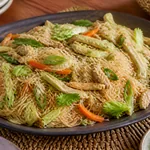
Fried noodles Pancit Bihon
Pancit Bihon or Pancit Guisado are Filipino fried noodles that you will definitely love for their simple preparation and great taste.
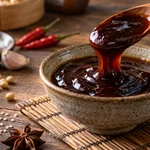
Hoisin Sauce: What It Is, How It Tastes, and How to Use It Well
Hoisin sauce is the sweet-savoury, deeply aromatic condiment that can make a simple stir-fry taste restaurant-level in minutes. Learn what’s inside, what it pairs with, and how to avoid common mistakes—plus a few fast ways to use it beyond dipping.
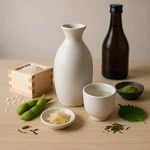
Sake and Asian Alcohol for Beginners: What Is What, Why It Gets Confused, and How to Use It in Cooking
“Rice wine” sounds simple, but in Asian cuisine, this term covers several different things – and mixing them up in recipes creates unnecessary confusion. In this guide, you'll clarify what sake is, what mirin is, why they are often used together, and how to practically incorporate them into home cooking to make dishes more delicate, refined, and harmoniously flavored.
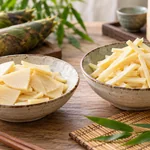
Bamboo shoots
Bamboo shoots are a great addition to any Asian cuisine. Would you like to learn how to prepare them properly and what they can offer your diet? In our article, you will learn all about their nutritional values, uses in the kitchen, and tips for selecting and storing them. Add them to your dishes and discover their fresh and crunchy taste!
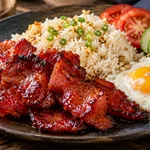
Homemade Filipino Tocino (Sweet-Cured Pork) Recipe
Tocino is a Filipino classic: thin slices of pork cured in a sweet-salty marinade, then pan-cooked until glossy and lightly caramelized. This homemade version is easy to prep ahead and perfect for a comfort-food breakfast with rice and a fried egg.
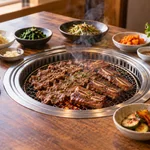
Korean BBQ
Discover the magic of Korean BBQ! With delicious sauces and tasty side dishes, you'll enjoy an unforgettable grilling experience full of flavors you'll love.
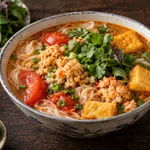
Bún Riêu (Vietnamese Crab & Tomato Noodle Soup) Recipe
Bún Riêu is a bright, savory Vietnamese noodle soup built on tomatoes, seafood umami, and a generous pile of fresh herbs. This home-friendly version keeps the signature sweet-sour balance and “riêu” crab clusters—without requiring hard-to-find ingredients.
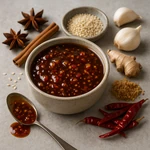
Spice for Honey-Glazed Ribs: Building a Sweet-Savory, Asian-Inspired Sticky Finish
Honey ribs feel “restaurant-level” because the flavor hits in layers: sweet up front, savory in the middle, and warm spice in the finish—plus that glossy, sticky glaze. The secret isn’t complicated technique; it’s choosing a spice profile that can season the meat and still shine after caramelization.
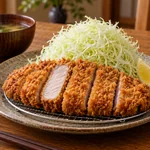
Recipe for Tonkatsu with Sauce
Discover the magic of Japanese cuisine with this recipe for a crispy dish that will amaze you with its simplicity and great taste. When tender pork chops meet a delicious sauce, the result is a dish that is perfect for any occasion. Be inspired by this recipe and experience a unique combination of flavors right in your own kitchen!
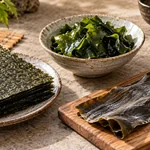
Seaweed
Discover the power of the ocean on your plate! Seaweed brings unique flavors and nutritional properties to the kitchen. From sushi to soups, its uses are endless. Add this natural ingredient to your diet to boost your health and enrich your meals!
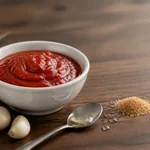
The Sriracha Phenomenon
Currently one of the most popular chilli sauces in the world. Recipe for homemade Sriracha!
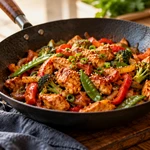
Sweet paprika how to use it in Asian cuisine
Sweet paprika is often treated as a “background” spice, but it can do three very practical things at once: deepen colour, add gentle sweetness, and round out sharp flavours—without extra heat. That’s exactly why it fits not only European staples, but also many everyday Asian stir-fries, noodle dishes, rice bowls, and soups.
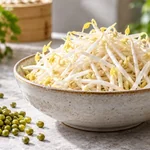
Mung bean sprouts
Discover the benefits of mung bean sprouts! In this article, you will learn how to easily grow them at home and how to use them in various dishes, from salads to stir-fries. Ideal for healthy and tasty cooking!
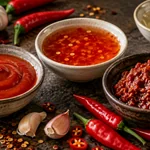
Chili sauce
Want to add a new dimension to your dishes? Chili sauces will liven up grilled foods, tacos, soups, or salads. With different levels of spiciness, everyone can find the right one for them. Whether you're looking for a mild flavor or intense heat, chili sauces will give your dishes an exciting taste experience.
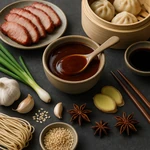
Typical Chinese dishes: overview of groups and what to taste
Chinese cuisine represents many different worlds of flavors. In this article, you will find an overview of the main groups of typical dishes, representative dishes (what they are and how they taste), practical tips for starting at home, and the most common mistakes to avoid.
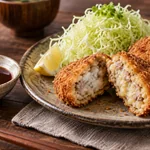
Worcester
Want to know how Worcester sauce can spice up your favorite recipes? Read our article and find out how this versatile condiment adds unique flavor to your dishes!
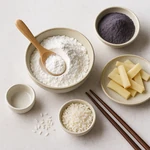
10 ingredients with which you can cook the most
A good "Asian pantry" is not about having dozens of sauces and pastes at home. It's about a few functional basics that repeat across many dishes: something for saltiness and umami, something for acidity and sweetness, something aromatic, something starchy and a few quick guarantees for texture. Here is a practical ten that will let you cook a surprisingly wide range of Asian dishes even from common fresh ingredients.
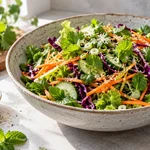
Salad Seasoning Blend
A bowl of greens can be a quick, light meal—or it can feel like “just vegetables.” A ready-made salad seasoning blend is the shortcut that bridges that gap: it adds aroma, rounds out flavor, and helps your dressing taste intentional even when you’re short on time.
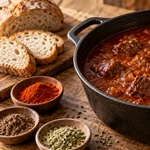
Goulash seasoning how to use it correctly?
Goulash seasoning is often treated as a one‑dish blend—something you grab only when you’re making a pot of stew. But its paprika-and-herb profile is versatile: used carefully, it can add warmth and depth to quick pan dinners, rice bowls, and even noodle stir-fries. Here’s how to get the best flavour without bitterness or heavy saltiness.
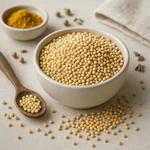
White Mustard Seeds: Flavor, Uses, and How to Cook with Them in Asian Cuisine
White mustard seeds may look like a minor pantry item, but used well they add fragrance, gentle heat, and a savory “lift” to curries, dals, stir-fries, and pickles. Here’s what they taste like, how they differ from darker mustard seeds, and when to use them whole or ground.
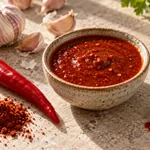
Cajun sauce
Add a spicy touch to grilled meat, fish, or vegetables with Cajun sauce. In this article, you will find its history, tips for use, and simple recipes for perfectly seasoning your dishes.
