


 Česky (CZK)
 Slovensky (EUR)
 Deutsch (EUR)
 Austria
 Belgium
 Bulgaria
 Croatia
 Denmark
 Estonia
 Finland
 France
 Germany
 Greece
 Hungary
 Italy
Italy Latvia
 Lithuania
 Luxembourg
 Netherlands
 Poland
 Portugal
 Romania
 Slovenia
 Spain
Spain Sweden










How to start with Filipino cuisine: flavor logic, first dishes, and mistakes beginners make
Filipino cuisine is not just adobo – it is a practical, "homey" island cuisine built on rice, strong sourness, and salty umami seasoning. In this guide, you will clarify how typical Filipino flavor works, how it differs from neighboring island styles (Indonesia, Malaysia, Singapore), and most importantly: what to start with at home so that your first attempts make sense and have quick success.
Filipino cuisine in a nutshell: rice, sourness, and table seasoning
Filipino cuisine is a broad island cuisine that includes everyday home cooking, regional specialties, urban street food, and festive dishes. For beginners, it is more important than "knowing all the regions" to understand several recurring principles that appear again and again in dishes.
- Rice is the center of the meal – it is not just a side dish, but the base through which the intensity of the sauce and seasoning is read.
- Sourness is one of the main flavor axes (often stronger than people expect).
- Vinegar plays a significant role – not only as “acidification” but as a flavor tool that defines the dish.
- Saltiness and umami often come from fish sauce, soy seasonings, and fermented bases – and it’s good to recognize the difference between liquid seasoning and thick fermented paste.
- Aromatics are straightforward: garlic, onion, black pepper (and sometimes a light sweetness).
- Table dips and sauces are not just extras – they are often part of the “service logic,” because they allow fine-tuning sourness/saltiness right on the plate.
This is why entering Filipino cuisine can be relatively accessible: the bold flavor often does not arise from complex techniques, but from clear, repeatable principles.
How Filipino flavor works (and why it’s not just “spicy Asia”)
Beginners sometimes imagine “Asian food” as automatically spicy and over-seasoned. For the Philippines, it is more useful to think of several flavor lines that combine depending on the type of dish:
- sourness (it is an organizing principle, not a minor detail),
- saltiness,
- umami (depth of flavor often from fermented bases),
- garlic and onion aromatics,
- light sweetness (not always, but often as a counterbalance),
- spiciness (sometimes, but not mandatory).
It’s important where the sourness comes from in practice. In Filipino dishes, it can be based on vinegar, but also other sour ingredients like tamarind, calamansi (a small citrus), green mango or other strongly sour ingredients. This "direct" sourness often distinguishes the Filipino impression from cuisines that rely more on herbal freshness or coconut creaminess.
Island Southeast Asia: how the Philippines differ from Indonesia, Malaysia, and Singapore
Island and port Southeast Asia share the reality of rice and strong seasonings, but individual cuisines have different “focus points.” A brief comparison is practical mainly to avoid accidentally buying a flavor that points somewhere different than expected.
Philippines: vinegar, sourness, and clear home-style sauces
The Filipino start is typically about mastering vinegar, with saltiness (fish/soy line) and rice as the “measure” of flavor. Table dip often plays a role too – a quick sour-salty sauce that finishes the dish at serving.
Indonesia: sambal and a different kind of spiciness
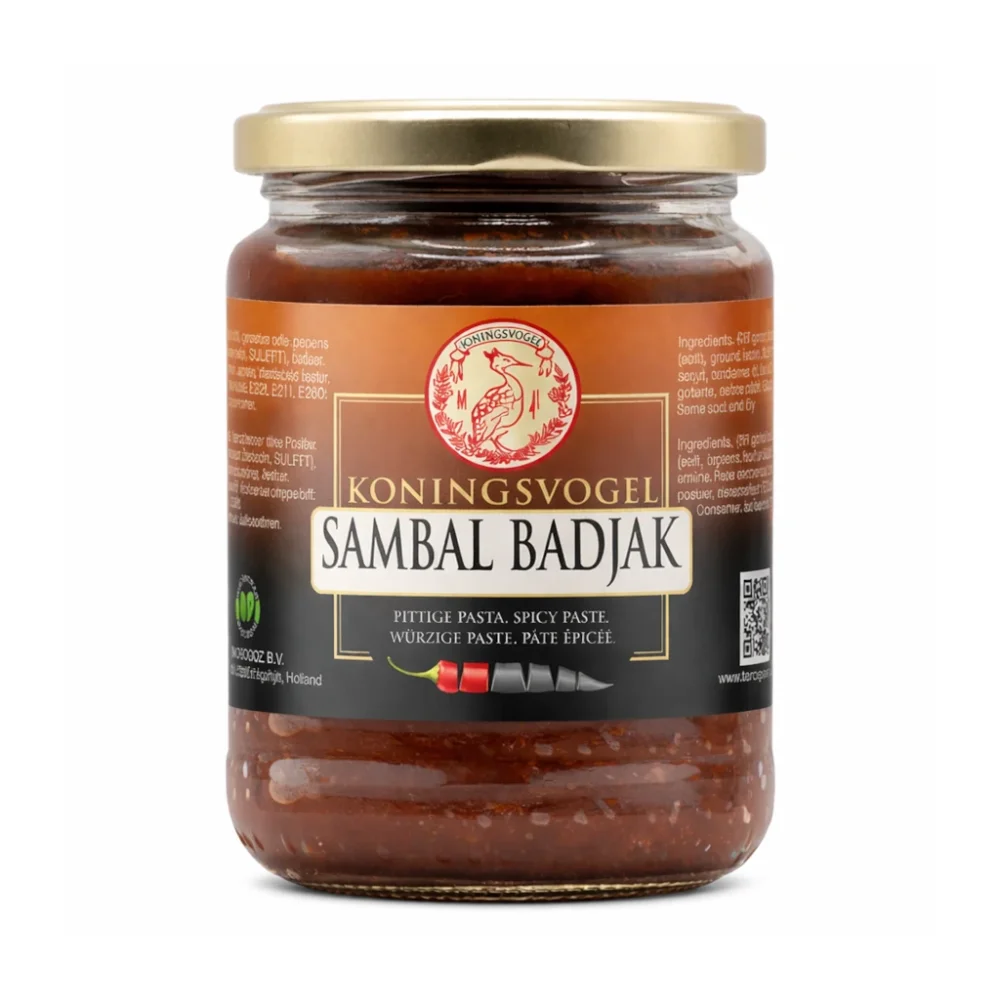
In Indonesian home cooking, you often encounter sambal (chili paste) and generally a different type of spiciness. If you want to taste this direction alongside the Filipino sour line, a good illustration might be Koningsvogel Chilli pasta Sambal Badjak – it’s a quick way to the “sambal” impression, which is flavor-wise something different from the Filipino sour-salty blend.
Malaysia and Singapore: coconut rice, laksa, and the “hawker” mix of influences
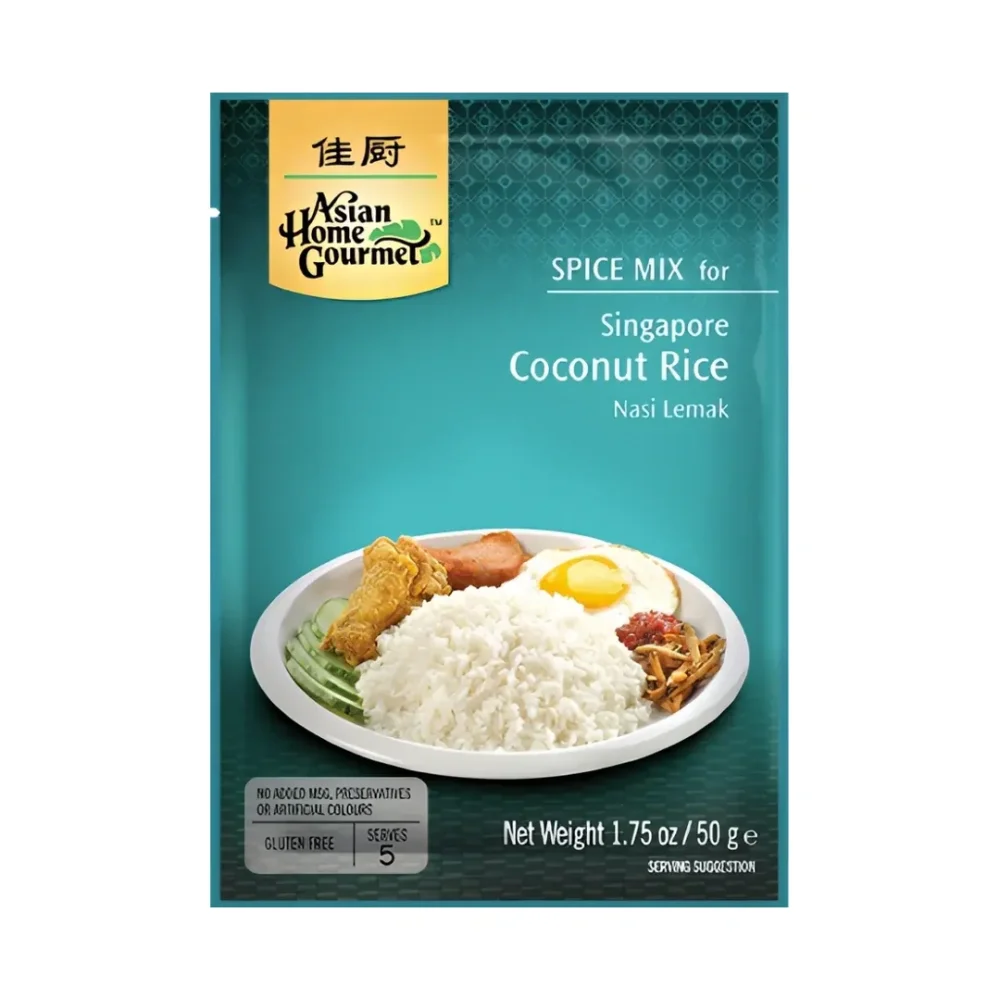
The Malaysian and Singaporean world is recognizable to many people through dishes like nasi lemak (coconut rice) or laksa (a bold noodle dish with a coconut character). To quickly understand this direction, there are also ready pastes, for example AHG paste for coconut rice Nasi Lemak. Take it as a taste of a neighboring island style – not as a “Filipino shortcut.”
Best first dishes: 6 steps to learn Filipino cuisine fastest
A good strategy is not to “understand everything,” but to select a few dishes that teach you basic logics: rice, sourness, vinegar, working with saltiness, and the relationship of the main dish to the dip on the table. These are typical good first steps:
1) Simple adobo: school of vinegar and sauce
Adobo is an excellent start because it teaches you how vinegar (and generally sourness) works in Filipino context combined with saltiness. It’s a dish where it makes sense mainly to watch the balance and not get thrown off by the fact that without rice the flavor seems “too much.”
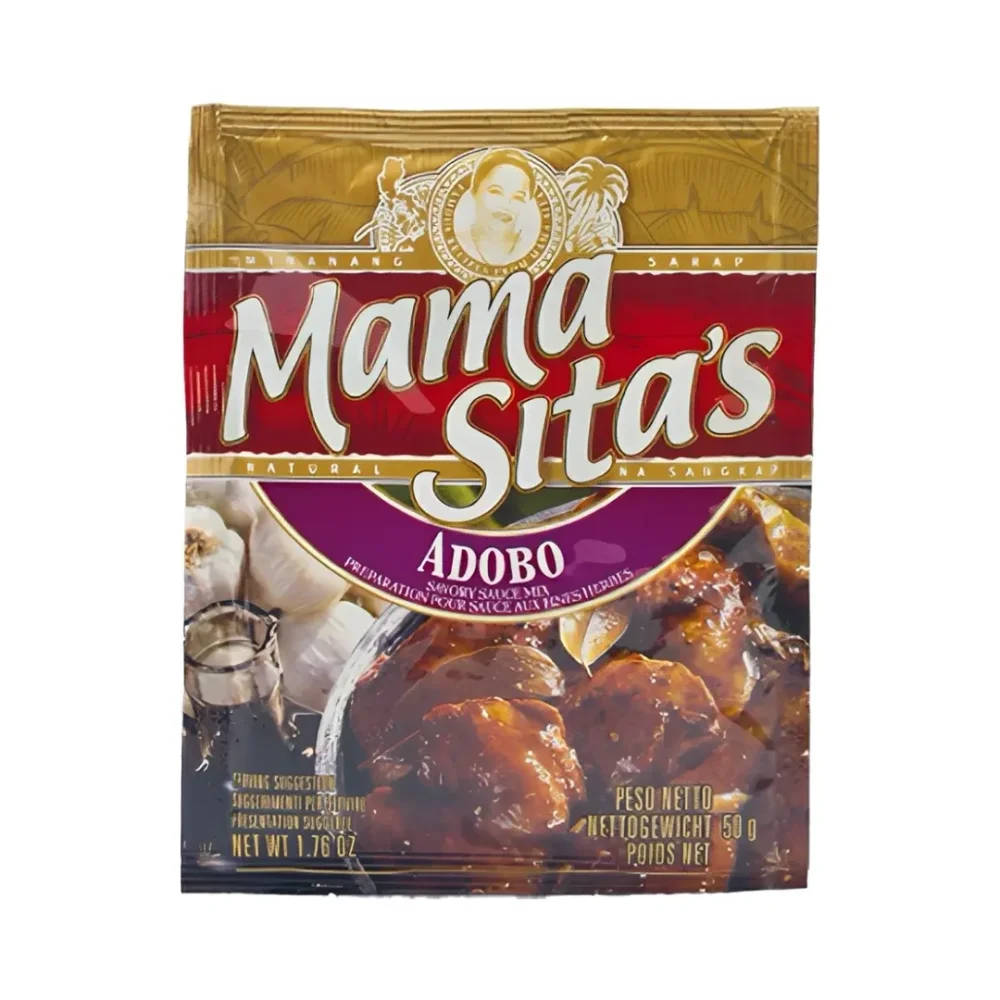
If you want to simplify the first attempt as much as possible and focus on the principle (instead of solving ten details), a ready base like Mama Sita's Adobo Sauce Mixcan help. Consider it as flavor training: understand what “adobo character” is, and only then work on your own tuning.
2) Sinigang: sourness as the main “engine” of the dish
Sinigang (sour soup) is an excellent step if you want to finally settle that Filipino cuisine can be distinctly sour and that this is intentional, not a mistake. With this type of dish, it’s good to taste continuously and build sourness gradually – for beginners, it’s better to end up with a “pleasantly sour” result than to try hitting the extreme.
3) Garlic rice: understanding the role of rice (it’s not a secondary character)
Garlic rice is a small trick with a big impact: suddenly you understand that rice in Filipino dishes isn’t just filler, but a partner to the sauce. When you handle rice well, many dishes start to make sense on their own – because rice “carries” saltiness and sourness and helps balance.
4) Pancit: noodles as another path to home comfort
Pancit (noodle dish) is a good start if you want a homey, accessible dish that relies more on seasoning and aromatics than complex technique. From a learning perspective, it’s useful mainly because it makes you watch saltiness and umami so that the dish is not just “salty” but has depth.
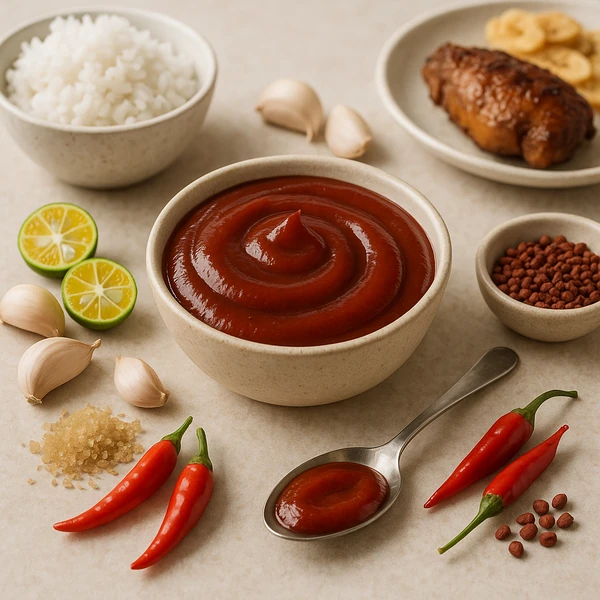
5) Simple dip with calamansi and a fish or soy component: the Filipino "table"
Include a simple dip in your start too: it will show you why Filipino dishes are often fine-tuned only at serving. Practical advice for home onboarding: mix the dip first milder and only gradually add sour and salty components. The goal is not to "overpower" the dish, but to give it a choice on the plate.
6) Light coconut direction: understanding the "Bicol" line
Filipino cuisine also has a place for working with coconut milk – as a milder, rounder counterpoint to sharp sourness. If you want to understand this principle quickly, it helps to try a simple dish where coconut milk isn’t just “cream,” but a bearer of flavor and texture. To orient yourself with the ingredient itself, a guide to coconut milk can be useful (different products can behave differently, and it’s useful to choose according to intended use).
First purchase and a “small pantry”: what to deal with right away and what to leave for now
The most common mistake beginners make is wanting to buy “Filipino cuisine” as a big package. At the start, the opposite approach works: build a small pantry so you can cook several first dishes from it and so each new item has a clear function.
🍜 What to watch immediately: ingredient function and label
For Asian ingredients, small text often decides. Practical rule: the ingredient list is in descending order, so the first items mostly determine the product's character. To avoid disappointment, mainly watch:
- if you’re buying a base (meant for cooking), or a seasoned “table” sauce (meant rather for finished dishes),
- if the expected flavor is mainly driven by water/sugar/thickeners,
- if the product is more of a fermented base (umami) or just a seasoning.
What to skip for now: overly specialized items without a clear plan
Some intense fermented pastes and very narrowly focused sauces are not “bad” – just not ideal as a first purchase. Warning signs are: very narrow use, need for precise dosing, and uncertainty about what you actually want to put it into. For onboarding, it’s better to have a few more universal building blocks that let you cook adobo/sinigang/garlic rice/pancit and one dip.
Common beginner mistakes and quick fixes
- “Filipino = mainly spicy.” Fix: instead of spiciness, first watch sourness, saltiness, and garlic-onion aromatics. Consider spiciness an optional addition.
- I cook the sauce “just right” without rice, but with rice it turns bland. Fix: always taste in the context of rice – rice dilutes intensity, and that’s intentional, not a mistake.
- I overshoot the sourness. Fix: add acidic components gradually and taste in small steps. It’s easy to “overshoot” with Filipino dishes if you try to hit intensity right away.
- I confuse fish sauce, soy seasoning, and fermented paste as “the same salty thing.” Fix: treat them as different tools. Liquid seasoning behaves differently from thick fermented base – and the flavor result will differ, even if both taste salty.
- I buy based on the picture of the finished dish or the words “authentic/premium.” Fix: it’s faster to read the label and choose by function (base vs. table sauce, fermented character vs. sugary seasoning).
- I buy too many specialties at once and then don’t use them. Fix: pick 2–3 first dishes and buy only what repeats among them.
What to take away from the article
- Filipino cuisine stands on a simple but specific logic: rice as the center, sourness and saltiness as an axis, a prominent role of vinegar and the importance of umami seasoning.
- The fastest start is not “everything,” but a few dishes that teach the principle: adobo, sinigang, garlic rice, pancit and a simple calamansi dip.
- Filipino flavor is not automatically spicy; it is often sour, salty, garlicky, peppery, sometimes slightly sweet – and depends heavily on the balance with rice.
- When shopping, choose based on function (base vs. table sauce) and start with a small pantry, which you'll realistically rotate through.

Read next
If you want to explore this topic further, continue with these related blog guides and articles:
