


 Česky (CZK)
 Slovensky (EUR)
 Deutsch (EUR)
 Austria
 Belgium
 Bulgaria
 Croatia
 Denmark
 Estonia
 Finland
 France
 Germany
 Greece
 Hungary
 Italy
Italy Latvia
 Lithuania
 Luxembourg
 Netherlands
 Poland
 Portugal
 Romania
 Slovenia
 Spain
Spain Sweden










Asian rice dishes: a basic overview (from bowls to festive rice)
In many Asian cuisines, rice is not "just a side dish," but the center of the entire meal. In this overview, you will clarify the main types of rice dishes (bowls with toppings, mixed dishes, fragrant flavored rices, and festive layered dishes) and understand why texture and aroma of the rice are as important as what lies on top.
Under the single word "rice" lies a surprisingly wide world: from a neutral base that absorbs sauces and softens spiciness, to rice that itself carries the main taste and aroma of the entire dish. To quickly orient yourself in Asian rice dishes, it's helpful to think about what relationship the rice has to what is served with it – whether rice is just a base or the main "carrier of identity."
Why rice dishes are so important in Asia
Rice is a staple food in a huge part of Asia – and that also changes how people think about meals. In many countries, the more common question is "what will go with the rice" rather than "what will be the side dish." Practically, this means:
- Rice often serves as a stable, neutral center of the plate (or bowl) around which other components are arranged.
- Other components are chosen to combine well with the rice – both in flavor and texture.
- A rice dish can be very simple or festive; the principle is the same, only the "richness" of the additions changes.
- The same rice can be part of breakfast, lunch, dinner, and festive tables.
Moreover, rice is not just "filler." It affects how sauces are eaten, how saltiness and spiciness are balanced, and how the dish works as a whole. That's why in Asian cuisines, much attention is paid to how the rice should smell after cooking and how it should behave in the mouth (loose, cohesive, sticky, chewy, aromatic…).
When rice is the main dish and not just a side
In the European context, rice is often perceived as a side "beside something." But in Asian cuisines, formats are very often created where rice is directly the construction of the main dish – and everything else is designed to work with it.
This is typical in dishes served as a complete bowl (or plate) and needing no additional sides. Though donburi, bibimbap, nasi lemak, nasi goreng, or biryani are completely different dishes, they share key things:
- Rice is not secondary.
- The meal rests on the relationship between rice and topping or sauce.
- Important is the aroma and texture of the rice, not just "that it is cooked."
- Often it is a complete whole without needing additional sides.
- Very often associated with everyday life (quick bowls) or conversely with celebration (layered rice dishes).
Four main worlds of Asian rice dishes (orientation map)
For quick orientation, it is useful to divide Asian rice dishes into several "families" according to what exactly the rice does in the dish. Below are four basic worlds and typical examples for each.
Rice with topping in one bowl: "rice below, main thing on top"
This includes dishes where cooked rice is the base and on top is one main component (or a clear composition). This makes sense when you want the rice to be "scooped" together with the topping and sauce.
- Donburi and its well-known subtypes: gyudon, oyakodon, katsudon.
- Some Korean and Taiwanese bowls.
- Some street food "bowl" formats.
Practical takeaway: if you enjoy the simple logic of "rice + one distinct layer on top," you will probably like this type of dish the most.
Mixed and composed rice dishes: when rice is mixed, layered, and flavored
In this family, rice is a more active part – often mixed with several ingredients, flavored or layered so that each bite has multiple components at once.
- Bibimbap (a composed and mixed rice dish).
- Nasi goreng and various worlds of "fried rice."
- Some bowl and "mixed rice" variations.
Practical takeaway: if you seek dishes where multiple textures meet (vegetables, meat/tofu, sauces) and rice holds it all together, you are at home here.
Coconut, flavored, and regionally aromatic rice: when the identity is mainly carried by the rice
Here, the important thing is that the rice itself has a distinct taste and aroma – and is not just a neutral base.
- Nasi lemak.
- Milk rice / kiribath.
- Yellow rice.
- Rice cooked in broth or fat and other regionally aromatic variants.
Practical takeaway: if you want rice that "smells on its own" and gives character to a dish even with simpler additions, look for this type.
Festive and layered rice dishes: when rice is part of a bigger whole
This includes dishes where rice appears as part of a larger, often shared or celebratory composition. Typically, these are formats working with layering and a more distinct structure of the entire dish.
- Biryani as an example of a festive, "layered" rice dish.
Practical takeaway: if you want a rice dish that feels "festive" by its very construction, this family will attract you.
Japan: donburi as a bowl with clear logic
Donburi is useful to know even as a pure orientation point: it is a bowl where rice is the base and on top comes the main component (or composition). In practice, you often encounter names like gyudon, oyakodon or katsudon – it is always the same principle: "one bowl, one clear center."
Donburi (and generally Japanese rice serving) is typical with rice that after cooking is more cohesive – so it can be easily scooped and forms a stable base for the bowl. Here it is clearly seen that "the right rice" is not a universal commodity: you want different texture for a bowl and another for dishes where the rice should be long and separate.
How to choose rice (and some supporting ingredients) so that a rice dish works at home
The biggest shift in home cooking often doesn’t come from buying "something more exotic," but from choosing the right type of rice for the specific dish and treating rice as an active part of the result.
🌶️ 1) Start from the dish, not from random rice "you have at home"
One of the most common mistakes is choosing rice just by price or what happens to be left in the pantry. A practical (and proven) choice goes the other way: first say to yourself, what texture and role the rice should have in the dish, and only then choose.
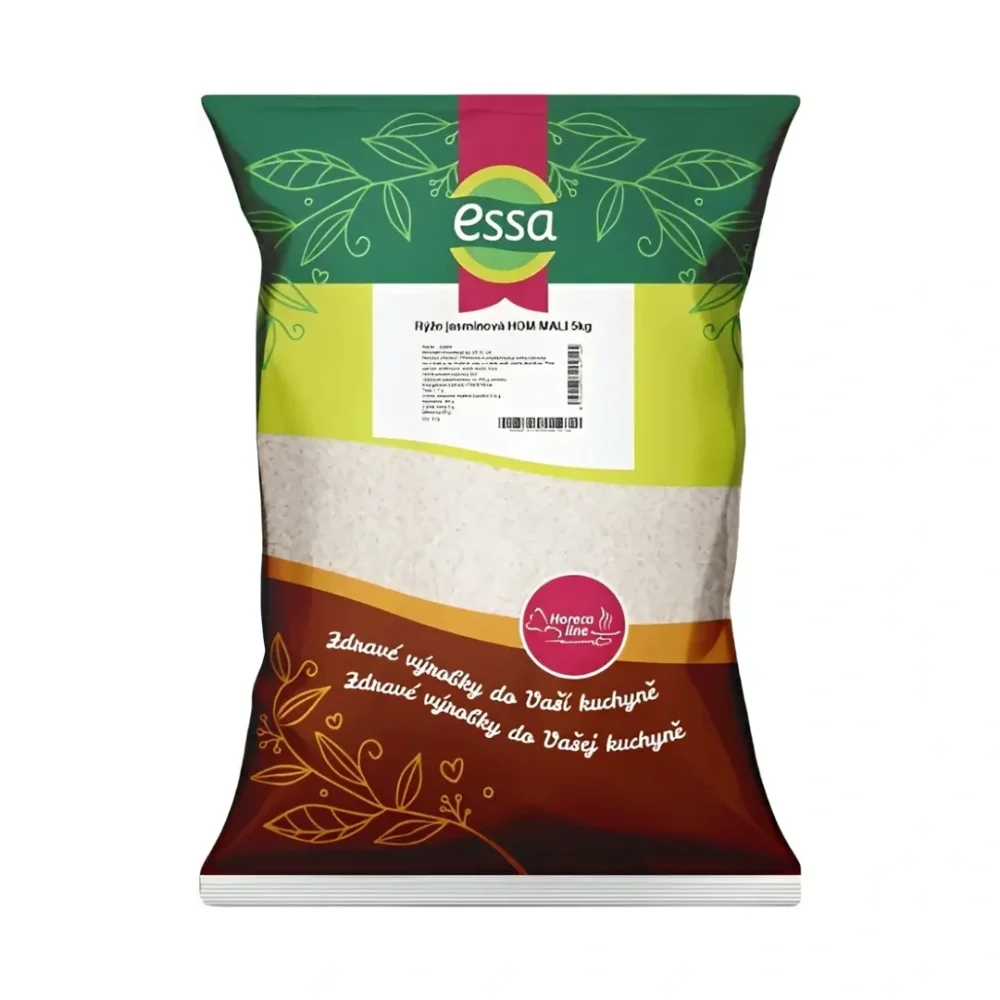
- When you want aromatic and tender rice that carries the sauce well, often jasmine rice makes sense jasmine rice. A concrete example can be ESSA Jasmine Rice Hom Mali.
- When you want loose, longer, and "separate" rice, typically you reach for basmati.
- When you want a flexible, cohesive, stickier texture, it is a different type than common side dish rice – you can roughly think of it as sticky rice (for a basic overview see the guide sticky rice).
- When you need rice that holds together (e.g., for shaping and picking with chopsticks), you use short-grain sushi rice.
- When you want a more pronounced, rustic variant, you can consider natural rice – but expect a different texture and longer preparation.
If you want to see different types of rice and related products together, the guide rice and rice productswill help.
2) Texture is not a detail: what simply decides stickiness
In rice, the ratio of starches practically manifests: in general, rice with a higher amylose content tends to be drier, firmer, and less sticky, while rice with a lower amylose content tends to be softer and stickier. So-called sticky rice has very little or almost no amylose – after cooking, it is flexible and cohesive.
This is not theory for chemists: it is a practical reason why one rice works great as a "base for sauce" and another fits where grains should be separate and the impression is of long grains.
3) Keep in mind that different cuisines handle rice differently
- Thailand and part of Southeast Asia: a strong role for jasmine rice and in some regions also sticky rice; often as a base for curry, stir-fry, and grilled dishes.
- India and Pakistan: basmati holds an important place when the goal is long, separate, and aromatic grains.
- Japan: short- and medium-grain rices with higher cohesiveness, suitable for sushi, donburi, and everyday serving.
- Korea: rice as a common dining base (not just "something on the side"), often combined with banchan and soups.
- Vietnam: besides dining rice, related rice products (noodles, rice paper, rice flour) are very important.
4) Rice is not just grains: noodles and flour as "other faces" of rice dishes
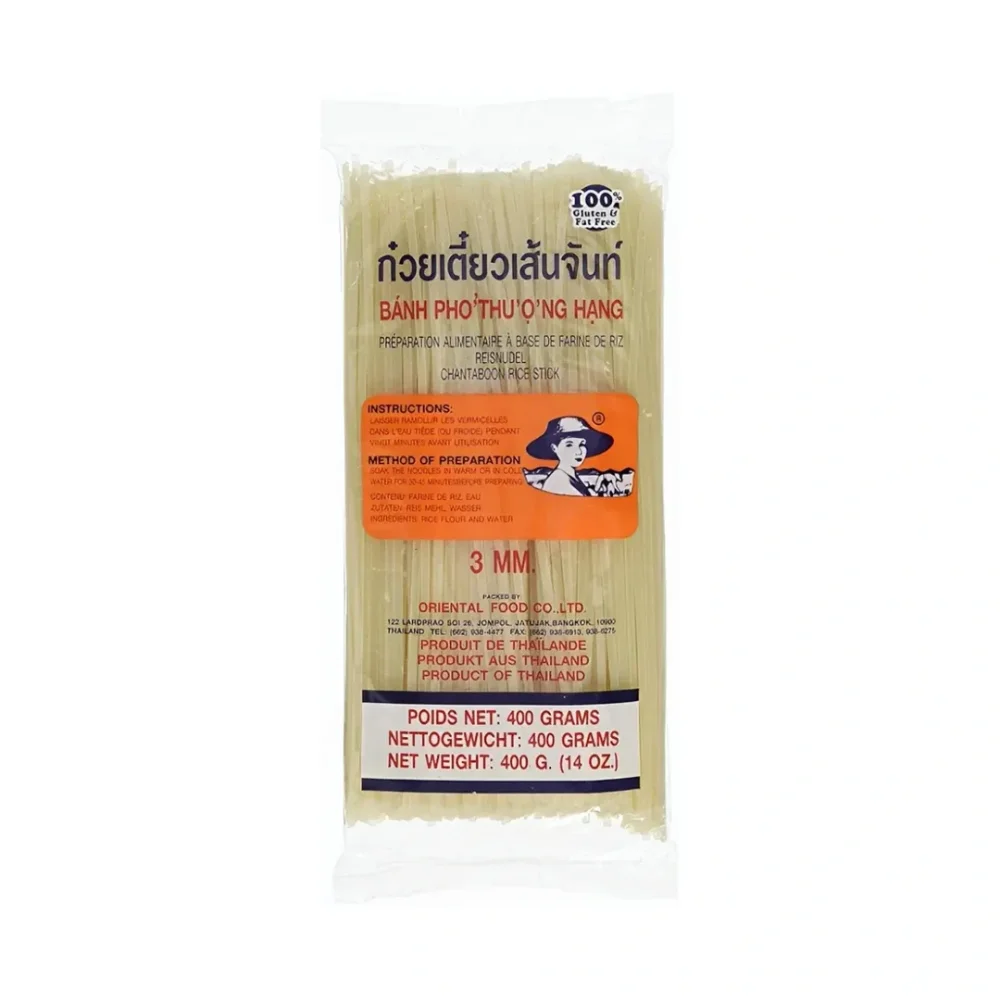
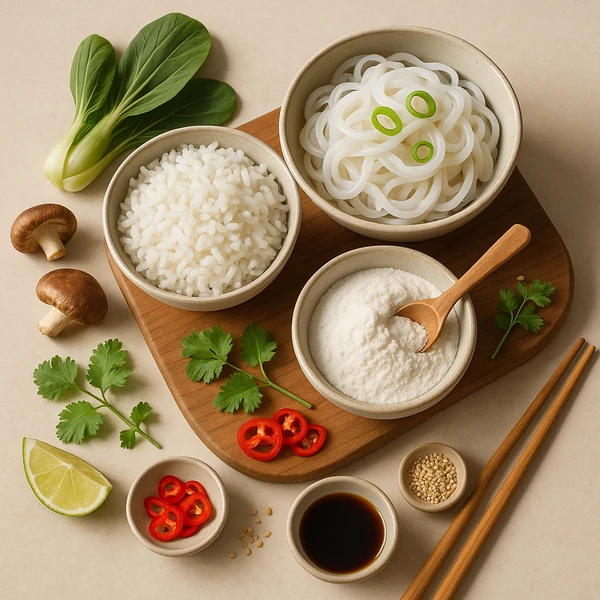
To understand rice dishes, it helps to keep in mind that rice in Asian cuisines often continues beyond the pot with the side dish. Typical examples are rice noodles, which are suitable for stir-fries, soups, and cold salads and absorb the flavor of sauces well – for example Farmer Brand rice noodles 3 mm.
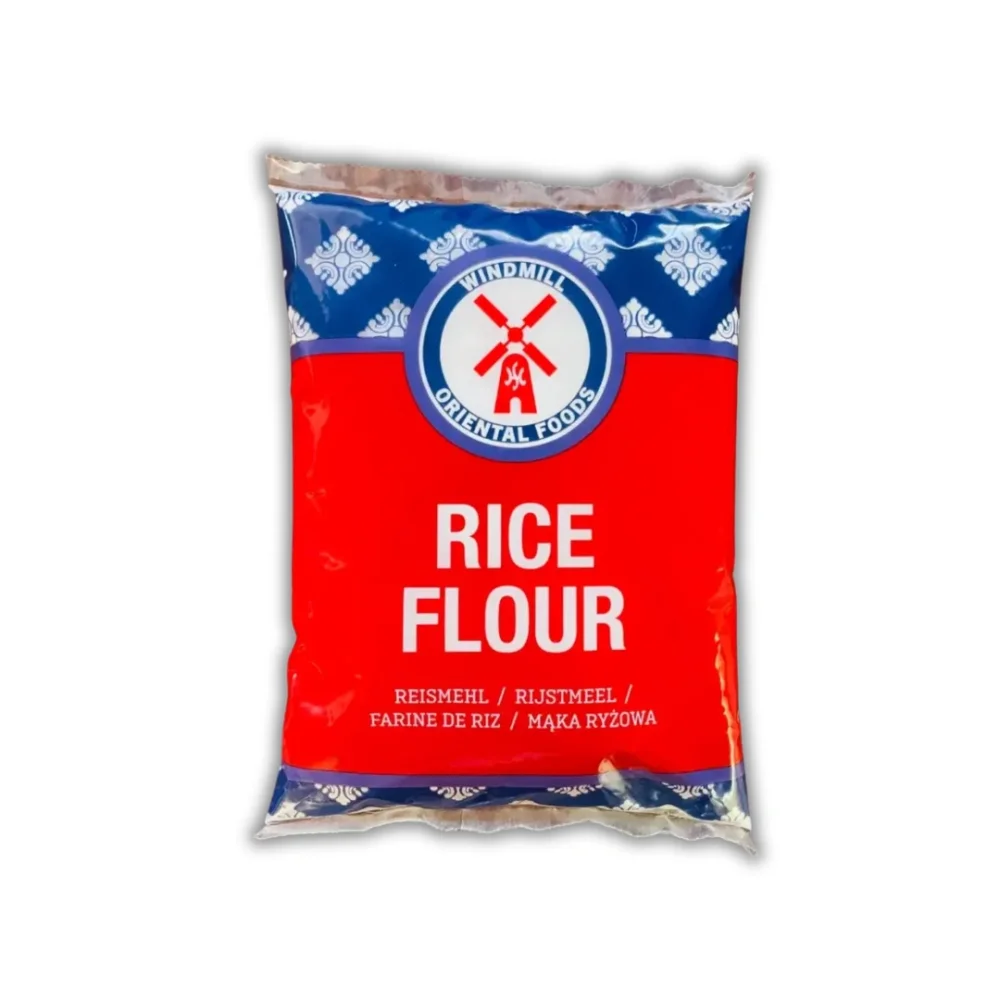
Similarly rice flour has a neutral taste in practice and can be used for thickening and in doughs; a specific example is Windmill rice flour. If you are interested in various flours and starches in general, a useful guide could be flour and flour products.
5) “Pantry” approach: a few functional items that turn rice into a meal
A good rice dish often doesn’t come from ten random sauces but from a few functional bases: something for saltiness and umami, something for contrast, and something for the final “dot” in flavor and texture. It is practical to have a universal seasoning for saltiness and umami on hand – for example Kikkoman soy sauce – and something with which you can quickly season a finished bowl without complicated preparation, for example Thai Dancer garlic chili sauce as a dip or quick table seasoning.
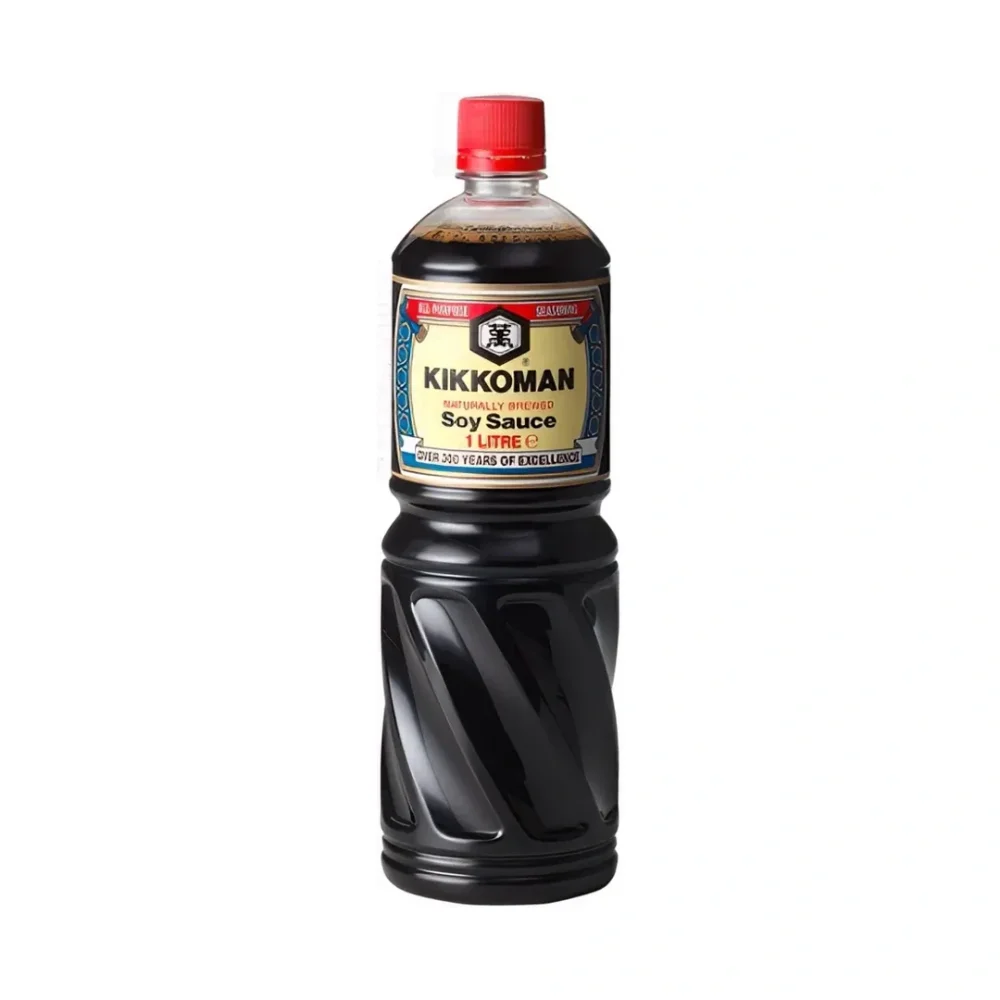
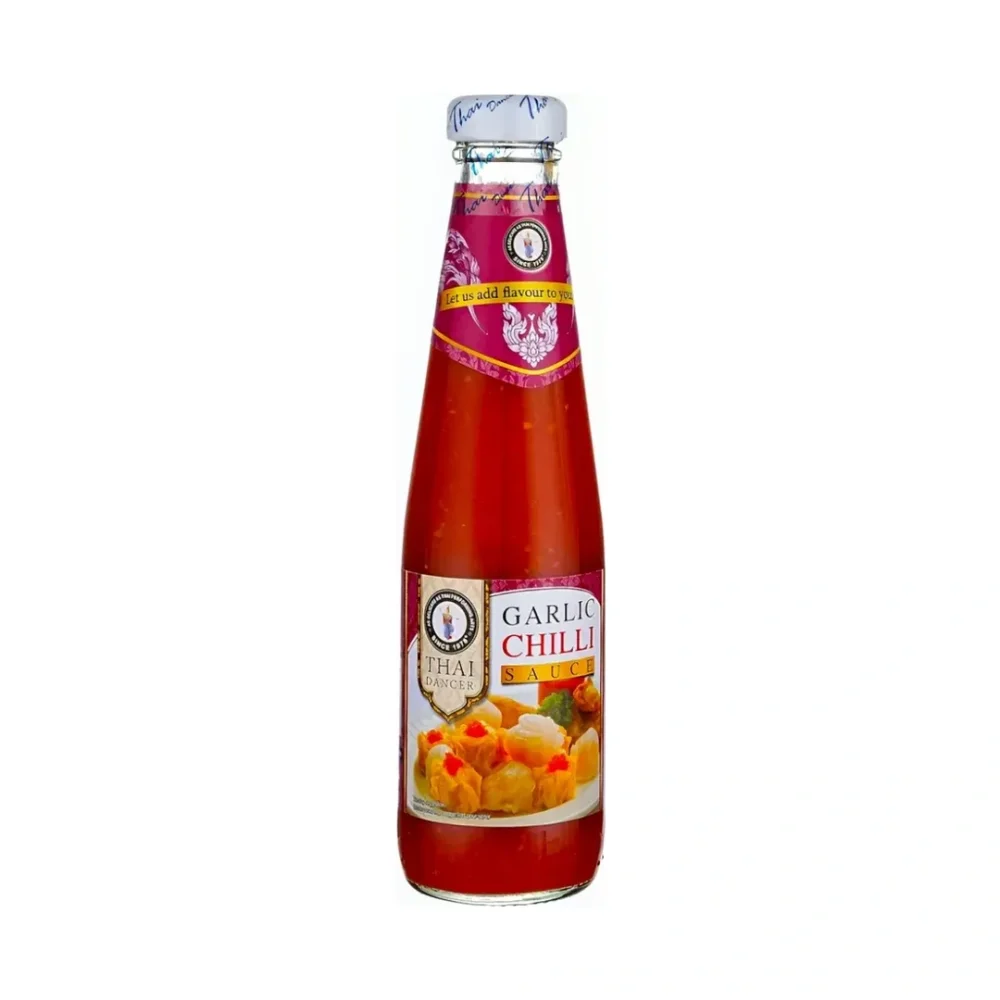
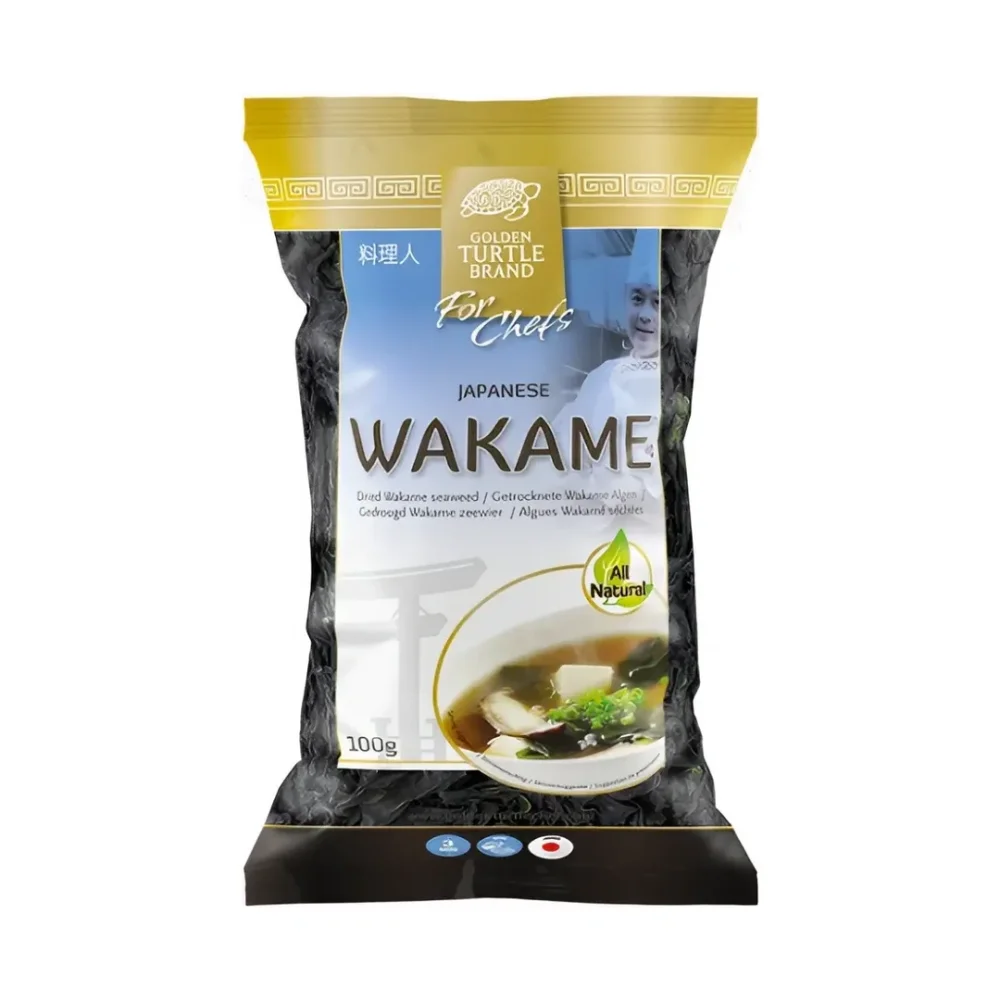
Equally important is texture: rice bowls often benefit from something extra for bite and flavor. Dried wakame softens and expands after soaking and can serve as a simple addition to bowls or salads – for example Golden Turtle Chef dried wakame seaweed. And because a large part of the result is made by fresh ingredients, it pays to consider which types of vegetables and mushrooms you will add to bowls and rice dishes (you can find inspiration in the guide vegetables and mushrooms).
If you want to first taste some rice dishes in their “ready” form and only then cook your own version, a practical start might be an overview of ready meals – purely for orientation in types and styles.
Most common mistakes and misunderstandings in Asian rice dishes
- “Rice is just rice.” In reality, it differs in aroma, stickiness, and how it carries sauce. When you change the type of rice, you change the character of the dish (donburi, bibimbap, and nasi goreng depend on this).
- Choosing just based on impression, brand, or “authenticity.” A stronger, saltier, or more aromatic product is not automatically better quality; what matters is whether it suits your cooking style and role in the recipe. This applies to rice as well as to seasonings.
- Buying based on the photo, not function. For rice products (e.g., noodles or flour), it is more important what they are supposed to do in the dish (texture, ability to hold sauce, thickening) than how “exotic” they look.
- Underestimating the role of rice in a finished bowl. In donburi-type bowls, rice is part of the structure – if it lacks aroma or has an unsuitable texture, even a great topping won’t help.
- Trying to replace all other types with one kind of rice. It works in some dishes, but in others the typical impression is lost (e.g., sticky rice for bowls versus separated long grain for other styles).
What to take away from the article
- In many Asian cuisines, rice is not a side – it is the center of the meal, around which other flavors and textures are composed.
- For orientation, it helps to think of four families: bowls with toppings, mixed and composed dishes, aromatic flavored rice and festive layered dishes (e.g., biryani).
- The key to a good result at home is choosing rice according to the dish: sometimes you want tender aromatic rice, sometimes sticky rice for bowls, sometimes loose and separated grains.
- Rice “worlds” don’t end with the grain: rice noodles and rice flour are common building blocks that expand the possibilities of rice dishes.
- The most common mistake is treating rice as a universal commodity; in fact, it is an ingredient that determines the character of the entire dish just like the sauce or topping.

Read next
If you want to explore this topic further, continue with these related blog guides and articles:
