


 Česky (CZK)
 Slovensky (EUR)
 Deutsch (EUR)
 Austria
 Belgium
 Bulgaria
 Croatia
 Denmark
 Estonia
 Finland
 France
 Germany
 Greece
 Hungary
 Italy
Italy Latvia
 Lithuania
 Luxembourg
 Netherlands
 Poland
 Portugal
 Romania
 Slovenia
 Spain
Spain Sweden










Typical Vietnamese dishes: how to navigate rice, noodles, soups, and street food
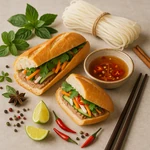
Vietnamese cuisine often overlaps with what is common for a large part of Asia: rice and noodles are not just side dishes, soup is often a full meal, and street food is a thoughtful system of quick specialties. In this guide, we will show a practical map of typical groups of dishes, according to which you can orient yourself both on the menu and at home and more easily choose what you will enjoy.
How to quickly navigate Vietnamese dishes (without memorizing names)
Vietnamese cuisine has many forms – and since Asia is not one cuisine, it is more useful to understand "families of dishes" than to memorize lists of names. In practice, most dishes can be recognized by a few simple features: what the starchy base is (rice vs. noodles), whether there is broth (a soup bowl), or whether it is eaten "dry" (with sauce, dip, or just lightly mixed).
These families are important also because each functions differently when choosing or preparing: different noodles suit broth, others suit a wok, and rice can be the center of the plate, not just a side.
Rice dishes: when rice is the main dish, not just a background
In Asian cuisines, rice often functions as a stable, neutral center of the plate. Instead of being just a "side dish," it can be a base on which other flavors, textures, and complements assemble.
1) Rice with topping in one bowl
You can easily recognize it: one bowl, clearly separated base (rice) and on top a "topping" (meat, tofu, vegetables, egg, crispy element, herbs, sauce). The flavor is clear and the meal is easy to eat even in a hurry – a typical "one-bowl" principle.
2) Mixed and composed rice dishes
Rice is not just a base, but part of the whole: it is mixed with other ingredients, spices, and sauces. The result tends to be stronger, more "finished", and often suitable as a quick meal because it can be quickly finished in a pan or wok.
3) Flavored and "fragrant" rice
Sometimes rice itself carries aroma and flavor (based on seasoning, aromatics, and technique). In such cases, it is no longer just neutral – and it's good to choose simpler accompaniments to avoid overpowering flavors.
4) Festive and layered rice dishes
This group relies on layering and components. It makes sense when you don’t want a "quick bowl" but a meal eaten more slowly where every part has its role (texture, sauce, complement).
Noodles: four worlds that taste completely different
Noodle dishes are not one technique. They differ by noodle type, method of cooking, role of broth or sauce, and whether they are a full main dish, a lighter bowl, or street food.
1) Noodle soup and broth bowls
The key is the broth: it defines the character of the whole bowl and the noodles must "sit" in it – they should not fall apart nor overpower the liquid base. Keep in mind that the same type of noodles may not work the same in soup and in a wok.
2) Stir-fried and wok noodle dishes
Here the opposite of soup is important: as little water as possible and quick work with high heat. The noodles should carry the sauce but not "drown" in it. Typical are strong, easily understandable flavors and emphasis on texture.
3) Dry, mixed, and dipped noodles
The dish is "almost dry": noodles are mixed with sauce or dipped into a dip. In practice, it's crucial how elastic or tender the noodles should be and whether they should be rinsed after cooking (to stop cooking and improve texture).
4) Cold and seasonal noodles
The cold variant rests on lightness and good texture. Therefore, it matters even more whether the noodles are chilled and rinsed after cooking so they are not sticky and "rubbery."
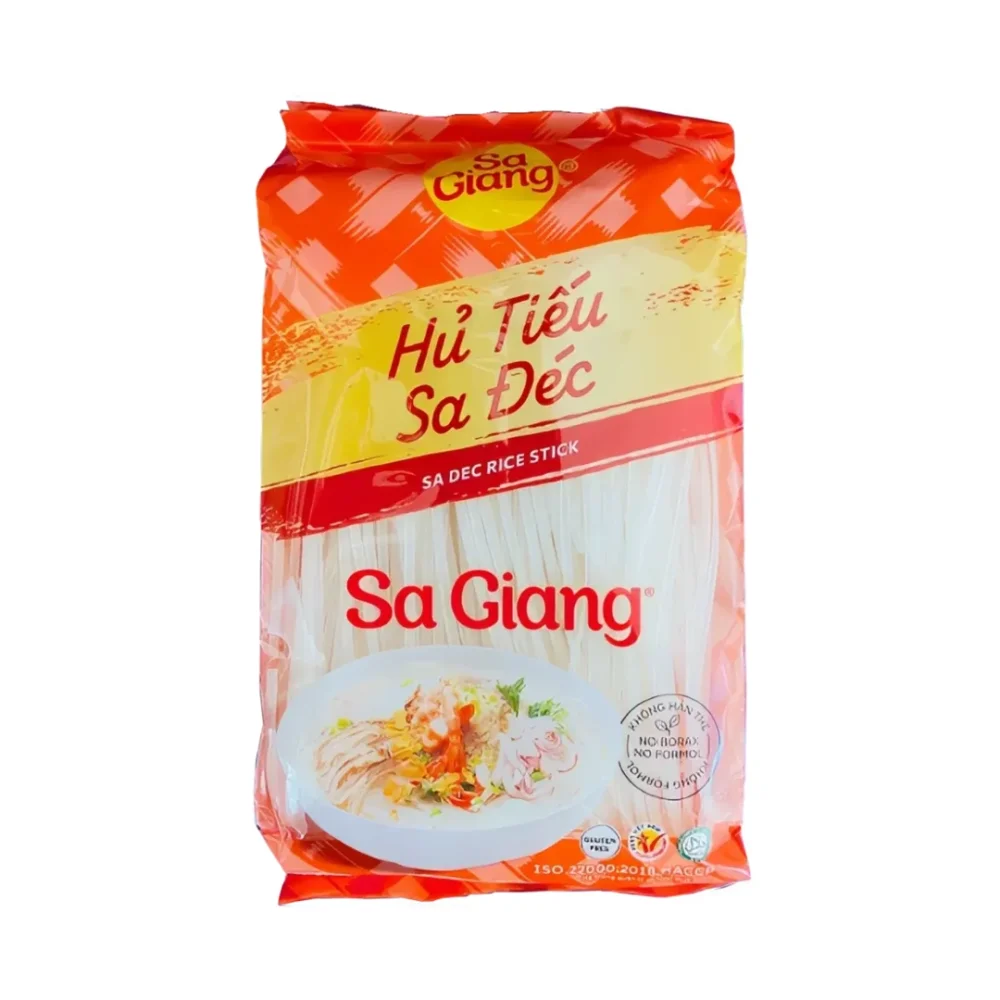
As a more universal choice for multiple styles (soup and wok), rice noodles with starch admixture often suit well, as they smoothly coat with sauce after cooking – for example Sagiang tapioca rice noodles.
Soups: often the main dish in Vietnam (and generally more than just a starter in Asia)
In Asia, soups are often not just "something warm to start," but full meals. To orient yourself, it is useful to distinguish several basic worlds by liquid base, role of noodles or rice, thickness, and seasonings.
Clear and broth soups
Light, "readable," and broth-based. Great when you want something warm but not heavy. The most common mistake at home is underrating the base: without a good liquid base, the bowl will feel empty.
Thicker soups (stew style)
More body, more satiety. In this category the soup approaches stewed dishes – and is chosen accordingly (when you want a "hearty" bowl, not a light broth).
Coconut and curry soups
Creamier, aromatic, and more flavorful. It's good to know that curry pastes often have a clear regional identity and the flavor profile may shift from "Vietnamese expectations" to another cuisine (see warning below).
Sour and refreshing soups
Different from "comfort" broth: built on freshness and contrast. Suitable when you don’t want a heavy dish but something invigorating.
Street food: why typical dishes often make sense even "on the go"
Street food is not just food to eat with your hands. In many parts of Asia, it is an important way of everyday eating: quick preparation (or quick finishing in front of the customer), high specialization in one to a few dishes, and a clear link to a specific place or community.
For you, this is practical information: dishes that belong to the "street" logic tend to be accurate in flavor, repeatable, and easy to understand even the first time. And at home, they can often be imitated once you understand which family they belong to (soup bowl vs. wok vs. rice bowl).
Practically: how to choose (and prepare at home for the first time) a "Vietnamese type" dish
Step 1: Decide between bowl, pan, and broth
- Do you want something light and warm: choose a broth bowl (soup style).
- Do you want something stronger and "more roasted": go for stir-fried wok style.
- Do you want the simplest structure: rice bowl with topping (separated layers) is easy to understand and eat.
Step 2: With noodles, watch the technique (not just the type of noodles)
- Cook or just soak: some noodles tolerate only soaking, others need brief boiling. The key is not to overcook noodles – the texture cannot be restored afterward.
- Rinse: with "dry" and cold styles, it often makes sense to rinse noodles after cooking to stop cooking and prevent stickiness. For soup, you want noodles that behave well in hot broth.
- Sauce vs. broth: noodles carrying a thick sauce behave differently from noodles in light broth. If you switch style, you often need to adjust the method.
Step 3: For stir-frying, choose a neutral fat
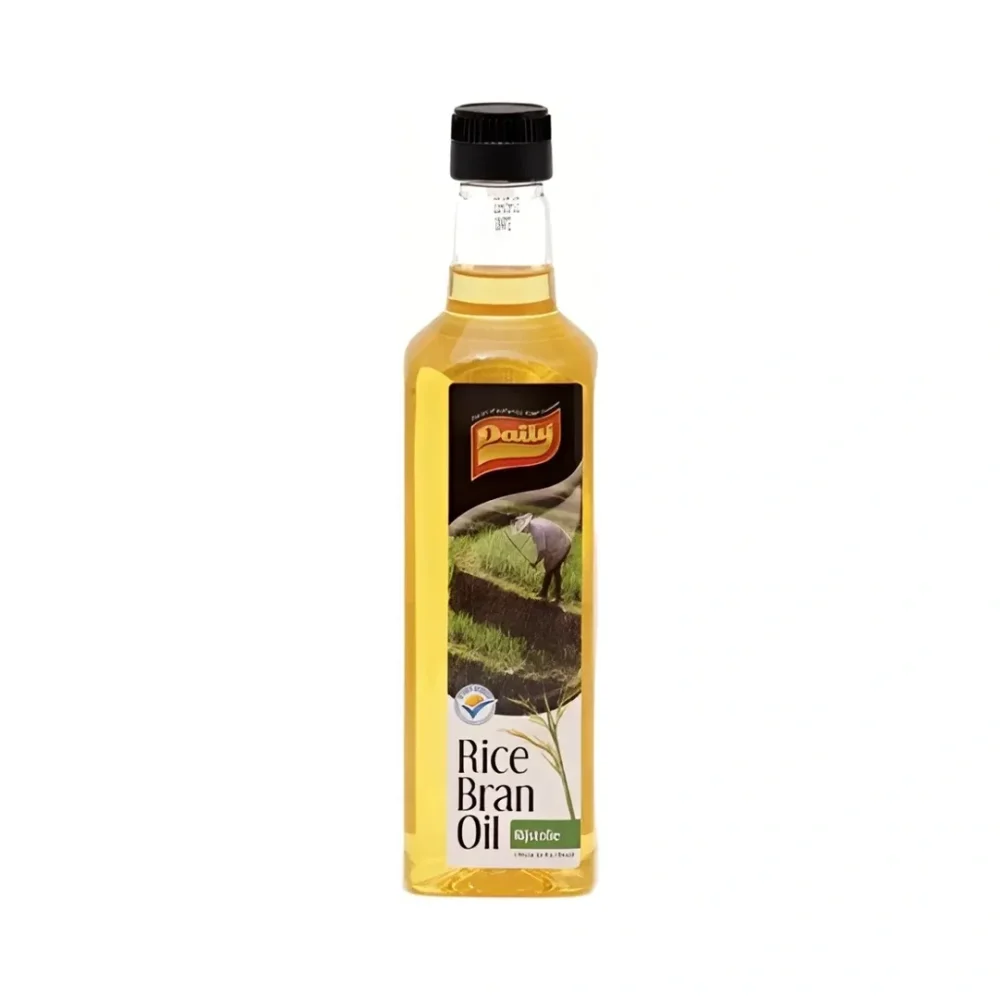
With wok and stir-fried dishes, it’s easy to "over-flavor" the base. If you want the ingredients and seasoning to stand out, a milder oil suits well – for example Daily rice oil.
Step 4: Adjust flavor at the end (less is more)
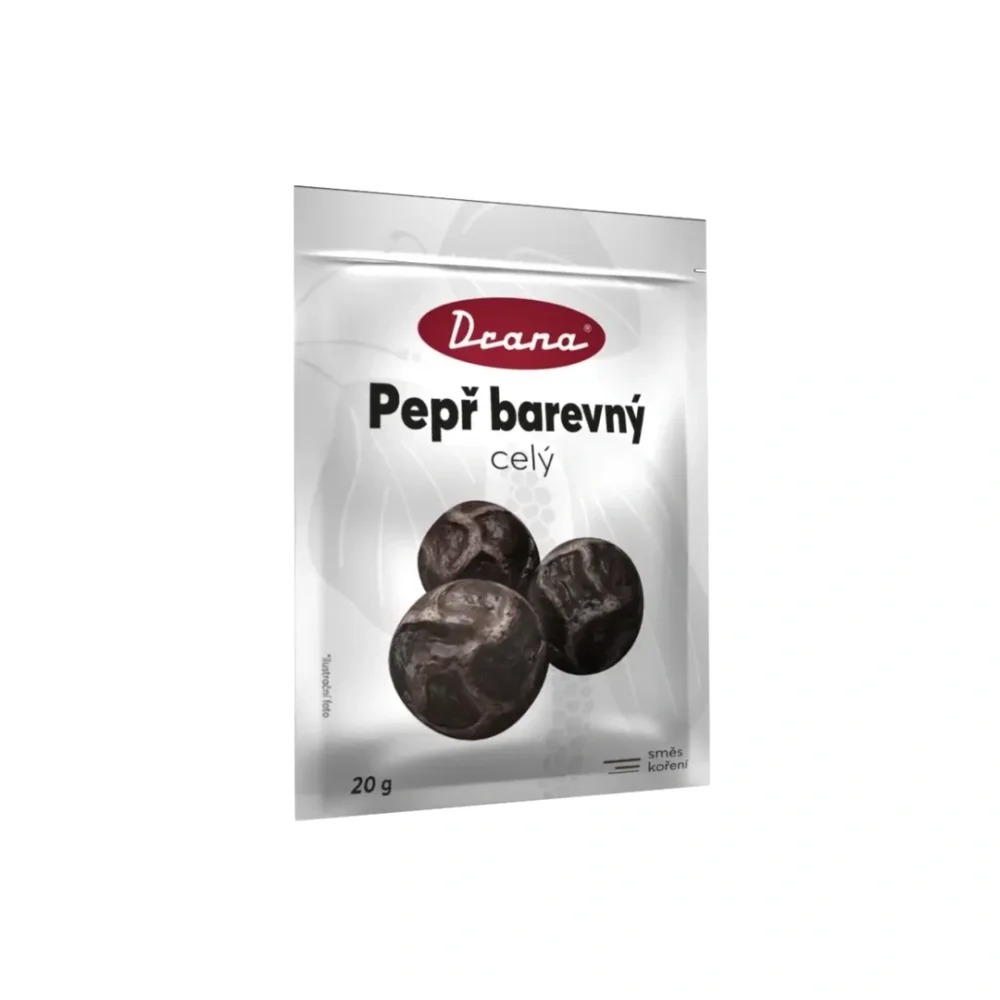
For many bowls and pans, simple seasoning at the end works: a pinch of spice, herbs, a crunchy element. If you want to add spicier aroma without complication, freshly ground pepper helps – for example Drana whole multicolor pepper.
Common mistakes and misunderstandings (and how to fix them quickly)
"Rice is just a side dish"
In many Asian dishes, rice is the center of the plate. If you consider it only a complement, you can easily overdo the amount of sauce or toppings, making the dish heavy and unbalanced. Fix: treat rice as the base and topping as the complement in a rice bowl, not the other way around.
"All noodles can be used the same way"
Noodle dishes are whole families: they differ by whether noodles carry broth, thick sauce, or are eaten nearly dry. Fix: first clarify which style you want (soup vs. wok vs. dry), and only then choose specific noodles and procedure.
Undervaluing broth in soup bowls
In clear and broth soups, the liquid base is the "main ingredient." If it's weak, even many additions won't help. Fix: focus on the flavor of the broth before adding noodles and toppings.
Confusing regional seasoning: "curry paste = universal Asian flavor"
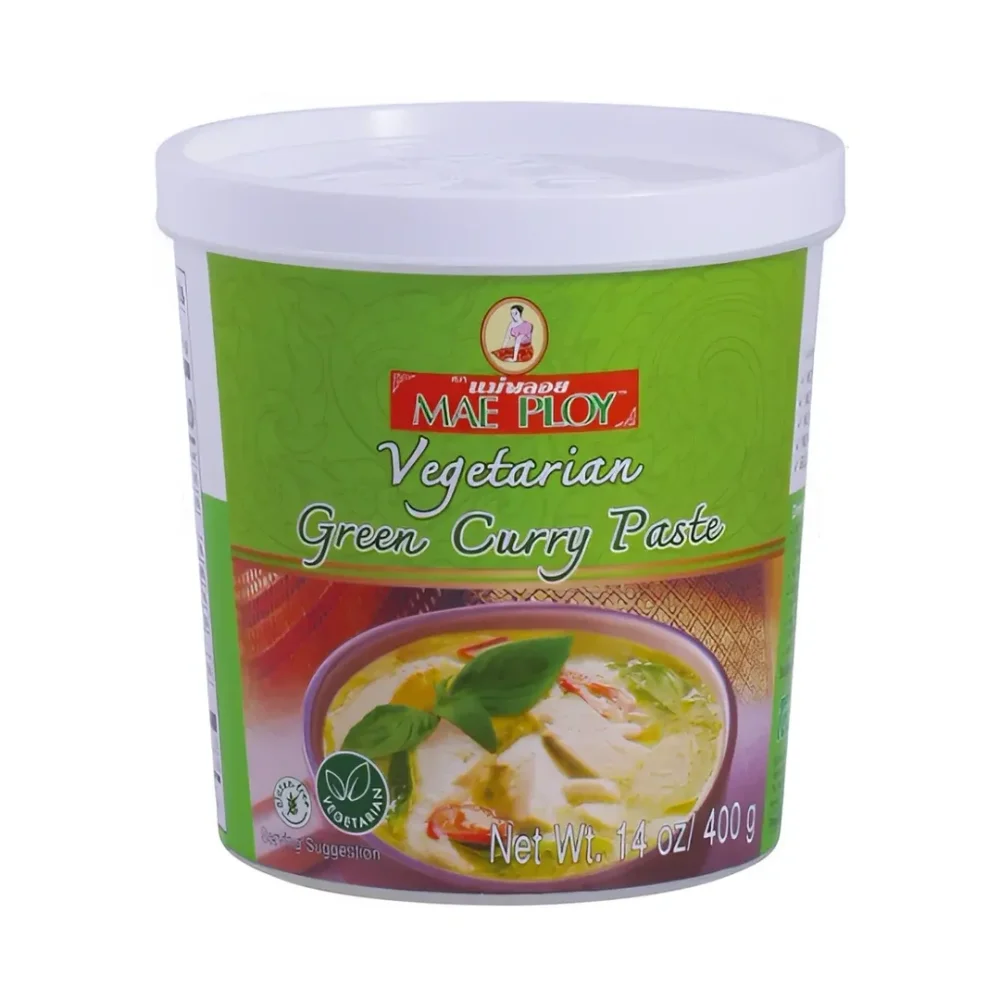
Curry pastes have distinct and specific flavor identities. Using them shifts a dish into a different style – which can be great but is no longer a "neutral Vietnamese" line. A typical example is Mae Ploy green curry paste, which belongs flavor-wise to a different regional concept. Fix: if you want to stay with a lighter bowl or broth, keep seasoning moderate; take curry paste as a conscious choice of a specific style.
Takeaways from the article
- The easiest way to navigate "typical Vietnamese dishes" is by families: rice bowl, noodle bowl, soup, wok, dry/dipped noodles.
- Rice in Asian dishes is often not a side but the center around which the rest is arranged.
- Noodles are not one category: it depends whether they carry broth, sauce, or are eaten nearly dry – and the method is chosen accordingly.
- Soups in Asia often function as main meals; the key is the liquid base and its character (light vs. thick, fresh vs. creamy).
- Street food is a system of quick specialties: simple, precise, distinctive flavors and clear preparation logic.

Read next
If you want to explore this topic further, continue with these related blog guides and articles:
