


 Česky (CZK)
 Slovensky (EUR)
 Deutsch (EUR)
 Austria
 Belgium
 Bulgaria
 Croatia
 Denmark
 Estonia
 Finland
 France
 Germany
 Greece
 Hungary
 Italy
Italy Latvia
 Lithuania
 Luxembourg
 Netherlands
 Poland
 Portugal
 Romania
 Slovenia
 Spain
Spain Sweden










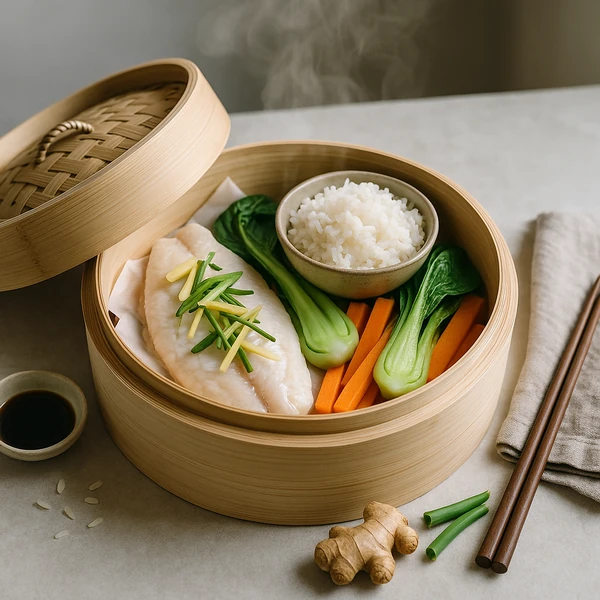
Steaming fish, vegetables, and rice: a gentle technique that makes a big difference
Steaming (cooking with steam) is one of the most important techniques in Asian cuisines – and also one of the most underestimated. When done correctly, it gives the food a pure flavor of the ingredient, juiciness, and a delicate texture without the need for a large amount of fat. In this guide, we will explain why fish, vegetables, and certain types of rice are steamed, how the goals differ for each, and what to watch for at home to avoid dry or overly soft results.
Why steaming is so important in Asian cuisine (and when it pays off more than a pan)
In Asian cooking, technique often determines how the dish feels – the same ingredient tastes completely different depending on whether you cook it in a wok, simmer it slowly, or just gently expose it to steam. Steaming is typically the choice when you want to highlight the natural flavor of the ingredient and at the same time have it remain juicy and delicate.
- The flavor remains pure – nothing is "leached" into the water like with boiling.
- The texture is more precise – with delicate ingredients (fish, tender vegetables, some doughs) it is often the difference between “success” and “overdone.”
- Less fat – you don’t need to use steam as a flavor carrier like you do when frying.
- It is key for many dishes – from Chinese dim sum and bao, through fish and vegetables, to rice cakes and parts of Korean and Southeast Asian preparations.
🌶️ What steaming is and how it differs from boiling in water
Steaming is a heat treatment where the ingredient is not in direct contact with water – it is heated by steam. The practical effect is simple: with many ingredients you can more easily maintain shape and juiciness, because it does not get soggy and does not tend to “release” flavor into the surrounding liquid.
This is why steaming is so useful in Asian practice where you do not want to overcook or dry out the ingredient (especially fish), or conversely you do not want it to fall apart and be watery (common with delicate vegetables).
Fish, vegetables, and rice: three different goals, one technique
🍜 Steamed fish: purity of ingredient and juiciness without drying out
For fish, the main purpose of steaming is that the technique helps retain juiciness and a “delicate profile” without aggressive heat. The result often depends on two things: the precisely timed cooking and the seasoning that accompanies the fish but does not overpower it.
This is why steaming is also strong when you want to serve fish with rice as a stable base – the rice holds the rhythm of the meal and the fish remains the main, pure-flavored component.
Steamed vegetables: gentler texture and less risk of “watery” taste
For vegetables, steaming is often the way to achieve a gentler texture without overcooking. It makes sense mainly for ingredients where you want to preserve character (tenderness, juiciness, clarity) and don’t want them to become a soft, shapeless side dish.
Steamed rice: not a “better way for every rice,” but the right type and goal
The most important thing to know is that steaming is not a universal replacement for regular rice cooking. In Asian practice, mainly sticky rice is often prepared with steam – not because it is “overcooked,” but because this achieves the typical springy, cohesive texture without a mushy result.
For overview and selection by cooking style, a guide is useful Rice and rice products.
How to understand rice when you want it with steamed dishes
“Rice” is not one thing – they differ in cooking behavior and final texture. The starch composition is also important: rice with a higher amylose content tends to be looser and firmer, while rice with a lower amylose content tends to be softer and stickier. So-called sticky rice has very little or almost no amylose, so after cooking it is typically elastic and cohesive.
White, natural, and parboiled: a difference you can spot on the plate
- White rice is common and versatile: it cooks faster, has a milder taste, and often works well with sauces.
- Natural rice has a stronger flavor, firmer structure, and longer preparation time. It is not automatically suitable “for everything” – with delicate dishes its taste and texture can be too dominant.
- Parboiled rice is reliable where you want to keep firmer grains and limit disintegration.
Which type of rice to choose depending on what you are steaming
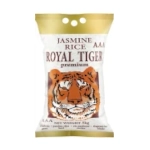
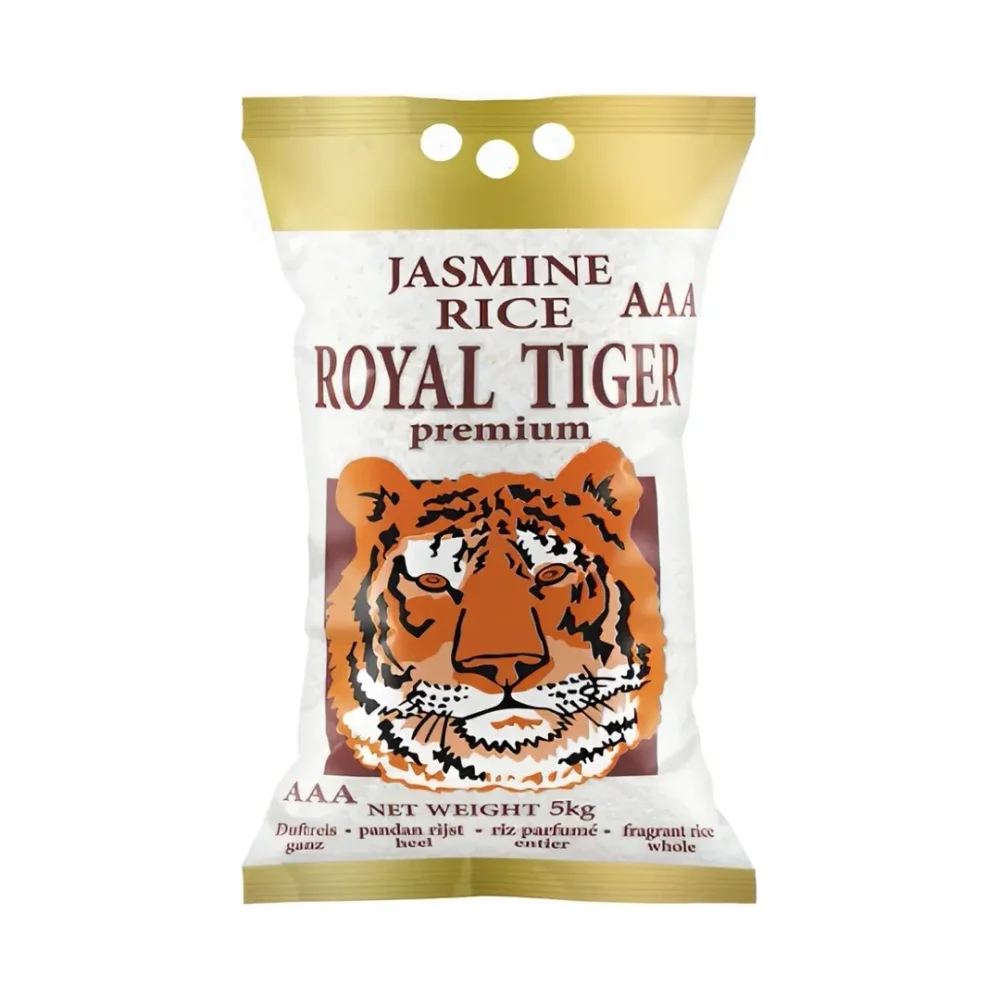
- Jasmine rice: a good choice for sauces and curry, the goal is often soft, tender, but distinct grains. If you want to start simply, a practical example is Royal Tiger jasmine rice.
- Basmati rice: usually cooked to remain as loose as possible; it makes sense where you don’t want a stickier texture. Orientation can be found in the category Basmati rice.
- Sushi rice: requires the right grain type, careful rinsing, and precise control of water and subsequent seasoning – you can’t just “cook it.” If you are specifically buying for this style, the guide Sushi ricehelps.
- Sticky rice: it’s not “overcooked rice,” and the name doesn’t mean gluten as in wheat. For typical results it is often soaked and then steamed. For selection, the category Sticky riceis the clearest.
Practical at home: how to steam so it has flavor and the right texture
1) Steam is “gentle,” but requires precision
Steaming is often perceived as simple, but it is actually sensitive to details. The key idea is: the goal is gentle and even heating without drying out and without breaking the structure. So it’s worth thinking in two steps: (1) how fast the ingredient heats through and (2) exactly when to stop.
A practical aid for control: watch the texture more than the minutes. With fish, you want it to remain juicy; with vegetables, that it is not “watery”; with rice, that it matches the goal (loose vs. cohesive).
2) Seasoning: with steam you get purity, flavor must come cleverly
Because steaming enhances the natural flavor of the ingredient, seasoning has greater responsibility than with frying. A combination often works of a light dip or an acidic element, which balances the gentleness of the steam.
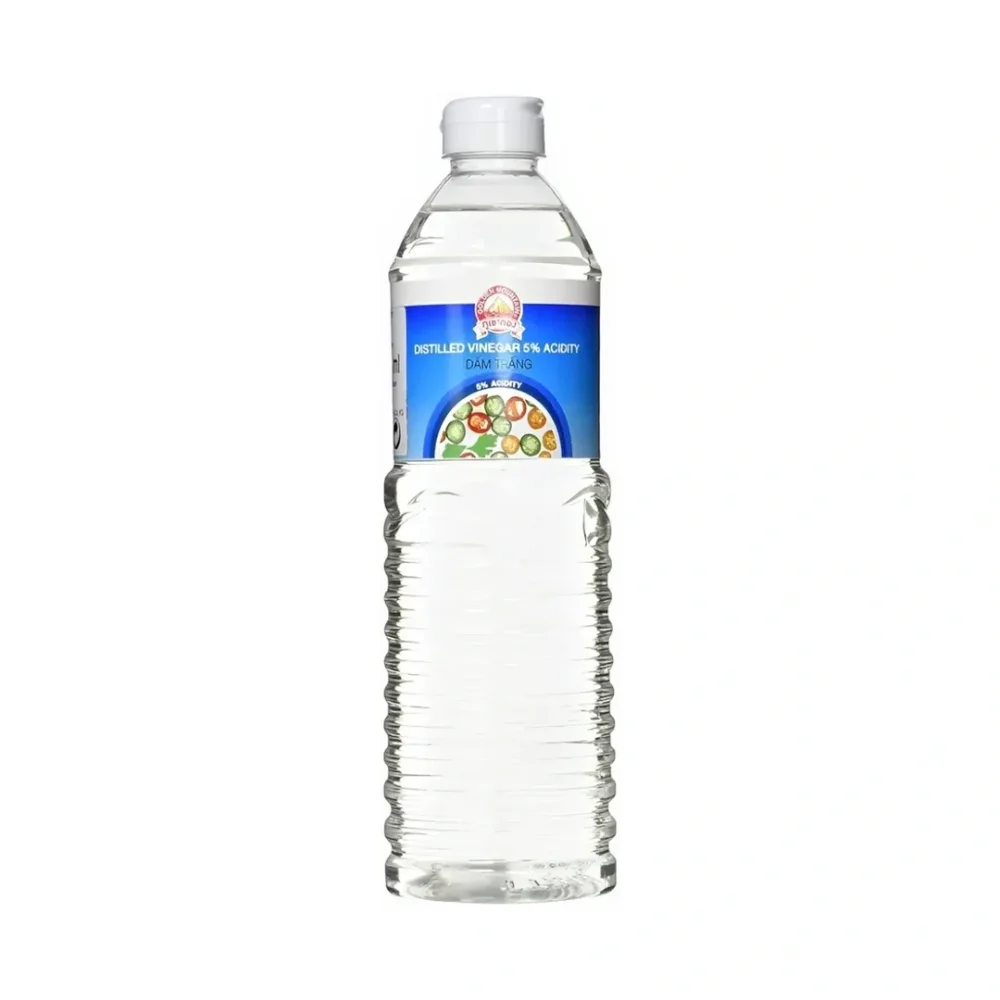
- As a simple “acid tool” for a dressing or quick marinade, Golden Mountain distilled vinegar can be useful – in practice you use it when you want to lift flavor, not weigh it down.
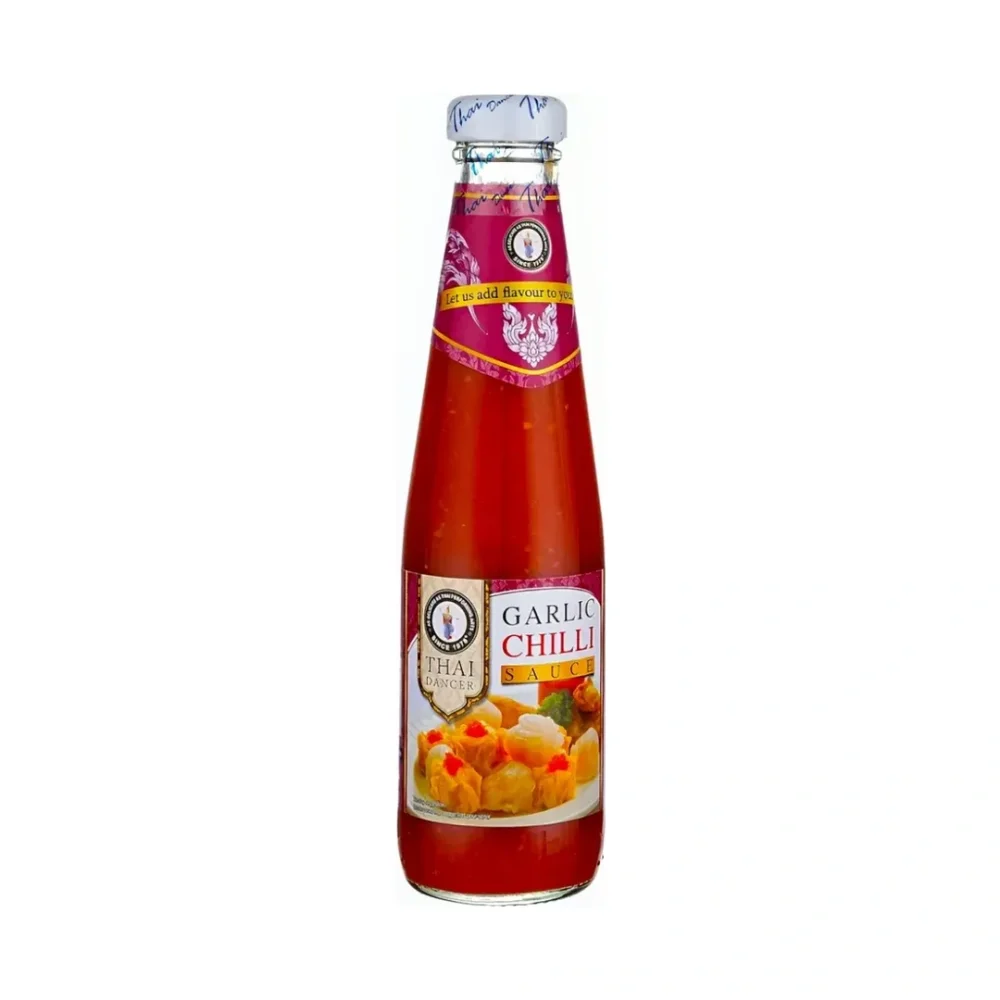
- If you want ready seasoning without cooking, a mildly spicy dip that can be dosed in small amounts (and does not overpower the whole dish with the first spoonful) can work – for example, Thai Dancer garlic chili sauce.
3) Sticky rice: why it is often soaked and steamed
With sticky rice, a common practical distinction is that you don’t prepare it “like jasmine rice.” The common practice is soaking and then steaming – this helps achieve the typical springiness and cohesiveness without the result feeling mushy.
4) How to make a whole meal from it: rice as a frame, steamed items as topping
In many Asian cuisines, rice is not just “something on the side” – it often forms the center around which other flavors and textures are arranged. Steamed fish and vegetables fit naturally into this logic: rice holds the base, steam gives purity, and everything else can be added in small doses (dip, acidity, possibly a bit of spiciness).
Most common mistakes and misunderstandings (and how to quickly recognize them)
- Confusing "steaming" with "boiling in water": when the ingredient is in direct contact with water, it often loses a different texture and can get soggier more easily. Steaming is meant to keep a different result.
- The feeling that “sticky rice = overcooked rice”: sticky rice is a separate type with a typical springy and cohesive texture. It’s not a preparation mistake but an intention.
- "Glutinous" does not mean gluten: the term glutinous (sticky) describes the behavior after cooking, not the presence of gluten as in wheat.
- Excessive expectations from one universal method for all rices: some rices are best prepared by absorption method, others (typically sticky rice) commonly by steaming. Choosing the wrong approach can result in a “strange” result, even if you followed the procedure carefully.
- Overpowering seasoning: steaming gives purity and delicacy. If you then add an overwhelming sauce, you erase exactly that advantage for which you chose steaming.
What to take away from the article
- Steaming is a key technique in Asian kitchens for pure flavor, juiciness and delicate texture without a lot of fat.
- It makes the most sense for dishes where you don’t want to overcook, dry out, or soggy the ingredient – typically fish and delicate vegetables.
- With rice it is essential to choose the right type: sticky rice is often prepared after soaking by steaming, while other types of rice have their own logic of cooking and resulting textures.
- The flavor of steamed dishes often relies on clever seasoning “around” (dip, acidity, mild spiciness), not on the fat in the pan itself.
- The most common mistake is to confuse steaming with boiling in water – the difference in texture is exactly what you notice first on the plate.
Illustrative image: steaming fish, vegetables, and rice in steam (the main content image will be added in the editorial system).

Read next
If you want to explore this topic further, continue with these related blog guides and articles:
