Česky (CZK)
 Slovensky (EUR)
 Deutsch (EUR)
 Austria
 Belgium
 Bulgaria
 Croatia
 Denmark
 Estonia
 Finland
 France
 Germany
 Greece
 Hungary
 Italy
Italy Latvia
 Lithuania
 Luxembourg
 Netherlands
 Poland
 Portugal
 Romania
 Slovenia
 Spain
Spain Sweden










Mushroom Seasoning: the Quiet Umami Boost for Rice, Noodles, Soups, and Stir-Fries
🍄 What mushroom seasoning actually is (and why it works)
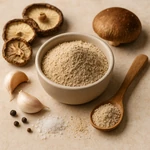
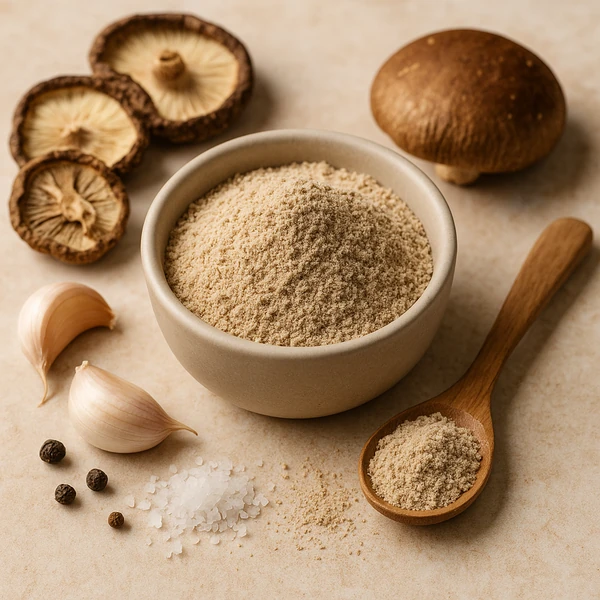
Mushroom seasoning is typically a fine powder or small granules made from dried mushrooms and complementary seasonings. Drying concentrates the natural savory compounds in mushrooms, so the flavor becomes more intense and more “brothy.” In many Asian cuisines, dried ingredients (mushrooms, seaweed, dried seafood) are a classic way to build depth—mushroom seasoning simply brings that idea into an easy, spoonable format.
Think of it as a flavor amplifier rather than a standalone spice. It doesn’t replace salt, soy sauce, or stock in every situation, but it can make them taste more complete.
🧂 Taste & aroma: what to expect
- Flavor: savory, rounded, slightly earthy, sometimes gently sweet or nutty depending on the blend.
- Aroma: warm “dried mushroom” notes—similar to soaking shiitake, but usually softer once mixed into food.
- Effect in a dish: it fills in the middle of the flavor, giving a “simmered” impression even in quick meals.
🍚 Where it shines: simple ways to use it
The easiest way to use mushroom seasoning is to add it when a dish tastes a little flat and you don’t want to fix it by adding more salt. Start small, taste, then adjust.
Rice (bowls, fried rice, plain steamed rice)
- Stir a pinch into hot rice with a little neutral oil or butter; add sliced scallion for an instant savory base.
- For fried rice, add it near the end so the aroma stays present.
- Mix into onigiri-style rice fillings with soy sauce and sesame for extra depth.
🍜 Noodles (dry-style sauces, stir-fried noodles, quick broth noodles)
- Add a small pinch to a simple noodle sauce of soy sauce + sesame oil + garlic.
- Use it to round out spicy noodle mixes that feel sharp but not “full.”
- In broth noodles, use it like a micro-dose of stock booster—especially helpful for vegetable-only broths.
🥣 Soups and broths
- Best for quick soups where you’re not building stock from scratch (miso-style soups, veggie soups, clear soups).
- Add early if you want it fully integrated; add late if you want a more noticeable aroma.
- If the soup is already salty, use a tiny amount—mushroom seasoning often intensifies perceived saltiness even without adding much sodium.
Stir-fries and sauces
- Use it at the end of cooking (last 30–60 seconds) to preserve the aromatic top notes.
- It pairs naturally with garlic, ginger, black pepper, soy sauce, oyster-style sauces, and sesame.
- In coconut-based sauces, a pinch can add “body” without making the sauce heavier.
⚖️ How much to use: a practical starting point
Because blends vary, treat these as guidelines and adjust to taste:
- Single portion noodles or rice bowl: 1 small pinch (about 1/16–1/8 tsp).
- Soup for 2–3 servings: 1/4 tsp, then taste.
- Stir-fry for 2 servings: 1/8–1/4 tsp added at the end.
If you overshoot, it can taste a bit dusty or overly “brothy.” The fix is usually more liquid (stock/water), a little acid (lime/rice vinegar), or balancing aromatics (fresh scallion, ginger).
✅ Flavor pairings that reliably work
- Soy sauce + garlic + scallion: a classic base for noodles and rice bowls.
- Ginger + sesame: warm and fragrant for wok vegetables and tofu.
- Chili + a touch of sugar: heat plus sweetness makes umami feel bigger and more rounded.
- Coconut + curry spices: a tiny pinch adds depth to quick curries and creamy sauces.
- Sweet-and-sour profiles: a small amount can make sweet-and-sour sauces taste less one-dimensional.
What to check before you buy (and dietary notes)
“Mushroom seasoning” can mean different things from brand to brand. If you have dietary preferences or sensitivities, read the ingredient list carefully and look for these common differences:
- Salt level: some blends are mild; others are quite salty and behave more like seasoning salt.
- Added flavor enhancers: some products use yeast extract or similar ingredients to increase savoriness.
- Allergens: certain blends may include traces of soy or other seasonings depending on the factory and recipe.
- Vegan vs non-vegan: many are plant-based, but not all—some may include animal-derived ingredients in “broth” style blends.
Common mistakes (and how to avoid them)
- Using it like a main spice: it’s best as a background booster. Let other seasonings define the dish.
- Adding too early in a very hot pan: high heat can mute aroma. For stir-fries, finish with it.
- Trying to “fix” a dish that needs acidity: if food tastes heavy, add a splash of vinegar/citrus instead of more umami.
Storage tips
Keep mushroom seasoning tightly sealed, away from humidity and heat. Because it’s a fine powder/granule blend, moisture can cause clumping and dull the aroma. If you cook often, consider decanting into a small airtight jar for quick, clean dosing.
🍳 A quick 5-minute usage idea: umami scallion noodles
How: Mix soy sauce, a little sesame oil, minced garlic, and a pinch of mushroom seasoning. Toss with hot cooked noodles, then top with lots of scallions. Add chili oil or chili flakes if you want heat.
Why it works: the seasoning fills out the savory middle so the sauce tastes “complete” with minimal ingredients.
Our picks (pantry companions)
- Dried shiitake: for when you want real mushroom texture plus a rich soaking liquid.
- Kombu (kelp): another classic umami builder for broths and rice cooking.
- Sesame oil: a few drops help carry the aroma of mushroom seasoning in noodles and stir-fries.
Related categories
Not available for linking in this article. If you’re browsing, look for sections like spices & seasoning blends, noodle seasonings, and soup bases.
❓ FAQ
Will it make everything taste like mushrooms?
In small amounts, it usually reads as “savory” rather than “mushroom.” If you add too much, the earthy note becomes obvious—so start with a pinch.
Is it the same as bouillon?
Not exactly. Some blends act similarly, but many are designed as an enhancer rather than a full stock substitute. Think “depth” more than “finished broth.”
When should I choose mushroom seasoning over more soy sauce?
When the dish already has enough salt but still tastes flat. Mushroom seasoning can add body without pushing sodium as aggressively as extra soy sauce.

Recommended products1
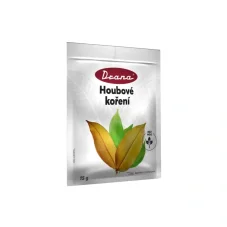
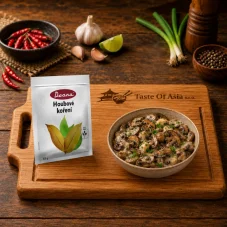
Drana Mushroom Seasoning 15 g
Read next
If you want to continue with the same topic, here are more related articles to explore: