


 Česky (CZK)
 Slovensky (EUR)
 Deutsch (EUR)
 Austria
 Belgium
 Bulgaria
 Croatia
 Denmark
 Estonia
 Finland
 France
 Germany
 Greece
 Hungary
 Italy
Italy Latvia
 Lithuania
 Luxembourg
 Netherlands
 Poland
 Portugal
 Romania
 Slovenia
 Spain
Spain Sweden










black pepper
Products
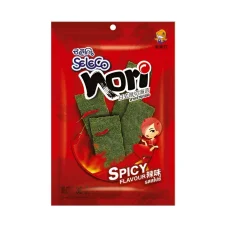

Seleco Seaweed seasoned and spicy 36 g
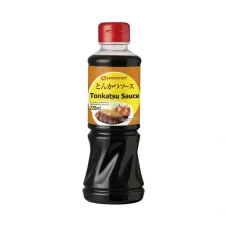

Yamamori Tonkatsu sauce 220 ml
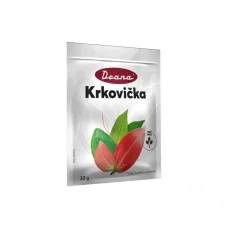
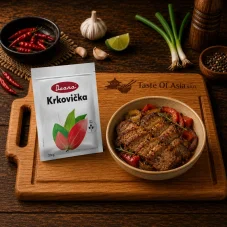
Drana Pork neck 30 g
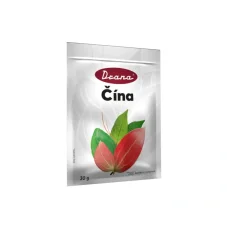
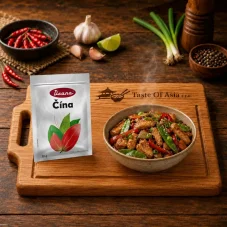

Drana China 30 g

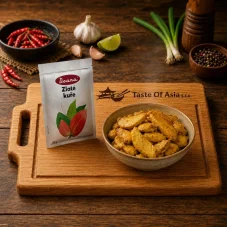
Drana Golden Chicken 30 g
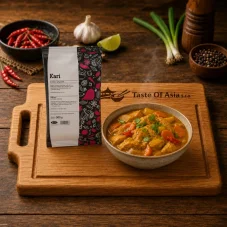
Drana Curry 500 g
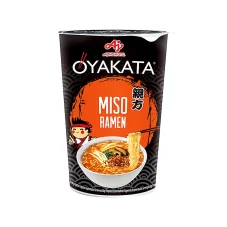
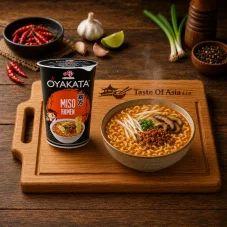

Oyakata Instant Miso Ramen Noodles 66 g
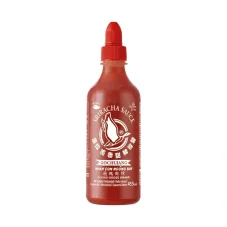
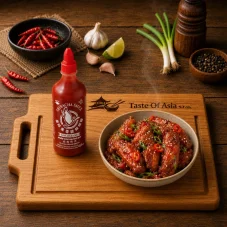
Flying Goose Chilli Sauce Sriracha Gochujang 455 ml

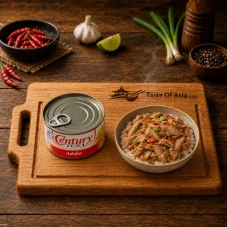

Century Tuna Adobo tuna flakes 180 g
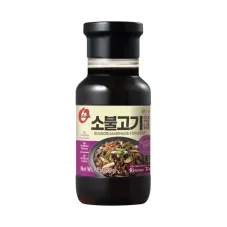

O'Food BBQ sauce and marinade for Beef 280 g
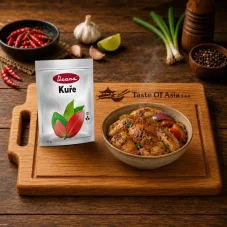
Drana Chicken 30 g
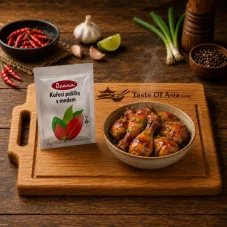
Drana Chicken Drumsticks with Honey 25 g

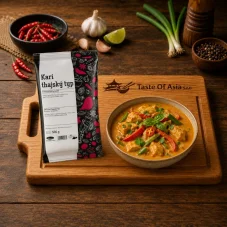
Drana Thai Style Curry 500 g

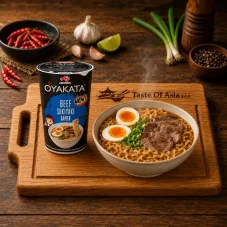
Oyakata Instant Japanese Beef Sukiyaki Ramen Noodles 63.5 g
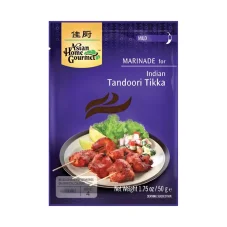
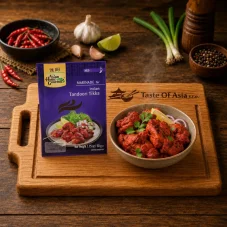

AHG Marinade Tandoori Tikka 50 g
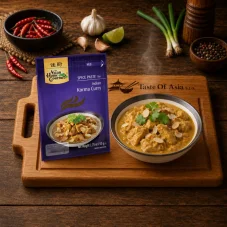
AHG Paste Korma curry 50 g
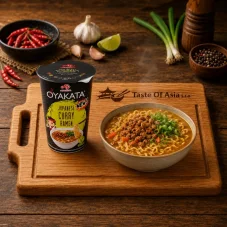
Oyakata Instant Curry Ramen Noodles 62.5 g
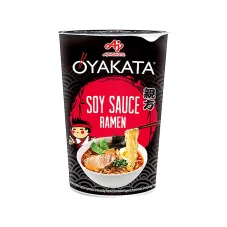
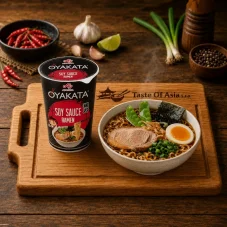
Oyakata Instant Ramen Noodles with Soy Sauce 63 g
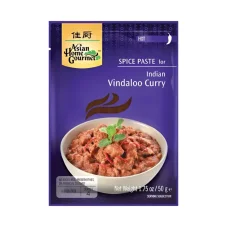
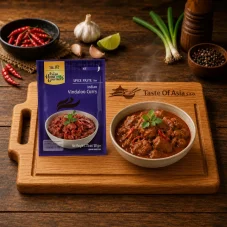
AHG Paste Vindaloo Curry 50 g
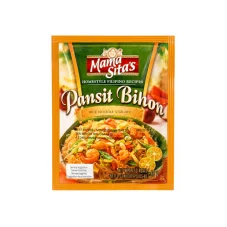
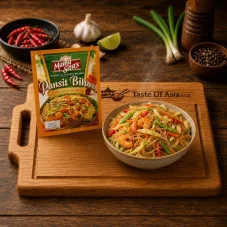
Mama Sita's Sauce for rice noodles Pansit Bihon 40 g
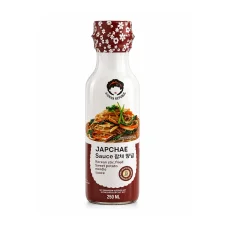
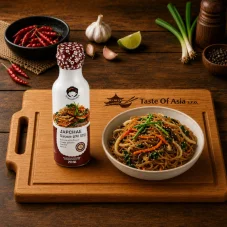
Ajumma Republic Japchae Noodle Sauce (Korean Style) 250 ml
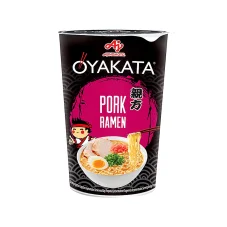
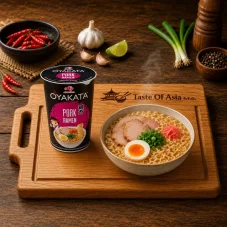

Oyakata Instant Ramen Noodles with Pork, 62 g
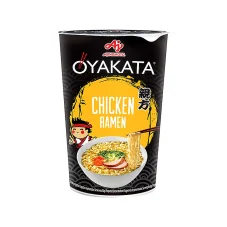
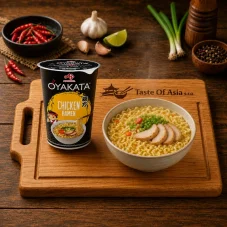
Oyakata Instant Chicken Ramen Noodles 63 g
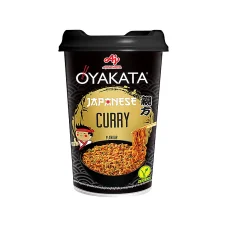
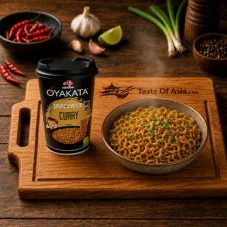
Oyakata Instant Noodles Japanese Curry 90 g
Articles
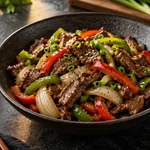
Black Pepper Stir-Fry (Quick Wok Dinner)
This black pepper stir-fry is all about bold aroma, a glossy savory sauce, and crisp-tender vegetables—ready in about 25 minutes. Use chicken, beef, or tofu, and don’t be shy with freshly ground black pepper.
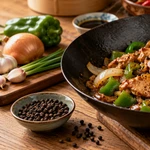
Black pepper that gives food zest and depth
Black pepper is easy to overlook because it’s always within reach—but used thoughtfully, it can make Asian dishes taste more complete: warmer, more aromatic, and more layered. Here’s what black pepper actually brings to the plate, how to choose between whole and ground, and when to add it so it stays fragrant instead of turning bitter.
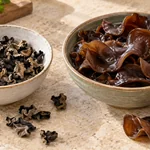
Black mushroom
Discover an exceptional mushroom that will surprise you with its texture and taste! Judas ear is an ideal addition to a healthy diet. Rich in fiber and minerals, it brings not only nutritional value, but also health benefits. Use it in Asian dishes or modern vegetarian cuisine. Give your meals a new dimension and support your health with this unique mushroom.
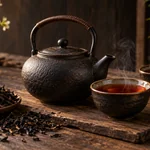
Black teas
Black teas offer a rich palette of flavors and aromas that will draw you into the fascinating world of tradition and culture. Whether you like the delicate smokiness of Keemun, the earthiness of Pu Erh, or the fullness of Yunnan, each cup of black tea will enrich you with a new experience.
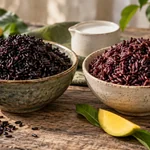
Black and Riceberry rice
Discover the secrets of black rice! This healthy and delicious type of rice is full of antioxidants, fiber, and minerals. Read our article and find out why it should be part of your kitchen!
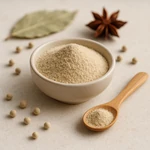
Ground White Pepper: Subtle Heat for Asian Dishes and Everyday Classics
Ground white pepper is a quiet workhorse: it brings a clean, warming pepper bite without the black flecks that can distract in pale soups and creamy sauces. Used thoughtfully, it can lift everything from Chinese broths and stir-fries to mashed potatoes and gravy.

Black rice vinegar and brown rice vinegar
Discover the intense flavor of black vinegar and brown rice vinegar, two specialties that will bring rich flavors to your dishes. Find out how they differ and get inspired by recipes that use their smoky and nutty tones for exceptional marinades, sauces, and stir-fry dishes!
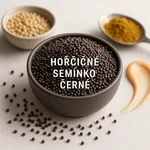
Black Mustard Seeds: Tiny Grains, Big Flavor
Black mustard seeds may look modest, but a small pinch can transform a dish—especially when briefly “bloomed” in hot oil until they start to pop. Learn what makes them different, how to use them without bitterness, and where they shine in everyday Asian-inspired cooking.
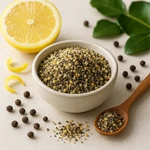
Lemon Pepper: The Bright Citrus Twist That Lifts Fish, Wok Dishes, and Rice
Lemon pepper is a simple seasoning with a surprisingly big impact: the warmth of black pepper meets a clean citrus aroma, making dishes taste lighter and more “awake.” Used well, a small pinch can sharpen stir-fries, refresh fried rice, and bring out the best in fish, chicken, tofu, and vegetables.
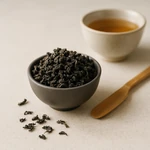
Oolong Tea: The Fragrant Middle Ground Between Green and Black
Oolong is the tea people return to when they want variety without switching to a different drink. Depending on how it’s made, it can taste fresh and floral or warm, toasty, and deep—one reason you may even see it labeled as “black tea oolong.” Here’s what that means, how to choose a style you’ll enjoy, and how to brew oolong so its aroma really shows.
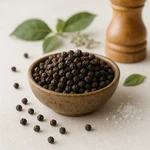
Whole Black Peppercorns: How to Use Them for Maximum Aroma in Asian Cooking
Whole black peppercorns aren’t just a “finish with pepper” ingredient. Used at the right moment—cracked, gently toasted, or simmered—they add warmth, depth, and a lively peppery lift to broths, curries, marinades, and stir-fries across Asian cuisines.
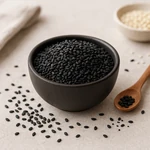
Black Sesame Seeds: Flavor, Best Uses, and How to Get the Most Out of Them
Black sesame seeds may be tiny, but they bring a surprisingly bold, nutty aroma, a gentle crunch, and instant visual contrast. Learn what makes them different from white sesame, when to use them whole vs. ground, how to toast them without bitterness, and easy ways to use them in both savory dishes and desserts.
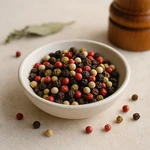
Whole Mixed Peppercorns: How to Use Them for Better Aroma and Juicier Flavor
Whole mixed peppercorns (often called “four-pepper” or “rainbow pepper”) are a simple way to add both fragrance and gentle heat to everyday cooking. Used at the right moment—and freshly crushed—they can make stir-fries, soups, sauces, and even rice taste more vivid without overpowering the main ingredients.
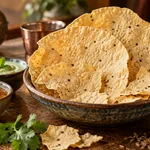
Papadum
Are you curious about the secrets behind this traditional flatbread, which is popular all over the world? Read our article, where we will introduce you to the history of papadum, its different varieties, and ways of serving it. Learn how to prepare this delicious piece of Indian cuisine at home and discover how it can be the perfect addition to your diet.
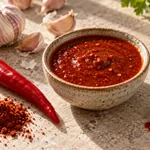
Cajun sauce
Add a spicy touch to grilled meat, fish, or vegetables with Cajun sauce. In this article, you will find its history, tips for use, and simple recipes for perfectly seasoning your dishes.
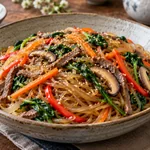
Recipe for Japchae with sauce
Discover a delicious recipe for Japchae with sauce – the perfect combination of rice noodles, fresh vegetables, and great flavor that will delight every lover of Korean cuisine.
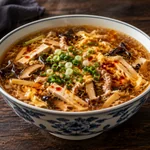
Hot & Sour Soup (Quick Chinese-Style Recipe)
Hot & Sour soup is all about contrast: a warming chilli kick balanced by bright vinegar, plus satisfying textures from mushrooms, tofu, and silky egg ribbons. This home-friendly version comes together fast and is easy to adjust—make it sharper, hotter, or heartier depending on what you crave.
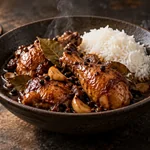
Recipe for Adobo with Sauce
Discover the taste of the Philippines! Adobo is a traditional dish that combines unique ingredients and rich history. Try this delicious recipe that will transport you straight to the Philippines—perfect for any occasion!
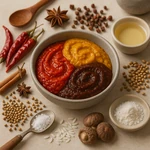
How to build flavor using spices: roles, timing and a clean result without “overloading”
Good seasoning isn't about dumping as many aromatics into the pot as possible. In Asian cooking flavor is often built as a whole: something gives the dish depth, something defines its character, something adds contrast and something remains as a long finish. When you understand these roles and the timing, you'll start using spices and herbs more precisely — and stop ending up with dishes that “smell great” but taste chaotic.
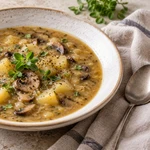
Marjoram: a gentle herb with big aroma (and how to use it beyond soup)
Marjoram is one of those quiet kitchen herbs that can make a dish feel instantly warmer and more complete. Its flavor is soft, slightly sweet, and deeply herbal—especially when you add it at the right moment. Here’s what marjoram tastes like, how it differs from oregano, what it pairs well with, and practical ways to use it in everyday cooking, including Mediterranean and West Asian–inspired meals.
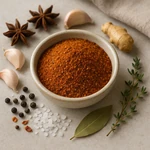
Seasoning for Pork Roast: How to Get Juicy Meat and a Bold, Crackly Crust
Pork roast can feel like a special occasion dish or an easy weeknight dinner—often the only difference is how you season it. Learn what “pork roast seasoning” really means, how to apply it for maximum aroma and crust, and how to add a subtle Asian-inspired edge (think warm spices and savory depth) without losing that classic roasted-pork character.
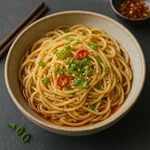
Spaghetti Aglio, Olio & Pepperoncino: a Fast, Spicy Pasta in Minutes
Aglio, olio & pepperoncino is the classic Italian “pantry pasta”: spaghetti tossed with fragrant garlic, olive oil, and chili. The whole dish comes together in the time it takes to boil pasta—provided you treat the garlic gently and use a splash of starchy pasta water to make everything glossy and cohesive.
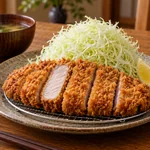
Recipe for Tonkatsu with Sauce
Discover the magic of Japanese cuisine with this recipe for a crispy dish that will amaze you with its simplicity and great taste. When tender pork chops meet a delicious sauce, the result is a dish that is perfect for any occasion. Be inspired by this recipe and experience a unique combination of flavors right in your own kitchen!
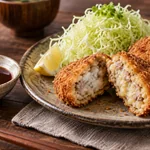
Worcester
Want to know how Worcester sauce can spice up your favorite recipes? Read our article and find out how this versatile condiment adds unique flavor to your dishes!
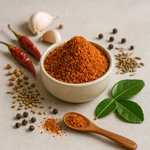
Seasoning Ground Meat: How to Turn a Plain Base into a Fragrant, Flavorful Dish (Including Asian Styles)
Ground meat is a weeknight workhorse—fast, versatile, and easy to portion. But it can taste surprisingly flat unless you build aroma and balance. This guide explains how to season ground meat on purpose: what flavors work, when to add spices, how to control heat and salt, and how to lean into Asian-inspired profiles with minimal effort.
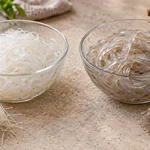
Glass noodles
Glass noodles are light, delicate, and perfectly absorb all the flavors you put into them. Ideal for quick Asian dishes, whether in hot soups, stir-fries, or fresh salads. Discover their history, production, and how best to prepare them for authentic and delicious experiences!
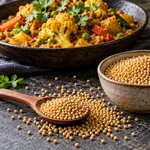
White Mustard Seeds: Flavor, Heat, and Smart Ways to Use Them in Cooking
White mustard seeds may look modest, but they can add a warm, gently peppery depth to everything from quick stir-fries to pickles and marinades. Here’s what they taste like, how they differ from brown/black mustard seeds, and when to use them whole versus ground—especially in Asian-inspired cooking.
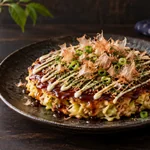
Recipe for Okonomiyaki with Sauce
Discover the taste of Japan with Okonomiyaki – an easy and delicious savory pancake that you can customize to your liking. Quick, delicious, and perfect for any occasion!
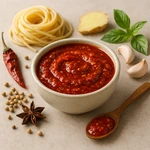
Spaghetti Seasoning That Won’t Bore You: How to Build Flavor (and Borrow from Asian Sauces)
Spaghetti is quick, reliable, and—if you’re not careful—predictable. The easiest way to keep it exciting is to think of “spaghetti seasoning” not as one fixed mix, but as a flavor direction you can repeat and tweak: herb-forward, garlicky, spicy, smoky, or umami-rich. And once you see spaghetti as “long noodles made from wheat,” it becomes surprisingly natural to season it with Asian-style sauces, pastes, and aromatics too.
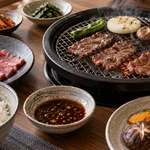
Recipe for Yakiniku sauce and dish
Discover the taste of Japan with our recipe for Yakiniku – juicy meat, delicious marinades, and grilling right at your table! Simple, quick, and irresistibly delicious!
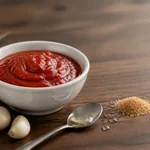
The Sriracha Phenomenon
Currently one of the most popular chilli sauces in the world. Recipe for homemade Sriracha!

Recipe for Chicken Tempura with Vegetables
With Gogi Tempura Mix with Spices, preparing tempura with chicken and vegetables is quick and easy. Enjoy crispy, delicious pieces of meat and vegetables that will transport you to the heart of Japan. Try it today and enjoy the authentic taste!
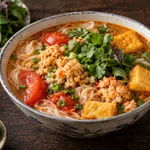
Bún Riêu (Vietnamese Crab & Tomato Noodle Soup) Recipe
Bún Riêu is a bright, savory Vietnamese noodle soup built on tomatoes, seafood umami, and a generous pile of fresh herbs. This home-friendly version keeps the signature sweet-sour balance and “riêu” crab clusters—without requiring hard-to-find ingredients.
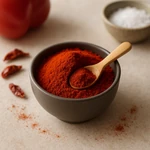
Delicacy Paprika ASTA 160: Gentle Sweetness, Deep Color, and a Reliable Spice for Hot Cooking
Sweet ground paprika is one of those quiet kitchen staples that can transform a pale sauce into something inviting. Delicacy Paprika with an ASTA 160 rating is valued for its rich red color and mild, slightly sweet aroma—perfect when you want warmth and depth without heat.
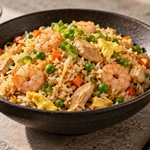
Cantonese Fried Rice (Quick Canton-Style Rice with Egg, Chicken & Veg)
This Canton-style fried rice is the kind of flexible, weeknight-friendly dish you can build from what’s already in your fridge: cold rice, eggs, a little meat (or seafood), and crisp vegetables. The key is simple technique—high heat, quick cooking, and rice that’s properly cooled—so every grain stays separate and flavorful.
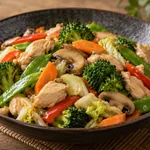
Quick Chop Suey (Chopsuey) Stir-Fry: Chicken, Tofu, or Whatever’s in Your Fridge
Chop suey is the ultimate “mix-and-match” stir-fry: tender protein, crisp vegetables, and a light savory sauce that clings to every bite. It’s fast, flexible, and perfect for using up leftover veg—served over rice or noodles for an easy weeknight meal.
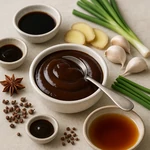
Typical Chinese ingredients: what forms the basis of flavor and how to use them at home
"Chinese cuisine" is not a single uniform tradition, but a wide family of regional styles. Nevertheless, certain ingredients are repeated in it, without which home cooking with Chinese influences often sounds flat or "un-Chinese." In this guide, you will find an overview of the most typical ingredients, their function in dishes, the main differences, and practical tips for first use.
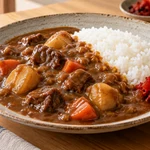
Recipe for Japanese Curry Kare Raisu
Discover the secrets of traditional Japanese curry, Kare Raisu! Learn a simple recipe for a delicious dish that combines exotic flavors with home comfort.
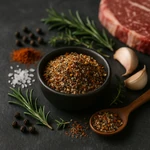
Steak Seasoning: How to Choose a Blend That Lifts the Meat (Including an Asian Twist)
A great steak doesn’t need much, but it does need the right touch. The goal of steak seasoning isn’t to cover the flavor—it’s to sharpen it, build a better crust, and add aroma that blooms in high heat. Here’s how to choose (and use) rubs, marinades, and finishing glazes—plus simple ways to steer your steak toward an Asian-style flavor profile without overcomplicating dinner.
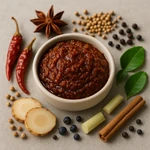
Seasoning Game Meat: How to Bring Out Rich Flavor (and Add an Asian Twist)
Game meat such as venison or wild boar has a deeper, more “forest” character than farmed meats—often leaner, sometimes slightly earthy, always worth treating with care. The right seasoning doesn’t mask that flavor; it frames it. Here’s a practical guide to classic pairings (juniper, pepper, herbs) plus Asian-inspired ideas—citrus, aromatics, chili, and layered umami—that can make game taste cleaner, rounder, and more modern.
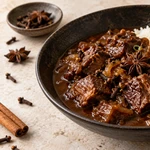
Whole Cloves: A Small Spice with a Big Aroma (and How to Use It)
Whole cloves can transform a pot of rice, a slow-simmered sauce, or a cup of tea with just a couple of buds. This guide explains what whole cloves taste like, why they’re used in Asian cooking, how to dose them without overpowering a dish, and when to keep them whole rather than grind them.
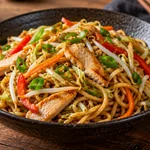
Chow Mein Recipe: Stir-Fried Noodles with Vegetables (and Your Choice of Protein)
Chow mein is all about speed and heat: springy noodles, crisp-tender vegetables, and a savoury sauce that clings to every strand. This flexible recipe shows you the core technique, then lets you swap chicken for beef, tofu, shrimp—or go veggie-heavy.
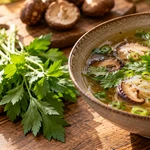
Lovage how to use it in Asian cuisine
Lovage is a powerful herb with a deep, savory aroma that many people associate with comforting broth. Used with a light hand, it can add “stock-like” richness to everyday meals—and it also fits surprisingly well in Asian-inspired dishes like noodle bowls, rice, and quick stir-fries.
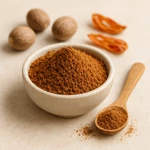
Ground Nutmeg: How to Use It, What It Pairs With, and Why It Works in Asian Cooking
Ground nutmeg is one of those “tiny pinch” spices that can make a dish feel warmer, smoother, and more complete. Used carefully, it lifts creamy sauces, potatoes, greens, and desserts—and it can also add a subtle finishing note to coconut curries and spice-forward Asian dishes.
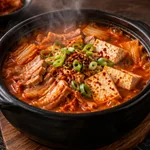
Kimchi Soup (Kimchi Jjigae) with Pork and Tofu
Kimchi soup is the kind of Korean comfort food that tastes bigger than its ingredient list: tangy, spicy, and deeply savory. This version uses pork and tofu for a hearty bowl you can cook on a weeknight—especially if you have well-fermented kimchi in the fridge.
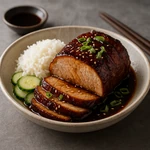
Boldly Seasoned Pork Roast with Juicy Pan Gravy (with an Optional Asian Twist)
This pork roast is all about two reliable moves: searing the meat well, then roasting it gently with just enough liquid to build a rich, spoonable gravy. A splash of dark soy sauce is optional—but it adds deep color and savory umami without turning the dish into “soy sauce pork.”
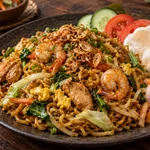
Bami Goreng Noodles (Indonesian-Style Fried Noodles) — Easy Weeknight Recipe
Bami Goreng is Indonesia’s beloved fried noodle dish: springy noodles tossed in a savory-sweet soy seasoning, quickly stir-fried with vegetables and your choice of chicken, shrimp, or tofu, then finished with egg and a squeeze of lime. This version is fast, flexible, and designed to work well on a home stovetop.
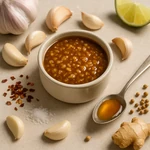
Garlic Marinade: How to Get the Most Out of It (Especially in Asian-Style Cooking)
Garlic marinade is one of those kitchen shortcuts that doesn’t feel like a shortcut: it can make chicken, pork, tofu, or vegetables taste deeper, smell incredible, and stay juicier—fast. The trick is knowing how garlic behaves with heat, how long to marinate different ingredients, and how to balance sweet, salty, and acidic notes for Asian-inspired results.
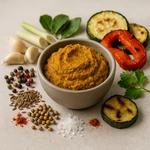
Seasoning for Grilled Vegetables: How to Choose a Blend (and Add an Asian Twist)
Grilled vegetables can taste effortlessly good—or surprisingly flat—depending on how you season them. This guide explains what makes a grill-friendly spice blend work, when to add it for the best aroma, and how to take the same vegetables in a more Asian direction using pastes, sauces, and smart finishing touches.

Barbecue seasoning: flavor that sticks to meat and vegetables
Great grilled flavor isn’t only about smoke and heat—it’s about how seasoning clings to the surface, browns evenly, and stays aromatic from the first flip to the final bite. Here’s a practical guide to choosing and using dry rubs, marinades, and finishing glazes, with simple ideas for adding an Asian-style punch to meat, tofu, and vegetables.
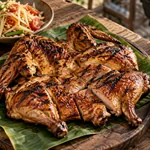
Thai Kai Yang (Grilled Chicken) Recipe
Kai Yang is Thailand’s iconic grilled chicken: deeply aromatic from garlic, coriander and lemongrass, juicy inside, and lightly charred outside. This recipe gives you a practical, grill-friendly method plus a quick Nam Jim Jaew dipping sauce to serve alongside sticky rice.
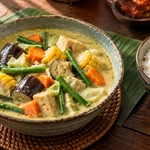
Sayur Lodeh: Indonesian Coconut Vegetable Curry (Easy, Flexible Recipe)
Sayur Lodeh is a comforting Indonesian-style vegetable curry made with coconut milk, aromatics, and a mix of everyday vegetables. It’s naturally plant-based, easy to adapt to what’s in your fridge, and tastes even better with steamed rice.
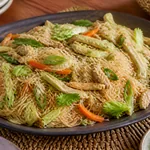
Fried noodles Pancit Bihon
Pancit Bihon or Pancit Guisado are Filipino fried noodles that you will definitely love for their simple preparation and great taste.
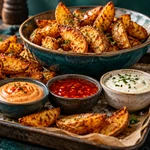
American-Style Potato Wedges: How to Get Them Crispy, Season Them Right, and Pick the Best Dips
“American potatoes” in Central Europe usually means oven-baked potato wedges with bold seasoning: crisp on the outside, fluffy inside, and made for dipping. This guide breaks down what makes wedges truly crunchy, how to season without burning spices, and how to pair them with punchy (including Asian-inspired) sauces.
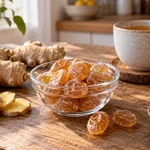
Ginger candies
Discover the secrets of health and flavor in every bite! Ginger candies are not only a great treat, but also a natural aid for your digestion and immunity. Read our article and find out how ginger candies can help you in your everyday life and why they should be a staple in your home!
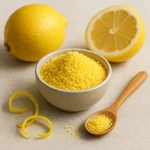
Ground Lemon Zest: How to Use It (and When It Beats Fresh)
Ground lemon zest is dried, finely milled lemon peel that delivers citrus aroma without adding liquid. It’s a smart pantry tool for baking, spice blends, creamy sauces, and Asian-style curries—especially when you want consistent results and zero grating.
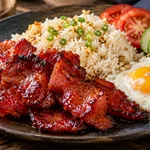
Homemade Filipino Tocino (Sweet-Cured Pork) Recipe
Tocino is a Filipino classic: thin slices of pork cured in a sweet-salty marinade, then pan-cooked until glossy and lightly caramelized. This homemade version is easy to prep ahead and perfect for a comfort-food breakfast with rice and a fried egg.
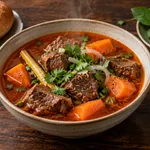
Bò Kho (Vietnamese Beef Stew) – Fragrant, Slow-Simmered and Perfect with Baguette
Bò Kho is Vietnam’s beloved beef stew: tender chunks of beef cooked with lemongrass, warm spices like star anise and cinnamon, and a savory-sweet broth you’ll want to mop up with bread. This version is written for home cooks, with practical timing, substitutions, and serving ideas.
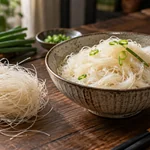
Corn noodles
Discover corn noodles – a healthy and gluten-free alternative to regular noodles! They are ideal for quick and tasty meals, full of fiber and easy to prepare. Read our article and learn more about their history, production, and uses in the kitchen!
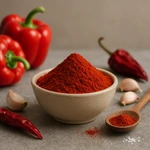
Sweet Hungarian Paprika (ASTA): how to spot it, use it well, and get the most color and flavor
Sweet Hungarian paprika is one of those quiet workhorses that can transform a dish with just a teaspoon—adding a warm red hue, gentle sweetness, and a rounded pepper aroma without real heat. If you understand the ASTA marking and learn how to heat paprika without turning it bitter, you’ll get consistently better stews, sauces, marinades, and even quick Asian-inspired stir-fries.
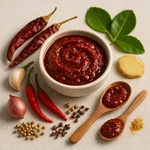
Devil’s Seasoning: How to Find Your Ideal Heat—and Make It Taste Great
“Devil’s seasoning” is a handy nickname for extra-spicy chili blends, pastes, and sauces that can turn plain rice, noodles, or a quick stir-fry into something exciting. The trick is choosing a heat level you’ll enjoy—and building flavor around it so the dish is bold, not just painful. This guide shows how to read spiciness cues, dose it confidently, and balance heat like Asian kitchens do.

All about soy sauce
Soy sauce is one of the oldest condiments in the world. What is it made of, what types we know and other tips in our blog.
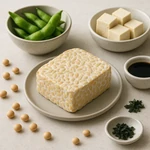
Tempeh, edamame, and other soy products: how to understand and use them in the kitchen
Soy products are not just one "protein cube" in different packages. From the same crop comes delicate tofu, fresh edamame, soy milk, and also distinctive fermented products like tempeh – and each behaves completely differently in the kitchen. In this article, you will clarify the differences, typical uses, and the most common mistakes that lead to disappointment.
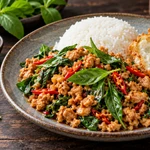
Basil: the Fragrant Herb That Lifts Mediterranean Classics and Asian Favorites
Basil is one of those ingredients that can change a dish with just a few leaves. Used well, it brings a bright, slightly sweet, herbal aroma to everything from tomato salads and pasta to spicy stir-fries, noodle soups, and coconut curries. Here’s how to get the most out of fresh and dried basil, when to add it, and what flavors it loves.
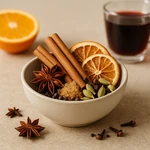
Mulled Wine Spices: How to Choose a Blend, Get the Flavour Right, and Use It Beyond Hot Wine
Mulled wine is remembered more by aroma than by alcohol: warm cinnamon, clove, citrus peel and a hint of anise can turn an ordinary evening into a small winter ritual. The spice mix is what decides whether your drink tastes rounded and cosy—or harsh, bitter, and overcooked. Here’s how to choose the right spices, infuse them gently, and put that festive fragrance to work in other drinks and desserts, too.
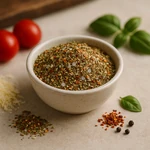
Pizza seasoning: how to use it to make your pizza smell great
Pizza seasoning can do much more than act as a last-minute sprinkle. When you understand what’s inside the blend and how heat changes dried herbs, you can boost tomato sauce, lift the aroma of melted cheese, and even give the crust a “pizzeria” finish—without overpowering the toppings.
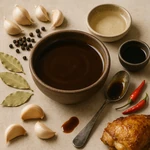
The taste of Filipino cuisine: acidity, vinegar, rice, and umami that hold the food together
Filipino cuisine is often simplified to "adobo," but its typical flavor is much broader and above all very practical: rice as the center of the meal, pronounced acidity (often from vinegar), saltiness and umami from soy and fish seasonings, garlic-onion aroma, and a sense for texture as well as complementary sauces. In the article, we will show you how to recognize these flavors in typical dishes and how to safely start with them at home without unnecessary mistakes.
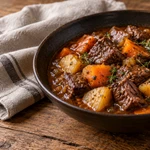
Bay Leaf: the Quiet Herb That Makes Food Taste More Complete
Bay leaf rarely steals the spotlight, yet it’s one of the easiest ways to add depth to soups, stews, braises, and sauces. Used well, it doesn’t “taste like bay leaf” so much as it makes everything else taste more connected, round, and finished.
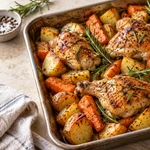
Rosemary: The Aromatic Herb That Lifts Roasts, Potatoes, and Marinades
Rosemary is one of those herbs that can make a dish taste “finished” with almost no effort. Used sparingly, its piney, resinous aroma deepens roasted meats, vegetables, and olive-oil based marinades—and it can be surprisingly effective in modern Asian-inspired grilling and umami-rich sauces, too.
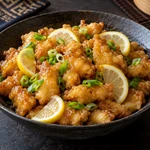
Cantonese Lemon Chicken (Crispy Chicken with Bright Citrus Sauce)
Cantonese-style lemon chicken is all about contrast: juicy, crispy-coated chicken pieces tossed in a glossy lemon sauce that’s sweet, tangy, and lightly savory. This home-friendly version keeps the crunch and delivers that restaurant-style citrus shine—without complicated steps.
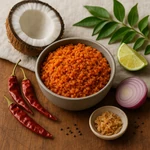
The taste of Sri Lankan cuisine: coconut, spices, acidity and “rice and curry”
Sri Lankan cuisine is not just “Indian curry on an island.” It is a distinct flavor landscape built on rice, coconut products, bold spices, chili and important accompaniments like sambol and various pickled or sour components. You understand it best not through a single iconic dish, but through the way of dining: several different curries and accompaniments mixed together on the plate.
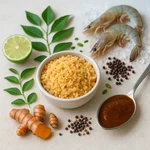
Typical Sri Lankan dishes: what to taste and how to understand them
Sri Lankan cuisine is not just "Indian curry on an island." It is based on rice, coconut products, strong spices, sourness, chili, and especially on the fact that one meal often consists of several smaller components (curry, sambols, pickles). In this guide, you will find the most typical Sri Lankan dishes and a simple key to recognize and understand them.
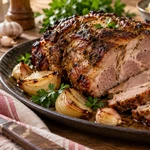
Oven-Roasted Pork Neck: Juicy Inside, Crisp Crust, Effortless Method
Pork neck (also sold as pork collar) is naturally marbled, which makes it one of the most forgiving cuts for oven roasting. This recipe keeps the prep simple, delivers a juicy sliceable roast, and finishes with a fragrant, lightly crisp crust—plus an optional sweet-salty glaze if you want a subtle Asian-inspired twist.
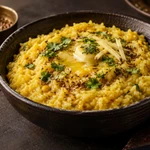
Indian Khichdi (Rice & Lentil Comfort Bowl) – Easy One-Pot Recipe
Khichdi is India’s classic “comfort in a bowl”: rice and lentils gently cooked with warming spices until soft, nourishing, and easy to digest. This simple one-pot recipe is ideal for a light dinner, meal prep, or days when you want something soothing but still satisfying.
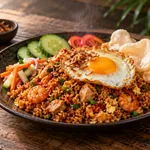
Nasi Goreng (Indonesian Fried Rice) – Easy Weeknight Recipe
Nasi Goreng is Indonesia’s iconic fried rice: smoky, savoury-sweet, and endlessly adaptable. The key is simple—use cold, dry rice and cook everything fast over high heat for that irresistible “wok” aroma.
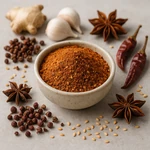
Chinese-Style Seasoning Mix: What It Tastes Like, What It’s For, and How to Use It Well
“Chinese seasoning” is a popular shortcut for fast stir-fries: it brings a warm, savory aroma and that familiar wok-style character even when you’re cooking with everyday ingredients. The trick is knowing when to add it, how much to use, and how to balance it so your dish doesn’t end up flat—or overly salty.
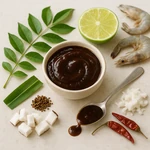
Typical Sri Lankan ingredients: what makes up the flavor of Sri Lanka and how to get started with it at home
Sri Lankan cuisine is not "Indian curry on an island." It is built on rice, coconut products, pronounced spices, chili and contrasts – alongside a gentle coconut component there is often acidity, heat and various sambols or pickled accompaniments. In this guide you will find typical Sri Lankan ingredients, their role in dishes, the main differences and practical tips on how to choose and use them.
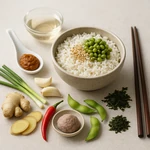
Health and dietary trends in Asian cuisine: warm breakfast, aromatics and smart seasoning
When people talk about a “healthier” Asian-style diet, it often becomes a vague mix of ideas about rice, soups and “light” cuisine. In practice, however, it's much more useful to look at specific eating habits: what a typical breakfast looks like, why warm and savory foods are eaten so much, how spices and herbs function as the backbone of flavor, and why a small bowl of dip often decides whether a dish feels fresh or heavy. This article is not nutritional advice – it is a practical guide for orienting yourself in these principles and using them safely at home.
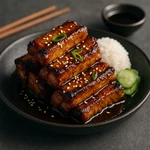
Sticky Honey Soy Ribs (Sweet-Salty Glaze That Clings to Your Fingers)
These oven-baked ribs get their “restaurant shine” from a simple two-step method: slow, covered roasting until tender, then quick high-heat glazing with a honey–soy sauce reduction scented with garlic and ginger. The result is deeply savory, gently sweet, and irresistibly sticky.
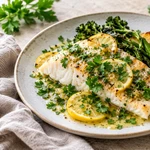
Parsley Leaf: the quiet herb that lifts soups, fish and marinades
Parsley leaf is easy to overlook because it rarely steals the spotlight—but that’s exactly why it’s so useful. A small pinch can brighten a broth, clean up a rich sauce, and add a fresh green finish to fish or grilled meats. Fresh and dried versions behave differently, so knowing when to use which makes everyday cooking noticeably more balanced.
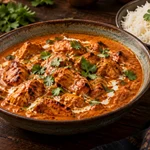
Chicken Tikka Masala (Creamy Tomato Curry You Can Make at Home)
Chicken tikka masala brings together smoky, spiced chicken and a silky tomato-based sauce enriched with cream. It’s restaurant-famous, but the home version is very doable—especially if you marinate ahead and build the sauce in layers.
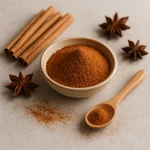
Ground Ceylon Cinnamon: What It Tastes Like, How to Use It, and How to Store It
Ground Ceylon cinnamon is a gentle, sweet-warm spice with a refined aroma that works in desserts, drinks, and surprisingly well in savory rice dishes and stews. Learn what sets Ceylon cinnamon apart, how to use it without overpowering a dish, and how to keep it fragrant for longer.
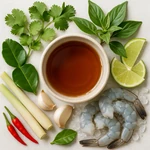
Typical Thai dishes: what they taste like and how to recognize them
"Typical Thai dishes" are not just a few famous names like pad thai, tom yum, or green curry. Thai cuisine is based on balancing contrasts – saltiness and umami, sourness, sweetness, spiciness, and herbal freshness – and it is this flavor logic that connects Thai dishes across styles and regions. In the article, we will show you how to navigate typical Thai dishes, what the main differences between the most common types of dishes are, and how to put together the Thai taste at home without unnecessary mistakes.
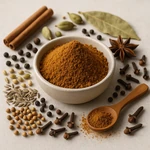
Garam Masala: the Fragrant Heart of Indian Cooking
Garam masala is one of the most recognizable spice blends from India—and one of the easiest ways to give everyday meals a distinctly Indian aroma. Used in the right amount and at the right moment, it adds warm, rounded depth to curries, lentils, roasted vegetables, and even simple rice without necessarily making food hot or fiery.
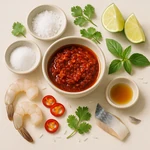
The most common mistakes in seasoning: spices, herbs, sauces, and marinades without unnecessary errors
Seasoning in Asian cuisine often matters more than the recipe itself. It's not just about spiciness or adding salt at the end. Flavor is built in layers: some develop when toasting spices, some in the sauce or marinade, and some only at the very end with fresh herbs or final condiments. In this article, we will go through the most common mistakes, why they happen, and more importantly, how to easily fix them in practice.
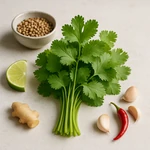
Coriander (Cilantro) in Asian Cooking: Flavor, Uses, Pairings, and Practical Tips
Coriander is one ingredient with two very different personalities: the fresh herb (often called cilantro) and the dried seeds used as a spice. Learn what each one tastes like, when to add it, and how to get that bright, authentic “Asian” lift in curries, soups, noodles, and rice.
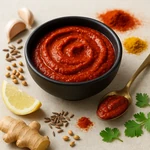
Tandoori Masala: the spice blend that brings authentic Indian flavour to meat and vegetables
Tandoori masala is a bold Indian spice mix made for high heat: aromatic, warmly spiced, and often gently hot. Combine it with yogurt and citrus for a quick marinade that works just as well in a home oven or on the grill as it does in a traditional tandoor.
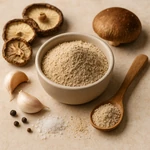
Mushroom Seasoning: the Quiet Umami Boost for Rice, Noodles, Soups, and Stir-Fries
Mushroom seasoning is one of those pantry shortcuts that makes everyday food taste like it had more time, more stock, and more depth. A small pinch can lift rice bowls, noodle sauces, soups, and quick wok meals with a savory, rounded “umami” finish—without turning the dish into something that tastes obviously mushroomy.
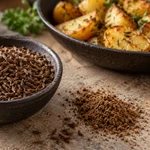
Caraway
Caraway can be subtle or boldly aromatic depending on when you add it and how much you use. This guide explains what caraway tastes like, how it’s different from cumin (often confused because of similar names), and practical ways to work it into rice, noodles, pickles, and spice blends with an Asian twist.
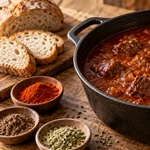
Goulash seasoning how to use it correctly?
Goulash seasoning is often treated as a one‑dish blend—something you grab only when you’re making a pot of stew. But its paprika-and-herb profile is versatile: used carefully, it can add warmth and depth to quick pan dinners, rice bowls, and even noodle stir-fries. Here’s how to get the best flavour without bitterness or heavy saltiness.
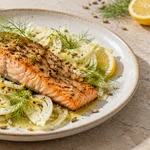
Fennel: how it tastes and what it is good for
Fennel is one of those ingredients that can feel like two things at once: a crisp vegetable and a deeply aromatic spice. Whether you’re working with the fresh bulb or fennel seeds, a small amount can make dishes taste brighter, rounder, and more “complete”—which is exactly why it shows up in so many Asian flavor traditions.
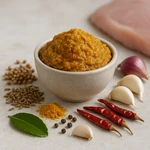
Turkey Seasoning Guide: From Classic Roast to Asian-Inspired Flavours
Turkey has a clean, delicate taste—great for everyday cooking and festive roasts, but it also means seasoning shows up clearly (for better or worse). This guide explains what “turkey seasoning” usually includes, how to use it as a dry rub or marinade, and how to shift turkey toward Asian-style dinners with smart, flavour-packed add-ons.
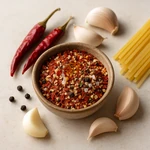
Aglio Olio Pepperoncino Seasoning: a fast route to garlic‑chilli flavour (far beyond pasta)
Aglio, olio, peperoncino: garlic, oil and chilli. It’s a minimalist Italian flavour trio that tastes bold, warm and clean when done right. In a ready-made seasoning blend, you get the same idea in a quicker, more consistent form—useful not only for spaghetti, but also for stir-fried noodles, rice bowls and quick wok dinners.
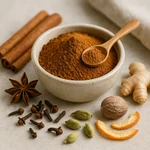
Gingerbread spice mix: a fragrant blend that lifts both the dough and your spirits in winter
Gingerbread spice is a warm, aromatic blend built around cinnamon, ginger, clove and other “sweet” spices. It’s famous for gingerbread—but it’s just as useful in oatmeal, hot drinks, fruit desserts, and even subtly spiced savory dishes. Here’s what’s usually inside, how to dose it, and how to keep it fragrant all season.
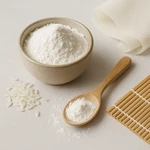
Rice Flour in Asian Cooking: How to Use It (and How It Differs from Glutinous Rice Flour)
Rice flour is one of those quiet pantry staples that becomes incredibly useful the moment you start cooking Asian dishes more often. It can lighten batters, add crispness to coatings, thicken sauces without a wheat taste, and create textures—from delicate and tender to pleasantly chewy—that regular wheat flour simply can’t replicate.
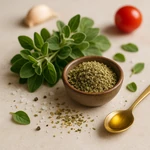
Oregano: How It Tastes, What It Pairs With, and Why It Works in Asian-Inspired Cooking
Oregano is a small herb with a surprisingly bold voice: warm, intensely aromatic, slightly peppery, and able to hold its own in rich sauces and marinades. Most people know it from pizza, but used with a light hand it can also bring depth to modern Asian-inspired “fusion” meals—especially where garlic, chili, soy, sesame, or tomato-based sauces are in play.
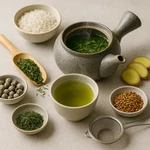
How to Prepare Asian Teas at Home: From "True Tea" to Modern Iced Drinks
Preparing Asian teas at home is not about a single correct procedure, but about knowing what type of tea you have in hand and what to expect from it. Once you get oriented with the main tea categories, the differences between Chinese and Japanese styles, and learn to read the packaging information, even modern drinks like bubble tea, matcha latte, or citrus iced drinks will start to make sense.
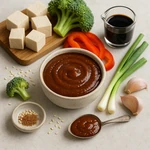
How to flavor tofu and vegetables: marinade, glaze, and final seasoning without unnecessary mistakes
Tofu and vegetables can be great, but on their own, they often feel 'flat' – lacking saltiness, umami, and aroma. In Asian cuisine, this is not solved with a single universal marinade but with a cleverly divided approach to flavor: some is added in advance, some develops on the pan, and some is refined at the end. When you understand what each step is supposed to do, seasoning will start to make sense and the results will be consistently better.
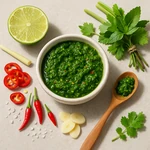
Fresh herbs, acidity, and spiciness: why cold Asian dishes taste "finished"
Asian cold cuisine is not a "diet salad" or randomly mixed vegetables. It is often a complete meal built on fresh herbs, active acidity, and a spicy spark – and mainly on a dressing or dip that holds the whole plate together. In the article, we clearly explain how these elements work, their variations, and how to assemble a cold bowl or noodle salad at home so it doesn’t taste "unfinished."
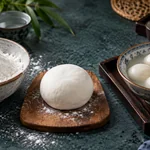
Glutinous rice flour
Discover the world of rice flour! In this article, you will learn about its history, production, and use in Asian cuisine and gluten-free diets. Find out about its health benefits and how to use it in various dishes.
