


 Česky (CZK)
 Slovensky (EUR)
 Deutsch (EUR)
 Austria
 Belgium
 Bulgaria
 Croatia
 Denmark
 Estonia
 Finland
 France
 Germany
 Greece
 Hungary
 Italy
Italy Latvia
 Lithuania
 Luxembourg
 Netherlands
 Poland
 Portugal
 Romania
 Slovenia
 Spain
Spain Sweden










How to build flavor using spices: roles, timing and a clean result without “overloading”
Good seasoning isn't about dumping as many aromatics into the pot as possible. In Asian cooking flavor is often built as a whole: something gives the dish depth, something defines its character, something adds contrast and something remains as a long finish. When you understand these roles and the timing, you'll start using spices and herbs more precisely — and stop ending up with dishes that “smell great” but taste chaotic.
🌶️ What is a spice and what is an herb (and why it matters)
In everyday cooking “spices” and “herbs” are often lumped together. For working with flavor it's useful to think of them as two different groups with distinct behavior.
- Spices (typically dried parts of plants — seeds, bark, fruits, etc.) often help build depth, warmth and a long finish. In a dish they can develop gradually and can be handled so you remove them after cooking.
- Herbs and fresh aromatics (leaves, tops, some fresh parts) often function as contrast, freshness and a “green” layer. They often make the most sense when used later or at service — precisely so they don't lose their character.
This distinction will also help you decide, what to put at the beginning (so the flavor releases slowly) and what at the end (so it remains distinct and lively).
Why spices and herbs are so important in Asian cuisine: layering instead of a “single flavor”
In much of Asia flavor doesn't arise just from a combination of salt and fat. Flavor is often built by layering — the dish has an immediate aroma, a mid flavor and a long “tail.” It's typical that individual components have their own roles.
For example:
- pepper, chili, ginger or sansho can give heat or warmth,
- coriander, fennel or cardamom add fresh, citrusy or sweetly aromatic tones,
- cinnamon, star anise and clove aren't just for sweets — they appear in savory braises and broths as well,
- basil, perilla, mint, shiso and coriander leaves bring freshness and contrast to heavier sauces,
- lemongrass and makrut lime leaves create a bright citrus profile without direct acidity.
That's why there's no single universal “Asian spice.” Different regions have different customs: in some places toasting whole spices is typical, elsewhere working with fresh aromatics and pastes. (This is the only moment it's useful to say “Asia is not one cuisine” — from here we'll speak specifically about roles and techniques.)
How to build flavor with spices: 4 roles that keep a dish readable
The safest route is not to think “how much more to add,” but rather what role is missing in the dish. In home practice it's better to have a few clear tones than ten things that mute each other.
1) Fundamental warmth and depth
This is the layer that makes a dish feel “finished” and fuller. Typically this includes pepper, cumin, coriander, ginger or turmeric. In practice this layer is often built early — so it has time to develop.
Practical picture: when you make the base of a sauce or fry ingredients, this is usually where the “carrying” aroma and flavor are created, onto which other layers are added.
2) Character: what profile you want the dish to have
In this role you decide whether you want an aniseed, citrus, smoky, earthy, floral or herbal profile. Sometimes one dominant choice is enough and the rest just supports it.
Important rule: the more pronounced the character the base already has (paste, blend, sauce), the more carefully add other spices.
3) Contrast: freshness and a “green” counterpoint
Contrast is often made by fresh herbs, citrus leaves, spring onion or mint. They have a single task: to “lighten” and add a clear top to the dish so it doesn't feel flat or heavy.
Contrast is most effective when you don't burn it with long cooking — it's often best to add it later or on the plate.
4) Length and finish
This is the layer that remains when you've finished chewing. It's often carried by peppers, cardamom, clove, shiso, perilla or well-roasted seeds. In some dishes the “tail” is what separates average from excellent.
Most important spices and herbs in practice: what they do and how they differ
Pepper: black vs white (and why sansho and Sichuan pepper aren't the same)
Pepper is one of the oldest and most important spices. In Asian cooking both black and white pepper are common:
- Black pepper tends to be more robust, darker and more aromatic.
- White pepper is sharper but less fragrant, and is therefore often used in lighter soups, ground meat mixtures, dumplings or delicate sauces where you don't want black specks or an overly dominant aroma.
Important note: there are also peppers and “pepper-like” substitutes. Sansho and Sichuan pepper are not the same as classic black pepper — they add more citrusy, woody and slightly numbing tones than regular pepper heat. They therefore play a different role in flavor.
Coriander: seed and leaves have completely different functions
Coriander is almost a textbook example of “two ingredients in one”:
- Seed tastes warm, mildly citrusy and slightly sweet. Ground coriander is important in many Indian blends and curries.
- Leaves (coriander leaf/cilantro) act fresh, green and sharper. They are typical for Vietnamese, Thai, Indian and some Chinese dishes.
Practical detail that makes a difference: with coriander leaves it's often worth using the stems too, because they often have even more flavor than the leaves.
Cumin, cardamom, clove and cinnamon: when “warmth” isn't just for sweets
In Asian cooking it's often clear that spices Europeans associate with sweets can work in savory contexts too. Typically clove and cinnamon are used in savory braises and broths. The point is that they add a strong aromatic line and support a long finish — they just need to remain readable, not noisy.
Basils, perilla and shiso: not interchangeable “green leaves”
With herbs a common mistake is to think “basil is basil.” In Asian cooking the name covers several types:
- Sweet basil is more versatile and milder.
- Thai basil has a more aniseed tone and holds flavor better when heated.
- Holy basil is often pepperier and sharper.
For cooks the key point is mainly that they are not perfectly interchangeable varieties. Some suit wok dishes and curries, others are better as a final fresh herb.
Perilla and shiso are pronounced aromatic leaves that can function as a spice, an herb and an edible “wrap.” In Korea perilla is used for wraps, soups, pickling and braised dishes. In Japan shiso functions as a refreshing, lightly spicy and menthol-like contrast to rice, fish and fried foods.
Practical onboarding: how to start building flavor at home (and not overwhelm it)
Step 1: choose one “carrying” layer and one “contrast” dot
If you're starting out, it's safest to build the dish around two to three clear tones:
- 1 tone for depth/warmth (e.g. pepper or ground coriander),
- 1 tone for character (what you want to be recognized first in the dish),
- and finally 1 tone for contrast (fresh herb, citrus leaf, spring onion).
Guidance on amounts: with intense spices it's often better to start with a smaller quantity (e.g. a pinch to half a teaspoon depending on type and volume of the dish) and add after tasting. The goal is for the layers to be recognizable, not to merge into one indistinct “spice smell.”
Step 2: decide on timing — slow release vs quick hit
Spices and herbs can do different things in a dish depending on when you add them. These functions will be useful in practice:
- Slower flavor release — suitable for bases, braising, stocks and sauces.
- Aromatizing fat, stock or rice — the spice “dissolves” into the carrier and its flavor becomes more even.
- Option to remove spices after cooking — when you use whole pieces (typically in stock or braise), you can control that they don't dominate.
- Even distribution in a sauce, marinade or batter — ground spice disperses, but is also easy to overdo.
- A quick and strong flavor hit — fresh herbs or some aromatics often make the biggest impact at the end.
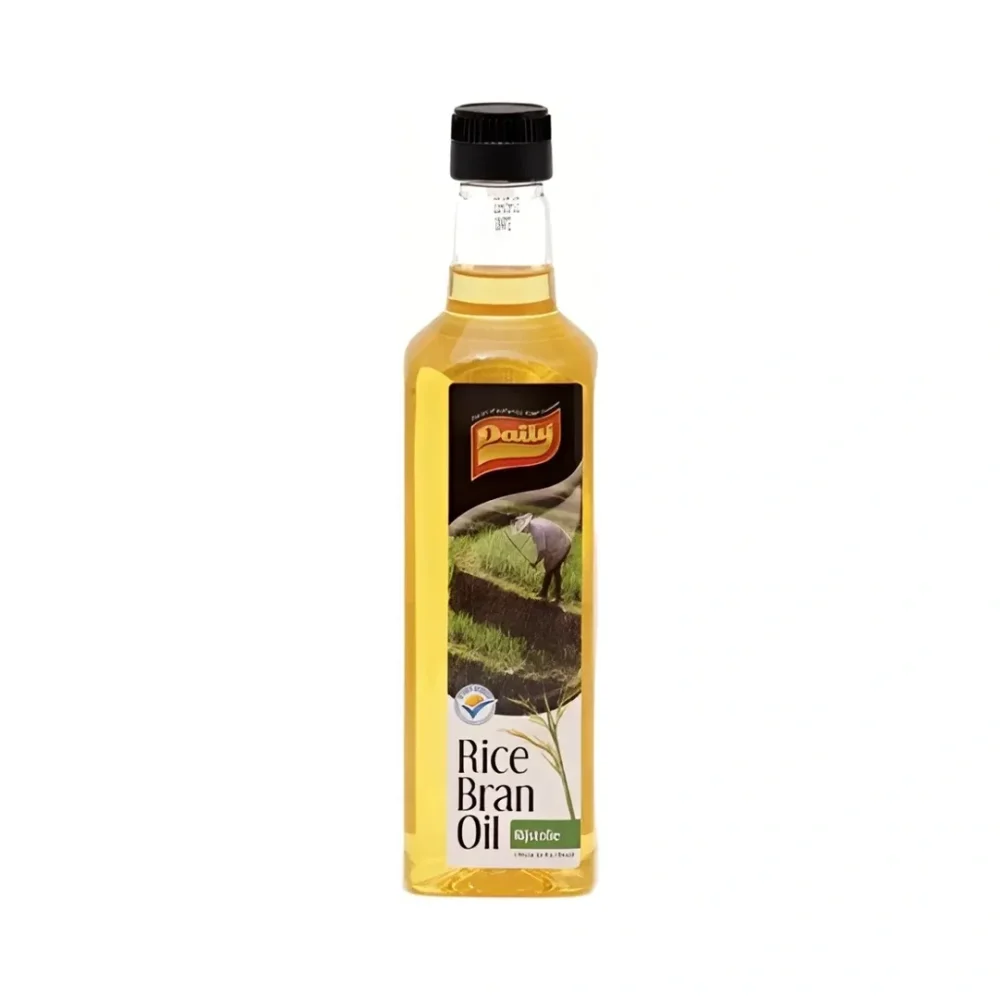
A specific and simple technique: if you want to “open” spices in fat, use a neutral oil that won't overpower the flavor. For frying and everyday cooking, for example, rice bran oil, because it allows the spice and ingredients' aromatics to stand out.
Step 3: paste, blend, sauce — and why you must then add less extra spice
Strong pastes and blends are practical, but they easily lead to “over-spicing” if you automatically add other strong seasonings to them. A common home mistake is combining a strong curry paste, fish sauce, soy sauce, sesame oil, shichimi and fresh herbs in one dish. The result is often overloaded.
A rule that works: when the base is already complete by itself, add further spices only in pinches and with a clear purpose (e.g. “I want more contrast,” not “I'll sprinkle something else on”).
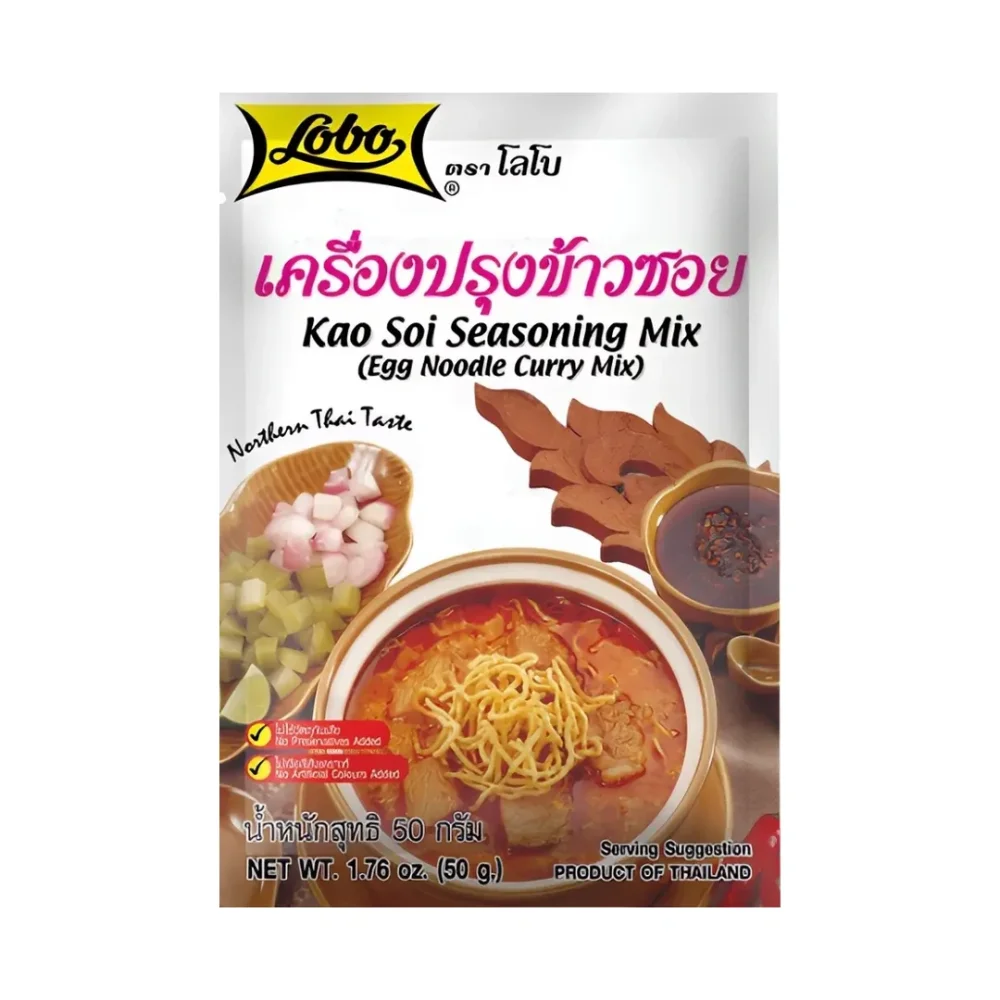
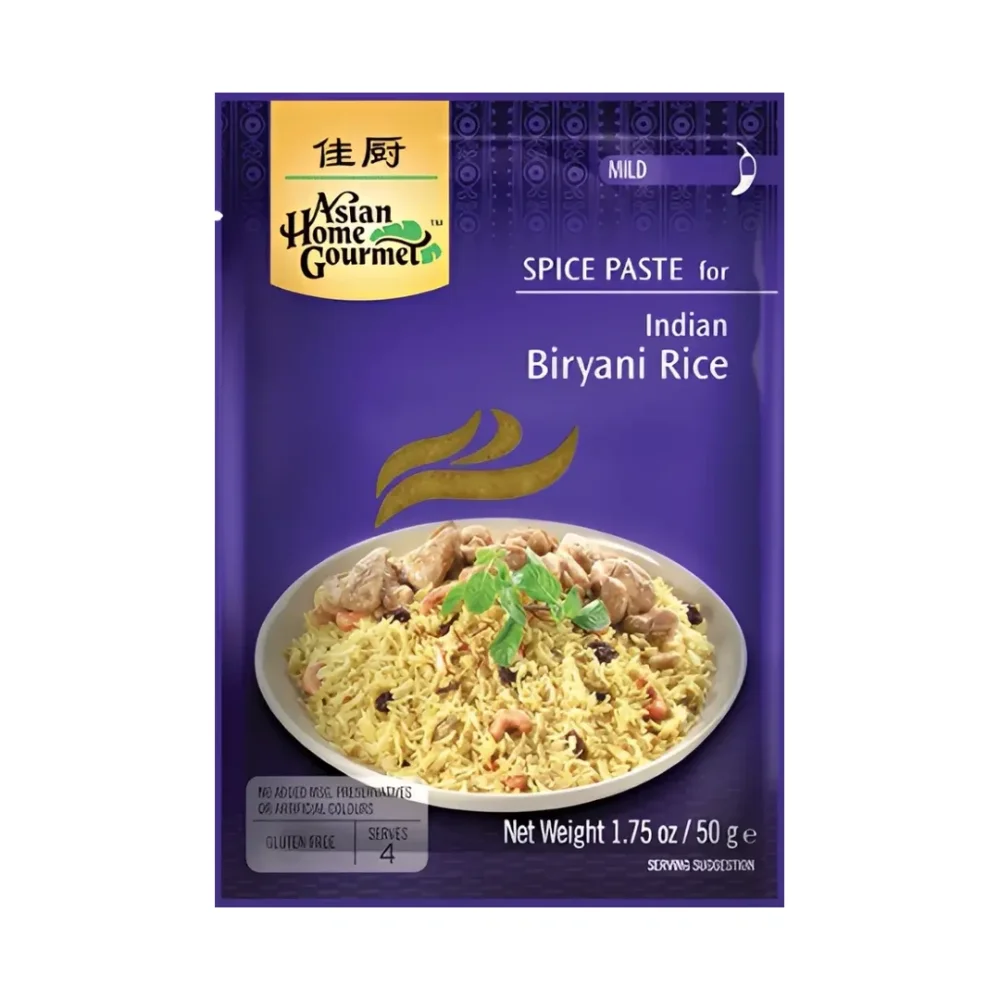
As an example of a strong base where caution makes sense, consider for example Khao Soi curry noodle paste or Indian Biryani rice paste: both target a specific aromatic profile, so additional spices should be a targeted correction rather than “another layer just in case.”
Step 4: marinating vs seasoning during cooking vs final seasoning
Marinating and seasoning is a broader topic in Asian cooking than just “soaking meat in a sauce.” In home practice it's useful to distinguish three things that are often confused:
- Marinating — working on the flavor and surface of an ingredient before heat treatment (often for salt/umami, unifying the surface, color and binding aromatics to fat or liquid).
- Seasoning during cooking — adjusting flavor during heat treatment, when you deal with how flavors connect in the pan, in the stock or in the sauce.
- Final seasoning — finishing touches after cooking or at service; it's often the place for herbs, table sauces, vinegar or chili oil.
This distinction is important also because of expectations: not every dish should be “finished” already in the marinade. Part of the character can arise only at the very end.
Step 5: two specific “home” scenarios where spice decides the outcome
- When you want the spice to stay in a sauce or coating: spices often behave better when they have something to “sit” in and disperse through. For thickening sauces or preparing light batters and coatings, a neutral option can be useful rice flour – it helps with even distribution of flavor in the batter or the surface layer.
- When you cook an ingredient that likes to “take” the spice: legumes are good practice for working with spice because you can easily tell the difference between depth and chaos. mung beans are suitable for soups and curries and show well how spices develop over time – it then becomes easier to keep the layers readable.
Common mistakes and misunderstandings (and how to fix them quickly)
👃 1) “More is better”: overloading with aroma
The most common problem is not a lack of spice, but its excess. When flavors start to get muted, the dish can feel heavy, sweet, “perfumy” or indistinct. The fix is usually about returning to roles: missing contrast? Add a fresh herb at the end. Missing depth? Add a small amount of a supporting layer (pepper, coriander, cumin) – not five more new tones.
2) Confusing similar ingredients: pepper is not just pepper
Black and white pepper behave differently in food and address different outcomes. And sansho or Sichuan pepper are not just “a pepper variant” that only burns differently – they add citrusy and woody notes and a characteristic numbing effect. If you swap them thoughtlessly, you change the whole character of the dish.
3) The idea that “basil can be substituted with any basil”
There are differences in profile and heat stability among Asian basils. If you want a typical anise-like note and stability in a wok dish, it is not the same as delicate sweet basil. When substitution doesn’t work, it’s often better to omit the herb than to replace it with something that doesn’t fit the profile.
4) Marinade as a universal solution
A marinade is not an automatic step. Sometimes a shorter, more precise marination makes sense (e.g., for thin slices for stir-fry), other times longer contact (larger pieces for grilling or roasting). And sometimes – when the ingredient goes into a very pronounced sauce – it doesn’t need a strong marinade at all. If the result is “heavy” or oversalted, often the problem is that you put the same intensity into the marinade, the sauce, and the final seasoning.
5) Herbs cooked for too long
Herbs meant to provide contrast (cilantro leaves, mint, some types of basil, shiso/perilla) often lose character when cooked for a long time. The result can paradoxically feel “without freshness,” even though you used herbs. The solution is simple: put some into the base (if that makes sense) and leave some for the end.
What to take away from the article
- Taste is built better according to roles than by the impulse “add something else”: depth, character, contrast, finishing seasoning.
- Spices and herbs are not the same: they differ in what they do and when to add them.
- Strong pastes and mixes often already contain “character” – add additional spices only deliberately and carefully.
- Differentiate marinating, seasoning during cooking, and final seasoning – each stage has a different purpose.
- The most common mistake is overloading: a few clear tones are usually better than ten ingredients that mute each other.

Read next
If you want to explore this topic further, continue with these related blog guides and articles:
