Česky (CZK)
 Slovensky (EUR)
 Deutsch (EUR)
 Austria
 Belgium
 Bulgaria
 Croatia
 Denmark
 Estonia
 Finland
 France
 Germany
 Greece
 Hungary
 Italy
Italy Latvia
 Lithuania
 Luxembourg
 Netherlands
 Poland
 Portugal
 Romania
 Slovenia
 Spain
Spain Sweden










Turkey Seasoning Guide: From Classic Roast to Asian-Inspired Flavours
Why turkey needs thoughtful seasoning
Compared to fattier meats, turkey (especially breast) is lean and mild. That makes it wonderfully versatile—but also easy to overcook and easy to under-season. A good seasoning strategy should do three things:
- Build aroma (herbs, spices, aromatics)
- Support juiciness (salt timing, oil or yogurt, gentle heat)
- Create a clear flavour direction (classic roast, spicy glaze, curry-style sauce, stir-fry)
The nice part: once you understand the logic, you can season turkey confidently whether you’re roasting a whole bird or cooking quick strips for noodles.
🌿 What “turkey seasoning” usually means
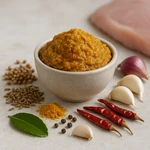
In many English-speaking kitchens, turkey seasoning is similar to “poultry seasoning”: a balanced blend designed for mild meat and longer cooking times. There isn’t one universal recipe, but most blends sit in the same flavour family.
Common flavour notes
- Herbal and warm: sage, thyme, rosemary, marjoram
- Gently savoury: garlic, onion, celery seed
- Light heat: black pepper (usually not very spicy)
- Colour and mild sweetness: paprika (sometimes)
The goal isn’t to overpower turkey—it’s to make it taste “finished” and aromatic, especially after roasting.
🧂 Choosing a good blend (and when to tweak it)
Because turkey is subtle, a seasoning mix that’s overly salty, bitter, or aggressively hot will stand out immediately. Before you commit, check these practical points:
- Smell test: the blend should smell fresh and clearly herbal/spiced, not dusty or stale.
- Salt level: if salt is the first ingredient, treat it as a salted rub (and reduce extra salt elsewhere).
- Granulation: very fine powders can burn faster on high heat; coarser blends are forgiving for roasting.
- Heat management: paprika, sugar, or very fine garlic powder can darken quickly—best for moderate oven temps or added later.
Easy fix if a mix feels too intense: dilute it with a neutral carrier (oil, melted butter, yogurt, or coconut milk) and add a “fresh top note” like lemon zest, lime, ginger, or spring onion.
🍳 Two reliable methods: dry rub vs. marinade
Dry rub (fast, great crust)
A rub works best when you want a fragrant surface and a simple workflow.
- How: pat turkey dry, lightly oil it, coat evenly with seasoning.
- Timing: 15–30 minutes helps; overnight in the fridge gives deeper flavour.
- Best for: skin-on pieces, roasting, grilling, sheet-pan turkey.
Tip for roasts: if cooking a whole turkey, rub seasoning mixed with butter under the skin (breast area) for more aroma closer to the meat.
Marinade (deeper flavour, more forgiving breast meat)
Marinades are helpful for lean cuts and quick-cooking pieces that can dry out.
- Base: oil + seasoning + something aromatic (garlic, ginger) and optionally something tangy (lemon, yogurt).
- Timing: 30 minutes to 6 hours is usually plenty. If your marinade is strongly acidic (lots of citrus/vinegar), keep it shorter to avoid a “cooked” texture.
- Best for: turkey breast slices, kebabs, stir-fry strips.
🥢 Turning turkey Asian-style (without making it complicated)
Turkey behaves a lot like chicken in Asian home cooking: it absorbs flavour quickly and works well in sauces. The simplest approach is to pick one “lead flavour” and keep the rest of the dish clean (rice/noodles + vegetables).
Curry direction (rich, aromatic)
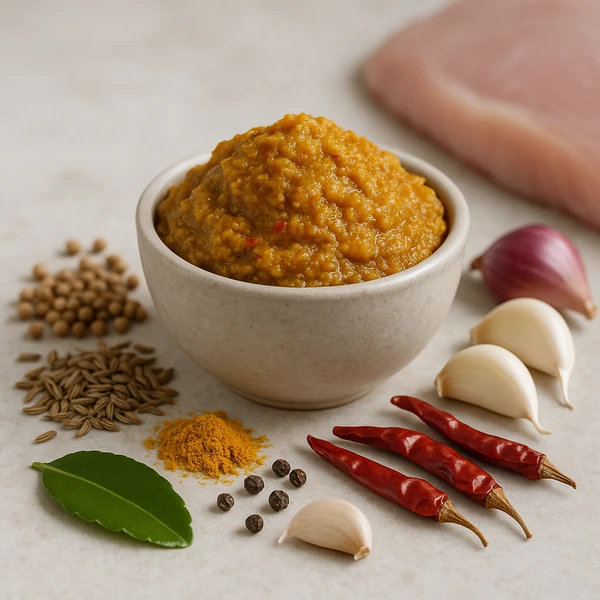
Brown turkey cubes or strips, then simmer briefly in a sauce built from curry paste plus coconut milk (or stock). Finish with lime and herbs for brightness. This style is especially forgiving for breast meat because the sauce helps protect juiciness.
Stir-fry direction (quick, savoury)
Slice turkey thinly across the grain, season lightly, then stir-fry over high heat. Add vegetables, then finish with a glossy sauce (soy-based, garlic-ginger, or chilli-forward). Add the strongest sauces at the end so they stay vibrant and don’t turn bitter.
Sweet-hot glaze (sticky, crowd-pleasing)
For roasted pieces or pan-seared cutlets, brush on a sweet-hot glaze during the last minutes of cooking (or right at the end). This keeps sugars from burning and gives a lacquered finish that works beautifully with plain rice and crunchy slaw.
🔥 Common mistakes (and how to avoid them)
- Seasoning only the outside of big pieces: use butter/oil to help spices stick, and consider seasoning under the skin for roasts.
- Oversalting: many sauces used in Asian cooking (soy-based, chutneys, bottled sauces) already bring salt. Salt the turkey lightly at the start and adjust at the end.
- Burning the spices: fine powders + high heat can turn bitter. Either lower heat slightly or add spice mixes later in the cooking process.
- Dry turkey breast: cook gently and stop on time. As a reference, turkey is typically considered safe at 74°C / 165°F at the thickest point. Resting after cooking helps keep it juicy.
Quick serving ideas (mix-and-match)
- Classic roast plate: herb seasoning + roasted root veg + gravy.
- Weeknight bowl: stir-fried turkey + greens + rice + a spoon of a bold condiment.
- Wrap or sandwich upgrade: cold sliced turkey + crunchy veg + a punchy chutney instead of plain mayo.
Our picks: chutneys that pair surprisingly well with turkey
Chutneys are an easy way to push turkey into a more aromatic, Asian-leaning direction—especially for leftovers, quick lunches, or simple rice bowls.
- Ashoka Chutney Mint 250 g – bright, cooling, great with grilled or roasted turkey and crunchy salad.
- Ashoka Coriander Chutney 250 g – herbal and zesty; try it with pan-seared turkey breast and rice.
- Ashoka Chutney Schezwan 250 g – bolder and spicier; ideal as a finishing sauce for turkey stir-fries or wraps.
❓ FAQ
Should I season turkey the night before?
If you can, yes—especially for roasting. Even 30 minutes helps, but overnight gives more even flavour. Keep it covered in the fridge.
Is a rub or a marinade better for turkey breast?
For very lean breast, a marinade is often more forgiving. A rub is excellent too—just watch the cooking time and don’t rely on seasoning to solve dryness.
How do I make turkey taste more “Asian” quickly?
Use one strong flavour element (a curry-style sauce, a soy-ginger stir-fry sauce, or a spoon of spicy chutney) and keep sides simple: rice/noodles plus crisp vegetables.

Recommended products1
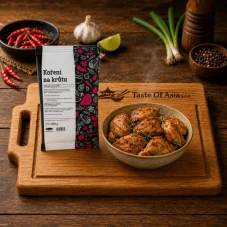
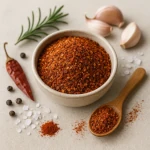
Drana Turkey Seasoning 500 g
Read next
If you want to continue with the same topic, here are more related articles to explore: