Česky (CZK)
 Slovensky (EUR)
 Deutsch (EUR)
 Austria
 Belgium
 Bulgaria
 Croatia
 Denmark
 Estonia
 Finland
 France
 Germany
 Greece
 Hungary
 Italy
Italy Latvia
 Lithuania
 Luxembourg
 Netherlands
 Poland
 Portugal
 Romania
 Slovenia
 Spain
Spain Sweden










Pizza seasoning: how to use it to make your pizza smell great
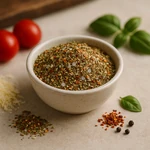
What “pizza seasoning” actually is 🌿
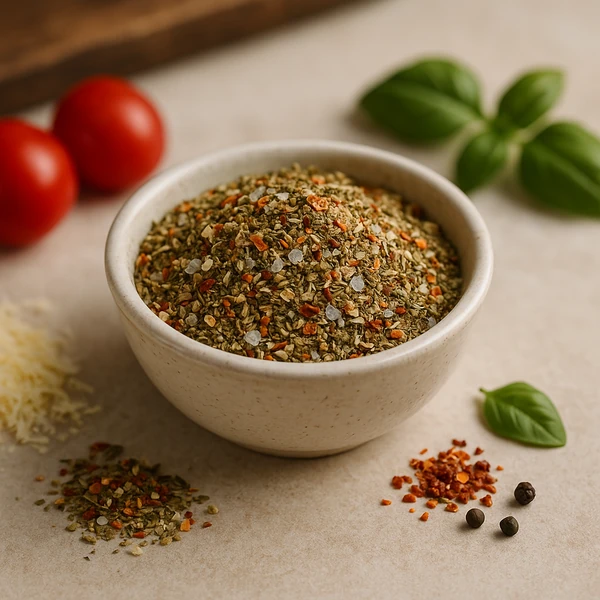
Pizza seasoning is a ready-made mix of dried herbs (and sometimes spices) designed to match the classic pizza flavor profile: tomato, cheese, olive oil, and baked dough. There’s no single universal recipe—some blends stay purely herbal, while others lean into garlic, onion, chili, or pepper.
The common thread is simple: herbs that taste great with tomatoes and become more fragrant when warmed. That’s why the same blend often works beyond pizza, wherever you want a Mediterranean-style, baked-herb aroma in seconds.
How it tastes (and why heat matters) 👃
- Herbal and warm: oregano and basil tend to lead, with thyme/rosemary sometimes adding depth.
- More savory than you expect: blends with garlic or onion feel rounder and “toastier,” especially after baking.
- Sometimes spicy: chili flakes or black pepper can bring a gentle heat that cuts through cheese and oil.
Dried herbs release their essential oils when they’re warmed and hydrated. That means the same blend tastes different depending on whether you add it into a sauce, bake it on top, or sprinkle it after the pizza is done.
When to add pizza seasoning for the best aroma ⏱️
Timing is the difference between a flat, dusty herb taste and a pizza that smells like it just came out of a good oven.
1) In tomato sauce (best for a rounded, integrated flavor)
Stir the seasoning into your tomato base early and let it sit for at least 10–15 minutes before you spread it on the dough. The herbs rehydrate, bitterness softens, and the sauce tastes more “cooked” even if you didn’t simmer it long.
2) On top before baking (best for “baked herb” fragrance)
Sprinkling over cheese or toppings gives you that classic pizzeria aroma as the herbs warm up in the oven. If the blend contains fine garlic/onion granules, use a light hand—at high heat they can darken quickly and turn sharp.
3) After baking (best for fresh, vivid herb notes)
Finish the pizza right after it comes out of the oven. This keeps the herbs bright and prevents any delicate bits from scorching. It’s also the easiest way to adjust flavor slice by slice.
4) On the crust (small trick, big payoff)
Mix seasoning with a little olive oil and brush the crust as soon as the pizza comes out. The residual heat blooms the aroma and makes even a simple home-baked crust taste more intentional.
What to look for when choosing a blend 🔎
- Herb balance: oregano-forward blends taste “classic,” while basil-forward ones can feel sweeter and softer.
- Garlic/onion content: great for convenience, but easier to overdo—especially if you already use garlic in the sauce.
- Salt (check the label): some mixes include it. If yours does, reduce added salt elsewhere—cheese, cured meats, and olives can push the pizza into “too salty” territory fast.
- Cut size: very powdery mixes distribute evenly but can taste harsher if overapplied; larger herb flakes look great on top and read as more “artisan.”
A simple homemade pizza seasoning formula 🧂
If you like controlling intensity, make a small jar at home. You don’t need exact grams—start with a simple structure and tweak to taste:
- Base: oregano + basil (your main “pizza” identity)
- Support: thyme (adds depth without shouting)
- Optional warmth: granulated garlic and/or onion
- Optional kick: chili flakes or black pepper
- Use rosemary sparingly: it can dominate quickly, especially if finely crushed
Practical tip: mix smaller batches. Dried herbs lose aroma over time, and a fresher jar will smell noticeably more alive when it hits hot sauce or oil.
Common mistakes (and easy fixes) 💡
- Dumping a lot on top before baking: herbs can turn bitter and garlic can scorch. Fix: split the dose—some in the sauce, a little after baking.
- One blend for every pizza: a garlicky or spicy mix can overpower delicate toppings like mushrooms or mozzarella. Fix: start with a pinch, then add more at the table.
- Storing near steam/heat: humidity kills aroma fast. Fix: keep it tightly closed in a cool, dark cupboard, not next to the hob.
Beyond pizza: where the same flavor profile works surprisingly well 🍜
Pizza seasoning is essentially a fast Mediterranean herb shortcut. It also fits “fusion” cooking when you want something savory, herby, and comforting—without building a sauce from scratch.
- Noodles: toss cooked noodles with a little oil, a pinch of seasoning, and a squeeze of tomato or a spoon of ketchup for a quick “pizza noodle” snack.
- Rice: stir into fried rice at the very end for a warm herb aroma; it pairs nicely with cheese-topped rice bakes too.
- Roasted vegetables: add halfway through roasting so the herbs toast lightly but don’t burn.
- Dips: mix into mayo, yogurt, or cream cheese—let it stand 10 minutes so the herbs soften.
Quick finishing idea: herb oil drizzle (no cooking required)
For an easy upgrade, stir 1–2 teaspoons of pizza seasoning into 3–4 tablespoons of olive oil and let it infuse for 10 minutes. Drizzle lightly over finished pizza, focaccia, or toasted bread. If your mix includes salt or garlic, keep the drizzle modest and taste first.
Our picks (when you want a ready-made blend) 🛒
- Drana Pizza 15 g – a convenient, pre-mixed option for seasoning sauce, toppings, or crust.

Recommended products1
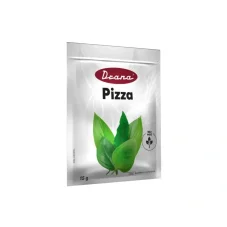
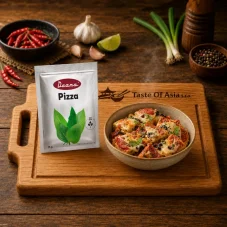
Drana Pizza 15 g
Read next
If you want to continue with the same topic, here are more related articles to explore: