


 Česky (CZK)
 Slovensky (EUR)
 Deutsch (EUR)
 Austria
 Belgium
 Bulgaria
 Croatia
 Denmark
 Estonia
 Finland
 France
 Germany
 Greece
 Hungary
 Italy
Italy Latvia
 Lithuania
 Luxembourg
 Netherlands
 Poland
 Portugal
 Romania
 Slovenia
 Spain
Spain Sweden










The most common mistakes in seasoning: spices, herbs, sauces, and marinades without unnecessary errors
Seasoning in Asian cuisine often matters more than the recipe itself. It's not just about spiciness or adding salt at the end. Flavor is built in layers: some develop when toasting spices, some in the sauce or marinade, and some only at the very end with fresh herbs or final condiments. In this article, we will go through the most common mistakes, why they happen, and more importantly, how to easily fix them in practice.
Seasoning as the “flavor backbone”: why mistakes show up so quickly
Asian cuisine doesn't rely only on spiciness or "exotic" ingredients. Much of it is defined by the work with aroma, freshness, warmth, earthiness, citrus tone, bitterness, and long aftertaste. Spices, herbs, and sauces often aren't just complements – they form the very backbone of flavor.
This has a consequence: when a mistake is made in seasoning (bad timing, burning, ingredient mix-up, or unfortunate "universal" sauce), the result is immediately flat, over-the-top, or vaguely “Asian,” but without clear direction.
🌶️ Orientation: what is spice, what is herb, and why are they handled differently
For basic orientation, it is useful to distinguish two groups:
- Spices (seeds, bark, fruits, pods…) typically give warmth, depth, and the "center of flavor." They are often used so that their aroma gradually unfolds. In practice, they are useful when you want: slower flavor release, to aromatize fat/broth/rice, even distribution in sauce or marinade, and sometimes the possibility to remove the spice after cooking (with whole spices).
- Herbs (leaves and stems) are often about freshness and contrast – they add a "green" tone that balances heavier sauces. Typical examples are coriander stems, various basils, perilla, or shiso.
In Asian cooking, individual components usually have their roles: pepper, chili, ginger (or sansho) provide sharpness or warmth; coriander, fennel, or cardamom add fresh to citrusy or sweet aromatic tones; cinnamon, star anise, and clove are used even in savory dishes, broths, and stews. Alongside them stand fresh aromatics and herbs like lemongrass or makrut lime leaves, which can create a clear citrus profile even without "direct" acidity.
Variants often confused: when flavor develops and what you are actually building it with
1) Three different flavor moments: marinating × seasoning during cooking × final touch
Much confusion arises because three different things get mixed:
- Marinating is working with flavor and the surface of the raw ingredient before heat treatment. In home cooking, it often serves to give the ingredient a basic saltiness and umami, unify surface flavor, better caramelization, and the aroma "binds" to fat or liquid.
- Seasoning during cooking is what you do in the pan, wok, or pot – gradually building flavor during heat treatment.
- Final seasoning comes after cooking or at serving (herbs, table sauces, vinegar, chili oil…).
Asian cuisines often don't rely solely on marinade. Part of the flavor has to come at the end – and if you "shorten" this (or on the contrary, stuff everything into the marinade), the result will either be monotonous or over-the-top.
2) Spice blends are not one category: masalas, five-spice, and "seven spices" have different roles
Another common source of mistakes is the idea that a blend is a universal "Asian spice." But blends usually have completely different uses:
- Garam masala is not one fixed recipe but a family of blends. It is often added towards the end of cooking or at the finish to keep its aroma strong.
- Tandoori masala tends to be stronger (often spicier) and is typically designed for marinades, roasting, and grilling – it has a different role than garam masala.
- Chinese five-spice is a blend for the characteristic "Chinese fragrant depth," not a universal seasoning for everything.
- Shichimi togarashi (Japanese seven-spice blend) is a different type of seasoning than Indian masalas – often serves as a final sprinkle or quick finishing touch.
When these blends are confused (or used in the same role and amount), the dish easily loses direction: it will smell good but won’t "fit" the technique and style.
3) Sauces as a building block: why they are not automatically interchangeable
Basic sauces in Asian cuisine often determine whether the flavor will be deep and layered or just salty. And mainly: they are not automatically interchangeable. A common mistake is using one bottle for everything or substituting "by color" (a dark sauce doesn’t necessarily serve the same role as another dark sauce).
Soy sauces are a specific chapter: under one name meet various styles (Chinese, Japanese shoyu, Korean ganjang, Thai variants for wok and noodles, Filipino toyo, and sweet Southeast Asian variants). That’s why there’s confusion around them – and why it pays off in practice to know what you use the particular style for (flavor, color, purpose), not just "that it’s soy sauce."
Practically: how to season without chaos (and how to avoid going overboard)
👃 Start with the logic "backbone → aroma → finale"
In regular home cooking, a simple check works well:
- Backbone (saltiness and umami): build the foundation that "holds" the dish. For marinades this typically means a salty/umami component (e.g., soy sauce, fish sauce, miso, fermented pastes, oyster sauce). Keep dosing conservative: start with less, stir, then adjust.
- Aroma (spices and aromatics): decide on 2–3 directions you want to emphasize (e.g., warming spices + citrus aromatics + herbal finale). Adding five strong profiles at once often makes nothing stand out.
- Finale (freshness, contrast, “spark”): part of the flavor has to come only at the end – typically fresh delicate herbs or a sharp final touch.
"Make spices smell," not burn: working with fat and temperature
Spices burnt in fat become bitter and lose their nobility. A practical rule is simple: make smell yes, blacken no. If you want to aromatize fat with spices (a common Asian principle), you need fat that will "carry" the spice flavor but won’t overpower it. A neutral base for sautéing, for example, rice bran oil – precisely because it is mild in flavor and suitable for regular cooking.
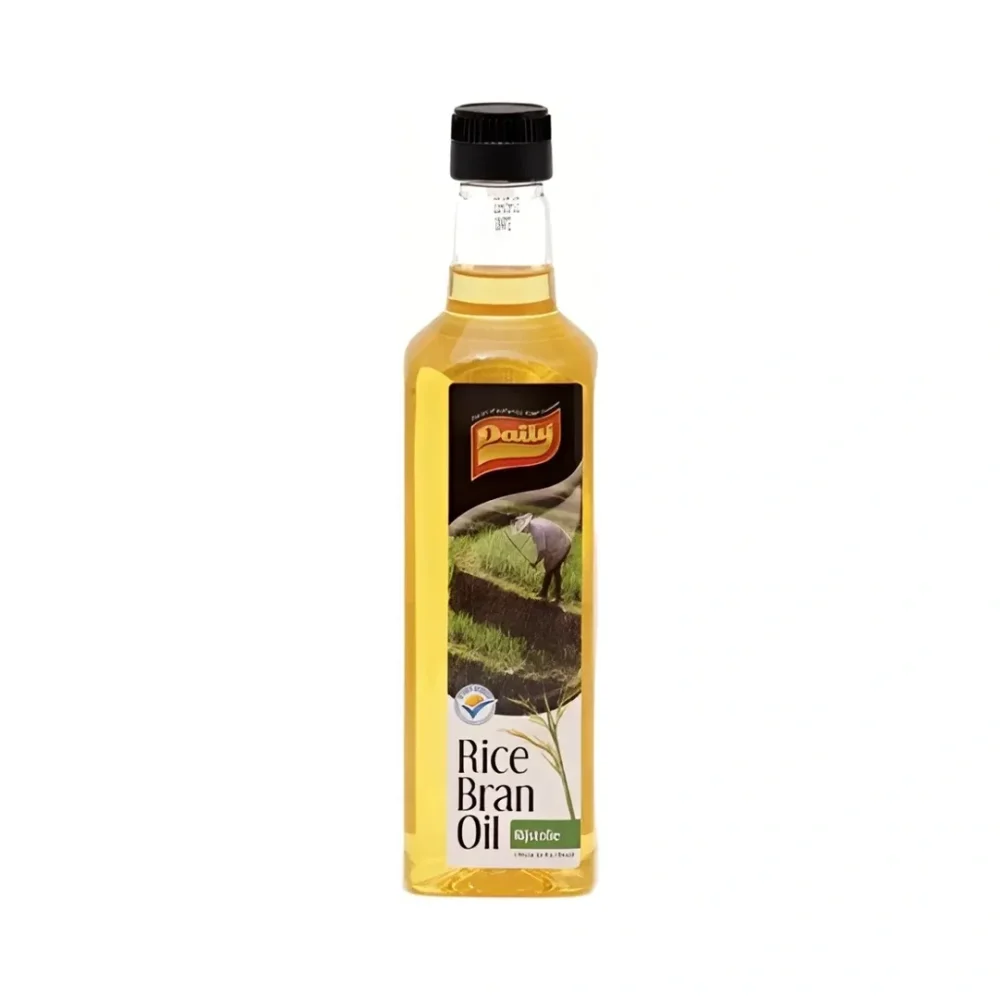
As soon as you sense the spice has released its aroma, it’s time to add another ingredient (liquid, meat, vegetables). Hesitating "a little longer" often ends in bitterness.
Delicate herbs often belong only at the end
Coriander stems, basil, perilla, or shiso lose freshness with long cooking. In practice this means: if you want the dish to feel lively, leave some herbs for the end. You can add them to finished food off the heat or directly on the plate.
Marinade is not a universal solution (and certainly not a final sauce)
Marinating has a specific purpose – to prepare the ingredient for the technique. Typical mistakes are overly long time, trying to cover everything with one marinade, or confusing marinade with final sauce.
Practical consequences are mainly seen in two situations:
- Too much sugar at high temperature: sugar (or sweet sauces) helps with browning and gloss but easily burns at very high temperatures. If you know you will go to high heat wok/pan, keep sweetness low and possibly add it later as glazing.
- Too wet surface for wok: when you put an ingredient coated in a "pool" of marinade into a hot pan, you often get steaming instead of sautéing. It helps to let excess drip off and control the liquid amount.
If you want to see a type of marinade designed as a quick base for a specific use, one example might be marinade for pork meat. Treat it as a tool to prepare the ingredient (pre-sear/grill/roast), not as a "ready sauce" that solves everything on its own.
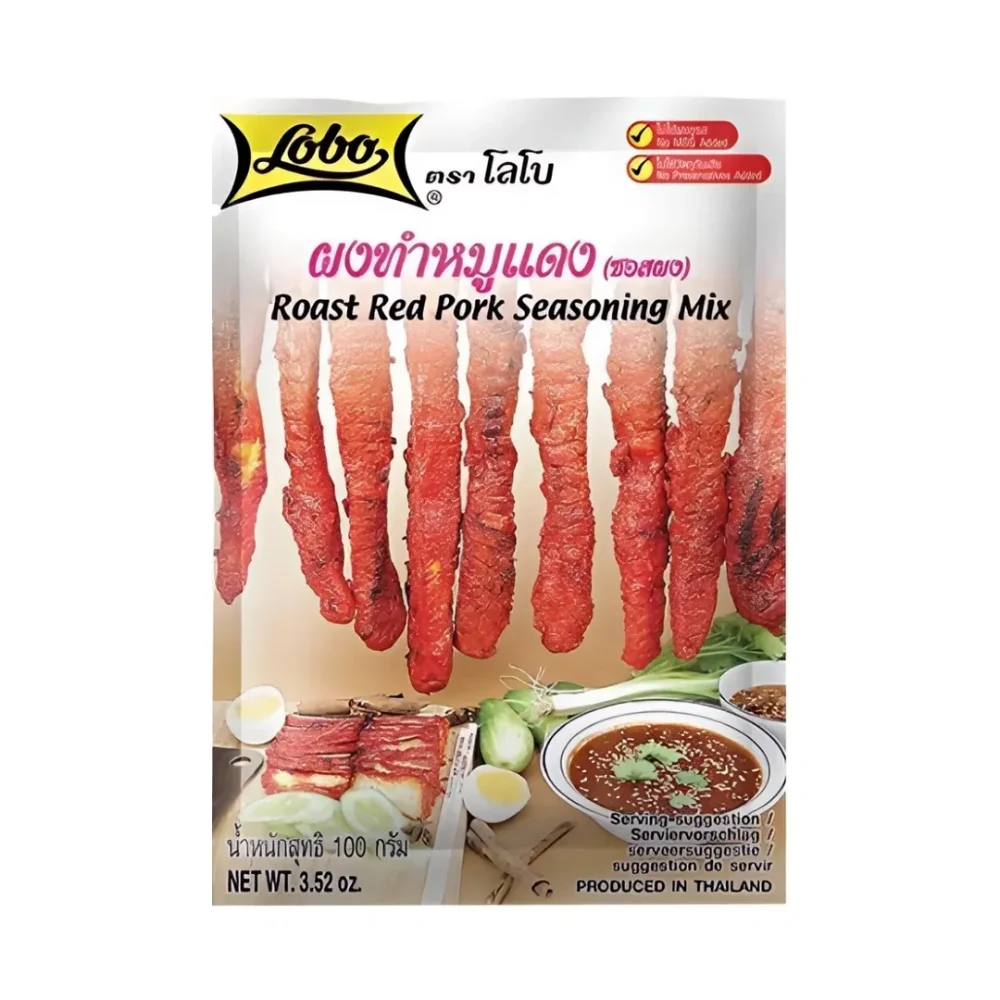
Ready-made pastes and blends: how to use them smartly so the dish doesn’t taste "of everything"
Spice pastes and blends can significantly speed up reaching a certain style – but that’s exactly why people often overdo it (adding the paste plus five other strong spices).
A more practical approach is: paste as a flavor direction + then just control saltiness and final freshness.
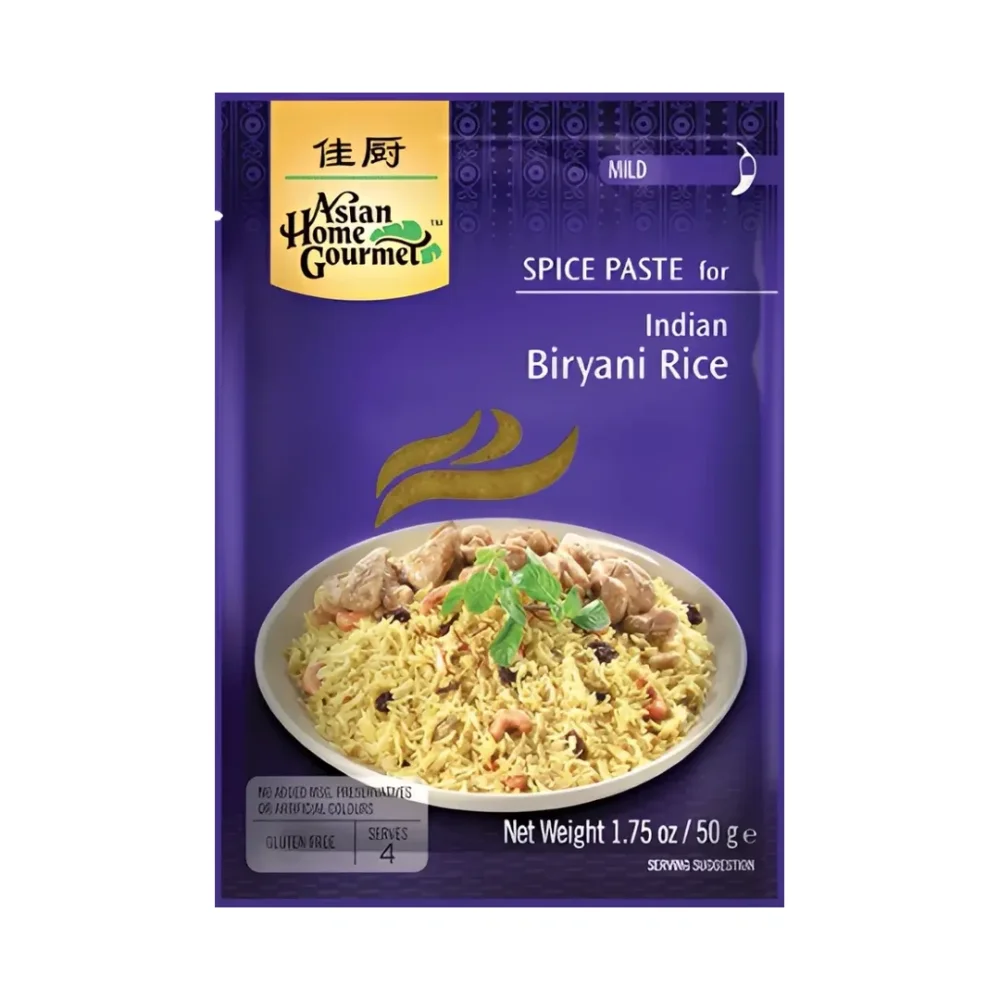
- For aromatic rice like biryani, an example might be Indian Biryani rice paste – if used as a base, you often don’t need to "chase" flavor with other warming blends, just balance and finish.
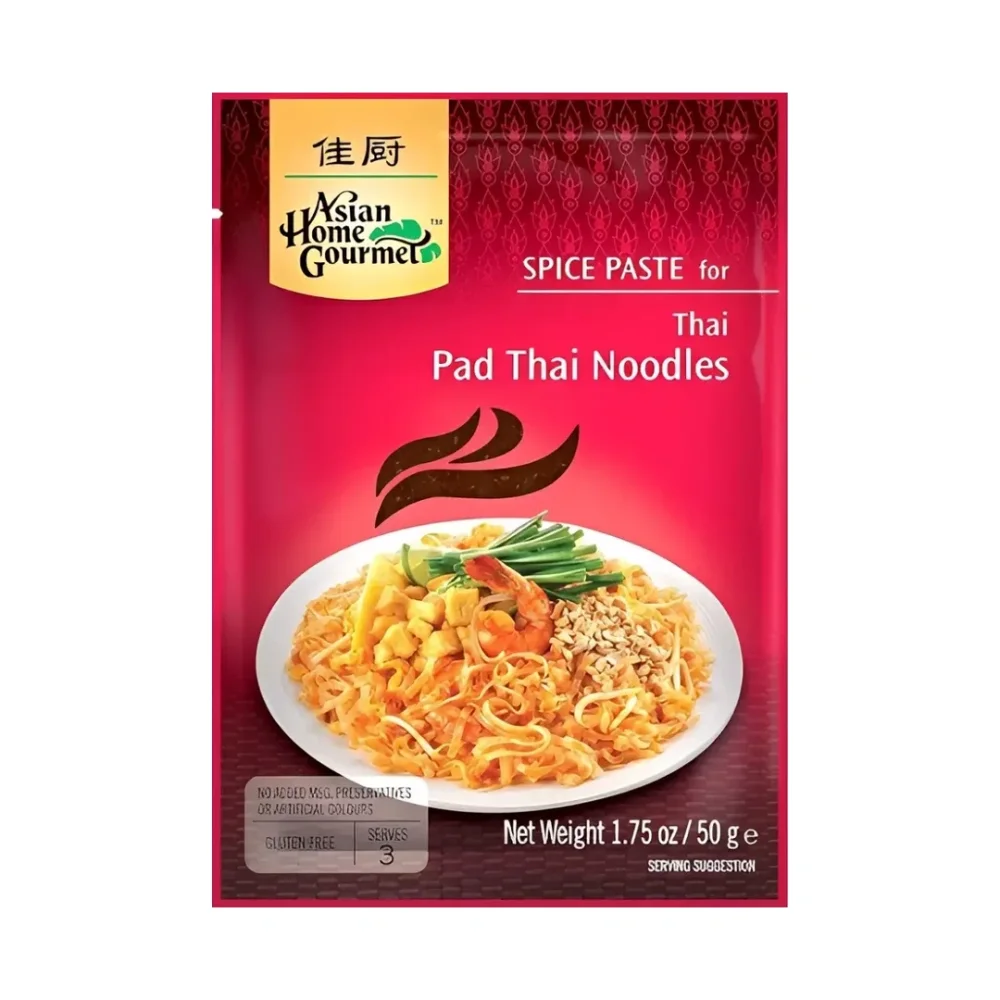
- For quick noodles in Pad Thai style, an example might be Pad Thai Thai noodle paste – again, it makes sense to stick to one logic and not overpower it with random blends.
Final seasoning: when the "touch" has to come on the plate
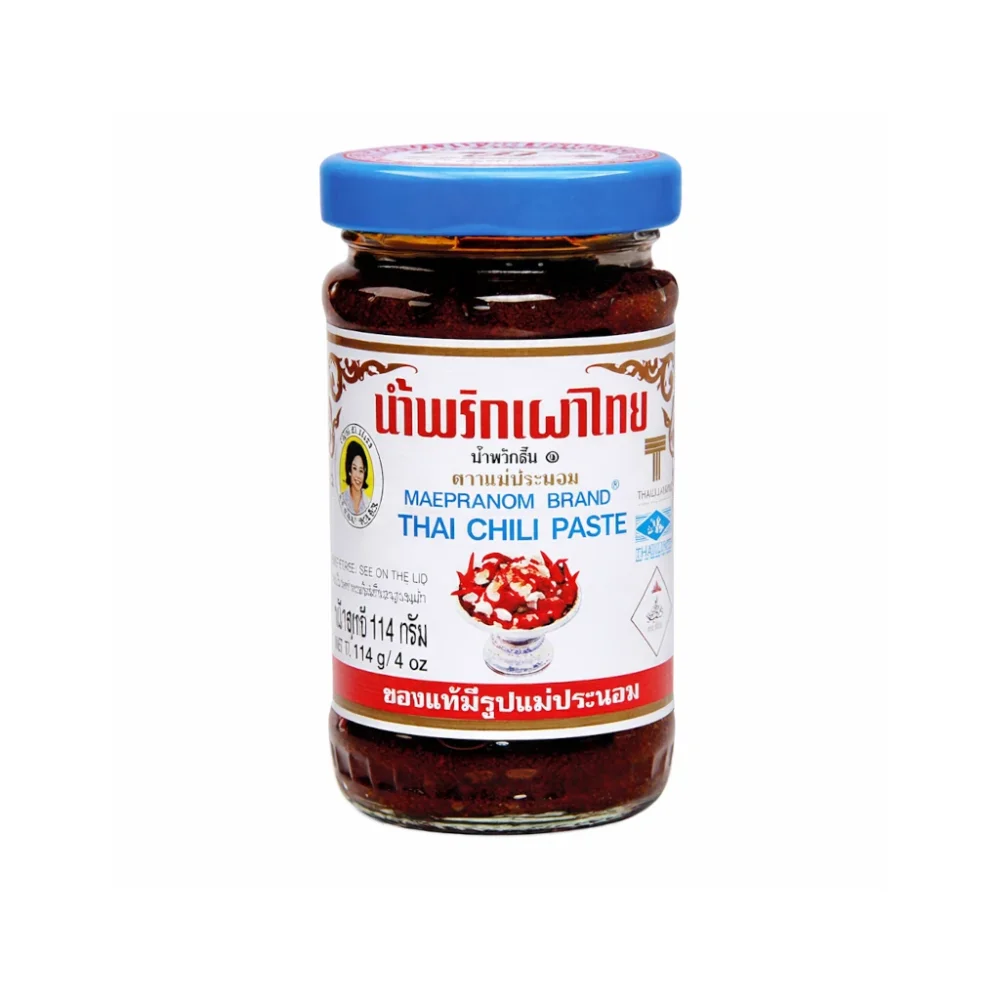
Part of the flavor sometimes has to come only at the end – and if you stuff it into cooking, it gets lost. A typical example is a sharp addition meant to remain distinctive and “freshly” spicy. A finishing touch might be, for example, chili paste in oil: easily mixed into noodles, rice, or finished sauce, but can also be used during serving for a fresh spicy impact.
How to recognize good spices and herbs (and why it relates to seasoning mistakes)
Many "seasoning mistakes" are actually battles with tired aroma. For spices, scent, purity, and liveliness are key: good spice should clearly smell after rubbing or light warming. If it’s dull, musty, or vaguely “storage-like,” it will be flat in the dish too.
- For whole spices check if they are full and not faded, not crumbled to dust, and really smell when broken.
- For ground spices notice the intensity of smell upon opening, color, and free-flowing texture without clumps.
- For fresh herbs and aromatics leaves should be firm and brightly colored, stems not slimy, and scent clear even after light rubbing.
Most common mistakes in seasoning (and how to fix them)
Adding delicate herbs too early
Mistake: coriander stems, basil, perilla, or shiso cook too long and lose what you added them for – freshness.
Fix: divide the herbs into two parts. You can add a small part during cooking for the "base," but the main part add only at the end or on the plate.
Burning spices in fat
Mistake: spices turn black, become bitter, and instead of pleasant aroma give the dish a harsh aftertaste.
Fix: only make the spices release aroma and quickly add another ingredient (liquid or main ingredient). If the spices are already burnt, usually neither "oversalting" nor "overdoing chili" helps – better to start again with the fat and aromatics base.
Confusing similarly sounding ingredients
Mistake: perilla is not sesame. Curry leaves are not curry powder. Ginger is not galangal. Thai basil is not the same as sweet basil. These confusions are not details – they change the aroma and often even the character of the entire cuisine.
Fix: if you are not sure, better omit the ingredient and stick to a smaller number of clear flavors. For "aromatic signatures" (type of basil, type of leaves) less is often more.
Too many kinds at once
Mistake: trying to "make it rich" by adding everything – the result then tastes of everything but is not distinctly any of it.
Fix: choose 2–3 directions and stick with them. For example, warmth (pepper/cardamom/cinnamon) + fresh aromatics (e.g., lemongrass or makrut leaves) + herbal finale (coriander/basil). Leave the rest out.
Storing spices "next to the stove"
Mistake: heat, moisture, and light destroy aroma faster than people think. Then you tend to increase doses – but pure scent doesn’t come out, only bitterness and dustiness.
Fix: the goal is to preserve aroma liveliness. If spices hardly smell after rubbing, it is often a problem of quality and storage rather than "too little spice in the recipe."
Marinade mistakes: too long, too much sugar, too wet, one marinade for everything
Mistake: too many ingredients without logic, confusing marinade with final sauce, excessive time, too much sugar for high temperature, too wet surface for wok cooking, or trying to cover meat, tofu, and vegetables with one marinade.
Fix: go back to the purpose of marinating: to prepare surface and flavor for a specific technique. With sensitive ingredients (especially fish and seafood) be cautious also with acidity and time – that’s where mistakes show up fastest.
Sauce mistakes: "one bottle for everything" and mixing roles
Mistake: using one universal sauce for all styles, substituting "by color," using too much fish sauce, using hoisin where pure saltiness is needed, expecting oyster sauce to taste "like oysters," or confusing cooking sauce with table condiment.
Clarification: clarify the role: some sauces primarily add salt and carry umami, others bind and round out the dish, some build on sweet-salty density, and others highlight flavors only at the end. If you use a sauce outside its role, you will be chasing the taste with additional ingredients and chaos will ensue.
Mistakes about soy sauces that ruin seasoning
- "All Asian soy sauces are interchangeable." They are not – swapping will be obvious in taste, color, and style of the dish.
- "Dark is always better." No – dark ones are often more specialized (e.g. for color and glaze).
- "When the bottle says light, it's diet." No – it's often about style/color, not lower salt content.
- "Everything sweet and black is dark soy sauce." No – it can be sweet dark variants, stylized glazes, or other derivatives.
Practically: before you automatically replace a sauce "by color," think about whether it should salt (and carry umami), color, or create sweet-salty density in the dish.
What to take away from the article
- Seasoning in Asian cuisine is often the "framework of flavor" – mistakes show immediately because flavor depends on aroma, layering, and proper timing.
- Distinguish marinating, seasoning during cooking, and the final finishing touch. A marinade is not the final sauce, and some flavor should come at the end.
- Delicate herbs (coriander, basil, perilla, shiso) often work best added at the end; spices should be gently released in fat, not burnt.
- Don't look for an "all-purpose blend" or "one bottle for everything." Blends (garam masala, tandoori, five-spice, shichimi) and sauces have different roles.
- When a dish is hard to season, the problem is often in logic (too many directions) or in the quality/freshness of spices – not that "there is too little."

Read next
If you want to explore this topic further, continue with these related blog guides and articles:
