
golden turtle tea

Products

Articles

Golden Chicken Seasoning: How to Get a Gentle Flavor and a Beautiful Golden Color

Golden Chicken Seasoning: How to Get a Gentle Flavor and a Beautiful Golden Color

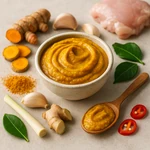
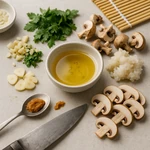
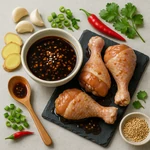
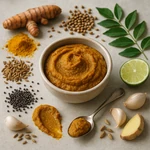
“Golden chicken” seasoning isn’t one single fixed recipe—it’s a style of spice blend designed to make chicken taste warmly seasoned (not aggressively hot) and look appetizingly golden. Here’s what creates that effect, how to use the blend for roasting, pan-frying, or quick Asian-style stir-fries, and how to pair it with sauces so the result stays juicy and balanced.


Korean Plum Tea

Korean Plum Tea

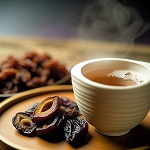
Discover the secrets of Korean plum tea! A delicious, refreshing drink with a rich history that will enchant you with its delicately sweet and sour taste. Find out how it is made, what its beneficial effects are, and why this tea is so popular in Korea.


Korean ginger tea

Korean ginger tea

Immerse yourself in the world of Korean ginger tea! This spicy and refreshing drink is ideal for warming up on cold days. Read about how Koreans use ginger for its unique flavor and beneficial properties.


Korean Lemon Tea

Korean Lemon Tea

Are you interested in Korean lemon tea? This refreshing drink full of citrus flavor is popular all over the world. Read more about its traditional preparation and interesting facts that will surprise you!


Korean Aloe Vera Tea

Korean Aloe Vera Tea

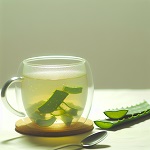
Discover the refreshing taste of Korean tea with aloe vera! This unique drink combines a traditional Korean recipe with natural ingredients. Read on to find out how aloe vera in tea can refresh and invigorate you.


How to Choose Green Tea

How to Choose Green Tea

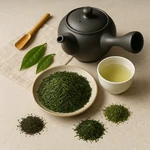
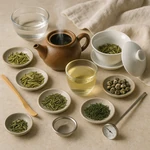
Choosing green tea means recognizing the basic styles, knowing what to look for on the packaging, and being able to properly prepare and store the tea at home. This guide will explain how to start, what types of teas exist, what to pay attention to when buying, and how to avoid the most common mistakes. 🍵


Beverages and teas in Asian cuisine: from "real" tea to bubble tea and matcha latte

Beverages and teas in Asian cuisine: from "real" tea to bubble tea and matcha latte

Asian drinks are not just sweet drinks with ice. Alongside traditional tea culture, there is a modern world of drinks where texture, visuals, tea base, syrups, and the possibility to "assemble" a drink exactly to taste play a role. In this guide, we will clarify what real tea is, what the main types of tea are, why bubble tea is more than a trend, and how to avoid the most common disappointments in practice.


Oolong Tea: The Fragrant Middle Ground Between Green and Black

Oolong Tea: The Fragrant Middle Ground Between Green and Black

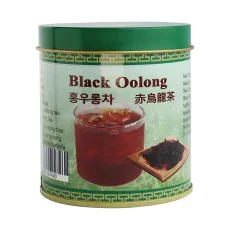
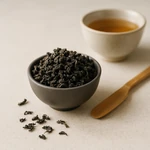
Oolong is the tea people return to when they want variety without switching to a different drink. Depending on how it’s made, it can taste fresh and floral or warm, toasty, and deep—one reason you may even see it labeled as “black tea oolong.” Here’s what that means, how to choose a style you’ll enjoy, and how to brew oolong so its aroma really shows.


What to drink with Asian food: from real tea to modern drinks

What to drink with Asian food: from real tea to modern drinks

Choosing the right drink for Asian food is not just a detail. A drink can soften the food, cleanse the palate between bites, or on the contrary, "overpower" the flavor of what you put effort into cooking. In this guide, you will mainly get oriented in teas (from green to dark/post-fermented) and modern Asian drinks like bubble tea or matcha latte – and most importantly, when each style makes sense.


How to Prepare Asian Teas at Home: From "True Tea" to Modern Iced Drinks

How to Prepare Asian Teas at Home: From "True Tea" to Modern Iced Drinks

Preparing Asian teas at home is not about a single correct procedure, but about knowing what type of tea you have in hand and what to expect from it. Once you get oriented with the main tea categories, the differences between Chinese and Japanese styles, and learn to read the packaging information, even modern drinks like bubble tea, matcha latte, or citrus iced drinks will start to make sense.


Green teas

Green teas

Green tea is a refreshing drink full of antioxidants that promotes health and calms the mind. Great for everyday drinking, it helps improve digestion and metabolism. Discover different varieties and enjoy moments of peace and tranquility.


How to Navigate Asian Teas

How to Navigate Asian Teas

The term "Asian tea" does not refer to one type of beverage but to several major traditions that differ in taste, aroma, and preparation style. The good news: for basic orientation, it is enough to understand a few fixed points – what "real tea" is, how the main types arise based on processing, and why the same name does not yet mean the same experience in a cup.


How to properly prepare green and traditional teas: differences, procedure, and common mistakes

How to properly prepare green and traditional teas: differences, procedure, and common mistakes

With tea, technique often matters more than the “brand”: the same name can taste completely different depending on origin, processing, and how you brew it at home. In this guide, we will clearly clarify what true tea is, how green and other traditional styles differ (white, oolong, black, dark), and how to set a simple procedure that makes the flavor cleaner, less bitter, and easier to read.


Yuzu, aloe and other current beverage trends

Yuzu, aloe and other current beverage trends

Yuzu, aloe, tapioca or matcha — modern Asian drinks combine tea tradition with striking visuals and playful textures. In this practical guide, I will explain what connects these drinks, how to use selected ingredients (yuzu, aloe, tapioca, matcha), and give specific tips on how to start safely and easily at home.


Black teas

Black teas

Black teas offer a rich palette of flavors and aromas that will draw you into the fascinating world of tradition and culture. Whether you like the delicate smokiness of Keemun, the earthiness of Pu Erh, or the fullness of Yunnan, each cup of black tea will enrich you with a new experience.


Yellow teas

Yellow teas

Discover the magic of yellow teas – a delicious drink with a unique taste and a range of health benefits. Learn about their history, types, and complex production process. Ideal for supporting digestion and the immune system.


White teas

White teas

Discover the magic of white tea – a drink that enchants with its delicate flavor and soothing effects. Ideal for relaxation, meditation, or evening tranquility.


What to drink in summer, winter, and with different meals: a practical guide to Asian drinks and teas

What to drink in summer, winter, and with different meals: a practical guide to Asian drinks and teas

Asian drinks are not just "something sweet with ice." They often have a tea base, work with distinctive aromas (citrus, ginger, jasmine), with temperature and sometimes even texture – so they can be both a drink and a small snack. In this guide, we'll clarify what makes sense to drink in summer, winter, and how to choose a drink based on the type of meal so that the whole feels balanced and "complete."


Ginger

Ginger

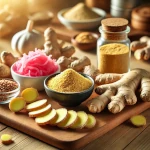
Ginger is a wonderful natural remedy that will enrich your health and taste buds. Read about its benefits, how to use it in the kitchen, and what forms it comes in.


Rice paper

Rice paper

Thin slices are a great ingredient for anyone looking for simplicity, versatility, and flavor variety. Use them to make fresh spring rolls, delicious appetizers, or even sweet desserts. Find out how easily they can become the basis for your favorite dishes!


Flours and starches in Asian cuisine: how to choose the right type for thickening, coating, and dough

Flours and starches in Asian cuisine: how to choose the right type for thickening, coating, and dough

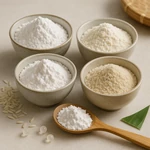
Flours and starches are inconspicuous in Asian cuisine, but they often decide the most important thing: texture. Thanks to them, the coating can be crispy and light, the sauce smooth and glossy, the dumpling elastic, or the dim sum wrapper delicately translucent. In the article, you will clarify when to reach for rice flour, when for glutinous rice flour, when for tapioca starch, and what to watch out for when reading labels.


Phở: types, broth, and herbs

Phở: types, broth, and herbs

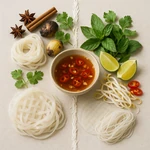
Phở (Vietnamese noodle soup) is a great example that "noodles in broth" can be a complete dish built on precision and lightness. The article will help you understand what makes phở phở, how regional styles differ, why the broth is the true center of the bowl, and the role of rice noodles and fresh herbs – including practical tips on how to assemble a balanced bowl at home without unnecessary mistakes.


Recipe for Tonkatsu with Sauce

Recipe for Tonkatsu with Sauce

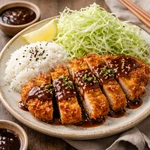
Discover the magic of Japanese cuisine with this recipe for a crispy dish that will amaze you with its simplicity and great taste. When tender pork chops meet a delicious sauce, the result is a dish that is perfect for any occasion. Be inspired by this recipe and experience a unique combination of flavors right in your own kitchen!


Mee Goreng (Southeast Asian Fried Noodles) – Easy Weeknight Recipe

Mee Goreng (Southeast Asian Fried Noodles) – Easy Weeknight Recipe

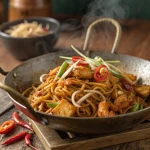
Mee goreng is the kind of dish you make once and then crave regularly: springy noodles tossed in a sweet-savoury, lightly spicy sauce, finished fast over high heat. This version is flexible (chicken, shrimp, tofu, or veg), works in a wok or large pan, and comes together quickly when you prep everything first.


North and South of Vietnam in the kitchen: how to recognize differences in taste and cook “Vietnamese” at home

North and South of Vietnam in the kitchen: how to recognize differences in taste and cook “Vietnamese” at home

Vietnamese cuisine is not a single uniform flavor – striking differences between the north, central region, and south are one of the main reasons the same “Vietnamese” dish can taste slightly different each time. In this article we will show what is typical for the north, how the central region is more pronounced, and why the south is often described as sweeter. And most importantly: how to use these differences when choosing ingredients and seasoning at home.


How to store rice at home: to preserve its aroma, taste, and predictable texture

How to store rice at home: to preserve its aroma, taste, and predictable texture

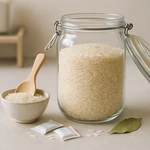
In many Asian cuisines, rice is not just a "side dish" but the foundation around which the whole meal is built. That is why it makes sense to store it so that it remains dry, fragrant (for aromatic types), and above all consistent when cooking. In the article, you will find a practical system for the home pantry, guidance on rice types, and the most common mistakes that lead to bland taste or unexpected texture.


How to use dried seaweeds: nori, wakame and kombu in practice

How to use dried seaweeds: nori, wakame and kombu in practice

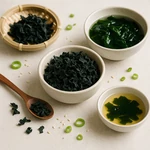
Dried seaweeds are the “silent engine” of flavor in many Asian cuisines: sometimes they form the base of broths and umami, other times they add crunch, color or a delicate ocean aroma as a finishing touch. Once you understand what nori, wakame and kombu are for, seaweeds stop being an exotic specialty and become a practical ingredient you can cook with at home simply and precisely.


The Most Common Mistakes in Ingredient Preparation (and How to Quickly Fix Them)

The Most Common Mistakes in Ingredient Preparation (and How to Quickly Fix Them)

In Asian cooking, the result often “breaks” even before you turn on the stove: on the cutting board, in bowls with prepared ingredients, and in how you organize the steps. High temperature, quick stir-frying, and precise order of adding ingredients don't forgive when vegetables are cut haphazardly, aromatics wait next to a hot wok, or wet ingredients fly into the pan. This article summarizes the mistakes that most often ruin texture and taste – and most importantly, what to do about them in practice.


Steaming dumplings and bao: how to achieve the right texture, selection, and common mistakes

Steaming dumplings and bao: how to achieve the right texture, selection, and common mistakes

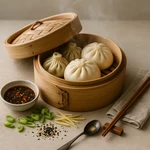
Steaming is one of the techniques in Asian dumplings that most determines the outcome: whether the wrapper will be soft and elastic or, on the contrary, soggy, heavy, or "rubbery." In this guide, you'll clarify exactly what steaming means, which types of dumplings and bao are most commonly steamed, how to choose (especially with frozen pieces), and how to avoid mistakes that ruin texture and flavor.


Frying without unnecessary greasiness: what really decides crispiness

Frying without unnecessary greasiness: what really decides crispiness

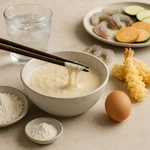
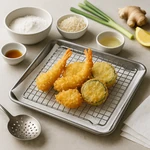
Deep frying should not be synonymous with "heavy and greasy food." In Asian cuisines, frying is a key technique precisely because it can create clean crispiness and texture contrast – when done technically correctly. The article provides a practical guide on what to watch for regarding oil temperature, batch work, ingredient preparation, and draining so that the result is not unnecessarily soaked.


Bami Goreng Noodles (Indonesian-Style Fried Noodles) — Easy Weeknight Recipe

Bami Goreng Noodles (Indonesian-Style Fried Noodles) — Easy Weeknight Recipe

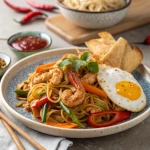
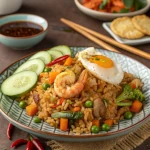
Bami Goreng is Indonesia’s beloved fried noodle dish: springy noodles tossed in a savory-sweet soy seasoning, quickly stir-fried with vegetables and your choice of chicken, shrimp, or tofu, then finished with egg and a squeeze of lime. This version is fast, flexible, and designed to work well on a home stovetop.


Rice oil

Rice oil

Discover the secrets of rice bran oil! This versatile oil is becoming increasingly popular not only in the kitchen, but also in cosmetics. In our article, you will find out what makes rice bran oil so special, what properties it has, where you can use it, and why it should be a staple in your household.


Recipe for Fried Bananas Kloay Kaak

Recipe for Fried Bananas Kloay Kaak

Kloay Kaak fried bananas are a delicious sweet dessert with a crispy coating and a soft banana filling. This Thai dish is ideal for a quick and tasty treat. Perfect for any occasion!


Asian rice dishes: a basic overview (from bowls to festive rice)

Asian rice dishes: a basic overview (from bowls to festive rice)

In many Asian cuisines, rice is not "just a side dish," but the center of the entire meal. In this overview, you will clarify the main types of rice dishes (bowls with toppings, mixed dishes, fragrant flavored rices, and festive layered dishes) and understand why texture and aroma of the rice are as important as what lies on top.


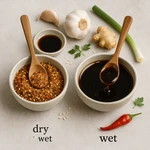
Dry vs. wet marinades: when to choose which and why it matters

Dry vs. wet marinades: when to choose which and why it matters

“To marinate” does not automatically mean “to drown in sauce.” In Asian cooking, marinating is primarily about working with the flavor and surface of the ingredient before heat—often a short, precisely targeted step is enough. The division into dry and wet marinades is a practical compass: it helps you achieve better searing, a cleaner flavor, or conversely better coating and glaze—depending on what you are cooking.


How to recognize good tofu (and why it’s not just about the brand)

How to recognize good tofu (and why it’s not just about the brand)

"Good tofu" is not universally the firmest or the softest. You recognize quality mainly by whether a particular tofu corresponds to what you need from it in a dish: a different type fits soup, another for the pan, and another for cream or dessert. The article explains clear differences between silken and firm tofu and practical signs to identify a quality piece right after opening and during cooking.


Regions of Japanese cuisine: why Hokkaido tastes different from Tokyo and Kyoto

Regions of Japanese cuisine: why Hokkaido tastes different from Tokyo and Kyoto

Japanese cuisine is not uniform in taste. Besides shared principles (respect for ingredients, seasonality, purity of flavors), there are important regional differences based on climate, proximity to the sea and mountains, and historical availability of ingredients. In this guide, you will clarify the main areas and how to recognize them even when cooking at home.


Wheat noodles

Wheat noodles

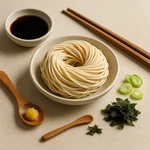
Discover the history, production, and different types of wheat noodles that dominate world cuisine. Learn how to prepare them properly and use them in popular recipes such as Kake Udon, Miso Ramen, or Zaru Soba. Read more about their versatile uses!


Texture of Asian desserts: why it matters and how to “read” it at home

Texture of Asian desserts: why it matters and how to “read” it at home

With Asian desserts, it's often less about how sweet they are and more about how they feel in the mouth: springy, chewy, jellied, creamy, icy, or crunchy. This article will help you understand the most common textures, why they occur, which ingredients and techniques create them — and, most importantly, how to use texture to guide your choices and first attempts at home.


Nasi goreng, fried rice and “Cantonese” rice: how to tell them apart and what to expect on the plate

Nasi goreng, fried rice and “Cantonese” rice: how to tell them apart and what to expect on the plate

On menus and in home cooking, three names for “pan” rice often meet: nasi goreng, fried rice and Cantonese rice. They sound similar but do not mean the same thing. In this guide we'll clarify what is a technique (fried rice), what is a specific national style (nasi goreng) and why it makes sense to ask for clarification with “Cantonese rice.” And most importantly: how to choose the right rice and how to achieve good flavor at home without cooking “by one universal recipe.”


How to work with the salty, sweet, and sour components of a marinade

How to work with the salty, sweet, and sour components of a marinade

A good marinade is not a "universal sauce for everything," but a targeted tool: it prepares the surface of the raw material for a specific heat treatment and sets the flavor direction even before you start cooking. In this article, you will practically clarify what the salty (and umami), sweet, and sour components do in a marinade, when a dry vs. wet marinade is suitable, and what mistakes to watch out for.


The taste of Japanese cuisine: why it is so clean, delicate, and yet distinctive

The taste of Japanese cuisine: why it is so clean, delicate, and yet distinctive

Japanese cuisine is based on respect for ingredients, purity of flavors, and thoughtful balance. The distinctiveness is often not achieved by "heavy" seasoning, but by working with umami, delicate seasoning, and a final touch at the table. In the article, you will compare how this logic works and how to safely translate it into home cooking.


Typical Japanese ingredients: how they work, how they differ, and how to get started at home

Typical Japanese ingredients: how they work, how they differ, and how to get started at home

Japanese cuisine is based on respect for ingredients, purity of flavors, seasonality, and the effort to highlight the natural character of the food – not to "override" it with heavy seasoning. That is why typical Japanese ingredients often function as precise tools: they add saltiness, umami, gentle acidity, or light sweetness, but they are meant to let the main ingredient on the plate shine. This guide will give you a quick orientation in the main groups and, above all, a practical start so you can cook Japanese food at home without unnecessary mistakes.


Typical Vietnamese ingredients: what makes Vietnamese food "Vietnamese"

Typical Vietnamese ingredients: what makes Vietnamese food "Vietnamese"

Vietnamese cuisine does not rely on one sauce or one famous dish. It is characterized by freshness, lightness, and the ability to layer multiple flavors so that the result feels lively: rice or rice noodles, herbs and leaves, acidity (lime, tamarind), fermented saltiness and umami (especially fish sauce), and contrasting textures. In this guide, you will find the most important Vietnamese ingredients, their function, and practical tips on how to start using them at home without unnecessary mistakes.


Special ingredients not to be afraid of: mushrooms, seaweed, and a few smart shortcuts

Special ingredients not to be afraid of: mushrooms, seaweed, and a few smart shortcuts

“Special” ingredients in Asian cuisine are often not extravagances but practical flavor building blocks: they add umami, interesting texture, or just a subtle contrast at the end. When you know what function to expect from them, they stop being unclear and start being useful. This guide will mainly walk you through seaweed and mushrooms (including dried) and show a few typical pitfalls people encounter when choosing.


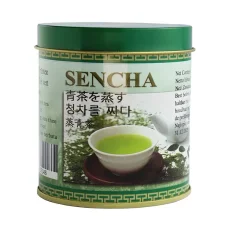
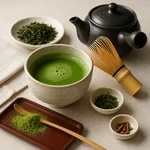
Matcha, sencha and other Japanese teas: how to understand them and how to drink them at home

Matcha, sencha and other Japanese teas: how to understand them and how to drink them at home

For many people, Japanese teas are the first “serious” contact with green tea — and at the same time a source of confusion: why sencha sometimes tastes fresh and other times bold, what exactly matcha is (and why it’s not the same as the sweet mix for a matcha latte), and how to tell what you’re actually buying. In this guide you’ll sort out the basic terms, the differences between the main Japanese styles, and practical rules that will keep the tea from losing its flavor or meaning.


Overview of Asian teas and drinks: how to understand the types, flavors, and modern drinks

Overview of Asian teas and drinks: how to understand the types, flavors, and modern drinks

“Asian tea” is not one thing. The word tea covers true tea from the tea plant (Camellia sinensis), flavored blends, and also modern drinks that are based on tea but work with milk, ice, citrus, fruit concentrates, and especially texture (typically bubble tea). This overview gives you a quick orientation: what true tea is, what the major types are and why they taste completely different, how to read packaging, how to choose a style by taste, and what common misconceptions even people who “have been drinking tea for years” encounter.


Hot, cold and seasonal Asian drinks: how to understand them and what to expect from flavor and texture

Hot, cold and seasonal Asian drinks: how to understand them and what to expect from flavor and texture

Asian drinks today include much more than just sweet lemonades with ice. Alongside the traditional tea culture, there are urban "café" drinks where the tea base, texture (pearls, jelly, pieces of fruit), work with aroma and color, and the option to customize sweetness and ice all play a role. In this guide, we will clarify what is typical for modern Asian drinks, how hot and cold variants differ, what “real tea” means, and what mistakes to watch out for.


Sweetened Condensed Milk

Sweetened Condensed Milk

Sweet condensed milk – a creamy sweetness with endless uses! Ideal for desserts, drinks, and baking, it also has a rich history that is worth exploring.


Ramen Noodles: How to Choose Them, Cook Them Right, and Pair Them for the Best Flavor

Ramen Noodles: How to Choose Them, Cook Them Right, and Pair Them for the Best Flavor

Broth, toppings, aroma oil—ramen gets a lot of attention for what’s on top. But the real backbone of the bowl is the noodle: springy, satisfying, and able to carry flavor. Here’s a practical guide to ramen noodles (fresh, dried, instant), how to cook them for the ideal bite, and how to use them not only in soup but also in quick stir-fries and “no-broth” bowls.


Ginger candies

Ginger candies

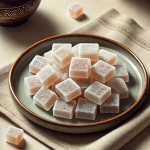
Discover the secrets of health and flavor in every bite! Ginger candies are not only a great treat, but also a natural aid for your digestion and immunity. Read our article and find out how ginger candies can help you in your everyday life and why they should be a staple in your home!


Tapioca pearls

Tapioca pearls

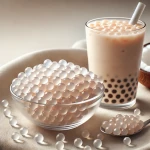
Discover the magic of tapioca pearls that have taken the world by storm! Find out how they are made, why they are so popular in Asian cuisine, and how you can use them in desserts, drinks, and other dishes. In our article, you will learn everything about their production, history, and great recipes that you will love.


How to marinate meat Asian style: what marinade should do, what it's made of, and when not to overdo it

How to marinate meat Asian style: what marinade should do, what it's made of, and when not to overdo it

Marinating in Asian cuisine is neither a mandatory ritual nor a universal "magic sauce." It's a targeted tool for working with flavor and especially the surface of the meat before heat treatment: it pre-adds saltiness and umami, helps with color and caramelization, binds aromas, and prepares the meat for a specific technique (wok, grill, pan, roasting). Equally important is knowing what counts as seasoning during cooking and what is the final tuning at the end.


Vegetarian Asian cuisine: how to build flavor without meat (and without disappointment)

Vegetarian Asian cuisine: how to build flavor without meat (and without disappointment)

Vegetarian (and often vegan) Asian cuisine is not a 'deprived' version of cooking with meat. In many parts of Asia, it has its own traditions, techniques, and flavor logics – and good food here is not based on substitutes, but on umami, fermentation, texture, spices, herbs, and smart bases. The article provides an orientation in main styles, solid building blocks (tofu, tempeh, legumes), a practical guide on how to start at home, and what to watch out for in 'hidden non-animal' sauces and broths.


How to pair sake (and related rice wines) with Asian food: a practical guide without confusion

How to pair sake (and related rice wines) with Asian food: a practical guide without confusion

Pairing sake with food is surprisingly easy – until the topic of "rice wine" comes up. This is where most misunderstandings arise: sake does not behave like regular grape wine, mirin is not "sweet sake," and some bottles labeled as cooking wine have a completely different role in the kitchen. In the article, we will clarify the terms and then translate it into practice: when sake works naturally at the table, when it makes more sense to focus on sweetness and glaze (mirin), and when acidity (vinegar, citrus, tamarind) or tea can help you with Asian dishes.


Mochi

Mochi

Discover delicious and traditional Japanese delicacies! Mochi, with its soft texture and various fillings, is the perfect way to enjoy a sweet moment. This delicate rice delicacy with anko or matcha filling will win you over with its taste and texture.


Typical Taiwanese Ingredients: What Shapes the Island's Flavor (And How to Start Using Them at Home)

Typical Taiwanese Ingredients: What Shapes the Island's Flavor (And How to Start Using Them at Home)

Taiwanese cuisine is not just bubble tea and night markets. It is an independent and vibrant culinary world where local cooking meets various Chinese regional influences, a distinctive Hakka layer, indigenous traditions, Japanese heritage, and modern urban food culture. That's why it makes sense to start with the ingredients: how they taste, their role in the dish, and how to recognize if you've chosen the right type.


Sweet preparation in Asian cuisine: techniques, textures, and ingredients that change the rules

Sweet preparation in Asian cuisine: techniques, textures, and ingredients that change the rules

Sweet preparation in Asian cuisine often does not follow the “European” logic of cakes, butter creams, and wheat flour. It is much more about working with texture (elasticity, jelly, smoothness, layering), rice and starches, coconut bases, bean pastes – and techniques that are not just baking in the oven. This guide will help you navigate what is typical for Asian desserts, why they are so different, which techniques are most often repeated, and how to choose a good “starter” direction at home without unnecessary mistakes.


Grass Jelly: What It Is, How It Tastes, and Easy Ways to Use It

Grass Jelly: What It Is, How It Tastes, and Easy Ways to Use It

Grass jelly is a classic East and Southeast Asian dessert ingredient with a dark color, a delicate herbal note, and a pleasantly bouncy texture. Because it’s usually sold ready to eat, it’s one of the easiest ways to add “bubble tea” texture and a refreshing finish to summer drinks and fruit-based desserts.


Mulled Wine Spices: How to Choose a Blend, Get the Flavour Right, and Use It Beyond Hot Wine

Mulled Wine Spices: How to Choose a Blend, Get the Flavour Right, and Use It Beyond Hot Wine

Mulled wine is remembered more by aroma than by alcohol: warm cinnamon, clove, citrus peel and a hint of anise can turn an ordinary evening into a small winter ritual. The spice mix is what decides whether your drink tastes rounded and cosy—or harsh, bitter, and overcooked. Here’s how to choose the right spices, infuse them gently, and put that festive fragrance to work in other drinks and desserts, too.


How to start with Taiwanese cuisine: first dishes, flavor logic, and mistakes that unnecessarily hold you back

How to start with Taiwanese cuisine: first dishes, flavor logic, and mistakes that unnecessarily hold you back

Taiwanese cuisine is not just bubble tea and night markets. It is an independent, vibrant, and surprisingly diverse world where several layers of influences meet – and that's exactly why you can enter it smartly and step by step. In this guide, you will clarify what is typical for Taiwanese food, what the "Taiwanese taste" looks like in practice, and which first steps make the most sense at home without having to "cook the whole Taiwan" right away.


Seaweed

Seaweed

Discover the power of the ocean on your plate! Seaweed brings unique flavors and nutritional properties to the kitchen. From sushi to soups, its uses are endless. Add this natural ingredient to your diet to boost your health and enrich your meals!


Culture and Contexts of Asian Cuisine: How Climate, Ingredients, and Dining Change the Taste on the Plate

Culture and Contexts of Asian Cuisine: How Climate, Ingredients, and Dining Change the Taste on the Plate

“Asian cuisine” sounds like one category, but in practice it encompasses a large cultural space where food evolved according to climate, available crops, religion, social rules, trade, migration, and daily rhythms of life. When you understand these contexts, it becomes easier to choose a style you will enjoy, and you’ll stop making typical mistakes (like reducing everything simply to spiciness).


Dry Petha

Dry Petha

Discover the secrets of a traditional Indian sweet – dry peth. This delicious dessert, known mainly in Agra, is made from white pumpkin and cooked in sugar syrup, which gives it a unique texture – a crunchy surface and a juicy interior. The history of petha dates back to the Mughal Empire, and its production is a true art form. Would you like to know more about its origins and uses? Read our article and find out how dry petha is prepared and what its modern uses are!


Asian ingredients and products: how to understand, choose and cook without disappointment

Asian ingredients and products: how to understand, choose and cook without disappointment

A good "Asian ingredient" is not the most expensive nor the one with the prettiest packaging. The difference mainly lies in whether you understand the function of the ingredient (what it is used for in food), its types and composition – and whether you select it for a specific use. This article is a practical guide: it will teach you to quickly read labels, distinguish between basic and flavored products, and choose the right type, for example with coconut, sesame, chili, and starches.

How to start with Japanese cuisine: simple orientation, first purchase and first meals

How to start with Japanese cuisine: simple orientation, first purchase and first meals

Japanese cuisine is not "just sushi." It is a way of cooking based on respect for ingredients, purity of flavors, seasonality, work with texture, and the effort to highlight the natural character of the food rather than overpowering everything with heavy seasoning or sauce. This guide will give you a practical start: how to navigate washoku and umami, which ingredients make the biggest difference, and how to set your first steps so that Japanese cooking doesn’t frustrate you right from the beginning.



Glassware Guide: How the Right Glass Changes Taste, Aroma, and the Table

Glassware Guide: How the Right Glass Changes Taste, Aroma, and the Table

A glass isn’t just a container. Its shape, rim, and material affect aroma, temperature, bubbles, and even how a drink hits your palate. This practical guide breaks down the main types of glasses, how to choose them for everyday use or special occasions, and how to keep them clear and chip‑free for longer.


Whole cinnamon: how to use it and why it belongs in Asian cuisine

Whole cinnamon: how to use it and why it belongs in Asian cuisine

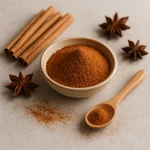
Whole cinnamon sticks are one of those quiet “background” spices that can transform a pot of broth, curry, or rice without making the dish taste like dessert. Used the right way, they add warmth and depth; used too aggressively, they can turn woody and bitter. Here’s how to get the most aroma from whole cinnamon—cleanly, controllably, and with an Asian pantry in mind.


Trade influences in Asian cuisine: how ingredients, techniques, and flavors spread along routes

Trade influences in Asian cuisine: how ingredients, techniques, and flavors spread along routes

Asian cuisines were shaped by more than just climate and local agriculture – trade also played a crucial role. Spices, sugar, tea, citrus fruits, as well as techniques for working with grains and fermentation spread both by sea and land. In this article, we will show exactly what "trade influences" mean on the plate and how this perspective can help you better understand the differences between regions and cook smarter at home.


How to work with rice and tapioca flour: texture, techniques, and common mistakes

How to work with rice and tapioca flour: texture, techniques, and common mistakes

Rice and tapioca flour are fundamental building blocks in many Asian sweets – not because they "replace wheat," but because they help create specific textures: elastic, sticky, slippery, jelly-like, or pudding-like. If you approach them with the same logic as cake flour, you will often end up disappointed. This guide will help you understand how to think about them, how to choose the right technique (steaming, setting, baking…), and what to avoid.


The taste of Taiwanese cuisine: delicate, broth-based, and surprisingly "textured"

The taste of Taiwanese cuisine: delicate, broth-based, and surprisingly "textured"

Taiwanese cuisine is not just bubble tea and night markets. It is a distinct, lively, and very diverse world where local styles meet various Chinese regional influences, a prominent Hakka layer, indigenous traditions, Japanese heritage, and modern urban food culture. If you really want to understand the Taiwanese taste, it pays to focus less on "spices" and more on broth, precise seasoning, and especially texture.

Turmeric

Turmeric

Discover the power of turmeric! This natural plant is the key to better health – from supporting digestion to protecting against inflammation. Turmeric extract with a high curcumin content is a powerful ally for your well-being and vitality. Be inspired by its natural healing properties and start using turmeric as part of your everyday life.


Syrups, fruits, and sweet ingredients in Asian desserts: how to understand them and how to use them

Syrups, fruits, and sweet ingredients in Asian desserts: how to understand them and how to use them

Asian desserts often don't rely on baking and butter creams but on smart combinations of textures, temperatures, and "sweet pantries": preserved fruit, syrups, pastes, and creams. In this guide, we will clarify why fruit in syrup is a full-fledged ingredient, what role syrup plays as an ingredient (not just a sweetener), and how to assemble your first simple desserts at home so they work in flavor and texture.


Ground Turmeric: How to Use It, What to Pair It With, and How to Get the Best Flavor

Ground Turmeric: How to Use It, What to Pair It With, and How to Get the Best Flavor

Ground turmeric is easy to recognize by its bold golden color—but its real value is the warm, earthy depth it adds to food. Used well, it can bring rice, vegetables, soups, and curries together into a cohesive, aromatic dish. Here’s how to cook with turmeric so it tastes rounded (not bitter), when to add it, and which flavor pairings make it shine.


Recipe for Dal Tadka

Recipe for Dal Tadka

Punjabi Choley with Tadka is a delicious Indian curry with chickpeas that you can easily prepare at home and enjoy the authentic taste of India.


Baking in Asian cuisine: why thinking only about the oven is not enough

Baking in Asian cuisine: why thinking only about the oven is not enough

Baking in Asian cuisine exists and has its firm place – it just often doesn’t follow the same logic as Central European "I’ll bake a cake" baking. For both sweets and savory dishes, working with texture is equally important, and alongside the oven, steam, setting (gelation), cooling, molding, or brief finishing baking or frying play a significant role. This article will help you understand the differences and choose a technique that makes sense at home.


Typical Taiwanese dishes: what to taste and how to recognize them

Typical Taiwanese dishes: what to taste and how to recognize them

Taiwanese cuisine is often simplified to bubble tea and night markets, but in reality, it is a distinct and very vibrant culinary world. Typical Taiwanese dishes often rely on rice, noodles, and broths, on small portions and snacking – and especially on texture: delicate vs. crunchy, slippery vs. elastic, starchy vs. broth-based. In this article, you will find an overview of the most famous dishes, how they taste, what makes them typical, and how to practically navigate them.


Spaghetti Aglio, Olio & Pepperoncino: a Fast, Spicy Pasta in Minutes

Spaghetti Aglio, Olio & Pepperoncino: a Fast, Spicy Pasta in Minutes

Aglio, olio & pepperoncino is the classic Italian “pantry pasta”: spaghetti tossed with fragrant garlic, olive oil, and chili. The whole dish comes together in the time it takes to boil pasta—provided you treat the garlic gently and use a splash of starchy pasta water to make everything glossy and cohesive.


Coconut and rice desserts across Asia: how to navigate flavors and textures

Coconut and rice desserts across Asia: how to navigate flavors and textures

Coconut and rice are among the most common "building blocks" of Asian desserts – but it’s not just about taste. In many countries, texture is equally important (and often more so): the elasticity of mochi, the slipperiness of tapioca pearls, firm agar jelly, or the icy layer of shaved ice desserts. This article provides an overview of the main types of coconut and rice sweets across Asia and practical tips on how to quickly understand them at home.


Pandan plant

Pandan plant

Discover the secrets of this exotic plant that will give your dishes a unique aroma and flavor. Immerse yourself in the fascinating history, uses, and recipes featuring pandan, which will open up new gastronomic horizons!


Yuzu Paste

Yuzu Paste

Discover the secrets of yuzu paste—a citrus ingredient that will give your dishes a fresh and exotic flavor. Read on to learn how to use it in marinades, sauces, or cocktails and take your cooking to the next level!


Colombo Curry: The Fragrant Caribbean Spice Blend Cooked Like Curry

Colombo Curry: The Fragrant Caribbean Spice Blend Cooked Like Curry

Colombo curry (often simply “colombo”) is a Caribbean-style spice blend that behaves a lot like curry powder—but with its own identity. Bloom it briefly in oil, simmer it with chicken, fish, or vegetables, and finish the dish with something creamy (often coconut milk) plus a bright squeeze of lime.


Sticky rice

Sticky rice

Discover the secrets of sticky rice! Do you know how this type of rice changes traditional dishes? Read about how it is grown, prepared, and used in selected Asian specialties.


%s ...
%s
%image %title %code %s
%s