

 Česky (CZK)
 Slovensky (EUR)
 Deutsch (EUR)
 Austria
 Belgium
 Bulgaria
 Croatia
 Denmark
 Estonia
 Finland
 France
 Germany
 Greece
 Hungary
 Italy
Italy Latvia
 Lithuania
 Luxembourg
 Netherlands
 Poland
 Portugal
 Romania
 Slovenia
 Spain
Spain Sweden










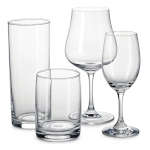
Why glassware matters more than you think 🥂
Most of us grab whatever is closest—until a drink tastes oddly “flat,” warms too quickly, or loses its fragrance. Glass design quietly shapes the experience:
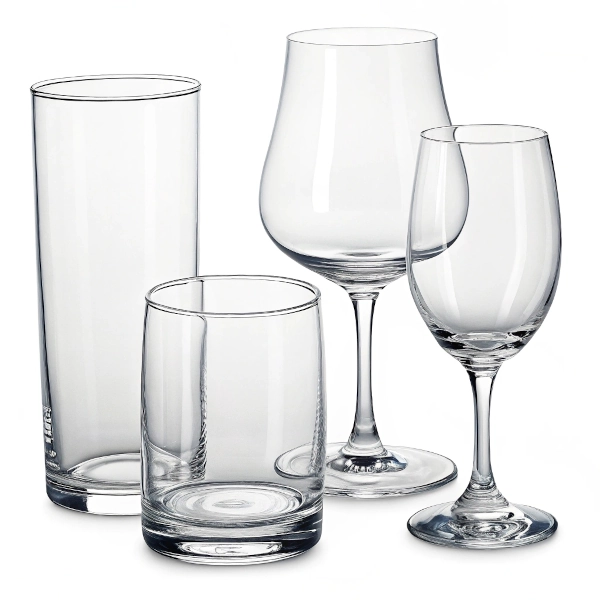
- Aroma: A wider bowl collects aromas; a narrower opening directs them toward your nose.
- Taste perception: The rim thickness and diameter influence flow and where the drink lands on your tongue.
- Temperature: Stems keep warm hands off chilled wine; thick bases help spirits stay stable with ice.
- Texture and bubbles: Flutes and tulip shapes preserve sparkle; wide openings let carbonation escape faster.
Once you understand the “why,” buying fewer, better-fitting pieces becomes much easier.
A quick look back: from luxury to everyday 🏺
Drinking vessels have existed for millennia—clay, stone, metal, wood. Glass arrived later and, for a long time, was a sign of wealth. A major turning point came with glassblowing in the ancient Mediterranean world, which made thinner and more varied shapes possible. Centuries later, European glassmaking centers refined crystal and delicate stems, while the industrial era brought affordable, consistent glassware into ordinary homes. Today you can choose between mass-produced durability and artisan-made character—with recycled options now common.
Materials: what you’re really choosing
Material affects weight, clarity, heat resistance, and how “special” a glass feels in the hand.
Everyday soda-lime glass
- Best for: daily water glasses, juice tumblers, casual entertaining
- Why: affordable, clear, easy to replace
- Watch for: can scratch over time; thinner versions chip more easily
Borosilicate glass (heat-resistant) 🔥
- Best for: tea, coffee, iced-to-hot switching
- Why: handles thermal shock much better than standard glass
- Watch for: still not unbreakable—drops can crack it
Crystal / lead-free crystal ✨
- Best for: wine, sparkling, celebrations
- Why: brilliant clarity, very thin rims, elegant sound
- Watch for: often needs gentler washing; delicate stems
Recycled glass ♻️
- Best for: relaxed tables, rustic styling, sustainability-minded households
- Why: reduces raw material use; often has a distinctive tint and slight variations
- Watch for: minor bubbles or waviness are normal (and part of the charm)
Stainless steel and durable plastics (for outdoors)
- Best for: picnics, camping, kids
- Why: tough and travel-friendly; steel keeps drinks cooler longer
- Watch for: you lose visual cues (color, bubbles); choose food-safe, odor-resistant plastics
Main glass types—and what they’re built to do
Think of glassware as “tools.” You can absolutely improvise, but the right tool makes the job easier and the result better.
1) Water and everyday tumblers 💧
- Typical volume: roughly 300–500 ml
- Why this shape works: easy grip, enough space for ice/lemon/mint
- Choosing tip: if you drink mostly water, invest here first—these get the most use
2) Beer glasses 🍺
- Thicker glass: helps keep beer cold and survives clinks
- Shape matters: a tall, straight glass highlights crisp lagers; tulip-style bowls lift hop aroma for IPAs; wheat beer glasses leave room for foam
- Choosing tip: pick one “all-rounder” beer glass if you don’t want a full set
3) Wine glasses (white, red, sparkling)
- White wine: smaller bowl keeps aromas focused and wine cooler
- Red wine: larger bowl encourages gentle aeration
- Sparkling: flutes preserve bubbles; tulip flutes add aroma without losing too much sparkle
- Choosing tip: prioritize a thin rim and a comfortable stem; those two features are instantly noticeable
4) Spirits and tasting glasses 🥃
- Whisky tumbler/rocks: stable, heavy base for ice
- Tulip tasting glass: narrows at the top to concentrate aroma (great for rum, whisky, brandy tasting)
- Snifter style: rounded bowl warms aromatics gently in your hand
- Choosing tip: if you enjoy aroma-driven spirits, choose tulip shapes over wide openings
5) Cocktail glassware (highball, coupe, martini, hurricane)
- Highball: tall and narrow for fizzy, ice-heavy drinks
- Lowball: short for stirred cocktails and spirits on ice
- Martini/coupe: wide surface for chilled, aromatic drinks; looks elegant but warms faster
- Choosing tip: for home bars, a solid highball + lowball pair covers most classics
6) Smoothie and juice glasses
- Wider mouths: practical for thick blends and garnishes
- Choosing tip: if you use straws often, pick a shape that won’t tip easily when stirred
7) Kids and outdoor drinkware
- Priorities: shatter resistance, easy cleaning, secure lids
- Choosing tip: check whether it’s dishwasher safe and whether it retains odors (important for sweet drinks)
How to choose: a simple decision checklist ✅
- Start with your routine: water, tea, beer, wine, cocktails—what do you actually drink weekly?
- Pick 1–2 “workhorse” shapes: a versatile tumbler and a universal wine glass can cover most households.
- Decide on durability vs. finesse: thick glass for everyday; thin-rim crystal for occasions.
- Check storage reality: tall stems look great but need safe spacing.
- Try the rim: if the rim feels thick or sharp, you’ll notice it every sip.
Care, washing, and storage (to keep them clear and chip-free)
Dishwasher or hand wash?
- Robust tumblers: usually fine in the dishwasher.
- Thin stems/crystal: safer by hand with mild detergent and a soft sponge.
Prevent cloudiness and streaks
- Rinse promptly: sugary drinks and wine dry into stubborn film.
- Dry right away: polish with a lint-free towel to avoid water spots.
- Avoid abrasives: they create micro-scratches that trap residue.
Storage habits that help
- Give rims space: crowding causes chips.
- Don’t force “stackable” glasses: if they stick, you risk cracks when separating.
- Stemware: store upright when possible; inverted storage can trap odors if not fully dry.
Style on the table: mixing glassware without looking messy
Matching sets are tidy, but not required. A simple styling rule is to keep one unifying element—clear glass, a consistent height range, or the same rim finish—then mix shapes for function. Colored or recycled glass adds warmth to casual dinners; thin, tall stems immediately make a meal feel more formal. If you host often, build your set around a neutral “everyday” base and add a few statement pieces for celebrations.
FAQ
Do I really need different glasses for different drinks?
No—but certain drinks benefit a lot. Wine and aroma-focused spirits show the biggest difference. For water and juice, comfort and durability matter most.
Why does wine often taste better from a thin-rim glass?
A thin rim feels smoother, and the wine flows more cleanly, which can make flavors seem more precise. Thick rims can feel clunky and distract from aroma.
Is recycled glass safe for drinking?
Yes, reputable recycled-glass drinkware is made for food contact. Expect small visual variations; they’re normal for this material.