


 Česky (CZK)
 Slovensky (EUR)
 Deutsch (EUR)
 Austria
 Belgium
 Bulgaria
 Croatia
 Denmark
 Estonia
 Finland
 France
 Germany
 Greece
 Hungary
 Italy
Italy Latvia
 Lithuania
 Luxembourg
 Netherlands
 Poland
 Portugal
 Romania
 Slovenia
 Spain
Spain Sweden










How to work with the salty, sweet, and sour components of a marinade
A good marinade is not a "universal sauce for everything," but a targeted tool: it prepares the surface of the raw material for a specific heat treatment and sets the flavor direction even before you start cooking. In this article, you will practically clarify what the salty (and umami), sweet, and sour components do in a marinade, when a dry vs. wet marinade is suitable, and what mistakes to watch out for.
Marinating in Asian cuisine: what to realistically expect from it
In Asian cooking, marinating is often not about "flavor penetrating deeply inside" or preserving food for a longer time. In practice, it mainly involves working with the flavor and surface of the raw material before heat treatment: so that the meat, tofu, or vegetables are appropriately salty and aromatic in advance, to unify the flavor on the surface, and to make it easier to roast, glaze, or achieve color.
It is also important to distinguish three things that are often mixed at home into one:
- marinating – preliminary handling of the raw material,
- seasoning during cooking – adjusting flavor during heat treatment,
- final seasoning – fine-tuning after cooking or at serving.
Many Asian dishes do not rely solely on the marinade for the entire effect: part of the character comes at the end (table sauces, vinegar, herbs, chili oil, broth). When you expect a "finished dish" from the marinade, it often disappoints – and it was just used incorrectly.
Three flavor levers of marinade: salty/umami, sweet, and sour
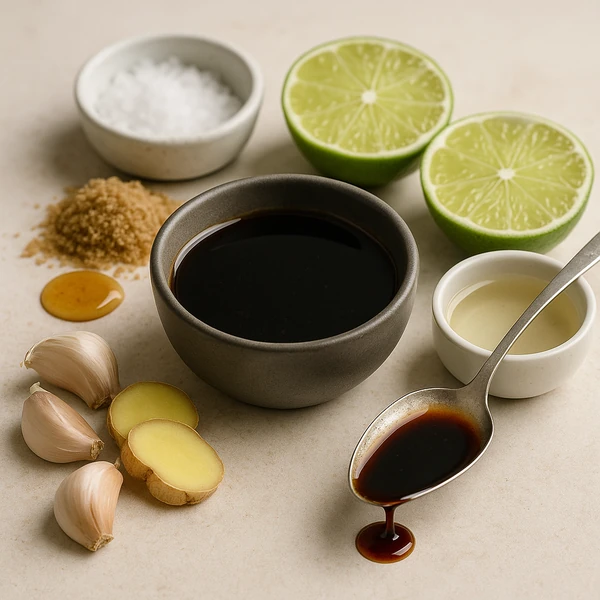
A marinade can contain more ingredients (aromatics, fat, chili…), but to control flavor it is useful to consider these three backbone elements. Each plays a different role in cooking and, most importantly, each reacts differently to time and heat.
Salty and umami component: the base that "builds" the flavor
The salty (and umami) component is usually key in Asian marinades because it determines whether the result will feel full and "finished" or flat. It is often carried by fermented sauces – typically soy sauces (which do not form a single universal ingredient but rather a wide family of styles) and in Southeast Asia also fish sauces.
With soy sauces, it is useful to remember that the labels "light" and "dark" do not mean the same everywhere and different regions have different logics. Japanese shoyu has its own traditional types (e.g., koikuchi, usukuchi, tamari) and in Korea, sauces are distinguished for broths and common cooking.
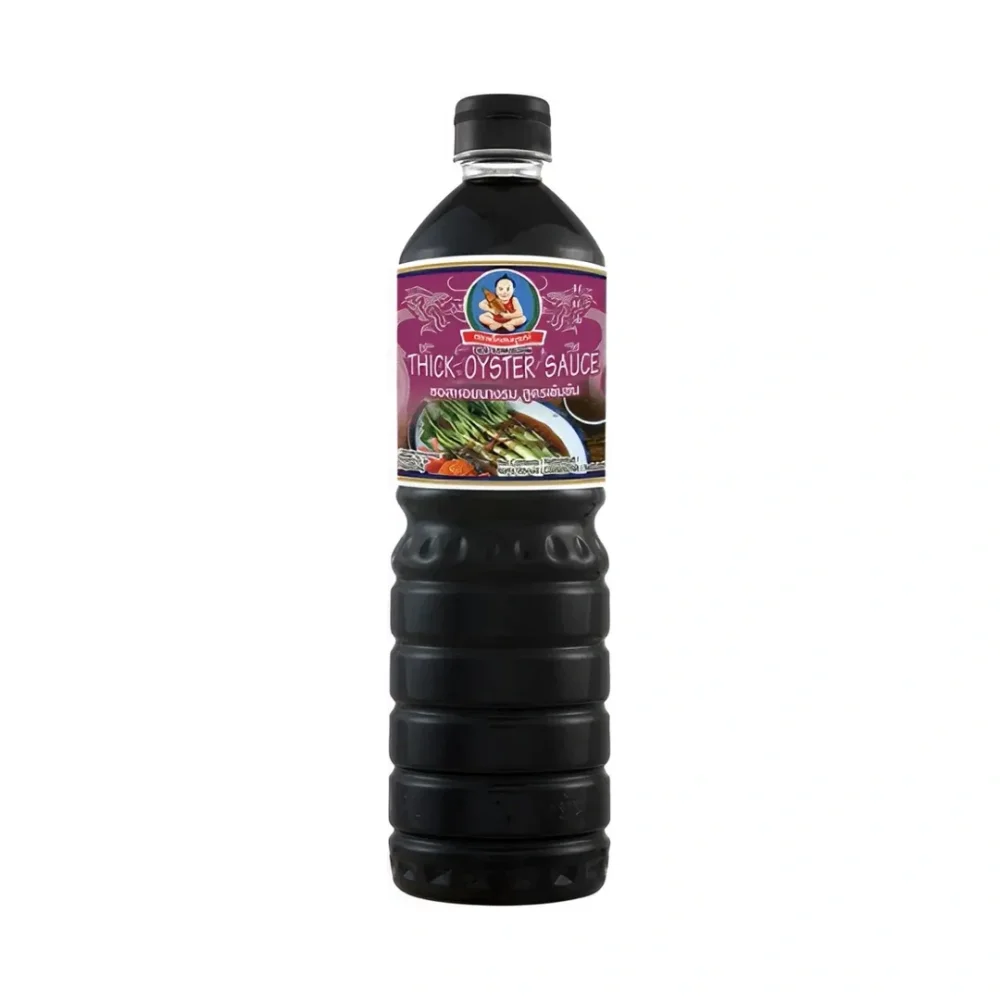
In a practical home marinade, umami and "roundness" can also be added by a thicker sauce that sticks well to the raw material – typically oyster sauce. An example that makes this easy to understand: Dek Som Boon Thick Oyster Sauce 1L works in a way that it stays on the surface and the taste is significantly fuller than with just salt.
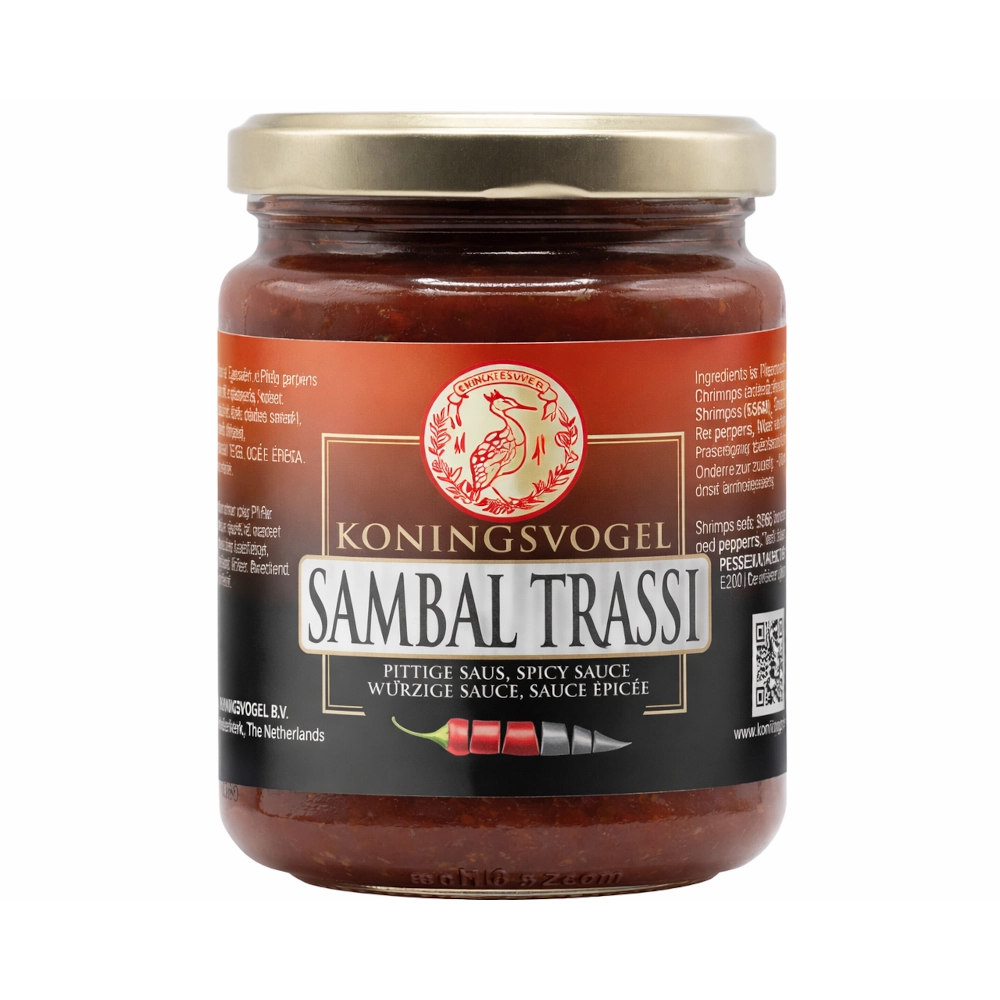
If you want to add "fermented sharpness" and pronounced aroma to the salty/umami component, some styles also work with chili pastes. A typical practical example can be Koningsvogel chili paste Sambal Trassi, which adds heat and umami character (here shrimp), so it can elevate the marinade base into a stronger position even in small quantities.
Sweet component: rounding, color, and glaze (but also risk of burning)
The sweet component in a marinade often does more than just provide "sweet taste." It can round off the saltiness, support gloss, and contribute to the glaze. At the same time, a practical warning applies: a high sugar content easily burns when roasting. Therefore, the sweet component must always be considered together with how you will heat the raw material.
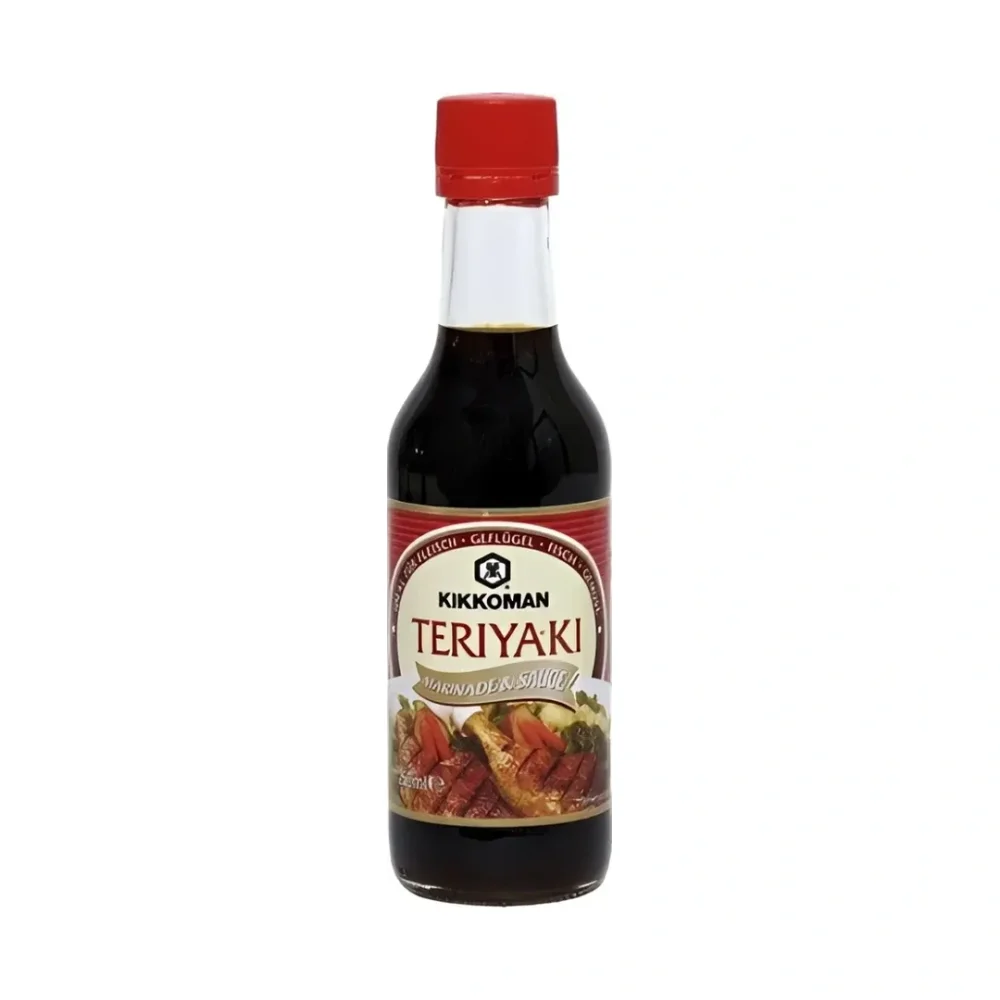
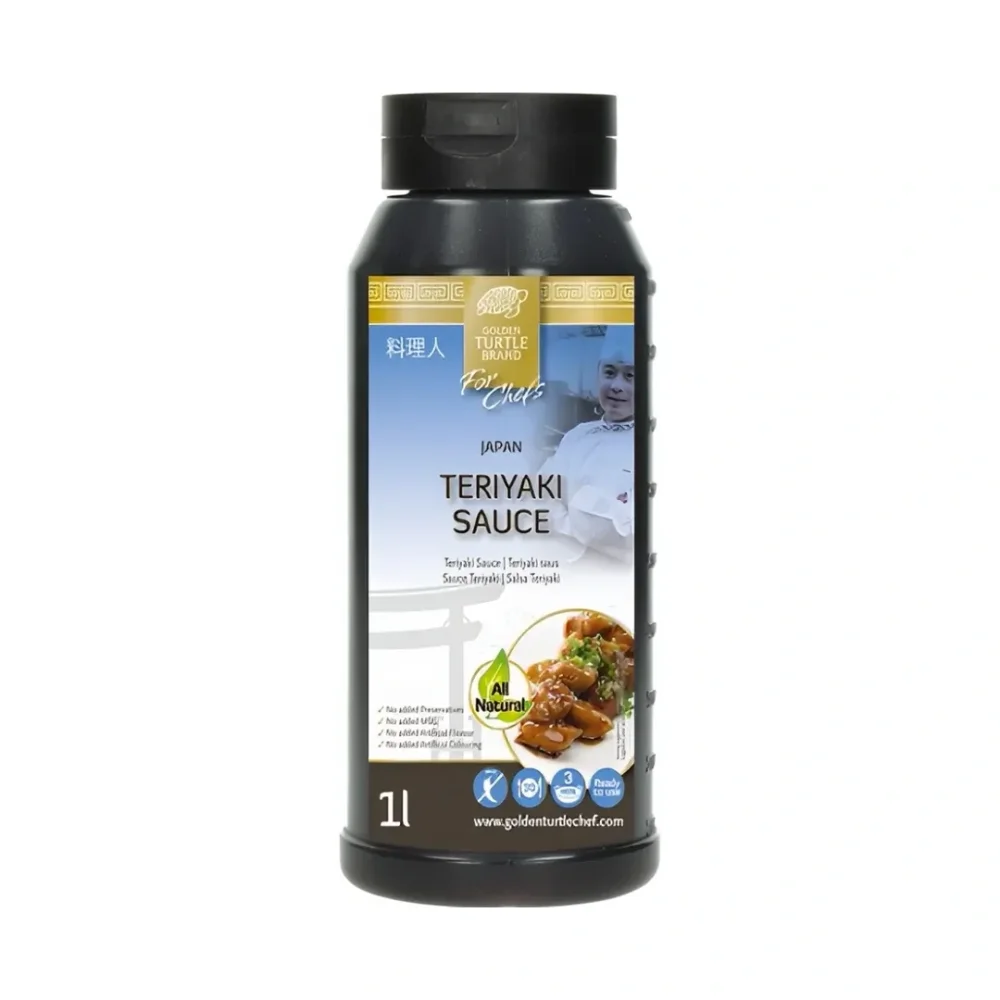
To understand the sweet-salty logic, it's good to look at the teriyaki style: one variant is directly a "marinade," the other more a sauce suitable for quick stir-frying and glazing. Specifically, Kikkoman Teriyaki Marinade is designed to be used for both marinating and glazing during roasting, while Golden Turtle Teriyaki Sauce behaves in the kitchen more as a sweet-salty sauce for quick use and glazing. The name is similar, but the role in the dish may not be the same – and this is exactly the type of confusion that leads to burning or, conversely, a "sticky" pan without searing.
Sour component: contrast and enhancement, but sensitive to time
Sourness in a marinade mainly serves as contrast: it lifts other flavors and helps the result not to seem just heavily salty or sweet. At the same time, it is among the most time-sensitive components – too acidic and aggressive marinades can damage the surface of delicate ingredients. So it is not a case of "the longer the better."
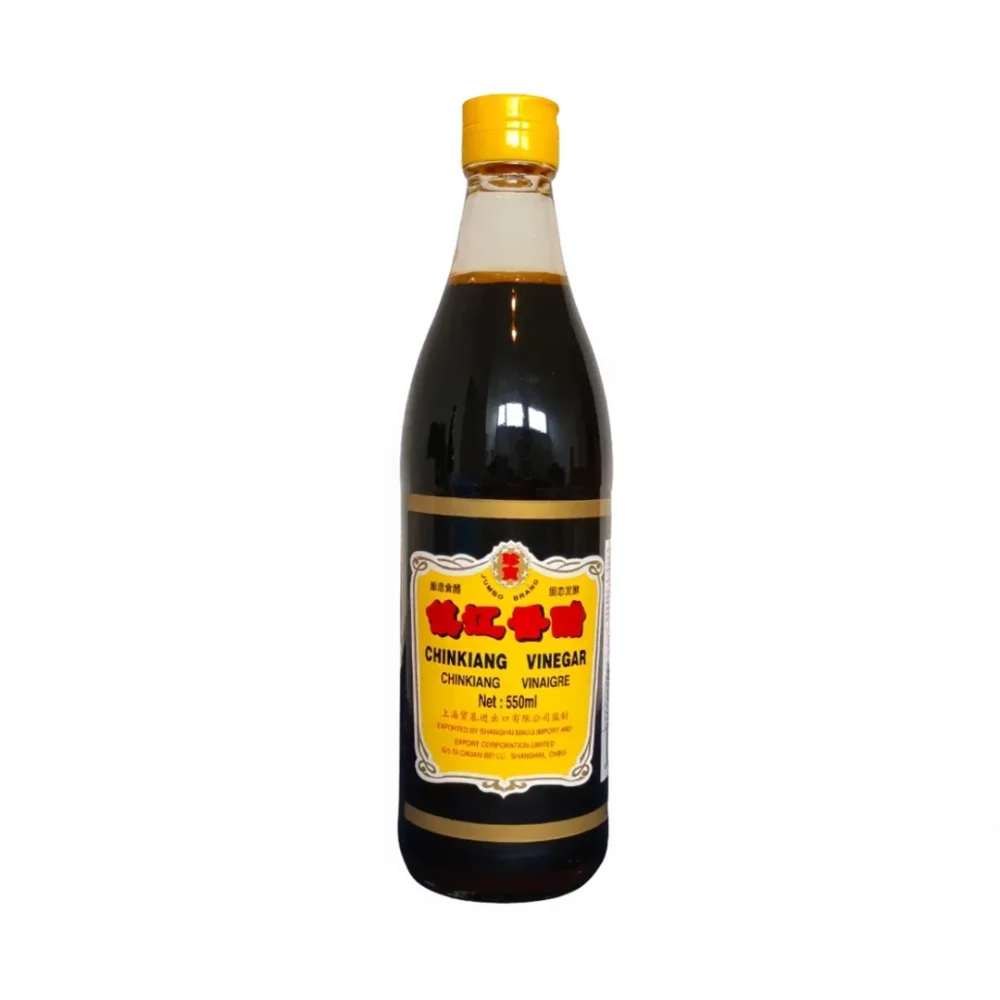
A practical example of a sour component for darker, bolder styles is often rice vinegar. Jumbo Black Rice Vinegar illustrates the type of acidity suitable for both meat marinades and darker sauces and dressings – that is, where you don’t want the acidity to "shout," but rather to be tastefully integrated into the whole.
👃 Aromatics and fat: why the "trio" alone is not enough
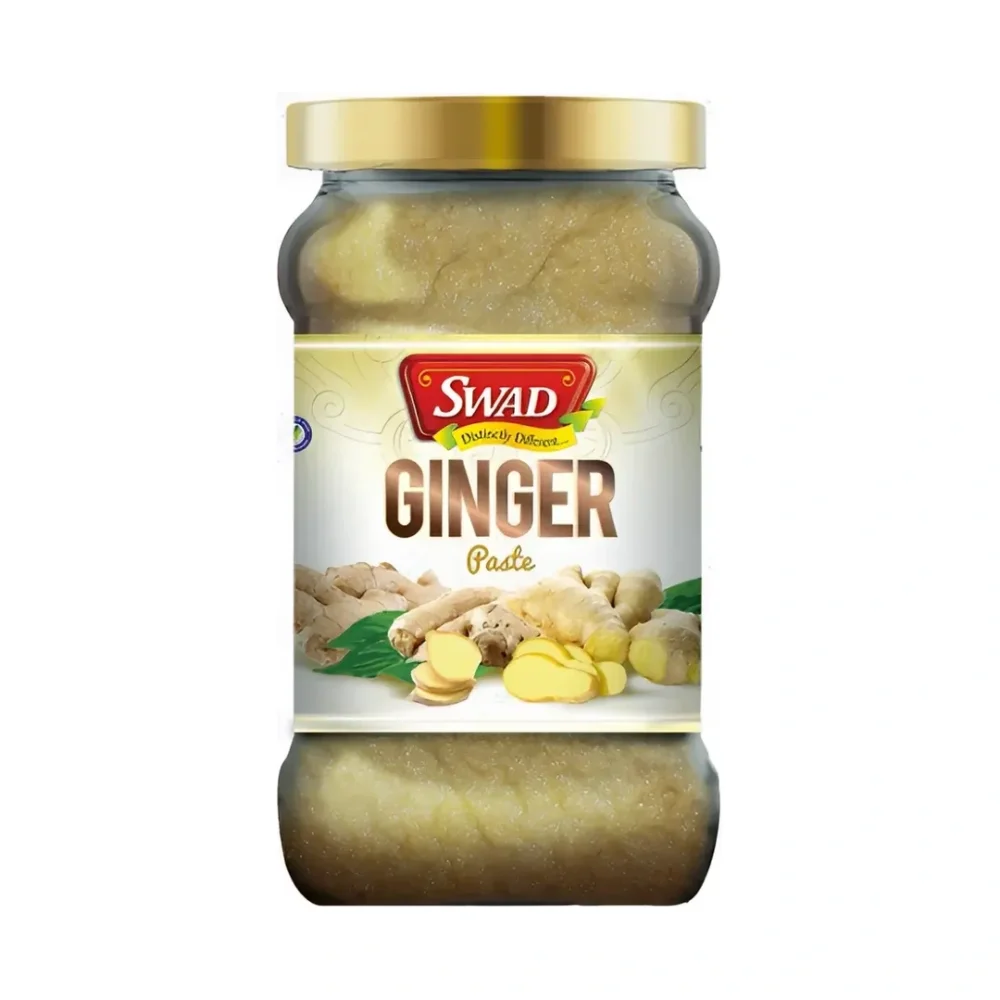
Although this article is about the salty, sweet, and sour components, in practice it applies: without aromatics, the marinade will be flavorwise vague. And without fat or a suitable carrier, some aromatics stick poorly to the raw material. In home practice, aromatics often rely on garlic and ginger – typically in paste form, which is easy to mix into a wet marinade, for example, SWAD Garlic Paste with Ginger.
Dry vs. wet marinade: the cooking method decides
A practical division that saves a lot of disappointment in the kitchen is the choice between dry and wet marinade.
Dry marinade (dry seasoning): when you want to brown and roast
A dry marinade makes sense where you don’t want to add too much moisture – typically for grilling, roasting, for ingredients that should brown well, or where you want a cleaner and more direct flavor.
- Advantages: less water on the surface, better browning, easier control, cleaner work.
- Disadvantages: carries some aromatics worse, weaker "coating" of the raw material, less suitable for delicate glazed styles.
👃 Wet marinade: when you need to combine flavors and carry aromatics
A wet marinade is suitable where you want more flavors combined into one whole, to coat the raw material well and possibly create a base for glazing. At the same time, it has two typical weaknesses: too wet a surface can hinder browning and sugar easily burns when in higher amounts. Therefore, for wet marinades it is even more important to know whether you will stir-fry at high heat, bake, or rather steam.
🍳 How to watch balance at home: practical procedure without a "universal ratio"
One of the most common traps is searching for a single correct formula. For Asian marinades, a more reliable approach is based on the role of the components and what you will do in the pan, wok, oven, or grill.
- Start with the salty/umami component and ask yourself: Is it the "main salting base," or just an addition for color/roundness? (It helps here to think like with sauces: what is the source of saltiness, what carries umami, what adds color.)
- Add aromatics (garlic, ginger, chili, possibly paste) so that it is evenly distributed in the marinade – usually easier with wet marinades.
- Add the sweet component carefully according to heat: the sharper and drier the roasting you plan, the more risk there is of burning. The teriyaki style (see above) is a good example of a marinade/sauce that gives gloss and glaze but requires attention at high heat.
- Dose the acidity considering time: the acidic component can "open" the flavor, but with delicate ingredients and longer marinating time it can be problematic. If you want mainly a flavor effect of acidity (not technological), it often makes sense to leave part of the acidity until the final seasoning.
- Decide what will be marinade and what will be sauce: if you want something also for pouring over or glazing, it is safer to set aside part of the mixture before it comes into contact with raw meat.
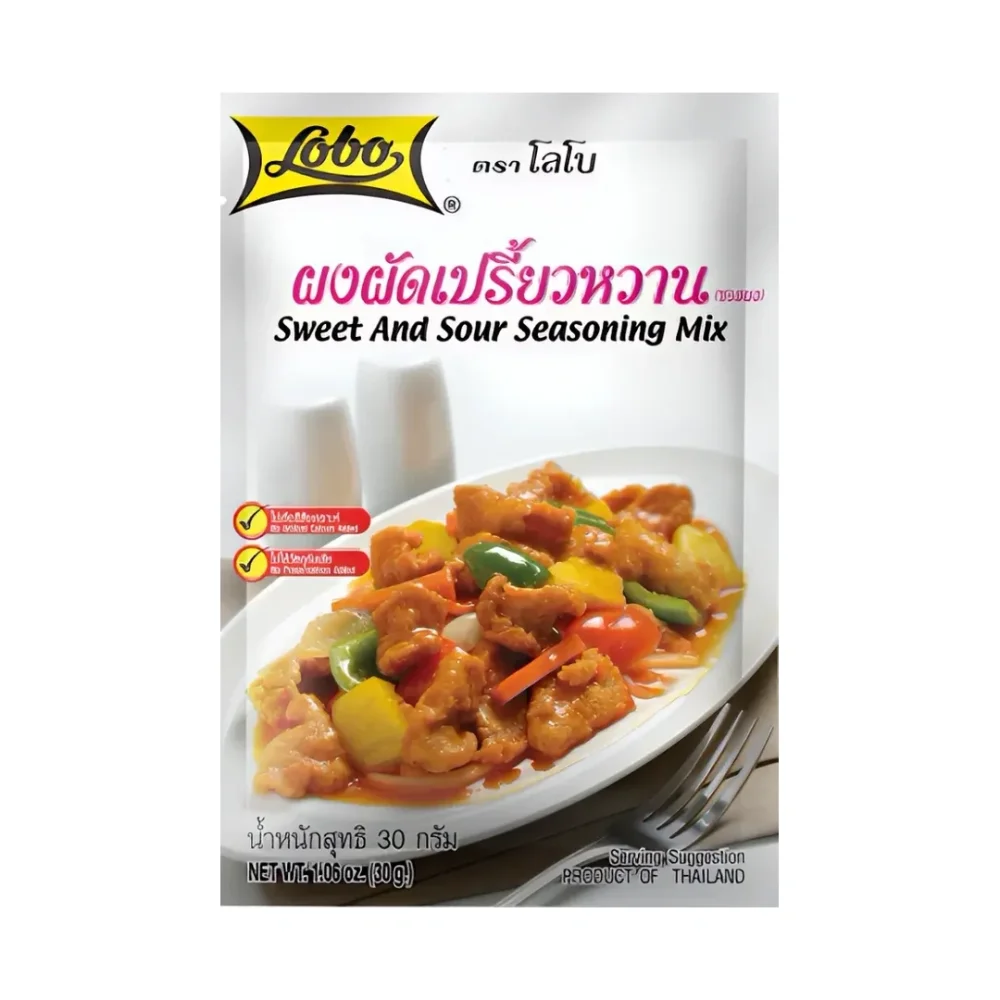
If you aim for a sweet and sour profile (typical for some "sweet & sour" styles), it is good to remember that a sauce mixture does not automatically work as a long marinade. An illustrative example of a finished direction is Lobo sweet and sour sauce mix: it is primarily a way to a quick sauce that is cooked briefly – that is rather the logic of "season during cooking / finish," not a universal base for arbitrarily long marinating.
If you want to experiment more systematically with marinades, the category Marinades can serve as a guide – mainly to compare styles (e.g., sweet-salty glazing vs. distinctly aromatic).
Common mistakes and warnings: why marinades fail (and how to prevent it)
- Confusing marinade and sauce: a marinade prepares the raw material and must consider heat treatment; a sauce completes the finished dish and can be constructed totally differently. One mixture may not handle both.
- "Dark and salty = the same": this does not apply to Asian sauces. Dark color can mean longer fermentation, higher sugar content, different texture, or a completely different regional style. It is safer to ask: what is the source of saltiness, what carries umami, what adds color, what sweetness, and what is rather final seasoning.
- Too wet a surface before roasting: wet marinade can inhibit browning. When aiming for browning, dry marinade or very targeted dosing of wet marinade often works better.
- Too much sugar at high heat: sweet marinades (glazing styles) easily burn – especially during quick stir-frying or on the grill.
- Too long marinating as an automatic "win": longer time is not better by itself. Especially with acidic and aggressive marinades, longer contact can worsen the surface of delicate ingredients.
- Safety: marinate in the cold, not at room temperature. Do not reuse marinade that has been in contact with raw meat unless you boil it thoroughly first. And if you know you want part of the mixture as a final sauce or glaze, set it aside beforehand.
What to take away from the article
- Marinade in Asian cuisine is a tool for flavor and surface – and is often just one part of the entire seasoning.
- The salty/umami component builds the base, the sweet component rounds and supports glaze, the sour component gives contrast – but each has different risks (burning, time sensitivity).
- Decision dry vs. wet marinade make according to whether you need to roast to brown or combine flavors and aromatics.
- One of the most important skills is not to confuse marinade and sauce and at the same time to monitor safety (refrigeration, handling "raw" marinade).

Read next
If you want to explore this topic further, continue with these related blog guides and articles:
