


 Česky (CZK)
 Slovensky (EUR)
 Deutsch (EUR)
 Austria
 Belgium
 Bulgaria
 Croatia
 Denmark
 Estonia
 Finland
 France
 Germany
 Greece
 Hungary
 Italy
Italy Latvia
 Lithuania
 Luxembourg
 Netherlands
 Poland
 Portugal
 Romania
 Slovenia
 Spain
Spain Sweden










The Most Common Mistakes in Ingredient Preparation (and How to Quickly Fix Them)
In Asian cooking, the result often “breaks” even before you turn on the stove: on the cutting board, in bowls with prepared ingredients, and in how you organize the steps. High temperature, quick stir-frying, and precise order of adding ingredients don't forgive when vegetables are cut haphazardly, aromatics wait next to a hot wok, or wet ingredients fly into the pan. This article summarizes the mistakes that most often ruin texture and taste – and most importantly, what to do about them in practice.
Why Asian Food Is Often Decided on the Cutting Board
In kitchens where cooking is fast and done in several short steps, there is no time to “improvise” by looking for ingredients, cutting vegetables additionally, or mixing starches only later. This is especially true for dishes where tempo is crucial: stir-fry and wok techniques, quick noodle dishes, fried rice, briefly stir-fried vegetables, or bowls and cold dishes with multiple components.
When preparation is not mastered, typically one of these things happens: some ingredients remain raw while others are overcooked, aromatics burn before the rest is done, the sauce doesn’t coat the dish evenly, ingredients release water and instead of stir-frying they steam. The result is a dish without “rhythm” – both in taste and texture.
🍳 What “ingredient preparation” includes: cutting, drying, separation, and timing
Preparation in Asian cuisine isn't just cutting. It also involves things often underestimated but making a huge difference:
- order of steps (what goes into the pan first and what goes last),
- separation of components according to how quickly they cook (hard vs. soft, fragile vs. juicy),
- drying and working with moisture (what needs to be dry to stir-fry properly),
- preparation of sauce and starch in advance, so everything finishes on time,
- workstation organization (to avoid mixing raw and cooked items and prevent clutter).
Good orientation is simple: first clarify the technique (e.g., quick stir-frying in a wok vs. cold salad), and only then consider the cut shape and size, dividing into bowls, and the order of adding.
Size and shape of the cut: thin slices, larger pieces, and uniformity
Size and shape aren't aesthetics – they directly determine how quickly an ingredient heats up, how much water it releases, and how it will feel in a bite. The most common problem in home cooking is cutting 'by eye' regardless of technique.
Thin cuts
Thin slices and strips heat quickly, making them practical where cooking is brief and at higher temperature. They give a cleaner texture and better keep the tempo of the dish – especially in fast noodle dishes or stir-fry where ingredients are added at the right moment.
Larger pieces
Larger pieces aren’t “bad” by themselves but must correspond to the fact they need more time. If you use them in fast techniques, usually some parts remain undercooked while others overcook (typically aromatics or softer vegetables).
Uniform small pieces
Uniformity is often more important than whether you cut finely or coarsely. When pieces are similar, they cook for about the same time – and you don’t have to save the situation by increasing cooking time and breaking the texture.
Irregular cuts
Irregularity is one of the quickest ways to create problems: some pieces overcook while others remain hard or raw. If this happens, at least separate ingredients into “fast” and “slow” groups and add them gradually (not all at once).
The cut must suit the technique: why the cut for wok is different than for salad
A common mistake is confusing a cut suitable for salad with one suitable for wok cooking. Salad can tolerate different proportions and ingredient behavior than quick stir-frying at high temperatures.
For wok and stir-fry
For wok and stir-fry, speed and order are decisive. Ingredients are often added in exact sequence, and there is no time to “finish cooking” something separately while others are already burning. Therefore, the key practical points are:
- have ingredients cut in advance,
- have them separated by cooking speed (harder separate, softer separate),
- have prepared sauce and starch ready on the side,
- monitor that ingredients go into the pan exactly when they should, not while you're still cutting them.
Once you start cutting “during cooking,” the tempo falls apart: some items wait too long in the pan, others come in late – resulting in an uneven dish.
🍳 Asian-style Mise en place: Practical procedure to avoid burning anything
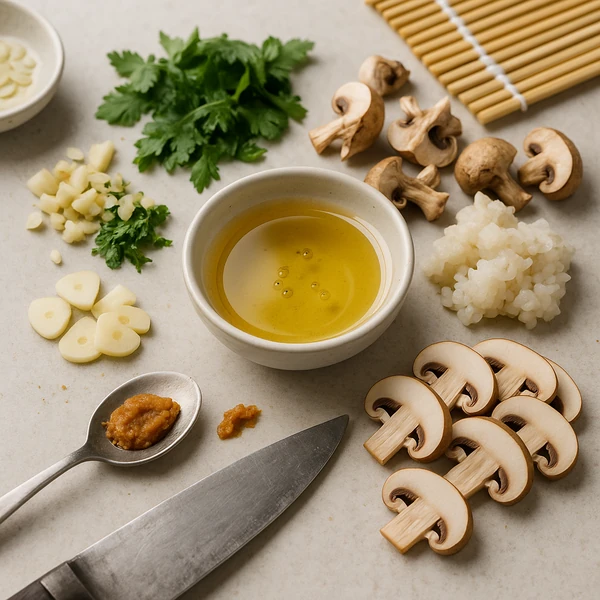
Mise en place means having things prepared so cooking is just assembling steps in the right order. In fast Asian cooking, this is often the difference between a “clean” result and chaos.
Mini-checklist before turning on the stove
- Planned order: what goes first, what goes last, what should remain tender.
- Dry vs. wet: what must be dry to stir-fry (and thus needs drying).
- Hard vs. soft: divide ingredients into at least two bowls depending on how fast they cook.
- Sauce on the side: mix it in advance so you just pour it at the right moment.
- Starch on the side: if you use it to thicken, prepare it separately and stir again right before use (starch tends to settle).
🍜 Before cutting: choose the right ingredient type and read the label
Some “preparation” mistakes start at purchase: the ingredient may be fine but poorly chosen for specific use. Practically, watch out mainly for these errors:
- Don’t buy based on a photo of the finished dish: the picture is not a reliable usage guide.
- Don’t rely on country of origin without understanding the type: “Japanese” or “Thai” alone doesn’t tell you if it’s the right variant for your cooking.
- Distinguish base vs. seasoned product: Many Asian ingredients come as pure base or pre-sweetened/thickened/seasoned versions. Seasoned versions are practical but if taken as a “universal base,” you can easily overdo the flavor and it’s hard to correct when cooking.
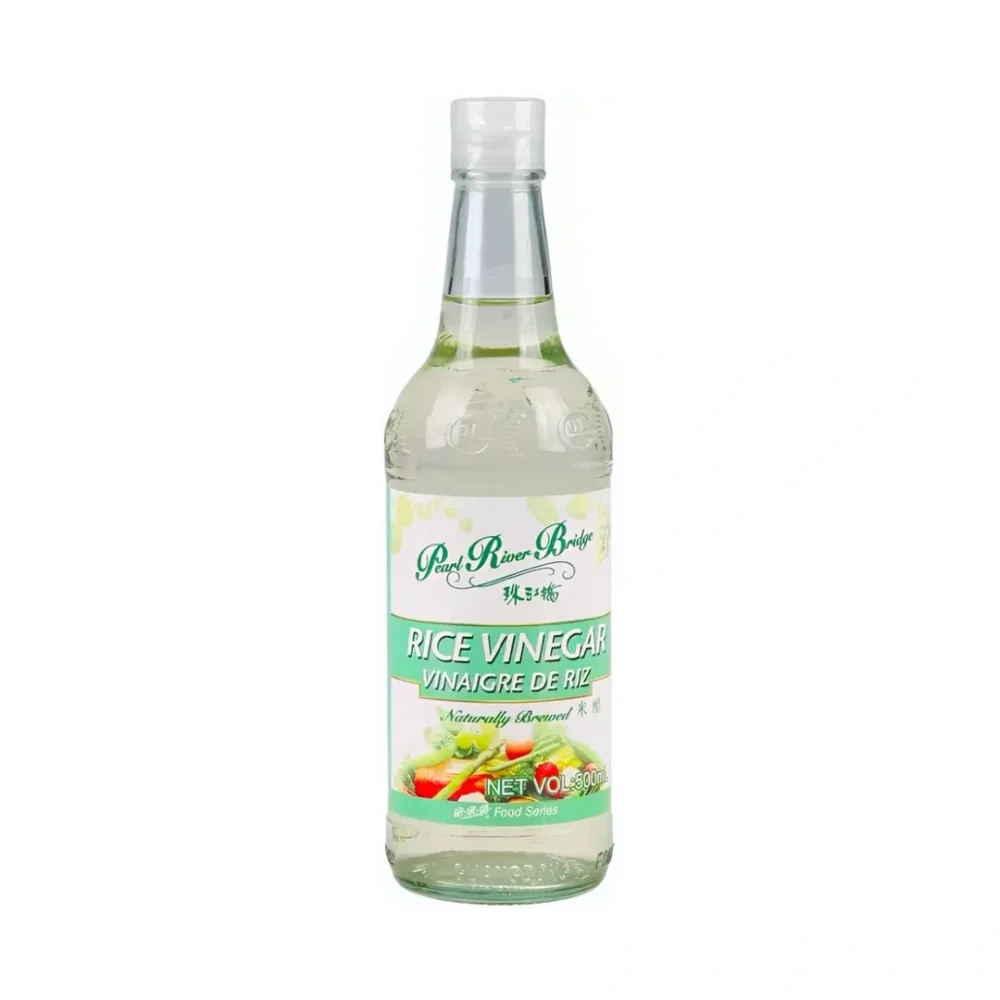
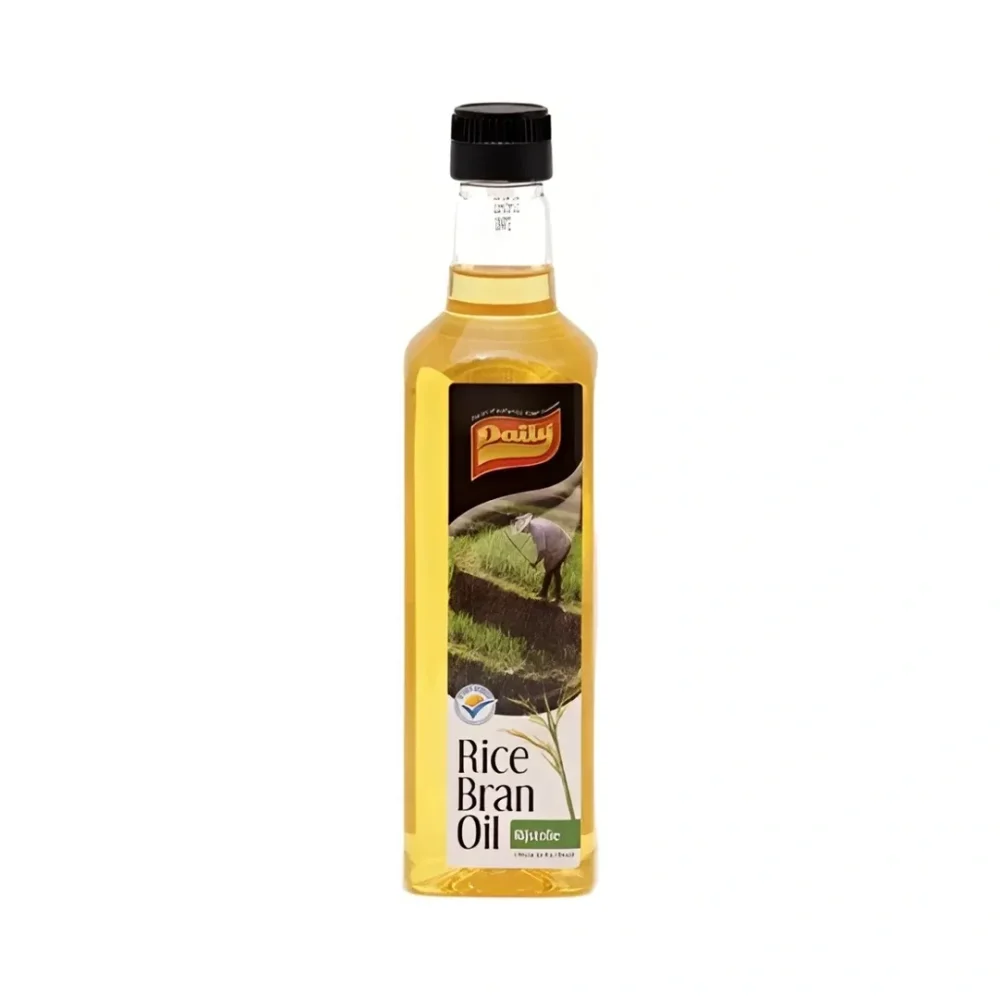
Specific examples where people often get confused: with sushi rice, it makes sense to use rice vinegar (e.g. P.R.B. rice vinegar) and work with it purposefully, whereas for quick stir-fried dishes it’s practical to have a neutral oil on hand that doesn’t overpower ingredients (e.g. Daily rice oil). And if you’re making sushi, it’s good to have clear steps and work organization for each component – the section Sushi Preparationcan serve as a guide.
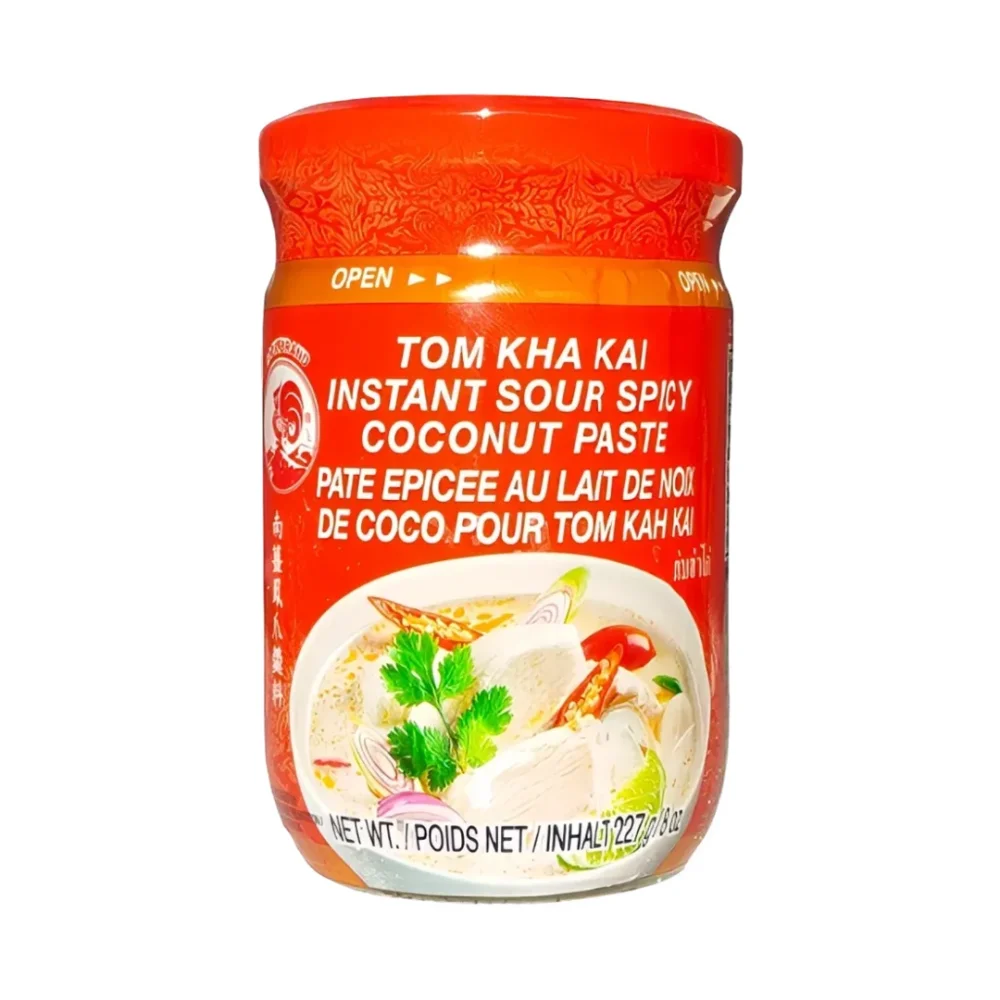
Similarly, with more finished mixes and pastes, it’s good to know that part of the work is already “built-in” to the product: typically aromatic soup pastes (e.g. Tom Kha Kai Cock Brand paste), preparation often depends on having the base, ingredients, and timing ready beforehand – not on looking for more components during cooking.
Most Common Mistakes That Ruin the Result (and How to Fix Them Quickly)
1) Cutting “by eye” regardless of technique
How to recognize: some parts are hard, some soft, and you extend cooking until some fall apart.
Quick fix: choose one technique (quick stir-fry vs. braising/cold dish) and set a “reference size” for one ingredient – take care with that one and cut others similarly. Next time, cut with a goal, not just a feeling.
2) Too large differences in size
How to recognize: even with a good pan and sauce, the result is uneven.
Quick fix: divide ingredients into two to three groups by cooking speed and add gradually. Don’t try to fix by longer cooking of all components at once.
3) Cutting during cooking
How to recognize: you lose control of temperature and order – aromatics burn or the dish “gets stuck.”
Quick fix: pause cooking for a moment: lower heat, remove done items from the pan, then finish cutting the rest. For fast techniques, it’s less damaging than letting the dish cook unsupervised.
4) Throwing wet ingredients into the pan
How to recognize: instead of stir-frying, the pan’s contents steam, release water, and lose the “seared” character.
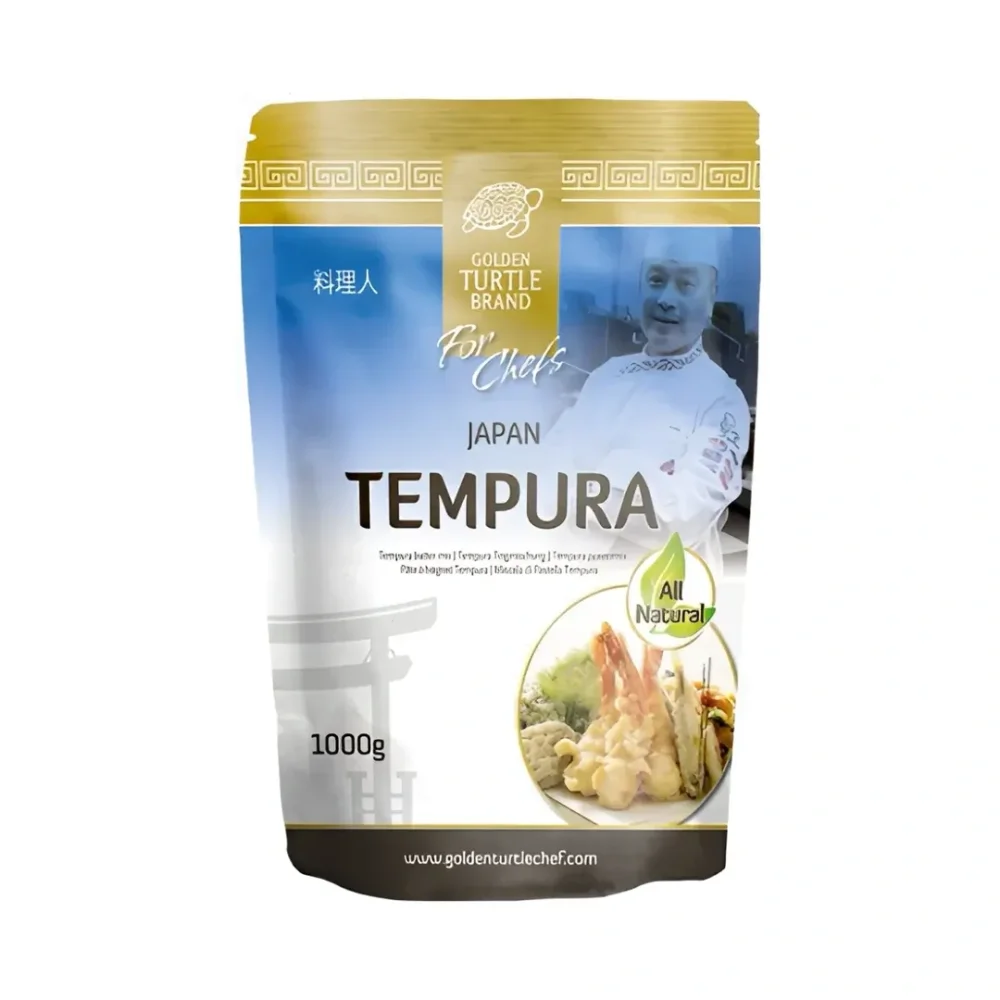
Quick fix: dry ingredients beforehand and add them only when the pan is really hot. For battering, dryness is even more important: if making crispy coating, work quickly and have the workspace ready (e.g. for tempura, have the mix prepared and ingredients dried; an example is Golden Turtle Chef Tempura).
5) Insufficient separation of hard and soft components
How to recognize: soft things overcook so the hard ones can finish cooking.
Quick fix: have at least two bowls – “start” (harder, slower) and “end” (softer, faster). This simple rule solves many problems without complicated theory.
6) Confusing salad cut with wok cut
How to recognize: in the pan, some ingredients are broken down while others remain “raw-hard.”
Quick fix: for quick stir-fry prefer cuts that heat through quickly and, above all, maintain uniform thickness. Consider salad cuts a different discipline, not a universal default.
7) Underestimating the preparation of sauce and starch
How to recognize: the sauce is on part of the dish and some parts are dry; or the thickening behaves unpredictably.
Quick fix: mix the sauce in a bowl beforehand. If using starch, prepare it separately (usually whisked smooth) and stir again before adding – to avoid patchy thickening. In fast dishes, there’s no time to fix it in the pan.
8) Overcrowded and messy workstation
How to recognize: things get mixed up, there's nowhere to put items, and cooking is stressful.
Quick fix: prepare an empty bowl for discards, a towel/paper for drying, and divide ingredients into a few bowls by order. In fast Asian cooking, “order” is a practical technique, not aesthetics.
9) Knife and cutting board hygiene (including cross-contamination)
How to recognize: you mix raw and cooked or use the same knife/cutting board without washing in between.
Quick fix: divide the work so raw and cooked never meet: first cut vegetables and finishing items, then raw meat/fish, and wash knife and board regularly.
If dealing with gluten-free cooking, this is even more important: Asian cuisine often has traps in sauces (e.g., regular soy sauce often contains wheat), and cross-contact can be a problem – using the same tools, cutting board, wok, or water for noodles. “Wheat-free” doesn’t automatically mean “gluten-free”; the safe choice is clearly labeled gluten-free.
10) Shopping mistakes that show up only during preparation
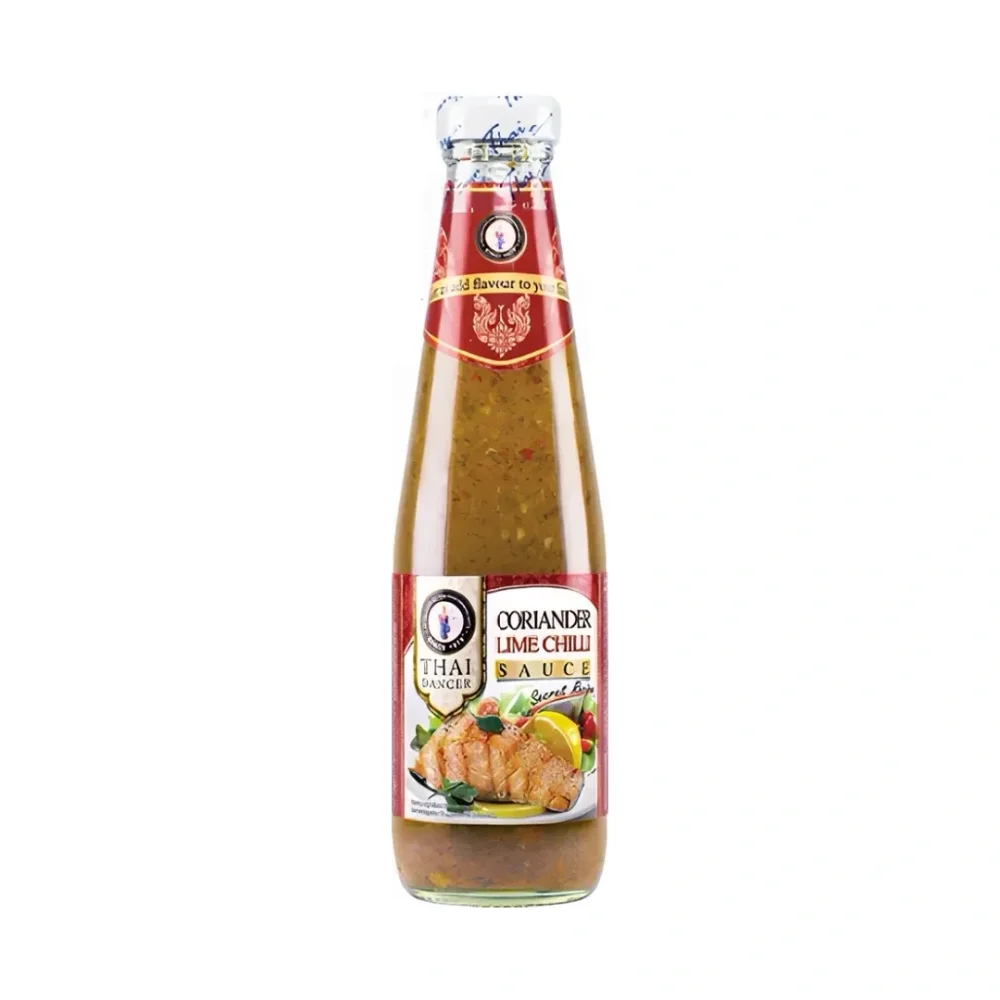
Sometimes the mistake becomes clear only at home on the cutting board: the ingredient has a different role than expected. This is typical for flavored sauces and “table” sauces that are great as dips or final seasoning but may not work as cooking base. If you want to quickly season a finished dish, for example, Thai Dancer lemon chili sauce with coriander can be suitable – but it’s good not to consider it automatically a universal “cooking sauce” for all dish styles. The better you understand the ingredient’s role, the less you’ll have to improvise under pressure while cooking.
What to take away from the article
- In fast Asian cooking, the result is often decided even before the stove: by cutting, drying, separating ingredients, and timing.
- The size and shape of the cut are not details – they determine cooking time and texture. The biggest enemy is irregularity.
- Wok/stir-fry requires mise en place: having everything prepared, sorted by cooking speed, and added in order.
- The biggest mistakes include: cutting during cooking, wet ingredients in the pan, not separating hard and soft ingredients, unprepared sauce/starch, and workplace chaos.
- Some problems start right from the selection: distinguish basic vs. flavored product and don’t buy just based on the impression of 'strength' or the picture.
- Hygiene and prevention of cross-contact are not formalities – in Asian cuisine (especially for gluten-free regimes), they can be decisive.

Read next
If you want to explore this topic further, continue with these related blog guides and articles:
