


 Česky (CZK)
 Slovensky (EUR)
 Deutsch (EUR)
 Austria
 Belgium
 Bulgaria
 Croatia
 Denmark
 Estonia
 Finland
 France
 Germany
 Greece
 Hungary
 Italy
Italy Latvia
 Lithuania
 Luxembourg
 Netherlands
 Poland
 Portugal
 Romania
 Slovenia
 Spain
Spain Sweden










Mise en place Asian style: why good food is often decided even before cooking
In many Asian kitchens, the outcome is decided not at the stove, but on the cutting board: by chopping, order of preparation, separating components, drying, soaking, and timing. Mise en place (prepared ingredients and components in advance) is not a "professional luxury" here, but a practical assurance that nothing will burn, nothing will remain raw, and the food will have a clean rhythm and flavor.
Why mise en place is so essential in Asian cooking
In dishes that are prepared quickly, at high temperature or in several short steps, simply there is no time to look for ingredients, chop vegetables or mix starch during cooking. This typically concerns:
- stir-fry and wok techniques,
- quick noodle dishes,
- fried rice,
- briefly sautéed vegetables,
- dishes where components are added in precise order,
- serving bowls, salads and cold dishes with multiple components.
If preparation is underestimated, the result is typical: some parts remain raw and others overcooked, the aroma burns before the rest is done, the sauce does not cover the dish evenly and ingredients release water, so instead of frying they start to stew. In other words: even a good sauce or a good pan won't give you control over the process if basic organization is missing.
What exactly does "mise en place Asian style" mean
Mise en place literally means “to have everything in its place.” In Asian home cooking, it's mainly about the cooking flowing without interruption and each component receiving exactly what it needs (briefly, quickly, at the end, separately...). Practically this means:
- all ingredients cleaned and cut in advance,
- sauces mixed or at least measured separately,
- aromatics separated from main ingredients,
- delicate and "late" components prepared separately,
- noodles soaked or pre-cooked as needed,
- starch mixed before you start cooking,
- cutting board and work surface cleaned so they do not slow down the rhythm.
It's not about perfectionism. In a home kitchen, it often makes the difference between calm, precise procedure and chaotic improvisation at a hot pan.
🍳 Preparation doesn't start with a knife, but with a plan: order is part of the technique
Good mise en place is not just "chopped vegetables." The basics are to be clear about:
- what goes into the pan first,
- what must be dry,
- what must be measured,
- what should only briefly touch the heat,
- what is added only at the end,
- what is stirred separately.
This planning is crucial in fast cooking. Adding an ingredient half a minute later can mean the difference between a fresh result and overcooked texture. And similarly, a “moment to stir starch” mid-cooking often ends with something burning or releasing too much water.
Where mise en place shows best: wok, noodles, fried rice and bowls
Stir-fry and wok: speed, temperature, and zero extra time
Stir-fry/wok cooking puts the greatest pressure on speed. Once the pan is hot, each step follows in short intervals. If you start chopping or looking for sauce only at that moment, you lose momentum and the dish "falls apart": some parts overheat, others start to stew in their own juices.
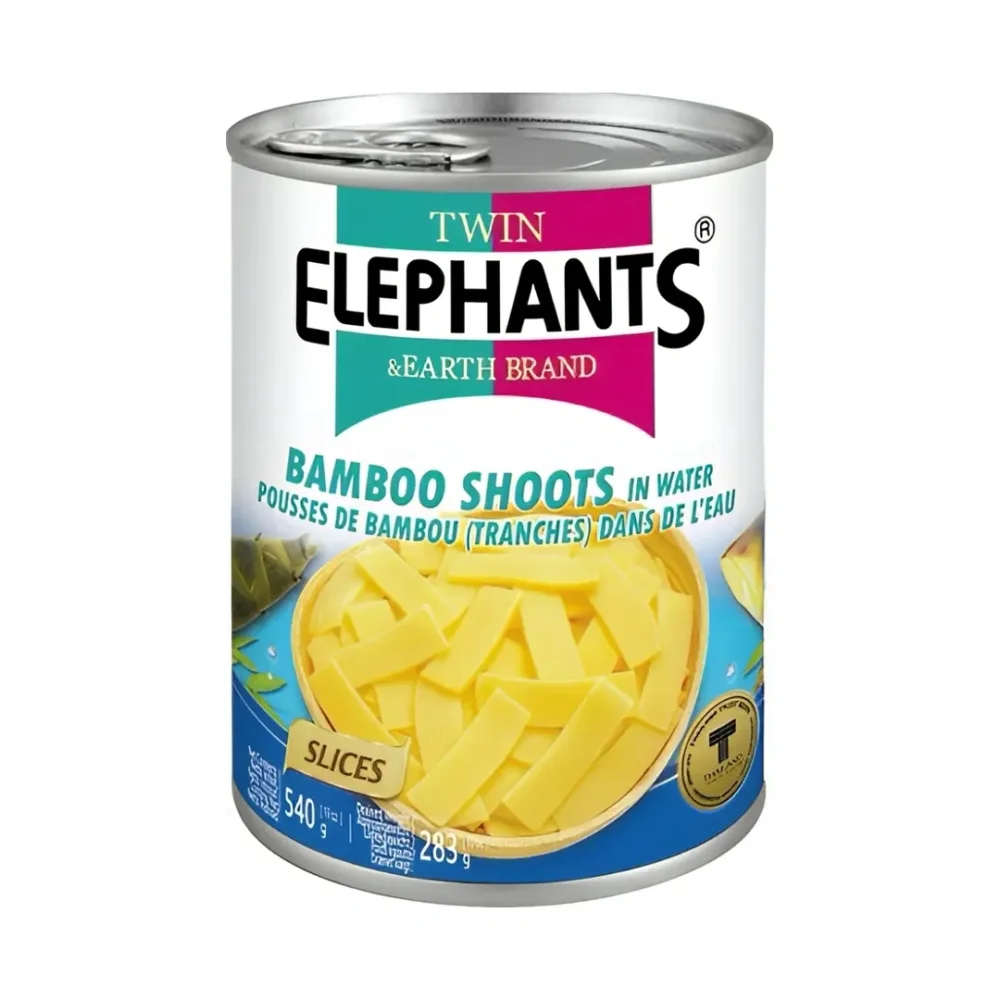
A practical example from mise en place: ingredients that tend to release water or come in brine should be prepared so that they go into the pan as "dry" as possible. For bamboo shoots, this means draining them in time and having them ready for quick warming, for example Twin Elephants sliced bamboo shoots.
Quick noodle dishes: noodles prepared earlier, sauce separately
Noodles are a typical “time bomb”: if you start dealing with their preparation only when the rest of the pan is already in motion, you often end up with one component overcooked and the other underdone. Mise en place here means having noodles ready according to need in advance (soaked or pre-cooked) and only then handling the rest.
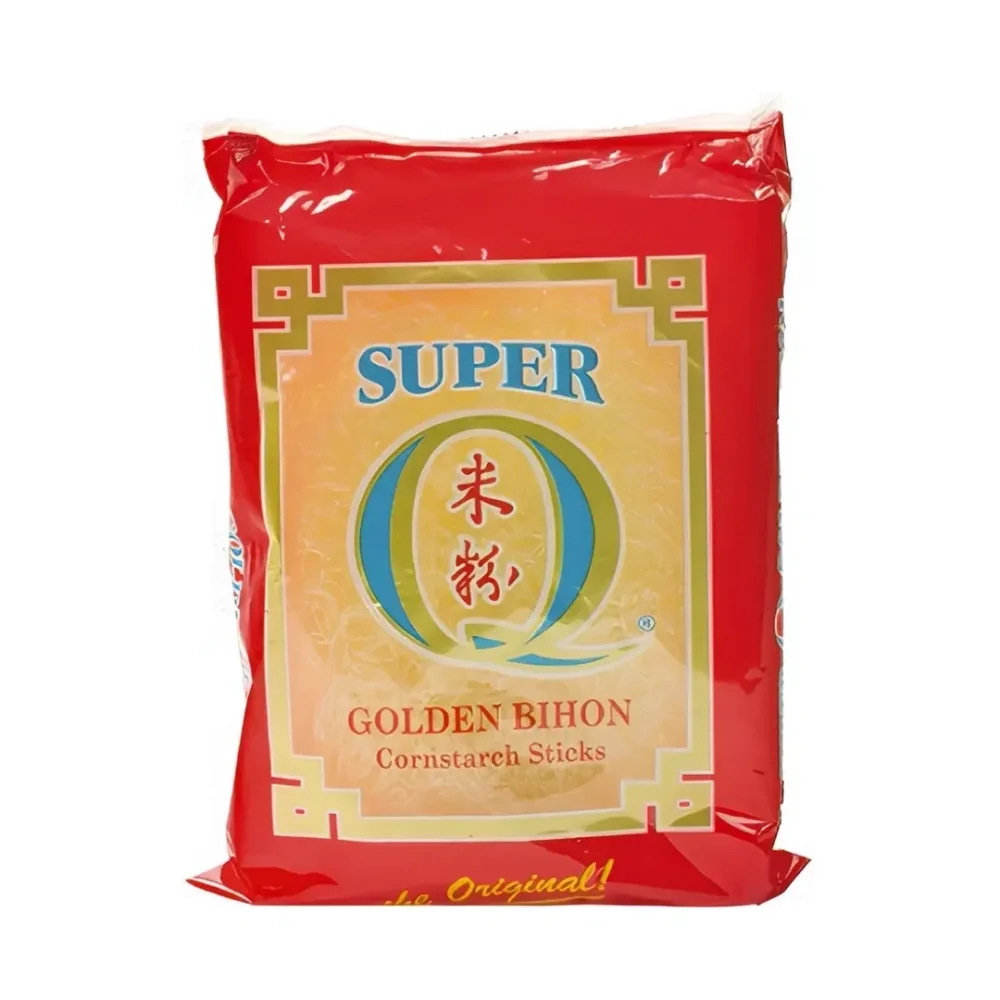
This is most noticeable with thin noodles. If you know you will only quickly toss them in the pan, prepare them before turning on the stove – for example Golden Bihon corn noodles (Super Q Brand), which are exactly the type of noodles where it's good to have texture under control and not deal with it under pressure at the pan.
Fried rice and sautéed vegetables: same pace, same mistakes
Fried rice and quickly sautéed vegetables look simple but punish poor preparation: steps rapidly alternate in the pan and often more components are added. If preparation isn't done in advance, the typical problem is that part of the ingredients starts stewing, the aroma burns, and the result loses "cleanliness."
Bowls, salads and cold dishes: mise en place as a system, not just speed
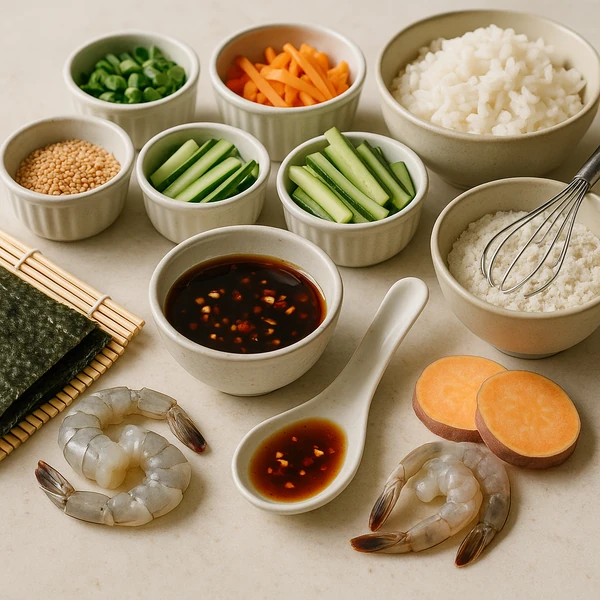
In bowls, salads, and cold dishes mise en place is important differently: it is not so much about high temperature, but about component organization. You have multiple components that meet only upon serving, and each should have its place and time (something fragile goes on top, something is stirred separately, something should be dry).
A typical example is home-style sushi: without prepared components it becomes chaos on the line. If you want to get oriented in this direction, a useful guide is the category Sushi Preparation.
🍳 How to do mise en place at home: a simple procedure that works repeatedly
The following procedure is not the "only right one." It is a practical framework that fits the logic of quick Asian dishes: first plan, then chop, then smooth cooking.
1) Write down (or mentally go through) the order of steps
Before you take a knife, try to say to yourself: what goes on heat first, what is sensitive, what is added only at the end, and what must be stirred separately. This will also determine how many bowls you will need and what you can prepare in advance.
🍜 2) Divide ingredients into "time groups"
- Aromatics (things that burn easily): prepare separately.
- Main ingredients (what makes up the volume of the meal): chop in advance and keep handy.
- Delicate/late components (things that should stay fresh or are added only at the end): set aside.
This simple separation often alone prevents aromatics from blackening before you finish the rest.
3) Measure sauce in advance (even if it’s "just from one bottle")
Even for simple dishes, it pays to put the sauce in a small bowl. This makes it easier to dose at the right moment and avoids having to search for the lid, wipe the neck, and estimate the amount at a hot pan.
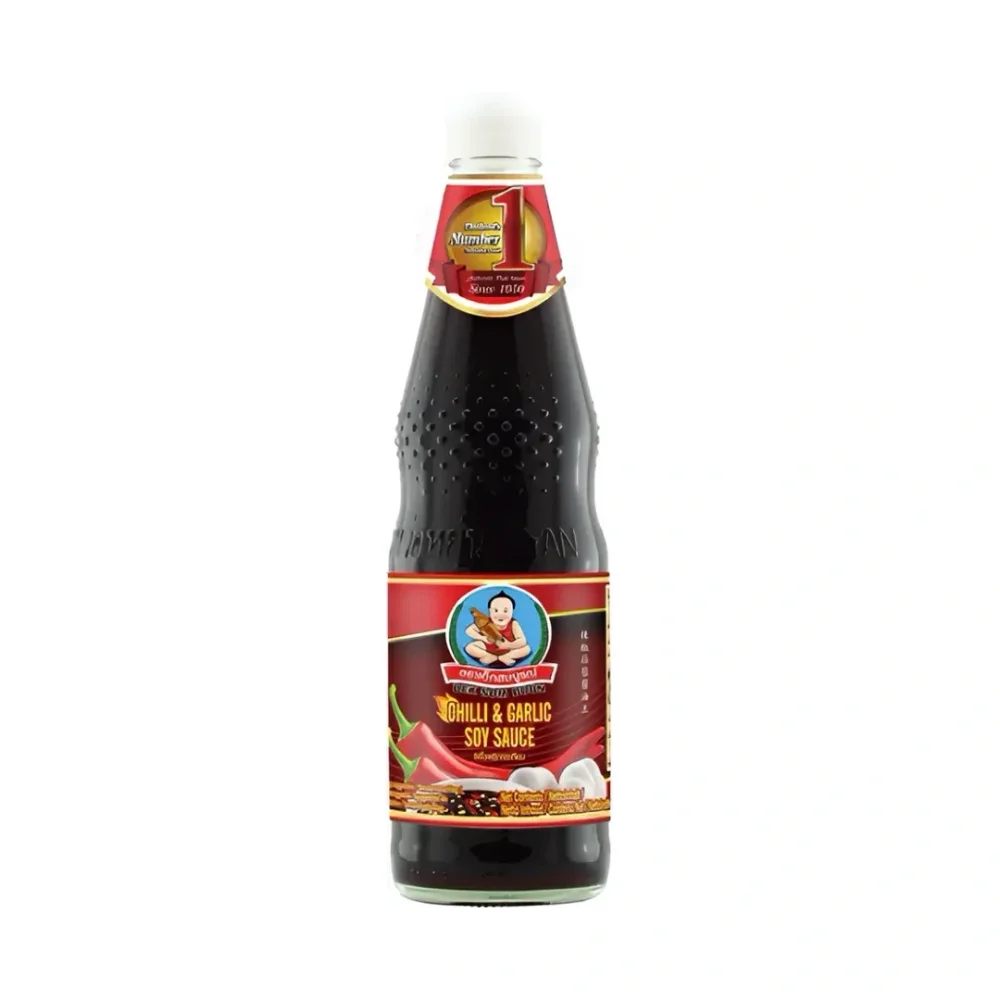
A practical example can be a strong sauce suitable for quick stir-fries and noodles, for example Dek Som Boon soy sauce with chili and garlic. It's not about how complicated it is – it's about having it ready when it’s time to use.
4) Deal with noodles and starch before cooking starts
If the dish contains noodles, prepare them as needed in advance (soak or pre-cook). And if you will thicken the sauce with starch, mix it in cold liquid beforehand. In practice, a small amount of starch mixed in a few spoons of water without lumps is enough – the key is not doing this in a hurry when the pan is already hot.
5) For things in brine or cans, think about “dryness”
Usually you don't want to add unnecessary water to fast frying. Therefore, it's worth draining everything from brine in time or allowing it to drip off, and have it ready for immediate use. This saves you from a situation where instead of frying, stewing occurs and the dish loses structure.
6) The work surface must be “fast”
Mise en place also means that your cutting board and counter do not get in the way. In fast cooking, "extra cleaning" is not optional but part of the rhythm: if you constantly avoid scraps and dirty bowls, you make mistakes in order and temperature.
Storage as part of mise en place: quality, texture, and safety are not the same
Mise en place doesn’t end with today's dinner. In Asian cuisine, you often work with ingredients whose flavor and texture are sensitive to conditions. An important practical note: with many products, it's not just a state of "good" and "spoiled" – there can be an intermediate stage when the ingredient is safe to eat, but has already lost some aroma, freshness, or texture.
Four big enemies that gradually take quality are heat, light, air, and moisture. In practice, it means a simple rule:
- what is dry, protect mainly from moisture (typically noodles, rice, starches, seaweed, panko, spices, dried mushrooms),
- what is aromatic and fattier, protect from heat, light, and air (often oils, sauces, spices),
- what is chilled or cooked, mainly manage time and temperature.
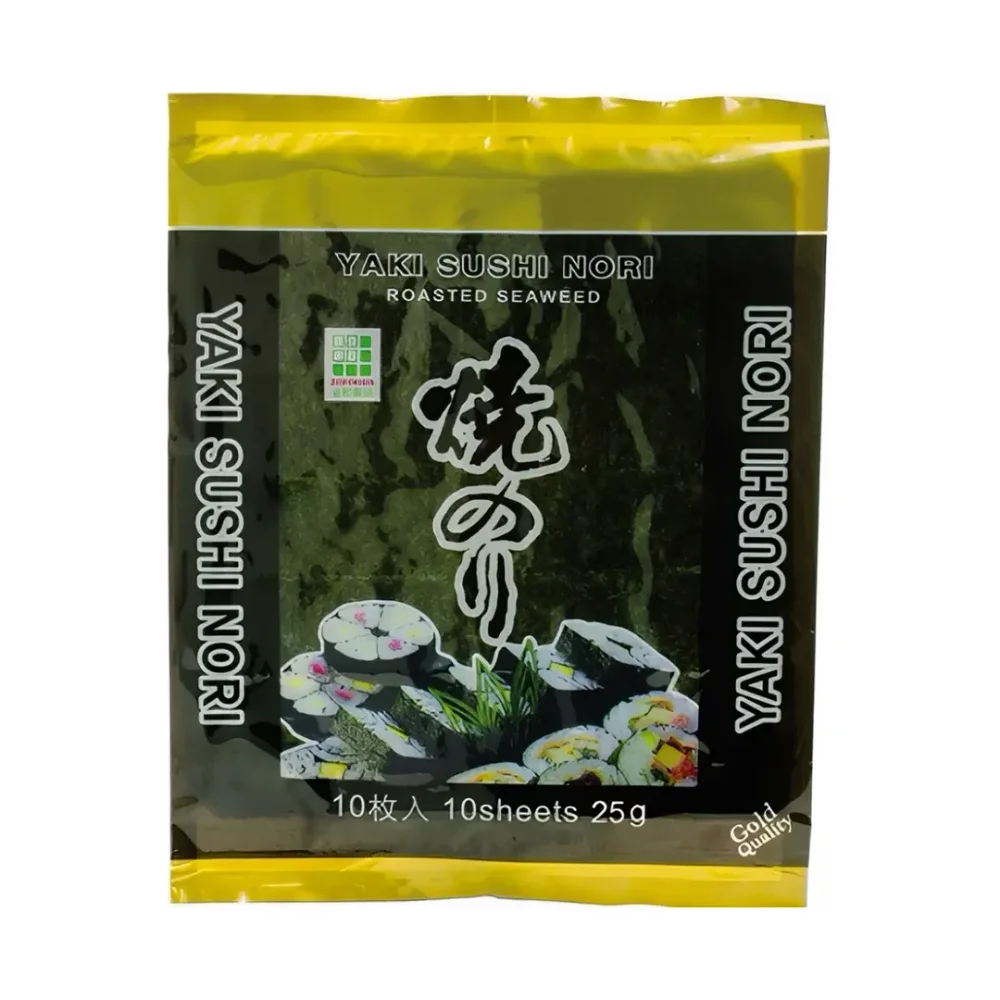
As a concrete example of "moisture kills texture," seaweed works: if it gets wet, you work with it completely differently. This is critical for sushi but also applies for flavoring rice or noodles. Therefore, it makes sense to handle it disciplinarily and return quickly to dryness – for example with Yaki Nori Gold sushi seaweed (JH foods).
And one more practical note about home leftovers: many problems arise after cooking. It is not wise practice to leave a large pot of curry or soup on the stove overnight thinking it will be "re-cooked in the morning." For safety and quality, it is better to portion into shallow containers, not leave to cool long on the counter, and put into the fridge as soon as possible. And if reheating, reheat portions rather than the whole volume repeatedly.
Most common mistakes in mise en place (and how to quickly fix them)
- I start cooking and only then chop. Fix: even if you don’t have time for "perfection," at least prepare aromatics, sauce into a bowl, and one main ingredient in advance. This dramatically improves control.
- I have everything in one pile. Fix: separate at least aromatics and late/delicate components. This prevents burning aromatics and overcooking delicate components.
- I pour sauce "by eye" directly from the bottle. Fix: measure it into a small bowl. It’s the simplest step that speeds up and improves cooking accuracy.
- It stews in the pan, doesn’t fry. Fix: watch what you add wet to the pan. Drain brine items and let them drip in advance; prepare ingredients that release water so they go in at the right moment.
- I mix starch only "on the go." Fix: mix starch in cold liquid beforehand and have it ready. You avoid confusion and lumps.
- I underestimate moisture in dry ingredients. Fix: keep dry things dry and well sealed. For noodles or seaweed, loss of texture is often the first warning that storage is not ideal.
What to take away from the article
- In Asian cooking, the result is often decided before the stove: on the cutting board, in the order and organization of work.
- Asian-style mise en place means not only chopping, but also separating components, sauces into a bowl, prepared noodles, mixed starch, and a clean work surface.
- Preparation starts with a plan: knowing what goes first, what must be dry, and what is added only at the end.
- Mise en place shows the most in wok/stir-fry, quick noodles, fried rice, and dishes with multiple components.
- Storage is part of mise en place: moisture takes texture from dry ingredients, heat/light/air take aroma from sauces and oils, and cooked food needs disciplined cooling and reheating.

Read next
If you want to explore this topic further, continue with these related blog guides and articles:
